Where Is Raja Ampat
Raja Ampat sits in the Coral Triangle, just south of the equator in eastern Indonesia. The archipelago lies within Southwest Papua province and sits about 50 kilometers west of Sorong — the main gateway for visitors. “Raja Ampat” means “Four Kings,” a nod to the four principal islands: Waigeo, Batanta, Salawati, and Misool. In total, the region includes more than 1,500 islands spread across a vast marine area.
Many people asking where is Raja Ampat are surprised to learn it lies much closer to Papua New Guinea than to Jakarta. Its remote location has helped keep the islands and waters unusually intact, so the area now ranks among the world’s richest marine environments.
Raja Ampat sits where ocean currents from the Indian and Pacific Oceans meet. Those currents help spread coral and fish larvae across the waters, fueling exceptional marine biodiversity. That mix of currents and isolation is a key reason conservationists prioritize Raja Ampat.
Raja Ampat Location in Indonesia
Raja Ampat sits at Indonesia’s far eastern edge. Administratively, it is a regency in Southwest Papua province, which separated from the larger West Papua province in 2022. The regency has about 8,034 square kilometers of land and a much larger maritime area, so the region is predominantly ocean.
Historically, Raja Ampat fell under the influence of the Sultanate of Tidore. Later, Dutch colonial rule incorporated the islands into the Netherlands’ territories. After Indonesian independence, Raja Ampat became part of the Republic of Indonesia, though its remoteness has kept development limited and preserved much of its natural environment.
To put distance in perspective: Raja Ampat lies roughly 2,300 kilometers east of Jakarta and about 2,600 kilometers from Bali. Those long distances — and limited transport links — are why the raja ampat islands remained off the typical tourist track until recent decades.
Raja Ampat on the Map
Quick facts: coordinates ~0°14′S, 130°30′E; located at the northwestern tip of the Bird’s Head (Doberai) Peninsula on New Guinea. Raja Ampat forms the “crown” of the peninsula when viewed on a map.
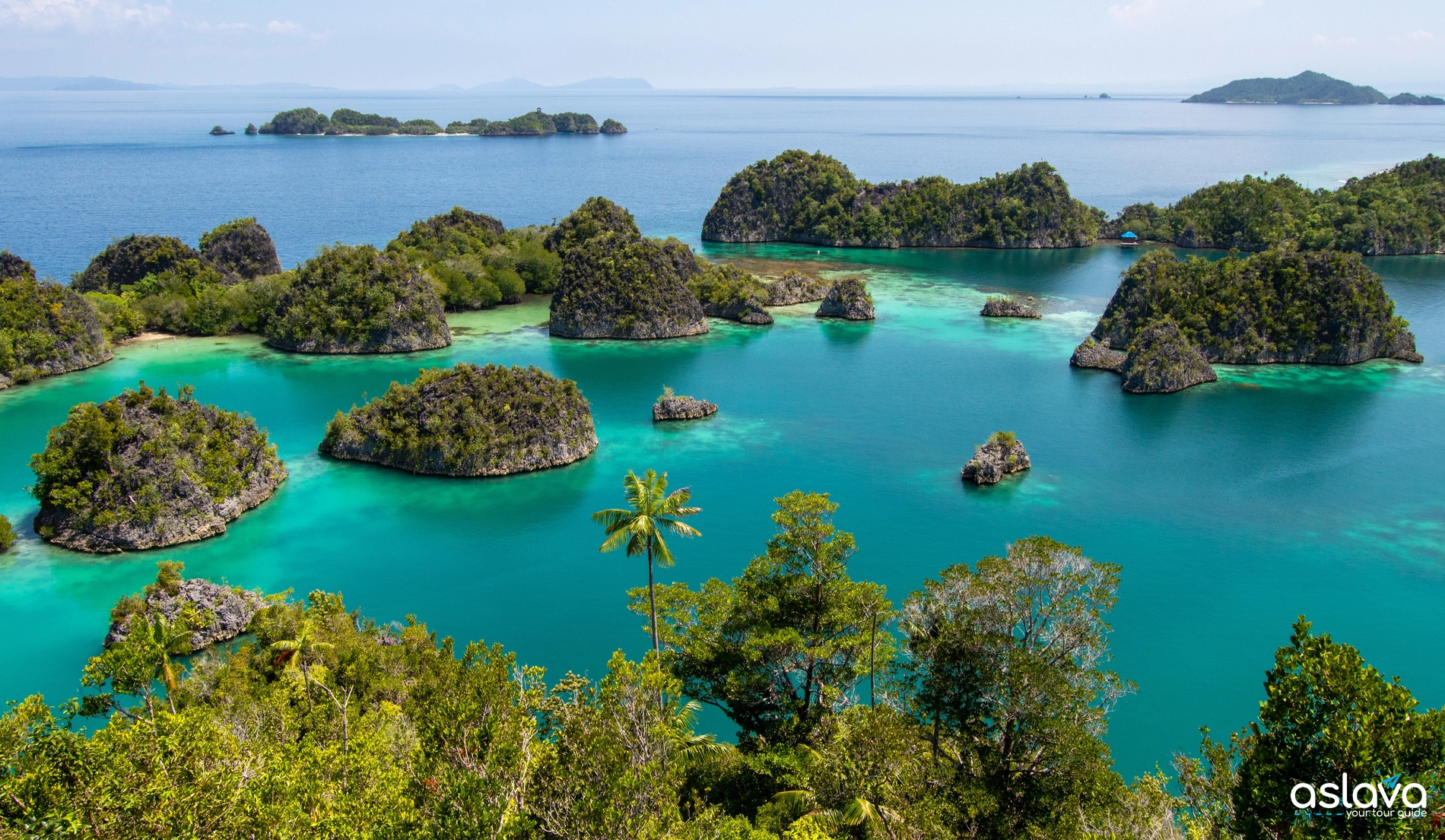
On a detailed map, the four main islands form an approximate square. Waigeo sits to the north; Misool lies farthest south. Batanta and Salawati occupy the central band between them. Surrounding these are hundreds of smaller islands and limestone karsts, many uninhabited and covered in lush vegetation.
Raja Ampat sits inside the Coral Triangle — the global center of marine biodiversity. The Coral Triangle includes parts of Indonesia, Malaysia, the Philippines, Papua New Guinea, the Solomon Islands, and Timor-Leste. Within that region, Raja Ampat stands out for exceptionally high species richness, which is why scientists and conservation groups prioritize its protection.
Waigeo Island
The largest island and home to Waisai, the regency capital and main transport hub for visitors traveling to Raja Ampat.
Misool Island
Famous for dramatic karst islands, ancient rock art, and remote dive sites found around many small islets.
Batanta & Salawati
These two central islands complete the “Four Kings” name and host rugged coastlines, mangrove fringes, and several village communities.
Raja Ampat Islands Overview
The Raja Ampat islands form one of the world’s most remarkable archipelagos. The name “Raja Ampat” — which means “Four Kings” — refers to the four main islands: Waigeo, Batanta, Salawati, and Misool. Beyond those, the region includes more than 1,500 islands, cays, and shoals spread across a vast maritime area.
Karst landscapes and local life
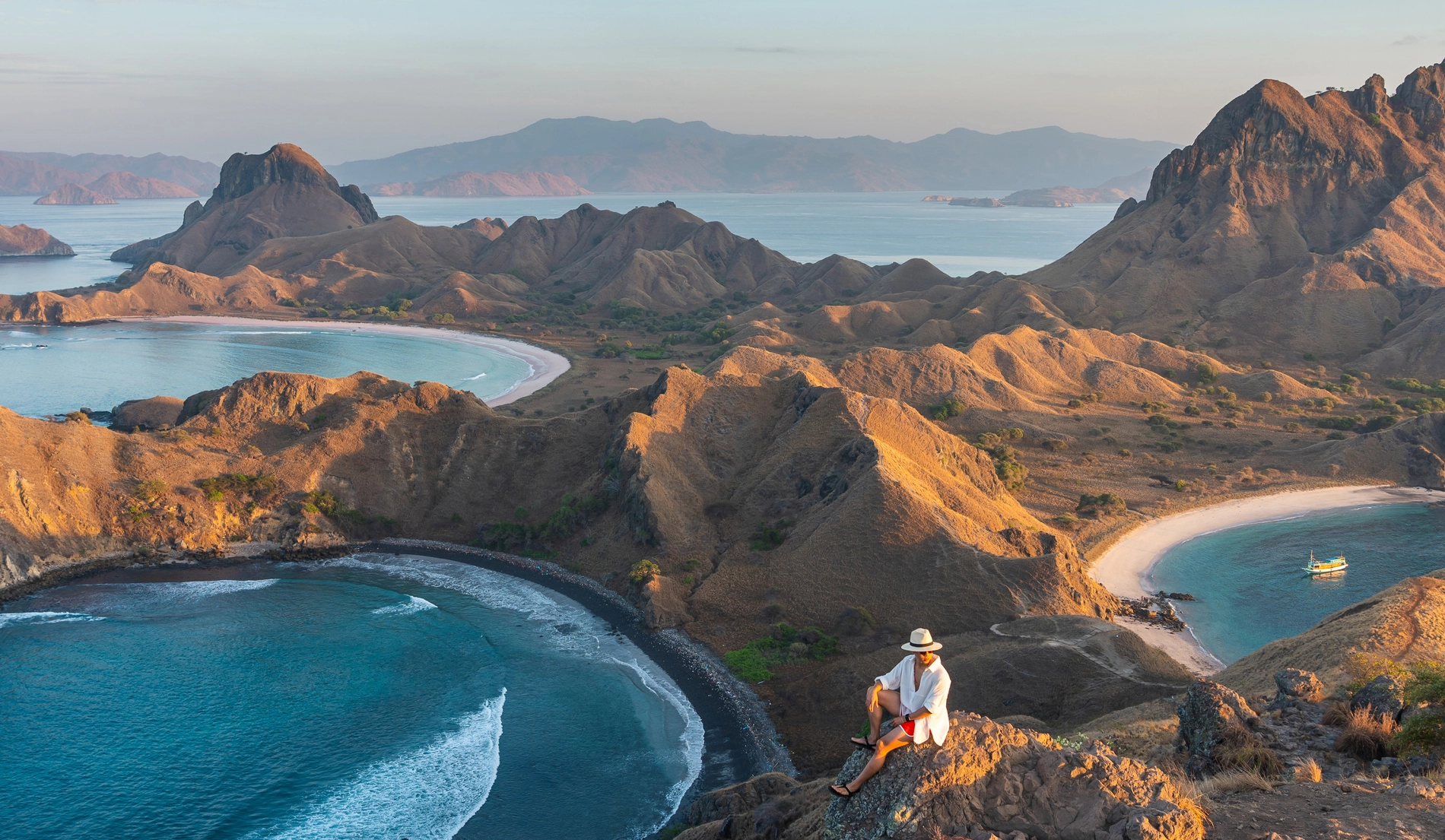
Raja Ampat’s islands often feature dramatic limestone karst formations: steep cliffs rise straight from turquoise water, producing a landscape that feels almost otherworldly. Many small islands remain uninhabited. The larger islands host small communities that keep traditional Papuan ways of life alive.
Top biodiversity facts
- Coral diversity: roughly 75% of the world’s known coral species have been recorded in Raja Ampat.
- Fish diversity: surveys document more than 1,700 species of reef fish in the region.
- Global significance: the area sits within the Coral Triangle and is a conservation priority for scientists and NGOs.
That extraordinary marine life has earned Raja Ampat nicknames such as “The Amazon of the Seas.” Conservation measures — including marine protected areas — aim to preserve reefs, mangroves, and seagrass beds that support this marine life.
“Raja Ampat is arguably the richest coral reef ecosystem in the world. The diversity is considerably greater than any other area sampled in the Coral Triangle… The area’s massive coral colonies show that its reefs are relatively resistant to threats like coral bleaching and disease—which may make Raja Ampat an important source of coral larvae for reefs in other areas.”
How to Get to Raja Ampat
Getting to Raja Ampat takes a few travel legs, so plan accordingly. Most visitors fly into Sorong, then cross by ferry to Waisai and take a final boat transfer to their island destination.
1. Fly to Sorong
Fly into Dominique Edward Osok Airport (SOQ) in Sorong. Domestic connections arrive from Jakarta, Makassar, and Manado. International travelers normally connect through one of those hubs.
2. Ferry to Waisai
From Sorong, take a public ferry to Waisai on Waigeo Island. Schedules vary by operator; express ferries typically take around 2 hours, while slower ferries can take up to 4 hours. Check the ferry port for current departure times before you travel.
3. Boat to the islands
Most resorts and homestays arrange boat transfers from Waisai to your island. Liveaboards also depart from Sorong and combine transport with accommodation for multi-day dive trips. Boat times depend on your island’s distance and sea conditions.
There is a smaller airstrip at Marinda (RJM) on the islands, but flights are limited and not always available. If you prefer fewer transfers, consider booking a liveaboard from Sorong for direct island access and more time on the water.
All visitors must buy a Raja Ampat Marine Park Permit. The fee for foreign tourists is approximately 1,000,000 IDR (prices can change). You can usually purchase the permit at Sorong’s tourism office or at the ferry port in Waisai.
Quick logistics checklist:
- Permit: buy RAMPP before island travel.
- Cash: carry enough IDR—ATMs are limited to Sorong and Waisai.
- Buffer night: schedule at least one night in Sorong before the ferry.
- Boat times: confirm departure times at the ferry port or with your host.
Best Time to Visit Raja Ampat
Choosing the best time to visit Raja Ampat depends on your priorities: diving visibility, calmer seas for transfers, or fewer crowds. The islands sit in a tropical zone, so temperatures stay warm year-round, but seasonal patterns affect travel conditions.
When to dive
The clearest diving conditions usually occur during the dry season, roughly October through April. Visibility often reaches 20–30 meters, and winds are generally lighter. November to March tends to be the most consistent period for underwater photography, with December and January the busiest months.
Shoulder and wet seasons
The wet season typically runs from May to September. Expect more rainfall, stronger winds, and choppier seas that can delay boat transfers. That said, the shoulder months (April and October) often offer a good compromise: decent diving conditions with fewer visitors and lower prices.
| Season | Months | Typical conditions | Who it suits |
| Peak dry | Nov–Mar | Excellent visibility; calm seas | Underwater photographers; divers |
| Shoulder | Apr, Oct | Mixed weather; good visibility | Budget travelers; those avoiding crowds |
| Wet | May–Sep | More rain; stronger winds | Off-season travelers; cost-conscious visitors |
Temperatures & packing tip
Air temperatures generally range from 25–32°C (77–90°F). Sea temperatures stay around 27–30°C (81–86°F), so a thin wetsuit or rashguard usually suffices. Quick packing tips: bring reef-safe sunscreen, a lightweight rain jacket for wet months, and a travel buffer day for weather or transport delays.
Raja Ampat Diving and Snorkeling
Raja Ampat diving draws divers from around the world to see one of the planet’s richest marine ecosystems. The region hosts astonishing diversity — thousands of fish species and hundreds of coral species — creating vibrant reefs and unmatched underwater scenery.
For advanced divers
Advanced divers will find vertical walls, strong channels, and nutrient-rich ridges where pelagic species gather. Many sites feature strong currents that bring food and attract large animals, so operators recommend solid experience. Most groups suggest Advanced Open Water certification and a minimum of 20 logged dives for current-prone sites.
For beginners & snorkelers
There are plenty of gentle sites for snorkelers and novice divers. Sheltered bays, shallow reef slopes, and jetty dives around Arborek and Kri Island let you see rich marine life without deep-water currents. A short boat trip often reaches excellent shallow reefs where corals grow close to the surface.
Top dive sites
Melissa’s Garden
Pristine hard-coral gardens with abundant small reef fish. Suitable for photographers and intermediate divers.
Blue Magic
A seamount where oceanic mantas and larger pelagics patrol. Expect strong currents and thrilling drift dives.
Cape Kri
Renowned for exceptional species counts — a single dive here once recorded hundreds of fish species. Best with an experienced guide.
Other notable sites
Manta Sandy
A reliable cleaning station where mantas visit. Divers observe from regulated viewing zones to protect animals.
Boo Windows
Swim-throughs and dramatic rock structures covered in soft corals; great for wide-angle photography and macro life.
The Passage
A river-like channel with mangroves above and coral walls below. Tidal flows create dramatic drift experiences.
Whether you dive or snorkel, prioritize eco-friendly operators and certified guides. Check that your operator follows marine-protection rules and supports reef-safe practices. If you plan to stay at a dive resort or liveaboard, pick one with strong conservation credentials — many local eco resorts partner with research and reef-protection programs.
Culture and People of Raja Ampat
The culture of Raja Ampat in West Papua is as distinctive as its islands. Indigenous Papuan groups — including the Maya and Matbat — have lived here for millennia. They maintain close ties to land and sea, and their daily life centers on fishing, small-scale gardening, and maritime knowledge passed down through generations.
Beliefs, crafts, and livelihoods
Traditional beliefs often coexist with Christianity and Islam, reflecting historical ties to the Sultanate of Tidore and later outside influences. Local artisans make carved woodwork, woven baskets, and build traditional boats called perahu. Many community members now work in conservation, guiding, and homestay hospitality, sharing their knowledge of marine life and reefs with visitors.
“The people of Raja Ampat have been stewards of these islands for millennia. Their traditional knowledge and conservation practices have helped preserve this extraordinary ecosystem, and their involvement is crucial for sustainable tourism development in the region.”
How to experience culture respectfully
- Stay in Papuan-run homestays when possible — this supports local incomes and authentic cultural exchange.
- Ask permission before photographing people or ceremonies.
- Dress modestly when visiting villages (cover shoulders and knees).
- Buy crafts directly from makers and prefer local guides for tours.
Visit villages such as Arborek and Sawinggrai to see cultural performances, traditional music, and community-run tourism projects. Organizations like Stay Raja Ampat help connect visitors with Papuan hosts, ensuring tourism benefits local families and helps preserve cultural heritage.
Practical Raja Ampat Travel Guide
This practical Raja Ampat travel guide gives the essentials you need to plan a smooth trip. Below are quick notes on where to stay, money and connectivity, packing, and safety so you can focus on the islands and waters.
1. Accommodation
Options range from simple homestays to eco resorts and luxury dive resorts. Typical current ranges (subject to change): homestays ~500,000–800,000 IDR per person with meals; mid-range eco resorts ~1,500,000–3,000,000 IDR per night; luxury dive resorts 4,000,000+ IDR per night. Homestays support local families and offer an authentic stay; eco resorts provide more facilities and guided tours.
2. Money matters
Bring enough cash in Indonesian Rupiah—ATMs exist only in Sorong and Waisai and can be unreliable. Many homestays and local services accept only cash. A mid-range daily budget is roughly 1,000,000 IDR per person for accommodation, food, and basic activities.
3. Connectivity
Mobile coverage (mainly Telkomsel) works on larger islands but is spotty on remote islets. Wi‑Fi typically appears only at higher-end eco resorts and some cafes in Waisai. Many homestays use generator power from sunset to around 11 PM—plan charging times accordingly.
Top FAQs & essential permits
What permits do I need for Raja Ampat?
All visitors must purchase a Raja Ampat Marine Park Permit (RAMPP). The foreign tourist fee is about 1,000,000 IDR (check the latest price before travel). The permit is usually valid for one year and can be bought at the tourism office in Sorong, at the ferry terminal in Waisai, or sometimes through accommodations.
What should I pack?
Pack reef-safe sunscreen, insect repellent, quick-dry clothing, a lightweight rain jacket, reef shoes or water shoes, snorkeling gear (if preferred), a dry bag, basic first-aid items, prescription meds, and a headlamp for generator-off hours. Bring spare cash and copies of your permit.
Is Raja Ampat safe for travelers?
Raja Ampat is generally safe regarding crime. The main risks come from water activities and remoteness. Follow diving and boating safety protocols, respect local guides, and carry travel insurance that covers emergency evacuation. Medical facilities are basic outside Sorong.
Sample budgeting & tips
- Daily mid-range budget: ~1,000,000 IDR (accommodation, meals, local transfers).
- Homestays: best for cultural immersion and lower cost; book through verified local platforms like Stay Raja.
- Eco resorts and dive resorts: pricier but include services, guided dives, and better connectivity.
- Always confirm ferry and boat transfer times; allow a buffer day in Sorong before island crossings.
Finally, plan buffer days for weather and transport delays—boat transfers and flights to Sorong can be affected by rough seas or weather. Check schedules in advance and keep flexible travel plans to avoid stress.
Responsible Tourism in Raja Ampat
Raja Ampat’s ecosystems are fragile. As visitor numbers grow, travelers must act carefully to protect the reefs, mangroves, and small islands that support remarkable marine biodiversity.
- Follow marine park rules: respect no-take zones, anchoring restrictions, and local fishing regulations.
- Use reef-safe sunscreen (no oxybenzone or octinoxate) to avoid harming corals.
- Practice good buoyancy and never touch, stand on, or collect coral or marine life.
- Choose locally owned services—book homestays, guides, and tours that benefit Papuan communities.
- Reduce plastic: bring reusable bottles and pack out any trash you generate.
- Respect customs: ask before photographing people, and dress modestly when visiting villages.
If you want to help
Report any environmental damage to the Raja Ampat Marine Protected Area authority or your accommodation. Support organizations that work on conservation and community programs.
- Conservation International — research and advocacy for marine biodiversity.
- The Nature Conservancy — regional conservation projects.
- Raja Ampat Research & Conservation Centre — local science and community-based programs.
In 2017 a cruise ship grounding damaged reef areas in Raja Ampat and underscored the region’s vulnerability. That event prompted stricter controls and stronger local enforcement. Visitors can contribute by choosing eco-conscious operators and reporting concerns promptly.