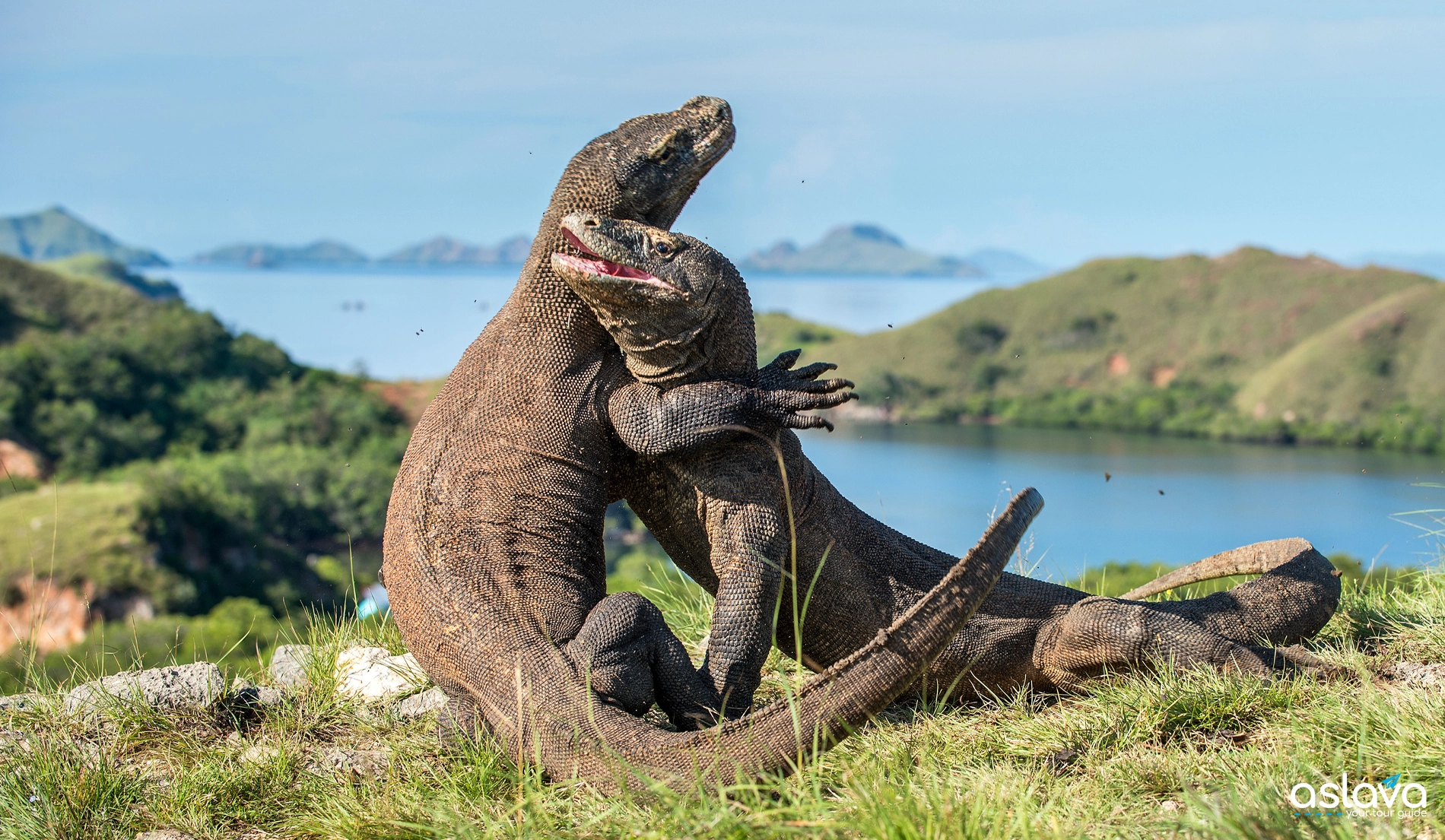
Komodo Island in Eastern Indonesia
Komodo island, Indonesia sits approximately 400 kilometers east of Bali in the Lesser Sunda chain of the Indonesian archipelago. As the largest island within Komodo National Park, it spans roughly 390 square kilometers of rugged terrain characterized by rolling hills, dry savanna grasslands, and pockets of forest. The island is part of East Nusa Tenggara province, one of Indonesia’s easternmost regions.
What makes Komodo island Indonesia truly remarkable is its isolation, which has allowed the famous Komodo dragons to evolve and thrive without significant human interference for millions of years. The island’s distinctive reddish hills and beaches create a stark contrast against the brilliant turquoise waters surrounding it. Additionally, the park’s location at the junction of the Indian and Pacific Oceans contributes to its extraordinary marine biodiversity, making it part of the Coral Triangle—the global epicenter of marine species diversity.
The journey to reach Komodo island Indonesia typically begins with a flight to Labuan Bajo, a bustling port town on the western tip of Flores Island. From there, visitors must take a boat journey lasting between 1-2 hours to reach the park. This remote location, while requiring some effort to access, rewards travelers with an unspoiled natural environment that feels worlds away from Indonesia’s more developed tourist destinations.
Komodo Dragons in the Wild
Encountering Komodo dragons in their natural habitat is an experience unlike any other wildlife encounter on earth. These ancient reptiles, the largest lizards in the world, roam freely across the islands of Komodo National Park, with the highest populations found on Komodo and Rinca islands. In their natural environment, Komodo dragons display fascinating behaviors that have evolved over millions of years.
These remarkable predators are ambush hunters, capable of remaining motionless for hours before striking with surprising speed. Komodo dragons possess a powerful sense of smell that allows them to detect prey from several kilometers away. Their hunting strategy often involves inflicting a bite with their bacteria-laden mouths and then patiently tracking the victim until it succumbs to infection—a process that can take days or even weeks.
Visitors to the park can observe Komodo dragons in several contexts. Sometimes they bask in sunny clearings to regulate their body temperature, while at other times they might be seen patrolling their territory or gathering near the ranger stations. The dragons have become somewhat habituated to human presence, though rangers always accompany visitors and maintain safe distances using long forked sticks for protection.
Komodo Dragon Size and Appearance
The Komodo dragon size is truly impressive, making them the undisputed giants of the lizard world. Adult males typically reach 2.5 to 3 meters (8.2 to 9.8 feet) in length and weigh between 70 to 90 kilograms (154 to 198 pounds). Females are generally smaller, usually measuring around 2 meters (6.6 feet) in length. The largest verified Komodo dragon measured 3.13 meters (10.3 feet) and weighed 166 kilograms (366 pounds), though unconfirmed reports suggest some may grow even larger.
Physically, Komodo dragons possess several distinctive features that contribute to their formidable appearance. Their bodies are covered in rough, durably scaled skin in colors ranging from dark gray to reddish-brown, providing excellent camouflage in their natural habitat. The Komodo dragon’s head is flat and elongated with a rounded snout, while its powerful limbs end in large, curved claws used for tearing prey and digging.
Perhaps most notable is the Komodo dragon’s powerful tail, which can be as long as its body and serves multiple purposes—from providing balance and propulsion to functioning as a formidable weapon when threatened. Their muscular bodies give them surprising speed, allowing them to reach up to 20 kilometers per hour (12 mph) in short bursts. Despite their massive Komodo dragon size, these creatures can also climb trees when young and are excellent swimmers, making them versatile predators across various terrains.
Komodo Dragon Scientific Name and Classification
The Komodo dragon scientific name, Varanus komodoensis, places this remarkable reptile within the monitor lizard family Varanidae. First described scientifically in 1912 by Dutch colonial administrator and naturalist Peter Ouwens, the species name “komodoensis” directly references its native habitat on Komodo Island. This taxonomic classification helps scientists understand the evolutionary relationships between Komodo dragons and other reptiles.
Within the broader animal kingdom, the Komodo dragon’s classification follows this hierarchy:
- Kingdom: Animalia
- Phylum: Chordata
- Class: Reptilia
- Order: Squamata
- Family: Varanidae
- Genus: Varanus
- Species: V. komodoensis
The Komodo dragon scientific name reflects its place among approximately 80 species of monitor lizards worldwide, though it stands apart as by far the largest. Genetic studies suggest that Komodo dragons diverged from their Australian ancestors approximately 4 million years ago. Interestingly, fossil evidence indicates that similar giant lizards once inhabited Australia, suggesting that the Komodo dragon’s ancestors may have been even larger.
Scientists continue to study the Komodo dragon’s genetics and physiology, with recent research focusing on their unique venom glands. While previously thought to rely primarily on bacteria in their mouths to weaken prey, research now suggests that Komodo dragons also produce venom that prevents blood clotting and induces shock in their victims—a finding that has revised our understanding of their hunting strategy and evolutionary development.
Biggest Komodo Dragon Ever Recorded
The biggest Komodo dragon ever officially recorded measured an astonishing 3.13 meters (10.3 feet) in length and weighed 166 kilograms (366 pounds). This massive specimen, documented at Komodo National Park, represents the upper limit of verified size for these impressive reptiles. However, unconfirmed reports from park rangers and local residents occasionally mention even larger individuals, with some claims of dragons reaching nearly 4 meters in length—though such reports lack scientific verification.
Historically, even larger Komodo dragons may have existed. Fossil evidence suggests that the ancestors of today’s Komodo dragons included species that grew considerably larger. The closely related extinct Australian monitor lizard Varanus priscus (formerly known as Megalania) is estimated to have reached lengths of up to 7 meters (23 feet), making the biggest Komodo dragon of today seem modest by comparison.
Several factors influence the size potential of Komodo dragons, including food availability, habitat quality, and genetic factors. Males typically grow larger than females, with the biggest Komodo dragon specimens almost always being mature males. Age also plays a significant role, as these reptiles continue growing throughout much of their lives, albeit at a slower rate after reaching sexual maturity. With a lifespan of up to 30 years in the wild, the oldest dragons often achieve the most impressive dimensions.
Why Komodo National Park is Unique
Komodo National Park stands as one of the world’s most extraordinary protected areas for numerous reasons beyond just its famous dragons. Established in 1980 and declared a UNESCO World Heritage Site in 1991, the park represents a unique confluence of biological, geological, and cultural elements found nowhere else on Earth.
Evolutionary Laboratory
The park functions as a natural evolutionary laboratory where Komodo dragons have developed in isolation for millions of years. This geographic isolation has created what scientists call an “island gigantism” effect, allowing these lizards to evolve into the largest of their kind in the world.
Marine Biodiversity
Beneath the surface, Komodo National Park houses one of the richest marine environments on the planet. Located within the Coral Triangle, the park’s waters contain over 1,000 species of fish, 260 species of coral, and serve as habitat for marine mammals including dolphins, whales, and dugongs.
Landscape Diversity
The park’s dramatic landscapes range from savanna grasslands and monsoon forests to mangrove swamps and coral reefs. This diversity of habitats within a relatively small area creates numerous ecological niches supporting a wide variety of species.
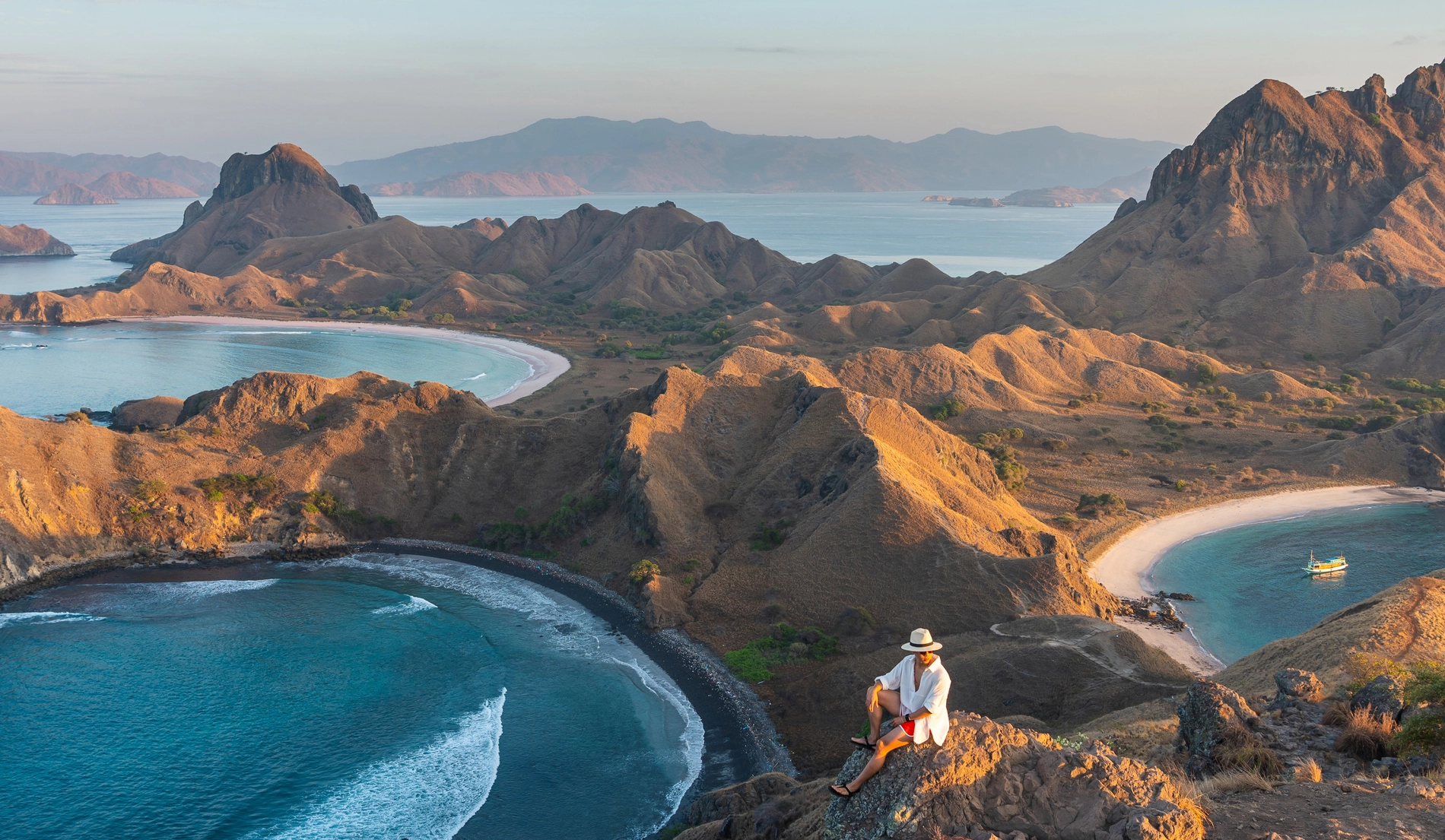
The park also features several distinctive geological formations and natural phenomena. Among these are the famous “Pink Beaches,” where the white sand is mixed with red coral fragments to create a striking pink hue. Padar Island offers one of Indonesia’s most iconic viewpoints, with its dramatic ridgelines separating three differently colored beaches—white, black, and pink—all visible from a single vantage point.
Furthermore, Komodo National Park serves as a critical conservation area for numerous threatened species beyond the Komodo dragon. The park protects important populations of orange-footed scrub fowl, timor deer, and various bat species. Its waters provide essential habitat for endangered sea turtles, manta rays, and several shark species, making it a crucial marine sanctuary in an era of increasing ocean degradation.
How to Visit Komodo Island Indonesia
Planning a visit to Komodo island Indonesia requires some preparation, but the extraordinary experience makes every effort worthwhile. The gateway to Komodo National Park is Labuan Bajo, a rapidly developing port town on the western tip of Flores Island. Most visitors begin their journey by flying into Labuan Bajo’s Komodo International Airport, which receives multiple daily flights from Bali’s Ngurah Rai International Airport, with the flight taking approximately 1-1.5 hours.
From Labuan Bajo, the only way to access Komodo island Indonesia is by boat. Visitors have several options for exploring the park:
Day Trips
Single-day excursions from Labuan Bajo typically visit one or two islands within the park. These tours start early in the morning and return by evening, offering a glimpse of the park’s highlights but limiting the number of sites you can visit.
Liveaboard Boats
Multi-day boat trips (2-4 days) allow for a more comprehensive exploration of the park. These “liveaboard” experiences let you sleep on the boat and visit more remote areas of the park, including better snorkeling and diving spots.
Private Charters
For those seeking a customized experience, private boat charters offer maximum flexibility in terms of itinerary and timing. Though more expensive, this option provides a more exclusive experience away from the crowds.
When visiting Komodo National Park, all visitors must pay entrance fees, which help fund conservation efforts. As of recent updates, the park operates on a membership system with different tiers affecting pricing. It’s advisable to check the latest fee structure before your visit, as these have changed frequently in recent years.
Every visitor to Komodo island Indonesia must be accompanied by an official park ranger for safety reasons. These guides are knowledgeable about dragon behavior and carry forked sticks to keep the animals at a safe distance if necessary. The standard walking tours on Komodo and Rinca islands range from short 1-hour circuits to more extensive 3-hour treks, with varying levels of difficulty.
Best Time to See Komodo Dragons
Timing your visit appropriately can significantly enhance your chances of observing Komodo dragons in their natural habitat. While these remarkable reptiles can be seen year-round, certain seasons offer better viewing opportunities and more comfortable conditions for visitors.
The dry season, spanning from April to December, is generally considered the best time to visit Komodo National Park. During these months, several factors create optimal conditions for dragon viewing:
- Increased Activity: Komodo dragons are more active and visible during the dry season as they spend more time moving around in search of food and mates.
- Mating Season: July to August coincides with the dragons’ mating season, when males engage in spectacular combat rituals, wrestling each other for dominance and access to females.
- Nesting Period: September marks the beginning of the nesting season, when female dragons dig deep nests to lay their eggs, providing another interesting behavior to observe.
- Weather Conditions: The dry season offers more predictable weather with less rainfall, reducing the chance of tour cancellations and making hiking trails more accessible.
The wet season (January to March) brings challenges including reduced visibility, muddy trails, and rougher seas that can make boat journeys uncomfortable. However, this period does have some advantages—the islands turn lush and green, creating beautiful landscapes, and there are significantly fewer tourists, allowing for more intimate wildlife encounters.
For the absolute best dragon viewing experience, plan your visit for the early morning (6:00-9:00 AM) or late afternoon (3:00-6:00 PM), when the dragons are most active. During the midday heat, they often retreat to shaded areas to regulate their body temperature, making them more difficult to spot.
Responsible Tourism in Komodo Indonesia
Visiting Komodo Indonesia comes with a responsibility to protect this unique ecosystem and its inhabitants. As tourism to the national park increases, practicing sustainable and ethical tourism becomes increasingly important to ensure the long-term survival of Komodo dragons and the preservation of their natural habitat.
When planning your visit to Komodo Indonesia, consider these responsible tourism practices:
Respect Wildlife
Always maintain a safe distance from Komodo dragons (at least 5 meters) and never attempt to touch or feed them. Follow your ranger’s instructions at all times, as these animals are wild predators with potentially dangerous bites. Avoid loud noises or sudden movements that might stress the animals.
Minimize Environmental Impact
Stay on designated trails to prevent habitat destruction and erosion. Take all trash with you, including biodegradable items. Consider bringing a reusable water bottle and avoiding single-use plastics, as marine plastic pollution is a serious threat to the park’s ecosystems.
Support Local Communities
Choose tour operators that employ local guides and staff. Purchase souvenirs directly from local artisans rather than imported items. Consider dining at locally-owned restaurants in Labuan Bajo that source ingredients sustainably from the surrounding region.
The Indonesian government has implemented various conservation measures to protect Komodo National Park, including limiting visitor numbers and increasing fees to fund protection efforts. These measures, while sometimes controversial, aim to balance tourism with conservation needs. As a visitor, understanding and supporting these efforts contributes to responsible tourism.
Before your trip, take time to learn about the ecology and conservation challenges facing Komodo dragons and their habitat. This knowledge will enhance your appreciation of these remarkable creatures and the importance of preserving their unique island ecosystem for future generations to experience and enjoy.