Where is Bali Located
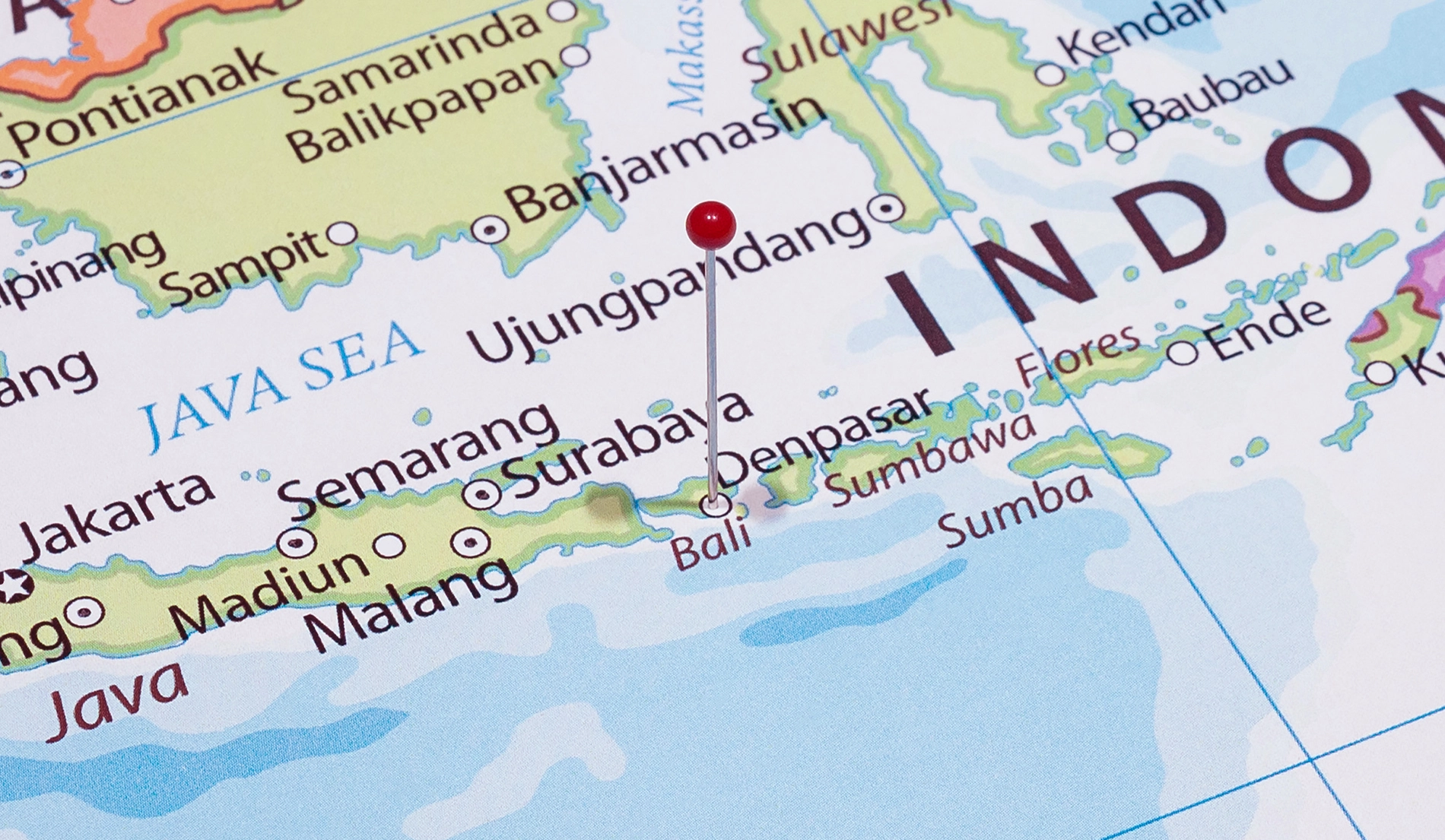
Bali is located in Southeast Asia, specifically in the Indonesian archipelago. This tropical island sits between Java to the west and Lombok to the east, positioned approximately 8 degrees south of the equator. As part of Indonesia, Bali belongs to the Lesser Sunda Islands chain, a string of islands extending eastward from Java. The island is surrounded by the Bali Sea to the north, the Indian Ocean to the south and west, and the Lombok Strait to the east.
Bali’s strategic position has historically made it an important trading hub and cultural crossroads. Today, this location contributes to its unique blend of traditions, as well as its accessibility for international travelers. The island province covers approximately 5,780 square kilometers (2,231 square miles), making it relatively small compared to other Indonesian islands like Sumatra or Java, yet it packs remarkable diversity into this compact area.
Bali Location on the Map
When looking at where is Bali on the map, you’ll find it positioned at coordinates 8°25′23″S 115°14′55″E. This places the island in the western part of the Lesser Sunda Islands group, with the Java Sea to the north and the vast Indian Ocean to the south. Bali’s location on the world map puts it in a tropical region that enjoys warm temperatures year-round.
The bali map reveals its distinctive shape, often compared to a diamond or a turtle. The island’s topography is dominated by a chain of volcanic mountains running from east to west, with Mount Agung, an active volcano standing at 3,031 meters (9,944 feet), being the highest point. This mountain range effectively divides the island into two distinct regions: the wetter, more lush northern area and the drier southern plains where most tourism is concentrated.
Understanding Bali’s location helps explain its unique climate patterns and cultural influences. Moreover, the island’s position along the Wallace Line – a boundary that separates Asian and Australian flora and fauna – contributes to its rich biodiversity, making it a fascinating destination for nature lovers.
Which Country is Bali In
Bali is not a country itself, but rather one of the 34 provinces of Indonesia. This is a common misconception since Bali is often more widely recognized internationally than Indonesia itself. Bali country confusion stems from the island’s strong cultural identity and tourism prominence. Indonesia is the world’s largest archipelagic nation, comprising over 17,000 islands stretching across the equator between the Indian and Pacific Oceans.
As a province of Indonesia, Bali has its own local government but remains under the national Indonesian governance structure. While Indonesia is predominantly Muslim (the world’s largest Muslim-majority country), Bali stands out as a primarily Hindu enclave, with approximately 86% of its population practicing Balinese Hinduism. This religious distinction contributes significantly to Bali’s unique cultural landscape within Indonesia.
The official language in Bali is Indonesian (Bahasa Indonesia), though many Balinese people also speak their native Balinese language. In tourist areas, English is widely spoken, making communication relatively easy for international visitors. Understanding that Bali is part of Indonesia is important for practical travel considerations such as visa requirements, currency (Indonesian Rupiah), and understanding the broader cultural context of your visit.
Where is Bali Island in Indonesia
Within the vast Indonesian archipelago, Bali island occupies a central position in the western portion of the Lesser Sunda Islands chain. Indonesia stretches across more than 5,000 kilometers from east to west, and Bali is situated roughly in the middle of this expanse. The island lies approximately 2 kilometers east of Java (Indonesia’s most populous island and home to the capital city, Jakarta) and is separated from it by the narrow Bali Strait.
To the east of Bali lies Lombok, separated by the Lombok Strait, which is part of the biogeographical division known as the Wallace Line. This imaginary boundary, named after naturalist Alfred Russel Wallace, marks the transition between Asian and Australian ecosystems. Bali falls on the western side of this line, sharing more ecological similarities with Java than with islands further east.
Administratively, Bali is one of Indonesia’s 34 provinces, with Denpasar as its capital city. The province encompasses not only the main island of Bali but also a few smaller surrounding islands, including Nusa Penida, Nusa Lembongan, and Nusa Ceningan to the southeast. These smaller islands are popular day-trip destinations for visitors staying on the main island.
Geography of Bali Indonesia
The geography of Bali Indonesia is characterized by dramatic contrasts and natural beauty. The island’s backbone consists of a chain of volcanic mountains running east to west, creating a natural division between the northern and southern regions. This mountain range includes several peaks over 2,000 meters, with Mount Agung (3,031 meters) being the highest and most sacred to the Balinese people, who consider it the abode of the gods.
1. Volcanic Landscape
Bali’s volcanic origins have blessed it with exceptionally fertile soil, which supports the island’s lush vegetation and productive agriculture. The most prominent volcanoes include Mount Agung, Mount Batur, and Mount Batukaru. Mount Batur features a large caldera with a crater lake, while Mount Agung, which last erupted significantly in 1963 and again in 2017, remains an active volcano closely monitored by authorities.
2. Coastal Areas
The coastline of Bali stretches for approximately 633 kilometers and varies dramatically from region to region. The southern coast, particularly around the Bukit Peninsula, features limestone cliffs and hidden beaches. The western and northern coasts have black volcanic sand beaches, while the eastern and southeastern shores offer a mix of white and golden sand beaches. Popular coastal areas include Kuta, Seminyak, and Nusa Dua in the south, Sanur in the southeast, and Lovina in the north.
3. Rivers and Lakes
Numerous rivers flow from the central mountains to the sea, creating fertile valleys and dramatic gorges. The longest river is the Ayung, which flows for approximately 75 kilometers. Bali also has several crater lakes, including Lake Batur in the northeast and Lake Bratan in the central highlands, both of which are important sources of irrigation water and hold spiritual significance for the Balinese.
4. Rice Terraces
Perhaps the most iconic aspect of Bali’s landscape is its stepped rice terraces, which have been carved into hillsides for centuries. The most famous are the UNESCO-listed Jatiluwih Rice Terraces and the Tegallalang Rice Terraces near Ubud. These terraces are not just agricultural systems but cultural landscapes that reflect the traditional Balinese cooperative water management system known as “subak.”
Bali Neighboring Islands
Bali is surrounded by several islands that complement its appeal and offer additional experiences for travelers. Understanding these neighboring islands provides context to Bali’s location and opens up possibilities for island-hopping adventures during your visit.
1. Java
To the west of Bali lies Java, Indonesia’s most populous island and the political center of the country. Java is separated from Bali by the narrow Bali Strait, which is only about 2.4 kilometers wide at its narrowest point. Java is home to Jakarta (Indonesia’s capital), as well as cultural centers like Yogyakarta and natural wonders such as Mount Bromo. Many travelers combine visits to Bali and Java, accessing Java via a short ferry ride from Gilimanuk in western Bali to Ketapang in eastern Java.
2. Lombok
East of Bali across the Lombok Strait (about 35 kilometers wide) is Lombok, an island known for its pristine beaches, the massive Mount Rinjani volcano, and its distinct Sasak culture. Lombok offers a less commercialized alternative to Bali while still providing beautiful landscapes and cultural experiences. Fast boats operate regularly between Bali and Lombok, making it an easy side trip.
3. Nusa Penida, Nusa Lembongan, and Nusa Ceningan
These three smaller islands southeast of Bali are actually part of Bali province administratively. Nusa Penida is the largest and is known for its dramatic cliffs, pristine beaches, and marine life. Nusa Lembongan is popular for snorkeling, diving, and surfing, while tiny Nusa Ceningan is connected to Lembongan by a yellow bridge. These islands are accessible by fast boat from Sanur, Padang Bai, or Kusamba in Bali, with journey times of 30-45 minutes.
4. Gili Islands
Northeast of Bali and just off Lombok’s northwest coast are the three Gili Islands: Gili Trawangan, Gili Meno, and Gili Air. These small coral islands are famous for their white sandy beaches, clear waters, and relaxed atmosphere. No motorized vehicles are allowed on the Gilis, adding to their peaceful charm. Fast boats connect Bali (from Padang Bai, Sanur, or Serangan) to the Gilis, with journey times of 1.5-2.5 hours depending on sea conditions.
“Bali may be the jewel of Indonesia’s tourism crown, but its neighboring islands each offer their own unique charm and natural beauty, making the region a diverse archipelagic playground for travelers.”
These neighboring islands not only define Bali’s geographical boundaries but also offer complementary experiences that many travelers incorporate into their Bali itineraries. Each island has its own distinct character, from the bustling development of Java to the pristine beaches of the Gilis, providing options for every type of traveler.
Bali Time Zone and Climate
Understanding Bali’s time zone and climate is essential for planning your visit to this tropical paradise. These factors will influence when you travel and what you pack for your journey to Bali island.
1. Bali Time Zone
Bali follows Central Indonesia Time (WITA), which is GMT+8 or UTC+8. This puts Bali in the same time zone as Singapore, Malaysia, the Philippines, Western Australia, and parts of China. When planning your trip, it’s helpful to note these time differences from major cities:
| City | Time Difference |
| Los Angeles | 15 hours behind Bali |
| New York | 12 hours behind Bali |
| London | 7 hours behind Bali |
| Sydney | 2 hours ahead of Bali |
| Tokyo | 1 hour ahead of Bali |
Indonesia spans three time zones, but Bali is in the central zone. This is important to remember when coordinating flights or activities that might cross between different parts of Indonesia.
2. Tropical Climate
Bali enjoys a tropical climate with warm temperatures year-round, typically ranging between 23°C (73°F) and 33°C (91°F). The island’s location just 8 degrees south of the equator ensures consistent warmth, though the central mountain regions are notably cooler than coastal areas.
3. Wet and Dry Seasons
Bali has two distinct seasons:
- Dry Season (April to October): This period brings sunny days, lower humidity, and minimal rainfall. The dry season coincides with Bali’s peak tourist season, particularly July and August. Average temperatures range from 23°C (73°F) to 31°C (88°F), and the refreshing southeast winds make this time especially pleasant.
- Rainy Season (November to March): During these months, Bali experiences higher humidity and regular rainfall, typically in the form of brief but intense afternoon showers. Despite the rain, temperatures remain warm, averaging between 24°C (75°F) and 33°C (91°F). The rainy season brings lush, green landscapes and fewer tourists, resulting in lower prices.
Even during the rainy season, Bali rarely experiences all-day downpours, and many visitors enjoy traveling during this time for the reduced crowds and vibrant greenery. The island’s microclimate means that while it might be raining in one area, another part of Bali could be completely dry.
4. Best Time to Visit
The best time to visit Bali depends on your preferences:
- For ideal weather: May, June, and September offer excellent weather with fewer crowds than the peak months of July and August.
- For budget travelers: The rainy season (especially January to March, excluding holiday periods) offers the best deals on accommodation and activities.
- For surfers: The dry season brings the best waves to the west coast, while the rainy season is better for east coast surfing.
Regardless of when you visit, Bali’s tropical climate means you should pack light, breathable clothing, sun protection, and perhaps a light rain jacket if traveling during the wet season.
How to Get to Bali
Reaching Bali has become increasingly convenient over the years as its popularity as a tourist destination has grown. Here are the primary ways to get to this tropical paradise:
1. By Air
The most common way to reach Bali is by flying into Ngurah Rai International Airport (DPS), also known as Denpasar International Airport. Located in southern Bali near Kuta, this modern airport serves as the main gateway to the island. Key points about flying to Bali include:
- International Flights: Direct flights to Bali are available from many Asian hubs including Singapore, Kuala Lumpur, Bangkok, Hong Kong, Tokyo, and major Australian cities. Airlines such as Garuda Indonesia, Singapore Airlines, AirAsia, Qantas, and many others operate regular services to Bali.
- From Europe and North America: Travelers from these regions typically need to connect through major Asian hubs. Common connection points include Singapore, Dubai, Doha, Hong Kong, or Jakarta.
- Domestic Connections: If you’re already in Indonesia, numerous daily flights connect Jakarta, Surabaya, Yogyakarta, and other Indonesian cities to Bali.
2. By Sea
For travelers already in Indonesia, particularly those in neighboring Java or Lombok, sea travel is an option:
- From Java: Ferries operate 24 hours a day between Ketapang (East Java) and Gilimanuk (West Bali), with a crossing time of approximately 30-45 minutes. This is a popular route for those traveling overland through Java.
- From Lombok: Fast boats run between Lombok and various ports in eastern Bali (primarily Padang Bai, Sanur, and Serangan), with journey times of 1.5-2.5 hours depending on sea conditions.
- From the Gili Islands: Fast boats connect the Gili Islands to Bali, usually docking at Padang Bai, Sanur, or Serangan.
- Cruise Ships: Some international cruise lines include Bali as a port of call, typically docking at Benoa Harbor in southern Bali.
3. Getting Around After Arrival
Once you’ve arrived in Bali, you have several options for reaching your accommodation and exploring the island:
- Airport Transfers: Many hotels offer airport pickup services, which can be arranged in advance. This is often the most convenient option for first-time visitors.
- Taxis: Official airport taxis operate on a fixed-price basis from the airport. Outside the airport, metered taxis (primarily the Blue Bird Group) are reliable.
- Ride-sharing Apps: Services like Grab and GoJek operate in Bali and can be more economical than traditional taxis.
- Car Rental: Renting a car with a driver is popular and relatively affordable, giving you flexibility without having to navigate Bali’s challenging roads yourself.
- Motorbike Rental: For experienced riders, renting a scooter is a popular way to explore, though it comes with safety considerations.
When planning your journey to Bali, consider that the island’s popularity means flights can book up quickly during peak seasons (July-August, December-January). Booking well in advance is advisable, especially if you’re traveling during these periods.
Is Bali Close to Australia
Bali’s proximity to Australia has made it a favorite destination for Australian travelers, earning it the nickname “Australia’s playground.” But just how close is Bali to Australia? Let’s explore this geographical relationship.
1. Distance Measurements
Bali is located approximately 2,500 kilometers (1,550 miles) from the northern coast of Australia. However, the distance varies depending on which Australian city you’re measuring from:
| Australian City | Distance to Bali | Average Flight Time |
| Perth | 2,600 km (1,615 miles) | 3.5 hours |
| Darwin | 1,830 km (1,137 miles) | 2.5 hours |
| Brisbane | 4,600 km (2,858 miles) | 6.5 hours |
| Sydney | 4,600 km (2,858 miles) | 6.5 hours |
| Melbourne | 4,600 km (2,858 miles) | 6 hours |
2. Flight Connections
The relatively short distance between Australia and Bali has resulted in excellent air connectivity:
- Direct Flights: Multiple airlines offer direct flights from major Australian cities to Bali, including Qantas, Jetstar, Virgin Australia, Garuda Indonesia, and AirAsia.
- Frequency: Before the pandemic, there were up to 100 flights per week between Australia and Bali. While numbers have fluctuated, connectivity remains strong and continues to recover.
- Affordability: The competitive nature of the Australia-Bali route often results in fare sales and competitive pricing, making Bali an economical international destination for Australians.
3. Cultural and Tourism Relationship
The proximity between Bali and Australia has fostered a strong relationship:
- Tourism Volume: Australians consistently rank among the top visitors to Bali, with over 1.2 million Australian tourists visiting annually in pre-pandemic years.
- Business Connections: Many Australian businesses have investments in Bali, particularly in the hospitality and tourism sectors.
- Cultural Exchange: The steady flow of visitors has created cultural exchanges, with Australian influences visible in parts of Bali and Indonesian (particularly Balinese) restaurants and cultural elements becoming increasingly common in Australia.
The close relationship between Australia and Bali extends beyond mere geographical proximity. It has created a special connection that benefits both the island’s economy and provides Australians with a readily accessible tropical getaway. For travelers from other parts of the world, this relationship means that Bali is well-equipped to welcome English-speaking visitors and offers a wide range of amenities familiar to Western tourists.
Bali Travel Tips for First Timers
Visiting Bali for the first time is an exciting adventure, but having some insider knowledge can help you make the most of your experience. Here are essential tips to help you navigate this tropical paradise with confidence:
1. Visa and Entry Requirements
Before traveling to Bali, check the latest visa requirements for your nationality. Many countries qualify for visa-free entry or visa-on-arrival for tourism purposes (typically 30 days). Ensure your passport is valid for at least six months beyond your planned departure date from Indonesia. Keep abreast of any changes to immigration policies, as these can be updated periodically.
2. Currency and Money Matters
The Indonesian Rupiah (IDR) is the official currency in Bali. ATMs are widely available in tourist areas, but it’s advisable to inform your bank of your travel plans to prevent card blocks. While credit cards are accepted at larger establishments, smaller vendors and rural areas often operate on cash only. Carry smaller denominations for daily purchases and bargaining at markets.
3. Transportation Wisdom
Bali’s traffic can be chaotic, and road rules might seem different from what you’re used to. Consider hiring a driver for day trips (typically $40-50 USD per day) rather than self-driving. For short distances, ride-hailing apps like Grab or GoJek offer convenient and affordable options. If renting a scooter, ensure you have an international driving permit and always wear a helmet.
4. Cultural Respect
Balinese culture is deeply rooted in Hindu traditions. When visiting temples, dress modestly (shoulders and knees covered) and wear the provided sarong and sash. Remove shoes before entering sacred spaces. During religious ceremonies, be respectful and ask permission before taking photographs. Learn a few basic Indonesian phrases – simple efforts at communication are always appreciated.
5. Health and Safety
Drink bottled water and be cautious with street food to avoid “Bali belly.” Apply mosquito repellent, particularly during dawn and dusk. Purchase comprehensive travel insurance that covers medical emergencies and activities you plan to participate in. Be wary of unmarked spirits at bars – stick to reputable establishments to avoid methanol poisoning risks.
6. Weather Preparedness
Pack for tropical weather with lightweight, breathable clothing. During the rainy season (November-March), bring a light rain jacket or poncho. Sun protection is essential year-round – pack sunscreen, a hat, and sunglasses. The mountain areas can be significantly cooler, so bring a light sweater if you plan to visit places like Kintamani or Mount Batur.
7. Accommodation Choices
Bali offers accommodation for every budget, from luxury villas to budget hostels. Consider staying in different areas to experience the island’s diversity – perhaps split your time between the cultural center of Ubud and a beach area like Seminyak or Uluwatu. Booking in advance is recommended during peak seasons (July-August, December-January).
8. Bargaining Etiquette
Bargaining is expected at markets and with local vendors, but approach it with a smile and respect. Start at about 50% of the initial asking price and work toward a mutually acceptable figure. Remember that a few dollars might mean little to you but can make a significant difference to local sellers. Know when not to bargain – fixed-price shops, restaurants, and established businesses typically have set prices.
9. Digital Connectivity
Wi-Fi is widely available in hotels, cafes, and restaurants across Bali. For constant connectivity, consider purchasing a local SIM card upon arrival at the airport or at convenience stores. Telkomsel, XL, and Indosat are reliable providers with good coverage across the island. A data package typically costs between $5-15 USD depending on the data allowance.
10. Exploring Beyond the Obvious
While southern Bali (Kuta, Seminyak, Ubud) attracts the most tourists, consider exploring less-visited areas like North Bali (Lovina, Amed) or West Bali National Park for a different perspective. Day trips to neighboring islands like Nusa Penida or Nusa Lembongan offer spectacular landscapes with fewer crowds. Allow time in your itinerary for spontaneous discoveries – some of Bali’s most magical moments happen when you venture off the beaten path.