Visa Exemption Program for US Citizens
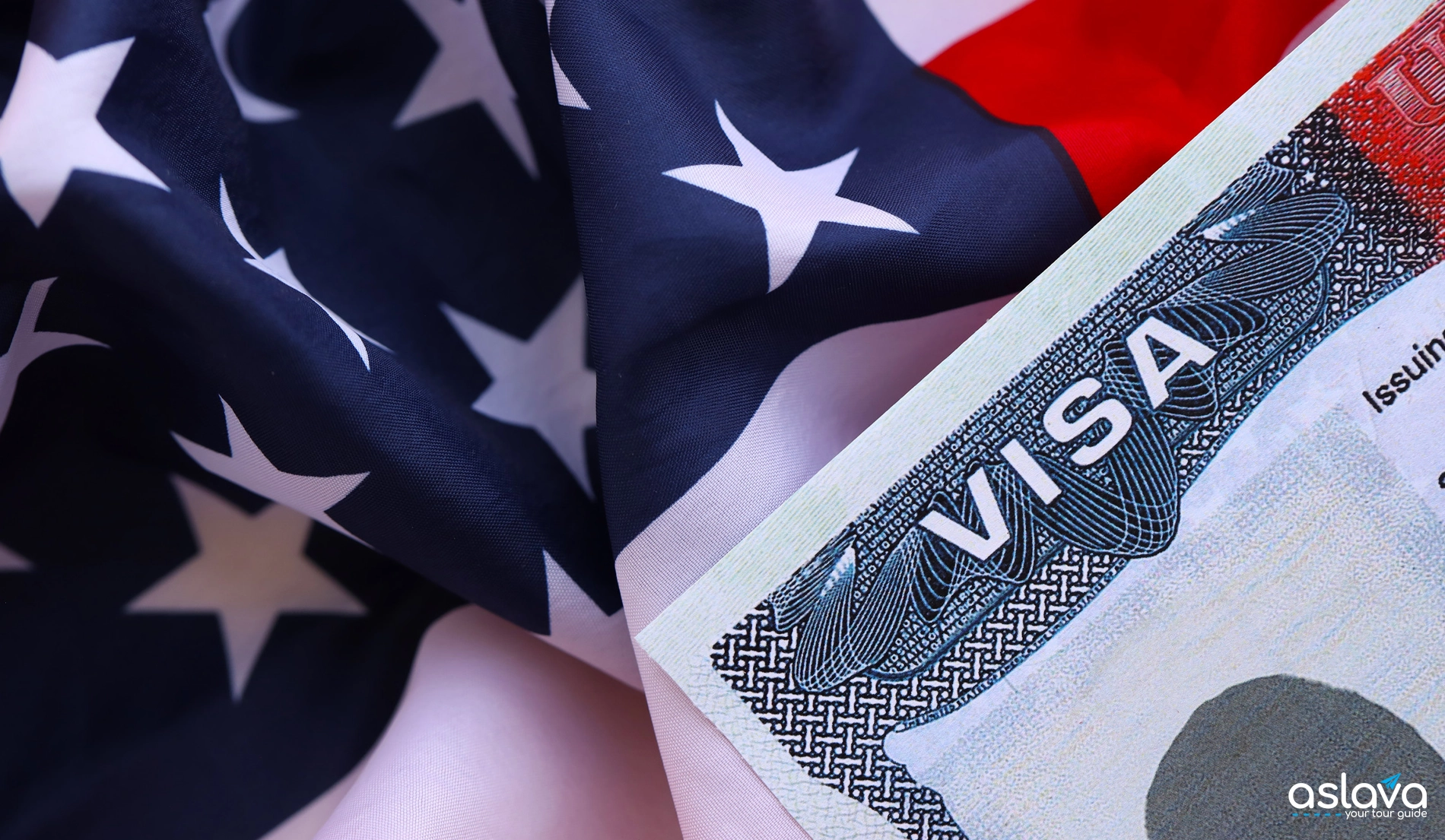
Good news for American travelers: many US citizens qualify to enter Thailand without a visa for short stays. You can use the visa exemption program for tourism, short business trips, or family visits; however, you must meet a few entry requirements before boarding your flight.
Thailand Visa Exemption Details
| Requirement | Details |
|---|---|
| Duration of Stay | Up to 60 days per entry (single entry) |
| Extension Option | Can be extended once for 30 additional days (total 90 days) at any Thai Immigration Office for 1,900 THB |
| Passport Validity | Must be valid for at least 6 months beyond your arrival date |
| Blank Passport Pages | Passport should have at least one blank page (preferably 2+) for entry stamps |
| Onward Travel Proof | May be asked for proof of onward travel (return or onward ticket) |
| Proof of Funds | May be asked to show sufficient funds: 10,000 THB per person or 20,000 THB per family (approximately $290–580 USD) |
| Proof of Accommodation | May be asked for hotel reservation or proof of accommodation address |
| Digital Arrival Card (TDAC) | Mandatory — must be completed online within 72 hours (3 days) before arrival |
Important Note: As of July 15, 2024, the visa exemption was extended from 30 to 60 days for US citizens and nationals of 92 other eligible countries.
Visa Exemption Enforcement Update (November 2025): Thai Immigration is now enforcing stricter rules against travelers using repeated visa-exempt entries to effectively reside long-term in Thailand. Short-term holidaymakers are typically unaffected, but travelers spending 60–90+ days per year or using land borders repeatedly to reset their stay may face additional scrutiny or refusal of entry.
Digital Arrival Card (TDAC) — Mandatory Requirement
Since May 1, 2025, the paper TM.6 arrival card has been completely replaced by the Thailand Digital Arrival Card (TDAC). All visitors, including those on visa exemption, must complete this online form.
TDAC Requirements:
-
Fill out online within 3 days before arrival (for example: if arriving January 1, complete between December 29–January 1)
-
Provide passport details, personal information, travel itinerary, and accommodation information
-
Health declaration (including Yellow Fever vaccination if applicable)
-
No fee — registration is free
-
Receive a confirmation code via email to present at immigration
Official TDAC Portal: https://tdac.immigration.go.th
Quick Decision Guide
| Your Situation | Recommendation |
|---|---|
| Short vacation (1–2 weeks) | Use 60-day visa exemption (no advance application needed; just fill TDAC) |
| Multiple trips planned (year-long) | Apply for Multiple-Entry Tourist Visa (METV) ($200) — valid 6 months |
| Stay longer than 60 days | Apply for Tourist Visa (TR) or Multiple-Entry Tourist Visa (METV) before travel |
| Work, teach, or conduct business | Apply for Non-Immigrant Business (B) Visa |
| Study in Thailand | Apply for Education Visa (ED) |
| Married to Thai citizen | Apply for Marriage/Family Visa (O) |
| Age 50+, planning to retire | Apply for Retirement Visa (O-A) |
| Remote worker/digital nomad | Apply for Destination Thailand Visa (DTV) |
| Long-term residence (10 years) | Apply for Long-Term Resident (LTR) Visa |
Types of Thailand Visas for US Citizens
If your travel plans go beyond the 60-day visa exemption or include activities such as working, studying, or retiring, you’ll need a specific visa. Below are the main visa categories available to US citizens:
Tourist Visa (TR)
| Attribute | Details |
|---|---|
| Duration | 60-day initial stay, extendable by 30 days at immigration (total 90 days) |
| Who It’s For | Travelers wanting a longer stay for tourism or planning multiple short visits within 6 months |
| Cost | $40 (single entry) or $200 (multiple entry per consulate fees) |
| Validity | 3 months from issue (can stay 60 days) for single entry; 6 months per entry for METV |
| Extension | Single entry: +30 days once (1,900 THB). METV: +30 days per entry. |
| Example | If you plan two separate vacations in a year, a Multiple-Entry Tourist Visa (METV) ($200) avoids repeated applications and gives you 60-day entries for 6 months |
Apply At: https://www.thaievisa.go.th or Royal Thai Embassy/Consulates
Non-Immigrant B Visa (Business)
| Attribute | Details |
|---|---|
| Duration | 90-day initial entry; extensions or 1-year permits possible depending on purpose |
| Who It’s For | Business travelers, short-term employees, teachers, consultants |
| Cost | $80 (single entry) or $200 (multiple entry) — varies by consulate |
| Extension | Can extend for up to 1 year with employer documentation and work permit |
| Requirements | Employer letter, invitation from Thai company, company registration documents, meeting agenda |
| Tip | Business visas often require more documentation; apply 4–6 weeks before travel |
Apply At: https://washingtondc.thaiembassy.org/en (or your regional consulate)
Retirement Visa (O-A)
| Attribute | Details |
|---|---|
| Duration | 1 year, renewable annually |
| Who It’s For | Retirees aged 50 and older who meet financial and health requirements |
| Cost | $200 per year renewal (varies by post) |
| Extension | Renewed annually at Thai Immigration Office in Thailand (1,900 THB) or abroad |
| Requirements | Proof of pension/income (commonly cited minimum: $1,500/month), bank statements, health insurance (typically $100,000 minimum coverage), medical certificate |
| Tip | Allow extra time to gather pension documents, medical certificates, and police clearance certificates (2–4 weeks each) |
Apply At: https://washingtondc.thaiembassy.org/en or your regional consulate
Education Visa (ED)
| Attribute | Details |
|---|---|
| Duration | 90 days to 1 year, depending on course length |
| Who It’s For | Students enrolled in Thai schools, universities, language programs, or vocational training |
| Cost | $80 (varies by post) |
| Extension | Renewable for course duration |
| Requirements | Acceptance letter from institution, enrollment documents, transcripts, proof of financial support |
| Action | Secure your acceptance letter and registration documents from the Thai institution before applying |
Apply At: https://washingtondc.thaiembassy.org/en
Marriage/Family Visa (O)
| Attribute | Details |
|---|---|
| Duration | Usually 90 days to 1 year, renewable |
| Who It’s For | Foreign nationals married to Thai citizens or with Thai dependents |
| Cost | $80 per year renewal (confirm locally) |
| Extension | Renewable annually at immigration office in Thailand |
| Requirements | Marriage certificate, Thai spouse’s ID card and house registration, proof of joint income/support, health insurance |
| Note | Marriage visas require extensive spousal documentation; plan 4–6 weeks for gathering documents |
Apply At: https://washingtondc.thaiembassy.org/en or your regional consulate
Destination Thailand Visa (DTV) — Digital Nomad Visa
| Attribute | Details |
|---|---|
| Duration | 5-year validity with multiple entries; 180 days per entry, extendable once for 180 more days |
| Who It’s For | Remote workers, freelancers, digital nomads, and those taking Thai cultural courses |
| Cost | 10,000 THB (~$290) |
| Extension | +180 days per entry (can stay up to 360 days per entry with extension) |
| Example | A US-based freelancer with 5+ years’ experience and required income can work remotely while in Thailand with a digital work permit |
| Important | DTV holders cannot work for Thai companies or obtain a Thai work permit |
Apply At: https://www.thaievisa.go.th
Long-Term Resident (LTR) Visa
| Attribute | Details |
|---|---|
| Duration | 10 years (often issued as 5+5 renewal terms) |
| Who It’s For | High-net-worth individuals, wealthy pensioners, remote workers, highly skilled professionals, startup founders |
| Cost | 50,000 THB (~$1,500) |
| Processing | 20 working days qualification review + visa issuance |
| Tax Benefits | 17% fixed tax rate for Highly Skilled Professionals; foreign income exemptions available |
| Key Benefit | 10-year validity with fast-track airport service, digital work permit, annual (not 90-day) reporting |
LTR Categories:
| Category | Requirements (Summary) | Key Benefits |
|---|---|---|
| Wealthy Global Citizens | Assets (~$1 million) + Thai investment (~$500,000) + health insurance | 10-year visa, fast-track service, digital work permit |
| Wealthy Pensioners | Age 50+, pension/passive income + health insurance | 10-year visa, annual reporting, dependents eligible |
| Work-from-Thailand | Personal income (thresholds apply) + 5 years experience + remote work proof | 10-year visa, simplified procedures, dependents eligible, work permit |
| Highly-Skilled Professionals | High personal income + targeted industry expertise + Thai employment | 10-year visa, tax benefits, expedited services |
Important: Specific income thresholds and tax treatment can be complex. Before applying, consult the official LTR portal at https://ltr.boi.go.th and consider speaking with a tax advisor or immigration lawyer.
Thailand Visa Application Process for US Citizens
The specific steps vary slightly by visa category and consulate, but the overall process is similar across most posts. Below is a clear, step-by-step guide:
Determine the Correct Visa Type
Identify whether you need a tourist, non-immigrant (e.g., B for business, ED for education), retirement, marriage, or LTR visa based on your trip purpose and length of stay. Use the Decision Tree above.
Gather Required Documents
Collect the documents listed for your visa type (see Required Documents section below). Download the checklist and verify with your local consulate, as requirements can vary.
Complete the Application Form
Fill out the visa application form carefully, using the same name format as your passport. Sign where required. Download the current form from https://www.thaievisa.go.th or the Embassy website.
Schedule an Appointment
Book a slot with the Royal Thai Embassy or your nearest consulate in the United States:
-
Royal Thai Embassy (Washington, DC): https://washingtondc.thaiembassy.org/en
-
Thai Consulates (Chicago, Los Angeles, New York): Check their websites for appointment systems
-
Some posts accept walk-ins, but most require advance appointments
Submit Your Application
Submit in person if required, or by mail if the consulate permits. Include:
-
All originals and copies as specified
-
A prepaid return envelope if you want your passport mailed back
-
Completed application form (signed and dated)
Pay the Visa Fee
Pay fees using the methods accepted by your consulate:
-
Money orders, cashier’s checks, credit cards (most US posts)
-
Not accepted: Personal checks, cash
-
Confirm payment options in advance with your specific consulate to avoid delays
Wait for Processing
-
Tourist visas (e-Visa): 3–10 business days
-
Non-immigrant visas (e-Visa): 5–14 business days
-
LTR Visa: 20 working days (qualification) + visa processing
-
Check the consulate website for current time estimates
Collect Your Passport with the Visa
Pick up your passport in person or receive it by mail. Immediately verify:
-
Correct name spelling
-
Correct validity dates
-
Number of permitted entries
-
All visa details before you travel
Important: Procedures and document lists can vary between Royal Thai Embassy/Consulate posts in the United States. Always confirm specific instructions and processing times with the office where you will apply.
Where to Apply for Thailand Visas in the United States
Royal Thai Embassy in Washington, D.C.
| Detail | Information |
|---|---|
| Address | 1024 Wisconsin Ave NW, Washington, DC 20007 |
| Phone | (202) 944-3600 |
| consular@thaiembdc.org | |
| Website | https://washingtondc.thaiembassy.org/en |
| Office Hours | Monday–Friday, 9:00 AM – 5:00 PM |
| Consular Office | 2300 Kalorama Road NW, Washington, DC 20008 |
| Jurisdiction | Alabama, Delaware, Florida, Georgia, Louisiana, Maryland, Mississippi, North Carolina, South Carolina, Tennessee, Texas, Virginia, West Virginia, Puerto Rico, District of Columbia |
Royal Thai Consulates in the United States
| Location | Address |
|---|---|
| Chicago | 700 N Rush St, Chicago, IL 60611 |
| Los Angeles | 611 N Larchmont Blvd, Los Angeles, CA 90004 |
| New York | 351 E 52nd St, New York, NY 10022 |
Required Documents for Thailand Visa Applications
All Thailand visa applications require a set of standard documents, while additional paperwork depends on the visa type. Below is a comprehensive checklist:
Standard Documents for All Visa Types
Essential for Every Application:
-
✓ Passport — valid for at least 6 months from arrival date and with at least 2 blank pages (bring originals and photocopies)
-
✓ Completed Visa Application Form — signed and filled exactly as your passport shows
-
✓ Recent Passport-Sized Photographs — two (2) photos, typically 3.5 × 4.5 cm or 2″ × 2″ (white background, taken within last 6 months)
-
✓ Visa Fee Payment — money order, cashier’s check, or credit card (check consulate for accepted types)
-
✓ Proof of US Residency — for non-US citizens applying in the United States (e.g., green card, visa)
-
✓ Copy of Flight Itinerary — showing entry to and departure from Thailand (must show return within visa validity)
Tourist Visas — Additional Documents
| Document | Details |
|---|---|
| Proof of Accommodation | Hotel reservation or rental contract booking showing your Thailand address |
| Bank Statements | Showing sufficient funds: at least $700 per person (approximately 20,000 THB or equivalent); last 3–6 months |
| Travel Itinerary | Detailed day-by-day itinerary of your planned activities in Thailand |
| METV Only | Higher financial requirement: at least $3,000 per person in recent bank statements |
Business Visa (Non-Immigrant B) — Additional Documents
| Document | Details |
|---|---|
| Employer Letter | From your US employer stating purpose, duration, and nature of visit |
| Thai Company Invitation Letter | From the Thai company/organization you’ll meet |
| Thai Company Documents | Registration papers, company profile, business license |
| Meeting Agenda | Detailed schedule of business meetings and meetings attendees |
| Bank Statements | Proof of financial stability (at least $1,500 USD) |
Retirement Visa (O-A) — Additional Documents
| Document | Details |
|---|---|
| Proof of Income | Pension letter from Social Security or pension provider (commonly cited minimum: $1,500/month) |
| Bank Statements | Last 3–6 months showing required funds balance (commonly cited: at least $30,000 USD or 1 million THB) |
| Medical Certificate | Issued by a licensed physician within required timeframe (confirm with consulate) |
| Police Clearance Certificate | From FBI or local police (allow 2–4 weeks to obtain) |
| Health Insurance Certificate | Proof of coverage; commonly cited minimum: $100,000 worldwide coverage |
Education Visa (ED) — Additional Documents
| Document | Details |
|---|---|
| Acceptance Letter | Official letter from Thai educational institution confirming enrollment |
| School Registration Documents | Proof of enrollment from the school/university |
| Academic Transcripts | Previous academic records and transcripts (may require official copies) |
| Proof of Financial Support | Bank statements or sponsor letter showing funds for tuition and living expenses during study period |
Marriage Visa (O) — Additional Documents
| Document | Details |
|---|---|
| Marriage Certificate | Official marriage document (certified copy) |
| Thai Spouse’s Documents | Thai ID card and house registration (Kor Tor 4 or Sor Tor 1) |
| Income/Support Proof | Spouse’s employment letter, bank statements, or Thai company documents showing financial capability |
| Bank Statements | Joint or spousal account showing sufficient funds |
LTR Visa — Additional Documents
Document requirements vary by category. Submit through official portal: https://ltr.boi.go.th
| Category | Key Documents |
|---|---|
| Wealthy Global Citizens | Proof of assets (~$1 million), Thai investment documents, health insurance |
| Wealthy Pensioners | Proof of pension/income, health insurance, age verification |
| Work-from-Thailand | Remote work contract, personal income proof (last 2 years tax returns), professional credentials |
| Highly-Skilled Professional | Employment contract with Thai company, professional credentials, income proof |
Document Preparation Tips
Best Practices:
-
Prepare electronic copies clearly named (e.g.,
passport_info.pdf,bank_statement_2025.pdf) -
Some consulates require originals for verification and will retain photocopies, so bring both
-
Allow extra time for items with longer lead times:
-
Police clearance certificates: 2–4 weeks
-
Medical certificates: 1–2 weeks
-
Pension/income verification letters: 1–2 weeks
-
-
Photocopies must be clear and legible — poor quality photos may cause rejection
-
Translate documents if required by consulate (medical certificates, marriage certificates from non-English-speaking countries)
Thailand Visa Processing Times and Fees
Processing times and fees vary by visa type and the Royal Thai Embassy or Consulate where you apply. Below is a comprehensive overview to help visa holders plan — however, always confirm current fees and timelines with the consulate handling your application.
Visa Fees and Processing Times Overview
| Visa Type | Standard Processing Time | Fee (USD) | Validity |
|---|---|---|---|
| Tourist Visa (Single Entry) | 3–10 business days via e-Visa | $40 | 3 months (60-day stay) |
| Tourist Visa (Multiple Entry – METV) | 3–10 business days via e-Visa | $200 | 6 months (60 days/entry) |
| Non-Immigrant Visa (Single Entry) | 5–14 business days via e-Visa | $80 | 3 months (90-day stay) |
| Non-Immigrant Visa (Multiple Entry) | 5–14 business days via e-Visa | $200 | 1 year (90 days/entry) |
| Non-Immigrant O-A (Retirement, 1-year) | 5–14 business days | $200 | 1 year |
| Non-Immigrant O-X (Retirement, 10-year) | 7–14 business days | $400 | 5 years (renewable) |
| Destination Thailand Visa (DTV) | 5–15 business days (1–4 weeks depending on location) | 10,000 THB (~$290) | 5 years (180 days/entry) |
| Long-Term Resident (LTR) Visa | 20 working days (qualification) + visa processing | 50,000 THB (~$1,500) | 10 years |
| Visa on Arrival (VOA) | Processed on arrival | 2,000 THB (~$60) | 15-day stay |
| Transit Visa | 3–7 business days | $35 | 3 months (30-day stay) |
| SMART Visa (BOI) | 15–30 business days | $400/year | 1–4 years |
Thailand e-Visa System (Global Since January 2025)
Since January 1, 2025, the Thai e-Visa system is available at all 94 Royal Thai Embassies and Consulates worldwide. This means all visa types can now be applied for online through the official portal: https://www.thaievisa.go.th
Key e-Visa Benefits:
-
Global Accessibility: Apply from any location worldwide without visiting an embassy
-
Reduced Paperwork: Fully electronic application and document submission
-
Faster Processing: Standard processing is 3–10 business days for tourist visas; up to 14 working days for non-immigrant visas
-
Online Payment: Secure portal accepts credit/debit cards
e-Visa Processing Steps:
-
Create an account at www.thaievisa.go.th
-
Complete the online application form
-
Upload required documents (digital scans)
-
Pay the visa fee online
-
Receive your e-Visa via email once approved
Payment Methods
| Application Method | Accepted Payment |
|---|---|
| e-Visa Portal | Credit/debit cards (Visa, Mastercard) |
| Embassy (in-person) | Money orders, cashier’s checks, credit cards (varies by post) |
| Visa on Arrival | Cash only (Thai Baht) |
Note: Personal checks and cash are often not accepted at most US posts for mail-in applications. Confirm the accepted payment methods with the specific consulate before applying to avoid delays.
Detailed Fee Breakdown by Category
Tourist Visas
| Type | Fee | Validity | Stay Duration | Extension |
|---|---|---|---|---|
| Single Entry (TR) | $40 / €35 | 3 months | 60 days | +30 days (1,900 THB) |
| Multiple Entry (METV) | $200 / €175 | 6 months | 60 days per entry | +30 days each entry |
Non-Immigrant Visas
| Type | Single Entry | Multiple Entry | Stay Duration |
|---|---|---|---|
| Business (B) | $80 | $200 (1-year) | 90 days/entry |
| Education (ED) | $80 | $200 (1-year) | 90 days/entry |
| Family/Marriage (O) | $80 | $200 (1-year) | 90 days/entry |
| Retirement (O-A) | — | $200 (1-year) | 1 year |
| Retirement (O-X) | — | $400 (5-year) | 5 years |
| Media (M) | $80 | $200 (1-year) | 90 days/entry |
Long-Stay Specialty Visas
| Visa Type | Fee | Validity | Processing Time |
|---|---|---|---|
| Destination Thailand Visa (DTV) | 10,000 THB (~$290) | 5 years | 5–15 business days |
| LTR Visa | 50,000 THB (~$1,500) | 10 years | 20 working days + visa processing |
| Thailand Elite/Privilege | 900,000–5,000,000 THB | 5–20 years | 2–4 weeks |
| SMART Visa | $400/year | 1–4 years | 15–30 business days |
When to Apply: Recommended Timelines
| Visa Type | Recommended Lead Time | Reason |
|---|---|---|
| Tourist Visa (TR/METV) | 2–3 weeks before travel | Standard processing plus buffer for corrections |
| Non-Immigrant Visas (B, ED, O) | 4–6 weeks before travel | Longer processing + document gathering |
| DTV (Digital Nomad) | 3–4 weeks before travel | Variable embassy processing times |
| LTR Visa | 2–3 months before travel | Qualification review (20 days) + visa issuance |
| Visa on Arrival | No advance application | Applied at immigration checkpoint |
Peak Season Warning: Processing times can increase significantly during Thai public holidays, Buddhist holidays (Songkran in April, Loy Krathong in November), and peak travel seasons (November–February). Plan accordingly.
Extension Fees (While in Thailand)
| Extension Type | Fee | Duration Added |
|---|---|---|
| Visa Exemption Extension | 1,900 THB (~$57) | 30 days |
| Tourist Visa Extension | 1,900 THB (~$57) | 30 days |
| Non-Immigrant 90-day Extension | 1,900 THB (~$57) | 90 days |
| DTV Extension | 1,900 THB (~$57) | 180 days |
| Re-entry Permit (Single) | 1,000 THB (~$30) | Preserves current visa |
| Re-entry Permit (Multiple) | 3,800 THB (~$115) | Preserves current visa |
-
Visa fees are non-refundable under any circumstances, even if your application is rejected
-
e-Visa cannot be transferred to a new passport — if you renew your passport, you may need to apply for a new visa
-
Currency fluctuations may affect the USD equivalent of THB-denominated fees
-
Additional costs may include document notarization, translations, courier services, or visa agent fees
-
Always verify current fees with the official e-Visa portal or your specific embassy, as rates can change without notice
Extending Your Stay in Thailand
If you’re already in Thailand and need more time, you can apply for an extension at a Thai Immigration Office. Below is what visa holders should expect, plus a simple timeline and the documents you’ll typically need.
Visa Exemption Extensions
If you entered Thailand without a visa under the 60-day exemption (for US citizens and 92 other nationalities), you may extend once for an additional 30 days at an immigration office. The extension fee is 1,900 THB (approximately $55), and many applicants receive same-day service if they arrive early with complete documents.
Important 2025 Update: Thai Immigration has increased enforcement against travelers using repeated visa-exempt entries for long-term stays. Extensions are now limited per calendar year, and immigration officers may scrutinize patterns suggesting attempts to live in Thailand without a proper long-term visa.
Tourist Visa Extensions
Tourist visas (60-day TR visa) are generally extendable for 30 additional days beyond the original authorization, allowing a total stay of up to 90 days. The extension fee is 1,900 THB. Note that processing time can vary, so apply at least 7-15 days before your current stamp expires.
Multiple-Entry Tourist Visa (METV): Each 60-day entry can be extended by 30 days. However, to start another 60-day stay, you must exit and re-enter Thailand; the extension does not extend the overall METV validity.
Non-Immigrant Visa Extensions
Extension rules for non-immigrant visas depend on the specific visa type and your purpose. For example:
| Visa Type | Typical Extension | Key Requirements |
|---|---|---|
| Business (B) | Up to 1 year | Employer documentation, work permit |
| Education (ED) | 90 days (renewable) | Proof of enrollment at recognized institution |
| Retirement (O-A) | 1 year | Financial proof, health insurance |
| Marriage/Family (O) | 1 year | Marriage certificate, spouse’s ID |
| LTR Visa | Rarely needed | 10-year validity with annual reporting |
| DTV (Digital Nomad) | 180 days per entry | Proof of remote work/cultural activity |
For long extensions, expect to submit more evidence and allow extra processing time.
Documents Required for Visa Extensions
Standard Documents (All Visa Types):
-
TM.7 Application Form — available at immigration offices or downloadable online
-
Passport with current visa and photocopies of the information page, visa page, and entry stamp
-
One passport-sized photograph (4×6 cm, recent, white background)
-
Extension fee — 1,900 THB for standard extensions (non-refundable)
-
TM.30 Receipt — proof of address registration in Thailand
-
TDAC confirmation — digital arrival card receipt (if entered after May 1, 2025)
Additional Documents by Visa Type:
-
Tourist/Visa-Exempt: Proof of accommodation (hotel booking or rental contract)
-
Business (B): Employer letter, company documents, work permit
-
Education (ED): Official enrollment letter from educational institution
-
Retirement (O-A/O-X): Bank statements showing required funds, health insurance certificate
-
Marriage (O): Marriage certificate, Thai spouse’s ID card and house registration
Step-by-Step Extension Guide
Step 1: Prepare Your Documents
Check that you have the completed TM.7 form, all required documents, and the correct fee. Download the TM.7 form from the official Immigration Bureau website or obtain it at the office.
Step 2: Obtain TM.30 Receipt
Ensure your landlord or hotel has filed the TM.30 address notification. You’ll need the receipt as proof of your registered address. This can be done online at https://extranet.immigration.go.th, in person, or by registered mail.
Step 3: Arrive Early at Immigration
Many offices operate on a first-come, first-served basis in the morning. Some offices now require online booking. Check the specific office’s requirements before visiting.
Step 4: Submit Documents and Pay Fee
Present your documents at the visa extension counter. Pay the 1,900 THB fee upon submission.
Step 5: Receive and Verify Your New Stamp
For routine 30-day extensions with complete paperwork, expect same-day approval. Verify the new permitted-to-stay date immediately and keep a digital copy of your updated passport stamp.
Example Timeline
If you entered Thailand on a visa-exemption stamp on January 1 (60 days permitted stay), your stamp expires on March 1. You should visit immigration by mid-February to apply for your 30-day extension, allowing time for processing and any corrections needed.
Overstay Warning
Staying beyond your permitted period incurs serious penalties:
| Overstay Duration | Penalty (Self-Surrender) | Penalty (Caught by Authorities) |
|---|---|---|
| 1-90 days | 500 THB/day (max 20,000 THB) | 5-year re-entry ban + fine |
| Over 90 days | 20,000 THB + 1-year ban | 5-year re-entry ban + fine |
| Over 1 year | 20,000 THB + 3-year ban | 10-year re-entry ban + fine |
| Over 3 years | 20,000 THB + 5-year ban | 10-year re-entry ban + fine |
| Over 5 years | 20,000 THB + 10-year ban | 10-year re-entry ban + fine |
Key Point: If you voluntarily surrender and pay the fine before leaving, overstays under 90 days typically do not result in a re-entry ban. However, if caught by police or immigration during a check, even a 1-day overstay can result in a 5-year ban.
For additional information, contact Thai Immigration at 1178 before your stamp expires.
Major Immigration Offices in Thailand
| Location | Address | Contact |
|---|---|---|
| Bangkok (Division 1) | Government Complex, Building B, Chaengwattana Road, Laksi | +66 2 141 9889 |
| Bangkok (One Stop Service) | One Bangkok Building, 6th-7th Floor (relocated March 2025) | +66 2 209 1100 |
| Chiang Mai | 71 Moo 3, Suthep Road, Amphoe Mueang Chiang Mai | +66 53 201 755 |
| Phuket | 482 Phuket Road, Tambon Talat Yai, Amphoe Mueang Phuket | +66 76 212 108 |
| Pattaya (Jomtien) | 75/265 Moo 12, Jomtien Soi 5, Nongprue, Banglamung | +66 38 252 750 |
| Koh Samui | 333 Moo 1, Maenam, Koh Samui | +66 77 423 440 |
| Hua Hin | 19 Rai, Phetkasem Road, Hua Hin | +66 32 513 574 |
| Krabi | 2/12 Uttarakit Road, Amphoe Mueang Krabi | +66 75 611 195 |
Office Hours: Monday-Friday, 8:30 AM – 12:00 PM and 1:00 PM – 4:30 PM. Closed on weekends and Thai public holidays.
Common Mistakes to Avoid When Applying for Thailand Visas
Before You Submit — Do These First
-
Apply well in advance of your travel date — give yourself buffer time for document collection and processing
-
Double-check names, passport numbers, and dates for accuracy; they must exactly match your passport
-
Include all required supporting documents listed for your specific visa type
-
Follow photo specifications precisely — 4×6 cm (or 3.5×4.5 cm for e-Visa), white background, recent, no glasses
-
Sign the application form where required and date it
-
Make clear photocopies and digital scans of all documents (organized and labeled)
-
Confirm acceptable payment methods with your consulate to avoid rejected fees
-
When you receive the visa, immediately verify spelling, validity dates, and number of permitted entries
What to Avoid
-
Do not submit incomplete application forms — missing fields delay processing
-
Avoid weak or insufficient financial proof — provide bank statements showing minimum 20,000 THB per person or sponsor letters as required
-
Don’t use outdated application forms — download the current version from the official e-Visa website
-
Apply for the correct visa category — applying for the wrong visa is a common cause of refusal
-
Do not submit poor-quality photos or images that don’t meet size and background rules
-
Never forget to sign required pages — unsigned forms are frequently rejected
-
Don’t apply at the last minute — rushing increases the chance of errors
-
Do not overlook passport validity rules — most posts require at least six months validity beyond your intended stay
“The most common reason for visa rejections is simply incomplete documentation. Always double-check that you’ve included everything required for your specific visa type before submitting your application.”
— Thai Consular Officer, Royal Thai Embassy
Quick Fixes for the Five Most Common Errors
| Error | Quick Fix |
|---|---|
| Missing photo spec | Replace with a compliant 4×6 cm photo (or 3.5×4.5 cm for e-Visa) on a plain white background |
| Unsigned form | Sign and date the form; scan a signed copy to keep with your records |
| Wrong visa type | Re-read the visa requirements and, if needed, withdraw and reapply for the correct category |
| Insufficient funds proof | Add recent bank statements (minimum 3 months) or a sponsor letter with contact details |
| Passport validity | Renew your passport if it has less than 6 months validity before travel |
Recent Changes to Thailand Visa Policies for US Citizens
Thailand’s visa rules have undergone significant changes in recent years. US travelers should verify current requirements before booking. Below are the most significant policy updates and what each change means for your trip.
2025: Thailand Digital Arrival Card (TDAC) — Mandatory
Effective May 1, 2025, Thailand replaced the paper TM.6 arrival card with the mandatory Thailand Digital Arrival Card (TDAC). All non-Thai nationals entering Thailand by air, land, or sea must complete this online form within 3 days before arrival.
Key Requirements:
-
Passport details and personal information
-
Travel and accommodation information
-
Health declarations (including proof of Yellow Fever vaccination if applicable)
-
Must be completed for every entry into Thailand
Official Portal: https://tdac.immigration.go.th
Exemptions: Only travelers transiting through Thailand without passing immigration control or those entering with a Border Pass are exempt.
2025: Electronic Travel Authorization (ETA) — Coming June 2025
Thailand is implementing an Electronic Travel Authorization (ETA) system for visa-exempt travelers. The pilot phase began in December 2024, with full implementation scheduled for June 2025.
What to Expect:
-
All visa-exempt travelers will need to register online before arrival
-
Registration will be free of charge
-
Approved travelers can use QR codes for faster entry through automated gates
Exemptions: Diplomatic passport holders, official passport holders, UN Laissez-Passer holders, and Border Pass users are exempt.
2025: LTR Visa Requirements Eased
On February 4, 2025, the Board of Investment (BOI) issued Announcement No. Por. 3/2568, significantly easing eligibility requirements for the 10-year Long-Term Resident (LTR) Visa.
Key Changes:
| Category | Previous Requirement | New Requirement (2025) |
|---|---|---|
| Work-from-Thailand Professionals | Employer revenue: USD 150 million | Reduced to USD 50 million over 3 years |
| Work Experience | 5 years required | Removed for most categories |
| Wealthy Global Citizens | Personal income of USD 80,000/year required | Removed — now based on assets (USD 1 million) and Thailand investment (USD 500,000) |
| Dependents Limit | Up to 4 dependents (spouse and children under 20) | Unlimited dependents including parents and legal guardians (pending implementation) |
LTR Visa Benefits:
-
10-year validity with unlimited re-entries
-
Annual reporting instead of 90-day reporting
-
Expedited immigration processing
-
Tax benefits (17% fixed rate for Highly Skilled Professionals; foreign income tax exemption for Work-from-Thailand category)
Official Portal: https://ltr.boi.go.th
2024: Destination Thailand Visa (DTV) Launch
In July 2024, Thailand introduced the Destination Thailand Visa (DTV), often called the “digital nomad visa.” This visa is designed for remote workers, freelancers, and those participating in Thai cultural activities.
DTV Key Features:
-
Validity: 5 years with multiple entries
-
Stay Duration: 180 days per entry
-
Extension: Once per entry for an additional 180 days (total 360 days per entry)
-
Fee: 10,000 THB (approximately USD 300-500 depending on consulate)
-
Financial Requirement: Minimum 500,000 THB in savings
Eligible Activities:
-
Remote work for overseas employers
-
Thai boxing, cooking classes, sports training
-
Medical treatments and wellness programs
-
Short-term educational courses, seminars, festivals
Note: DTV holders cannot obtain a Thai work permit or work for Thai companies.
Application Portal: https://www.thaievisa.go.th
2024: Visa Exemption Extended to 60 Days
As of July 15, 2024, the visa exemption for 93 countries (including the United States) was extended from 30 to 60 days.
Visa Exemption Requirements:
-
Passport valid for at least 6 months
-
Proof of onward travel within 60 days
-
Proof of funds: 10,000 THB per person or 20,000 THB per family
-
Proof of accommodation
Extension: Can be extended once for 30 additional days (total 90 days) at a Thai Immigration Office for 1,900 THB.
2025 Crackdown Notice: Thai Immigration has increased enforcement against those using repeated visa-exempt entries for long-term stays. Travelers with patterns suggesting long-term residence may face additional scrutiny or refusal of entry.
Health Insurance Requirements (Updated November 2025)
Health insurance requirements vary by visa type. Below are the current minimum coverage requirements:
| Visa Type | Inpatient Coverage | Outpatient Coverage | Notes |
|---|---|---|---|
| Non-Immigrant O-A (1-year Retirement) | 400,000 THB | 40,000 THB | Must cover entire visa validity |
| Non-Immigrant O-X (10-year) | 3,000,000 THB | 120,000 THB | Increased from 400,000 THB in 2025 |
| LTR Visa | USD 50,000 minimum | — | Must have worldwide coverage including Thailand |
| Tourist/Visa-Exempt | Recommended but not mandatory | — | Travel insurance suggested |
Note: COVID-19 specific coverage is no longer required as of 2025.
Useful Tips for US Citizens Traveling to Thailand
Beyond visa requirements, practical preparation makes travel thailand easier and safer. Below are concise, actionable tips to follow before departure, while in-country, and in emergencies — plus quick money and packing advice tailored to common destinations like Bangkok, Phuket, and Chiang Mai.
Before You Go
- Make digital and physical copies of your passport, visa, and important documents; store copies separately from originals
- Register with STEP for safety updates and emergency assistance — the US Embassy can contact you if needed
- Get recommended vaccinations (Hepatitis A, Typhoid, and others) and pack a small health kit for minor issues
- Purchase comprehensive travel insurance that covers medical evacuation and COVID-related costs if applicable
- Download useful apps (maps, Thai language translators, ride-hailing) and save offline maps for remote areas
- Notify your bank of travel dates and set travel alerts to prevent card blocks; carry a backup card and some cash in THB
- Packing checklist highlight: universal adapter, lightweight rain jacket, sun protection, basic medications, and a photocopy of your passport/visa
While in Thailand
- Carry a photocopy of your passport and visa; keep the original secure in your accommodation
- Respect local customs and dress modestly at temples; be mindful that criticism of the monarchy is illegal
- Use licensed taxis or reputable ride-hailing services; when renting a scooter or car, choose reputable rental companies and check insurance coverage
- Stay hydrated, use sun protection, and practice food safety — enjoy street food but avoid anything that looks undercooked if you have a sensitive stomach
- If traveling with children, carry identification and copies of consent/guardianship documents when appropriate
- Familiarize yourself with basic local laws and emergency numbers before exploring new destinations
General Emergency Services
| Service | Number | Description |
|---|---|---|
| Tourist Police | 1155 | For non-life-threatening tourist issues, available 24/7 with English-speaking operators |
| Emergency Medical Services (EMS) | 1669 | Ambulance and medical emergencies |
| General Police | 191 | For crime reports and security emergencies |
| Immigration Hotline | 1178 | Visa and immigration inquiries while in Thailand |
| Social Help Center | 1300 | Assistance for domestic violence victims |
U.S. Embassy & Consulate Contacts
| Office | Phone | Description |
|---|---|---|
| U.S. Embassy Bangkok | +66 2 205 4000 | Primary consular assistance for U.S. citizens |
| U.S. Embassy Bangkok (Crime Victims) | +66 2 205 4049 | Specifically for victims of crime |
| U.S. Consulate Chiang Mai | +66 53 107 777 | Regional consular support for northern Thailand |
Private Assistance Services
| Service | Number | Description |
|---|---|---|
| International SOS Bangkok | +66 2 205 7777 | Private medical and security assistance available 24/7 |
Important Tips
-
Save these numbers on your phone before traveling
-
Tourist Police (1155) is the best option for tourists because they have English-speaking staff trained to handle tourist issues
-
Enroll in STEP (Smart Traveler Enrollment Program) at https://step.state.gov/ to receive security alerts and facilitate emergency contact with the embassy
-
Always carry a digital or physical copy of your passport identification page and current Thai visa while in Thailand to avoid detention by Thai immigration police
90-Day Reporting: If you stay in Thailand for 90 consecutive days on a non-immigrant visa, you must report your address to the Immigration Bureau. This can usually be done in person, by mail, or online; check the Immigration Bureau website for methods and timing to meet this visa requirement.
Money tips: ATMs are widespread in cities but may charge fees; use bank-affiliated ATMs where possible and notify your bank before travel. For longer rentals (apartments, vehicles), read contracts carefully and verify rental insurance; for short stays, reputable hotels or licensed rental services reduce risk.
Additional Resources for Thailand Travel
Use official and reputable sources to confirm visa rules, health guidance, and practical travel information. Below are grouped resources with a brief note on why each is useful for visa holders and travelers planning their trip.
Immigration & Visas (official)
- US Department of State – Thailand Travel Information — country safety alerts, entry guidance, and embassy notices for US citizens.
- Royal Thai Embassy in Washington D.C. — consular services, visa procedures, and contact details for the Royal Thai mission in the United States.
- Thailand Immigration Bureau — official guidance on visas, extensions, 90-day reporting, and immigration forms.
- Digital Arrival Card / Thailand Pass — mandatory online arrival registration for travelers (complete within the required window).
- LTR Portal (Board of Investment) — official LTR application portal and details for long-term resident visas.
Health, Safety & Practical Guides
- CDC Thailand Travel Health Information — vaccination recommendations and health precautions before you travel.
- US Embassy in Thailand — local consular services, emergency registration, and travel advisories while in-country.
- Tourism Authority of Thailand — official travel information and destination highlights across the country.
- Currency Converter (USD to THB) — live exchange rates to help plan budgets and convert the USD figures in visa requirements to THB.
Guides, Forums & Community
- Amazing Thailand Official Travel Guide — curated destination guides and events.
- ThaiVisa Forum (Expat Community) — practical, experience-based tips on visas, living, and working in Thailand.
- Thailand Guide — travel planning, itineraries, and destination reviews.
Nearby countries & visa notes
- If your itinerary includes nearby destinations (e.g., Hong Kong, South Korea, New Zealand, Costa Rica) or travel through third countries, check each country’s entry rules and transit visas ahead of time.
- Some territories and small countries (British Virgin Islands, Cayman Islands, Sint Maarten, Antigua & Barbuda, Saint Kitts and Nevis, Dominican Republic, Trinidad & Tobago, Bosnia & Herzegovina, South Africa, United Kingdom, United Arab Emirates, Costa Rica) have their own visa policies — confirm travel requirements if combining trips.
- Health insurance requirements can vary by visa and post; review the consulate guidance to ensure your policy meets the required minimum coverage.
Conclusion: Preparing for Your Thailand Journey
In short, navigating Thailand’s visa requirements as a US citizen is manageable if you allow enough time and prepare the right documents. Many travelers can enter thailand without a visa for up to 60 days, but if you plan longer stays for work, retirement, or study, select the visa that matches your purpose and follow the application steps carefully.
Before you travel, do these three things: check the latest visa requirements with the Royal Thai embassy or consulate, complete your Digital Arrival Card within the specified time window, and assemble both originals and clear photocopies of all supporting documents (passport, tickets, insurance). Finally, confirm health coverage and any destination-specific rules for places like Chiang Mai or coastal provinces.
Travel thailand confidently by planning ahead, verifying timelines and fees, and respecting local regulations in the country. Safe travels!