Understanding Toraja Culture
The Torajan people practice Aluk To Dolo (‘Way of the Ancestors’), a unique belief system blending animist traditions with elements of Christianity introduced by Dutch colonists in the 1920s. Unlike Western cultures that often avoid discussions of death, Torajans view earthly life as merely one step in a greater journey. Death is not feared but celebrated as a transition to the afterlife, or Puya.
What truly sets Toraja apart is their relationship with the deceased. After death, bodies are carefully preserved with formaldehyde and kept in the family home—sometimes for years—until sufficient funds are gathered for a proper funeral. During this time, the deceased are not considered “dead” but rather “sick,” and family members continue to care for them, offering meals, changing their clothes, and including them in conversations.
The buffalo holds sacred status in Torajan society, representing wealth, social status, and most importantly, serving as a spiritual escort to guide the dead to Puya. The more important the person, the more buffalo required for their journey—ranging from a minimum of six for ordinary citizens to 24 or more for village chiefs.
Funeral Traditions
The Rambu Solo, Toraja’s elaborate funeral ceremony, represents the cultural centerpiece of Torajan life. These events are not somber affairs but vibrant, festival-like gatherings that can last up to five days and involve the entire community. The ceremony follows a strict schedule: the body is brought on day one, animals are sacrificed on day two, and guests arrive on day three, with the final day reserved for transporting the deceased to their final resting place.
Funeral costs are staggeringly high by Indonesian standards—ranging from $50,000 to $500,000 USD—primarily due to the required buffalo sacrifices. With average yearly incomes in rural Indonesia around $2,000, families often spend decades saving for these ceremonies or go into significant debt to provide a proper send-off for their loved ones.
Foreigners are generally welcome to attend these ceremonies, though it’s customary to bring a small gift (often cigarettes) for the family. The funeral season typically runs from July to September, with August being the peak month. If you’re interested in witnessing this cultural phenomenon, ask your hotel or guide about upcoming ceremonies during your visit.
“In stark contrast to Western culture, which tends to avoid death as much as possible, Torajans see earthly life as a single step in a great journey. Rather than fear death, they actually look forward to it and see it as cause for celebration.”
Unique Burial Methods
After the funeral ceremony, the deceased are laid to rest in one of several distinctive burial methods unique to Toraja. Each approach reflects both practical considerations and spiritual beliefs about the journey to Puya.
1. Cliff Graves
The most iconic burial method involves carving tombs directly into limestone cliffs. The higher the grave’s position, the closer to heaven and the more prestigious the burial. At sites like Lemo, you’ll see rows of tau tau statues—wooden effigies representing the deceased—staring out from the cliff face, guarding the graves of their human counterparts. These haunting figures are dressed in real clothes that are changed during the Ma’Nene ceremony.
2. Cave Burials
Natural caves like those at Londa serve as communal burial grounds, with coffins placed inside along with personal belongings. Over time, these sites become filled with bones and skulls as older coffins deteriorate. Families continue to visit these caves, bringing offerings of cigarettes, candy, and drinks for their ancestors. Some caves extend deep into the limestone, requiring lanterns to navigate the darker recesses.
3. Stone Graves
At sites like Bori Kalimbuang, you’ll find megalithic stone arrangements marking burial grounds. These massive stones stand upright as monuments to the deceased, with the size often corresponding to the person’s importance. The most impressive is the giant grave stone with more than a dozen tombs carved into a single massive boulder.
4. Baby Tree Graves
Perhaps the most poignant burial method is reserved for infants who die before growing teeth. These babies are placed in special hollows carved into trees with white sap, believed to serve as “milk” for the child in the afterlife. At Kambira, you can see these small wooden coffins embedded within a large tree that has been struck by lightning.
The Ma’Nene Ceremony
One of Toraja’s most distinctive traditions is the Ma’Nene ceremony, held annually after the harvest season (typically in August). During this ritual, families remove their deceased relatives from their graves, clean them, and dress them in new clothes. Far from being considered macabre, this practice represents an ongoing connection with ancestors and is performed with deep respect and love.
The ceremony provides an opportunity for younger generations to “meet” their ancestors, take updated family photos, and share stories about the deceased. Before returning the bodies to their resting places, relatives may offer cigarettes or other small gifts and refill the graves with additional personal items belonging to the dead.
While this practice may seem shocking to outsiders, it’s important to approach it with cultural sensitivity and understanding. For Torajans, maintaining this physical connection with their ancestors is a fundamental expression of their worldview, where the boundaries between life and death are more permeable than in Western traditions.
Traditional Architecture
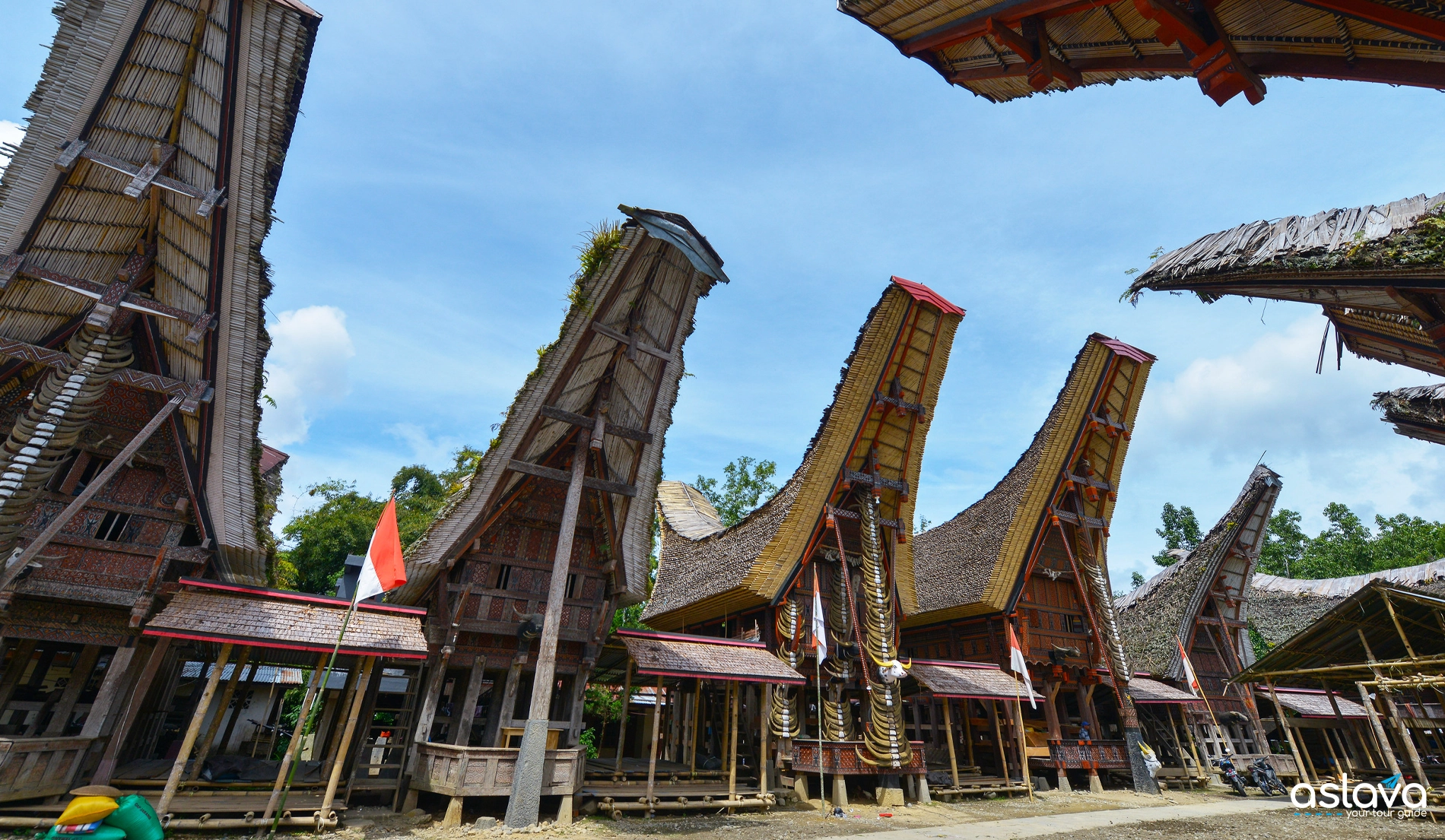
The iconic tongkonan houses of Toraja are architectural marvels that immediately capture visitors’ attention. These distinctive structures feature dramatically curved, saddle-shaped roofs that sweep upward at both ends, resembling the horns of a buffalo or, as some anthropologists suggest, the boats that brought the Torajan ancestors to Sulawesi.
Each tongkonan serves as more than just a dwelling—it’s a symbol of family identity and social status. The houses are richly decorated with intricate carvings painted in red, black, and yellow, each pattern carrying symbolic meaning. Buffalo horns adorn the front facades, with the number indicating how many funeral ceremonies have been conducted by the family—a visual representation of their wealth and status.
The most impressive collections of these traditional houses can be found in villages like Palawa and Kete Kesu. Palawa features exceptionally well-preserved tongkonan with impressive arrays of buffalo horns, while Kete Kesu combines traditional houses with a cave cemetery in the background, offering a comprehensive glimpse into Torajan culture.
Did you know? Similar boat-shaped houses can be found among the Batak people near Lake Toba on Sumatra Island. Some linguists even suggest that the names “TO-raja” and “BA-tak” share etymological connections, possibly indicating ancient cultural links between these distant communities.
Top Attractions in Tana Toraja
Beyond the cultural practices surrounding death, Tana Toraja offers numerous attractions that showcase both its unique traditions and natural beauty. Here are some must-visit sites for your journey:
1. Lemo
One of Toraja’s most famous burial sites, featuring cliff-side graves guarded by rows of tau tau statues. The site is easily accessible and provides an excellent introduction to Torajan burial practices. The eerie figures staring down from their perches create an unforgettable impression that captures the essence of Toraja’s unique relationship with death.
2. Londa
This natural cave system serves as an extensive burial ground with coffins and bones visible throughout. Bring a flashlight or rent a lantern at the entrance to explore the interconnecting tunnels that stretch deep into the limestone. The juxtaposition of ancient remains with modern offerings (cigarettes, candy, drinks) illustrates the ongoing relationship Torajans maintain with their ancestors.
3. Mount Sesean
For natural beauty, hike to the summit of Mount Sesean (2,100 meters) for breathtaking panoramic views of the surrounding rice terraces and valleys. The two-hour trek from Batutumonga rewards you with one of Toraja’s most spectacular sunrise spots, where morning mist often shrouds the valley below, creating the “land above the clouds” effect.
4. Kete Kesu
This UNESCO-listed traditional village combines well-preserved tongkonan houses with a cave cemetery, offering a comprehensive glimpse of Torajan culture in one location. The site provides excellent photo opportunities and a chance to see traditional architecture up close.
5. Pasar Bolu (Buffalo Market)
Visit the world’s largest buffalo market to witness the economic backbone of Torajan funeral traditions. Here, prized albino buffalo can fetch upwards of $15,000 USD, while standard buffalo range from $1,500 to $6,000 depending on their attributes. The market offers fascinating insight into how these animals are valued and traded.
6. Bori Kalimbuang
This megalithic site features standing stones used as grave markers, along with a remarkable giant grave stone containing multiple tombs. The site also includes “baby trees” where infants were traditionally buried, making it one of the most diverse burial locations in the region.
How to Get to Tana Toraja
Reaching this highland region requires some planning, but the journey has become increasingly accessible in recent years. Here are your main options for getting to Tana Toraja:
1. By Air
The most convenient option is flying directly to Tana Toraja Airport (TRT), which opened in 2020. Wings Air operates flights several times weekly from Makassar or Manado. The flight from Makassar takes approximately one hour. From the airport, it’s about an hour’s drive to Rantepao (the main town), with taxis costing around 250,000 Rupiah ($16 USD). Consider arranging airport pickup through your accommodation and combining it with a half-day tour.
2. By Bus
For budget travelers, daily buses connect Makassar to Rantepao. The journey takes 9-10 hours and costs approximately 200,000 Rupiah ($13 USD) one way. Buses depart at either 9 AM or 9 PM, with the night bus allowing you to sleep through the journey. While lengthy, this option provides glimpses of rural Sulawesi life and saves on accommodation for one night.
3. By Car
Hiring a car with driver from Makassar costs 750,000-1,000,000 Rupiah ($50-70 USD) and takes about 8 hours on well-maintained roads. This option works well for groups, effectively reducing the per-person cost while providing flexibility to stop at points of interest along the way.
Getting Around Tana Toraja
Once you’ve arrived in Tana Toraja, you’ll need transportation to explore the widely dispersed attractions. Public transportation is limited, so consider these options:
1. Motorbike Rental
The most flexible and economical option is renting a motorbike in Rantepao, costing around 100,000 Rupiah ($7 USD) per day. Rentals are available near the main square. This gives you the freedom to explore at your own pace and discover hidden spots off the tourist trail. The roads are generally in good condition, though some attractions require navigating narrow paths.
2. Car with Driver
For around 400,000 Rupiah ($27 USD) per day, you can hire a local driver who knows the area well and can provide cultural insights. Many hotels can arrange this service, often combining transportation with guided tours. This option is ideal if you’re uncomfortable driving yourself or want to learn more about the region from a knowledgeable local.
3. Guided Tours
Various tour operators in Rantepao offer packaged tours of the region’s highlights. These typically include transportation, entrance fees, and a guide, with prices starting around 500,000 Rupiah ($33 USD) per person per day. For deeper cultural immersion, multi-day tours can include attendance at funeral ceremonies when available.
Travel Tip: Most tourist sites in Tana Toraja charge entrance fees of approximately 30,000 Rupiah ($2 USD) per person. These add up when visiting multiple sites in a day, so keep cash handy. Credit cards are rarely accepted outside of larger hotels.
Where to Stay in Tana Toraja
Most visitors base themselves in Rantepao, the main town in North Toraja. While accommodations are generally basic compared to major tourist destinations, they offer good value and authentic experiences. Here are some recommended options:
Toraja Misiliana Hotel
One of the most upscale options in the region, featuring beautiful grounds with traditional architecture, an outdoor swimming pool, and free breakfast. The hotel blends modern comforts with authentic Torajan design elements.
- Traditional tongkonan-inspired architecture
- Swimming pool and garden setting
- Restaurant serving local and international cuisine
- Comfortable rooms with modern amenities
Tongkonan Layuk Lion
For an authentic experience, stay in traditional tongkonan houses adapted for guests. This unique accommodation includes free dinner and breakfast, offering a genuine village atmosphere that immerses you in Torajan daily life.
- Authentic tongkonan house accommodation
- Free dinner and breakfast included
- Cultural immersion in village setting
- Friendly hosts with local knowledge
Rosalina Homestay
This popular budget option offers excellent value with free breakfast, WiFi, and incredibly helpful owners who can arrange airport pickups and tours. The family-run atmosphere provides authentic insights into local life and customs.
- Free breakfast and WiFi
- Helpful owners for tour arrangements
- Clean, comfortable rooms
- Central location in Rantepao
For the best experience, book accommodation in advance during the peak funeral season (July-September) when availability can be limited due to the influx of domestic and international tourists.
Best Time to Visit
Tana Toraja’s highland climate is cooler than most of Indonesia, with average temperatures around 23°C (73°F) year-round. This makes it a refreshing destination compared to the tropical heat found in other parts of the country.
1. Funeral Season (July-September)
The peak period for experiencing Torajan culture is during the funeral season, particularly August. This is when most Rambu Solo ceremonies and Ma’Nene rituals take place. While this offers the richest cultural immersion, it also brings more tourists and potentially higher accommodation prices. If witnessing these ceremonies is a priority, this timing is essential.
2. Dry Season (June-October)
The dry season offers the most reliable weather for exploring the region’s outdoor attractions. The rice terraces may not be as lushly green as during the rainy season, but clear skies make for better views from mountain vantage points and more comfortable travel conditions overall.
3. Rainy Season (November-May)
During the rainy season, the landscapes transform into vibrant shades of green as rice planting begins. Places like Limbong Lake change color, often turning a beautiful blue. While afternoon showers are common, they typically don’t last all day. This period sees fewer tourists, potentially offering more authentic experiences and lower prices.
“The landscape was so beautiful, and I enjoyed going around, sometimes without destination as the journey itself was simply beautiful.”
Practical Travel Tips
To make the most of your visit to Tana Toraja, keep these practical tips in mind:
1. Money Matters
Tana Toraja operates almost exclusively on cash. Hotels, restaurants, and tourist sites rarely accept credit cards. ATMs are available in Rantepao with standard withdrawal limits, and foreign cards generally work without issues. Plan to withdraw enough cash for your entire stay, especially if venturing to remote areas.
2. Cultural Sensitivity
When attending funerals or visiting burial sites, dress modestly (covering shoulders and knees) and ask permission before taking photographs. If invited to a funeral, bringing a small gift (traditionally cigarettes) is customary. Approach cultural practices with respect and open-mindedness, even when they differ significantly from your own beliefs.
3. Connectivity
WiFi is available in most Rantepao hotels, though quality varies. For reliable internet access, consider purchasing a local SIM card from providers like Telkomsel, which offers good coverage throughout the region. This also enables GPS navigation when exploring independently.
4. Health Considerations
While malaria cases have become rare in Tana Toraja, using mosquito repellent remains advisable, especially when visiting rural areas. The cooler climate means fewer mosquitoes than in lowland areas, but protection is still recommended. Bring basic medications, as pharmacies are limited outside of Rantepao.
5. Food Options
For quality dining in Rantepao, seek out established restaurants rather than streetside warungs. Recommended options include Raja Babi Waroenk and Monika Cafe & Resto. Don’t miss trying Torajan coffee, considered among the world’s finest due to the region’s ideal growing conditions.
Important: When visiting burial sites, especially caves, a flashlight or headlamp is essential for safe exploration. Some sites offer lantern rentals, but having your own light source is more reliable.
Responsible Tourism in Tana Toraja
Tana Toraja’s unique culture and traditions face challenges from modernization and tourism. By practicing responsible tourism, you can help preserve this extraordinary heritage while supporting local communities:
1. Support Local Initiatives
Visit the eco-friendly Bamboo Market in Tonga Riu village, where local artisans sell handcrafted goods with zero waste. All food is served on bamboo plates or wrapped in banana leaves rather than plastic. This community-led initiative promotes sustainable tourism while preserving traditional crafts and cooking methods.
2. Purchase Authentic Crafts
Buy directly from local artisans to support traditional craftsmanship. Torajan woodcarvings, textiles, and miniature tongkonan houses make meaningful souvenirs that provide income to local families. The weaving workshops at Sangkombong offer high-quality textiles with traditional motifs.
3. Reduce Environmental Impact
Consider renting bicycles for shorter journeys around Rantepao or sharing transportation with other travelers to reduce carbon emissions. Bring a reusable water bottle and shopping bag to minimize plastic waste, which can be challenging to dispose of properly in rural areas.
4. Respect Cultural Practices
While some Torajan traditions may seem unusual to outsiders, approach them with respect and cultural sensitivity. Ask permission before photographing ceremonies or individuals, and follow local customs regarding appropriate behavior at sacred sites.
Is Tana Toraja Worth Visiting?
Tana Toraja offers a travel experience unlike any other destination in the world. Its unique cultural practices surrounding death, stunning traditional architecture, and breathtaking mountain landscapes combine to create a profound journey that goes beyond typical tourism.
While many visitors stay for just 3-4 days, a longer visit of 5-7 days allows for deeper cultural immersion and exploration of the region’s natural beauty. The journey to reach this remote highland may require extra effort, but those who make it are rewarded with authentic experiences and insights into a truly remarkable way of life.
Whether you’re drawn by the fascinating funeral ceremonies, the distinctive boat-shaped houses, or simply the desire to venture beyond conventional tourist destinations, Tana Toraja promises an unforgettable adventure that will challenge your perspectives on life, death, and cultural diversity.