Extraordinary Biodiversity of Sumatra Rainforests
Sumatra stands as one of the planet’s most biologically rich regions, part of the Sundaland Biodiversity Hotspot. Despite facing challenges from deforestation, the island’s ecosystems remain vibrant havens for countless species found nowhere else on Earth. When you venture into Sumatra’s rainforests, you’re entering one of our planet’s most precious natural treasures.
1. Gunung Leuser National Park
The crown jewel of Sumatra’s conservation efforts, Gunung Leuser National Park spans over 7,900 square kilometers and forms part of the UNESCO-listed Tropical Rainforest Heritage of Sumatra. This vast protected area serves as a crucial sanctuary for the island’s most endangered species. Moreover, the park’s diverse habitats range from lowland rainforests to alpine meadows, creating microclimates that support an astonishing variety of plant and animal life.
2. Bukit Lawang Orangutan Sanctuary
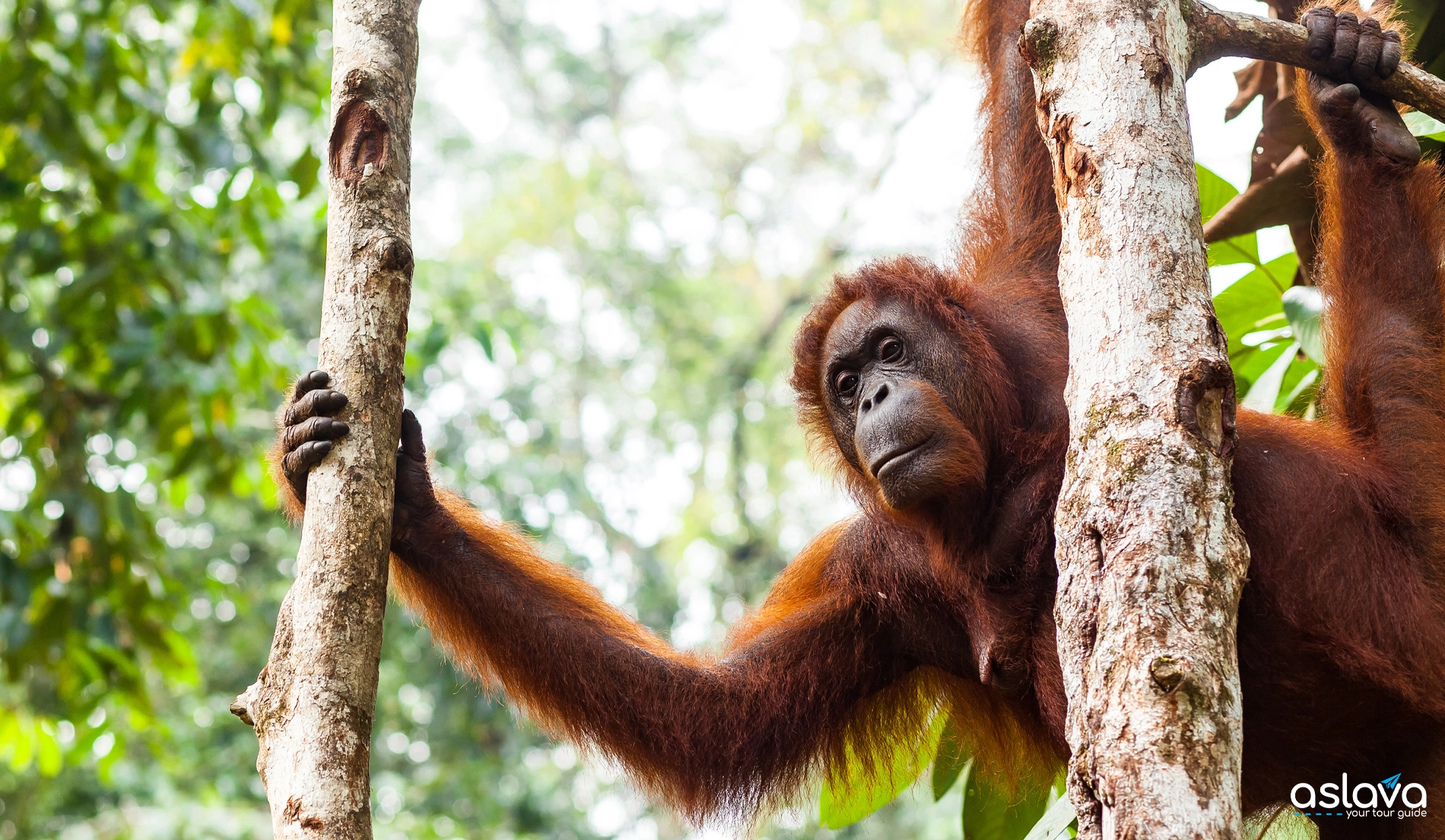
Located on the edge of Gunung Leuser National Park, Bukit Lawang has become world-famous for its orangutan rehabilitation center. Established in 1973, the center has successfully reintroduced numerous orangutans back into the wild. As a visitor in 2026, you can participate in guided treks into the jungle to observe these magnificent creatures in their natural habitat. Additionally, the center continues its vital conservation work while providing sustainable tourism opportunities that benefit local communities.
When trekking in Bukit Lawang, always choose certified guides who follow ethical wildlife viewing practices. Keep a respectful distance from orangutans (minimum 10 meters) and never attempt to feed or touch them. These guidelines help protect both the animals and their fragile ecosystem.
3. The Big Five of Sumatra
Beyond orangutans, Sumatra is home to some of the world’s most endangered large mammals. The Sumatran tiger, rhinoceros, elephant, and sun bear, alongside the orangutan, form what conservationists call “Sumatra’s Big Five.” Though sightings of these elusive creatures are rare, knowing they still roam these forests adds a thrilling dimension to any jungle trek. Furthermore, conservation efforts have intensified in recent years, with new protected corridors established to connect fragmented habitats.
Spectacular Volcanic Lakes of Sumatra
Sumatra’s position along the Pacific Ring of Fire has blessed the island with dramatic volcanic landscapes and some of the world’s most spectacular crater lakes. These natural wonders not only offer breathtaking scenery but also provide windows into the powerful geological forces that continue to shape this dynamic island.
1. Lake Toba: The Supervolcanic Wonder
Lake Toba stands as the undisputed crown jewel of Sumatra’s volcanic lakes. Formed approximately 74,000 years ago by a cataclysmic supervolcanic eruption, it’s the largest volcanic lake in the world, spanning an impressive 1,707 square kilometers. The eruption that created Lake Toba was one of the most powerful in Earth’s history, believed to have triggered a global volcanic winter. Today, however, the lake presents a picture of serene beauty that belies its violent origins.
2. Samosir Island: A Lake Within a Lake
Rising from the center of Lake Toba is Samosir Island, a unique geographical feature that’s essentially a lake within a lake. Connected to the mainland by a narrow isthmus, Samosir is the cultural heartland of the Batak people and offers a fascinating blend of natural beauty and cultural heritage. Furthermore, the island contains its own smaller lakes, creating a mesmerizing landscape of nested bodies of water.
3. Maninjau and Singkarak: Hidden Volcanic Gems
While Lake Toba may claim the spotlight, West Sumatra’s volcanic lakes offer equally stunning scenery with fewer crowds. Lake Maninjau, formed in the caldera of an extinct volcano, is surrounded by steep forested slopes and traditional Minangkabau villages. Meanwhile, Lake Singkarak provides crystal-clear waters perfect for swimming and fishing. Both lakes offer authentic experiences of Sumatran culture and nature away from the more established tourist routes.
Adventure Activities in Sumatra’s Natural Wonderland
Sumatra’s diverse landscapes provide the perfect backdrop for adventure seekers. From challenging volcano treks to jungle expeditions and cultural immersions, the island offers experiences that will satisfy your thirst for exploration while connecting you with both nature and local communities.
1. Volcano Trekking
Sumatra’s volcanic landscape offers some of Indonesia’s most rewarding hiking experiences. Mount Kerinci, standing tall at 3,805 meters, is Indonesia’s highest volcano and a challenging multi-day trek. For a more accessible experience, Mount Sibayak (2,212m) near Berastagi offers a manageable day hike with stunning views and therapeutic hot springs at its base. Additionally, the sunrise views from these volcanic summits provide photographers with once-in-a-lifetime shooting opportunities.
2. Jungle Trekking and Wildlife Spotting
Multi-day jungle treks through Gunung Leuser National Park offer the ultimate immersion into Sumatra’s rainforest ecosystem. These expeditions provide opportunities to spot wildlife in their natural habitat, camp under the canopy, and experience the rainforest’s day and night cycles. Furthermore, local guides share their deep knowledge of medicinal plants and forest survival skills, adding an educational dimension to the adventure.
3. River Adventures
Sumatra’s network of rivers provides excellent opportunities for white-water rafting, tubing, and kayaking. The Bohorok River near Bukit Lawang offers exciting tubing adventures through jungle scenery, while the Alas River provides more challenging white-water rafting experiences. In addition, these water activities often include opportunities to spot wildlife along the riverbanks and cool off from the tropical heat.
Adventure Safety Tip: Sumatra’s weather can change rapidly, especially in mountainous and rainforest areas. Always check weather forecasts before embarking on treks, bring appropriate rain gear regardless of the forecast, and be prepared to adjust your plans if conditions become unsafe.
Cultural Experiences Around Sumatra’s Natural Wonders
Sumatra’s natural beauty is matched by its rich cultural tapestry. The island is home to diverse ethnic groups, each with distinct traditions, architecture, and customs that have evolved in harmony with the surrounding environment. Exploring these cultural dimensions adds depth to your understanding of Sumatra’s landscapes.
1. Batak Culture at Lake Toba
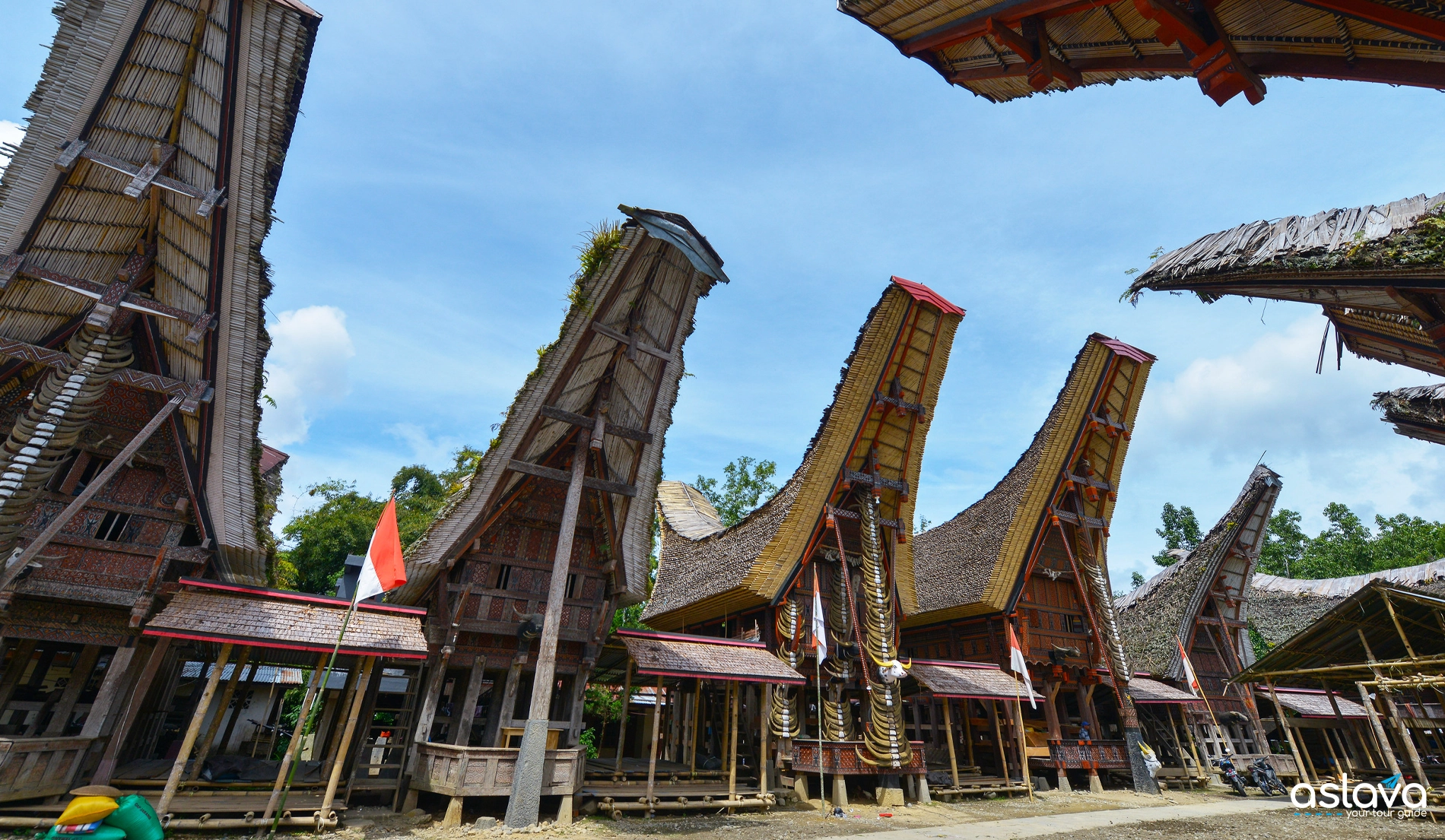
The Batak people who inhabit the Lake Toba region have maintained their distinctive cultural identity for centuries. Their traditional houses with dramatically curved roofs (rumah adat) are architectural marvels adapted to the local climate. On Samosir Island, villages like Tomok and Ambarita preserve ancient stone chairs used for traditional councils and ceremonies. Furthermore, the Batak are known for their musical traditions, particularly the use of gondang (drum) ensembles that accompany traditional dances.
2. Minangkabau Heritage in West Sumatra
The Minangkabau people of West Sumatra are known for their matrilineal society and distinctive buffalo horn-shaped roofs on traditional buildings. Villages around Lake Maninjau and other volcanic lakes in the region offer glimpses into this unique culture. Additionally, the Minangkabau are renowned throughout Indonesia for their culinary traditions, with local restaurants serving authentic rendang and other specialties near the lakes.
3. Sustainable Ecotourism Initiatives
Throughout Sumatra, local communities have developed sustainable ecotourism initiatives that allow visitors to experience both natural wonders and cultural traditions while supporting conservation. In villages near Bukit Lawang and other rainforest areas, homestay programs offer authentic cultural immersion while providing economic alternatives to logging and palm oil cultivation. In addition, many of these initiatives include cultural workshops where you can learn traditional crafts, cooking, or music.
Practical Information for Visiting Sumatra’s Natural Wonders
Planning a trip to explore Sumatra’s rainforests and volcanic lakes requires some preparation. The island’s infrastructure continues to develop, but advance planning will help ensure a smooth and rewarding experience in this wild paradise.
1. Best Time to Visit
Sumatra experiences a tropical climate with distinct wet and dry seasons. The optimal time to visit for rainforest trekking and lake activities is during the dry season from May to September. However, even during this period, be prepared for occasional rainfall, especially in rainforest areas. Moreover, the shoulder seasons (April-May and October) often offer good weather with fewer visitors at popular destinations like Lake Toba.
2. Transportation and Accessibility
Medan serves as the main gateway to North Sumatra, with Kualanamu International Airport connecting to major Southeast Asian hubs. From Medan, public buses and private transportation options connect to Bukit Lawang (3-4 hours) and Lake Toba (4-5 hours). For West Sumatra’s volcanic lakes, Minangkabau International Airport near Padang provides the most convenient access. Additionally, improved road conditions in recent years have made travel between destinations more comfortable than in the past.
3. Accommodation Options
Accommodation around Sumatra’s natural attractions ranges from basic guesthouses to eco-lodges and boutique hotels. In Bukit Lawang, riverside eco-lodges offer immersive rainforest experiences, while Lake Toba features everything from budget homestays to comfortable resorts on both the mainland and Samosir Island. Furthermore, many accommodations are locally owned and operated, ensuring your tourism dollars benefit local communities directly.
Do I need a guide to trek in Sumatra’s rainforests?
Yes, a local guide is essential for rainforest treks in Sumatra, especially in Gunung Leuser National Park. Guides ensure your safety, enhance wildlife spotting opportunities, and provide valuable insights into the ecosystem. Additionally, hiring local guides supports conservation efforts and provides sustainable livelihoods for communities living near protected areas.
What health precautions should I take before visiting Sumatra?
Consult with a travel health specialist before your trip. Recommended vaccinations typically include hepatitis A and B, typhoid, and tetanus. Malaria prevention may be advised for rainforest areas, though risk varies by season and specific location. Furthermore, bring insect repellent, sunscreen, and a basic first aid kit, particularly if you plan to trek in remote areas.
Conservation Challenges and Responsible Tourism
Sumatra’s extraordinary natural heritage faces significant conservation challenges. As a visitor, understanding these issues and practicing responsible tourism can help ensure these precious ecosystems remain intact for future generations.
Current Threats
- Deforestation for palm oil plantations and timber
- Wildlife poaching and illegal pet trade
- Infrastructure development fragmenting habitats
- Climate change affecting rainfall patterns and ecosystems
How You Can Help
- Choose eco-certified accommodations and tour operators
- Support local conservation organizations through donations
- Follow wildlife viewing guidelines and respect natural areas
- Share your experiences to raise awareness about Sumatra’s natural treasures
“The rainforests of Sumatra are not just Indonesia’s treasure—they are the world’s treasure. Every responsible visitor helps write a new chapter in the conservation story of this remarkable island.”
Embrace the Wild Beauty of Sumatra
Sumatra’s rainforests and volcanic lakes represent some of our planet’s most spectacular natural wonders. From the misty canopies of Gunung Leuser National Park to the vast expanse of Lake Toba, these landscapes offer transformative experiences for those willing to venture beyond the typical tourist trail. As you plan your journey to this remarkable island, remember that every step you take can contribute to either the preservation or degradation of these precious ecosystems.
With proper planning and a commitment to responsible travel practices, your adventure through Sumatra’s rainforests and volcanic lakes will not only create lasting memories but also contribute to the conservation of one of Earth’s most biodiverse regions. The wild heart of Sumatra awaits your discovery.