The Mystical Heritage of Siquijor
Siquijor’s reputation as a mystical island stems from its long-standing traditions of folk healing and spiritual practices. Unlike other destinations where such elements might be purely for show, Siquijor’s mysticism remains an authentic and integral part of local culture. The island’s shamans, known locally as “mananambal,” continue to practice ancient healing arts passed down through generations.
1. The Healing Traditions
At the heart of Siquijor’s mystical reputation are its healing traditions that blend Catholic influences with pre-colonial animistic beliefs. Local healers create potions and remedies from herbs, tree bark, roots, and other natural ingredients gathered from the island’s lush forests. These concoctions are believed to cure various ailments, from physical illnesses to spiritual afflictions. In 2026, these practices continue to thrive, with many healers now open to sharing their knowledge with respectful visitors.
2. The Annual Healing Festival
Each year during Holy Week, Siquijor hosts a unique healing festival where herbalists and healers gather to prepare their most potent remedies. This time is considered especially powerful, as the ingredients are believed to be most effective when collected during this sacred period. While some aspects remain private, visitors can witness portions of these rituals with proper respect and local guidance. The festival has evolved to balance preservation of traditions with cultural education for interested travelers.
3. Spiritual Encounters
Many visitors to Siquijor seek authentic spiritual experiences with local healers. These encounters typically involve consultations about physical or emotional concerns, followed by customized healing rituals that might include massage, prayers, or herbal treatments. While some travelers approach these experiences with skepticism, many report feeling genuinely refreshed and balanced afterward. The key to a meaningful experience is approaching these traditions with an open mind and sincere respect.
Natural Wonders of the Island
Beyond its mystical reputation, Siquijor boasts some of the most stunning natural attractions in the Philippines. From pristine beaches to enchanting waterfalls, the island offers diverse landscapes that rival its more famous neighbors while maintaining a peaceful, uncrowded atmosphere.
1. Enchanting Waterfalls
Cambugahay Falls stands as Siquijor’s crown jewel – a three-tiered waterfall with stunning turquoise pools perfect for swimming. The falls feature several rope swings where you can channel your inner Tarzan before plunging into the refreshing water below. For a less crowded experience, visit early in the morning when you might have this paradise entirely to yourself. Another notable cascade is Lagaan Falls, which offers a more intimate setting with its natural slide and hidden caves behind the water’s veil.
2. Pristine Beaches
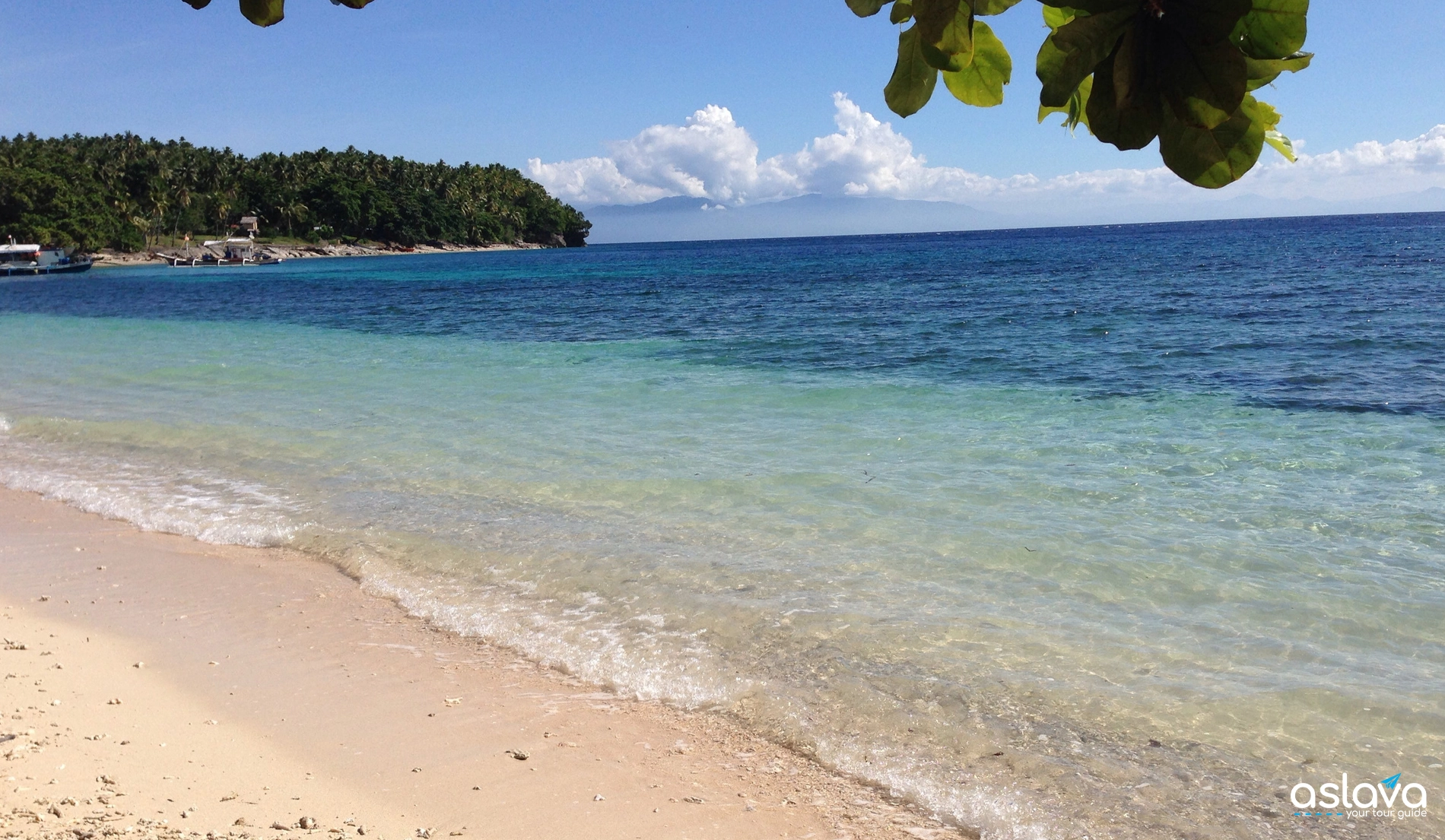
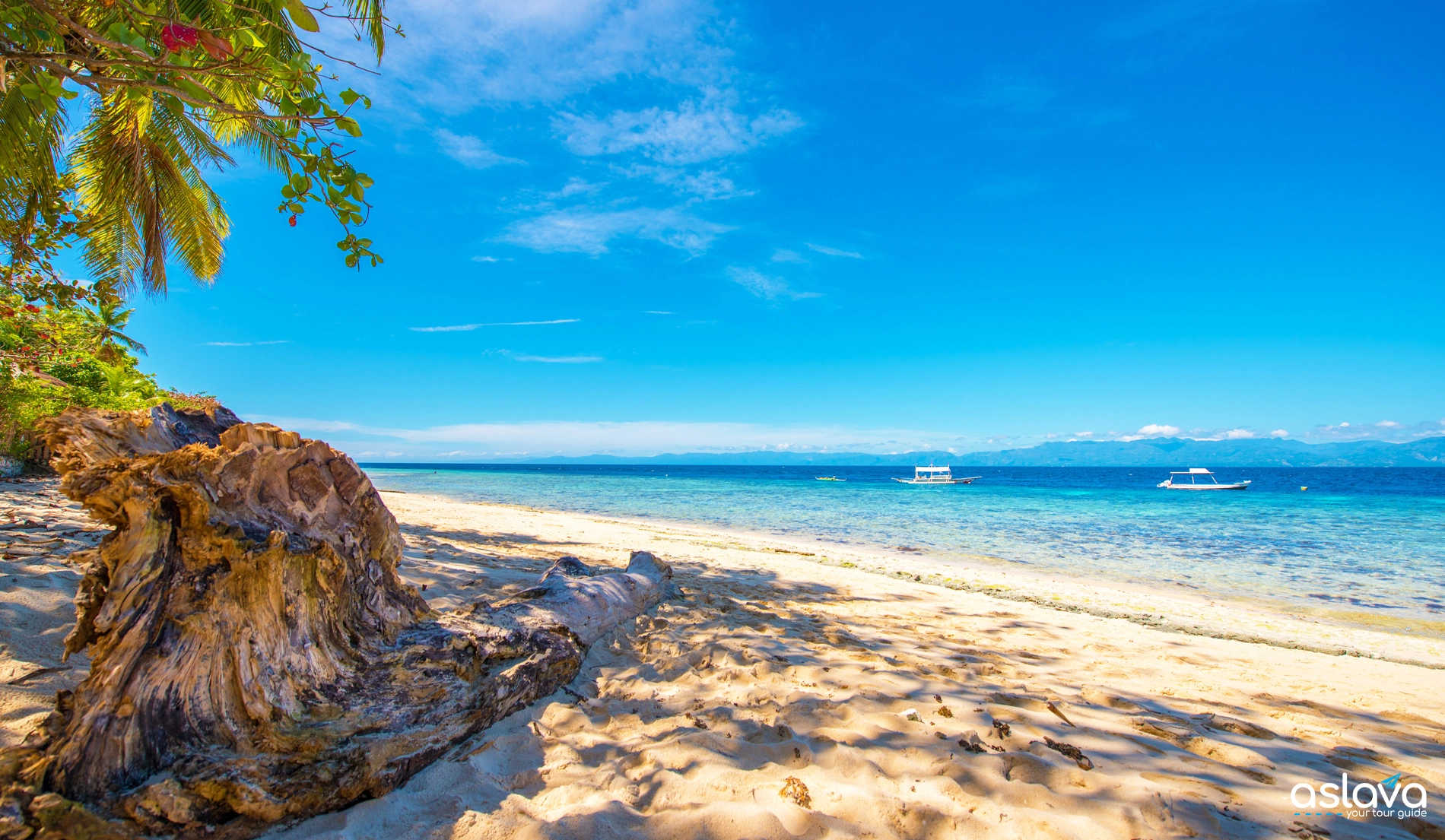
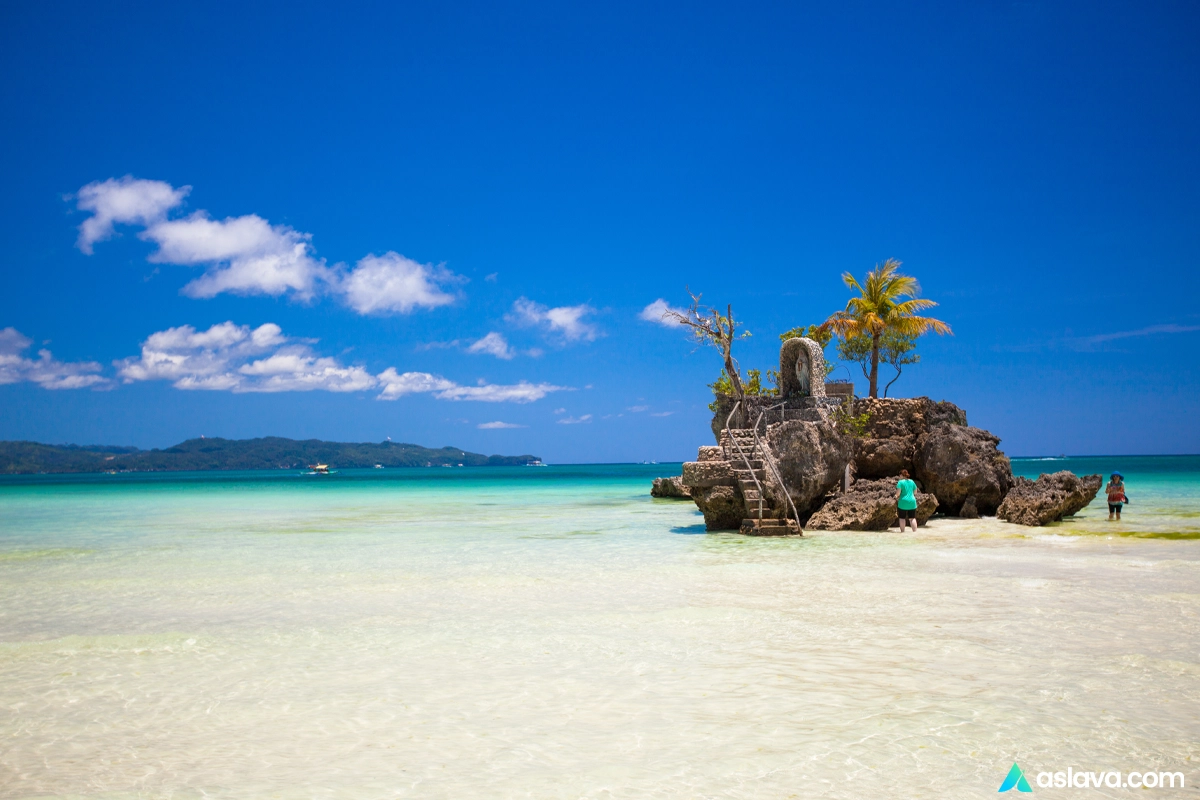
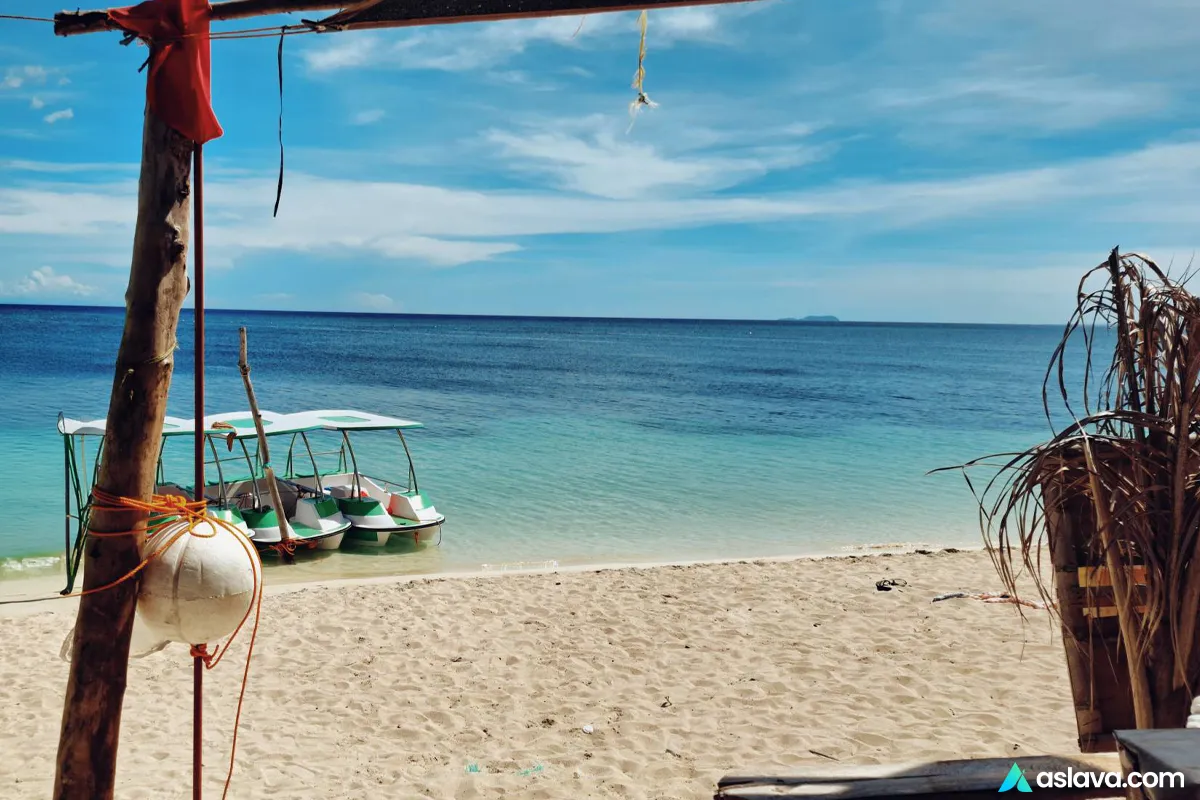
Siquijor’s coastline is dotted with white sand beaches that rival those of more famous Philippine destinations. Paliton Beach, often called “Little Boracay,” features powdery white sand and a picturesque line of leaning coconut palms that create perfect photo opportunities. Salagdoong Beach offers not only beautiful shores but also thrilling cliff jumping platforms (6-meter and 11-meter heights) for the adventurous. Meanwhile, Sandugan Beach provides a more tranquil experience with its soft sand and clear waters ideal for snorkeling.
3. Marine Sanctuaries
Since being declared a Marine Reserve in 1978, Siquijor’s underwater ecosystems have flourished. The island is surrounded by healthy coral reefs teeming with diverse marine life. Snorkeling spots near San Juan and Tubod Marine Sanctuary offer encounters with colorful fish, sea turtles, and vibrant coral formations. For diving enthusiasts, nearby Apo Island (accessible as a day trip) provides world-class diving experiences with its famous sea turtle population and over 650 documented fish species.
Iconic Landmarks to Visit
Siquijor’s landscape is punctuated with distinctive landmarks that blend natural wonders with cultural significance. These sites offer deeper insights into the island’s unique character and history.
1. The 400-Year-Old Balete Tree
Standing majestically in the town of Lazi, this ancient Balete tree is estimated to be over 400 years old and holds significant spiritual importance in local folklore. According to island legends, the tree houses nature spirits called “Tikbalangs” that can either protect or play tricks on visitors. At the base of the tree, a natural spring forms a pool where you can experience a unique fish spa as tiny Garra rufa fish nibble at your feet. The site has become a cultural hub where local vendors sell traditional potions and mystical souvenirs.
2. Historic Churches and Convents
Despite its reputation for mysticism, Siquijor also features significant Catholic landmarks. The San Isidro Labrador Church and Convent in Lazi, built in 1884, stands as one of the oldest and largest convents in the Philippines. Its impressive coral stone construction and well-preserved interiors offer a glimpse into the island’s colonial past. Similarly, the St. Francis of Assisi Church in Siquijor Town showcases beautiful Spanish-era architecture that contrasts with the island’s mystical elements, highlighting the cultural duality that makes Siquijor so fascinating.
3. Salagdoong Forest
The road to Salagdoong Beach takes you through the enchanting Salagdoong Forest, a man-made mahogany forest that creates a magical tunnel of trees. This picturesque drive has become one of the island’s most photographed spots, with sunlight filtering through the dense canopy creating an ethereal atmosphere. The forest provides a cool respite from the tropical heat and offers perfect opportunities for memorable photos that capture Siquijor’s mystical essence.
Practical Information for Visitors
Planning your 2026 visit to Siquijor requires some practical knowledge to ensure a smooth and enjoyable experience. Here’s what you need to know before embarking on your mystical island adventure.
1. Getting to Siquijor
Siquijor doesn’t have its own airport, so access is primarily by sea. The most common route is flying to Dumaguete (Negros Oriental) and then taking a ferry to Siquijor. Fast ferries make the crossing in about 45-60 minutes, while slower, more economical options take around 90 minutes. Alternative entry points include Cebu, Bohol, and Tagbilaran, all with regular ferry connections to Siquijor. In 2026, ferry services have improved with more frequent departures and online booking options, making the journey more convenient than in previous years.
| Ferry Operator | Route | Travel Time | Frequency | Approximate Cost (2026) |
| OceanJet | Dumaguete to Siquijor | 45 minutes | Every 2 hours (6am-6pm) | ₱380-450 |
| GL Shipping Lines | Dumaguete to Siquijor | 90 minutes | 3x daily | ₱200-250 |
| Aleson Shipping | Dumaguete to Siquijor | 75 minutes | 2x daily | ₱180-220 |
| OceanJet | Tagbilaran (Bohol) to Siquijor | 90 minutes | 1x daily | ₱500-600 |
2. Getting Around the Island
The most popular and convenient way to explore Siquijor is by renting a motorbike or scooter, which costs around ₱350-500 per day in 2026. The island’s circumferential road is well-maintained and spans approximately 75 kilometers, making it possible to circle the entire island in a single day. For those not comfortable with two wheels, tricycles (local three-wheeled taxis) and habal-habal (motorcycle taxis) are readily available, though at a higher cost. Some resorts also offer guided tours with transportation included, which can be a hassle-free option for visiting the main attractions.
3. Best Time to Visit
Siquijor enjoys a tropical climate with distinct dry and wet seasons. The ideal time to visit is during the dry season from November to May, with December to February offering the most pleasant temperatures. March to May brings hotter weather but also clearer waters for diving and snorkeling. The rainy season (June to October) sees fewer tourists but carries the risk of tropical storms that could disrupt ferry services. For those interested in the healing festival, planning your visit around Holy Week (usually in March or April) provides a unique cultural experience, though accommodations should be booked well in advance for this period.
Where to Stay on the Island
Siquijor offers accommodations to suit every budget and preference, from basic backpacker hostels to luxurious beachfront resorts. Most options are concentrated along the western coast, particularly in San Juan, known for its stunning sunset views and white sand beaches.
Luxury Retreats
For those seeking premium accommodations, Siquijor now offers several high-end resorts featuring infinity pools, spa services, and private beach access. Coco Grove Beach Resort and Infinity Sands Resort provide luxurious amenities while maintaining the island’s laid-back atmosphere. These properties blend modern comforts with traditional Filipino design elements, creating harmonious spaces that complement the natural surroundings.
Mid-Range Options
The majority of Siquijor’s accommodations fall into the mid-range category, offering excellent value for money. Properties like Treasure Island Beach Bungalows and Glamping Siquijor provide comfortable rooms or unique glamping tents with essential amenities at reasonable prices. These establishments typically feature restaurants serving both local and international cuisine, making them convenient bases for island exploration.
Budget Accommodations
Budget travelers will find plenty of affordable options throughout the island. Guesthouses like JJ’s Backpackers Village and Good Vibes Inn offer clean, basic rooms starting from ₱600 per night. Many budget accommodations feature communal areas where travelers can connect and share experiences, creating a friendly atmosphere perfect for solo adventurers or those looking to meet fellow explorers during their Siquijor journey.
Tasting the Local Cuisine
Siquijor’s culinary scene blends traditional Filipino flavors with fresh seafood and local ingredients. From beachside barbecues to international fusion restaurants, the island offers diverse dining experiences to satisfy every palate.
1. Seafood Specialties
Given its island location, Siquijor excels in seafood dishes. Beachfront restaurants like Baha Bar and Fun Ta Sea Beach Resort serve the day’s catch grilled to perfection with minimal seasoning to highlight the natural flavors. Don’t miss local specialties like kinilaw (similar to ceviche, made with raw fish cured in vinegar and citrus) and tuna sisig (a sizzling dish of chopped fish with onions and chili). These dishes showcase the island’s abundant marine resources and traditional preparation methods.
2. Local Eateries
For authentic and budget-friendly meals, seek out the small local eateries known as “carinderias” found in town centers and along main roads. These humble establishments serve home-style Filipino dishes like adobo (meat stewed in vinegar and soy sauce), humba (sweet braised pork), and various vegetable dishes at very reasonable prices. Many travelers find these unpretentious spots offer some of the most memorable and authentic dining experiences on the island.
3. International Options
In response to growing tourism, Siquijor now hosts several international restaurants catering to diverse tastes. Marco Polo offers authentic Italian cuisine with wood-fired pizzas and homemade pasta, while Monkey Business serves fusion dishes alongside creative cocktails in a hip, Instagram-worthy setting. These establishments provide welcome variety for longer stays while maintaining a distinctly laid-back island atmosphere.
Authentic Mystical Experiences
For many visitors, connecting with Siquijor’s spiritual traditions is a primary motivation for their journey. While respecting the private nature of some practices, there are several ways to authentically engage with the island’s mystical heritage.
1. Meeting a Healer
The most direct way to experience Siquijor’s mysticism is through a consultation with a local healer or “mananambal.” These practitioners can be found throughout the island, particularly in mountain villages like Cantabon. While some healers have become accustomed to visitors, it’s best to approach them with a local guide who can facilitate proper introductions and explain cultural protocols. Authentic healers typically don’t advertise their services or charge fixed fees, though a respectful donation is appropriate.
2. Herbal Medicine Workshops
Several cultural centers now offer workshops where visitors can learn about traditional herbal medicine preparation. These educational experiences provide insights into the plants used in local healing traditions and their applications for various ailments. Some workshops include guided forest walks to identify medicinal plants, followed by hands-on preparation of simple remedies like healing oils or teas that participants can take home.
3. Spiritual Cleansing Rituals
For those seeking a more immersive experience, some healers offer spiritual cleansing rituals designed to remove negative energies and restore balance. These ceremonies might involve massage with special oils, prayers, and the use of local herbs. While approaches vary between practitioners, most focus on aligning physical and spiritual well-being. These experiences should be approached with an open mind and sincere respect for local traditions.
Practicing Responsible Tourism
As Siquijor gains popularity, responsible tourism becomes increasingly important to preserve both its natural environment and cultural heritage. Visitors can help ensure the island maintains its magic for generations to come by following these guidelines.
1. Environmental Considerations
Siquijor’s delicate ecosystems require protection. Use reef-safe sunscreen when swimming or snorkeling to avoid damaging coral reefs. Avoid touching or stepping on corals, and never collect shells, sand, or other natural items as souvenirs. Participate in beach clean-up initiatives that many resorts organize, or simply collect any trash you find during your beach visits. Choose accommodations that demonstrate environmental responsibility through waste reduction, water conservation, and energy efficiency.
2. Cultural Respect
Approach Siquijor’s mystical traditions with genuine respect rather than treating them as tourist attractions. Ask permission before photographing healers or rituals, and be prepared to accept refusal graciously. Listen more than you speak when engaging with local practitioners, and avoid dismissive or judgmental attitudes toward beliefs that might differ from your own. Remember that while some aspects of local culture are shared with visitors, others remain private and should be respected as such.
3. Supporting Local Communities
Direct your tourism spending toward locally owned businesses whenever possible. Choose local guides, eat at locally owned restaurants, and purchase souvenirs made by island artisans. This ensures your visit contributes directly to the island’s economy and helps preserve traditional livelihoods. Consider visiting during shoulder seasons (November-December or May-June) to help create year-round income opportunities for those working in tourism while enjoying a less crowded experience.
Embracing the Magic of Siquijor
Siquijor mystical island offers a rare combination of authentic cultural traditions, breathtaking natural beauty, and peaceful atmosphere that increasingly sets it apart from more developed Philippine destinations. Whether you’re drawn by the healing traditions, the pristine beaches, or simply the desire to experience a place where time seems to move at its own pace, Siquijor rewards visitors with unforgettable memories and perhaps a touch of its legendary magic.
As you plan your 2026 journey to this enchanting island, approach with an open heart and mind. Allow yourself to be surprised by unexpected encounters, whether with friendly locals, stunning natural vistas, or perhaps even the mysterious fireflies that gave Siquijor its ancient name. In doing so, you’ll discover that the true magic of Siquijor lies not just in its mystical reputation, but in the authentic connections and moments of wonder that await around every corner of this remarkable island paradise.