Ready to plan your trip? See the Planning section for practical advice on flights, where to stay in Siargao, and other options to make the most of your time on the island.
The Heartbeat of Cloud 9
Cloud 9 is the signature surf break that helped cement Siargao’s reputation as the surfing capital of the Philippines. This legendary right‑hand reef break produces hollow, barreling waves that have drawn pro surfers and adventurous travelers to the island since the 1980s. The name comes from a local chocolate bar early visitors enjoyed while watching the lineup — a fitting tale for a spot that feels a little heavenly to riders.
Season & Events
The best season for consistent swell runs from July through November, with September often delivering the biggest, most powerful waves and the highlight of the year: the Siargao International Surfing Cup. That said, Siargao offers surf options year‑round — smaller, mellower waves appear outside peak months, so beginners and intermediate surfers can still find good conditions.
Beginner Spots & Lessons
If you’re new to surfing, nearby sandier or softer reef breaks such as Jacking Horse and Quicksilver provide gentler conditions to learn. Numerous surf schools operate in and around General Luna; many offer group and private lessons, board rental, and pickup from most hotels. Typical lesson formats run 2–3 hours and often include basic safety, paddling technique, and guided practice in the whitewater. (Check current prices and availability when you book.)
Quick note on safety: always check local conditions and ask instructors about currents and reef exposure before paddling out.
Cloud 9 Quick Facts
- Best months: July–November (peak: September)
- Type: right‑hand reef break, powerful barrels
- Skill level: advanced for peak sets; nearby spots better for beginners
- What to bring: reef booties, board for hollow waves, sunscreen, and respect for local lineup etiquette
The wooden boardwalk that juts into the ocean is the classic vantage point for watching surfers carve Cloud 9. Sunrise sessions are particularly atmospheric — even non‑surfers will appreciate the spectacle as light hits the glassy face of the waves.
Siargao’s surf community blends local Surigaonon culture with an international crowd. That laid‑back vibe shows up in beachside bars where surf stories are swapped over cold San Miguel beers at sunset. Increasingly, local surf businesses emphasize sustainability: eco‑minded surf shops rent and repair boards while minimizing plastic use and supporting reef conservation initiatives.
Beyond the Barrel: Siargao’s Island Treasures
Surfing puts Siargao on many travelers’ maps, but the island offers much more. Explore turquoise lagoons, powdery sandbars, and shaded coconut forests that reward curious visitors. Recent sustainability measures introduced for 2026 aim to protect these places so future travelers can enjoy them too.
1. The Enchanting Lagoons of Sohoton and Sugba
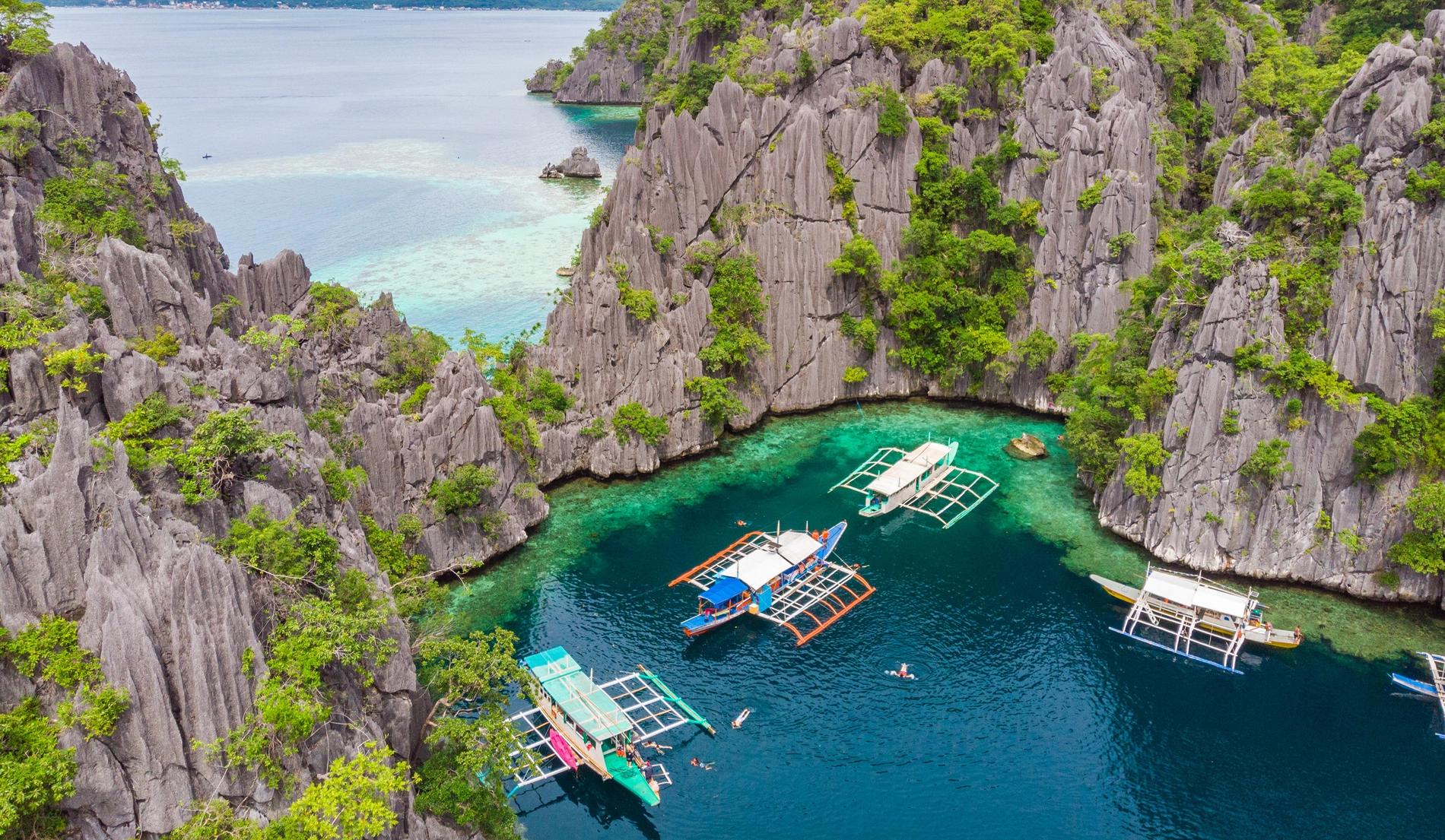
Sohoton Cove National Park, on nearby Bucas Grande Island, is a must for nature lovers. The protected marine sanctuary contains limestone caves, hidden lagoons, and clear emerald water that seems to glow. To enter some of the coves you pass through a narrow outlet visible mainly at low tide, which adds to the feeling of discovery. Inside you can explore Hagukan Cave, hear the thunderous splash echoes, or jump from natural ledges like at Magkukuob Cave.
Practical notes for Sohoton & Sugba:
- Best time to visit: morning for calm water and fewer boats.
- Duration: full-day trips are common; expect 6–10 hours including transfers.
- What to bring: reef shoes, biodegradable sunscreen, and a dry bag.
- Conservation: some areas restrict swimming to protect wildlife — follow guide instructions.
Sugba Lagoon, located in Del Carmen, is easier to reach from Siargao and offers jade‑green water framed by mangroves and limestone cliffs. The area is popular for paddleboarding, snorkeling, and jumping from the wooden diving platform. In 2026 some operators replaced plastic rafts with bamboo ones, and visitor numbers are managed to avoid overcrowding.
2. Island‑Hopping to the Pristine Triplets: Daku, Guyam, and Naked Island
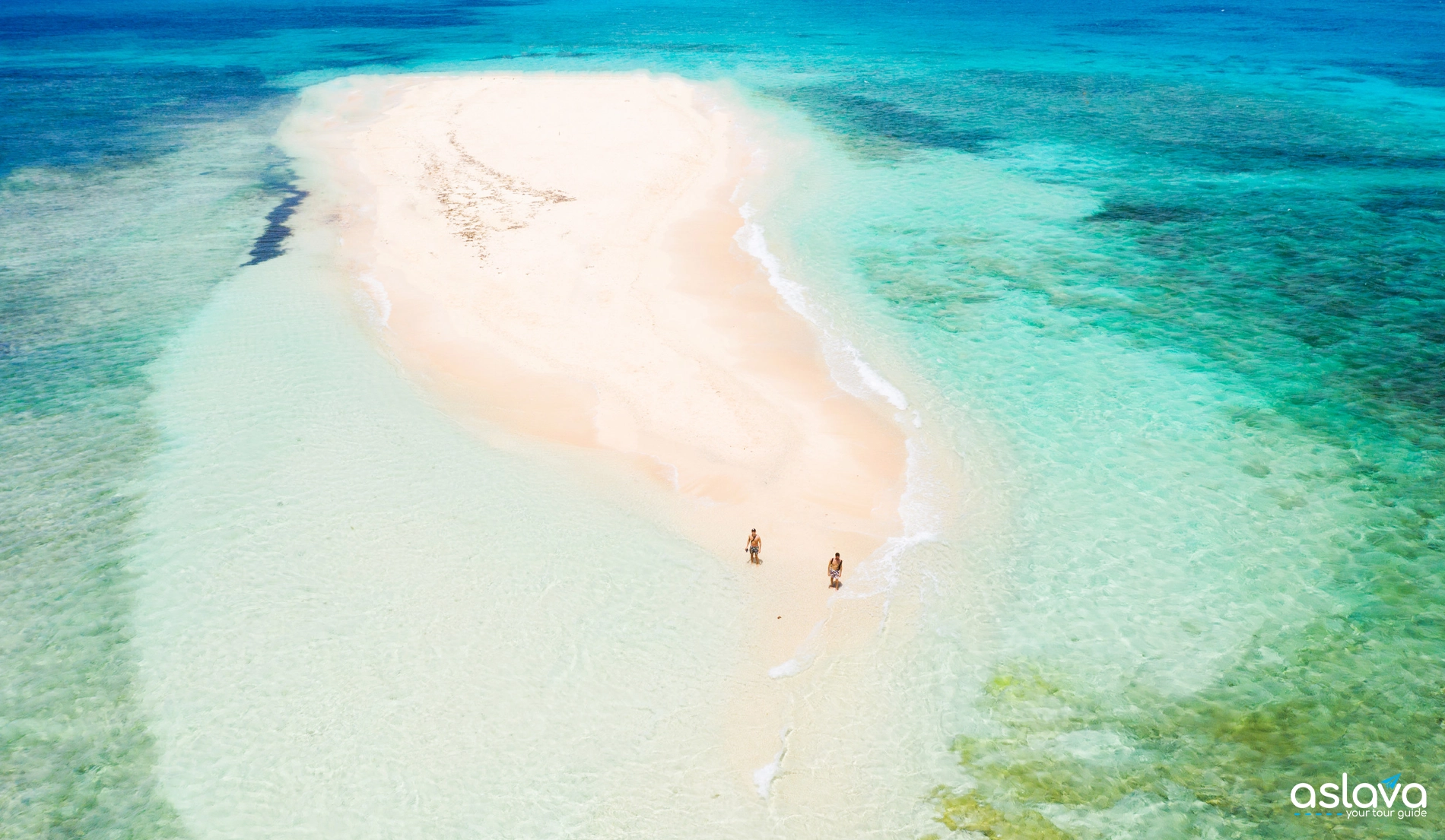
No siargao island trip is complete without visiting Daku, Guyam, and Naked Island. Most island hopping tours leave from General Luna early in the morning to catch calm seas and the best light for photos. You can visit all three in a single day — many tours include lunch, snorkeling gear, and a local guide.
Quick highlights:
- Daku Island — the largest: fishing village, shaded beaches, and a lively boodle fight lunch scene where seafood and grilled meats are shared family‑style on banana leaves.
- Guyam Island — tiny and charming: a short walk circles the islet; calm water makes it ideal for snorkeling and relaxing.
- Naked Island — pure sandbar: no shade but perfect for photos and short walks; best visited in the morning to avoid midday heat.
Conservation updates: in 2026 waste management systems and visitor timing were improved across the Triplets to limit environmental impact. When booking island hopping, choose operators who demonstrate eco practices and provide reef‑safe sunscreen guidance.
3. The Magical Tidal River of Magpupungko Rock Pools
Magpupungko Rock Pools, in Pilar, are tidal pools that appear at low tide — natural infinity pools carved into volcanic rock and filled with clear seawater. The main pool looks out toward the ocean and makes a dramatic photo spot. Timing is essential: the pools are safe to access only during specific low‑tide windows.
Magpupungko practical tips:
- When to go: check tide charts; visits are limited to scheduled time slots in 2026 to avoid crowding.
- Activities: swimming, snorkeling in shallow pools, and cliff jumping (3–10 ft depending on the spot).
- Safety: follow posted signs and local guides — some jumps are shallow at low tide.
- Facilities: improved eco‑restrooms and changing areas are available near the site.
Micro‑CTA: Always check the online tide schedule before you leave General Luna so you’ll find the pools open when you arrive.
4. Embracing Serenity in the Coconut Palm Forests
Inland, Siargao’s coconut palm forests feel a world away from the surf. The Coconut Mountain Viewpoint between General Luna and Pacifico offers the classic postcard view of endless palms. Riding a motorbike down palm‑lined roads is a quintessential way to experience the island.
Other highlights:
- Maasin River Palm Forest — home to the famous bent coconut tree that stretches over the river; popular for photos and rope swings.
- Eco‑trails — several low‑impact paths opened in 2026 let visitors explore without disturbing wildlife.
- Quiet beaches — northern areas near Pacifico and Alegria are less busy and ideal for solitary walks or long stretches of sand.
Getting around these spots is easiest by motorbike or with a local guide who can point out cultural and ecological insights. Respect private farmland and local harvests, and be mindful of fragile coastal zones.
The Soul of the Island: Culture and Community
Beyond its beaches and surf, Siargao Island’s heart is its people and culture. The island blends warm Filipino hospitality with international influences to create a relaxed, creative vibe that many visitors call the highlight of their trip. As tourism grows, the Surigaonon community continues to preserve traditions while welcoming sustainable improvements that benefit locals and visitors alike.
Food & Restaurants
General Luna’s Tourism Road has become the island’s dining hub, offering everything from local Filipino favorites to international cuisine. You’ll find kinilaw (a ceviche‑style dish), grilled lechon, fresh seafood, and a growing farm‑to‑table movement that sources produce and fish from nearby communities.
- Breakfast/coffee: Greenhouse and White Beard — specialty coffee and light bites, great for digital nomads.
- Casual/local: Mama’s Grill — hearty barbecue and grilled seafood in a no‑frills setting.
- Pizza & social spots: Kermit — wood‑fired pizzas and an island favorite for groups.
- Healthy options: Shaka Cafe — smoothie bowls and fresh, colorful bowls to fuel surf sessions.
Practical tips: reservations are wise on weekends and during the surf festival. Expect a mix of cash and card acceptance; smaller vendors may be cash only. Always ask for recommendations from your hotel or guide — they’ll point you to the best daily specials and fresh catches.
Festivals & Events
Festivals bring the community together. The Siargao International Surfing Festival in September combines pro competition with music, food fairs, cultural performances, and beach cleanups. In August, the Surigao Fiesta showcases local dances, music, and religious processions that reflect the island’s heritage.
- Siargao International Surfing Festival — surf contests, cultural shows, community initiatives.
- Surigao Fiesta (August) — traditional celebrations and local food fairs.
- Weekly night markets and beach bazaars — craft stalls, live music, and sustainable souvenirs.
Arts, Crafts & Community Initiatives
A vibrant creative scene has emerged as international residents collaborate with locals. Small galleries and pop‑up exhibits display works that mix Filipino traditions with contemporary styles. Beach markets regularly feature handmade souvenirs crafted from coconut shells, reclaimed wood, and other sustainable materials.
Hands‑on workshops are widely available — learn weaving, coconut leaf folding, or simple boat‑building techniques from local artisans. These sessions are not only fun but help support the island’s creative economy.
Sustainability & Giving Back
Many residents and businesses now prioritize sustainable tourism. Local groups like the Siargao Environmental Awareness Movement organize regular beach cleanups, educational programs, and conservation activities. Numerous restaurants and shops have eliminated single‑use plastics and favor locally sourced ingredients.
How you can help: bring a reusable water bottle, choose reef‑safe sunscreen, eat at locally owned restaurants, and book tours with certified local guides. If you have extra time, consider joining a beach cleanup or signing up for a community workshop — a small effort goes a long way.
The island’s culture and community are central to the Siargao experience. Enjoy the food, join a workshop, and take the time to meet locals — you’ll leave with more than memories, you’ll carry new perspectives and connections.
Planning Your 2026 Siargao Adventure
A little planning goes a long way on Siargao Island. With improved transport links, a wider range of places to stay, and stronger sustainability rules, your 2026 trip can be smoother and more rewarding. Below are the practical details you’ll use most: how to get there, getting around, where to stay, and simple sustainable choices that help preserve the island.
1. Getting There and Getting Around (2026 Update)
Getting to Siargao is easier than ever. Direct flights to Sayak Airport (IAO) in Del Carmen now run regularly from Manila, operated by major carriers; flight time is about 2–2.5 hours. In some seasons you may also find direct international flights or one‑stop options that remove the need for domestic transfers — check current flight schedules before you book.
Ferry option: budget travelers can take a fast craft from Surigao City — the crossing is roughly two hours. Ferries and fast crafts run multiple times daily in peak season, but they often sell out, so book ahead.
Getting around the island: renting a motorbike is the most flexible way to explore and remains popular; average rental rates in 2026 are around ₱400–500 per day. Electric scooters are increasingly available as eco alternatives. If you prefer not to ride, electric tricycles and shared vans provide reliable transport between towns. A Siargao‑specific ride‑sharing app launched in 2026, offering motorcycle taxis and short trips in General Luna and nearby hubs.
- Tip: Confirm luggage limits for small aircraft and leave room for surfboards when booking flights manila → Siargao.
- Tip: Carry some cash; many local vendors accept only cash even if restaurants take cards.
- Tip: Buy a local SIM on arrival for maps and booking pickups — coverage is good in most populated areas.
2. Where to Stay: From Hostels to Luxury
Accommodation options stretch from budget dorms to high‑end private villas. General Luna is the main hub — it’s where you’ll find the most restaurants, nightlife, and surf services. If you want quieter mornings, consider staying in Pacifico, Santa Fe, or Alegria; these areas are still within reasonable riding distance of major spots.
Accommodation tiers (sample rates, 2026):
- Budget hostels: dorm beds from about ₱600–800 per night — social, wallet‑friendly options in General Luna.
- Mid‑range: private rooms and boutique hotels from ~₱2,500–6,000 per night; good balance of comfort and price.
- Luxury: villas and high‑end resorts (private pools, transfers) typically from ₱15,000+ per night.
Room tips: book early for peak season (July–November). If you plan to surf, ask about secure storage for boards. For a quieter stay, pick a property listed as “nearby beach” or in Pacifico/Alegria rather than central General Luna.
3. Sample Itineraries & Budgets
Short sample plans make trip planning easier. Adjust based on your interests (surfing, island hopping, relaxation):
- 3‑day quick trip: Day 1 — arrive, explore General Luna and Tourism Road; Day 2 — Cloud 9 surf lesson or watch the lineup; Day 3 — island hopping to the Triplets and depart.
- 5‑day balanced trip: add Sugba or Sohoton day trip, Magpupungko low‑tide visit, and an inland palm forest ride.
- 7‑day relaxed trip: include two surf days, two island days, a lagoon day, and a day for local markets and workshops.
Budget ranges (per person, rough): backpacker ₱1,500–2,500/day; mid‑range ₱3,000–6,000/day; luxury ₱10,000+/day (includes higher‑end rooms and paid excursions).
4. Sustainable Travel Practices for the Conscious Explorer
Siargao has strengthened sustainability efforts; travelers play a big role. Water shortages can occur during peak season, so many places use low‑flow fixtures and encourage short showers. A local ban on single‑use plastics is enforced in many areas — bring a reusable bottle and shopping bag.
Support the local economy: eat at locally owned restaurants, hire certified local guides, and buy handicrafts from island artisans. Many tour operators now show environmental credentials — choose those operators for island hopping, lagoon visits, and Magpupungko rock pools trips.
- Bring reef‑safe sunscreen and follow guide instructions at marine sites.
- Check tide charts before visiting Magpupungko rock pools — access is limited during high tide.
- Volunteer options: join a beach cleanup or a planting activity organized by local groups.
Final practical notes: pack for humidity, bring lightweight rain gear if you travel in the wet season, and allow buffer time for flights and ferries during peak months. For accessibility concerns, ask operators about transfer types — some attractions require short walks or small boat rides.
Embracing the Siargao Spirit
Siargao Island is more than a destination — it’s a lifestyle. This teardrop‑shaped paradise balances thoughtful development with preservation, so world‑class surfing, tranquil lagoons, and authentic cultural experiences coexist. As you plan your 2026 Siargao adventure, remember the island’s greatest gift: it slows your pace and reconnects you with simple island life.
Key takeaways
- Surf: Cloud 9 remains the island’s iconic surf spot, but many other spots offer waves for different skill levels.
- Explore: From Sugba Lagoon and Sohoton to the Triplets and Magpupungko rock pools, you’ll find world‑class natural sights around the island.
- Respect: Choose eco‑minded tours, use reef‑safe sunscreen, and follow local rules to protect fragile habitats.
- Stay local: Eat at Tourism Road favorites in General Luna, shop local crafts, and support community initiatives.
- Plan: Check tide charts and season windows to make the most of your time and minimize surprises.
Whether you come for the barrel waves, the jade lagoons, the photo‑perfect sands of Naked Island, or the warm community in General Luna and beyond, Siargao rewards travelers who arrive with respect and curiosity. The island’s delicate ecosystems thrive when visitors adopt sustainable habits — and your choices help ensure these places endure.
When you leave, you’ll likely take more than photos: new skills, sunset memories, and friendships. Many visitors find themselves planning a return before their flight even lands.
Want a heads‑up on the best times to visit? Sign up for tide and season alerts or our newsletter to get updates on peak surf windows, magpupungko rock pools openings, and recommended times to visit General Luna’s top restaurants and spots.