Why Palawan Should Top Your 2026 Travel List
Unlike many tropical destinations that have succumbed to overtourism, Palawan offers a rare combination of accessibility and pristine natural beauty. Home to two UNESCO World Heritage Sites, this ecological paradise boasts unparalleled biodiversity both above and below the water. From the otherworldly Underground River to the marine sanctuaries of Tubbataha Reefs, Palawan presents a treasure trove of natural wonders waiting to be explored responsibly.
Recent conservation initiatives have further strengthened Palawan’s ecological credentials, with expanded marine protected areas and community-based tourism programs ensuring that your 2026 visit will support rather than harm this delicate ecosystem. Moreover, improvements in sustainable infrastructure have made the island more accessible without compromising its natural charm.
Top Ecological Destinations in Palawan for 2026
1. Puerto Princesa Subterranean River National Park
The Puerto Princesa Underground River remains Palawan’s crown jewel and a must-visit UNESCO World Heritage Site. This remarkable 8.2-kilometer navigable underground river winds through a spectacular cave system filled with stunning stalactites, stalagmites, and diverse wildlife. For 2026, the park management has implemented an improved reservation system to better preserve the delicate cave ecosystem while enhancing visitor experience.
To avoid the tourist crowds that typically arrive from Puerto Princesa city around midday, stay in nearby Sabang and visit early in the morning. This strategy not only provides a more intimate experience with nature but also allows you to fully appreciate the remarkable biodiversity of the surrounding forest, home to monitor lizards, macaques, and numerous bird species.
2. El Nido Marine Reserve Park
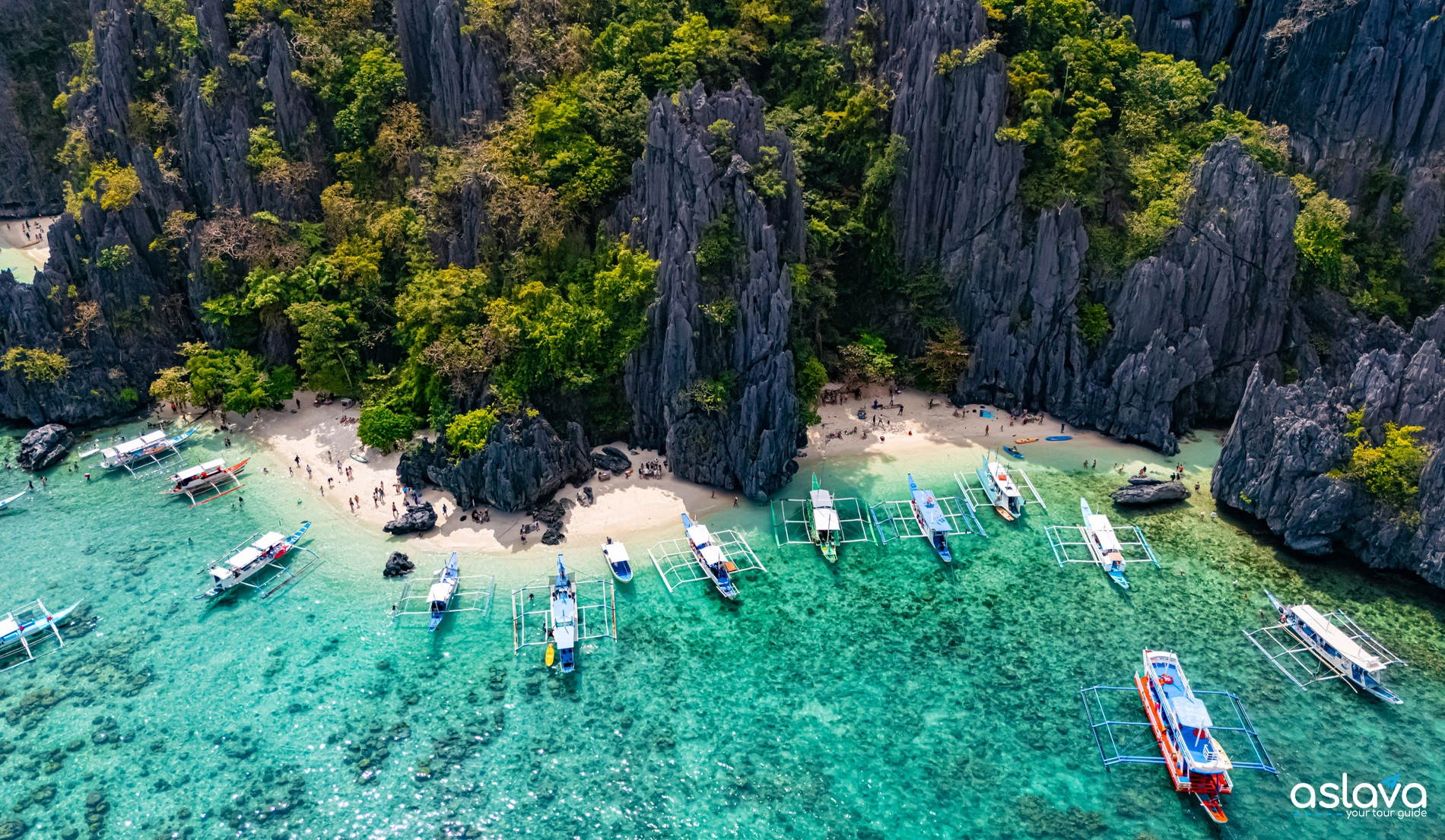
El Nido continues to captivate visitors with its dramatic limestone formations, hidden lagoons, and secluded beaches. The marine reserve encompasses 45 islands and islets, each offering unique ecological experiences. By 2026, El Nido has successfully implemented stricter environmental regulations, including mandatory environmental fees that directly fund conservation efforts.
For the most authentic experience, venture beyond the standard tour routes. Private boat tours allow you to visit the iconic spots like the Big and Small Lagoons during off-peak hours while also exploring lesser-known areas. Kayaking through the Small Lagoon offers an intimate connection with this remarkable ecosystem that large tour groups simply cannot match.
3. Port Barton: The Hidden Ecological Gem
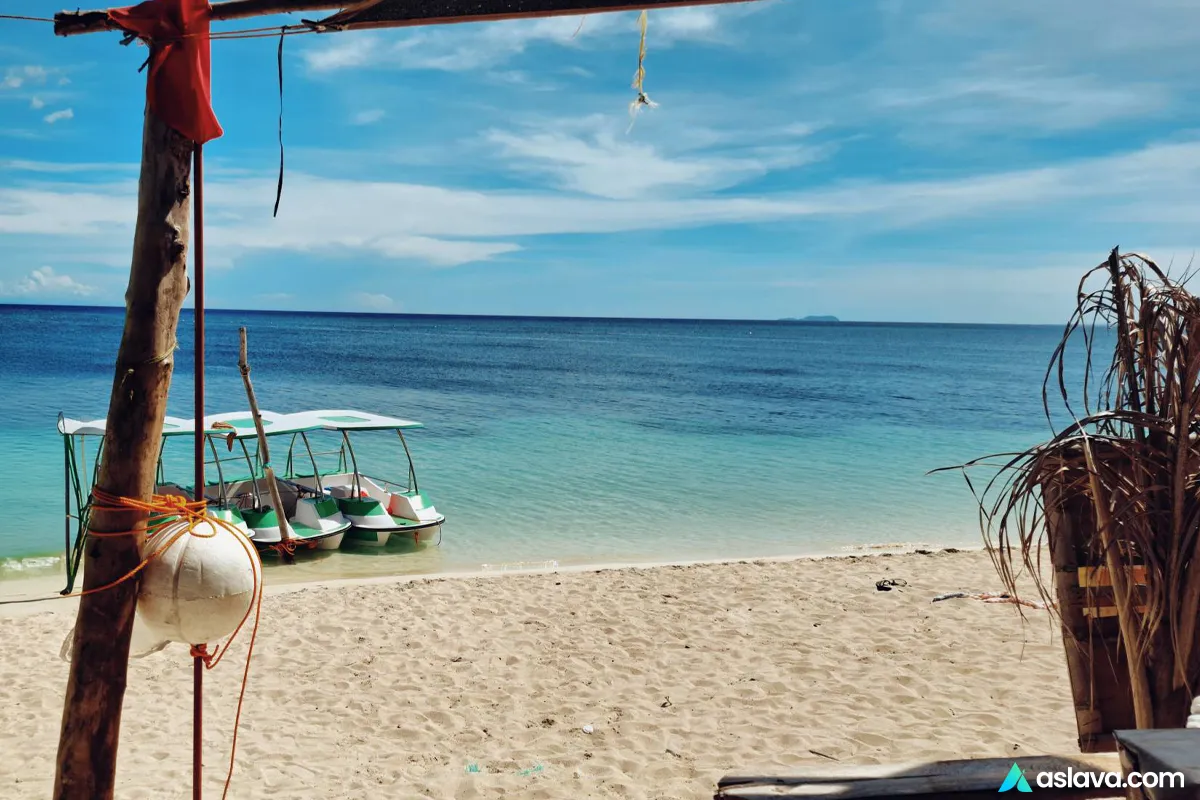
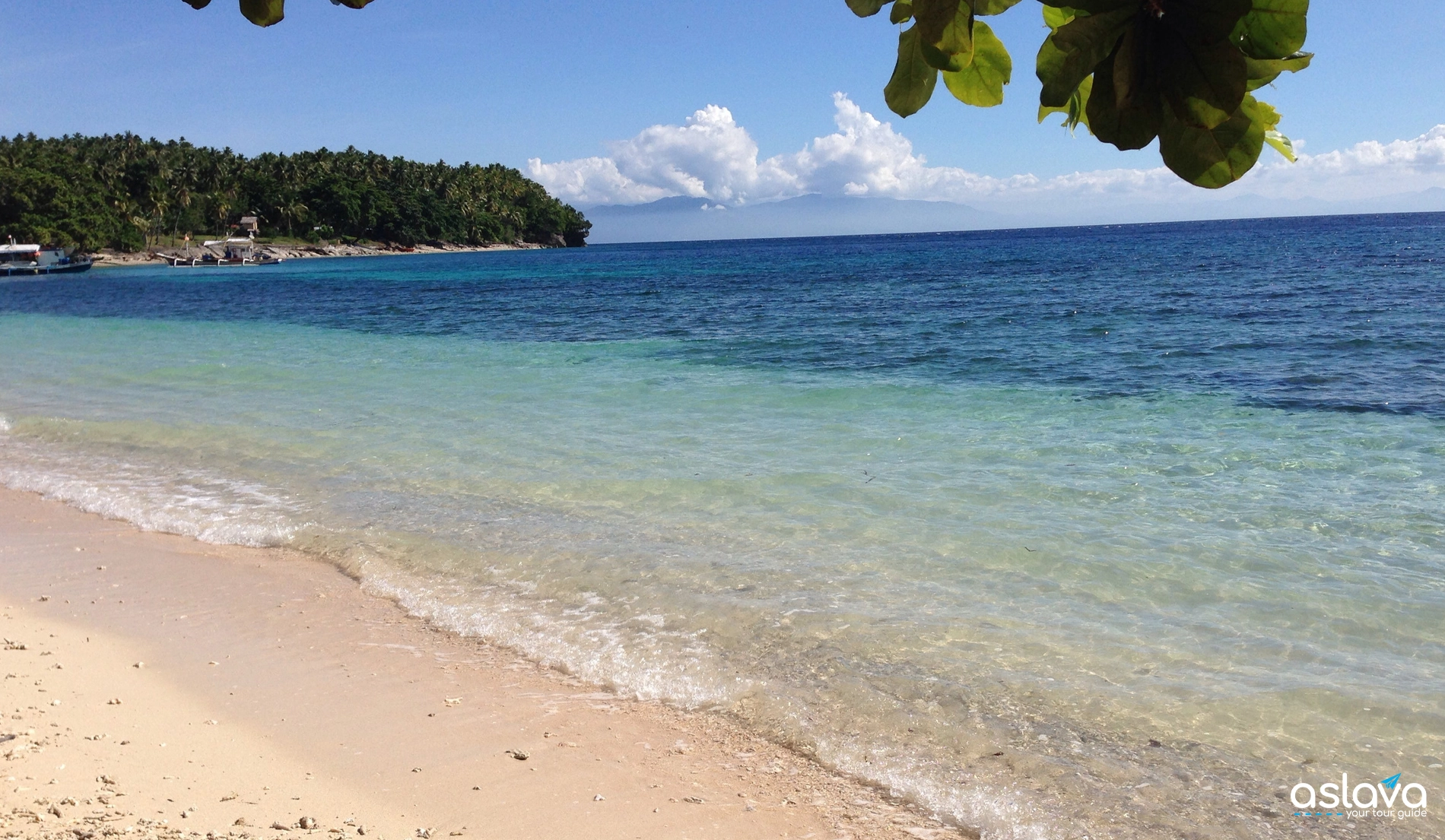
While El Nido and Coron attract the lion’s share of visitors, Port Barton remains Palawan’s best-kept secret. This laid-back coastal village offers pristine beaches, excellent snorkeling, and a genuine connection with local communities. By 2026, Port Barton has developed sustainable tourism infrastructure while maintaining its authentic charm and ecological integrity.
The waters surrounding Port Barton host vibrant coral gardens and diverse marine life, including sea turtles, reef sharks, and countless tropical fish species. Nearby Coconut Beach and White Sand Beach provide tranquil alternatives to the more developed areas, accessible via a scenic hike or a short boat ride from the main village.
4. Tubbataha Reefs Natural Park
Located in the middle of the Sulu Sea, Tubbataha Reefs Natural Park represents one of the most remarkable marine ecosystems on the planet. This UNESCO World Heritage Site encompasses 97,030 hectares of pristine coral reefs, hosting over 600 fish species, 360 coral species, and serving as a nesting site for hawksbill and green sea turtles.
Accessible only from mid-March to mid-June due to sea conditions, Tubbataha offers world-class diving experiences in crystal-clear waters with visibility often exceeding 30 meters. By 2026, enhanced conservation measures have further protected this ecological treasure, with strictly regulated visitor numbers ensuring minimal impact on the delicate reef ecosystem.
5. Coron’s Ecological Wonders
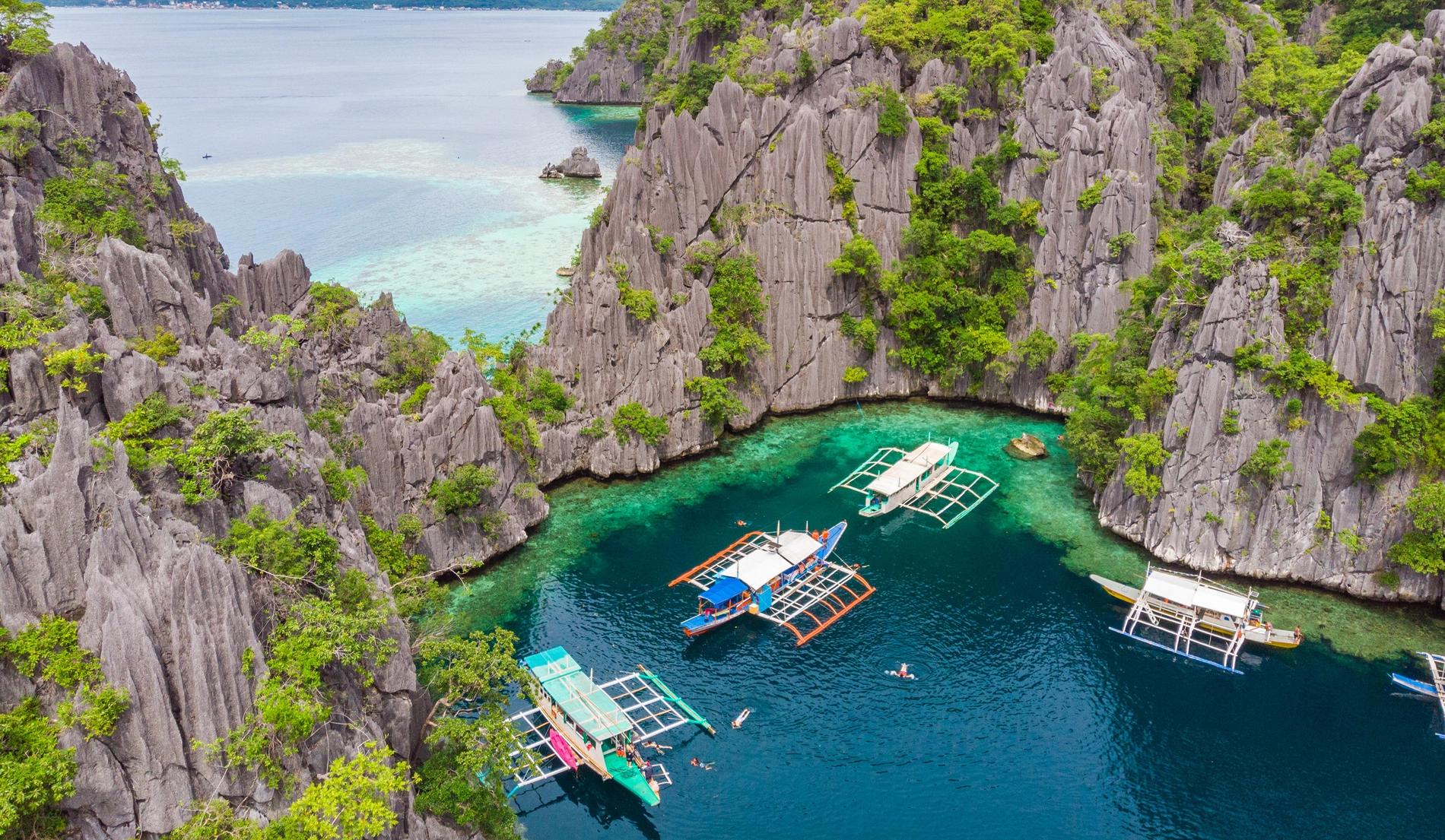
Coron offers a unique blend of natural and historical attractions, from its ancient limestone cliffs and crystal-clear lakes to the famous WWII shipwrecks that have become thriving artificial reefs. By 2026, Coron has enhanced its ecological management, particularly around popular sites like Kayangan Lake and Barracuda Lake.
Beyond the well-known attractions, Coron offers rare opportunities to encounter dugongs (sea cows) in their natural habitat. These gentle marine mammals feed on seagrass beds in shallow waters around Busuanga Island. Conservation efforts have strengthened their protection, making Coron one of the few places in the world where responsible dugong watching tours are available.
Unique Ecological Experiences in Palawan
Kayaking Adventures
Navigate through hidden lagoons and secret beaches only accessible by kayak. This low-impact activity allows you to explore Palawan’s most delicate ecosystems without disturbing the natural balance.
Sustainable Diving
Explore Palawan’s underwater wonders with eco-certified dive operators who prioritize marine conservation. From vibrant coral gardens to historic shipwrecks, these diving experiences educate while they entertain.
Indigenous Cultural Immersion
Connect with Palawan’s indigenous communities to learn traditional ecological knowledge and sustainable practices that have preserved the island’s biodiversity for generations.
Create Your Custom Ecological Adventure
Work with local experts to design a personalized itinerary that matches your interests while supporting Palawan’s conservation efforts.
Eco-Friendly Accommodations in Palawan
Choosing the right place to stay significantly impacts both your experience and Palawan’s ecological health. Fortunately, the island offers a growing number of accommodations that combine comfort with environmental responsibility. These establishments implement water conservation measures, renewable energy sources, waste reduction programs, and actively support local conservation initiatives.
Luxury Eco-Resorts
Several world-class resorts in Palawan have pioneered sustainable luxury, proving that ecological responsibility and premium experiences can go hand-in-hand. These properties feature innovative green architecture, farm-to-table dining using locally sourced ingredients, and comprehensive conservation programs that protect the surrounding ecosystems.
Community-Based Eco-Lodges
For a more authentic experience, consider staying at community-based eco-lodges operated by local families or indigenous communities. These accommodations offer simple yet comfortable facilities, genuine cultural exchanges, and direct economic benefits to local communities. Many also serve as bases for community-led conservation projects.
Conservation Initiatives Shaping Palawan’s Future
Palawan’s status as the Philippines’ last ecological frontier isn’t maintained by accident. Numerous dedicated organizations and communities work tirelessly to preserve the island’s biodiversity while developing sustainable livelihoods for local residents. By understanding these efforts, visitors can make choices that support rather than undermine conservation.
Marine Protected Areas Network
Palawan boasts an extensive network of marine protected areas (MPAs) that safeguard critical habitats from destructive fishing practices and unregulated tourism. These protected zones serve as nurseries for marine life, helping to replenish fish stocks in surrounding waters while providing exceptional snorkeling and diving experiences for responsible visitors.
Community-Based Sustainable Tourism
Many communities across Palawan have embraced tourism as an alternative to environmentally harmful industries like logging and mining. These community-based tourism initiatives offer authentic cultural experiences while generating income that directly supports local conservation efforts. By choosing these community-led tours and accommodations, you contribute to both ecological preservation and social development.
“The true measure of Palawan’s success isn’t in visitor numbers but in how tourism strengthens rather than weakens our ecological systems. Every responsible traveler becomes part of our conservation story.”
Practical Tips for Responsible Travel in Palawan
Getting Around Sustainably
While Palawan’s main island is large (14,649 square kilometers), there are multiple eco-friendly transportation options. The main airports in Puerto Princesa, El Nido, and Busuanga (Coron) connect to major Philippine cities. Once on the island, consider shared vans for longer journeys and bicycles or electric scooters for local exploration. Water travel between islands is typically via traditional bangka boats, which have minimal environmental impact when properly maintained.
Minimizing Your Ecological Footprint
- Bring reef-safe sunscreen to protect coral ecosystems
- Carry a reusable water bottle and refill at water stations
- Choose tours with proper waste management practices
- Respect wildlife by maintaining appropriate distances
- Support businesses with verifiable environmental credentials
- Participate in beach clean-ups organized by local communities
Best Time to Visit for Ecological Experiences
The dry season (November to May) offers optimal conditions for most activities, with March to May providing the best underwater visibility for diving and snorkeling. For Tubbataha Reefs, the diving season is strictly mid-March to mid-June. The rainy season (June to October) brings lush landscapes but can limit some activities. Consider shoulder seasons (November and May) for a balance of good weather and fewer crowds.
https://www.google.com/maps/embed?pb=!1m18!1m12!1m3!1d2006157.3074536897!2d118.00000000000001!3d10.0!2m3!1f0!2f0!3f0!3m2!1i1024!2i768!4f13.1!3m3!1m2!1s0x33b5759c7fd61fd3%3A0x90ea70958d910559!2sPalawan!5e0!3m2!1sen!2sph!4v1620000000000!5m2!1sen!2sph
Sustainable Culinary Experiences in Palawan
Palawan’s culinary scene increasingly embraces farm-to-table and sea-to-plate philosophies that showcase local ingredients while supporting sustainable food systems. From freshly caught seafood prepared with traditional Filipino techniques to innovative fusion cuisine featuring indigenous ingredients, the island offers memorable dining experiences that connect you to local ecosystems.
Must-Try Sustainable Dishes
- Lato Seaweed Salad – This sea grape or “green caviar” is harvested sustainably from Palawan’s clean waters and simply dressed with local vinegar, tomatoes, and onions
- Sustainably Caught Fish Tinola – A light, ginger-infused soup featuring line-caught fish and locally grown vegetables
- Coconut-Based Desserts – Treats made from abundant coconuts that grow throughout the island, reducing the carbon footprint of imported ingredients
Many eco-resorts and community tourism initiatives offer cooking classes where you can learn to prepare these dishes using traditional methods. These hands-on experiences provide deeper insights into Palawan’s food culture while supporting sustainable agricultural practices.
Preserving Palawan: The Traveler’s Role
As you plan your 2026 journey to Palawan, remember that every travel choice you make impacts this ecological frontier. By selecting sustainable accommodations, participating in responsible tours, supporting local communities, and practicing mindful behavior, you become part of the solution rather than adding to the challenges facing this remarkable ecosystem.
Palawan’s future as the Philippines’ last ecological frontier depends on finding the delicate balance between tourism development and conservation. Fortunately, the growing trend toward ecological awareness among both travelers and local stakeholders offers hope that this paradise can remain pristine for generations to come.