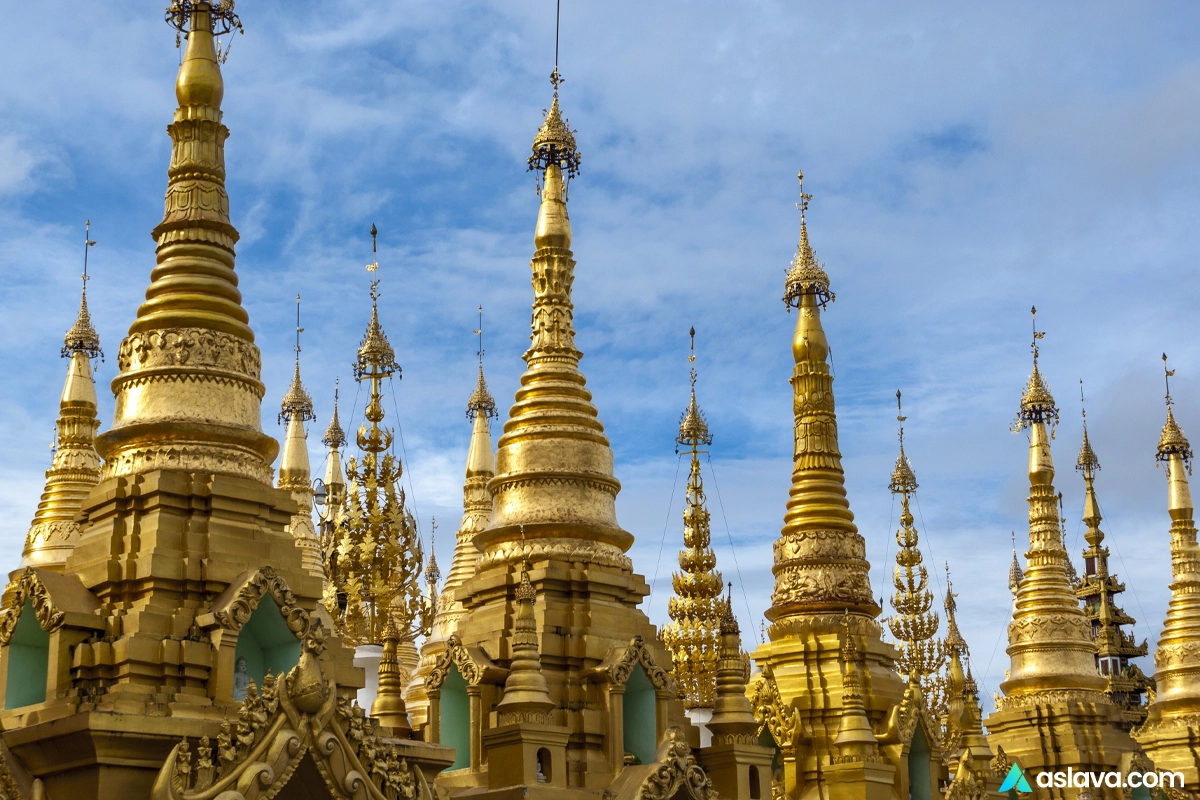
Myanmar, the golden land of ancient pagodas and untouched landscapes, remains one of Southeast Asia’s most captivating yet complex destinations for 2026. After years of political upheaval following the February 2021 military coup, this extraordinary country cautiously welcomes travelers to discover its breathtaking beauty within designated safe zones. From the mystical plains of Bagan to the serene waters of Inle Lake, Myanmar offers experiences that feel increasingly rare in our hyper-connected world — authentic encounters with traditional ways of life that have remained largely unchanged for centuries.
Important Notice: Multiple governments including the US, UK, and Australia have issued high-level travel advisories for Myanmar. However, the main tourist areas — known as the “Tourist Kite” (Yangon, Bagan, Mandalay, and Inle Lake) — are considered relatively safer for visitors who take appropriate precautions. Myanmar received over 809,000 international tourists from January to October 2025, with the majority coming from China, Thailand, and South Korea.
1. Bagan — Ancient Temple Kingdom
No exploration of Myanmar travel destinations could begin anywhere but Bagan, the archaeological wonder that rivals Cambodia’s Angkor Wat in both scale and splendor. This vast plain dotted with over 2,000 Buddhist temples, pagodas, and monasteries dating from the 11th to 13th centuries creates one of the most breathtaking landscapes on earth.
Key Attractions
-
Ananda Temple with its four massive standing Buddha images
-
Dhammayangyi Temple, the largest and most massive structure
-
Thatbyinnyu Temple, Bagan’s tallest temple reaching 61 meters
-
Sulamani Temple with its exquisite stone carvings and frescoes
-
Htilominlo Pagoda, which welcomed 10,000 visitors on the full moon day during Tazaungdine festival 2025
Recommended Activities
For an unforgettable experience, book a hot air balloon ride at sunrise to witness the golden light illuminating thousands of temples across the misty plain. This bucket-list adventure offers the most spectacular views of Bagan’s archaeological zone. Explore the less-visited temples by e-bike, allowing you to discover quiet corners away from other tourists.
2025 Earthquake Impact
The magnitude 7.7 earthquake on March 28, 2025, caused some damage to structures in the Bagan area. However, tourism has continued, with visitors flocking to Bagan during the Tazaungdine festival despite bad weather. Check current conditions before visiting specific temples.
2. Inle Lake — Floating Gardens and Leg-Rowing Fishermen
Inle Lake offers a glimpse into a way of life that has adapted perfectly to its unique environment. This vast, shallow lake in Myanmar’s southern Shan State is home to villages built entirely on stilts and floating gardens where local farmers grow produce on islands of water hyacinth and seagrass.
Key Attractions
-
Intha fishermen demonstrating their unique one-legged rowing technique
-
Phaung Daw Oo Pagoda housing five sacred Buddha images
-
Floating markets that rotate between villages on a five-day schedule
-
In Dein village with its forest of ancient stupas
-
Traditional crafts workshops producing silk, silver, and cheroot cigars
Recommended Activities
Take a full-day boat trip across the lake to witness the rhythms of daily life, from farmers tending their floating gardens to women washing clothes at the water’s edge. Visit during the Phaung Daw Oo Festival (usually in October) to see ornate boat processions carrying the sacred Buddha images between villages.
Current Status
Inle Lake remains within the safer “Tourist Kite” zone. However, some floating restaurants and hotels sustained damage during the March 2025 earthquake, with structures partially collapsed. Check with tour operators for current accessibility.
3. Yangon — Colonial Charm and Golden Splendor
Yangon (formerly Rangoon) may no longer be Myanmar’s capital, but it remains the country’s largest city and cultural heart. This vibrant metropolis blends stunning Buddhist architecture, faded colonial grandeur, and the energy of a city embracing change while honoring its heritage.
Key Attractions
-
Shwedagon Pagoda, the 99-meter golden stupa visible throughout the city
-
Sule Pagoda, the golden heart of downtown Yangon
-
Bogyoke Aung San Market for traditional crafts and jewelry
-
Colonial-era buildings along Pansodan Street
-
Chaukhtatgyi Buddha Temple housing a 65-meter reclining Buddha
Recommended Activities
Visit Shwedagon Pagoda at sunset when the golden stupa captures the fading light and local worshippers gather for evening prayers. Take a heritage walking tour to explore Yangon’s colonial architecture, including the iconic Strand Hotel and former government buildings.
For an authentic local experience, ride the Circle Line train that loops around the city, offering glimpses into everyday life in Yangon’s diverse neighborhoods. Food enthusiasts should explore 19th Street in Chinatown for vibrant night markets and delicious street food.
Recent Developments
The Yangon Region Tourism Committee approved hotel investments worth 9.878 billion kyats in November 2025, expected to create 223 job opportunities. Sule Pagoda sustained minor damage from the March 2025 earthquake, with cracks forming on its golden stupa, but the site remains open to visitors.
4. Mandalay — Cultural Capital of Upper Myanmar
Mandalay, Myanmar’s last royal capital, serves as the cultural and religious center of Upper Myanmar. Despite its relatively modern founding in 1857, the city embodies the heart of Burmese culture through its royal palace, ancient monasteries, and thriving traditional crafts.
Key Attractions
-
U Bein Bridge, the world’s longest teakwood bridge spanning Taungthaman Lake
-
Mandalay Hill offering panoramic views of the city and countryside
-
Kuthodaw Pagoda, home to the “world’s largest book”
-
Mahamuni Buddha Temple with its gold-leaf covered Buddha image
-
Shwenandaw Monastery, an exquisite wooden structure carved with Buddhist myths
Recommended Activities
Climb Mandalay Hill barefoot as locals do, following the covered stairway past shrines and temples to reach the summit for sunset views across the city. Visit the gold leaf workshops to witness the traditional process of hammering gold into ultra-thin sheets used by devotees to apply to Buddha images.
Take a day trip to the ancient capitals around Mandalay, including Inwa (Ava), Sagaing, and Amarapura, each offering unique historical and spiritual sites.
Earthquake Impact
Mandalay was near the epicenter of the March 2025 earthquake. Infrastructure damage occurred in the surrounding Sagaing region. Verify current conditions and accessibility before planning visits to specific attractions.
5. Ngapali Beach — Pristine Coastal Paradise
Ngapali Beach represents Myanmar’s premier coastal destination, offering pristine white sands, swaying palm trees, and the crystal-clear waters of the Bay of Bengal. Unlike many Southeast Asian beach destinations, Ngapali remains refreshingly undeveloped, with no high-rise hotels or rowdy beach bars disrupting its natural beauty.
Key Attractions
-
Three-kilometer stretch of pristine white sand beach
-
Traditional fishing villages where boats head out at sunset
-
Fresh seafood restaurants serving the day’s catch
-
Offshore islands perfect for snorkeling excursions
-
Jalonbyu Natural Hot Spring for relaxation after beach activities
Recommended Activities
Wake up early to watch local fishermen return with their morning catch and select fresh seafood for local restaurants to prepare for your lunch. Rent a bicycle to explore the coastline and nearby fishing villages at your own pace, interacting with friendly locals along the way.
Take a boat trip to Pearl Island for excellent snorkeling opportunities among colorful coral reefs and tropical fish. For a cultural experience, visit Tilawkasayambhu Buddha Image, a hilltop pagoda offering panoramic views of the coastline.
Access
Ngapali Beach is accessible by flight from Yangon. The beach remains within safer tourism zones.
6. Kalaw — Gateway to Shan State Trekking
Kalaw, located in the southern part of Shan State, offers travelers access to spectacular highland treks. This laid-back hill station combines cultural experiences with outdoor adventures in the surrounding mountains and ethnic minority villages.
Key Attractions
-
Shan villages accessible via day hikes or multi-day treks
-
Morning market where hill tribe people sell fresh produce
-
Colonial-era architecture from British hill station days
-
Ethnic minority communities including Pa-O, Danu, and Taung Yo peoples
-
Pine forests and rolling hills perfect for trekking
Recommended Activities
Embark on a multi-day trek to remote villages where you can experience homestays with local families and learn about traditional highland cultures. The most popular route is the two to three-day trek from Kalaw to Inle Lake, passing through stunning landscapes and minority villages.
Rise early to visit the vibrant morning market where hill tribe people in traditional dress come to sell their produce and handicrafts. The cooler climate makes Kalaw an excellent base for hiking during the hot season.
Safety Note
Kalaw is located in southern Shan State, which is considered relatively safer than northern Shan State. However, always check current conditions and travel with reputable local guides.
7. Kyaiktiyo (Golden Rock) — Gravity-Defying Wonder
Kyaiktiyo Pagoda, commonly known as Golden Rock, presents one of Myanmar’s most improbable and sacred sights. This massive boulder covered in gold leaf appears to defy gravity as it balances precariously on the edge of a cliff, supposedly held in place by a single strand of the Buddha’s hair.
Key Attractions
-
The Golden Rock itself, a 7.6-meter-tall boulder covered in gold leaf
-
Panoramic mountain views from the pagoda platform
-
Kinpun Base Camp with its market and monastery
-
Pilgrim’s path winding through forested mountains
-
Spectacular sunrise and sunset views over the mountain range
Recommended Activities
Join Buddhist pilgrims in the ritual of applying gold leaf to the rock (men only, as women are not permitted to touch the boulder). For the full experience, hike the pilgrim’s trail from Kinpun Base Camp to the summit (approximately 4 hours), passing through beautiful forests and small shrines.
Alternatively, take the open-air truck that transports visitors up the mountain for a thrilling ride with spectacular views. Stay overnight near the Golden Rock to experience the magical atmosphere at sunrise and sunset when the golden boulder seems to glow with an inner light.
8. Hsipaw — Authentic Shan State Experience
Hsipaw (pronounced “See-paw”) offers travelers an authentic glimpse into rural Shan State life and serves as a gateway to spectacular highland experiences. This laid-back town along the Dokhtawady River combines cultural experiences with outdoor adventures.
Key Attractions
-
Shan villages accessible via day hikes
-
Little Bagan, a collection of ancient stupas outside town
-
Shan Palace, former residence of the last Shan prince
-
Nam Tok waterfall offering refreshing swimming opportunities
-
Morning market where hill tribe people sell fresh produce
Recommended Activities
Take the scenic train journey across the famous Gokteik Viaduct, a colonial-era engineering marvel spanning a deep gorge. However, note that structural weaknesses were detected following the March 2025 earthquake, and train operations may be suspended pending safety assessments.
Rise early to visit the vibrant morning market where hill tribe people in traditional dress come to sell their produce and handicrafts. Rent a bicycle to explore the countryside around Hsipaw, stopping at local tea shops to sample Shan specialties like khao swe (noodles in coconut curry).
Safety Considerations
Hsipaw is located in northern Shan State, which has experienced conflict. Check current safety conditions before traveling and consult with local tour operators.
9. Mrauk-U — Forgotten Medieval Kingdom
Mrauk-U (pronounced “Myow-Oo”) in Rakhine State offers an archaeological experience that rivals Bagan but receives just a fraction of the visitors. This former capital of the powerful Arakan Kingdom contains hundreds of temples and pagodas dating from the 15th to 18th centuries.
Key Attractions
-
Shitthaung Temple (“Temple of 80,000 Buddhas”) with its maze-like corridors
-
Koe-thaung Temple, the largest temple in Mrauk-U with 90,000 Buddha images
-
Andaw-thein Temple known for its unique octagonal design
-
Ratanabon Pagoda with its distinctive bell-shaped dome
Important Safety Warning
Rakhine State is currently considered unsafe for travel due to ongoing ethnic conflicts involving the Arakan Army. Travel to Mrauk-U is strongly discouraged by multiple governments. Check official travel advisories before considering any visit to this region.
10. Mergui Archipelago — Remote Island Paradise
The Mergui (Myeik) Archipelago represents Myanmar’s final frontier — an untouched paradise of 800 islands scattered across the Andaman Sea. This remote region offers pristine beaches, vibrant coral reefs, and encounters with the seafaring Moken people.
Key Attractions
-
Lampi Island, Myanmar’s only marine national park
-
Pristine beaches accessible only by boat
-
Diverse marine life including manta rays and whale sharks
-
Moken sea gypsy villages with their unique boat-dwelling culture
-
Virgin rainforests home to diverse wildlife
Recent Developments
Wah Ale Resort in Lampi Marine National Park opened in November 2025, with Kawthoung travel companies forecasting more international arrivals in late December. The archipelago can be accessed via the Kawthoung-Ranong border with Thailand.
Recommended Activities
Book a multi-day sailing or diving expedition to explore this vast archipelago, as day trips cannot reach the most pristine areas. Snorkel or dive among vibrant coral reefs teeming with marine life. Visit a Moken village with a responsible tour operator to learn about their traditional lifestyle and unique relationship with the sea.
Essential Travel Tips for Myanmar 2026
Critical Safety Information
Current Travel Advisories:
| Country | Advisory Level | Recommendation |
|---|---|---|
| United States | Level 4 | Do Not Travel |
| United Kingdom | High Risk | Advise Against All Travel |
| Australia | Level 4 | Do Not Travel |
| Singapore | High Risk | Leave as soon as possible |
Despite these warnings, the “Tourist Kite” areas (Yangon, Bagan, Mandalay, Inle Lake) are considered relatively safer for visitors who take appropriate precautions.
Best Time to Visit
Myanmar’s dry season (November to February) offers the most comfortable weather for exploration, with moderate temperatures and minimal rainfall. This coincides with peak tourist season.
| Season | Months | Conditions |
|---|---|---|
| Cool Dry Season | November – February | Best weather, peak tourism |
| Hot Dry Season | March – May | Temperatures exceeding 40°C in central regions |
| Monsoon Season | June – October | Heavy rainfall, coastal areas may close |
Visa Requirements for 2026
| Visa Type | Cost | Duration | Available For |
|---|---|---|---|
| e-Visa | $50 USD | 28 days | Most nationalities |
| Visa on Arrival | $50 USD | 30 days | China, India, Hong Kong, Japan, South Korea, Macau |
| Visa-Free | Free | 14-30 days | ASEAN countries, Singapore (30 days) |
Important: e-Visa services were temporarily suspended after the March 2025 earthquake but resumed on April 22, 2025.
Transportation Tips
-
Domestic flights connect major destinations and save significant travel time
-
Flying is recommended over overland travel to avoid conflict zones
-
Overnight buses have improved but road conditions vary
-
E-bikes in Bagan and bicycles around Inle Lake are ideal for independent exploration
-
Gokteik Viaduct train service may be suspended due to earthquake damage
Currency and Money
The Myanmar currency is the kyat (MMK). US dollars are widely accepted at hotels, restaurants, and major attractions. Bring crisp, new US dollar bills without tears or marks, as damaged notes may be rejected.
ATMs are available in major cities and tourist destinations, though service can be unreliable. Credit cards are increasingly accepted at upscale establishments, but cash remains essential for smaller vendors, markets, and rural areas. Mobile payment options like KBZPay and WaveMoney have expanded in urban areas.
Cultural Etiquette
-
Remove shoes and socks before entering temples, pagodas, and private homes
-
Dress modestly at religious sites (shoulders and knees covered)
-
Ask permission before photographing people, especially monks and nuns
-
Never touch anyone’s head, as it’s considered the most sacred part of the body
-
Use both hands when giving or receiving items as a sign of respect
Health and Safety Precautions
-
Comprehensive travel insurance including emergency evacuation is essential
-
Healthcare facilities are limited outside major cities
-
The March 2025 earthquake increased risks of waterborne diseases like typhoid and cholera due to poor sanitation in affected areas
-
Monsoon season (June-October) brings risks of mosquito-borne diseases such as dengue and malaria
-
Register with your embassy before traveling
Should You Visit Myanmar in 2026?
Traveling to Myanmar in 2026 requires careful consideration and thorough preparation. The country’s remarkable diversity offers unique experiences for those who choose to visit — from the culture enthusiast and spiritual seeker to the adventure lover and beach devotee.
Myanmar received over 809,000 international visitors from January to October 2025, demonstrating that tourism continues despite challenges. Tourist arrivals peaked at 4.7 million in 2015 before collapsing to 130,000 in 2021; current numbers represent a gradual recovery.
If you decide to visit:
-
Stick to the “Tourist Kite” areas (Yangon, Bagan, Mandalay, Inle Lake)
-
Fly between destinations rather than traveling overland
-
Stay informed about current conditions through official government advisories
-
Register with your country’s embassy
-
Purchase comprehensive travel insurance including emergency evacuation
-
Travel with reputable local tour operators who know current safe areas
As you journey through this golden land, you’ll discover that Myanmar’s greatest treasure is its people, whose genuine warmth and curiosity create meaningful connections that transcend language barriers. Their resilience, spirituality, and commitment to traditional ways of life offer valuable perspective in our rapidly changing world.
The destinations highlighted in this guide represent what Myanmar has to offer within accessible and relatively safer zones. Every sunrise over a misty temple plain or sunset on a pristine beach reminds visitors that some places still retain their magic — even amid challenging circumstances.