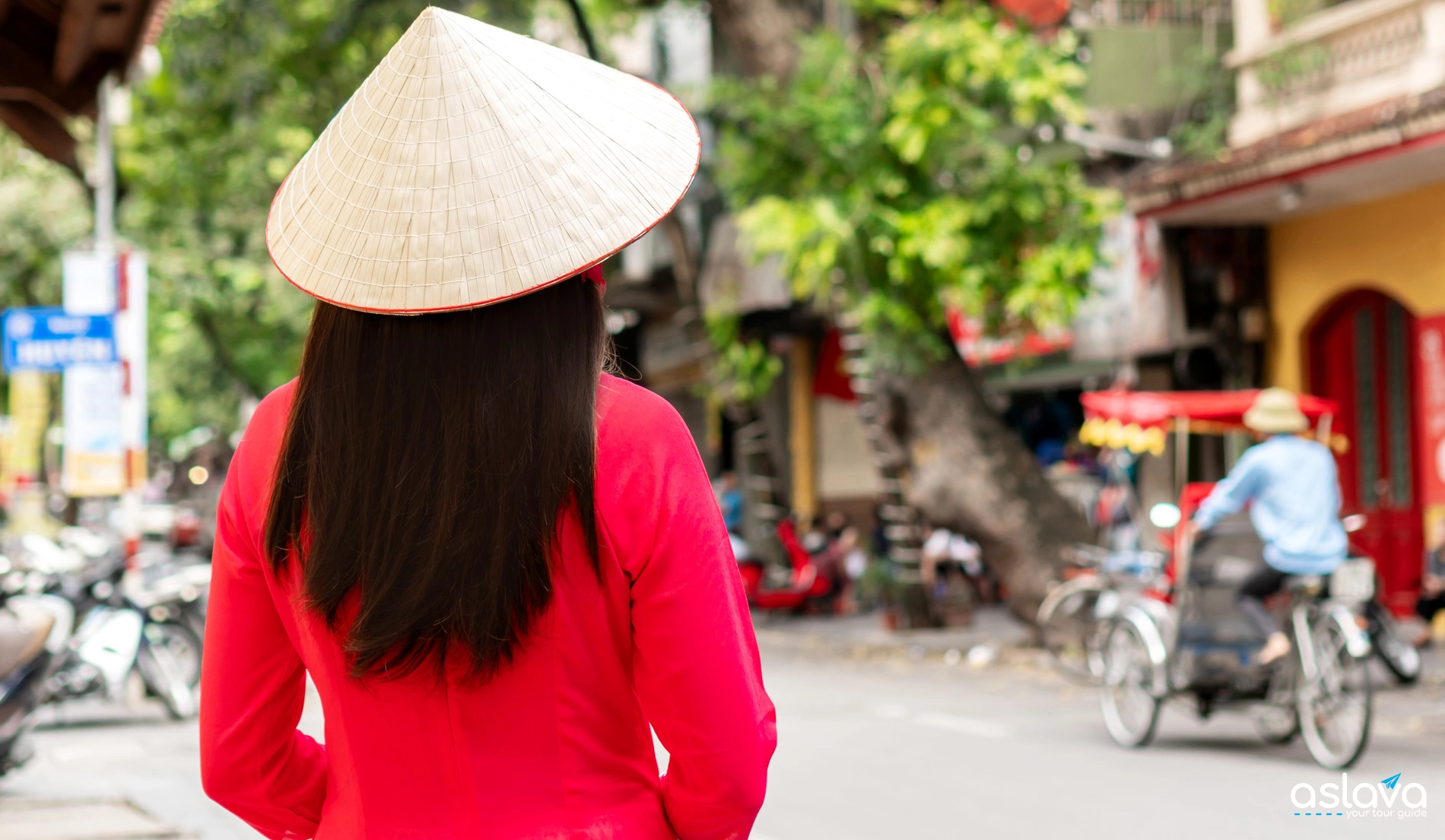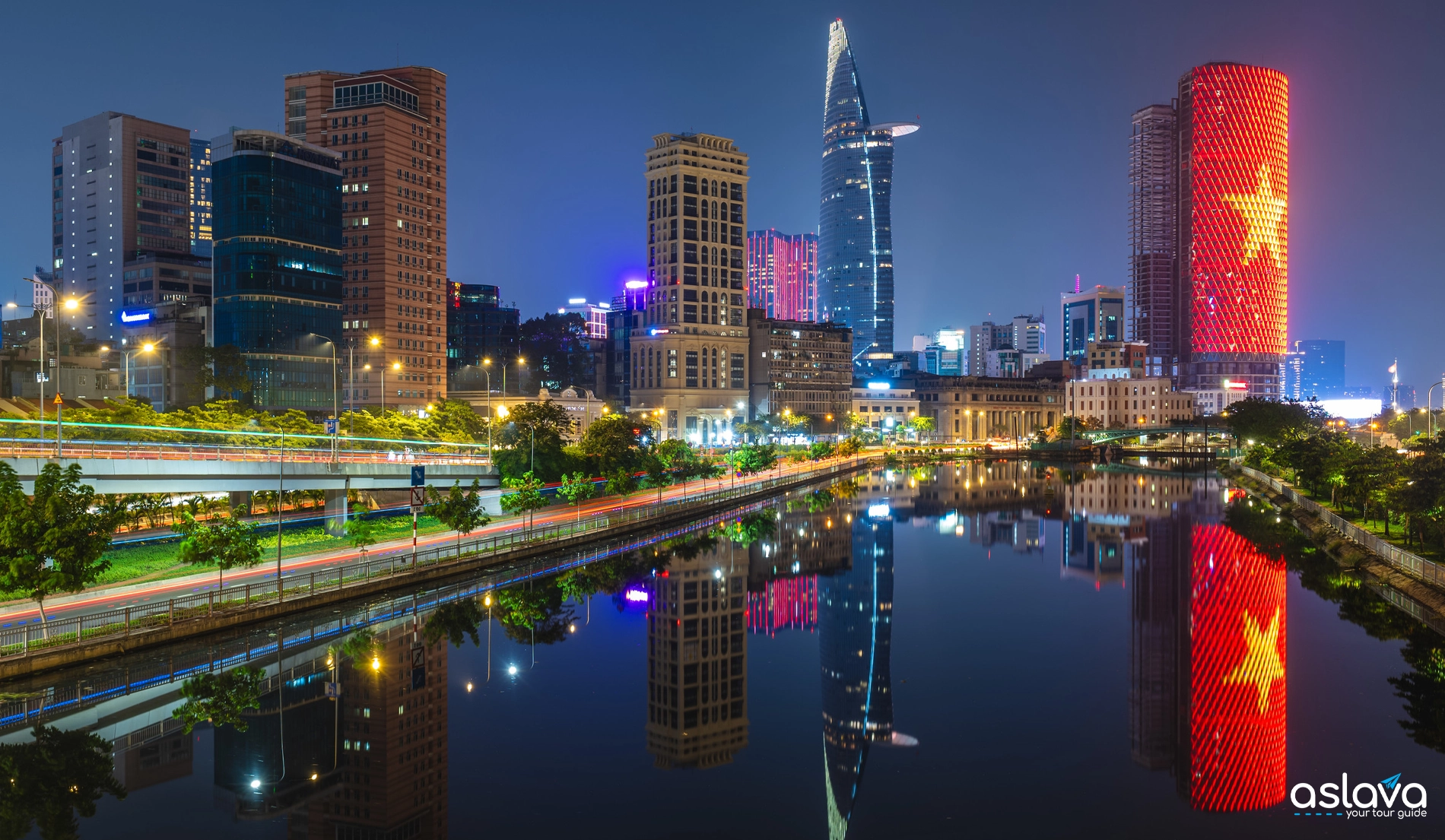
Vietnam stands as a mesmerizing tapestry of experiences, where ancient traditions harmonize with rapid modernization against a backdrop of breathtaking natural beauty. From the mist-shrouded mountains of the north to the sun-drenched beaches of the south, this captivating Southeast Asian nation offers travelers an incredible diversity of experiences.
The country’s resilient spirit, rich cultural heritage, and stunning landscapes have firmly established Vietnam as one of Asia’s most compelling destinations. In 2025, Vietnam welcomed over 23 million international tourists, a 31% increase from 2024, reflecting the country’s growing appeal. As we look ahead to 2026, Vietnam continues to evolve its tourism infrastructure while preserving its authentic charm, with the nation receiving its seventh consecutive Asia’s Leading Destination award at the World Travel Awards 2025.
1. Ha Long Bay – The Jewel of Northern Vietnam
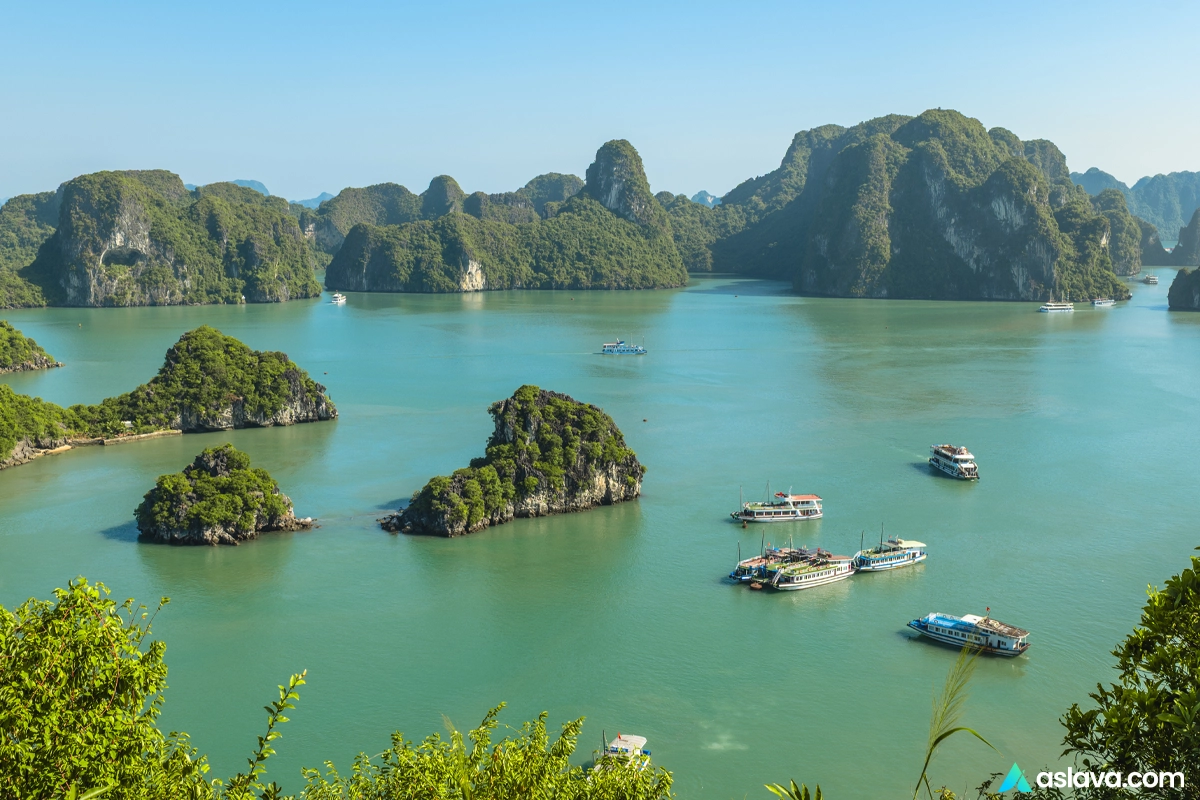
Ha Long Bay, a UNESCO World Heritage site, remains Vietnam’s most iconic natural wonder and tops our list of Vietnam travel destinations for 2026. This breathtaking seascape of limestone karsts and isles emerges dramatically from the emerald waters of the Gulf of Tonkin, featuring nearly 2,000 limestone islands creating a landscape of otherworldly beauty that has captivated travelers for generations.
Key Attractions
-
Sung Sot Cave (Surprise Cave) – Vietnam’s largest grotto spanning 10,000m² with three distinct chambers and newly installed environmentally friendly lighting revealing spectacular formations
-
Ti Top Island – featuring a newly constructed sunrise viewing platform for 2025 and 427 steps leading to a summit viewpoint 110 meters above sea level with 360-degree vistas
-
Cua Van and Vung Vieng floating fishing villages – glimpses into traditional life with local homestay options available (limited to 8 visitors per night)
-
Luon Cave – accessible only by kayak through a 100-meter limestone tunnel to an enclosed lagoon surrounded by 100-meter vertical cliffs
-
Thien Cung Cave (Heavenly Palace Cave) and Dau Go Cave – popular routes for overnight cruises
Recommended Activities
The quintessential Ha Long Bay experience remains an overnight cruise on a traditional-style junk boat, allowing you to witness both sunset and sunrise over this magical landscape. For 2026, modern transparent kayaks are available on premium cruises for exploring hidden lagoons accessible only at specific tide levels. Night kayaking with bioluminescent plankton is a seasonal highlight from August to October.
In 2025, Quang Ninh province (home to Ha Long Bay) saw tourism revenue reach $105 million during Tet alone, a 71% surge from the previous year. Rock climbing on the limestone cliffs provides both a physical challenge and unparalleled views across the bay.
2. Hoi An – Ancient Trading Port Frozen in Time
Hoi An Ancient Town, another UNESCO World Heritage site, enchants visitors with its exceptionally well-preserved trading port architecture from the 15th to 19th centuries. This charming riverside town blends Vietnamese, Chinese, Japanese, and European influences into a uniquely atmospheric destination. In 2024, Hoi An welcomed 4.43 million visitors, up dramatically from 202,000 in 1999 when UNESCO first recognized it. In 2025, Hoi An was ranked 6th among the Top 25 most beautiful cities in the world.
Key Attractions
-
Japanese Covered Bridge – the iconic 16th-century symbol of Hoi An
-
Ancient merchant houses like Tan Ky House and Phung Hung House
-
Assembly Halls of Chinese congregations with ornate architecture
-
Central Market for local specialties and vibrant daily life
-
Lantern-lit streets – especially magical during the monthly Full Moon Lantern Festival
Recommended Activities
Hoi An offers experiences that engage all your senses. Take a cooking class to master local specialties like cao lau (noodles with pork and greens) and white rose dumplings. The town remains famous for its tailoring tradition – have custom clothing made in as little as 24 hours from hundreds of fabric choices, with brands like Thu Thuy, YaLy, and A Dong Silk thriving since the 1990s.
New for 2025-2026: Hoi An Memory Island hosts spectacular events including drone performances featuring 600 drones creating images of cultural icons, combined with fireworks and paragliding performances. Authorities are also developing neighboring eco-destinations to protect the heritage site from over-tourism.
3. Hanoi – Vietnam’s Captivating Capital
Hanoi, Vietnam’s capital city, offers a fascinating blend of ancient traditions and contemporary energy. With over 1,000 years of history, this cultural and political center presents a captivating mix of French colonial architecture, peaceful lakes, ancient temples, and vibrant street life that makes it one of the most atmospheric capitals in Southeast Asia.
Key Attractions
-
Hoan Kiem Lake with the iconic red Huc Bridge leading to Ngoc Son Temple
-
Old Quarter’s 36 ancient streets, each traditionally dedicated to specific trades
-
Ho Chi Minh Mausoleum and Museum complex honoring the revolutionary leader
-
Temple of Literature – Vietnam’s first national university founded in 1070
-
Hoa Lo Prison Museum (the infamous “Hanoi Hilton” during the Vietnam War)
Recommended Activities
Immerse yourself in Hanoi’s unique rhythm by exploring the labyrinthine streets of the Old Quarter, where each narrow thoroughfare historically specialized in specific trades – from silver crafting to bamboo products. Wake up early to join locals practicing tai chi around Hoan Kiem Lake, then sample a bowl of authentic pho for breakfast at a street-side stall.
Experience the city’s café culture with egg coffee (cà phê trứng), a Hanoi specialty, at historic establishments like Café Giang. In the evening, attend a performance at the Thang Long Water Puppet Theater, where traditional Vietnamese folk tales come alive through a unique art form dating back to the 11th century.
2026 Infrastructure Update: The newly completed Van Don-Mong Cai expressway has reduced travel time from Hanoi to Ha Long Bay to just 2.5 hours on a modern, well-maintained highway.
4. Ho Chi Minh City – Vietnam’s Dynamic Southern Hub
Ho Chi Minh City (formerly Saigon) pulses with unbridled energy as Vietnam’s largest metropolis and economic powerhouse. In 2025, the city received four prestigious awards at the World Travel Awards, including Asia’s Leading Business Travel Destination and Asia’s Leading Festival & Event Destination for the fourth consecutive year. The city welcomed approximately 5.8 million international visitors and 29 million domestic visitors in the first nine months of 2025, with tourism revenue reaching VND 184.6 trillion.
Key Attractions
-
War Remnants Museum for powerful insights into the Vietnam War
-
Reunification Palace, preserved exactly as it was during the Fall of Saigon in 1975
-
Notre-Dame Cathedral Basilica and Central Post Office, stunning French colonial landmarks
-
Ben Thanh Market, the city’s most famous trading center since the 17th century
-
Nguyen Hue Walking Street, a vibrant pedestrian boulevard in the heart of District 1
-
Ben Thanh–Suoi Tien Metro Line – the city’s first metro system now operational
Recommended Activities
Ho Chi Minh City rewards those who dive into its controlled chaos. Begin with a morning visit to a local wet market followed by a Vietnamese coffee at one of the trendy cafés in the Thao Dien neighborhood. Explore the city’s complex history at the War Remnants Museum and Cu Chi Tunnels, an extensive underground network spanning nearly 310 miles (500 kilometers) used during the Vietnam War.
2026 Update: Agoda has ranked Ho Chi Minh City as the top destination for short getaways in Vietnam, nicknamed the “city that never sleeps”. The city also launched its 2025-2026 summer tourism stimulus program featuring cultural and culinary events.
5. Sapa – Terraced Rice Fields and Ethnic Cultures
Nestled in Vietnam’s remote northwestern mountains near the Chinese border, Sapa captivates visitors with its breathtaking landscapes of cascading rice terraces and vibrant ethnic minority cultures. Once a French hill station established in 1922, this highland retreat offers a window into traditional ways of life that have remained largely unchanged for centuries.
Key Attractions
-
Muong Hoa Valley with Vietnam’s most spectacular terraced rice fields spanning 12km
-
Fansipan Mountain, “the Roof of Indochina” at 3,143 meters with Guinness-recognized cable car
-
Cat Cat, Ta Phin, and Lao Chai villages of the Hmong and Red Dao ethnic groups
-
Love Waterfall and Silver Waterfall – stunning natural cascades with newly constructed viewing platforms for 2025
-
Sapa town’s colorful weekend market where ethnic minorities gather to trade
Recommended Activities
Trekking through the terraced landscapes remains the quintessential Sapa experience. 2025 Update: A recently completed wooden walkway along portions of the Muong Hoa Valley route provides easier access during rainy periods, spanning approximately 2.3km of the most challenging sections while preserving views of the 500-year-old terraced fields below.
Local guides charge approximately VND 300,000-600,000 ($12-24) daily depending on route complexity and group size. For less strenuous views, take the world’s longest three-rope cable car (6.3km) to Fansipan’s summit, where a complex of Buddhist temples awaits alongside panoramic vistas extending into China on clear days.
Best Time to Visit: Autumn (September-November) consistently ranks as Sapa’s most magnificent season, with golden rice terraces ready for harvest. 2025-2026 climate projections show slightly warmer autumn temperatures (16-24°C) with exceptional visibility.
6. Phong Nha-Ke Bang – World’s Most Spectacular Caves
Phong Nha-Ke Bang National Park, a UNESCO World Heritage site in central Vietnam, has emerged as one of Asia’s most exciting adventure destinations. Home to the world’s largest cave system, this ancient karst landscape formed over 400 million years ago harbors underground rivers, vast caverns with their own ecosystems, and some of the most spectacular cave formations on the planet.
Key Attractions
-
Son Doong Cave – the world’s largest cave with its own ecosystem and weather system
-
Paradise Cave (Thien Duong) – 31-kilometer length with spectacular stalactite and stalagmite formations
-
Phong Nha Cave – accessible by boat along an underground river
-
Dark Cave (Hang Toi) – offering ziplines, mud baths, kayaking, and adventure activities
-
The Botanical Garden with jungle trekking and natural swimming pools
Recommended Activities and Tours (2026 Pricing)
Exploring Phong Nha’s underground world offers adventures for every ability level:
| Tour | Duration | Price (USD) |
|---|---|---|
| Paradise Cave & Dark Cave | 1 day | from $71 |
| Phong Nha Cave & Paradise Cave | 1 day | from $63 |
| Phong Nha Cave Kayak Tour | 1 day | from $95 |
| Abandoned Valley Trek (E Cave & Golden Cave) | 1 day | from $114 |
| Pygmy Cave Overnight Trekking | 2 days | from $349 |
| Hung Thoong Cave Expedition with Camping | 3 days | from $509 |
For the ultimate experience, book well in advance for the limited expedition slots to Son Doong Cave – a multi-day journey involving jungle trekking, river crossings, and camping inside the world’s largest cave chamber.
7. Mekong Delta – Vietnam’s Rice Bowl
The Mekong Delta, where the mighty Mekong River approaches the sea through a maze of waterways, creates a world where life revolves entirely around water. This fertile region, known as Vietnam’s rice bowl, produces a third of the country’s agricultural output and offers visitors a glimpse into traditional aquatic life.
Key Attractions
-
Cai Rang Floating Market – the largest remaining floating market with hundreds of boats daily
-
Phong Dien Floating Market near Can Tho city
-
Tra Su Cajuput Forest with its flooded mangrove sanctuary
-
Coconut Kingdom of Ben Tre with boat trips through narrow palm-fringed canals
-
Vinh Trang Pagoda in My Tho with its blend of architectural styles
Recommended Activities
The Mekong Delta rewards slow travel and immersion in its unique rhythms. Rise before dawn to witness the floating markets at their bustling best when wholesale vendors arrive with boats laden with produce. Towering poles on boats showcase samples of products, creating a visual marketplace where buyers can easily identify what each vendor offers.
Important Note for 2026: Infrastructure developments have affected traditional floating markets. Cai Rang, once hosting 500 boats in 2016, now sees about 200 boats operating regularly. Smaller markets like Nga Nam and Nga Bay have dwindled significantly. Despite this, these markets remain authentic cultural experiences, and preservation efforts are underway with draft conservation plans modeled on Thailand’s successful floating market revitalization.
8. Phu Quoc – Tropical Island Paradise
Phu Quoc, Vietnam’s largest island, lies in the Gulf of Thailand just off Cambodia’s coast. This tear-shaped island has transformed into Vietnam’s premier beach destination while still preserving significant areas of pristine wilderness within its UNESCO Biosphere Reserve national park covering over half the island.
Key Attractions
-
Sao Beach (Bai Sao) with powder-white sand and crystal-clear waters
-
Phu Quoc National Park with primary rainforest and tropical biodiversity
-
Dinh Cau Night Market for fresh seafood and local specialties
-
Phu Quoc Prison – a sobering historical site from the Vietnam War era
-
Vinpearl Safari – Vietnam’s largest wildlife conservation park with over 150 species
-
Hon Thom Cable Car – the world’s longest over-sea cable car at over 160 meters above sea level
Recommended Activities
Phu Quoc offers the perfect balance of relaxation and adventure. Snorkeling and diving around the An Thoi archipelago reveals vibrant coral gardens and diverse marine life in warm, clear waters. Visit traditional fish sauce factories to learn about the island’s famous export, or explore pepper plantations that produce some of Vietnam’s finest black pepper.
Special Visa Benefit: Phu Quoc is the only place in Vietnam where tourists of any nationality can visit for up to 30 days visa-free, provided they enter directly through Phu Quoc International Airport or seaport from a foreign country and stay exclusively on the island.
9. Hue – Imperial Splendor on the Perfume River
Hue, Vietnam’s imperial capital from 1802 to 1945, stands as a living museum of Vietnam’s royal past. Straddling the picturesque Perfume River (Huong River), this central Vietnamese city combines magnificent royal architecture, distinctive cuisine, and a contemplative atmosphere.
Key Attractions
-
Imperial Citadel (Dai Noi) – a walled stronghold covering approximately 520 hectares with the Forbidden Purple City
-
Royal tombs of the Nguyen Dynasty emperors – each with distinctive designs
-
Thien Mu Pagoda – Hue’s iconic seven-story riverside temple founded in 1601
-
Dong Ba Market – the city’s vibrant commercial center since the early 19th century
-
Bach Ma National Park in the nearby Annamite Mountains
Recommended Activities
Immerse yourself in Hue’s imperial heritage by exploring the vast Imperial Citadel complex, one of Vietnam’s seven UNESCO World Heritage Sites. Take a dragon boat cruise along the Perfume River to visit Thien Mu Pagoda and several royal tombs, including the grandeur of Minh Mang’s tomb and the European-influenced design of Khai Dinh’s final resting place.
Hue is renowned for its refined cuisine developed to please royal palates. Take a cooking class to learn dishes like banh khoai (Hue-style savory pancakes) and bun bo Hue (spicy beef noodle soup).
Entrance Fees (2026): Imperial Citadel – VND 150,000 per adult / VND 30,000 per child; Royal Tombs – VND 150,000 per tomb.
10. Da Nang – Vietnam’s Rising Coastal Star
Da Nang has transformed from a transit point to a destination in its own right, emerging as one of Vietnam’s most dynamic and livable cities. Blessed with a stunning location between the South China Sea and the Marble Mountains, this central coast hub offers beautiful beaches, mountain scenery, international dining, and easy access to several UNESCO World Heritage sites.
Key Attractions
-
My Khe Beach (China Beach) – pristine white sand and blue waters
-
Marble Mountains (Ngu Hanh Son) – limestone cluster with caves, tunnels, and sacred pagodas
-
Dragon Bridge – breathes fire and water on weekend evenings (Saturday and Sunday at 9 PM)
-
Golden Bridge at Ba Na Hills – the stunning structure held by giant stone hands has become a global tourism icon
-
Son Tra Peninsula (Monkey Mountain) with pristine forests and panoramic views
Recommended Activities
Begin your day with sunrise yoga on My Khe Beach, followed by exploring the caves and temples hidden within the Marble Mountains. The Danang Museum of Cham Sculpture houses the world’s largest collection of Cham artifacts.
Golden Bridge Details (2026):
-
Location: Sun World Ba Na Hills, 30km west of Da Nang
-
Length: 150 meters at 1,400 meters above sea level
-
Cable car ticket: VND 950,000 (approximately $38)
-
Best time to visit: Dry season (March-May and September-November)
The Golden Bridge has won the 2021 World Travel Award for “World’s Leading Iconic Tourist Bridge” and has been featured by BBC, CNN, The Guardian, and Time.
Essential Travel Tips for Vietnam in 2026
Best Time to Visit
Vietnam’s elongated geography creates distinct climate zones, making it possible to find good weather somewhere in the country year-round:
| Region | Best Time | Temperature | Notes |
|---|---|---|---|
| Northern Vietnam | October-April, especially March-April & Sep-Nov | 15-25°C | Pleasant, reduced rainfall |
| Central Vietnam | February-August | 20-35°C | Coastal areas may flood September-November |
| Southern Vietnam | November-April | 25-35°C | Dry season with lower humidity |
Overall best time for all of Vietnam: November to April for the dry season, or February to April for comfortable weather nationwide.
Cultural Etiquette
-
Remove shoes when entering homes, temples, and some businesses
-
Dress modestly when visiting religious sites (cover shoulders and knees)
-
Ask permission before photographing people, especially in rural areas
-
Use both hands when giving or receiving items from elders
-
Avoid public displays of affection
Transportation Tips (2026 Updates)
-
Domestic flights connect major cities efficiently (book through Vietnam Airlines, Vietjet Air, or Bamboo Airways)
-
Metro systems – Ho Chi Minh City’s Ben Thanh–Suoi Tien line now operational
-
Ride-hailing apps – Grab provides reliable transportation in cities
-
Motorbike rental – approximately $6 per day; international driving permits technically required
-
New highways – improved connections between major destinations, including Van Don-Mong Cai expressway
Safety Information
Vietnam remains one of Southeast Asia’s safest countries for travelers. Key considerations:
-
Traffic is the greatest safety risk – walk slowly and steadily when crossing streets
-
Petty theft occurs occasionally in crowded tourist areas – use cross-body bags
-
Dedicated tourist police units operate in Hanoi, Ho Chi Minh City, and Da Nang with multilingual officers
-
Weather hazards – typhoons may affect coastal areas July-November
Money Management (2026)
The Vietnamese currency is the dong (VND):
| Exchange Rate (December 2025) | Value |
|---|---|
| 1 USD | ~26,350 VND |
-
ATMs widely available in tourist areas (limits often VND 2-3 million per transaction)
-
Credit cards accepted at hotels, restaurants, and larger shops in tourist areas
-
Cash remains essential for markets, small purchases, and rural areas
-
Banks offer the most reliable exchange rates
Visa Requirements for 2026
Vietnam has significantly expanded its visa exemption program:
-
45-day visa exemption for 24 countries including UK, Germany, France, Italy, Japan, South Korea, and most EU nations (extended until March 2028)
-
E-visas available for all nationalities – up to 90 days, single or multiple entry ($25-50)
-
83 entry points now accept e-visas as of December 2025
-
Phu Quoc Island – 30-day visa-free for all nationalities (island only)
-
Passport must be valid for at least 6 months beyond planned exit date
How Many Days Do You Need?
| Trip Type | Duration | Coverage |
|---|---|---|
| Highlights Introduction | 10-14 days | Hanoi, Ha Long Bay, Hoi An, Ho Chi Minh City |
| Comprehensive Exploration | 3-4 weeks | Add Sapa, Phong Nha, Hue, Mekong Delta |
| Regional Focus | 5-7 days | North, Central, or South Vietnam only |
Embrace the Wonder of Vietnam
Vietnam stands at a fascinating crossroads of tradition and transformation. As the country continues developing its tourism infrastructure for 2026 and beyond, it manages to preserve the authentic experiences and warm hospitality that have made it a favorite among travelers seeking meaningful cultural encounters.
From the mist-shrouded mountains of the north to the sun-drenched islands of the south, Vietnam offers incredible diversity within a relatively compact geography. The destinations highlighted in this guide represent just the beginning of what this captivating country offers.
Whether you’re sipping coffee in a Hanoi café, cruising among limestone karsts in Ha Long Bay, cycling through rice paddies outside Hoi An, or exploring the vibrant streets of Ho Chi Minh City, Vietnam creates moments of wonder and connection that will stay with you long after you’ve returned home. As you venture beyond the well-trodden tourist trail, you’ll discover a nation of endless fascination – where ancient traditions, natural beauty, and the indomitable Vietnamese spirit create an unforgettable travel experience.