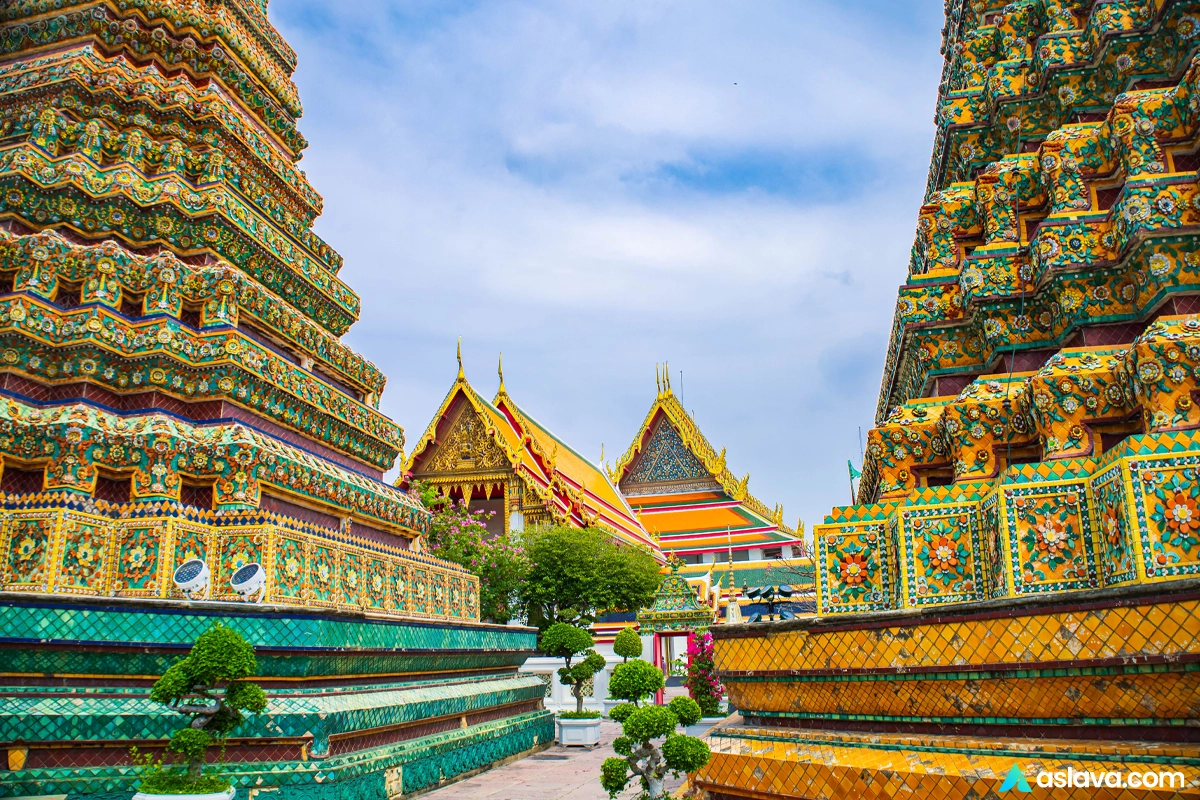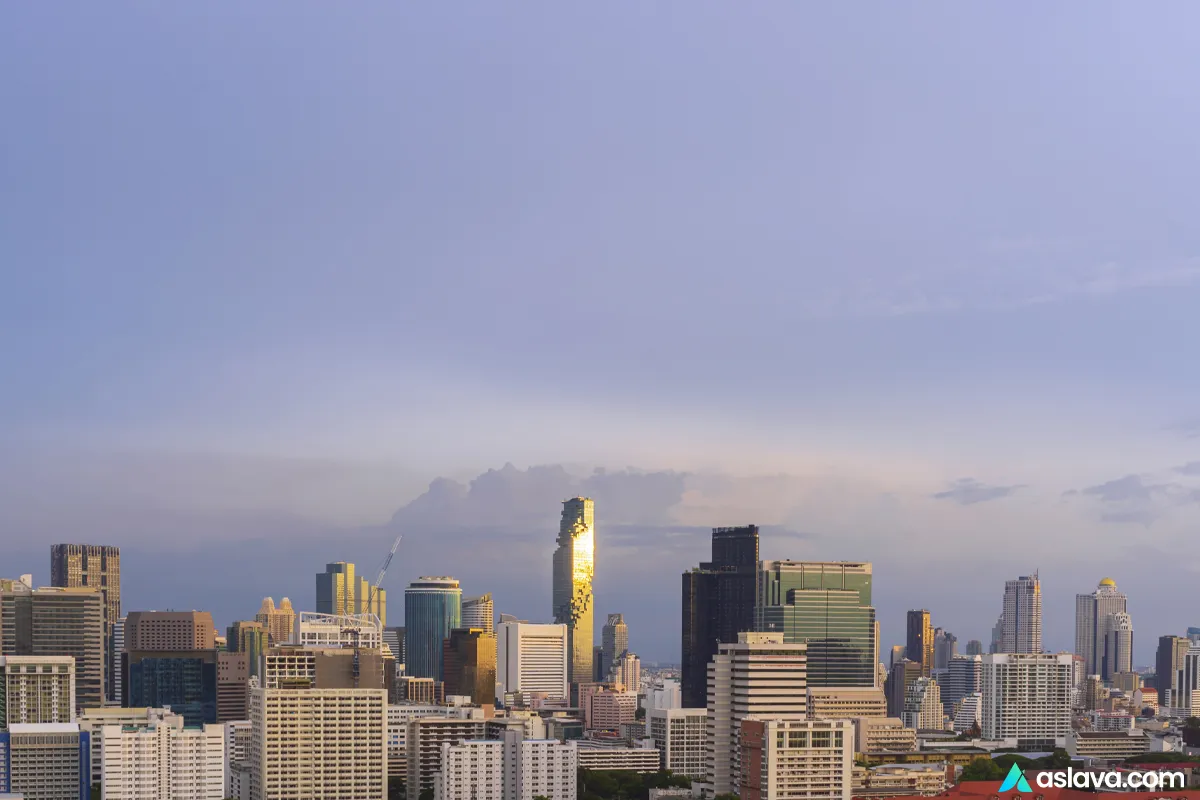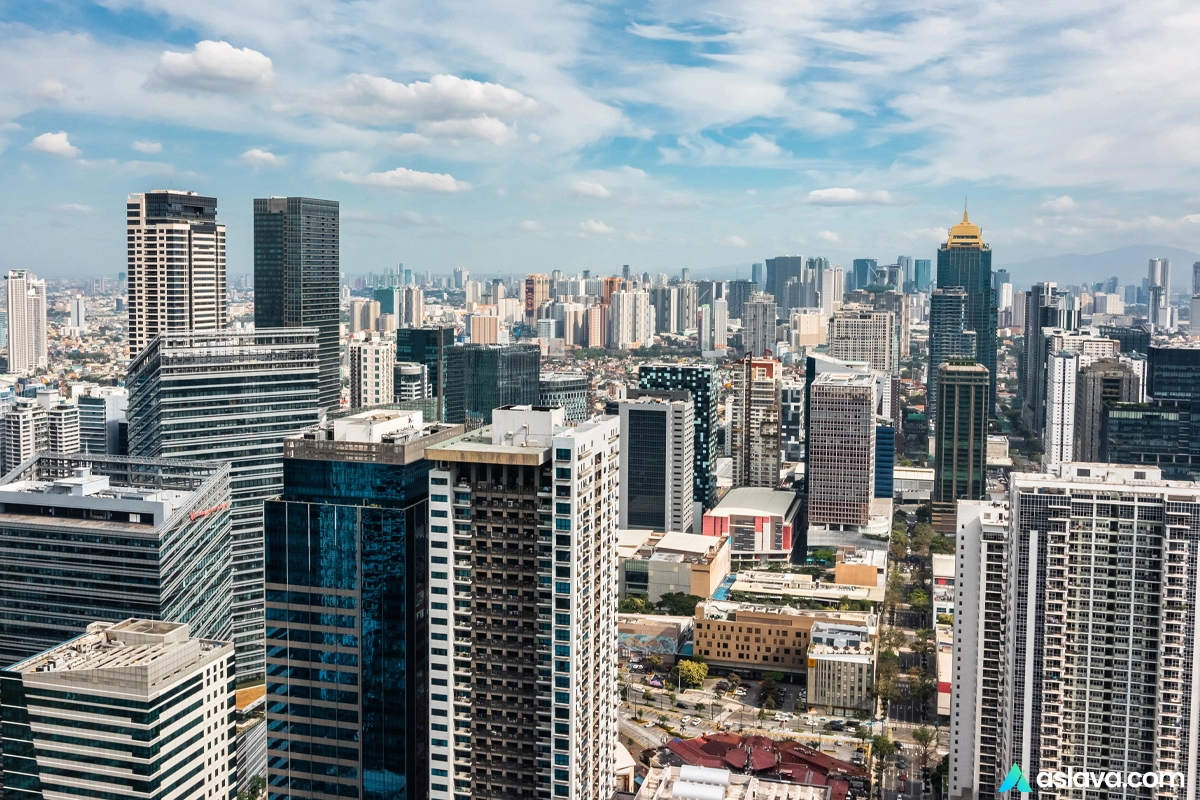
Welcome to Manila, the vibrant gateway to the Philippines where colonial history merges seamlessly with modern urban energy. Often overlooked as merely a transit point, this bustling metropolis nevertheless rewards those who linger with rich cultural experiences, fascinating historical sites, and a culinary scene that will captivate your palate. Moreover, as the primary entry point for international travelers, Manila offers an authentic glimpse into Filipino culture before you venture to the country’s pristine beaches and lush landscapes.
Best Time to Visit Manila in 2026
Manila experiences a tropical climate with two distinct seasons that dramatically affect your travel plans. Therefore, understanding these weather patterns ensures you make the most of your visit.
Dry Season (December to May)
The dry season provides ideal conditions for exploring Manila‘s outdoor attractions like Intramuros and Rizal Park. Specifically, December through February offers cooler temperatures (24-30°C/75-86°F), making city exploration comfortable. In contrast, March through May brings hotter weather, with temperatures frequently exceeding 33°C (91°F).
Rainy Season (June to November)
While afternoon showers occur regularly during these months, mornings typically remain clear. Particularly, July through September bring the heaviest rainfall, sometimes accompanied by typhoons that can disrupt travel. However, fewer tourists and lower accommodation rates make this period attractive for budget-conscious travelers.
Additionally, most of Manila’s attractions are indoor venues — museums, malls, and restaurants — so rainy season visits consequently remain enjoyable despite the weather.
Travel Strategy for 2026
For optimal weather balanced with manageable crowds, aim for the shoulder months of November or early December. Furthermore, pack light, breathable clothing regardless of season, but always carry an umbrella or rain jacket. Notably, many Manila attractions now offer timed entry tickets, therefore requiring advance bookings for popular sites.
Getting to Manila in 2026
Ninoy Aquino International Airport (NAIA)
Most international travelers arrive at Ninoy Aquino International Airport, situated approximately 8 kilometers south of Manila proper. As of 2025, NAIA operates with three active terminals following Terminal 4’s closure in 2024. Consequently, each terminal serves different airlines, making it essential to verify your flight details carefully before arrival.
| Terminal | Airlines | Location |
|---|---|---|
| Terminal 1 | Most international carriers (Emirates, Qatar Airways, Korean Air, Cathay Pacific) | Parañaque City |
| Terminal 2 | Domestic flights (Philippine Airlines, CebGo, Philippines AirAsia) | Pasay City |
| Terminal 3 | Mix of international and domestic (Cebu Pacific, AirAsia, ANA, Delta) | Pasay City |
Airport Transportation Options
Grab or Airport Taxi
The most convenient choice for travelers with luggage, Grab offers fixed-rate fares and can be booked at designated booths in all terminals. Alternatively, yellow airport taxis use meters but charge higher base fares than city taxis. As a result, budget approximately ₱350–500 to most city areas.
UBE Express Bus
Air-conditioned buses connect the airport to major hotels and business districts efficiently. In 2025, UBE Express has expanded its route network to include more destinations across Metro Manila. Furthermore, departures occur every 15–30 minutes, costing approximately ₱150 per person.
Private Airport Transfer
For a hassle-free arrival, pre-book a private transfer with a meet-and-greet service. Specifically, professional drivers monitor flight arrivals and wait with name signs, thereby accommodating even delayed flights. Accordingly, expect to pay ₱800–1,200 depending on vehicle type.
Where to Stay in Manila
Manila is a sprawling metropolis with distinct neighborhoods, each offering unique experiences. Therefore, selecting the right area significantly impacts your visit, particularly given Manila’s notorious traffic congestion.
Intramuros & Manila City Proper
Character: Historic & Cultural
Perfect for history enthusiasts and first-time visitors, this area places you steps from Manila’s most significant historical sites. Specifically, Fort Santiago and Manila Cathedral are within walking distance. Consequently, expect to pay ₱2,500–7,000 per night for accommodations here.
Makati
Character: Upscale & Business
Manila’s premier business district features luxury hotels, shopping malls, and upscale restaurants. Moreover, the Poblacion neighborhood within Makati has recently emerged as a hip area with boutique hotels, trendy bars, and international dining. As a result, nightly rates range from ₱3,500–15,000.
Bonifacio Global City (BGC)
Character: Modern & Family-Friendly
A planned city with wide sidewalks and pedestrian-friendly design, BGC offers high-end malls, restaurants, and entertainment options. Additionally, the clean and safe environment appeals particularly to families and long-stay visitors. Therefore, accommodation costs approximately ₱4,000–12,000 per night.
Pasay (Near Airport & Mall of Asia)
Character: Convenient & Shopping-Focused
Ideal for short layovers or travelers wanting easy airport and shopping access, this location features the massive Mall of Asia complex. Furthermore, entertainment, dining, and Manila Bay sunset views are all within reach. Accordingly, nightly rates run ₱3,000–8,000.
Quezon City
Character: Local Vibe & University Area
The largest city in Metro Manila offers an authentic local experience with excellent street food and residential neighborhoods. Although farther from tourist sites, it provides genuine everyday Filipino life exposure. Consequently, budget travelers particularly appreciate the ₱1,800–6,000 nightly rates.
Manila Bay Area
Character: Waterfront & Entertainment
Hotels along Roxas Boulevard showcase stunning sunset views over Manila Bay. Additionally, the area hosts the Cultural Center of the Philippines and is adjacent to the Entertainment City complex. As a result, nightly costs range from ₱3,500–10,000.
Getting Around Manila
Navigating Manila can be challenging due to traffic congestion; however, the city offers various transportation options for efficient exploration. Moreover, in 2025, several public transportation improvements have made getting around easier than in previous years.
Ride-Hailing Services (Grab)
Southeast Asia’s equivalent to Uber represents the most convenient option for tourists. Specifically, the app provides fixed fares upfront, thereby eliminating haggling or meter concerns. Additionally, various vehicle options are available, from standard cars to premium vehicles.
Nevertheless, prices increase during rush hour, and the service requires an internet connection.
MRT & LRT Rail System
Manila’s light rail transit system is often the fastest option during rush hour. Three lines connect key areas: LRT-1 (north-south), LRT-2 (east-west), and MRT-3 (along EDSA). However, trains become extremely crowded during peak hours, so plan accordingly.
Jeepneys
These iconic colorful converted military jeeps have served as Manila’s primary public transportation for decades. Furthermore, modern air-conditioned “e-jeepneys” with digital payment systems now replace many traditional vehicles in 2025. Although they offer a cultural experience and extensive network, they can be confusing for first-time tourists.
Buses & P2P Services
City buses connect major Metro Manila areas efficiently. Specifically, the EDSA Carousel bus rapid transit system offers faster travel via dedicated lanes. Additionally, P2P (Point-to-Point) premium buses provide direct routes between major hubs without stops.
2025 Transportation Update
The new MRT-7 line connecting North EDSA to San Jose del Monte opened in early 2025, thereby improving northern Metro Manila accessibility. Furthermore, the Beep card system now works across all public transportation, including buses and modern jeepneys. Additionally, the new Manila Tourist Pass offers unlimited MRT/LRT rides for 1–3 days.
Intramuros: Manila’s Historic Walled City
Intramuros (“within the walls”) is Manila’s oldest district and historic core, built in the 16th century during Spanish colonial rule. This 0.67 square kilometer walled city contains some of the Philippines’ most important historical landmarks. Moreover, despite heavy World War II damage, restoration efforts have successfully preserved this living museum.
Fort Santiago
This citadel served as the Spanish military headquarters and later became infamous as a prison. Notably, national hero José Rizal spent his final days here before execution. Today, it houses the Rizal Shrine museum with well-preserved stone walls, gardens, and a dungeon open to visitors.
-
Hours: 8:00 AM – 6:00 PM daily
-
Entrance fee: ₱75 for adults
-
Don’t miss: The Rizal Shrine featuring memorabilia from the national hero’s life, as well as the brass footprints marking his final walk
San Agustin Church
The oldest stone church in the Philippines and a UNESCO World Heritage Site, San Agustin dates back to 1587. Remarkably, it survived the Battle of Manila in 1945 when most of Intramuros was destroyed. Furthermore, the adjacent museum houses religious artifacts, artwork, and antique furniture.
-
Hours: 8:00 AM – 6:00 PM (closed during masses)
-
Entrance fee: ₱200 (includes museum access)
-
Don’t miss: The intricately carved wooden doors, baroque pulpit, and trompe l’oeil ceiling paintings
Manila Cathedral
Officially the Minor Basilica and Metropolitan Cathedral of the Immaculate Conception, this church has been rebuilt several times since the original 1581 structure. The current neo-Romanesque building dates from 1958 and consequently features stunning stained glass windows and a massive pipe organ.
-
Hours: 7:00 AM – 7:00 PM (subject to mass schedules)
-
Entrance fee: Free
-
Don’t miss: The beautiful bronze doors depicting Philippine Catholic history, as well as the crypt where former archbishops are buried
Casa Manila
This museum is a replica of a Spanish colonial house, thereby showcasing affluent colonial-period living. Additionally, the three-story structure features period furniture, artwork, and household items from the 19th century.
-
Hours: 9:00 AM – 6:00 PM (closed Mondays)
-
Entrance fee: ₱75
-
Don’t miss: The central courtyard and detailed recreation of upper-class colonial life
Baluarte de San Diego
One of the oldest stone fortifications in Intramuros, this bastion dates back to 1586. The circular fort offers excellent area views, and recent restoration has consequently made it a popular photography spot.
-
Hours: 8:00 AM – 5:00 PM daily
-
Entrance fee: ₱75
-
Don’t miss: The unique circular shape and particularly the sunset views from the top
Plaza Roma
The main square of Intramuros is surrounded by important buildings including Manila Cathedral and Palacio del Gobernador. Additionally, the central statue of King Carlos IV of Spain commemorates his initiative to bring smallpox vaccination to the Philippines.
-
Hours: Open 24 hours
-
Entrance fee: Free
Unique Ways to Explore Intramuros
Bamboo Bike Tour
One of the most popular and eco-friendly exploration methods is touring on bamboo bicycles. Specifically, these sustainable bikes are made in partnership with Gawad Kalinga, a respected Philippine NGO. Furthermore, guided tours last approximately 2.5 hours and cover all major attractions with informative historical commentary.
-
Tour includes: Bamboo bike rental, helmet, guide, bottled water
-
Duration: 2.5 hours
-
Price: ₱1,200 per person
Kalesa Ride
Alternatively, experience Intramuros traditionally in a horse-drawn carriage called a kalesa. These colorful carriages have served as transportation since the Spanish colonial period. Moreover, drivers often serve as informal guides, thereby sharing stories and historical facts throughout the journey.
-
Tour includes: Horse-drawn carriage with driver/guide
-
Duration: 30–60 minutes
-
Price: ₱350–500 (negotiate beforehand)
National Museum Complex
The National Museum Complex is Manila’s premier cultural institution, housed in magnificent neoclassical buildings near Rizal Park. In 2025, the complex remains a must-visit destination for anyone interested in Philippine art, history, and natural sciences. Best of all, admission remains completely free to all visitors.
National Museum of Fine Arts
Housed in the former Legislative Building, this museum showcases Philippine art from the 19th century to present. Notably, Juan Luna’s massive “Spoliarium,” which won a gold medal at the 1884 Madrid Exposition, stands as the Philippines’ most valuable painting.
-
Hours: Tuesday to Sunday, 9:00 AM – 6:00 PM
-
Entrance fee: Free
-
Don’t miss: Juan Luna’s “Spoliarium,” as well as works by national artists Fernando Amorsolo and Vicente Manansala
National Museum of Anthropology
Dedicated to Philippine ethnography and archaeology, this museum showcases cultural heritage of various Filipino ethnic groups. Specifically, exhibits feature traditional clothing, weapons, musical instruments, and archaeological artifacts spanning prehistoric times to the colonial period.
-
Hours: Tuesday to Sunday, 9:00 AM – 6:00 PM
-
Entrance fee: Free
-
Don’t miss: The Manunggul Jar (secondary burial jar from 890–710 BCE), as well as the San Diego shipwreck artifacts
National Museum of Natural History
The newest addition, opened in 2018, focuses on the Philippines’ biodiversity and natural resources. Particularly, the dramatic “Tree of Life” structure rises through the building’s former courtyard, creating a stunning centerpiece.
-
Hours: Tuesday to Sunday, 9:00 AM – 6:00 PM
-
Entrance fee: Free
-
Don’t miss: The “Tree of Life” and Lolong (world’s largest crocodile in captivity), as well as the whale shark skeleton
2026 Museum Update
The National Museum Complex has added new interactive exhibits in 2025, including augmented reality features that bring historical artifacts to life. Therefore, download the free National Museum app before your visit for audio guides and suggested thematic routes.
Rizal Park (Luneta)
Rizal Park, also known as Luneta, represents Manila’s most significant public space and a symbol of Philippine independence. Named after national hero Dr. José Rizal, who was executed here in 1896, the park spans 58 hectares of gardens, monuments, and open spaces. Furthermore, it serves as the country’s kilometer zero point from which road distances throughout the Philippines are measured.
Rizal Monument
The park’s centerpiece contains José Rizal’s remains, guarded by ceremonial sentinels. Notably, the monument marks the exact spot where Rizal faced execution by Spanish colonial authorities, an event that subsequently fueled the Philippine revolution. Additionally, daily flag ceremonies occur at 6:00 AM and 6:00 PM.
Relief Map of the Philippines
An impressive 3D scale model of the Philippine archipelago is set in a water pool. Consequently, visitors can walk around the perimeter to view the country’s geography, including mountains, valleys, and bodies of water.
Japanese and Chinese Gardens
These themed gardens showcase elements of Japanese and Chinese landscape design. Specifically, pagodas, bridges, and ornamental plants create peaceful enclaves away from the urban bustle.
Orchidarium and Butterfly Pavilion
A botanical garden features hundreds of orchid species native to the Philippines. Moreover, the butterfly pavilion allows visitors to observe these colorful insects in their natural habitat.
National Planetarium
Recently renovated in 2024, the planetarium offers educational astronomy shows. Furthermore, the dome theater provides immersive experiences with state-of-the-art projection technology.
Visitor Strategy
Visit Rizal Park in the late afternoon to avoid midday heat. Subsequently, stay for the sunset and the flag ceremony at 6:00 PM, followed by the choreographed musical fountain show after dark. Additionally, on Sundays, families fill the park with picnics and performances, thereby offering authentic glimpses into Filipino life.
Binondo: The World’s Oldest Chinatown
Established in 1594, Binondo is the world’s oldest Chinatown and testament to the long history of Chinese influence in the Philippines. Originally created as a settlement for Catholic Chinese, this vibrant district has since evolved into a bustling commercial center and food haven. Moreover, located just across the Pasig River from Intramuros, Binondo offers fascinating contrast to Spanish colonial architecture.
Binondo Church
Officially known as the Minor Basilica of San Lorenzo Ruiz, this church was founded in 1596 to serve Chinese Catholic converts. Although the current structure dates largely from post-WWII reconstruction, it nevertheless retains historical significance as the center of the Chinese Catholic community.
-
Hours: 6:00 AM – 7:00 PM daily
-
Entrance fee: Free
-
Don’t miss: The statue of San Lorenzo Ruiz, notably the first Filipino saint of Chinese descent
Ongpin Street
The main artery of Binondo buzzes with activity and shops selling everything from traditional Chinese medicine to jewelry. Additionally, red lanterns hang overhead, creating an atmosphere that’s especially festive during Chinese festivals.
-
Don’t miss: Gold jewelry shops offering some of Manila’s best prices, as well as traditional bakeries selling hopia (bean-filled pastries)
-
Best time to visit: Weekday mornings to avoid crowds
Lucky Chinatown Mall
A modern shopping center contrasts sharply with the traditional streetscape. Furthermore, the mall features both international brands and shops selling Chinese products, plus a food court with various Asian cuisines.
-
Hours: 10:00 AM – 9:00 PM daily
-
Chinatown Museum fee: ₱150
-
Don’t miss: The Chinatown Museum on the 4th floor, which documents Chinese-Filipino history
Binondo Food Tour: A Culinary Adventure
Binondo is renowned as a food lover’s paradise where centuries of Chinese-Filipino culinary fusion have created unique flavors. Consequently, the best way to experience this gastronomic wonderland is through a guided food tour.
What to Expect
A typical Binondo food tour lasts 3–4 hours and includes 5–8 food stops. Moreover, your guide leads you through narrow streets and hidden passages to family-run establishments operating for generations. Additionally, between bites, you’ll learn about Chinese-Filipino history and traditions.
Popular Dishes to Try
-
Lumpia (spring rolls) — both fresh and fried varieties
-
Kuchay-ah (chive dumplings)
-
Siopao (steamed buns)
-
Machang (sticky rice in bamboo leaves)
-
Fried dough fritters with soy milk
-
Hopia (bean-filled pastries)
Recommended Legendary Eateries
-
Eng Bee Tin — Famous for hopia since 1912
-
Dong Bei Dumplings — Specializing in hand-made dumplings and pancakes
-
Lan Zhou La Mien — Famous for hand-pulled noodles made fresh
-
Quik Snack — Serving Hokkien-influenced Filipino dishes
-
Shanghai Fried Siopao — Specializing in pan-fried buns
-
New Po Heng Lumpia House — Renowned for fresh lumpia with peanut sauce
Manila Ocean Park
Manila Ocean Park is an oceanarium and marine-themed attraction located behind the Quirino Grandstand in Rizal Park. Since opening in 2008, it has become one of Manila’s most popular family destinations. Furthermore, in 2025, the park continues expanding with new attractions and conservation programs.
Main Attractions
Oceanarium
The centerpiece features a 25-meter underwater tunnel where visitors walk surrounded by over 14,000 marine creatures from approximately 270 species. Additionally, the journey takes you through different marine habitats from freshwater to deep ocean.
-
Don’t miss: The Shark Encounter area and particularly the synchronized sardine schools
Sea Lion Show
An entertaining and educational show features trained sea lions performing acrobatics. Moreover, the presentation includes information about sea lion conservation and their marine ecosystem role.
-
Show times: 11:00 AM, 2:00 PM, and 4:00 PM daily
-
Special offer: Photo opportunities with sea lions afterward (additional fee)
Jellies Exhibit
A specialized area dedicated to jellyfish displays different species in illuminated tanks. Consequently, the colorful lighting creates an otherworldly atmosphere as graceful creatures pulse through the water.
Birds of Prey Kingdom
An aviary features various birds including eagles, hawks, and owls. Furthermore, regular flight demonstrations showcase hunting abilities while educating visitors about conservation.
-
Show times: 10:30 AM and 3:30 PM daily
Penguin Talk Show
Added in 2023, this exhibit houses Humboldt penguins in a climate-controlled environment. Additionally, educational presentations explain penguin behavior and climate change challenges.
-
Feeding times: 10:00 AM and 3:00 PM daily
Interactive Experiences
Aquanaut Voyage
For the adventurous, walk underwater in a special helmet providing oxygen. Specifically, trained guides accompany you throughout this diver-perspective experience without requiring diving certification.
-
Duration: 20 minutes
-
Additional fee: ₱1,000 per person
-
Requirements: Minimum age 10 years; signed waiver required
Shark and Ray Encounter
A hands-on experience allows visitors to touch and feed friendly rays and small sharks. Furthermore, supervision by marine biologists makes this an educational opportunity to learn about these often misunderstood creatures.
-
Duration: 15 minutes
-
Additional fee: ₱500 per person
-
Session times: Hourly from 10:00 AM to 5:00 PM
Fish Spa
A unique experience where tiny Garra rufa fish gently nibble away dead skin cells from your feet. Although the ticklish sensation takes adjustment, it nevertheless leaves feet feeling refreshed.
-
Duration: 15 minutes
-
Additional fee: ₱120
Visitor Tips
Visit on weekdays to avoid crowds, particularly during mornings when marine animals are most active. Additionally, the all-day pass offers best value for multiple attractions. Furthermore, bring a light jacket as the oceanarium stays cool. Moreover, photography is allowed without flash to protect animals. Finally, consider booking interactive experiences in advance during peak season (December–May).
Manila Bay Sunset Experience
Manila Bay is world-famous for its spectacular sunsets, often described as among the world’s most beautiful. Specifically, the bay’s wide horizon allows unobstructed views as the sun paints the sky in dramatic hues of orange, pink, and purple. Consequently, experiencing this natural spectacle is a must for any Manila visitor.
Best Sunset Viewing Spots
Baywalk
The renovated Baywalk along Roxas Boulevard represents the most accessible and popular sunset location. Furthermore, the 2-kilometer promenade features improved walkways, seating areas, and landscaping from the Manila Bay rehabilitation project completed in 2023.
-
Best features: Free public access, street food vendors, as well as occasional live music
-
Getting there: Located along Roxas Boulevard between the US Embassy and Cultural Center
Mall of Asia Seaside Boulevard
The promenade behind SM Mall of Asia offers excellent sunset views with dining options. Additionally, the iconic MOA Eye (a 55-meter Ferris wheel) adds a memorable element to the experience.
-
Best features: Clean environment, restaurants with outdoor seating, and family-friendly atmosphere
-
Getting there: Located in Pasay City behind SM Mall of Asia
Harbor Square
Located near the Cultural Center of the Philippines, Harbor Square features restaurants with outdoor seating facing Manila Bay directly. Moreover, this spot remains less crowded than Baywalk, making it ideal for a more intimate experience.
-
Best features: Restaurant dining with views, as well as proximity to cultural venues
Sunset Cruise Experience
For a more memorable experience, consider taking a sunset cruise on Manila Bay. Specifically, these 1–2 hour boat trips provide unparalleled sunset views away from crowds, often with refreshments and entertainment.
What to Expect
Most sunset cruises depart from the Cultural Center of the Philippines (CCP) Complex or from the Esplanade Seaside Terminal near SM Mall of Asia. Furthermore, the typical experience includes:
-
1–2 hour cruise coinciding with sunset
-
Unobstructed water-based views
-
Light refreshments or full dinner depending on package
-
Live music or cultural performances on some cruises
-
Photo opportunities with Manila’s skyline backdrop
-
Commentary about Manila Bay’s history and significance
Prices: From ₱750 for basic cruises to ₱2,500 for premium packages with dinner
Photography Strategy
Arrive at your viewing spot at least 30 minutes before sunset. Notably, the most dramatic colors often appear 10–15 minutes after the sun dips below the horizon. Additionally, using smartphone HDR mode captures the full color range in the sky.
Modern Manila: BGC and Makati
While historical sites offer glimpses into Manila’s past, the modern business districts showcase contemporary Philippines at its most dynamic. Specifically, Bonifacio Global City (BGC) in Taguig and Makati Central Business District represent the cosmopolitan side with skyscrapers, international dining, art installations, and upscale shopping.
Bonifacio Global City (BGC)
Once a military base, BGC has transformed into one of Southeast Asia’s most impressive planned urban developments. Furthermore, its pedestrian-friendly layout, public art program, and mix of business, residential, and leisure spaces create a dynamic atmosphere.
Bonifacio High Street
This open-air shopping complex forms BGC’s spine, featuring a central park lined with retail stores, restaurants, and cafes. Moreover, the pedestrianized layout makes it perfect for leisurely strolls and people-watching.
-
Hours: Most shops open 10:00 AM – 10:00 PM
-
Don’t miss: Public art installations scattered throughout the area
The Mind Museum
An award-winning science museum features over 250 interactive exhibits across five galleries. Consequently, complex scientific concepts become accessible and engaging through hands-on experiences for all ages.
-
Hours: Tuesday to Sunday, 9:00 AM – 6:00 PM
-
Entrance fee: ₱825 for adults; ₱750 for children
-
Don’t miss: Outdoor Science in the Park exhibits, as well as 3D planetarium shows
Uptown Bonifacio
A newer development features luxury residences, office towers, and Uptown Mall housing high-end retail brands. Additionally, the Uptown Parade dining complex features some of Manila’s trendiest restaurants and bars.
-
Mall hours: 10:00 AM – 10:00 PM
Makati Central Business District
Makati has been the Philippines’ premier business district since the 1960s and consequently remains the country’s financial heart. Furthermore, beyond corporate towers, Makati offers cultural attractions, luxury shopping, and a vibrant food scene.
Ayala Center
A massive shopping and entertainment complex comprises multiple interconnected malls including Glorietta and Greenbelt. Notably, Greenbelt is known for its garden setting with restaurants and shops surrounding landscaped parks.
-
Hours: 10:00 AM – 9:00 PM daily
-
Don’t miss: Greenbelt Chapel and the renovated Ayala Museum (reopened 2023)
Poblacion
Once a quiet residential area, Poblacion has transformed into Manila’s hippest neighborhood. Specifically, its narrow streets pack independent restaurants, speakeasy bars, art galleries, and boutique hostels.
-
Don’t miss: Hidden bars requiring passwords or unmarked entrances, as well as the diverse international dining scene
-
Best time: Evenings Thursday to Saturday when the area is most lively
Ayala Triangle Gardens
A triangular urban park provides a green oasis amid skyscrapers. Furthermore, during Christmas season, it hosts a spectacular light and sound show attracting thousands of visitors.
-
Hours: Open 24 hours
-
Don’t miss: Morning tai chi sessions and restaurant perimeter dining
Getting Between BGC and Makati
These two business districts are adjacent but separated by the Pasig River and major highways. Consequently, the most convenient way to travel between them is by Grab taxi (approximately ₱200–300). Alternatively, take the BGC bus from Ayala Center to various BGC stops (₱13 per ride). Additionally, walking is possible via the new Bonifacio Global City-Ortigas Link Bridge, which offers pedestrian lanes.
Day Trips from Manila
While Manila offers plenty to explore, spectacular natural attractions lie just hours from the city. Consequently, these excursions provide refreshing contrast to urban sightseeing and showcase the Philippines’ diverse landscapes.
Taal Volcano
Just 60 kilometers south of Manila, Taal Volcano is one of the Philippines’ most iconic natural landmarks. Notably, this active volcano sits on an island within a lake, which is itself on an island — a unique geological formation.
What to Expect
Most day trips begin in Tagaytay, a popular holiday town perched on a ridge overlooking the volcano. From here, enjoy spectacular views from numerous restaurants and viewing platforms. Additionally, for a more adventurous experience, you can take a boat to Volcano Island and trek to the crater rim.
Taal Volcano Trek Details
-
30-minute boat ride across Taal Lake to the island
-
45–60 minute guided hike to crater rim (moderate difficulty)
-
Views of the distinctive yellow-green crater lake
-
Optional horse riding (additional fee)
Important: As an active volcano, Taal access changes based on alert levels. Although trekking is permitted as of early 2025, always verify current conditions before planning your trip.
Beyond the Volcano
Tagaytay itself deserves exploration with several attractions:
-
Sky Ranch — An amusement park featuring one of the Philippines’ tallest Ferris wheels
-
Picnic Grove — Recreational area with ziplines and horseback riding
-
People’s Park in the Sky — Park offering 360-degree Tagaytay views
-
Mahogany Market — Local market famous for beef bulalo (bone marrow soup)
-
Sonya’s Garden — Charming restaurant serving organic farm-to-table cuisine
Masungi Georeserve
Located in Baras, Rizal, approximately 45 kilometers east of Manila, Masungi Georeserve is a conservation area featuring karst landscapes, caves, and unique rock formations. Moreover, the reserve has gained international attention for innovative conservation approaches and spectacular trail experiences.
The Conservation Trail Experience
Masungi offers guided “Discovery Trail” experiences combining adventure, education, and conservation. Specifically, the trail features rope courses, hanging bridges, and unique viewing platforms integrated with nature.
Trail Highlights Include
-
Sapot — A giant spider web-like viewing platform suspended above the forest
-
Duyan — A large hammock suspended between rock formations
-
Tatay — A rope course crossing a limestone peak
-
Patak — A hanging bridge leading to a teardrop-shaped viewing platform
-
Ditse — A cave passage through karst rock
The standard trail takes 3–4 hours and requires moderate fitness. Furthermore, park rangers accompany all visitors, providing ecosystem information and conservation details.
Planning Your Visit
Masungi has implemented strict conservation measures limiting daily visitors:
-
Advance reservations are required (often weeks ahead)
-
Minimum group size is 7–10 people depending on the trail
-
Conservation fee is ₱1,800 on weekdays; ₱2,000 weekends
-
Fee includes guided tour, light refreshments, and conservation contribution
2026 Update
Masungi has added a new “Legacy Trail” focused on reforestation efforts. Consequently, visitors can participate in tree planting while learning about habitat restoration. Moreover, this less physically demanding trail suits wider age and fitness ranges while still offering beautiful views and meaningful conservation experiences.
Practical Information for Manila Visitors
Currency & Money
The Philippine Peso (₱) is the local currency throughout Manila. Furthermore, ATMs are widely available in malls and commercial areas. Additionally, major credit cards see acceptance in hotels, malls, and upscale restaurants; however, smaller establishments prefer cash. For best exchange rates, use licensed money changers in malls rather than airports or hotels.
Denominations:
-
Coins: ₱1, ₱5, ₱10, ₱20
-
Bills: ₱20, ₱50, ₱100, ₱200, ₱500, ₱1,000
Tipping: Not mandatory but appreciated — specifically, 5–10% in restaurants if service charge isn’t included.
Connectivity
Stay connected with local SIM cards or pocket WiFi rentals, which are essential for ride-hailing apps and navigation.
Mobile Providers:
-
Globe — Tourist SIM available at airport kiosks (₱500 with data)
-
Smart — Tourist SIM with similar pricing and coverage
WiFi: Available in most hotels, cafes, restaurants, and malls; however, quality varies by location.
Power: 220V, Type A/B/C plugs (same as US/Japan). Consequently, universal adapters are recommended for other devices.
Safety Tips
Manila is generally safe for tourists; nevertheless, common-sense precautions remain essential:
-
Use ride-hailing apps like Grab instead of hailing street taxis
-
Keep valuables secure and maintain situational awareness
-
Avoid wearing flashy jewelry or displaying expensive electronics
-
Stay in well-lit, populated areas, especially at night
-
Be cautious of friendly strangers offering unsolicited help
-
Keep digital copies of important documents
Additionally, tourist police units are stationed in major tourist areas and speak English.
Health & Medical
Manila has excellent private hospitals with English-speaking staff. Therefore, travel insurance is strongly recommended.
Recommended Precautions:
-
Drink only bottled or purified water
-
Use mosquito repellent, especially during rainy season
-
Bring any prescription medications needed
-
Pack a basic first-aid kit with stomach remedies
Emergency Numbers: 911 for emergencies; 8651-7800 for tourist assistance
Language
English is widely spoken in Manila, especially in tourist areas, hotels, and businesses. Nevertheless, learning basic Filipino (Tagalog) phrases enhances your experience:
-
Hello — Kumusta
-
Thank you — Salamat
-
Yes/No — Oo/Hindi
-
Excuse me — Pasensya na
-
How much? — Magkano?
-
Delicious — Masarap
-
Beautiful — Maganda
Cultural Etiquette
Filipinos are known for hospitality and warmth. Consequently, these tips help navigate social situations:
-
Greet people with a smile and handshake
-
Address older people with “po” or “opo” as respect markers
-
Remove shoes when entering homes
-
Point using your whole hand instead of a finger
-
Interpret “yes” carefully — Filipinos may say it to avoid disappointing
-
Avoid public displays of anger
-
Dress modestly when visiting churches
2025 Manila Travel Update
The new Unified Grand Central Station connecting LRT-1, MRT-3, MRT-7, and the Metro Manila Subway is partially operational as of early 2025. Furthermore, the Manila Tourist Pass card now offers unlimited public transportation and attraction discounts. Additionally, download the official “Experience Philippines” app for real-time updates on attractions, transportation, and events.
Planning Your Manila Adventure
Manila rewards travelers who look beyond first impressions with rich cultural experiences, fascinating historical sites, and warm Filipino hospitality. Whether spending a few days before heading to beaches or making Manila your primary destination, this vibrant metropolis offers a compelling mix of old and new.
From walking historic Intramuros streets to watching the legendary Manila Bay sunset, from sampling Chinese-Filipino cuisine in Binondo to exploring modern BGC and Makati enclaves, Manila offers diverse experiences. Furthermore, nearby day trips to Taal Volcano and Masungi Georeserve add natural wonders to your urban adventure.
As you plan your 2026 visit, remember that the city’s greatest asset is its people. Therefore, engage with locals, ask questions, and embrace the Filipino concept of “pakikisama” (getting along harmoniously) to experience the true heart of this dynamic capital city.