The Historical Significance of Maluku Spice Islands
For over 700 years, the Maluku archipelago held a monopoly on some of the world’s most precious commodities. During the Middle Ages and Renaissance, nutmeg and cloves were worth more than their weight in gold in European markets. Furthermore, these spices were believed to have medicinal properties, including protection against the plague, making them even more valuable.
The spice trade transformed global economics and politics. Initially, Arab traders controlled these routes, bringing spices overland to Mediterranean ports. However, the desire to bypass these middlemen and access the source directly spurred the Age of Exploration. In fact, when Christopher Columbus sailed west in 1492, he was actually searching for a new route to these very islands.
1. The Portuguese Arrival
The Portuguese were the first Europeans to reach the Maluku Islands in 1511, after conquering the strategic port of Malacca. Under the command of António de Abreu and Francisco Serrão, they established the first European foothold in the region. Serrão became an advisor to the Sultan of Ternate, beginning a complex relationship between European powers and local rulers that would characterize the next few centuries.
The Portuguese built fortifications and attempted to control the spice trade, but they faced resistance from both local rulers and competing European powers. Additionally, their presence introduced Christianity to the region, which remains an important element of Maluku’s cultural landscape today.
2. The Dutch Monopoly
By the early 17th century, the Dutch East India Company (VOC) had emerged as the dominant European power in the Spice Islands. The VOC was essentially the world’s first multinational corporation, with the power to wage war, negotiate treaties, and establish colonies. Through a combination of military force, strategic alliances, and brutal tactics, they established a complete monopoly on nutmeg and mace production.
The most notorious episode in this conquest was the near-complete genocide of the Bandanese people in 1621. When local leaders refused to comply with Dutch demands for exclusive trading rights, Governor-General Jan Pieterszoon Coen ordered the massacre of nearly the entire population. Subsequently, the islands were divided into plantations called “perken” and worked by imported slaves and indentured laborers.
3. The Nutmeg Wars
The competition for control of the spice trade led to a series of conflicts known collectively as the Spice Wars. The Dutch fought against the Portuguese, Spanish, English, and local sultanates in their quest for total control. One of the most famous episodes involved the tiny island of Run, which the English claimed in 1616.
After decades of conflict, the Dutch and English reached a remarkable agreement in the 1667 Treaty of Breda. The Dutch traded their claim to a small island in North America called Manhattan for the English island of Run in the Banda Sea. This exchange illustrates just how valuable these spice islands were—the Dutch literally traded what would become New York City for a tiny nutmeg-producing island.
4. The End of the Monopoly
The Dutch monopoly eventually came to an end through a combination of smuggling, botanical espionage, and changing global markets. Pierre Poivre (whose name translates to “Peter Pepper”) successfully smuggled nutmeg and clove seedlings to French colonies in the Indian Ocean. Meanwhile, the British established their own plantations in their colonial territories.
By the 19th century, the strategic importance of the Maluku Islands had diminished. The Dutch maintained colonial control until Indonesian independence in 1945, after which the islands became part of the new nation. Today, the historical legacy of the spice trade can be seen in the colonial architecture, forts, and cultural fusion that characterizes the region.
Geography and Natural Environment of the Maluku Archipelago
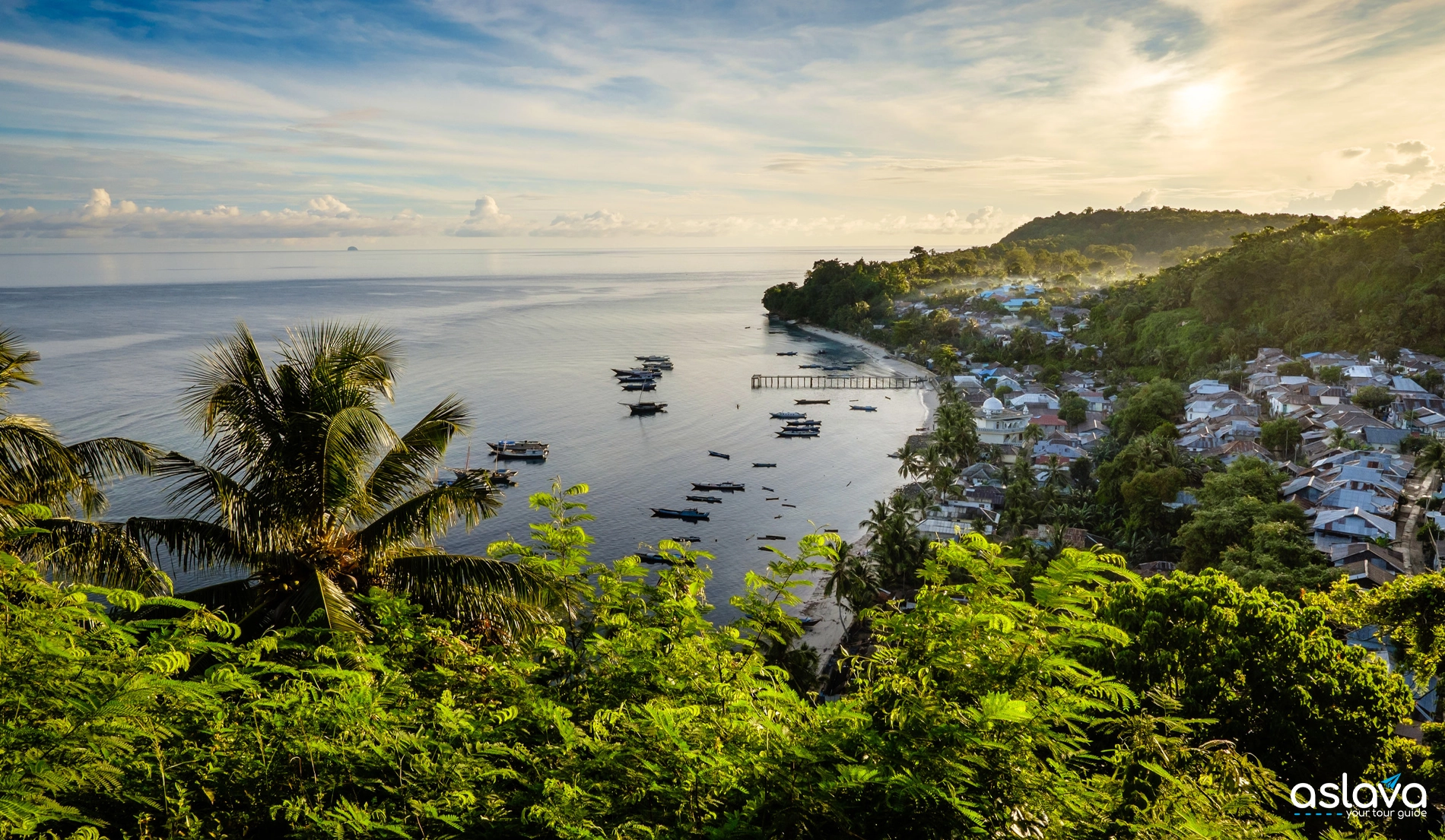
The Maluku Islands comprise an archipelago of over 1,000 islands spanning approximately 850,000 square kilometers, though 90% of this area is sea. Located between Sulawesi and New Guinea, the islands are divided into two Indonesian provinces: Maluku and North Maluku. The geography of these islands has played a crucial role in their historical significance and continues to shape life there today.
1. Volcanic Origins
The Maluku Islands are predominantly volcanic in origin, sitting at the meeting point of four tectonic plates. This geological activity has created dramatic landscapes of conical volcanoes, deep harbors, and fertile soils. The volcanic soil is particularly well-suited for growing spices, explaining why nutmeg and cloves flourished here and nowhere else for centuries.
Gunung Api (Fire Mountain) in the Banda Islands remains an active volcano, rising dramatically from the sea to a height of 656 meters. Its last major eruption was in 1988, and the volcano continues to shape the surrounding environment. Other significant volcanoes include Mount Gamalama on Ternate and Mount Ibu on Halmahera.
2. Biodiversity Hotspot
The Maluku archipelago sits within Wallacea, a biogeographically unique transition zone between Asian and Australian flora and fauna. This positioning has resulted in exceptional biodiversity with high levels of endemism—species found nowhere else on Earth. The islands host diverse ecosystems ranging from coastal mangroves to montane forests.
Marine biodiversity is equally impressive, with the waters surrounding the Maluku Islands forming part of the Coral Triangle, the global epicenter of marine biodiversity. Coral reefs surrounding the islands support thousands of fish species, making them a paradise for divers and snorkelers. Additionally, the deep waters of the Banda Sea host unique pelagic species and seasonal migrations of whales and dolphins.
3. Major Islands and Regions
The Maluku archipelago consists of several distinct island groups, each with its own character and historical significance:
- Banda Islands: The original source of nutmeg and mace, this small group of ten volcanic islands was the center of the spice trade. Banda Neira, the main island, features well-preserved colonial architecture.
- Ambon and Lease Islands: Ambon is the capital of Maluku Province and was an important colonial center. The surrounding Lease Islands include Haruku, Saparua, and Nusa Laut.
- Ternate and Tidore: These small volcanic islands were once powerful sultanates controlling the clove trade. Their rivalry and alliances with European powers shaped the region’s history.
- Halmahera: The largest island in the Maluku group, featuring diverse landscapes and cultures. It’s part of North Maluku province.
- Seram: The second-largest island, covered largely by pristine rainforest and mountains.
- Aru and Kei Islands: The southernmost island groups, known for their pristine beaches and traditional cultures.
- Buru: A large, mountainous island with diverse ecosystems and indigenous communities.
4. Climate and Seasons
The Maluku Islands experience a tropical climate with interesting regional variations. The central and southern islands have a reversed monsoon pattern compared to the rest of Indonesia, with the dry season occurring between October and March and the wet season from May to August. Northern Maluku follows the standard Indonesian pattern with the wet season from December to March.
The best time to visit depends on your specific destination within the archipelago and planned activities. For diving in the Banda Sea, October to December offers the best visibility, while cultural festivals often coincide with the dry seasons when travel between islands is easier.
Cultural Heritage and Living Traditions
The cultural landscape of the Maluku Spice Islands is as rich and varied as its natural environment. Centuries of trade, colonization, and cultural exchange have created a unique tapestry of traditions, beliefs, and practices that continue to thrive today. Understanding this cultural heritage adds depth to any visit to the region.
1. Indigenous Cultures and Ethnic Diversity
The original inhabitants of the Maluku Islands were Austronesian and Melanesian peoples who developed sophisticated maritime societies. Today, the population reflects centuries of migration and cultural mixing. Major ethnic groups include the Ambonese, Ternatan, Tidorese, Keiese, and various indigenous communities on the larger islands.
Traditional social structures often centered around clan systems called “soa” or “fam,” many of which continue to play important roles in community organization. Village life is typically organized around adat (customary law), which governs social relations, resource management, and conflict resolution. Despite modernization, many communities maintain strong connections to their ancestral traditions.
2. Religious Diversity and Harmony
The religious landscape of Maluku reflects its complex history. Islam arrived with Arab traders in the 14th century and was adopted by the sultanates of Ternate and Tidore. Christianity was introduced by Portuguese missionaries in the 16th century and later promoted by Dutch colonizers. Today, the population is approximately 60% Muslim and 40% Christian, with small communities practicing traditional beliefs.
A unique cultural institution found throughout Maluku is pela gandong, a traditional alliance system between villages of different religions. These blood brotherhoods create bonds of mutual assistance and protection that transcend religious differences. Despite periods of religious tension, pela gandong has helped restore peace and harmony in the region.
3. Culinary Traditions
Maluku cuisine naturally features the spices that made the islands famous. Local dishes often combine seafood with aromatic spices in unique preparations. Some notable specialties include:
- Papeda: A glue-like porridge made from sago palm starch, typically served with yellow fish soup (kuah kuning ikan).
- Ikan Bakar Colo-Colo: Grilled fish served with a spicy sauce made from chili, tomatoes, shallots, and lime.
- Sagu Lempeng: Flat bread made from sago flour, often eaten with fish or vegetables.
- Klappertaart: A Dutch-influenced coconut custard tart popular in Ambon.
- Sambal Kenari: A spicy condiment made with local kenari nuts.
Food preparation often involves traditional methods like bamboo cooking, stone grilling, and fermentation techniques passed down through generations. Meals are typically communal affairs that strengthen family and community bonds.
4. Arts and Crafts
The artistic traditions of Maluku reflect both indigenous influences and centuries of cross-cultural exchange. Music plays a central role in cultural life, with traditional instruments including tifa drums, suling bamboo flutes, and Hawaiian-influenced ukuleles locally called juk. The energetic cakalele war dance and more graceful traditional dances are performed during ceremonies and celebrations.
Traditional crafts include intricate ikat weaving, particularly in the Tanimbar and Kei Islands, shell jewelry making, and woodcarving. Boat building remains an important craft, with traditional vessels like kora-kora war canoes and various fishing boats still constructed using methods passed down for generations.
Experience Authentic Maluku Culture
Immerse yourself in the living traditions of the Spice Islands. From traditional music and dance performances to hands-on cooking classes using local spices, cultural experiences add depth and meaning to your Maluku adventure.
Must-Visit Historical Sites in the Maluku Spice Islands
The Maluku archipelago is dotted with remarkable historical sites that tell the story of its spice trade past. From imposing colonial fortresses to elegant sultanate palaces, these landmarks provide tangible connections to the islands’ fascinating history. Here are some of the most significant historical sites that deserve a place on your Maluku itinerary.
1. Banda Islands Historical Complex
The Banda Islands contain the highest concentration of colonial-era structures in Maluku. The main island of Banda Neira features a remarkably preserved historical district with Dutch colonial architecture, nutmeg warehouses, and the former homes of wealthy perkeniers (plantation owners). Walking through the streets feels like stepping back in time to the 17th century.
Fort Belgica, a perfectly preserved star-shaped fortress built in 1611, crowns a hill overlooking Banda Neira. This impressive structure features five bastions connected by thick walls and offers panoramic views of the surrounding islands. Nearby Fort Nassau, though less well-preserved, was the first Dutch fort in the islands. The Banda Islands historical complex has been submitted for UNESCO World Heritage status.
2. Fort Tolukko and Fort Oranje (Ternate)
The island of Ternate features several important historical fortifications. Fort Tolukko, originally built by the Portuguese in 1540, changed hands multiple times between European powers. Its strategic position on a hill provides excellent views of the harbor and surrounding islands. Fort Oranje, constructed by the Dutch in 1607, served as the administrative center for the Dutch East India Company in northern Maluku.
These forts witnessed key moments in the struggle for control of the spice trade and offer visitors a tangible connection to this turbulent period. The thick stone walls, cannon emplacements, and colonial architecture have been well-preserved, making them atmospheric places to explore.
3. Sultanate Palaces
The Sultanate Palace (Kedaton) in Ternate was built in 1813 and represents one of the few remaining traditional royal structures in eastern Indonesia. The palace houses an impressive collection of royal regalia, ancient manuscripts, and historical artifacts that document the sultanate’s powerful role in the spice trade. Similarly, the restored Sultanate Palace in Tidore offers insights into the rival kingdom that competed with Ternate for control of the clove trade.
These palaces represent the indigenous power centers that both collaborated with and resisted European colonizers. Their architecture blends local, Islamic, and colonial influences, creating distinctive structures that embody the cultural fusion characteristic of the Spice Islands.
4. Religious Heritage Sites
The Wapauwe Mosque in Kaitetu, Ambon, is one of the oldest mosques in Indonesia, dating back to 1414. Built entirely of wood without nails, it represents the early spread of Islam to the region. The Immanuel Church in Ambon, constructed in the 1780s, exemplifies Dutch colonial religious architecture. The Banda Neira Dutch Church contains tombstones of colonial officials and traders, providing a somber reminder of the European presence.
These religious structures reflect the spiritual diversity of Maluku and the way different faith traditions adapted to local conditions. They continue to serve as important centers for their communities while also attracting visitors interested in their historical and architectural significance.
5. Nutmeg Plantations
Several historic nutmeg plantations (perken) on the Banda Islands have been preserved and can be visited. These estates, established after the Dutch conquest, were divided among Dutch planters who used slave labor to cultivate nutmeg. Walking through these groves of ancient nutmeg trees, some over 300 years old, provides a direct connection to the spice that changed world history.
The plantations typically include the remains of drying houses where nutmeg and mace were processed before shipment to Europe. Some plantations, like the Banda Besar perken, still produce nutmeg using traditional methods, allowing visitors to see the entire process from harvest to drying.
Step Back in Time on a Historical Tour
Walk in the footsteps of sultans, spice traders, and colonial powers on a guided historical tour of Maluku’s most significant sites. Expert guides bring the dramatic stories of the Spice Islands to life while you explore perfectly preserved forts, palaces, and colonial districts.
Natural Wonders and Outdoor Adventures
While the historical significance of the Maluku Spice Islands draws many visitors, the natural environment offers equally compelling attractions. From world-class diving sites to pristine beaches and lush rainforests, the archipelago provides numerous opportunities for outdoor adventure and nature appreciation.
1. World-Class Diving and Snorkeling
The waters surrounding the Maluku Islands offer some of the finest diving experiences in the world. The Banda Sea is renowned for its exceptional visibility, often exceeding 50 meters, and its healthy coral ecosystems. Key diving destinations include:
- Banda Islands: Featuring dramatic underwater drop-offs, vibrant coral gardens, and abundant marine life including hammerhead sharks, tuna, and sea snakes.
- Ambon Bay: Famous for muck diving and rare critter spotting, including the psychedelic frogfish and various nudibranchs.
- Halmahera: Offering pristine reefs with minimal diving pressure and exceptional biodiversity.
- Forgotten Islands: Remote southern Maluku islands with untouched reefs and pelagic encounters.
Even if you’re not a certified diver, snorkeling opportunities abound in the shallow reefs surrounding many islands. The clarity of the water makes it possible to observe vibrant coral formations and colorful fish just meters from shore in many locations.
2. Pristine Beaches
The Maluku archipelago boasts countless stunning beaches, many of which remain virtually untouched by tourism. The Kei Islands in southeastern Maluku are particularly renowned for their beaches, including Pasir Panjang (Long Beach) on Kei Kecil, which features 5 kilometers of powdery white sand and crystal-clear turquoise waters.
Other notable beaches include Ora Beach on Seram Island, with its overwater bungalows and backdrop of limestone cliffs, and the beaches of the Banda Islands, where you can swim in the shadow of nutmeg plantations and colonial forts. Many beaches offer excellent opportunities for swimming, sunbathing, and beachcombing in splendid isolation.
3. Volcanic Landscapes
The volcanic nature of the Maluku Islands has created dramatic landscapes that invite exploration. Hiking to the summit of Gunung Api in the Banda Islands offers spectacular views of the surrounding archipelago and the opportunity to see where new vegetation is reclaiming areas affected by the 1988 eruption. On Ternate, Mount Gamalama provides a challenging trek through clove plantations to its 1,715-meter summit.
Hot springs, fumaroles, and other geothermal features can be found on several islands, providing natural spa experiences. The volcanic soil also supports lush vegetation and creates ideal growing conditions for the spices that made the islands famous.
4. Wildlife and Birdwatching
The forests of Maluku host numerous endemic species found nowhere else on Earth. Seram Island, with its Manusela National Park, is a particular hotspot for birdwatchers seeking species like the purple-naped lory, eclectus parrot, and the elusive Moluccan king parrot. North Maluku’s Halmahera Island is home to Wallace’s standardwing, a spectacular bird of paradise first described by naturalist Alfred Russel Wallace.
Other wildlife includes various marsupials like cuscus, flying foxes, rare butterflies, and unique reptiles. Guided nature walks provide opportunities to spot these species while learning about the islands’ unique ecosystems and conservation challenges.
Dive into Adventure in Maluku
From world-class diving sites to pristine beaches and volcanic landscapes, Maluku offers natural wonders for every type of adventurer. Expert guides can help you discover the best spots while ensuring sustainable tourism practices.
Practical Travel Information for Visiting Maluku
Planning a trip to the Maluku Spice Islands requires some preparation due to their remote location and developing tourism infrastructure. However, the extra effort is richly rewarded with authentic experiences far from the tourist crowds. Here’s what you need to know to plan your Maluku adventure.
1. Getting There and Around
The main gateways to Maluku are Pattimura Airport in Ambon (AMQ) and Sultan Babullah Airport in Ternate (TTE), both served by domestic flights from Jakarta, Makassar, and other Indonesian cities. International travelers typically connect through these hubs. Wings Air, Garuda Indonesia, Batik Air, and Lion Air operate flights to the region.
Once in Maluku, transportation between islands relies primarily on boats, ranging from scheduled ferries to chartered speedboats and traditional wooden vessels. PELNI operates larger passenger ships connecting major islands, while smaller boats serve local routes. Within the larger islands, ojek (motorcycle taxis), bemos (minivans), and rental cars provide transportation options.
For a truly immersive experience, consider booking a liveaboard cruise or joining a sailing trip on a traditional phinisi boat. These multi-day journeys allow you to visit multiple islands while enjoying comfortable accommodations and expert guidance.
2. Accommodation Options
Accommodation in Maluku ranges from basic guesthouses to boutique heritage hotels. Major towns like Ambon and Ternate offer the widest selection, including business hotels catering to domestic travelers. In the Banda Islands, several historic Dutch colonial houses have been converted into atmospheric guesthouses.
Some recommended options include:
- The Natsepa Resort (Ambon): A beachfront resort with modern amenities.
- Maulana Hotel (Ternate): Centrally located with views of Gamalama volcano.
- Cilu Bintang Estate (Banda Neira): A beautifully restored colonial mansion.
- Ora Beach Eco Resort (Seram): Overwater bungalows in a stunning setting.
- Coaster Cottages (Kei Islands): Beachfront cottages on one of Indonesia’s most beautiful beaches.
In remote areas, accommodations may be limited to simple homestays or basic guesthouses. Booking in advance is recommended, especially during peak seasons and local festivals.
3. Best Time to Visit
The best time to visit Maluku depends on your specific destination within the archipelago due to regional climate variations. For Central and Southern Maluku (including Ambon and Banda Islands), the dry season runs from October to March, making this the optimal time for travel. Northern Maluku (including Ternate and Halmahera) follows the standard Indonesian pattern with the dry season from April to October.
For diving, October to December offers the best conditions in the Banda Sea, with excellent visibility and the possibility of encountering hammerhead sharks and other pelagic species. Cultural festivals occur throughout the year, with many celebrations coinciding with religious holidays or harvest seasons.
4. Cultural Considerations and Etiquette
Maluku society blends traditional customs with Islamic and Christian influences. Visitors should respect local cultural norms, including modest dress when visiting religious sites or villages. Ask permission before photographing people or ceremonies, and remove shoes when entering homes or religious buildings.
Many communities maintain traditional beliefs alongside their formal religions. Sacred sites, taboo areas, and customary practices should be respected. When visiting villages, it’s often appropriate to meet with the village head or elder first as a sign of respect.
Learning a few basic Indonesian phrases is appreciated, though English is spoken in tourist areas and by younger Indonesians. The traditional greeting is to offer a handshake while touching your heart with your right hand.
5. Health and Safety
Basic medical facilities are available in major towns like Ambon and Ternate, but serious conditions may require evacuation to larger cities like Makassar or Jakarta. Comprehensive travel insurance with evacuation coverage is strongly recommended. Bring any necessary medications, as pharmacies may have limited supplies.
Malaria is present in parts of Maluku, so consult a travel doctor about prophylaxis and take precautions against mosquito bites. Use bottled water for drinking and be cautious with street food to avoid stomach issues.
The region is generally safe for travelers, though standard precautions against petty theft are advisable. Natural hazards include strong currents when swimming, potential volcanic activity, and earthquakes. Stay informed about local conditions and follow guidance from authorities.
Sample Itineraries for Exploring the Spice Islands
Planning an itinerary for the Maluku Spice Islands depends on your interests, available time, and comfort with remote travel. Here are three sample itineraries to inspire your own Maluku adventure, ranging from a focused historical exploration to a comprehensive journey through the archipelago.
1. Classic Banda Islands Heritage Tour (7 Days)
This focused itinerary centers on the historic heart of the spice trade—the Banda Islands—with their exceptionally preserved colonial architecture and nutmeg plantations.
Ambon (Day 1-2):
- Arrive in Ambon and explore the provincial capital
- Visit Fort Amsterdam and the Siwa Lima Museum
- Explore traditional markets and sample local cuisine
- Overnight in Ambon
Banda Islands (Day 3-6):
- Fly or take a fast boat to Banda Neira
- Explore Fort Belgica and Fort Nassau
- Tour the colonial district and former Governor’s mansion
- Visit traditional nutmeg plantations and processing facilities
- Hike Gunung Api volcano for panoramic views
- Snorkel or dive in the crystal-clear waters
- Visit the outlying islands of Run and Ai
- Overnight in a restored colonial guesthouse
Return to Ambon (Day 7):
- Return to Ambon by air or sea
- Depart or continue to other destinations
Best for: History enthusiasts, photographers, and those with limited time who want to experience the essence of the Spice Islands’ colonial heritage. This itinerary offers a deep dive into the historical center of the spice trade while providing opportunities for cultural interactions and natural beauty.
Difficulty: Moderate – requires some boat travel but focuses on a relatively small geographical area with established (if basic) tourism infrastructure.
2. North Maluku Sultanate Circuit (10 Days)
This itinerary explores the northern islands of Maluku, focusing on the powerful sultanates that controlled the clove trade and their interactions with European powers.
Ternate (Day 1-3):
- Arrive in Ternate and acclimatize
- Visit the Sultan’s Palace and Museum
- Explore Fort Tolukko and Fort Oranje
- Hike partway up Mount Gamalama
- Visit traditional clove plantations
- Overnight in Ternate
Tidore (Day 4-5):
- Take a short boat ride to neighboring Tidore
- Visit the Sultan’s Palace and historical sites
- Explore traditional villages and markets
- Hike for panoramic views of the archipelago
- Overnight in Tidore or return to Ternate
Halmahera (Day 6-9):
- Travel to Halmahera, the largest island in North Maluku
- Explore Tobelo and surrounding traditional villages
- Visit Aketajawe-Lolobata National Park for wildlife
- Birdwatch for endemic species including Wallace’s standardwing
- Snorkel or dive in pristine coastal waters
- Overnight in local guesthouses
Return to Ternate (Day 10):
- Return to Ternate for departure
Best for: Cultural explorers, birdwatchers, and those interested in the indigenous kingdoms that controlled the spice trade before and during European colonization.
Difficulty: Moderate to challenging – requires multiple boat journeys and accommodation in areas with limited tourism infrastructure.
3. Comprehensive Maluku Expedition (14+ Days)
This extended itinerary combines the historical highlights of both North and Central Maluku with opportunities to explore more remote islands and natural attractions.
Ambon and Lease Islands (Day 1-3) :
- Arrive in Ambon and explore the city
- Take day trips to Haruku, Saparua, and Nusa Laut
- Visit Fort Duurstede and historical sites
- Experience local culture and cuisine
- Overnight in Ambon
Banda Islands Day (4-7):
- Travel to the Banda Islands
- Explore colonial heritage and nutmeg plantations
- Hike Gunung Api and snorkel/dive in the Banda Sea
- Overnight in Banda Neira
Ternate and Tidore (Day 8-10):
- Fly to Ternate
- Explore the sultanate heritage of both islands
- Visit historical forts and palaces
- Overnight in Ternate
Choose Your Adventure (Day 11-14):
- Option A: Halmahera – Explore the largest island in Maluku with its diverse ecosystems and cultures
- Option B: Seram and Manusela National Park – Trek through pristine rainforest and spot endemic wildlife
- Option C: Kei Islands – Relax on some of Indonesia’s most beautiful beaches
Best for: Adventurous travelers with ample time who want to experience the full diversity of the Maluku archipelago, from historical sites to natural wonders and remote communities.
Difficulty: Challenging – requires multiple flights and boat journeys, comfort with basic accommodations in remote areas, and flexibility with schedules that may change due to weather or transportation availability.
Embracing the Spice Islands Experience
The Maluku Spice Islands offer a rare combination of profound historical significance, cultural richness, and natural beauty that few destinations can match. These islands that once changed the course of world history now provide travelers with the opportunity to step off the beaten path and discover a lesser-known side of Indonesia.
What makes the Maluku experience special is the sense of discovery that accompanies every visit. Unlike Bali or other well-trodden Indonesian destinations, the Spice Islands retain an authenticity and connection to their past that rewards the curious traveler. Walking through centuries-old forts, conversing with descendants of sultanate families, or watching nutmeg being harvested using methods unchanged for generations creates meaningful connections to the forces that shaped our modern world.
The challenges of reaching and traveling through this remote archipelago are balanced by the rewards of experiencing places of extraordinary historical importance without the crowds. Every journey to Maluku is, in some ways, an expedition—requiring flexibility, patience, and a spirit of adventure. Those who bring these qualities will find themselves richly rewarded with experiences that few other travelers can claim.
As you plan your own journey to the Spice Islands, remember that you’re not just visiting another tropical paradise, but engaging with a place that was once the epicenter of global trade and power struggles. The nutmeg, cloves, and mace that grow here literally changed the world—altering trade routes, financing empires, and even influencing the development of New York City.
The Maluku Spice Islands await your discovery, offering a journey through time as much as through space—an adventure that will engage all your senses and leave you with a deeper understanding of how a handful of tiny islands in eastern Indonesia once shaped the course of global history.