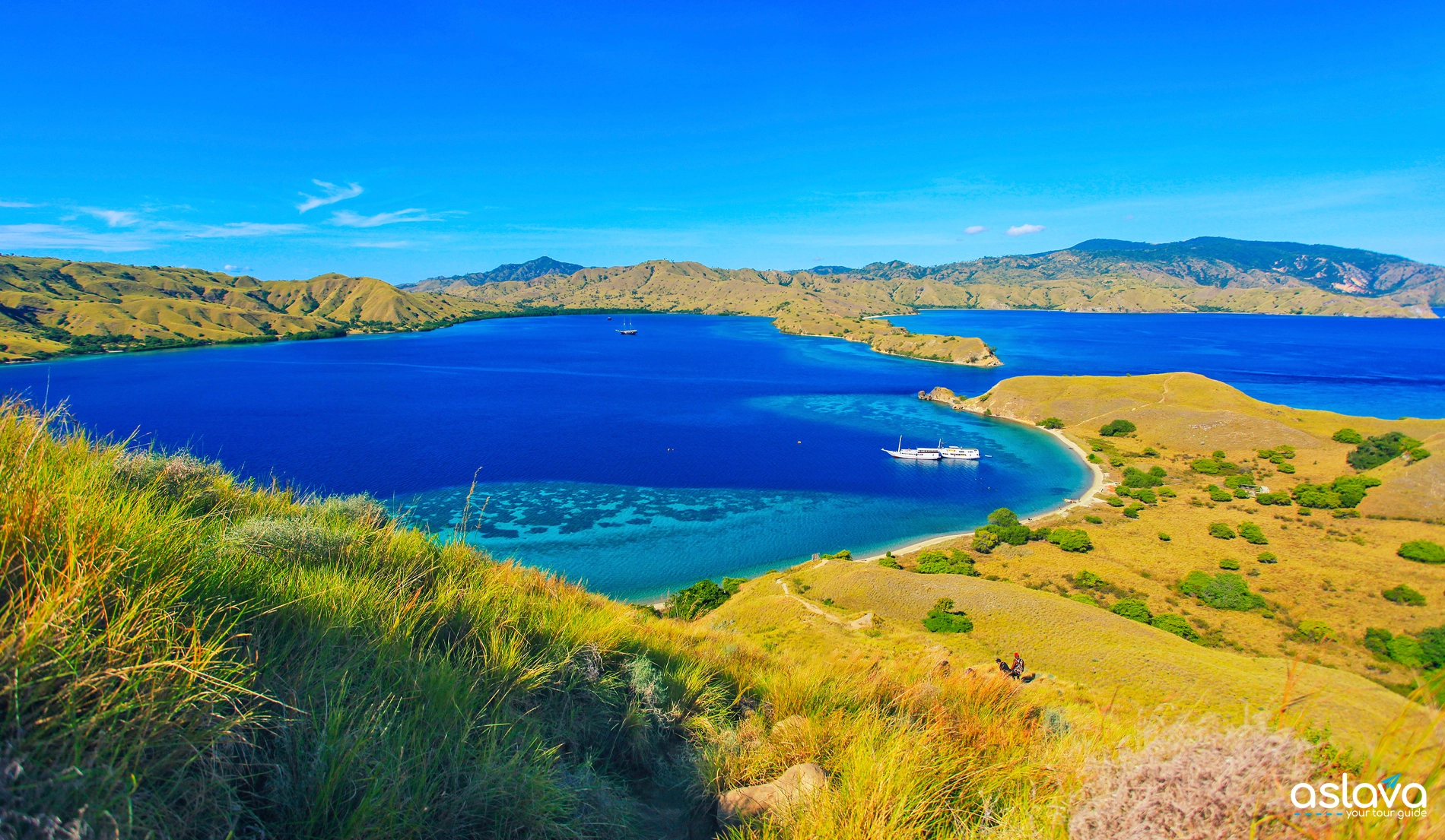
Overview: Lombok vs Gili Islands
When choosing between Lombok and the Gili Islands, understanding their distinct characteristics will help you create your perfect itinerary. Lombok offers diverse landscapes and authentic cultural experiences, while the Gilis provide a laid-back island atmosphere with excellent snorkeling and diving opportunities. However, many travelers find that combining both destinations creates the most rewarding experience.
| Feature | Lombok | Gili Islands |
| Size | Large island (4,738 km²) | Three tiny islands (Gili T: 6 km²) |
| Transportation | Cars, scooters, taxis | No motorized vehicles (walking, bicycles, horse carts) |
| Activities | Hiking, waterfalls, surfing, cultural experiences | Snorkeling, diving, beach relaxation, nightlife |
| Beaches | Diverse beaches, less crowded, great for surfing | White sand beaches, clear waters, excellent for swimming |
| Culture | Rich Sasak culture, traditional villages | Tourist-oriented, international vibe |
| Accommodation | Wide range from luxury resorts to homestays | Beachfront bungalows, mid-range hotels, hostels |
Getting to Lombok and the Gili Islands
Reaching these beautiful destinations is relatively straightforward, with multiple options depending on your starting point. Most travelers arrive via Bali or directly to Lombok International Airport, with connections to the Gili Islands available from both locations.
1. From Bali
The most popular route is taking a fast boat from Bali, which provides a scenic journey across the Lombok Strait. Fast boats depart from several ports in Bali, including Padangbai, Sanur, and Serangan. The journey takes approximately 1.5-2.5 hours depending on sea conditions and your specific destination. Additionally, many fast boat services include hotel transfers in Bali, making the process even more convenient.
For those prone to seasickness, consider taking medication before departure as the crossing can sometimes be rough. Alternatively, you can fly from Bali to Lombok in just 30 minutes and then take a shorter boat ride to the Gilis.
2. Direct to Lombok
Flying directly to Lombok International Airport (LOP) is often the most efficient option. The airport receives flights from Jakarta, Kuala Lumpur, Singapore, and seasonal routes from other international destinations. From the airport, it’s a 1.5-2 hour drive to the Bangsal Harbor, where you can catch a boat to the Gili Islands. Alternatively, head directly to your accommodation in Lombok.
For budget travelers, ferries connect Bali’s Padangbai Harbor to Lembar in Southwest Lombok, though this journey takes 4-5 hours and is less comfortable than flying or taking a fast boat.
3. Between Lombok and the Gili Islands
Public boats run regularly between Bangsal Harbor in Lombok and all three Gili Islands. The journey takes just 15-30 minutes depending on which island you’re visiting. For more flexibility, private boat charters are available but at a higher cost. If you’re staying in the Senggigi area of Lombok, many hotels can arrange boat transfers directly from their beaches to the Gilis.
Exploring Lombok
Lombok offers a diverse landscape of mountains, waterfalls, rice terraces, and pristine beaches. Unlike its more famous neighbor Bali, Lombok maintains a more authentic and less commercialized atmosphere. The island is home to the Sasak people, whose rich cultural traditions can be experienced through village visits, local markets, and traditional crafts.
1. Mount Rinjani
As Indonesia’s second-highest volcano, Mount Rinjani dominates Lombok’s landscape and offers one of the most rewarding trekking experiences in Southeast Asia. The multi-day trek takes you through diverse ecosystems, with the ultimate reward being the stunning crater lake, Segara Anak. While challenging, the views from the summit at 3,726 meters are truly unforgettable. For those seeking a less strenuous option, shorter treks to waterfalls around the base of Rinjani are available.
2. South Lombok Beaches
The southern coast of Lombok is home to some of Indonesia’s most stunning beaches. Kuta Lombok (not to be confused with Kuta Bali) serves as the main hub, with a laid-back surfer vibe and access to numerous nearby beaches. Tanjung Aan offers powdery white sand and crystal-clear waters perfect for swimming. Meanwhile, Selong Belanak provides gentle waves ideal for beginner surfers, and Mawun Beach offers a peaceful crescent-shaped bay surrounded by hills.
For more adventurous travelers, the pink-hued sand of Pink Beach (Pantai Tangsi) makes for a unique experience, though it requires a bit more effort to reach. The south coast is also known for its excellent surfing conditions, with Mawi and Gerupuk offering more challenging waves for experienced surfers.
3. Waterfalls and Nature
Lombok’s interior is dotted with spectacular waterfalls, particularly in the north near Mount Rinjani. Tiu Kelep and Sendang Gile are two of the most accessible and impressive falls, located near the village of Senaru. The journey through lush forests to reach these cascading waters is an experience in itself. In central Lombok, Benang Kelambu and Benang Stokel waterfalls offer refreshing swimming opportunities amid jungle surroundings.
For a different natural experience, the rice terraces of Tetebatu provide a peaceful alternative to Bali’s more famous terraces. Here, you can walk through traditional farming communities with Mount Rinjani as your backdrop. The area is also home to monkey forests and traditional Sasak villages where age-old crafts like weaving are still practiced.
4. Sasak Culture
Immersing yourself in Lombok’s indigenous Sasak culture offers a fascinating contrast to Bali’s Hindu traditions. Visit traditional Sasak villages like Sade or Ende near Kuta to see distinctive bamboo houses with buffalo-dung floors (which are surprisingly clean and serve as natural insect repellent). The villages of Sukarara and Pringgasela are known for their traditional hand-woven textiles, where you can watch artisans at work and purchase authentic souvenirs.
Lombok’s religious heritage is predominantly Muslim, though it’s practiced with unique local traditions. The Pura Lingsar temple complex demonstrates the island’s religious harmony, with sections dedicated to both Islam and Hinduism. For a taste of local life, visit the bustling markets in Mataram, particularly Cakranegara, where you can sample local delicacies and observe everyday Sasak life.
The Gili Islands Experience
The Gili Islands consist of three small islands: Gili Trawangan (the largest and most developed), Gili Meno (the quietest and most romantic), and Gili Air (offering a balance between the other two). What makes these islands special is their no-motorized-vehicle policy – transportation is limited to bicycles, horse carts (cidomos), or simply walking. This creates a refreshingly peaceful atmosphere compared to other popular tourist destinations.
1. Gili Trawangan
Known as “Gili T,” this is the most developed and lively of the three islands. The east side features a strip of restaurants, bars, and dive shops, while the west side offers spectacular sunset views of Bali’s Mount Agung. Despite its party reputation, Gili T has plenty of quiet spots and family-friendly activities. The island can be circumnavigated on foot in about 2 hours or by bicycle in less time.
Don’t miss the night market near the main harbor for delicious and affordable local food. For the best snorkeling directly from shore, head to the northern part of the island where you’re likely to encounter sea turtles.
2. Gili Air
Gili Air strikes the perfect balance between development and tranquility. The island has a good selection of accommodations and restaurants without feeling overcrowded. The local population is more evident here than on Gili T, giving it a more authentic feel. The island’s perimeter can be walked in about 90 minutes, with the eastern side offering views toward Lombok and Mount Rinjani.
Gili Air has excellent snorkeling opportunities right off its beaches, particularly on the northeast side. The island also hosts several yoga retreats and cooking classes for those looking to enrich their stay with activities beyond beach time.
3. Gili Meno
The smallest and quietest of the three islands, Gili Meno is perfect for honeymooners and those seeking true relaxation. With fewer accommodation options and restaurants, the island never feels crowded. Its beaches are arguably the most pristine, and the Bird Park and Salt Lake add interesting natural attractions beyond the beaches.
Gili Meno is home to the famous underwater sculpture “Nest” by Jason deCaires Taylor, which has become a popular snorkeling and diving site. The island also houses a turtle sanctuary where you can learn about conservation efforts and sometimes witness baby turtles being released into the sea.
4. Snorkeling and Diving
The Gili Islands are renowned for their marine life, with sea turtles being the star attraction. Snorkeling is possible directly from the beaches, particularly on the northeast sides of each island. For the best experience, join a snorkeling boat trip that visits multiple spots around all three islands. These typically include the underwater sculpture, turtle points, and vibrant coral gardens.
For diving enthusiasts, all three islands have professional dive centers offering courses and guided dives. Popular dive sites include Shark Point, Manta Point, and the Bounty Wreck. The visibility is generally excellent, and besides turtles, you might encounter reef sharks, rays, and a colorful array of tropical fish.
5. Island Life and Activities
Beyond the beaches and underwater attractions, the Gili Islands offer a relaxed pace of life that’s part of their charm. Cycling around the islands gives you a good overview and allows you to find secluded spots away from the main areas. Sunset points on the western sides of each island provide spectacular views, often accompanied by beach bars serving cocktails.
Yoga has become increasingly popular across all three islands, with daily classes available at various centers. For a unique experience, try a cooking class to learn about Indonesian cuisine, or join a subwing adventure – being pulled underwater on a board behind a boat for an exhilarating perspective of the marine environment.
Where to Stay
Both Lombok and the Gili Islands offer a wide range of accommodation options to suit every budget and travel style. Your choice of where to stay will significantly impact your experience, so consider what aspects of your trip are most important to you – beach access, nightlife, quiet surroundings, or cultural immersion.
1. Lombok Accommodation
Lombok’s accommodation is spread across several distinct areas, each offering a different experience. Senggigi, on the west coast, was the island’s original tourist hub and offers a range of hotels from budget to luxury. The area around Kuta in the south has developed rapidly, with boutique hotels and surf lodges catering to the growing number of visitors attracted to the beautiful southern beaches.
For a more luxurious experience, the northwest Sire Beach area houses several high-end resorts with spectacular views toward the Gili Islands. Meanwhile, those looking to connect with nature might prefer staying in the Senaru or Tetebatu areas, where simple guesthouses and eco-lodges provide access to waterfalls and traditional village life.
Recommended Stays in Lombok
- Luxury: Katamaran Resort (Senggigi) – Beachfront luxury with infinity pools
- Mid-range: Ashtari Lombok (Kuta) – Hillside location with panoramic views
- Budget: Rinjani Lodge (Senaru) – Beautiful gardens with views of Mount Rinjani
- Unique: Tetebatu Mountain Lodge – Eco-friendly accommodation in rice fields
2. Gili Islands Accommodation
Each of the Gili Islands has its own accommodation style. Gili Trawangan offers the widest variety, from backpacker hostels to luxury villas. The east side near the harbor is busier and more developed, while the north and west sides offer more peaceful settings with sunset views.
Gili Air has a good mix of mid-range bungalows and boutique resorts spread around the island, with the southeast area being the most developed. Gili Meno, the quietest island, has limited but charming options, including some upscale beachfront resorts perfect for honeymooners seeking seclusion.
Across all three islands, beachfront accommodation commands premium prices, but staying just a short walk inland can offer significant savings. During high season (July-August and December-January), booking in advance is essential as the limited number of rooms fill quickly.
Recommended Stays in the Gilis
- Gili Trawangan: Pondok Santi Estate – Eco-luxury in a coconut plantation
- Gili Air: PinkCoco Gili Air – Stylish beachfront with pink accents
- Gili Meno: Seri Resort – Secluded luxury with private beach access
- Budget Option: Gili Hostel (Gili T) – Social atmosphere with pool
Practical Tips for Travelers
Making the most of your trip to Lombok and the Gili Islands requires some preparation and local knowledge. These practical tips will help you navigate potential challenges and enhance your experience in this beautiful part of Indonesia.
1. Best Time to Visit
The dry season from May to September offers the most reliable weather, with July and August being the busiest months. The shoulder seasons (April-May and September-October) provide a good balance of pleasant weather and fewer crowds. The wet season (November to March) brings occasional heavy rainfall but also lush landscapes and lower prices. Even during the wet season, rain typically falls in short, intense bursts rather than all-day downpours.
2. Money and ATMs
ATMs are widely available in Lombok’s main areas like Senggigi, Kuta, and Mataram. On the Gili Islands, ATMs can be found near the main harbors, but they occasionally run out of cash or malfunction. It’s advisable to bring enough cash from the mainland, particularly if you’re staying on Gili Meno where ATM access is limited. Most established restaurants and hotels accept credit cards, but smaller businesses and local warungs typically operate on a cash-only basis.
3. Internet and Connectivity
Wi-Fi is available at most accommodations and restaurants in tourist areas, though connection speeds can be variable. For more reliable internet access, consider purchasing a local SIM card upon arrival. Telkomsel offers the best coverage across Lombok and the Gilis. Power outages occasionally occur, particularly on the Gili Islands, so it’s wise to keep devices charged when possible.
4. Cultural Considerations
Lombok is predominantly Muslim, while the Gili Islands have a more mixed and tourist-oriented culture. When visiting villages or religious sites in Lombok, dress modestly with shoulders and knees covered. During Ramadan, be respectful of those fasting by avoiding eating, drinking, or smoking in public during daylight hours in more traditional areas. Learning a few basic Indonesian phrases will be greatly appreciated by locals and can enhance your interactions.
5. Health and Safety
Bring basic medications, sunscreen, and insect repellent, as these items can be expensive or limited in selection locally. Tap water is not potable, so stick to bottled water and avoid ice in smaller establishments. The most common health issues are sunburn, dehydration, and minor stomach upsets. For diving or snorkeling, ensure operators follow proper safety protocols and have emergency procedures in place.
6. Environmental Awareness
Both Lombok and especially the Gili Islands face challenges with waste management. Do your part by minimizing plastic use – bring a reusable water bottle that you can refill at water stations available at many hotels and restaurants. Many establishments on the Gilis have banned plastic straws, and eco-initiatives like beach cleanups are common. When snorkeling or diving, avoid touching coral or disturbing marine life.
Sample Itineraries
Planning the perfect trip to Lombok and the Gili Islands depends on your available time and interests. Here are some suggested itineraries to help you make the most of your visit, whether you have just a few days or a couple of weeks to explore.
1. The Quick Escape (5 Days)
Perfect for those with limited time who want to experience the highlights:
- Day 1: Arrive in Lombok, transfer to Senggigi or Kuta area
- Day 2: Explore southern beaches (Tanjung Aan, Selong Belanak)
- Day 3: Transfer to Gili Trawangan
- Day 4: Snorkeling trip around the three Gili Islands
- Day 5: Morning relaxation, afternoon departure
2. The Balanced Adventure (10 Days)
A good mix of culture, nature, and beach time:
- Days 1-2: Kuta Lombok area, exploring southern beaches
- Days 3-4: Central/North Lombok (Tetebatu rice fields, Senaru waterfalls)
- Days 5-7: Gili Trawangan (with day trips to other Gilis)
- Days 8-9: Gili Air for a more relaxed atmosphere
- Day 10: Return to Lombok for departure
3. The Complete Experience (14+ Days)
For those who want to explore in depth:
- Days 1-3: South Lombok beaches and culture
- Days 4-6: Mount Rinjani trek (2-night expedition)
- Day 7: Rest day in Senaru, visit waterfalls
- Days 8-10: Gili Trawangan for activities and nightlife
- Days 11-12: Gili Meno for quiet relaxation
- Days 13-14: Gili Air for a final balanced experience
- Day 15: Return to Lombok or continue to Bali
Conclusion: Lombok or Gili Islands?
The question of whether to visit Lombok or the Gili Islands ultimately comes down to what type of experience you’re seeking. Lombok offers diversity – from mountain trekking to cultural immersion to surfing on pristine beaches. The Gili Islands provide a more concentrated tropical island experience with excellent snorkeling, diving, and a car-free environment that forces you to slow down.
However, the best answer is often “both.” With their proximity and easy connections, combining Lombok and the Gili Islands creates a perfect balance of adventure and relaxation. Start with exploring Lombok’s varied landscapes and authentic culture, then retreat to the Gilis to unwind on white-sand beaches and explore the underwater world.
Whether you choose the rugged beauty of Lombok, the laid-back charm of the Gilis, or a perfect combination of both, this region of Indonesia offers experiences that will stay with you long after your tan has faded. The only real challenge might be forcing yourself to leave when your vacation comes to an end.