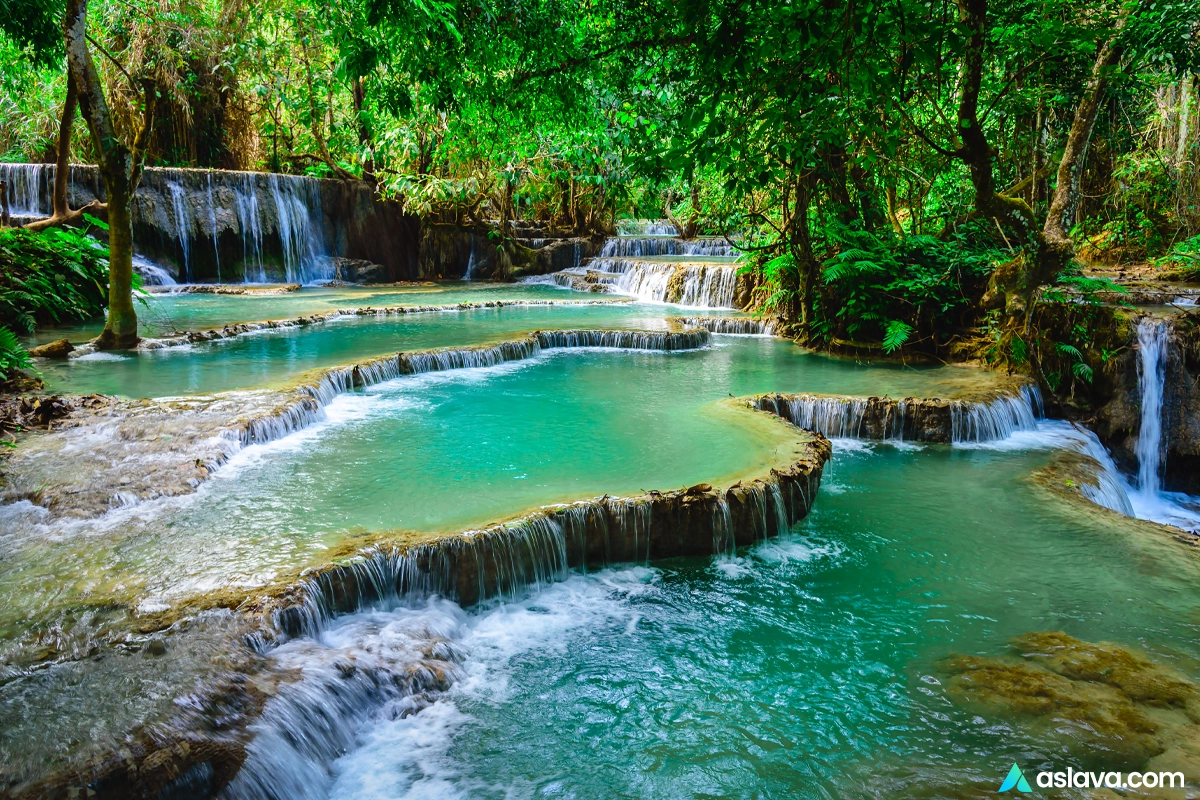
Nestled in the heart of Southeast Asia, Laos remains one of the region’s most enchanting yet underexplored treasures. With its gentle Buddhist culture, stunning mountainous landscapes, and timeless rural villages, this landlocked nation offers travelers an authentic glimpse into traditional Southeast Asian life that’s increasingly hard to find elsewhere. As tourism infrastructure continues to improve while maintaining the country’s unspoiled charm, 2026 promises to be an ideal time to discover the magic of Laos.
The Laos-China Railway has transformed travel in the country, with over 48.6 million passenger trips recorded by early 2025. International arrivals reached 306,876 in September 2025 alone, representing 85% recovery compared to 2019. Laos aims to attract 43 million visitors and generate US$13 billion in tourism revenue by 2030. This comprehensive guide unveils the top 10 Laos travel destinations for 2026, showcasing both iconic landmarks and hidden gems that deserve a spot on your itinerary.
1. Luang Prabang — The Cultural Jewel of Laos
Luang Prabang, a UNESCO World Heritage site since 1995, stands as the undisputed cultural heart of Laos. This ancient royal capital, nestled at the confluence of the Mekong and Nam Khan rivers, captivates visitors with its remarkable preservation of traditional Lao and colonial architecture, spiritual significance, and tranquil atmosphere.
Key Attractions
-
Wat Xieng Thong — the city’s most magnificent temple with intricate mosaics and carvings
-
Mount Phousi — offering 360-degree panoramic views of the city and surrounding mountains
-
Royal Palace Museum (Haw Kham) — housing royal artifacts and the sacred Phra Bang Buddha
-
Kuang Si Waterfalls — multi-tiered turquoise cascades in a jungle setting with Tat Kuang Si Bear Rescue Centre
-
Traditional Arts and Ethnology Centre — showcasing Laos’ diverse ethnic cultures
-
Pak Ou Caves — sacred caves filled with thousands of Buddha statues
Recommended Activities
Rise before dawn to witness the sacred alms-giving ceremony, where hundreds of saffron-robed monks collect their daily meals from devoted locals. Explore the vibrant night market along Sisavangvong Road, where Hmong artisans sell exquisite textiles, silverwork, and handicrafts.
For a deeper cultural immersion, join a traditional Lao cooking class to master local specialties like laap (minced meat salad) and sticky rice. Take a peaceful sunset river cruise along the Mekong, or visit the stunning Kuang Si Waterfalls where you can swim in the cool turquoise pools.
Getting There
The Laos-China Railway now connects Luang Prabang directly to Vientiane and onward to China, dramatically reducing travel times. Luang Prabang International Airport also accepts e-Visa arrivals.
2. Vang Vieng — Adventure Paradise Reimagined
Once notorious for its wild backpacker scene, Vang Vieng has successfully transformed into a sustainable adventure destination showcasing the spectacular natural beauty of central Laos. Set against a backdrop of dramatic limestone karsts and the gentle Nam Song River, this revitalized town is currently under evaluation for the ASEAN Clean Tourist City Award 2026.
Key Attractions
-
Blue Lagoon — crystal-clear swimming holes with rope swings and zip lines
-
Tham Nam (Water Cave) — explorable by inner tube with headlamps
-
Tham Phu Kham — cave complex housing a bronze Buddha statue
-
Hot air balloon rides — offering breathtaking aerial views of the karst landscape
-
Kaeng Nyui Waterfall — newly enhanced access routes and facilities
-
Nam Song River — perfect for kayaking and tubing adventures
Recommended Activities
Embark on a guided kayaking or tubing adventure down the Nam Song River, where you can appreciate the towering limestone formations at a leisurely pace. For the more adventurous, rock climbing on the karst cliffs offers both challenges and spectacular views.
Mountain biking through the surrounding villages provides insight into rural Lao life while zip-lining courses deliver an adrenaline rush with panoramic vistas. Don’t miss the sunset viewpoint hikes for unforgettable photo opportunities of the valley bathed in golden light.
2026 Updates
Vang Vieng achieved a 70 percent score in its ASEAN Clean Tourist City evaluation, with improvements across tourist attractions, hotels, restaurants, waste management, and environmental protection. The Vang Vieng Tourism Master Plan 2025-2035 has been officially unveiled, guiding sustainable development.
3. Si Phan Don (4000 Islands) — Mekong River Paradise
In the southernmost reaches of Laos, where the mighty Mekong River widens to create a maze of islands, channels, and waterfalls, lies the tranquil archipelago of Si Phan Don — literally “4000 Islands.” This peaceful region offers a glimpse into riverside life that has remained largely unchanged for generations.
Key Attractions
-
Don Det and Don Khon — the most popular islands with rustic guesthouses and restaurants
-
Khone Phapheng Falls — Southeast Asia’s largest waterfall by volume
-
Li Phi Falls (Somphamit Falls) — powerful rapids with viewing platforms
-
Irrawaddy dolphins — rare opportunity to spot these endangered freshwater mammals
-
French colonial infrastructure — including an old railway bridge from the early 1900s
-
Khon Pa Soi Falls — beautiful waterfall on Don Po Soi island
Recommended Activities
Rent a bicycle to explore the connected islands of Don Det and Don Khon at a leisurely pace, crossing the old French bridge and discovering hidden beaches and fishing villages. Join a sunset boat tour for a chance to spot the elusive Irrawaddy dolphins that inhabit this stretch of the Mekong.
For a deeper cultural experience, visit local villages on the less-frequented islands where traditional fishing and farming practices continue. The area’s laid-back atmosphere also makes it perfect for simply relaxing in a riverside hammock with a good book and breathtaking views.
4. Vientiane — The Charming Capital
Unlike the frenetic capitals of neighboring countries, Vientiane moves at a refreshingly unhurried pace. Situated along a bend in the Mekong River facing Thailand, Laos’ capital blends French colonial architecture with Buddhist temples and modern developments, creating a unique atmosphere that’s both relaxed and culturally rich.
Key Attractions
-
Pha That Luang — golden stupa considered the most important national monument
-
Patuxai Victory Monument — Laos’ version of the Arc de Triomphe with viewing platform
-
Buddha Park (Xieng Khuan) — sculpture garden with over 200 Hindu and Buddhist statues
-
COPE Visitor Centre — educational exhibit about Laos’ UXO challenge
-
Vientiane Night Market — riverside market with food, crafts, and clothing
Recommended Activities
Begin your exploration at the magnificent Pha That Luang, especially beautiful in the morning light, before visiting the nearby Patuxai Monument for city views from its upper platform. Take a tuk-tuk to Buddha Park, located about 25km outside the city, where you can marvel at the eccentric collection of massive concrete sculptures.
As evening approaches, join locals for a sunset stroll along the Mekong Riverfront promenade, then sample authentic Lao cuisine at one of the capital’s excellent restaurants. Don’t miss experiencing a traditional Lao herbal sauna followed by a massage — the perfect way to rejuvenate after sightseeing.
Gateway to Laos
Vientiane serves as the main entry point via Wattay International Airport and the Khamsavath Railway Station on the Laos-China Railway. The city is also connected to Thailand via the Lao-Thai Friendship Bridge I.
5. Plain of Jars — Ancient Mystery in Xieng Khouang
The enigmatic Plain of Jars in Xieng Khouang Province represents one of Southeast Asia’s most intriguing archaeological mysteries. Designated as a UNESCO World Heritage Site in 2019, this fascinating destination features more than 2,100 tubular-shaped megalithic stone jars used for funerary practices dating from 500 BCE to 500 CE.
Key Attractions
-
Site 1 (Thong Hai Hin) — the largest and most accessible collection with over 300 jars
-
Site 2 (Hai Hin Phu Salato) — featuring jars on a scenic hilltop with panoramic views
-
Site 3 (Hai Hin Laat Khai) — smaller but more atmospheric site set in a forested area
-
UXO Information Centre in Phonsavan — educational exhibits about the region’s war history
-
Mulberries Silk Farm — showcasing traditional Lao silk production
Recommended Activities
Hire a local guide to fully appreciate the historical significance and theories surrounding the mysterious jars, believed to be 2,000-3,000 years old. The jars vary in height between 1 to 3 meters and weigh up to several tons.
In the provincial capital of Phonsavan, learn about the region’s tragic wartime history at the UXO Information Centre. For cultural insights, visit local Hmong and Tai Dam villages where traditional weaving and agricultural practices continue.
Getting There
Fly from Vientiane with Lao Airlines for the most convenient access. The road journey from Luang Prabang takes approximately eight hours through mountainous terrain.
6. Champasak and Wat Phou — Ancient Khmer Splendor
In the languid southern province of Champasak, the magnificent ruins of Wat Phou stand as a testament to the once-mighty Khmer Empire. This UNESCO World Heritage Site, designated in 2001, predates Angkor Wat by at least 200 years and offers a less crowded but equally impressive alternative.
Key Attractions
-
Wat Phou Temple Complex — ancient Khmer ruins dating to the 5th century with impressive carvings
-
Champasak Town — sleepy riverside settlement with French colonial buildings
-
Don Daeng Island — traditional rural island in the Mekong with village homestays
-
Bolaven Plateau — nearby highland region famous for waterfalls and coffee plantations
-
Vat Phou Festival — annual celebration in February with traditional performances
Recommended Activities
Arrive at Wat Phou early in the morning to explore the ancient temple complex before the heat of the day. The site features a long processional causeway leading to pavilions and sanctuaries inlaid with carvings of deities and kings.
Stay in the charming town of Champasak, where you can cycle along the riverfront past old French colonial buildings. For an authentic cultural experience, arrange a homestay on Don Daeng Island.
Vat Phou Festival 2026
The next Vat Phou Festival will take place in early March 2026, featuring traditional performances, fireworks, candlelight processions, elephant racing, and a village market showcasing local products.
7. Nong Khiaw — Dramatic Limestone Landscapes
Nestled along the Nam Ou River and surrounded by towering limestone mountains, Nong Khiaw offers some of northern Laos’ most spectacular scenery. This small riverside town has developed just enough to provide comfortable accommodations while maintaining its authentic charm.
Key Attractions
-
Pha Daeng Peak — viewpoint offering 360-degree vistas of the surrounding landscape
-
100 Waterfalls Trek — unique hiking experience ascending alongside cascading water
-
Tham Pha Thok Caves — former shelter for villagers during the Secret War
-
Nam Ou River — scenic waterway perfect for kayaking and boat trips
-
Muang Ngoi Neua — even more remote village accessible only by boat
Recommended Activities
Challenge yourself with the steep one-hour climb to Pha Daeng Peak for sunrise or sunset views that will take your breath away. Join a guided trek to the famous 100 Waterfalls, where you’ll hike directly up a series of cascades through lush jungle.
Rent a kayak to explore the Nam Ou River at your own pace, stopping at sandy beaches and visiting riverside villages. For a deeper cultural experience, take a boat to Muang Ngoi Neua and arrange a homestay in one of the surrounding villages.
8. Phongsali — Remote Northern Highlands
Tucked away in Laos’ northernmost province bordering China and Vietnam, Phongsali offers intrepid travelers a glimpse into one of the country’s most remote and culturally diverse regions. Home to over 28 ethnic groups, including the Akha, Yao, and Lao Loum, this mountainous area provides authentic cultural experiences far from the standard tourist trail.
Key Attractions
-
Phongsali Old Quarter — Chinese-influenced architecture with 400-year-old wooden buildings
-
Phou Fa Temple — hilltop Buddhist site with panoramic views
-
Ethnic minority villages — authentic settlements of Akha, Yao, and other groups
-
Tea plantations — ancient tea forests producing prized Phongsali tea
-
Nam Ou River — upper reaches offering pristine natural scenery
Recommended Activities
Explore the unique Chinese-influenced Old Quarter of Phongsali town, where centuries-old wooden buildings create an atmosphere unlike anywhere else in Laos. Hike to remote ethnic minority villages with a local guide who can facilitate respectful cultural exchanges.
Visit the ancient tea forests where 400-year-old tea trees produce some of Asia’s most prized tea — participate in picking, processing, and tasting sessions with local tea experts. For the adventurous, multi-day trekking expeditions offer opportunities to stay in different ethnic villages.
9. Thakhek Loop — Motorcycle Adventure Through Karst Country
The Thakhek Loop has emerged as one of Southeast Asia’s most rewarding motorcycle adventures, taking riders on a 450-kilometer circuit through the spectacular karst landscapes and rural villages of Khammouane Province in central Laos.
Key Attractions
-
Konglor Cave — 7.5km underground river passage through a mountain
-
Tham Nang Aen Cave — illuminated cavern with colorful lighting
-
Buddha Cave (Tham Pha Pu) — spiritual site where a Buddha image was discovered
-
Tha Falang — natural swimming spot with crystal clear spring water
-
Nahin and Laksao — rural towns offering glimpses into authentic Lao country life
Recommended Activities
Rent a motorcycle in Thakhek town and embark on the loop at your own pace, typically taking 3-4 days to complete the circuit. The undisputed highlight is Konglor Cave, where you’ll travel by longtail boat through one of the world’s most impressive cave systems, emerging into a hidden valley on the other side.
Cool off with a swim at the Blue Lagoon or Tha Falang, where crystal-clear waters provide perfect refreshment after riding. Stay in simple guesthouses in small towns along the route, where you can connect with fellow travelers and local residents.
10. Bokeo Nature Reserve — The Gibbon Experience
In the dense jungles of northwestern Laos, the Bokeo Nature Reserve offers one of Southeast Asia’s most unique eco-tourism experiences. The famous Gibbon Experience combines conservation, adventure, and community development by allowing visitors to stay in the world’s highest treehouses and zip-line through pristine forest canopies in search of the rare black-crested gibbon.
Key Attractions
-
Canopy treehouses — architectural marvels perched up to 40 meters above the forest floor
-
Zip-line network — thrilling transportation system spanning valleys and ridges, some over 500 meters long
-
Black-crested gibbons — rare opportunity to spot or hear these endangered primates
-
Primary rainforest — one of the few remaining pristine jungle ecosystems in the region
-
Diverse wildlife — including hornbills, barking deer, and countless bird species
Recommended Activities
Book a 2-3 day Gibbon Experience package that includes guided hikes through the jungle, overnight stays in spectacular treehouses, and unlimited access to the zip-line network. Wake before dawn to the haunting songs of gibbons echoing through the forest — your best chance to spot these elusive primates.
Meals are cooked in a nearby village and delivered to treehouses via zipline. The pineapple jam cookies are particularly popular among visitors.
2026 Season
A new “Escape” tour is being offered as a limited-season experience from December 2025 to March 2026. The Classic tour remains the best option to see or hear gibbons, with one to two hours of reasonably hilly access walk.
Essential Travel Tips for Laos 2026
Best Time to Visit
The ideal time to visit Laos is during the dry season from November to April, when rainfall is minimal and temperatures are more moderate.
| Season | Months | Best For |
|---|---|---|
| Cool Dry Season | November – February | Temple exploration, trekking, most comfortable weather |
| Hot Dry Season | March – May | Water activities, waterfalls (can exceed 35°C) |
| Wet Season | June – October | Lush landscapes, fewer tourists, occasional afternoon showers |
For the Gibbon Experience, visit between November and May for the best chance to hear gibbon songs and spot them.
Visa Requirements for 2026
| Visa Type | Cost | Duration | Processing |
|---|---|---|---|
| e-Visa | ~$50 USD | 30 days | 3 working days |
| Visa on Arrival | $30-45 USD | 30 days | At airports/borders |
| ASEAN Nationals | Visa-free | 14-30 days | Varies by country |
| Japan, South Korea, Russia, Switzerland | Visa-free | Up to 15 days |
Important Requirements:
-
Passport valid for at least 6 months beyond arrival date
-
Passport-sized photo (4×6 cm) for e-Visa application
-
e-Visa available at designated ports including Wattay International Airport, Luang Prabang Airport, Pakse Airport, and railway stations
Transportation Updates for 2026
The Laos-China Railway has revolutionized travel in Laos:
-
Daily service from Kunming (China) to Vientiane via Boten, Luang Prabang, and Vang Vieng
-
Total journey: approximately 10 hours for the full 1,035 km route
-
Maximum speed: 160 km/h with modern, comfortable amenities
-
Over 15 million passengers transported in 2025 alone
Additional options include:
-
Domestic flights connecting Vientiane, Luang Prabang, Pakse, and Phonsavan
-
VIP buses for longer journeys between cities
-
Motorcycle rentals (international license required)
-
River travel along the Mekong
Is Laos safe for travelers in 2026?
Laos is generally considered a safe country for travelers, with low rates of violent crime. The Lao people are known for their friendliness and hospitality. The main safety concerns include:
-
Road safety — particularly on mountain roads
-
Water safety — when swimming in rivers
-
UXO (Unexploded Ordnance) — always stick to marked paths when hiking in rural regions, especially around the Plain of Jars
Healthcare facilities are limited outside major cities, so comprehensive travel insurance including medical evacuation coverage is essential.
Currency and Money
The official currency is the Lao Kip (LAK), but Thai Baht and US Dollars are widely accepted in tourist areas. ATMs are available in major towns and cities but can be scarce in rural areas.
-
Carry sufficient cash when venturing to remote destinations
-
Credit cards accepted at upscale hotels and restaurants in tourist centers
-
Break larger bills when possible as small businesses may struggle with change
Cultural Etiquette
-
Dress modestly when visiting temples or villages (cover shoulders and knees)
-
Remove shoes before entering temples, homes, and some businesses
-
Ask permission before photographing people, especially in rural communities
-
Avoid touching anyone’s head, as it’s considered the most sacred part of the body
-
Use both hands when giving or receiving items from Lao people
Essential Lao Phrases
| English | Lao | Pronunciation |
|---|---|---|
| Hello | ສະບາຍດີ | Sabaidee (sa-bai-dee) |
| Thank you | ຂອບໃຈ | Khop jai (kop-jai) |
| How much? | ເທົ່າໃດ | Thao dai? (tao-dai) |
| Delicious | ແຊບ | Saep (sep) |
| Goodbye | ລາກ່ອນ | La gon (la-gon) |
Embrace the Authentic Spirit of Laos in 2026
As Southeast Asia continues to evolve, Laos stands apart as a destination that has managed to preserve its authentic character and unhurried pace of life. Significantly, the country is quietly evolving — in 2026, you’ll find more sustainable homestays, organic farms, and curated cultural experiences than ever before.
Diverse Experiences Across the Country
From the spiritual richness of Luang Prabang to the adventure playgrounds of Vang Vieng and the Thakhek Loop, Laos offers a remarkable diversity of experiences. Additionally, the archaeological mysteries of the Plain of Jars and the serene island life of Si Phan Don showcase the country’s incredible variety. Furthermore, the Laos-China Railway has opened up new possibilities, with cargo volumes reaching a record 4.506 million tonnes in the first ten months of 2025. As a result, transport costs for exports have fallen by as much as 40 percent.
Infrastructure Growth With Cultural Preservation
What makes 2026 particularly special for visiting Laos is the continued improvement in infrastructure without the overdevelopment that has affected some neighboring countries. Indeed, Vientiane Province alone welcomed over 1.5 million tourist visits in the first nine months of 2025. Moreover, new eco-lodges, community-based tourism initiatives, and improved transportation options are making the country more accessible. Consequently, visitors can now experience enhanced comfort while maintaining the cultural integrity and natural beauty that make Laos so special.
Timeless Memories Await
As you plan your Laos adventure, remember that this is a land where time moves at its own gentle pace. Notably, ancient temples stand in quiet dignity alongside rushing waterfalls, and the warmth of local hospitality creates memories that last a lifetime. Whether you’re seeking spiritual enrichment, adventure thrills, or simply a peaceful retreat from the modern world, Laos offers experiences that will linger in your memory long after you’ve returned home.