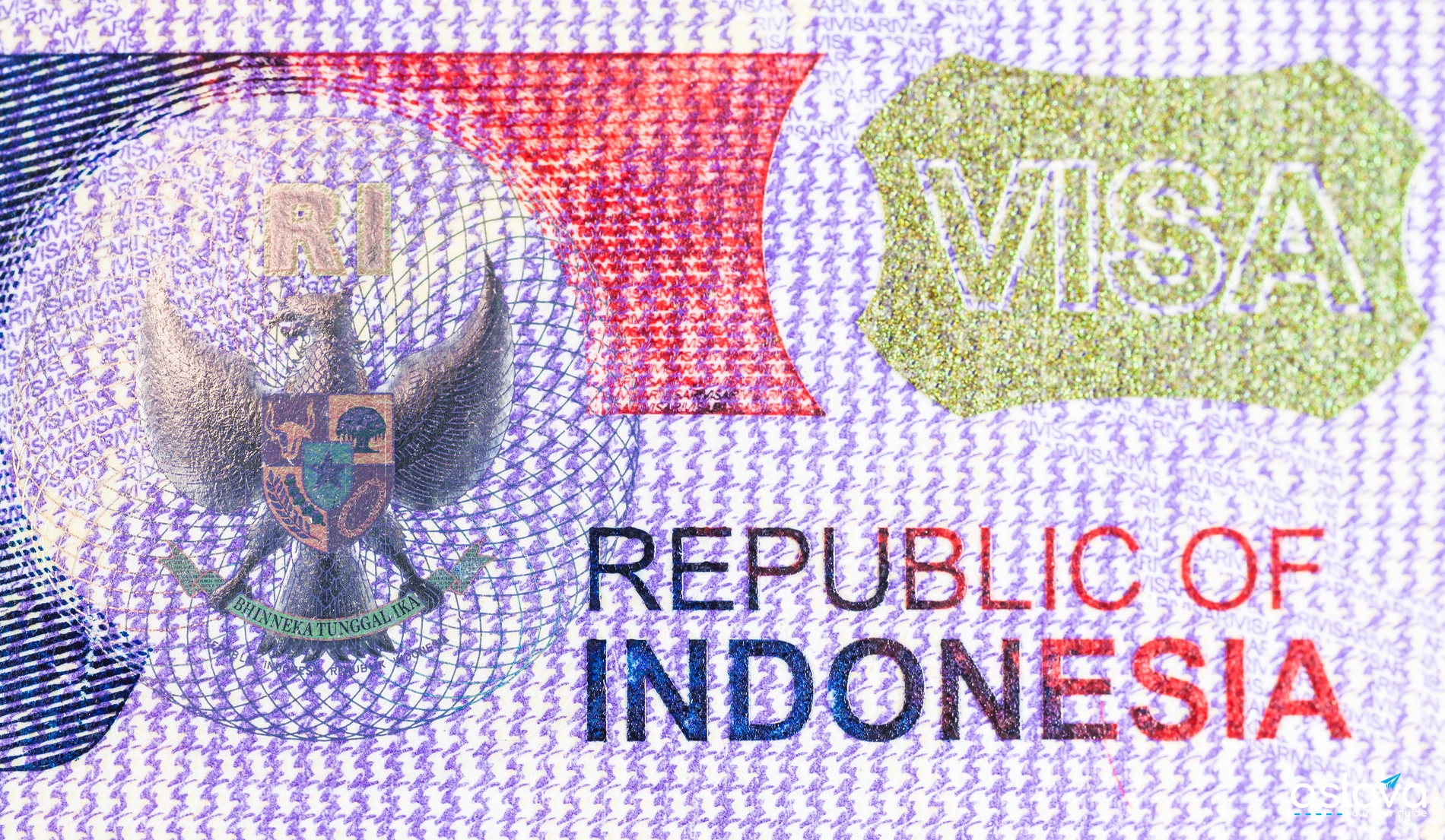
Types of Indonesia Visas in 2026
Indonesia’s visa system has been streamlined for 2026, offering several options based on your travel purpose and nationality. Understanding which visa type suits your needs is the first step toward a successful application. Each visa category comes with specific eligibility criteria, validity periods, and application procedures.
1. B1 Tourist Visa (Visa on Arrival)
The B1 Tourist Visa, commonly known as Visa on Arrival (VoA) or e-VoA, is the most popular option for tourists visiting Indonesia. This visa allows for a 30-day stay and can be extended once for an additional 30 days, giving you a maximum stay of 60 days.
The B1 visa is designed for tourism activities, visiting friends or family, attending conferences as a participant, or traveling on a yacht in Indonesian waters. In 2026, this visa can be obtained either online before arrival or upon arrival at designated entry points.
Advantages
- Quick processing time (same-day approval for online applications)
- Can be extended once for an additional 30 days
- Available to citizens of 95+ countries
- Option to apply online or upon arrival
- Allows use of e-Gates at major airports when obtained online
Limitations
- Maximum stay limited to 60 days total (with extension)
- Single-entry only
- Cannot be converted to another visa type while in Indonesia
- Not suitable for work or business activities
- Must leave the country after expiration
2. B2 Business Visa
The B2 Business Visa is ideal for travelers engaging in business-related activities in Indonesia without formal employment. This visa allows for business meetings, negotiations, signing contracts, or checking goods at offices or factories.
Like the tourist visa, the B2 visa initially grants a 30-day stay and can be extended once for an additional 30 days. For 2026, Indonesia has simplified the business visa application process, making it more accessible for international business travelers.
The B2 visa allows you to engage in business discussions, attend trade shows, and explore potential business opportunities. However, it does not permit formal employment or receiving a salary from an Indonesian company.
3. C1 (211A) Visit Visa
For travelers planning a longer stay in Indonesia, the C1 Visit Visa (formerly known as 211A) is an excellent option. This visa grants an initial 60-day stay and can be extended up to two times, each for 60 days, allowing for a maximum stay of 180 days.
The C1 visa is suitable for various purposes, including extended tourism, visiting family, social activities, or short-term business engagements. Unlike the B-type visas, the C1 visa must be applied for before arriving in Indonesia, typically through an Indonesian embassy or consulate.
In 2026, the application process for C1 visas has been streamlined, with more options for online submission of supporting documents. This visa provides greater flexibility for travelers who need more time to explore Indonesia’s diverse islands and cultures.
4. Multiple Entry Business Visa
For frequent travelers to Indonesia, the Multiple Entry Business Visa offers convenience and flexibility. Valid for up to one year, this visa allows multiple entries into Indonesia, with each stay limited to 60 days.
This visa is particularly valuable for business professionals who need to make regular trips to Indonesia throughout the year. The application requires more documentation than single-entry visas, including a letter of recommendation from an Indonesian company or organization.
For 2026, Indonesia has expanded the eligibility criteria for multiple-entry visas, making them accessible to more nationalities and business sectors. The processing time typically ranges from 3-5 working days, depending on the embassy or consulate.
5. Work and Residence Permits
If you plan to work in Indonesia, you’ll need appropriate work authorization. The main work visa categories include:
- KITAS (Temporary Stay Permit): For foreign workers employed by Indonesian companies, valid for 6-12 months and renewable
- KITAP (Permanent Stay Permit): Available after holding KITAS for several years, valid for 5 years
- Working Holiday Visa: Available for citizens of certain countries, allowing limited work while traveling
In 2026, Indonesia has implemented digital processing for work permits, reducing processing times and paperwork. Work visas must be arranged through an Indonesian sponsor company, which handles most of the application process.
Indonesia Visa Requirements for 2026
The documentation required for your Indonesia visa application varies depending on the visa type and your nationality. However, certain core requirements apply to most visa categories. Ensuring you have all necessary documents ready before applying will help avoid delays or rejections.
1. Basic Documentation Requirements
Regardless of visa type, these fundamental documents are required for most Indonesia visa applications:
- Valid passport with at least 6 months validity from your planned date of entry to Indonesia
- Recent passport-sized photographs (typically 4x6cm with white background)
- Completed visa application form (online or physical, depending on application method)
- Proof of payment for visa fees
- Return or onward ticket showing your planned departure from Indonesia
- Proof of accommodation in Indonesia (hotel reservations or invitation letter)
- Proof of sufficient funds to support your stay (bank statements or credit cards)
2. Additional Requirements by Visa Type
Beyond the basic requirements, additional documentation may be needed based on your visa category:
B1 Tourist Visa (Visa on Arrival):
- Valid credit card or cash (USD, EUR, GBP) for payment upon arrival if not pre-applied online
- Completed arrival card (can be filled out on the plane or upon arrival)
B2 Business Visa:
- Letter of invitation from an Indonesian company or organization
- Company registration documents of the inviting organization
- Letter from your employer stating the purpose of your visit
- Detailed business itinerary for your stay in Indonesia
C1 (211A) Visit Visa:
- Sponsor letter from an Indonesian citizen or organization
- Copy of sponsor’s ID card (KTP) or company registration
- Detailed itinerary of your planned activities in Indonesia
- Proof of financial means to support an extended stay
Work Permits (KITAS):
- Employment contract with an Indonesian company
- Educational certificates and professional qualifications
- CV/resume detailing work experience
- Tax identification number from your home country
- Medical certificate from an approved healthcare provider
3. Requirements for Children Under 18
When traveling with minors to Indonesia, additional documentation is required to ensure child safety:
- Birth certificate of the child (notarized copy)
- Parental consent letter if the child is traveling with only one parent or with neither parent (must be notarized)
- Copies of both parents’ passports and identification documents
- Legal guardianship documents if applicable
For 2026, Indonesia has strengthened its requirements for minors traveling to the country, so ensure all documentation is properly prepared to avoid entry issues.
4. Visa-Exempt Countries
Citizens of certain countries can enter Indonesia without applying for a visa in advance. As of 2026, nationals of these countries can receive visa-free entry for stays up to 30 days:
- Brunei Darussalam
- Cambodia
- Colombia
- East Timor
- Hong Kong
- Laos
- Macao
- Malaysia
- Myanmar
- Philippines
- Singapore
- Thailand
- Vietnam
This visa-free entry cannot be extended, and you must leave Indonesia before the 30-day period expires. If you plan to stay longer, you should apply for an appropriate visa before arrival.
Indonesia Visa Application Process
The application process for an Indonesia visa has been modernized for 2026, with more digital options available. Depending on your visa type and nationality, you can choose from several application methods. Understanding the process will help ensure a smooth experience.
1. Online Application for e-Visas
For B1 Tourist and B2 Business visas, Indonesia offers a convenient electronic visa (e-Visa) system. This process allows you to apply and receive approval before your trip:
- Create an account on the official Indonesian Immigration website or authorized visa service
- Complete the online application form with your personal and travel details
- Upload required documents including passport scan, photo, and supporting materials
- Pay the visa fee using a credit/debit card or other accepted payment methods
- Receive visa approval via email, typically within 1-3 business days
- Print your e-Visa confirmation to present upon arrival in Indonesia
The e-Visa system has been enhanced for 2026, with improved user interface and faster processing times. Using the e-Visa also allows access to dedicated e-Gates at major Indonesian airports, significantly reducing immigration processing time.
2. Visa on Arrival Process
If you’re eligible for a B1 Tourist Visa and haven’t applied online, you can obtain a Visa on Arrival at designated entry points:
- Locate the Visa on Arrival counter at your port of entry (before immigration)
- Complete the application form provided at the counter
- Present your passport and return ticket
- Pay the visa fee (IDR 500,000 or approximately USD 35 as of 2026)
- Receive your visa sticker in your passport
- Proceed to regular immigration for entry processing
While convenient, this method typically involves longer waiting times compared to the e-Visa option. Additionally, Visa on Arrival obtained at entry points does not allow access to e-Gates.
3. Embassy/Consulate Application
For C1 Visit Visas, Multiple Entry Visas, and Work Permits, applications must be submitted through Indonesian diplomatic missions:
- Contact the nearest Indonesian Embassy or Consulate to confirm specific requirements
- Gather all required documents based on visa type
- Complete the visa application form (available online or at the embassy)
- Schedule an appointment if required by your local embassy
- Submit your application and documents in person or through an authorized representative
- Pay the visa fee as specified by the embassy
- Wait for processing (typically 3-7 business days)
- Collect your passport with visa once approved
For 2026, many Indonesian embassies have implemented partial online submission systems, allowing you to upload documents before your appointment, streamlining the process.
4. Visa Extension Process
If you’re in Indonesia on a B1 Tourist or B2 Business visa and wish to extend your stay, you can apply for a one-time extension:
- Visit the local immigration office (Kantor Imigrasi) in your area at least 7 days before your visa expires
- Complete the extension application form
- Submit required documents including your passport, initial visa, proof of accommodation, and passport photos
- Pay the extension fee (approximately IDR 500,000 as of 2026)
- Provide biometric data (fingerprints and photo)
- Collect your passport with the visa extension (typically after 2-4 working days)
Starting June 2026, all foreigners must visit the local immigration office in person to extend any visa or stay permit, as mandated by new regulations. While visa agents can assist with the process, at least one visit to the immigration office for biometrics is required.
Indonesia Visa Fees and Processing Times
Understanding the costs and processing timeframes for Indonesia visas helps you plan your application effectively. Fees vary based on visa type, nationality, and application method. For 2026, Indonesia has standardized many of its visa fees while improving processing efficiency.
| Visa Type | Standard Fee (2026) | Processing Time | Validity | Extensions Allowed |
| B1 Tourist Visa (e-VoA) | IDR 500,000 (≈USD 35) | Same day to 3 days | 30 days | One (30 days) |
| B2 Business Visa | IDR 500,000 (≈USD 35) | Same day to 3 days | 30 days | One (30 days) |
| C1 Visit Visa (211A) | IDR 800,000 (≈USD 55) | 3-5 business days | 60 days | Two (60 days each) |
| Multiple Entry Business | IDR 7,000,000 (≈USD 490) | 10-14 business days | 12 months | None (new application required) |
| Visa Extension (in-country) | IDR 500,000 (≈USD 35) | 2-4 business days | 30-60 days (depends on visa type) | Varies by visa type |
Note: Additional service fees may apply when using visa agencies or expedited services. Currency exchange rates are approximate and may fluctuate. Always check the latest fees with official sources before applying.
1. Payment Methods
Indonesia offers several payment options for visa fees in 2026:
- Online payments: Credit/debit cards (Visa, Mastercard, JCB) for e-Visa applications
- At entry points: Cash (IDR, USD, EUR, GBP) or credit cards for Visa on Arrival
- At embassies/consulates: Payment methods vary by location (typically cash, bank transfer, or credit card)
For 2026, Indonesia has expanded digital payment options, including mobile payment platforms at major entry points. However, it’s advisable to have cash available as a backup, especially at smaller ports of entry.
2. Expedited Processing
If you need your visa urgently, expedited processing options are available:
- E-Visa priority processing: Available for an additional fee (typically IDR 300,000)
- Embassy expedited service: Available at some diplomatic missions for urgent cases
- Visa agency expedited services: Private agencies can offer faster processing for additional fees
While standard processing times are generally sufficient for most travelers, expedited options provide peace of mind for last-minute trips or urgent business travel.
3. Visa Service Providers
Visa service providers offer document verification, application submission, and tracking services. While they charge additional fees, they can significantly reduce the risk of application errors and rejections, especially for complex visa types.
Entry Points and Immigration Procedures
Indonesia has designated specific ports of entry where international travelers can enter the country. Understanding the entry procedures and available facilities helps ensure a smooth arrival experience.
1. Major International Airports
Indonesia’s primary international gateways include:
- Soekarno-Hatta International Airport (Jakarta) – Indonesia’s busiest airport with comprehensive immigration facilities
- Ngurah Rai International Airport (Bali) – Second busiest, with extensive tourist arrival facilities
- Juanda International Airport (Surabaya) – Major gateway to East Java
- Kualanamu International Airport (Medan) – Main entry point for Sumatra
- Sultan Hasanuddin International Airport (Makassar) – Gateway to Sulawesi and eastern Indonesia
For 2026, these airports have implemented enhanced immigration processing, including more e-Gates for faster clearance and improved visa on arrival facilities.
2. Seaports and Land Crossings
Besides airports, Indonesia allows entry through select seaports and land border crossings:
Major Seaports:
- Batam Center Ferry Terminal (Riau Islands)
- Benoa Harbor (Bali)
- Tanjung Priok Port (Jakarta)
- Belawan Port (Medan)
Land Border Crossings:
- Entikong (Indonesia-Malaysia border, West Kalimantan)
- Motaain (Indonesia-East Timor border)
- Skouw (Indonesia-Papua New Guinea border)
Not all visa types are available at every entry point. B1 Tourist Visas on Arrival are typically available at major international airports and popular seaports, while land crossings may have limited visa services.
3. Immigration Procedures
Upon arrival in Indonesia, you’ll go through several immigration steps:
- Complete arrival card (if not done on the plane)
- Obtain Visa on Arrival (if needed and not pre-applied)
- Proceed to immigration counters or e-Gates (if eligible)
- Present your passport, visa, and arrival card to the immigration officer
- Answer any questions about your visit purpose and duration
- Receive entry stamp in your passport
- Collect baggage and proceed through customs
For 2026, Indonesia has expanded its e-Gate system at major airports. Travelers with e-Visas and biometric passports can use these automated gates for faster entry, typically completing immigration in under a minute.
4. Customs Regulations
After clearing immigration, you’ll need to comply with Indonesian customs regulations:
Duty-Free Allowances:
- Alcohol: 1 liter per adult
- Tobacco: 200 cigarettes or 50 cigars or 100g of tobacco
- Perfume: Reasonable quantity for personal use
- Gifts and personal items: Up to USD 500 in value
Prohibited Items:
- Narcotics and illegal drugs
- Firearms and weapons
- Pornographic materials
- Fruits, plants, and animals without proper permits
- Counterfeit products and currency
For 2026, Indonesia has implemented a digital customs declaration system at major entry points. Travelers can complete their customs declaration online or via mobile app before arrival, streamlining the process.
Special Considerations and Tips
Beyond the standard visa requirements and procedures, there are several important considerations and tips to ensure a smooth visa application and travel experience to Indonesia.
1. Overstay Penalties
Staying beyond your visa’s validity in Indonesia results in significant penalties:
- Fine amount: IDR 1,000,000 (approximately USD 70) per day of overstay
- Immigration detention: Possible for significant overstays
- Deportation: At your own expense
- Future entry ban: Possible for serious violations
Indonesian immigration authorities have strengthened enforcement in 2026, with improved tracking systems for visa expirations. Always monitor your visa validity and apply for extensions well before expiration.
Important: The day of arrival and day of departure both count as full days for visa validity calculations. Plan your stay accordingly to avoid unintentional overstays.
2. Visa Runs and Re-entry
A common practice for long-term travelers is the “visa run” – leaving Indonesia temporarily to obtain a new visa. Important considerations for 2026:
- B1 and B2 visas are single-entry only – once you leave Indonesia, the visa becomes invalid
- After using a B-type visa and its extension (60 days total), you must leave Indonesia
- You can apply for a new visa after leaving the country
- Popular visa run destinations include Singapore, Kuala Lumpur, and Bangkok
- Some Indonesian consulates may restrict frequent visa applications
For 2026, immigration policies have become more stringent regarding frequent visa runs. If you plan to stay in Indonesia long-term, consider applying for appropriate long-stay visas rather than relying on tourist visa renewals.
3. Regional Travel Considerations
If you’re planning to visit multiple Southeast Asian countries, consider these visa strategies:
- ASEAN travel: Plan your itinerary to maximize visa-free or visa-on-arrival privileges across countries
- Multi-country tours: Consider the order of countries to optimize visa requirements
- Return tickets: Airlines may require proof of onward travel from Indonesia
- Border runs: Some land borders have restrictions on frequency of crossings
For 2026, Indonesia continues to participate in ASEAN travel initiatives, but each country maintains its own entry requirements. Research the specific requirements for each country on your itinerary.
4. COVID-19 and Health Requirements
While most pandemic-era restrictions have been lifted by 2026, some health protocols remain in place:
- Vaccination requirements: Check for any current vaccination requirements
- Health screening: Random health screenings may occur at entry points
- Travel insurance: Highly recommended with coverage for medical emergencies
- Health declarations: Digital health forms may be required before travel
Indonesia’s health entry requirements can change based on global health situations. Always check the latest requirements before travel and consider comprehensive travel insurance that covers medical evacuation.
5. Restricted Regions
Some areas in Indonesia require special permits beyond standard visas:
- Papua (West Papua and Papua provinces): Requires a special surat jalan (travel permit)
- Maluku: Some areas may have restricted access
- Border regions: May have additional security checks
For 2026, Indonesia has streamlined the process for obtaining special regional permits, but they still require advance planning. If your itinerary includes restricted regions, research the specific permit requirements and application procedures.
Preparing for Your Indonesia Trip
Successfully navigating Indonesia’s visa requirements is just one part of planning your journey to this diverse archipelago. By understanding the visa options, preparing the right documents, and following the application procedures, you can ensure a smooth entry into Indonesia.
Remember that visa policies can change, so always verify the latest requirements from official sources before your trip. Whether you’re exploring Bali’s beaches, conducting business in Jakarta, or trekking through Sumatra’s jungles, having the right visa will allow you to fully enjoy your Indonesian adventure without immigration concerns.
Frequently Asked Questions About Indonesia Visas
Can I convert my tourist visa to a work permit while in Indonesia?
No, you cannot convert a B1 Tourist Visa or Visa on Arrival to a work permit while in Indonesia. You must leave the country and apply for the appropriate work visa through an Indonesian embassy or consulate abroad. Work visas require sponsorship from an Indonesian employer who will handle most of the application process.
Do children need their own Indonesia visa?
Yes, all travelers regardless of age require their own visa or visa exemption to enter Indonesia. This includes infants and children. The visa requirements and fees are generally the same as for adults, though additional documentation like birth certificates and parental consent letters may be required for minors traveling alone or with only one parent.
Can I use e-Gates at Indonesian airports with any visa type?
E-Gates can only be used by travelers with e-Visas (applied for online before arrival) and biometric passports. If you obtain a Visa on Arrival at the airport or have a visa sticker in your passport from an embassy, you must use the regular immigration counters. E-Gates are currently available at major international airports including Jakarta, Bali, and Surabaya.
What happens if my passport has less than 6 months validity?
You will likely be denied boarding by your airline or entry by Indonesian immigration if your passport has less than 6 months validity beyond your planned date of entry. This is a strict requirement that Indonesia enforces consistently. If your passport is expiring soon, renew it before applying for your Indonesia visa.
Can I apply for an Indonesia visa with dual citizenship?
Yes, but you should use the same passport consistently throughout your visa application and travel to Indonesia. Choose the passport that offers the most favorable visa conditions (visa-free entry, longer stay, etc.) and use that passport for both your visa application and entry into Indonesia. Do not switch between passports during the immigration process.