Getting to Flores Island
Reaching Flores has become increasingly convenient in recent years. The most common entry point is through Labuan Bajo on the western coast, which serves as the gateway to the famous Komodo National Park. In 2026, you’ll find multiple daily flights connecting Bali to Labuan Bajo, with a scenic journey time of approximately one hour. Additionally, flights are available from Jakarta, Singapore, and Kuala Lumpur, making this once-remote destination remarkably accessible.
For those seeking to explore the eastern parts of Flores first, flights to Ende or Maumere are excellent alternatives. However, most travelers prefer starting their adventure in Labuan Bajo due to its proximity to the iconic Komodo dragons. Moreover, the flight path from Bali to Flores offers breathtaking views of the Nusa Islands and Lombok, so be sure to secure a window seat for this visual feast.
Komodo National Park: Home of the Dragons
No trip to Flores is complete without visiting the legendary Komodo National Park, home to the world’s largest living lizard species. These prehistoric-looking creatures can grow up to 10 feet long and weigh over 300 pounds, making them truly impressive to witness in their natural habitat. The park, designated as a UNESCO World Heritage Site, spans several islands including Komodo, Rinca, and Padar.
The best way to experience this natural wonder is through a boat tour from Labuan Bajo. Tours typically range from one-day speedboat excursions to multi-day liveaboard adventures. Furthermore, the 2026 conservation initiatives have improved the visitor experience while ensuring the dragons’ protection, creating a more sustainable tourism model than in previous years.
1. Komodo Island
The namesake island of the national park offers the most comprehensive dragon viewing experience. Accompanied by experienced rangers armed with forked sticks for safety, you’ll trek through the island’s savanna-like landscape in search of these magnificent reptiles. The rangers’ expertise ensures both your safety and the best opportunities to observe the dragons’ behavior. Additionally, the island features several hiking trails that showcase diverse ecosystems beyond just the dragons.
2. Rinca Island
Smaller than Komodo but equally impressive, Rinca Island often provides more reliable dragon sightings with fewer crowds. The landscape here is more rugged, creating a dramatic backdrop for your dragon encounter. The hiking trails are generally shorter and less strenuous than those on Komodo Island, making Rinca an excellent option for travelers with limited time or mobility concerns. In addition, the observation platforms built in 2025 provide safe viewing areas to witness these ancient creatures.
3. Padar Island
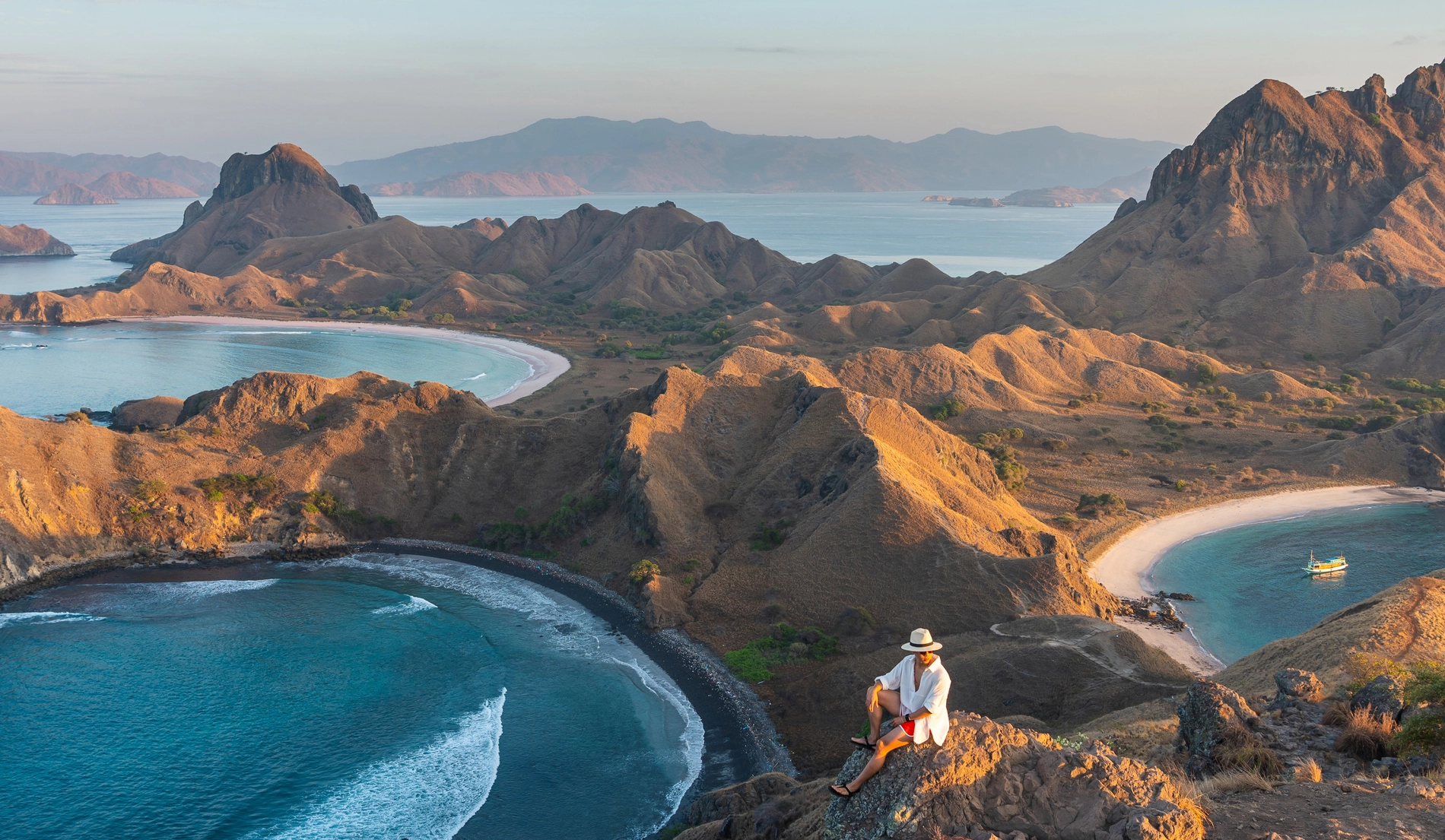
While not known for dragon populations, Padar Island boasts one of Indonesia’s most iconic viewpoints. A moderate 30-minute hike leads to a summit offering breathtaking panoramas of three differently colored beaches – white, black, and pink – separated by dramatic ridgelines. This photogenic landscape has become a symbol of Indonesian tourism, and the sunrise view from the summit is particularly magical. The newly constructed steps and rest areas installed in 2025 have made the climb more accessible for visitors of various fitness levels.
Pink Beach: Nature’s Rare Phenomenon
Among the most unique attractions in the Komodo National Park is the famous Pink Beach, where the sand displays a subtle yet distinct rose hue. This rare natural phenomenon occurs when tiny fragments of red coral mix with the white sand, creating a pink tint that’s especially visible along the shoreline. While there are several pink beaches in the park, the most vibrant one is located in a secluded bay on the northwest side of Padar Island.
Beyond its distinctive color, Pink Beach offers some of the best snorkeling opportunities in the region. The crystal-clear waters reveal vibrant coral gardens teeming with tropical fish just a few meters from shore. Additionally, the beach’s relative seclusion means you can often enjoy this natural wonder without large crowds, particularly if you visit in the early morning or late afternoon.
Visitor Tip: While it might be tempting to take some pink sand as a souvenir, this practice is strictly prohibited and harmful to the environment. Not only does it diminish the beach’s beauty for future visitors, but sand samples will likely be confiscated by airport security during departure screenings.
Kelimutu Volcanic Lakes: Three Colors of Wonder
In the central highlands of Flores lies one of Indonesia’s most extraordinary natural wonders – the tri-colored crater lakes of Mount Kelimutu. These three adjacent volcanic lakes change colors independently of each other, shifting between turquoise, green, black, and even red depending on the mineral content and microbial activity. Local legend holds that the lakes are the resting place of departed souls, with each lake designated for different types of spirits.
Reaching Kelimutu requires a journey to the town of Ende or Maumere, followed by a drive to the national park. From the parking area, a relatively easy 30-minute walk leads to viewpoints overlooking the lakes. For the most dramatic experience, arrive before dawn to witness the sunrise illuminating the lakes and the surrounding landscape. The colors are typically most vibrant in the early morning light before mist rises from the water.
Best Time to Visit
The dry season (May to October) offers the clearest views of the lakes with minimal cloud cover. July and August typically provide the most consistent weather conditions for viewing the lakes’ vibrant colors.
Local Beliefs
According to local Lio people, the lakes represent the afterlife: one for young souls, one for the elderly, and one for those who committed evil deeds during their lifetime.
Traditional Villages: Cultural Treasures
Flores preserves some of Indonesia’s most authentic traditional villages, offering glimpses into cultures that have remained largely unchanged for centuries. These communities maintain distinctive architectural styles, traditional crafts, and unique cultural practices that vary across the island’s different regions.
1. Wae Rebo Village
Perhaps the most famous traditional settlement on Flores, Wae Rebo is known for its distinctive conical houses called mbaru niang. Reaching this remote mountain village requires a moderately challenging 2-hour hike through lush forests, but the effort is rewarded with an immersive cultural experience. Visitors can stay overnight in one of the traditional houses, sharing meals with the villagers and learning about their way of life. The 2025 community tourism initiative has helped preserve the village while providing sustainable income for residents.
2. Bena Village
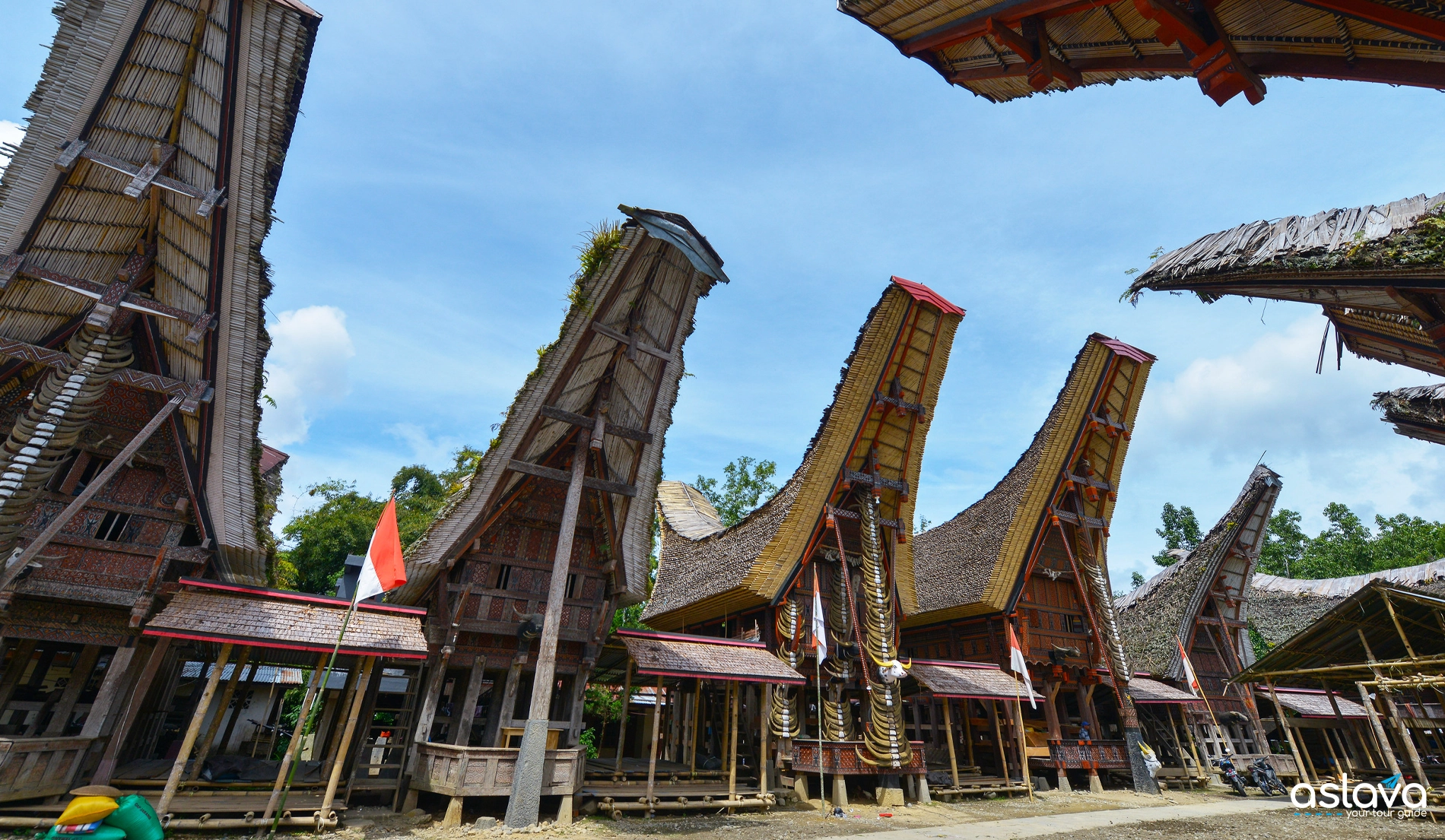
Located near the town of Bajawa, Bena Village showcases the distinctive culture of the Ngada people. The settlement features two rows of traditional houses facing each other, with megalithic stones and ancestral shrines occupying the central space. Buffalo horns adorn the houses, indicating the status and wealth of each family. The village sits at the foot of the imposing Mount Inerie, creating a dramatic backdrop for your cultural exploration. Furthermore, the local weavers produce some of Flores’ finest ikat textiles, which make meaningful souvenirs.
3. Tololela Village
For a less touristy experience, visit Tololela Village near Bajawa. This hidden gem receives fewer visitors than Bena but offers equally authentic cultural insights. The village occupies a picturesque hilltop location surrounded by palm trees and mountain views. Visitors are welcomed with traditional ceremonies and can observe daily activities from weaving to food preparation. Additionally, the village elders often share stories about local customs and beliefs, providing deeper understanding of the Ngada culture.
Cultural Respect: When visiting traditional villages, dress modestly (covering shoulders and knees), ask permission before taking photographs of people, and consider bringing small gifts like fruit or school supplies rather than money. Always follow your guide’s instructions regarding local customs and taboos.
Volcanic Adventures: Conquering Flores’ Peaks
Flores boasts an impressive lineup of volcanoes that offer adventurous travelers unforgettable hiking experiences. These peaks not only provide physical challenges but also reward climbers with some of Indonesia’s most spectacular views. While several volcanoes dot the island, two stand out as must-climb mountains for adventure seekers.
1. Mount Inerie
Standing at 2,245 meters, Mount Inerie near Bajawa is one of Indonesia’s most perfectly shaped volcanic cones. The challenging ascent takes approximately 3 hours and requires an early start (usually around 3:30 AM) to reach the summit for sunrise. The effort is rewarded with an extraordinary view as the volcano casts a perfect triangular shadow across the landscape below. The steep, loose scree on the descent can be challenging, so proper hiking boots and a local guide are essential. In addition, the 2026 trail improvements have made certain sections safer, though the hike remains suitable only for those with good fitness levels.
2. Mount Egon
For a more accessible volcanic experience, consider Mount Egon near Maumere. This active volcano features a crater lake and impressive fumaroles that continuously emit steam and sulfur. The hike to the crater rim takes approximately 2-3 hours and offers stunning views of the surrounding countryside and coastline. Unlike Inerie, Egon can be climbed at various times of day, though morning ascents generally provide clearer views before clouds gather around the summit. Moreover, the recent installation of rest shelters along the trail makes this a more comfortable hiking experience.
Diving Paradise: Underwater Wonders
Flores and the surrounding waters of Komodo National Park are recognized as one of the world’s premier diving destinations. The convergence of currents between the Indian and Pacific Oceans creates an underwater environment of exceptional biodiversity, with over 1,000 species of fish and 260 species of coral documented in the region.
1. Manta Point
As the name suggests, this famous dive site offers reliable encounters with magnificent manta rays. These gentle giants, with wingspans reaching up to 7 meters, congregate here to feed on plankton and visit cleaning stations where smaller fish remove parasites from their bodies. The site is suitable for divers of various experience levels, and even snorkelers can observe the mantas from the surface when conditions are favorable. Additionally, the 2026 marine protection regulations have helped maintain healthy manta populations by restricting boat traffic and enforcing responsible viewing practices.
2. Batu Bolong
Often ranked among Indonesia’s best dive sites, Batu Bolong is a small pinnacle rising from the seabed between Komodo and Tatawa islands. The site features a spectacular wall covered in vibrant hard and soft corals, with fish life so abundant that the water sometimes appears to be “raining fish.” Strong currents make this site suitable for experienced divers, though conditions vary with the tides. Furthermore, the site is home to larger pelagic species including sharks, tuna, and occasionally mola mola (ocean sunfish).
3. Castle Rock
This underwater seamount attracts large schools of fish and pelagic species, creating spectacular diving experiences. The site is famous for its “fish tornados” – massive schools of jackfish, snapper, and fusiliers swirling in current-swept waters. Grey reef sharks, white-tip sharks, and eagle rays are commonly sighted, particularly during early morning dives. Strong currents make this an advanced dive site, best experienced with guides who know the optimal entry points and current patterns. Moreover, the site’s protected status within the national park has preserved its pristine conditions despite increasing diving tourism.
Where to Stay: Accommodation Options
Accommodation options in Flores have expanded significantly in recent years, with new properties opening to meet increasing tourism demand. While luxury options remain concentrated in Labuan Bajo, other areas of the island now offer comfortable stays for various budgets.
1. Labuan Bajo
As the main tourism hub, Labuan Bajo offers the widest range of accommodation options on Flores. Luxury seekers can choose from several five-star resorts featuring infinity pools overlooking the harbor, while mid-range travelers will find numerous comfortable hotels with modern amenities. Budget travelers are well-served by hostels and guesthouses, many offering social atmospheres perfect for meeting fellow adventurers. The town’s development has accelerated since 2023, with several international hotel chains establishing properties along the coastline.
Luxury Option
AYANA Komodo Resort offers stunning overwater bungalows, multiple restaurants, and a private pier for direct boat access to Komodo National Park.
Mid-Range Option
Seaesta Komodo Hotel & Hostel features comfortable private rooms, a rooftop infinity pool, and spectacular sunset views over the harbor.
Budget Option
Ciao Hostel offers affordable dormitory and private rooms with panoramic views from its hilltop location, plus helpful staff for tour arrangements.
2. Bajawa Region
The highland town of Bajawa and its surroundings offer cooler temperatures and spectacular mountain views. Accommodation tends toward the mid-range and budget categories, with several comfortable hotels and guesthouses available. For a unique experience, consider staying at Manulalu Bed & Breakfast, which offers panoramic views of Mount Inerie from its hillside location. Additionally, the hot springs near Bajawa provide a relaxing complement to your highland stay.
3. Ende and Maumere
In eastern Flores, Ende and Maumere offer a growing selection of accommodation options. While luxury properties are limited, several comfortable mid-range hotels serve visitors exploring Kelimutu and other eastern attractions. Beach lovers should consider the eco-resorts along the coast near Maumere, where simple bungalows provide direct access to excellent snorkeling and diving. Furthermore, the 2025 infrastructure improvements have made these areas more accessible while maintaining their authentic character.
Practical Tips for Flores Travel
1. Getting Around
Navigating Flores requires some planning due to its size and mountainous terrain. The Trans-Flores Highway connects the major towns, but journey times are longer than distances might suggest due to winding roads and variable conditions. For flexibility, consider hiring a private car with a driver (approximately $50-80 per day in 2026). Alternatively, public buses connect major towns, though schedules can be unpredictable. For short distances within towns, ojek (motorcycle taxis) provide an affordable option. Additionally, the new ride-hailing apps introduced in 2025 have made transportation more convenient in Labuan Bajo and other major towns.
2. Best Time to Visit
The ideal time to visit Flores is during the dry season from May to October, when clear skies provide optimal conditions for hiking, diving, and dragon viewing. The shoulder months of April and November can also offer good weather with fewer tourists. The rainy season (December to March) brings challenging conditions for boat trips and mountain hikes, though accommodation prices are lower. If visiting during this period, morning activities generally have the best chance of avoiding downpours. Moreover, the 2026 climate patterns indicate that April and early November offer particularly favorable conditions with moderate temperatures and minimal rainfall.
3. Money and Costs
The Indonesian Rupiah (IDR) is the only accepted currency in Flores. ATMs are available in major towns like Labuan Bajo, Ende, and Maumere, but can be scarce in rural areas, so carry sufficient cash when exploring remote regions. Credit cards are accepted at higher-end hotels and restaurants, particularly in Labuan Bajo, but many smaller establishments operate on a cash-only basis. Budget travelers can manage on $30-50 per day, mid-range travelers should budget $50-100, while luxury experiences start from $100-200+ daily. Furthermore, the 2026 pricing trends show Labuan Bajo becoming increasingly expensive while other areas of Flores remain relatively affordable.
4. Connectivity
Mobile coverage in Flores has improved significantly, with reliable service in major towns and tourist areas. Local SIM cards from providers like Telkomsel offer the best coverage and can be purchased at the airport or in town shops (bring your passport for registration). WiFi is widely available in accommodations and restaurants in Labuan Bajo, though connection speeds vary. In more remote areas, connectivity becomes limited, so download maps and essential information before venturing into rural regions. Additionally, the new 5G service introduced in Labuan Bajo in 2025 has significantly improved internet speeds in the main tourism hub.
Health and Safety Tip: While Flores is generally safe for travelers, basic precautions are advisable. Bring reef-safe sunscreen, insect repellent, and a basic first aid kit. The risk of malaria has decreased significantly in recent years, but consult with a travel doctor about prophylaxis before your trip, especially if visiting during the rainy season.
Flavors of Flores: Local Cuisine
Flores cuisine reflects the island’s coastal geography and cultural diversity, with seafood featuring prominently alongside unique local specialties. While Indonesian staples like nasi goreng (fried rice) and mie goreng (fried noodles) are widely available, seeking out local dishes provides a deeper connection to the island’s culinary heritage.
1. Se’i Ikan
This traditional smoked fish dish showcases the abundance of Flores’ coastal waters. Fresh fish is marinated with local spices, then slowly smoked over wood fires to create a distinctive flavor. The dish is typically served with rice, sambal (chili sauce), and fresh vegetables. In Labuan Bajo, several restaurants specialize in se’i ikan, with the smoking process often visible to diners. Additionally, the 2025 culinary revival movement has brought renewed attention to traditional smoking techniques, resulting in more authentic preparations.
2. Jagung Titi
This unique corn dish is prepared by roasting corn kernels in a clay pot with hot stones until they pop and flatten. The resulting corn is then mixed with grated coconut, palm sugar, and sometimes peanuts for a sweet-savory snack. Jagung titi represents the agricultural traditions of inland Flores communities and makes for a perfect energy boost during long journeys. Moreover, local variations of this dish can be found throughout the island, with each region adding its own twist to the basic recipe.
3. Ikan Bakar
While grilled fish is common throughout Indonesia, Flores’ version stands out for its freshness and unique spice blends. Caught daily by local fishermen, fish is marinated in a mixture of lime, chili, garlic, and local herbs before being grilled over coconut husks. The best place to enjoy ikan bakar is at the waterfront warungs in Labuan Bajo, where you can select your fish from the day’s catch. Furthermore, the sustainable fishing practices promoted since 2024 have helped maintain healthy fish populations while supporting local fishing communities.
“The food of Flores tells the story of its people – resourceful islanders who have crafted unique flavors from the bounty of sea and mountain. Each meal connects you to centuries of culinary tradition.”
Sustainable Travel in Flores
As tourism in Flores continues to grow, sustainable travel practices become increasingly important for preserving the island’s natural and cultural heritage. The Indonesian government and local communities have implemented various initiatives to promote responsible tourism, and visitors can contribute to these efforts through mindful choices.
1. Environmental Conservation
The fragile ecosystems of Flores and Komodo National Park face various threats, including plastic pollution, coral damage, and habitat loss. Support conservation efforts by choosing tour operators with strong environmental policies, using reef-safe sunscreen when swimming or diving, and avoiding single-use plastics. The plastic bag ban implemented throughout Flores in 2024 has significantly reduced waste, but bringing a reusable water bottle and shopping bag remains essential. Additionally, several beach cleanup initiatives welcome volunteer participation, particularly in Labuan Bajo and coastal villages.
2. Cultural Respect
Flores encompasses diverse cultural traditions that have been preserved for generations. When visiting traditional villages, dress modestly, ask permission before taking photographs of people or ceremonies, and follow local customs as explained by your guide. Supporting community-based tourism initiatives ensures that economic benefits reach local residents while preserving authentic cultural experiences. Furthermore, purchasing handicrafts directly from artisans rather than mass-produced souvenirs helps sustain traditional crafts and provides fair compensation to creators.
3. Responsible Wildlife Viewing
Observing Komodo dragons and marine life should always be conducted with respect for animal welfare. Maintain safe distances from dragons as advised by park rangers, never feed wildlife, and avoid touching or standing on coral when snorkeling or diving. The 2025 Komodo conservation regulations have implemented stricter visitor management to reduce stress on dragon populations, including limited daily visitor numbers and designated viewing areas. Moreover, choosing dive operators who actively participate in marine conservation projects helps protect the underwater environments that make Flores famous.
Eco-Friendly Operators: Look for tour companies and accommodations certified by programs like the Indonesian Sustainable Tourism Certification or those that participate in the Flores Conservation Fund. These businesses typically implement waste reduction programs, employ local staff, and contribute to community development projects.
Embracing the Dragon’s Island
Flores represents Indonesia at its most authentic – a land where ancient traditions persist alongside natural wonders that seem almost otherworldly. From the prehistoric presence of Komodo dragons to the color-changing volcanic lakes of Kelimutu, this island offers experiences that simply cannot be found elsewhere. As tourism infrastructure continues to develop, 2026 presents an ideal opportunity to discover Flores while it still maintains its raw, untamed character.
Whether you’re diving among manta rays, hiking volcanic peaks, or connecting with traditional village communities, Flores rewards travelers with memories that will last a lifetime. The island’s combination of adventure, culture, and natural beauty creates a destination that appeals to those seeking experiences beyond the ordinary. Moreover, by traveling responsibly, you contribute to preserving this extraordinary place for future generations to enjoy.