Philippines Visa Requirements 2026: Do You Need a Visa?
The answer to whether you need a visa depends primarily on your nationality, purpose of visit, and intended length of stay. The Philippines offers visa-free entry to citizens of many countries for short visits, while others require visas before arrival.
Check Your Visa Requirements Instantly
Use our quick visa checker tool to determine if you need a visa to enter the Philippines based on your passport and travel plans.
Countries with Visa-Free Entry to the Philippines in 2026
As of 2026, citizens from 157 countries enjoy visa-free entry to the Philippines for varying periods. This privilege allows travelers to enter the Philippines without obtaining a visa beforehand, provided they meet certain conditions.
| Duration | Countries | Requirements |
| 59 days | Brazil, Israel | Valid passport (at least 6 months), return/onward ticket, proof of accommodation |
| 30 days | USA, UK, Canada, Japan, Australia, Germany, and 100+ others | Valid passport (at least 6 months), return/onward ticket, proof of sufficient funds |
| 21 days | Brunei, Malaysia, Indonesia, Thailand, Vietnam, Singapore | Valid passport (at least 6 months), return/onward ticket |
| 14 days | Hong Kong SAR, Macau SAR, Taiwan | Valid passport (at least 6 months), return/onward ticket, proof of accommodation |
| 7 days | China (with valid visa from Australia, Canada, Japan, Schengen, USA) | Valid passport (at least 6 months), return/onward ticket, valid visa from specified countries |
Important Note: Visa-free entry is granted solely for tourism purposes and cannot be converted to other visa types or extended beyond the initial period (except in special circumstances). Your passport must be valid for at least six months beyond your intended stay.
General Visa Requirements for the Philippines
If your country isn’t eligible for visa-free entry or you’re planning to stay longer than the visa-free period allows, you’ll need to apply for a visa. Here are the general requirements for most Philippine visa applications in 2026:
Basic Requirements
- Valid passport with at least 6 months validity beyond intended stay
- Completed and signed visa application form
- Recent passport-sized photograph (2″ x 2″)
- Proof of financial capacity (bank statements, employment certificate)
- Return or onward ticket
- Proof of accommodation in the Philippines
- Visa application fee (varies by visa type and nationality)
Additional Requirements
- Purpose-specific documentation (business letter, invitation, etc.)
- Travel itinerary
- Police clearance (for longer stays)
- Medical examination report (for specific visa types)
- Marriage/birth certificates (for family-related visits)
- Self-addressed, stamped return envelope (for mail applications)
- Visa application cover information page
Download Official Visa Application Forms
Get the latest 2026 visa application forms directly from the Philippine Bureau of Immigration.
Types of Philippine Visas in 2026
The Philippines offers various visa categories depending on your purpose of visit. Understanding which visa type suits your needs is essential for a successful application.
Non-Immigrant Visas
These visas are for temporary visitors who don’t intend to immigrate or establish permanent residence in the Philippines.
9(A) Temporary Visitor’s Visa
Most Common
For tourists, business travelers, health seekers, and those visiting for family reasons.
- Valid for up to 59 days (extendable)
- Single or multiple entry options
- Application fee: $30-$40 (varies by nationality)
9(G) Pre-Arranged Employment Visa
Work Permit
For foreign nationals with pre-arranged employment with Philippine companies.
- Valid for the duration of employment contract
- Requires Alien Employment Permit
- Employer must sponsor application
9(F) Student Visa
Education
For foreign students admitted to recognized Philippine educational institutions.
- Valid for the duration of the course
- Requires acceptance letter from school
- Must maintain satisfactory academic standing
Special Non-Immigrant Visas
These visas cater to specific categories of travelers with special purposes or privileges.
Special Resident Retiree’s Visa (SRRV)
Retirement
For foreign retirees who wish to make the Philippines their second home.
- Indefinite stay with multiple entry privileges
- Minimum age: 35 years
- Requires time deposit (amount varies by age)
Special Investor’s Resident Visa (SIRV)
Investment
For foreign investors willing to invest in Philippine corporations.
- Minimum investment: $75,000
- Indefinite stay with multiple entry privileges
- Family members can be included
47(a)(2) Special Non-Immigrant Visa
Special Cases
For employees of special economic zones, government projects, and educational/charitable programs.
- Valid for the duration of the project/employment
- Requires endorsement from relevant government agency
- Multiple entry privileges available
Immigrant Visas
These visas are for those intending to reside permanently in the Philippines.
13(A) Non-Quota Immigrant Visa
Family
For foreign spouses and unmarried children (under 21) of Filipino citizens.
- Permanent residency
- Requires proof of relationship with Filipino citizen
- Application fee: $150
13(G) Returning Former Filipino
Returning Citizen
For former Filipino citizens who have acquired foreign citizenship.
- Permanent residency
- Requires proof of former Filipino citizenship
- Includes spouse and unmarried minor children
Quota Immigrant Visa
Limited Availability
For nationals of countries with reciprocity agreements with the Philippines.
- Limited to 50 visas per country annually
- Permanent residency
- Requires extensive documentation
Balikbayan Visa-Free Privilege in 2026
The Balikbayan program offers a special visa-free privilege to former Filipino citizens and their immediate family members. This program allows eligible individuals to stay in the Philippines for up to one year without applying for a visa.
Who Qualifies for Balikbayan Privilege
- Former Filipino citizens who are now naturalized citizens of other countries
- Filipino overseas workers returning to the Philippines
- Filipinos who have been continuously out of the Philippines for at least one year
- Foreign spouses and unmarried children (under 21) of the above categories
Required Documentation
- For former Filipinos: Philippine birth certificate or old Philippine passport
- For dual citizens using foreign passports: Dual citizenship identification certificate
- For foreign spouses: Marriage certificate proving relationship
- For children: Birth certificate proving relationship
- Valid passport (at least six months validity)
Important: The Balikbayan privilege is only available to former Filipinos who are now citizens of countries with visa-free entry to the Philippines. If you’re from a visa-required country, you must secure a visa before traveling, even if you’re a former Filipino citizen.
Verify Your Balikbayan Eligibility
Not sure if you qualify for the Balikbayan privilege? Contact the Philippine Bureau of Immigration for verification.
How to Apply for a Philippine Visa in 2026
The visa application process varies slightly depending on your location and visa type. Here’s a general step-by-step guide to help you navigate the process:
- Determine the appropriate visa type based on your purpose of visit
- Gather all required documents specific to your visa category
- Complete the visa application form accurately and completely
- Pay the visa application fee (varies by visa type and nationality)
- Submit your application to the nearest Philippine Embassy or Consulate
- Attend an interview if required (not necessary for all visa types)
- Wait for processing (typically 3-10 business days)
- Collect your passport with visa or receive it by mail
Where to Apply
You must apply for a Philippine visa at the Philippine Embassy or Consulate with jurisdiction over your place of residence. In some countries, the Philippines has authorized visa processing centers that handle applications.
Find Your Nearest Philippine Embassy or Consulate
Locate the Philippine diplomatic mission responsible for your area to submit your visa application.
Processing Times and Fees
Visa processing times and fees vary depending on the type of visa and your nationality. Here’s a general overview:
| Visa Type | Processing Time | Fee (USD) |
| 9(A) Tourist Visa (Single Entry) | 3-5 business days | $30-$40 |
| 9(A) Tourist Visa (Multiple Entry) | 5-7 business days | $60-$90 |
| 9(G) Work Visa | 2-4 weeks | $120-$150 |
| 9(F) Student Visa | 2-3 weeks | $50-$70 |
| 13(A) Non-Quota Immigrant Visa | 2-4 weeks | $150 |
| SRRV (Retirement Visa) | 1-2 months | $1,400 (one-time) |
Important: Visa fees are non-refundable, even if your application is denied. Make sure you meet all requirements before applying.
Extending Your Stay in the Philippines
If you wish to stay in the Philippines beyond your authorized period, you’ll need to apply for an extension before your current visa expires. Here’s what you need to know about visa extensions in 2026:
Extension Process
- Apply at least one week before your visa expires
- Visit the Bureau of Immigration office in person
- Complete the visa extension application form
- Pay the extension fee
- Submit biometric data (for longer extensions)
- Receive your visa extension stamp/sticker
Required Documents
- Original passport valid for at least 6 months
- Completed application form
- Copy of your arrival stamp/visa
- Proof of financial capacity
- Return or onward ticket
- Extension fee payment
Extension Fees and Durations
The cost of extending your stay depends on the duration of the extension and your current visa status. Here are the approximate fees for 2026:
| Extension Type | Duration | Fee (PHP) |
| First Extension (Visa-Free) | 29 days | 3,130 |
| Second Extension | 1-2 months | 4,130 |
| Third Extension | 1-2 months | 5,130 |
| Long-Stay Visitor Visa Extension | 6 months | 8,620 |
Online Extension Services: The Bureau of Immigration’s eServices platform at https://e-services.immigration.gov.ph/ allows foreign nationals to submit online applications for visa waivers, visa extensions, and other visa-related matters.
Plan Your Visa Extension
Don’t risk overstaying your visa. Check the latest extension requirements and fees on the official Bureau of Immigration website.
Special Cases and Considerations
Some travelers may have unique circumstances that affect their visa requirements. Here are some special cases to be aware of:
Transit Visas
If you’re transiting through the Philippines en route to another country, you may need a transit visa depending on your nationality and length of stay in the transit area.
Transit passengers who will remain in the transit area of the airport for less than 24 hours and have confirmed onward tickets generally do not require transit visas. However, if you plan to leave the airport or stay longer, you may need a 9(A) visa.
Visa for Minors
Children under 15 years of age traveling to the Philippines must be accompanied by a parent or guardian. Additional documentation may be required:
- Birth certificate showing parentage
- If traveling with only one parent: consent letter from the other parent
- If traveling with a guardian: notarized authorization from parents
- DSWD Travel Clearance for minors traveling abroad
Visa for Digital Nomads
As of 2026, the Philippines has introduced specific provisions for digital nomads and remote workers who wish to stay in the country while working for overseas employers.
Digital Nomad Visa Program
New for 2026
For remote workers and digital professionals employed by companies outside the Philippines.
- Valid for up to 12 months (renewable)
- Requires proof of employment/income from foreign sources
- Minimum monthly income requirement: $2,000
- Health insurance coverage required
COVID-19 and Health Requirements for 2026
While the acute phase of the COVID-19 pandemic has passed, the Philippines maintains certain health protocols for international travelers in 2026. These requirements may change based on global health situations, so it’s essential to check the latest updates before traveling.
Vaccination Requirements
- Proof of COVID-19 vaccination (digital or physical)
- Accepted vaccines: Those approved by WHO or Philippines FDA
- Booster doses recommended but not mandatory
Testing Requirements
- No pre-departure testing for fully vaccinated travelers
- Unvaccinated travelers may need negative test results
- Random testing may occur at ports of entry
Health Insurance
- Travel health insurance recommended
- Minimum coverage: $35,000 for medical expenses
- Must cover COVID-19 treatment and hospitalization
Check Latest Health Requirements
Health protocols may change. Verify the current requirements before your trip.
Visa Denial and Common Pitfalls
Understanding the common reasons for visa denials can help you avoid potential issues with your application. Here are some frequent causes of visa rejection and how to avoid them:
How to Improve Approval Chances
- Submit complete and accurate documentation
- Provide clear evidence of financial capacity
- Demonstrate strong ties to your home country
- Apply well in advance of your planned travel
- Be honest and consistent in all information provided
- Follow application instructions precisely
Common Reasons for Denial
- Incomplete or incorrectly filled application forms
- Missing or insufficient supporting documents
- Insufficient proof of financial means
- Questionable purpose of visit
- Previous immigration violations
- Security or health concerns
“A visa does not guarantee entry into the Philippines. The admission of foreign nationals is ultimately determined by immigration officials at the port of entry, who may deny entry even with a valid visa if other entry requirements are not met.”
Important: If your visa application is denied, you generally cannot appeal the decision. However, you can submit a new application addressing the reasons for the previous denial. Visa fees are non-refundable in case of denial.
Visa on Arrival Options
The Philippines offers limited visa-on-arrival options for specific categories of travelers. This service is not available to all nationalities and is primarily designed for group tours and business travelers from certain countries.
Eligible Travelers for Visa on Arrival
- Chinese nationals on group tours arranged by Department of Tourism-accredited tour operators
- Indian nationals with valid visas from the US, Japan, Australia, Canada, Schengen Area, Singapore, or UK
- Foreign investors attending conferences endorsed by the Department of Trade and Industry
- Athletes and delegates to international sports events
Visa on arrival services are available only at major international airports in the Philippines
Note: Visa on arrival facilities are only available at Ninoy Aquino International Airport (Manila), Mactan-Cebu International Airport, Clark International Airport, and Kalibo International Airport. The fee for visa on arrival is approximately $25-50 USD, payable in cash.
Verify Visa on Arrival Eligibility
Check if you qualify for visa on arrival before your trip to avoid complications.
Recent Changes to Philippines Visa Policy (2026 Updates)
The Philippine government regularly updates its visa policies to adapt to changing global conditions and to improve the experience for travelers. Here are the most significant changes implemented for 2026:
Digital Nomad Visa Program
Introduction of a specialized visa category for remote workers and digital professionals employed by companies outside the Philippines.
eVisa System Expansion
Expansion of the electronic visa application system to more countries, allowing online applications and reducing processing times.
Visa-Free Countries Addition
Several new countries added to the visa-free entry list, allowing their citizens to visit the Philippines without a visa for up to 30 days.
Stay informed about the latest changes to Philippines immigration policies
Policy Update: The Philippines has implemented a new e-Travel registration system replacing the One Health Pass. All travelers must register through the e-Travel platform before arrival. Visit https://etravel.gov.ph for more information.
Frequently Asked Questions About Philippines Visa Requirements 2026
How long can I stay in the Philippines without a visa?
The duration depends on your nationality. Most visa-free visitors can stay for 30 days, while some nationalities enjoy 59 days (Brazil, Israel), 21 days (ASEAN countries), or 14 days (Hong Kong, Macau, Taiwan). Your passport must be valid for at least six months beyond your intended stay, and you must have a return or onward ticket.
Can I extend my stay if I entered visa-free?
Yes, most travelers who entered visa-free can apply for extensions at the Bureau of Immigration offices in the Philippines. Extensions are typically granted in 1-2 month increments, with a maximum stay of 36 months. Each extension requires a fee, and the amount increases with subsequent extensions.
What is the Balikbayan privilege and who qualifies?
The Balikbayan privilege allows former Filipino citizens and their immediate family members (spouse and children under 21) to stay in the Philippines visa-free for up to one year. To qualify, you must be a former Filipino who is now a citizen of a visa-free country, or an immediate family member traveling with the former Filipino. You’ll need to present proof of your former Filipino citizenship or relationship at immigration.
Can I work in the Philippines on a tourist visa?
No, working on a tourist visa is illegal in the Philippines. If you plan to work, you must obtain a 9(G) Pre-arranged Employment Visa or other appropriate work visa before arriving. Working without proper authorization can result in deportation and being blacklisted from future entry. The only exception is the new Digital Nomad Visa, which allows remote work for foreign employers.
How much bank balance do I need to show for a Philippine visa?
While there’s no official minimum amount, you should demonstrate sufficient funds to cover your entire stay. As a general guideline, showing approximately $50-100 USD per day of your intended stay is advisable. For longer stays or specific visa types like retirement visas, higher amounts may be required.
Can I convert my tourist visa to another visa type while in the Philippines?
Yes, in many cases you can convert your tourist visa to another visa category while in the Philippines. Common conversions include tourist to student visa, tourist to work visa, or tourist to resident visa through marriage. The conversion process is handled by the Bureau of Immigration and requires specific documentation depending on the visa type you’re converting to.
Still Have Questions?
Contact the Philippine Bureau of Immigration directly for specific inquiries about your visa situation.
Useful Resources for Philippines Visa Applicants
Here are some official resources to help you with your Philippines visa application and travel planning:
Official Government Sites
Embassy & Consulate Locators
Travel & Health Information
Use official resources to ensure you have the most accurate and up-to-date visa information
Final Tips for a Smooth Philippines Visa Application
Securing the right visa for your Philippines trip doesn’t have to be complicated. Here are some final tips to ensure a smooth application process:
- Apply early – Submit your application at least 2-4 weeks before your planned travel date
- Double-check requirements – Verify the specific requirements for your nationality and visa type
- Prepare complete documentation – Incomplete applications are the most common reason for delays and denials
- Be honest – Providing false information can result in permanent entry bans
- Keep copies – Make copies of all submitted documents for your records
- Follow up appropriately – Use official channels to check your application status
- Stay updated – Visa policies can change; check for updates before traveling
- Respect visa conditions – Adhere to the terms of your visa to avoid future complications
With proper preparation, your Philippines visa application can be approved without complications
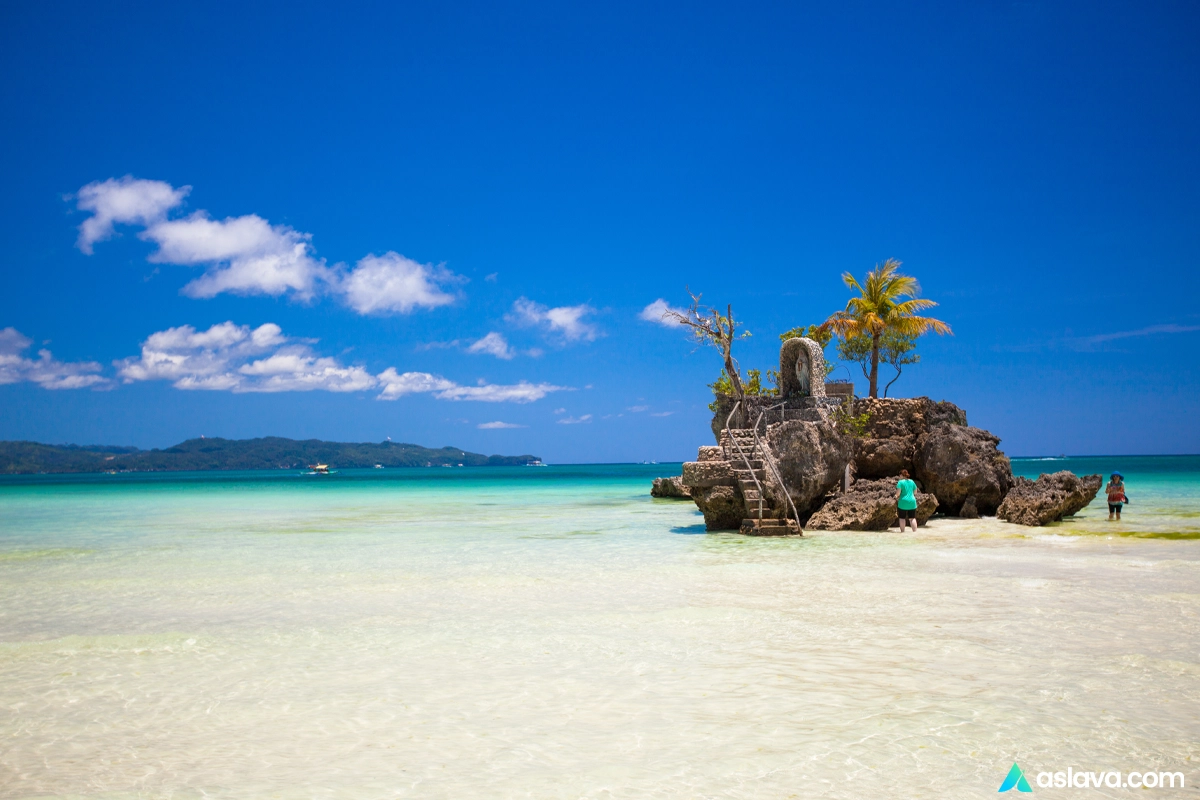
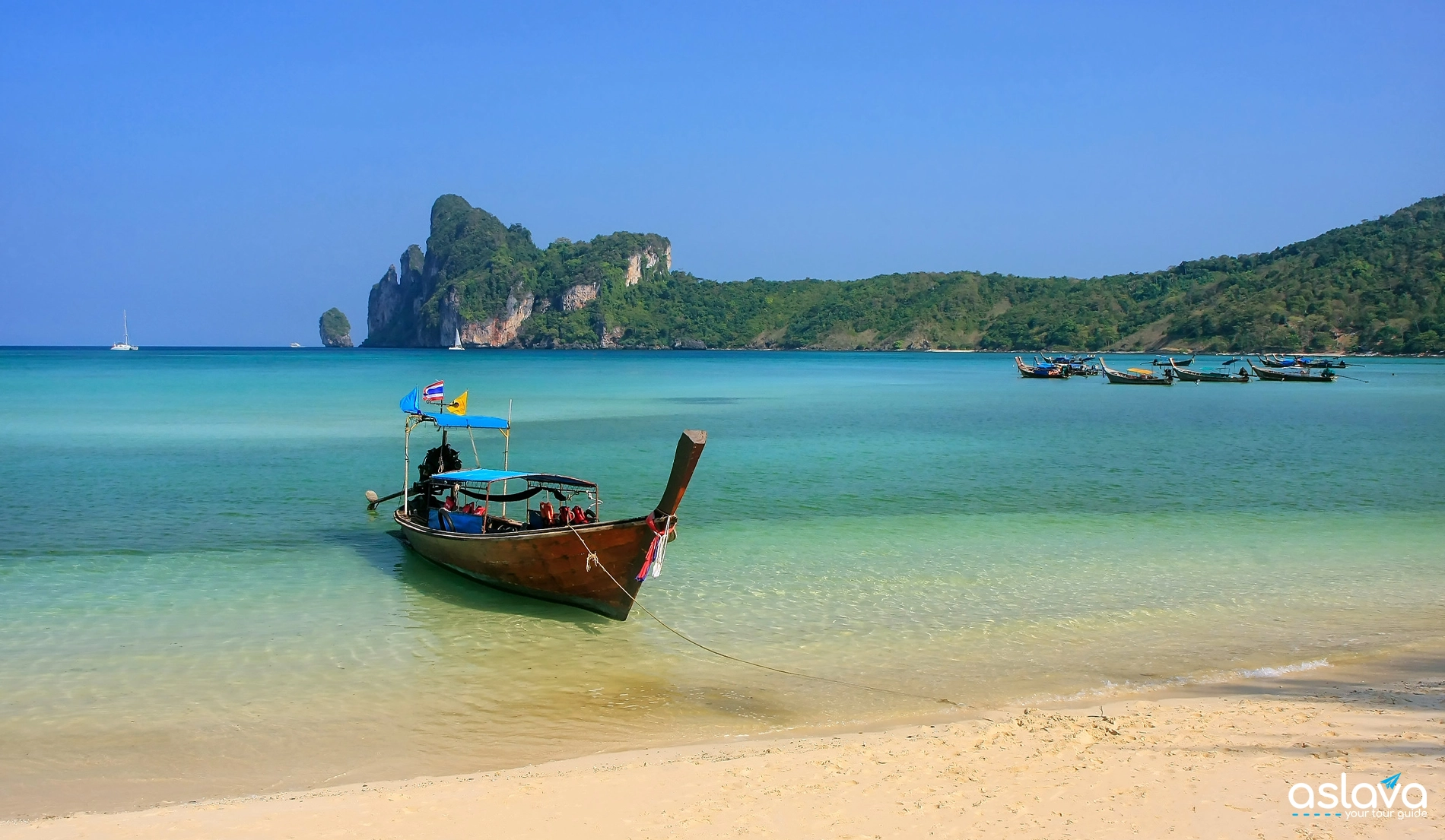
The Philippines, with its stunning beaches, vibrant culture, and warm hospitality, awaits your visit. By understanding the visa requirements and following the application procedures correctly, you can ensure that your entry into this beautiful archipelago is as smooth as possible. Safe travels to the Pearl of the Orient Seas!