Visa-Free Entry to Malaysia: Countries and Duration
Malaysia allows visa-free entry to citizens of many countries; the permitted length of stay depends on your nationality. Below are the commonly applied visa-free durations—confirm your exact allowance using the official Immigration Department tool (link at the end of this section).
Countries with 90-Day Visa-Free Entry
Citizens of the following countries generally can enter Malaysia without a visa and stay for up to 90 days (typical examples — always verify for your passport):
- All European Union member states
- All European Free Trade Association (EFTA) member states
- Gulf Cooperation Council (GCC) member states
- United States
- United Kingdom
- Australia
- New Zealand
- Japan
- South Korea
- Canada
- Argentina
- Brazil
- Turkey
- South Africa
- Morocco
- Tunisia
Countries with 30-Day Visa-Free Entry
The following nationalities commonly have visa-free entry for up to 30 days. Note: bilateral arrangements change occasionally—double-check before travel.
- Most ASEAN member states (except Myanmar)
- China
- India (policy in effect through Dec 2026—confirm current status for 2026 travel)
- Taiwan (Republic of China)
- Russia
- Saudi Arabia
- Mexico
- Chile
- Peru
- Ukraine
- Kazakhstan
- Selected African and Caribbean countries (see official list)
Countries with 14-Day Visa-Free Entry
A smaller set of travelers are granted shorter visa-free stays (14 days):
- Iran
- Myanmar
- Holders of Macao Special Administrative Region Travel Permits (regardless of nationality)
Check Your Visa Requirements
Not sure whether your passport allows entry without a visa or how many days you can stay? Use the official Malaysian Immigration Department nationality checker to get the definitive answer for your country.
Malaysia Digital Arrival Card (MDAC): Required for Most Travelers
Before entering Malaysia, most travelers must complete the Malaysia Digital Arrival Card (MDAC) online. The MDAC replaced the paper arrival card and is a mandatory digital pre-arrival form for many nationalities; travelers are generally advised to submit it within three days before arrival—confirm the exact submission window on the official portal before you travel.
Who Needs to Submit the MDAC?
Most non-Malaysian visitors must submit the MDAC before arrival. Exemptions commonly include:
- Citizens of Singapore
- Diplomatic and official passport holders (regardless of nationality)
- Malaysian citizens, Permanent Residents, and Long-Term Pass holders
- Holders of a Bruneian General Certificate of Identity (GCI)
- Users of the Brunei–Malaysia Frequent Travel Facility
- Holders of a border pass issued by Thailand
- Holders of an Indonesian cross-border travel document (PLB)
Warning: The official MDAC service is free. Beware of fraudulent websites that imitate the MDAC portal and charge fees—some scammers ask up to $100. Always use the official MDAC link (below) and verify the site’s domain and HTTPS certificate before entering personal data.
Submit Your Malaysia Digital Arrival Card
Complete your MDAC on the official Malaysian Immigration Department website. Have your passport details, flight information, and contact address in Malaysia ready. On mobile devices, use a modern browser (Chrome, Safari, Edge) and save a copy of your confirmation or reference number.
Basic Entry Requirements for All Visitors to Malaysia
Regardless of your nationality or visa status, all visitors to Malaysia must meet these basic entry requirements. Below is a concise checklist you can use when preparing to travel.
Essential Requirements for Entry to Malaysia
- Valid passport: Your passport must be valid for at least six months beyond your planned date of arrival in Malaysia.
- Blank passport pages: Have at least one blank page available for the entry stamp (some ports may require more).
- Return or onward ticket: Proof you plan to leave Malaysia (airline, bus, or ferry ticket). Immigration may ask to see this on arrival.
- Sufficient funds: Be prepared to show you can support yourself during your stay (credit cards, recent bank statement, or cash). Suggested non-binding amounts vary by traveler type—see notes below.
- Visa (if applicable): Travelers from countries that are not visa-exempt must obtain the correct visa before travel or an approved eVisa.
- Malaysia Digital Arrival Card (MDAC): Most visitors must submit the MDAC within the official submission window before arrival; confirm timing on the MDAC portal.
- Yellow Fever certificate: Required if you are arriving from, or have transited through, a country with Yellow Fever risk.
Passport Validity and Blank Pages
Malaysia generally requires your passport to be valid for at least six months beyond your arrival date. This is strictly enforced at immigration checkpoints; if your passport expires within six months, renew it before travel. Also ensure you have at least one blank page for stamping—airlines sometimes check this at check-in.
What Counts as Proof of Onward Travel?
Acceptable evidence includes a return flight itinerary, onward flight to a third country, or confirmed bus/boat tickets. If you hold an open-ended travel plan, carry an itinerary or booking confirmation showing onward movement to avoid problems at immigration.
Sufficient Funds — Practical Guidance
Malaysian immigration does not publish a fixed minimum for “sufficient funds.” As practical guidance (non-binding), consider the following per-person daily estimates when preparing documentation:
- Budget/backpacker: allow USD 20–40 per day
- Mid-range traveler: allow USD 50–120 per day
- Family/longer stays: prepare bank statements showing higher balances or credit access
Carry a combination of a credit/debit card, recent bank statement (last 3 months), and some local currency or USD for easier verification.
Tip: If your passport is due to expire within six months, renew it well before your trip. If you need quick renewal, contact your embassy or consulate—links are available in the Resources section.
Common Questions
- What if my passport expires in 5 months? Do not travel. Renew your passport—Malaysia requires at least six months’ validity.
- Are e-stamps or digital entry changing the blank-page rule? Some entry points use e-stamping but many airlines and some immigration checks still expect a physical blank page—keep at least one blank page to avoid issues.
- Do permanent residents need to submit the arrival card? Malaysian Permanent Residents and Long-Term Pass holders are typically exempt from MDAC, but confirm your status before travel.
Countries That Require a Visa for Malaysia
Many nationalities must obtain a visa before traveling to Malaysia. If your country isn’t listed in the visa‑free sections above, you will likely need to apply for a visa at a Malaysian embassy or via the official eVisa portal. Always confirm the specific visa requirements for your passport on the official government sites before you book travel.
Notable Countries Requiring Visas
The following list highlights notable countries whose citizens commonly need to apply for a visa in advance (this is not exhaustive—see official resources):
- Afghanistan
- Bangladesh
- Cameroon
- Colombia
- Democratic Republic of the Congo
- Eritrea
- Ghana
- Nigeria
- North Korea
- Pakistan
- Sri Lanka
- Western Sahara
Special Cases and Restrictions
- Israel: Israeli citizens require special approval from the Malaysian Ministry of Home Affairs before travel—check with the nearest Malaysian diplomatic mission for current procedures.
- North Korea: Travel by North Korean passport holders to Malaysia is subject to strict restrictions; visas and travel permissions are tightly controlled.
- Western Sahara: Entry rules for Western Sahara passport holders may be limited—some travelers are only permitted to enter by air; verify with authorities.
Find Your Nearest Malaysian Embassy
If you need to apply for a visa, locate the nearest Malaysian diplomatic mission to start your application and confirm required documents and appointment procedures.
Malaysia eVisa System: Online Application Process
Malaysia’s eVisa provides a simple online option for eligible nationals to apply for entry without visiting an embassy. Check eligibility carefully—rules, eligible nationalities, processing times and fees can change.
Countries Eligible for eVisa
Citizens of the following countries are commonly listed among those eligible for a Malaysia eVisa. This list is representative—check the official eVisa portal for the authoritative list for your passport:
- Afghanistan
- Angola
- Bangladesh
- Bhutan
- Burkina Faso
- Cameroon
- Central African Republic
- Democratic Republic of the Congo
- Equatorial Guinea
- Nepal
- Nigeria
- Pakistan
- Rwanda
- Serbia
- Sri Lanka
eVisa Application Process — Step by Step
How to Apply for a Malaysia eVisa
- Create an account on the official Malaysia eVisa portal (use only the official government link).
- Complete the application form with accurate personal and travel details.
- Upload required documents — clear passport bio‑data page scan, recent passport‑style photo, proof of onward travel, and any supporting documents requested.
- Pay the visa fee online using an accepted card. Keep the transaction receipt.
- Wait for processing — typical processing times vary; many applications are processed within 2–5 business days but allow additional time during peak travel periods.
- Download and print the approved eVisa; carry a printed copy to present at the port of entry.
eVisa Details and Common Restrictions
- Validity: eVisas are frequently valid for travel within 3 months from the date of issue—confirm the exact validity when you apply.
- Entry type: Many eVisas are single-entry; certain nationalities (for example, Indian nationals) may have multiple‑entry options—verify on the portal.
- Duration of stay: Typical eVisa stays are 15 or 30 days depending on visa type and nationality—confirm the allowed stay before travel.
- Application restrictions: Some nationalities cannot apply from certain locations (historically Israel, Malaysia and North Korea have seen specific restrictions)—check the portal for current country-based restrictions.
- Port of entry: Approved eVisas are usually valid at any official Malaysian entry point, but confirm if any exceptions exist for your visa type.
Apply for Malaysia eVisa
Start your eVisa application through the official Malaysian eVisa portal. If your application is refused, the portal or the nearest consulate will advise on next steps and appeals.
Special Visa Categories: Business, Student, and Work
If you’re traveling to Malaysia for reasons beyond tourism, you’ll need a visa or pass that matches your activity. This section explains the most common long‑term and business entry routes—business travel via APEC, Student Passes, Employment Passes, and the Malaysia My Second Home (MM2H) program—so you know what to prepare.
Business Visa and APEC Business Travel Card
For short business activities (meetings, conferences, negotiations—but not employment), travelers may need a business visa or can enter using an APEC Business Travel Card (ABTC) if they are from a participating economy.
APEC Business Travel Card (ABTC)
Holders of an ABTC stamped with the “MYS” code may enter Malaysia visa‑free for business trips—commonly up to 60 days. ABTCs are issued by participating APEC economies; typical eligible economies include Australia, New Zealand, Chile, China, Hong Kong, Japan, South Korea, Mexico, Papua New Guinea, Peru, and several Southeast Asian economies. Always confirm ABTC entry conditions with your issuing authority before travel.
At immigration: present your ABTC together with a valid passport and supporting business documentation (invitation letter, conference registration, or company letter).
Student Visa (Student Pass)
If you plan to study in Malaysia, you must obtain a Student Pass. The process is usually managed by the Malaysian educational institution, which secures approval from the Immigration Department on your behalf.
Student Pass Application Process (typical)
- Receive an unconditional offer letter from a recognized Malaysian institution.
- The institution applies to the Immigration Department for Student Pass approval (you’ll receive an approval letter).
- If required, apply for a Single Entry Visa from your home country using the approval letter.
- Enter Malaysia, complete any required medical checks, and register with the institution.
- Collect your Student Pass from the immigration office as instructed.
Timing: Allow several weeks for processing—start well before your course start date. Confirm specific document lists with your institution.
Employment Pass (Work Permit)
To work legally in Malaysia, foreign nationals generally require an Employment Pass sponsored by a Malaysian employer. Pass category, duration, and eligibility depend largely on salary, skill level, and job type.
Employment Pass Categories (typical thresholds — verify for 2026)
- Category I: Higher-skilled roles—often for salaries at or above RM10,000 per month; valid up to 5 years for qualifying professionals.
- Category II: Mid-level skilled positions—commonly RM5,000–RM9,999 per month; validity often up to 2 years.
- Category III: Lower-medium skilled roles—commonly RM3,000–RM4,999 per month; validity often up to 1 year.
Editor’s note: Salary thresholds and category names are updated periodically. Employers typically apply for the Employment Pass on your behalf—confirm exact salary bands, required documents, processing times, and quota rules with the employer or the Immigration Department.
Malaysia My Second Home (MM2H) Program
The MM2H program offers a long‑stay, multiple‑entry visa for eligible applicants who meet financial and other requirements. The program has been revised since its suspension during the COVID‑19 pandemic; new financial thresholds and criteria were introduced when it relaunched.
Note: MM2H requirements have been updated since 2021. If you are considering MM2H, check the official MM2H page for the latest eligibility rules, financial criteria, and application steps before applying.
Learn More About Long-Term Passes
For up-to-date details on Student Passes, Employment Passes, ABTC use, and MM2H eligibility, consult the Malaysian Immigration Department’s official guidance and the relevant embassy pages.
Transit Through Malaysia: Visa Requirements
If you’re transiting through Malaysia en route to another destination, the entry requirements differ from those for normal arrival. Review these rules carefully—airline check-in staff and immigration officials enforce them strictly.
Transit Without a Visa — Typical Rules
Many travelers who are not visa‑exempt may still transit through Kuala Lumpur International Airport (KLIA) without a visa under strict conditions. Typical requirements include:
- Remaining in the international transit area and not clearing immigration
- Holding confirmed onward tickets for a flight departing within 24 hours
- Not needing to switch between terminals that require you to clear immigration (check terminal transfer rules before travel)
Example: If your international itinerary connects at KLIA and your connecting flight departs within 24 hours and stays within the transit zone, you usually do not need a Malaysian visa. Confirm with your airline at check‑in.
When You Need a Transit Visa
You must obtain a transit visa before travel if any of the following apply:
- Your transit exceeds 24 hours
- You plan to leave the transit area (e.g., to collect luggage or stay overnight outside the airport)
- You need to switch terminals and the transfer requires clearing immigration (or there is no airside transfer provision)
Tip: Some nationalities are not eligible for visa‑free transit—check the official Malaysian Immigration Department guidance before you fly. If in doubt, obtain a transit visa in advance to avoid being denied boarding or entry.
Extending Your Stay in Malaysia
If you want to stay longer than your original permitted period (visa or visa‑free stay), you may be able to apply for an extension through the Immigration Department. Extensions are discretionary and rules differ by nationality and visa type.
Visa Extension Process — Practical Steps
- Before expiry: Apply at a Malaysian Immigration Department office before your current permit or visa expires.
- Complete the form: Fill out the extension application (available at immigration offices or the official site).
- Provide documents: Typical documents include:
- Your passport (valid for at least six months)
- Proof of sufficient funds for the extended stay
- Return or onward ticket
- Clear justification for the extension (medical, unforeseen delays, etc.)
- Pay the fee: Extension fees vary by nationality and length requested—get the current fee schedule from the Immigration Department.
- Processing: Wait for processing—this can take several hours to a few days depending on workload.
Important Extension Considerations
- Extensions are granted at immigration officers’ discretion and are not guaranteed.
- Tourist extension periods are typically small (often 30 days) but vary—confirm what you can request for your nationality.
- Brunei and Singapore nationals may have specific processes available on arrival—check local guidance.
- If you apply late or overstay, you risk fines, detention, deportation, and future entry bans—contact the Immigration Department immediately if you anticipate an overstay.
Practical tip: Apply at least one week before expiry when possible. Keep copies of all submitted forms and receipts, and note the contact details of the immigration office you visited.
Find Immigration Offices
Locate the nearest Malaysian Immigration Department office or verify whether online extension services are available via the official portal before visiting in person.
Health Requirements for Entry to Malaysia
Certain health requirements may apply when entering Malaysia, especially if you are arriving from countries with specific infectious disease risks. Below are the common health measures and practical steps to prepare before travel.
Yellow Fever Vaccination Requirements
If you are arriving from, or have recently transited through, a country with risk of Yellow Fever transmission, Malaysia requires you to present a valid International Certificate of Vaccination or Prophylaxis (Yellow Card). The list below includes commonly listed Yellow Fever risk countries—always confirm the authoritative list with the Ministry of Health or Immigration before travel.
- Angola
- Argentina
- Benin
- Bolivia
- Brazil
- Burkina Faso
- Burundi
- Cameroon
- Central African Republic
- Chad
- Colombia
- Republic of the Congo
- Democratic Republic of the Congo
- Ecuador
- Equatorial Guinea
- Ethiopia
- French Guiana
- Gabon
- Ghana
- Guinea
- Kenya
This list is illustrative; it includes many African and South American countries. If you have visited a Yellow Fever risk country within the period specified by Malaysian authorities (typically within the previous 6 days, but confirm current rules), get vaccinated in advance and carry the signed certificate to present upon arrival.
COVID-19 and Other Health Entry Measures
As of mid‑2026, Malaysia no longer enforces broad blanket COVID‑19 entry restrictions, but health entry rules can change quickly in response to outbreaks. Some travelers from high‑risk origins or with specific symptoms may be subject to health screening, testing, or isolation requirements. Always verify the latest COVID‑19-related or other disease-specific requirements (testing, proof of recovery or vaccination) close to your travel date.
Important: Health entry rules are updated by the Malaysian Ministry of Health and the Immigration Department. Always check official government pages for the latest guidance before you travel.
Other Recommended Vaccinations and Travel Health Tips
- Consider routine vaccines (MMR, tetanus) and travel vaccines such as hepatitis A and typhoid depending on your itinerary.
- Carry medication and prescriptions in original packaging and a doctor’s note if necessary.
- Purchase travel insurance that covers medical evacuation and COVID‑19–related costs where possible.
Check Current Health Requirements
Before you travel, verify up-to-date health and vaccination entry requirements with the Malaysian Ministry of Health and the Immigration Department. If you’ve recently visited high-risk countries (e.g., listed above), get vaccinated and keep your certificate accessible.
Special Considerations and Exceptions
There are several important exceptions and special rules in Malaysia’s immigration system that travelers should know about. Below are the practical implications and next steps if any of these situations apply to you.
Dual Nationality Considerations
Malaysia does not generally recognise dual nationality for Malaysian citizens. If you hold Malaysian citizenship alongside another nationality, you must use your Malaysian passport to enter and exit Malaysia. If local authorities determine you hold another nationality, there may be administrative consequences—so travel on the Malaysian passport when entering or leaving Malaysia and carry both documents if requested.
Entry to Eastern Sabah (Practical Safety Notes)
Eastern Sabah (the eastern districts of the state of Sabah) is subject to enhanced security measures in certain coastal and island areas. Practical points to follow:
- Carry your passport when traveling to or from Eastern Sabah; immigration checks are common even on domestic flights and ferries.
- Follow local advisories — in some coastal areas there are curfew or restricted‑access periods. Check updates from the Malaysian authorities or your embassy before traveling to areas like Lahad Datu, Semporna, Kunak, Sandakan, Kinabatangan, and Beluran.
- Exercise increased caution in remote coastal and island districts. Use licensed tour operators for boat trips and ask your accommodation about recent local safety guidance.
Visa Violations and Overstays — What to Expect
Malaysia treats visa violations seriously. If you overstay or breach the terms of your permit, the Immigration Department may impose fines, detain, deport, or bar you from re‑entry depending on the severity and circumstances.
- If you realise you will overstay, contact the Immigration Department immediately to request guidance or apply for an extension (contact details are in the Resources section).
- If you are detained or served with an order, seek consular assistance from your home country’s embassy or consulate in Malaysia.
- Keep copies of travel documents, entry stamps, extension application receipts, and any communication with immigration — they help if you need to resolve a dispute.
Warning: Always carry a copy of your passport and entry stamp while in Malaysia. Immigration or police officers can request to see proof of lawful entry, especially in tourist areas. If you are unsure about your status, contact the Immigration Department for clarification.
Frequently Asked Questions About Malaysia Visa Requirements
Do US citizens need a visa for Malaysia?
No — United States passport holders can typically enter Malaysia without a visa for short tourist or business visits of up to 90 days. You must have a passport valid for at least six months beyond your arrival date, at least one blank page for the entry stamp, and complete the Malaysia Digital Arrival Card (MDAC) before arrival where required. Always verify current rules before travel using official government sources.
How long can I stay in Malaysia without a visa?
Allowed visa‑free stay lengths depend on your nationality: many countries (for example the US, UK, Australia, New Zealand) are commonly granted up to 90 days; several countries receive 30‑day stays (including China and, subject to bilateral policy updates, India); and a small group of passports may be allowed only 14 days. Because rules change, check the official nationality‑specific visa requirements before you travel.
Can I extend my visa-free stay in Malaysia?
Possibly — you can apply for an extension at a Malaysian Immigration Department office before your visa‑free period expires. Extensions are discretionary and require justification and supporting documents. Typical tourist extensions are often short (commonly 30 days), but approval is not guaranteed. Apply well in advance and retain proof of your application and receipts.
What is the Malaysia Digital Arrival Card (MDAC)?
The MDAC is the online arrival form that replaced the paper arrival card for most travellers. Visitors required to submit the MDAC should complete it via the official Malaysian Immigration Department site, typically within the official submission window before arrival. The MDAC service is free; beware of third‑party sites charging fees. See the Resources section for the official link.
Can I work in Malaysia on a tourist visa?
No — working on a tourist visa or during a visa‑free stay is illegal in Malaysia. To work legally you need an appropriate Employment Pass (sponsored by a Malaysian employer) or another permit that authorises employment. Penalties for illegal work can include fines, detention, deportation, and bans on re‑entry.
What happens if I overstay my visa in Malaysia?
Overstaying can lead to penalties under Malaysian law. Consequences may include fines, detention, deportation, and possible re‑entry bans. Official penalties and fine amounts change over time—contact the Immigration Department immediately if you anticipate or discover an overstay, and seek assistance from your embassy or consulate.
Do I need a transit visa for Malaysia?
It depends — if you are transiting through Kuala Lumpur without clearing immigration and your onward flight departs within the permitted transit window (commonly 24 hours), you may not need a transit visa. If you need to leave the transit area, switch terminals requiring immigration clearance, or your transit exceeds the permitted period, you will generally need a transit visa obtained in advance. Confirm with your airline and the Immigration Department before departure.
Can I enter Malaysia if my passport expires in 5 months?
No — Malaysia generally requires passports to be valid for at least six months beyond your date of arrival. If your passport expires in 5 months, renew it before travelling to avoid being denied boarding or entry. Contact your country’s passport authority or the nearest embassy for expedited renewal options if needed.
Official Resources and Contact Information
For the most accurate and up-to-date information about Malaysia visa requirements, consult these official resources. Bookmark the official pages and avoid paying third-party sites for free government services.
Malaysian Government Resources
- Immigration Department of Malaysia
Official website: www.imi.gov.my
Phone: +60 3-8000-8000 - Ministry of Foreign Affairs, Malaysia
Official website: www.kln.gov.my - Malaysia Digital Arrival Card (MDAC)
Official website: mdac.imi.gov.my - Malaysia eVisa Application
Official website: malaysiavisa.imi.gov.my/evisa/
Malaysian Diplomatic Missions Abroad
To find the nearest Malaysian embassy or consulate in your country:
- Directory of Malaysian Missions Abroad
www.kln.gov.my/web/guest/malaysian-mission
Foreign Embassies in Malaysia
To contact your country’s embassy or consulate in Malaysia:
- Directory of Foreign Missions in Malaysia
https://www.kln.gov.my/web/guest/foreign-embassy-in-malaysia
Conclusion: Planning Your Trip to Malaysia
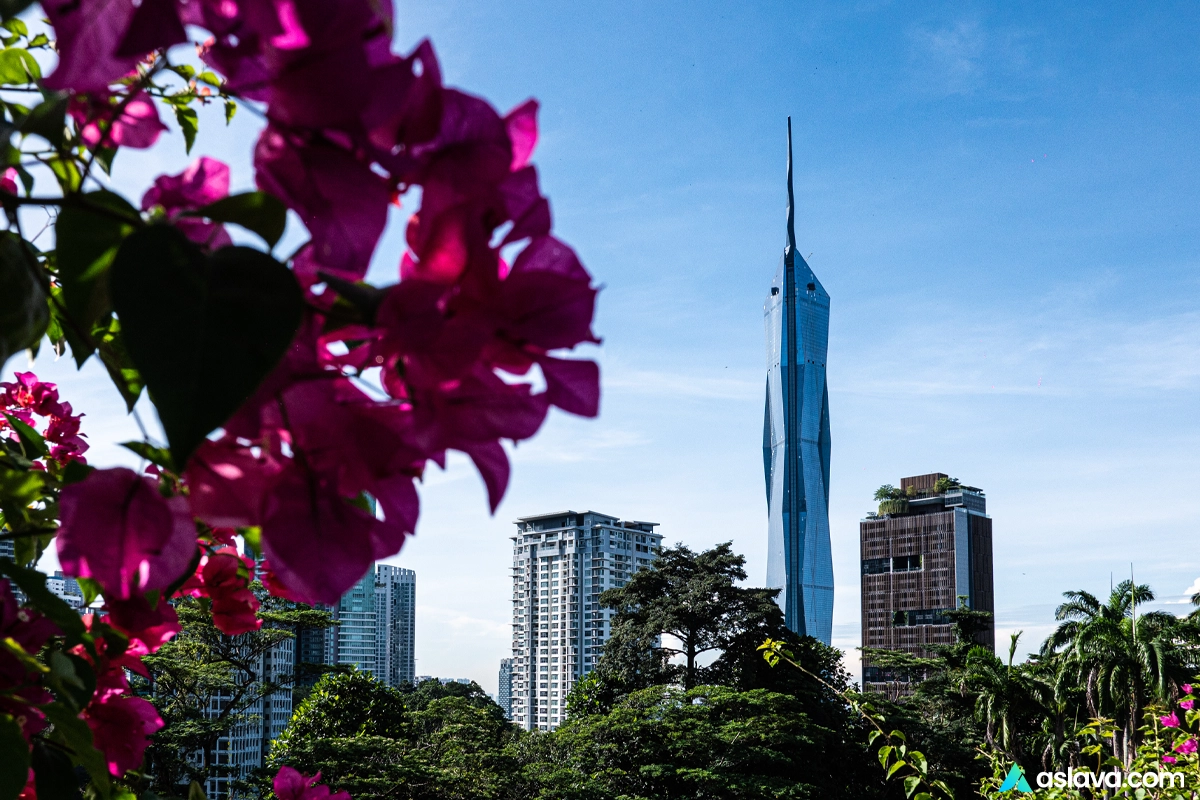
Understanding Malaysia visa requirements is an essential first step in planning your journey to this diverse and beautiful Southeast Asian nation. Whether you’re exploring the modern skyline of Kuala Lumpur, relaxing on the beaches of Langkawi, or trekking through the ancient rainforests of Borneo, confirming visa and health rules for your country will help ensure a smooth, enjoyable trip.
Before you travel, complete these essential pre‑travel steps: submit the Malaysia Digital Arrival Card if required, ensure your passport is valid for at least six months beyond arrival, confirm whether you need a visa or eVisa for your nationality, and prepare proof of onward travel and sufficient funds. Also verify any vaccine requirements (for example Yellow Fever) based on recent travel history.
Quick checklist (printable)
- MDAC: Submit the Malaysia Digital Arrival Card if your nationality requires it
- Passport: At least six months’ validity and one blank page for entry stamp
- Visa: Confirm visa or eVisa requirements for your country and apply in time
- Onward ticket & funds: Carry proof of onward travel and evidence of funds
- Health: Bring vaccination certificates if required and confirm current COVID‑19 guidance
Visa and entry rules can change. For authoritative, up‑to‑date guidance refer to the Malaysian government and Immigration Department pages (links in the Resources section). If you have doubts about your status upon arrival, contact the Immigration Department or your nearest embassy/consulate for assistance.
Disclaimer: We aim to provide accurate information, but visa rules and health entry requirements can change quickly. Always verify the latest entry requirements with official Malaysian government sources, the Immigration Department, or your nearest Malaysian embassy or consulate before traveling.