Natural Wonders and Adventure Destinations
The Davao Region offers a wide range of natural attractions for adventure seekers and nature lovers. You can move from mountain treks to island beaches in a single trip. Many sites balance access with conservation so visitors can enjoy varied ecosystems responsibly.
1. Mount Apo: The Philippines’ Highest Peak
Mount Apo stands at 2,954 meters above sea level and is the highest peak in the country. It draws mountaineers and nature lovers with its shifting ecosystems—from lowland rainforest to mossy summit forests.
Popular routes include the Kidapawan–Magpet and Kapatagan–Sta. Cruz trails. Each trail has distinct scenery: sulfur vents, boulder fields, waterfalls, and wide viewpoints. Most climbs take two to three days. Permits and local guides are required; plan and coordinate with park authorities before you go.
Trail management and conservation efforts have improved access and safety. If you prefer a gentler day out, Mount Apo Natural Park also offers hot springs, scenic campsites, and short nature walks suitable for casual visitors.
2. Samal Island: Tropical Paradise
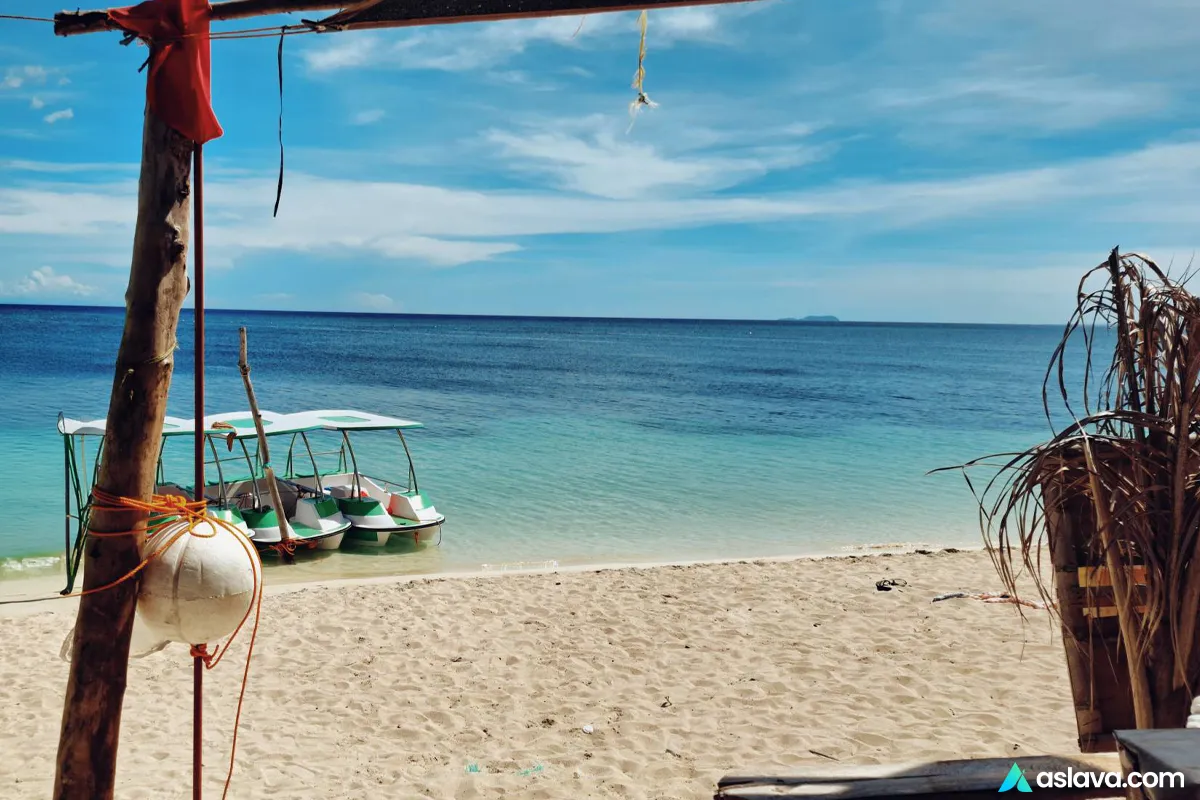
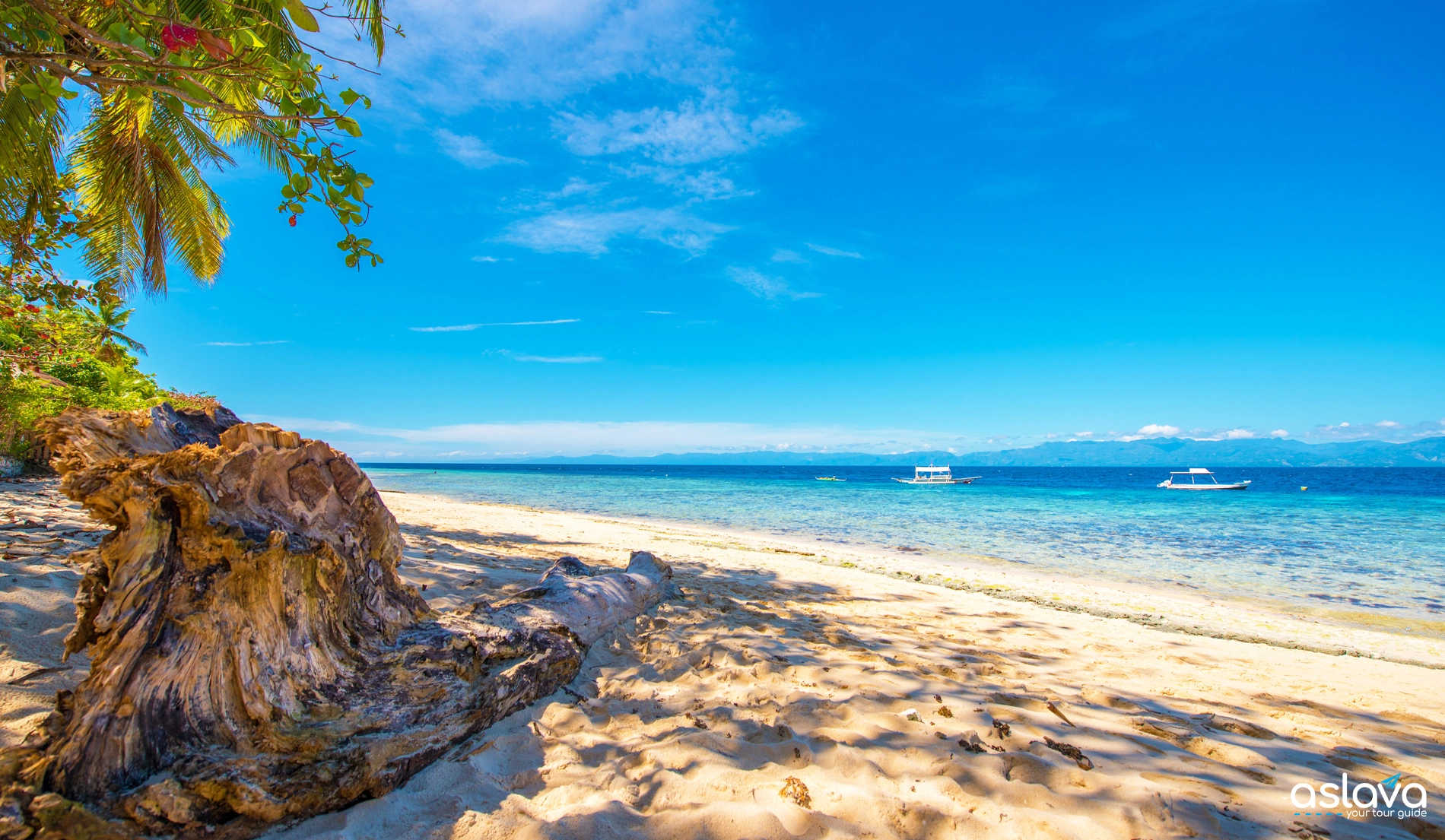
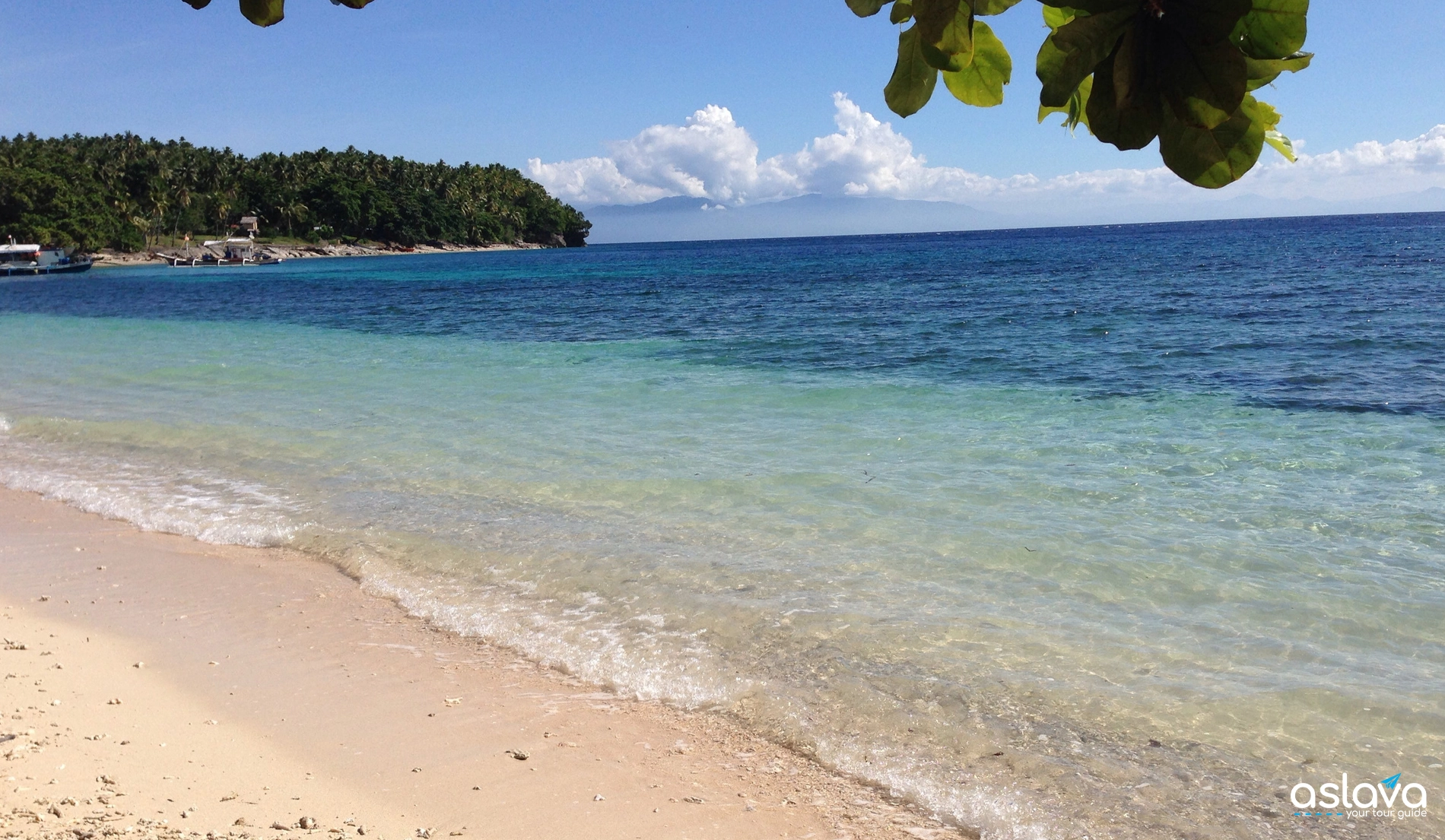
Samal Island (Island Garden City of Samal) lies a short ferry ride from Davao City. The island is known for white-sand beaches, clear waters, and relaxed island life. It remains a popular destination that balances visitor amenities with conservation.
Accommodations range from budget beach resorts to luxury villas. Popular beach areas include Kaputian, Babak, and Peñaplata, each with its own vibe and crowd level. Top activities are snorkeling, diving, kayaking, and island hopping—book local guides for the best spots.
Samal also features Hagimit Falls, scenic cliff viewpoints over the Davao Gulf, and the Monfort Bat Sanctuary. The sanctuary draws wildlife enthusiasts; check visiting rules before you go. The island’s growing food scene highlights fresh seafood and local flavors.
Island Hopping Adventure
Visit multiple beaches and snorkeling spots with a local guide who knows the best coves and marine life viewing areas.
Luxury Beach Retreat
Relax at an upscale resort on Samal for private beach access, spa services, and easy water-sport options.
3. Eden Nature Park: Mountain Retreat
Eden Nature Park sits in the highlands above Davao City and covers roughly 80 hectares. Reforestation turned a former barren area into gardens, trails, and wildlife habitat. The cooler climate makes it a welcome break from the lowland heat.
Attractions include botanical gardens, a butterfly sanctuary, and adventure facilities. Try the Skyrider zipline, Skyswing, or SkyCycle for panoramic views of the mountains and the Davao Gulf. Short nature trails showcase native plants and local wildlife.
The park has expanded its conservation and sustainable agriculture programs. Its restaurant serves farm-to-table dishes using on-site produce—an easy way to taste local agriculture while supporting restoration efforts.
4. Aliwagwag Falls: Natural Wonder
Aliwagwag Falls in Davao de Oro is often called the “Stairway to Heaven.” It features more than 100 cascading tiers and dramatic pools that attract photographers and nature lovers. The falls sit inside a protected eco-park and are surrounded by dense forest.
Visitors can swim in natural pools, picnic in designated areas, or view the cascades from observation decks. For a thrill, some operators offer a zipline that crosses part of the falls. The site is community-managed; conservation programs here provide local livelihoods while protecting the landscape.
Before visiting any protected area, check current rules, permit requirements, and recommended safety gear. Respect posted signs, stay on trails, and follow local guidance to help preserve these attractions for future visitors.
Cultural Experiences and Indigenous Heritage
The Davao Region preserves a rich mix of indigenous cultures and living traditions. Cultural tourism here offers respectful, authentic experiences that connect visitors with local communities and heritage.
1. Kadayawan Festival: Celebration of Culture
The Kadayawan Festival takes place every August in Davao City. It honors indigenous peoples, celebrates the harvest, and spotlights local arts and food. The name “Kadayawan” comes from “madayaw,” a greeting that means good, valuable, or beautiful.
Streets fill with colorful parades, floral floats, and street-dance competitions. Tribal groups display traditional attire, music, and dance. Food fairs let you sample indigenous dishes and regional specialties.
The festival now includes more workshops and interactive programs so visitors can learn directly from artisans and performers. If you plan to attend, book events and accommodations early—August is the busiest month for the city.
2. Philippine Eagle Center: Conservation and Culture
The Philippine Eagle Center in Davao City is both a conservation hub and a cultural touchstone. It cares for the critically endangered Philippine eagle and educates visitors about the bird’s role in local beliefs and ecology.
At the center you can learn about breeding programs, habitat restoration, and community-based conservation. Exhibits link scientific research with indigenous ecological knowledge—showing how traditional practices support conservation.
Visit hours, guided-tour schedules, and program availability vary, so check the center’s site before you go. Consider joining a guided tour to get close to exhibits while following the center’s welfare and viewing rules.
3. Tribal Villages and Cultural Immersion
Across the region, tribal villages offer structured cultural-immersion programs. Communities such as the Bagobo, Mandaya, and Manobo share weaving, music, and farming traditions through workshops and demonstrations.
In a village visit you might watch traditional weaving, try handcrafting a small souvenir, and hear elders tell stories that preserve oral history. These visits support local livelihoods when arranged through community-run programs.
Respect is essential: always ask before photographing people, follow host guidelines, and avoid pressuring communities for performances. Prefer experiences that clearly state how tourism revenue benefits residents.
Cultural Village Tour
Visit community-run villages to learn traditional crafts, songs, and cooking. Local guides explain customs and the community’s cultural priorities.
Craft Workshop
Join a workshop to learn weaving or carving from artisans. Buying directly from makers ensures your spending supports cultural preservation.
4. Museo Dabawenyo: Cultural Heritage
Museo Dabawenyo, in downtown Davao City, holds artifacts and exhibits that trace the region’s history—from pre-colonial times through Spanish and American periods to modern Davao. Displays include textiles, tools, photographs, and ceremonial objects.
The museum runs rotating exhibits and cultural programs. Some sites now offer tech-enhanced displays or virtual elements; check current exhibits and opening times before visiting.
For each cultural attraction, consider contacting the venue in advance for hours, ticketing, and any visitor guidelines. Use licensed local guides when possible to deepen context and ensure respectful interactions.
Culinary Adventures in Davao Region
The Davao Region serves a diverse culinary mix shaped by local agriculture, coastal waters, and indigenous traditions. Expect markets, farm visits, street food, and farm-to-table restaurants that showcase the area’s produce and flavors.
1. Durian and Exotic Fruits
Davao is widely known as the Durian Capital of the Philippines—trying durian is part of the local experience. The fruit is strong-smelling and creamy; many visitors either love it or learn to appreciate it after a taste.
Other top tropical fruits to try include:
- mangosteen — sweet and delicate;
- pomelo and rambutan — widely available in markets;
- lanzones and marang — seasonal specialties.
Local chefs use these fruits in ice cream, pastries, candies, and even coffee blends. For a hands-on option, book a guided fruit-tasting tour or an orchard visit to pick fresh fruit and learn sustainable farming practices from growers.
2. Seafood and Local Specialties
Thanks to its coastline, the region offers excellent seafood. Fresh tuna—especially the prized tuna jaw or “panga”—is commonly grilled and served with tangy sauces. Kinilaw, a raw fish dish cured in vinegar and citrus, highlights fresh catch and local technique.
Regional favorites reflect indigenous cooking methods. Try:
- sinuglaw — a mix of grilled pork (sinugba) and kinilaw;
- pinaupong manok — chicken roasted in bamboo with herbs;
- inuruban — fish wrapped and cooked in leaves or bamboo.
If you plan to eat kinilaw, choose reputable stalls or join a cooking class to learn safe preparation methods.Cooking classes and culinary tours are common; they pair tastings with lessons on ingredients and techniques. These experiences make for memorable food-focused activities in the region.
3. Roxas Night Market
Roxas Night Market in Davao City is the place to go for street food and local atmosphere after sunset. Stalls serve grilled skewers, tuna dishes, quick snacks, and durian treats. You can also buy affordable clothing and souvenirs here.
Practical tips: bring cash, go with a small group for safety, and try the well-known tuna and barbecue stalls. The market has seen organization and hygiene improvements; still, pick busy, popular vendors for the best experience.
4. Malagos Chocolate
Davao’s cacao industry has grown, and Malagos Chocolate is a leading example of single-origin, tree-to-bar production. Visit the Malagos Chocolate Museum to see the chocolate-making process, sample varieties, and join workshops.
The museum sits inside Malagos Garden Resort, which also features a bird park, butterfly sanctuary, and botanical displays. Book chocolate workshops in advance—tasting tours and specialty workshops fill up quickly during high season.
Quick culinary tips: pair durian with a milder sweet (like coconut or coffee) if you’re trying it for the first time. For raw seafood, eat at vetted stalls or join a class to learn safe preparation. Reserve workshops and tours ahead, and consider a guided food itinerary to cover the best spots efficiently.
Practical Information for Travelers
A little planning makes visiting the Davao Region smoother and more enjoyable. The tips below cover transport, accommodation, timing, and local etiquette so you can focus on the adventure.
1. Getting to and Around Davao Region
The main gateway is Francisco Bangoy International Airport (Davao International Airport), with regular flights from Manila, Cebu, and selected international routes. Check current flight schedules before you travel.
Getting around:
- In Davao City: taxis, jeepneys, and ride-hailing apps are widely available.
- To Samal Island: frequent ferries and small boats connect the city and island. Confirm schedules and terminals in advance.
- To remote attractions: rent a car with a driver or join an organized tour for convenience and local knowledge.
2. Accommodation Options
Davao City offers a range of hotels—from international chains to boutique and budget options—close to shopping, dining, and transport hubs. Choose city hotels for convenience and nightlife.
On Samal Island you’ll find beach resorts, mid-range hotels, and cottages with direct access to beaches. Mountain retreats near Eden Nature Park provide a cooler climate and scenic views for relaxation.
City Hotels
Ideal for quick access to Davao City attractions and business districts. Options cover luxury to budget.
Beach Resorts
Choose a Samal Island resort for beach-centric activities and water sports with easy ferry access.
3. Best Time to Visit
The Davao Region has generally stable weather year-round and fewer typhoons than many other parts of the Philippines. Still, plan around activities:
- Dry season (November–May): best for hiking, beach days, and outdoor adventures.
- Hot months (March–May): expect higher temperatures—bring sun protection.
- Wet season (June–October): occasional heavy showers; many outdoor activities remain possible between rains.
- Festivals: Kadayawan in August is a highlight—book early to secure accommodations.
4. Safety and Local Etiquette
Davao City is known for being relatively safe compared with other Philippine cities, but standard travel caution still applies. Keep valuables secure and stay aware of your surroundings.
When interacting with indigenous communities or visiting cultural sites:
- Ask permission before taking photos of people or ceremonies.
- Dress modestly at religious or traditional sites and follow host instructions.
- Remove shoes where local custom requires it and respect household rules.
Responsible travel tips:
- Avoid single-use plastics and carry a reusable bottle.
- Stay on designated trails in parks and protected areas.
- Do not touch wildlife or coral reefs; follow guide instructions.
- Use licensed local guides to support community livelihoods and conservation.
Sample Itineraries for Davao Region
Use these sample itineraries to plan your Davao Region adventure. Each plan mixes city attractions, nature, culture, and relaxation so you can tailor the schedule to your interests and fitness level.
1. 3-Day Essential Davao Experience
Ideal for first-time visitors who want a quick but full taste of the region.
- Day 1: Davao City Exploration — Morning at the Philippine Eagle Center to learn about the bird and conservation. Afternoon visit to Museo Dabawenyo for cultural context. Evening: dinner and street food at Roxas Night Market. (Logistics tip: allow 3–4 hours for the Eagle Center and 1–2 hours for the museum.)
- Day 2: Samal Island Adventure — Early ferry to Samal Island for beaches and snorkeling. Visit Hagimit Falls for a quick swim and stop by Monfort Bat Sanctuary if time allows. Return to the city in the evening. (Tip: ferries run frequently; check schedules and terminals.)
- Day 3: Nature and Culture — Morning at Eden Nature Park for short trails or zipline. Afternoon cultural visit to a nearby tribal village or Malagos Chocolate Museum. Sunset dinner at a viewpoint like Jack’s Ridge. (Alternative: swap Eden for an easier nature walk if you prefer less physical activity.)
2. 5-Day Adventure and Culture Immersion
Gives more time for wildlife, islands, and hands-on cultural experiences.
- Day 1: Arrival and Orientation — Settle into Davao City, visit People’s Park and the Japanese Tunnel, then sample Mindanaoan cuisine for dinner.
- Day 2: Wildlife and Gardens — Full day at the Philippine Eagle Center and Malagos Garden Resort. Join a chocolate workshop and visit the bird park. (Allow a full day for these attractions.)
- Day 3: Samal Island Exploration — Book an island-hopping tour to visit multiple beaches and snorkeling spots. Picnic on a secluded beach; return late afternoon.
- Day 4: Cultural Immersion — Spend time in a tribal village learning crafts and traditions. Participate in a weaving workshop and enjoy a traditional meal. (Arrange visits through licensed community programs.)
- Day 5: Eden and Culinary Experience — Morning at Eden Nature Park for trails or adventure activities. Afternoon culinary tour to sample durian and other fruits, then depart or relax in the city.
3. 7-Day Complete Davao Region Adventure
For travelers who want the full range: city, wildlife, mountain, and island time.
- Days 1–2: Davao City and Surroundings — Explore museums, markets, and parks. Visit the Philippine Eagle Center and Malagos Garden Resort. (Use Day 2 for deeper experiences like workshops.)
- Days 3–4: Mount Apo Trek — Two-day guided trek for physically fit hikers. Experience varied ecosystems and summit views. (Most operators recommend permits and a guide; typical treks run 2–3 days.)
- Day 5: Recovery and Culture — Rest after the trek with light activities: spa, Museo Dabawenyo, and a short village visit for crafts shopping.
- Days 6–7: Samal Island Retreat — Finish with two days on Samal Island for beach relaxation, island hopping, and snorkeling. Return to Davao City on the evening of Day 7 or depart the next day.
Responsible Tourism in Davao Region
As visitor numbers grow, responsible tourism helps protect the Davao Region’s natural and cultural assets. Small choices by travelers—like choosing eco-friendly operators—add up to big benefits for local communities and habitats.
1. Environmental Conservation
The region contains fragile ecosystems—from mountain forests to coral reefs—so conservation matters. Many tour operators limit group sizes, keep guests on designated trails, and follow “leave no trace” principles. As a traveler, prefer operators and accommodations that publish their conservation policies.
- Support marine protected areas around Samal Island by using licensed dive operators and avoiding anchor damage to reefs.
- Contribute to reforestation or local conservation programs when offered; small donations can fund seedlings and community projects.
- Follow park rules at places like Mount Apo Natural Park and local sanctuaries to protect wildlife and habitats.
2. Cultural Respect and Preservation
Visiting tribal villages and cultural sites requires sensitivity. Indigenous communities open their homes to visitors to share heritage and earn livelihoods. Respect their customs to ensure these exchanges remain positive.
- Always ask permission before photographing people or ceremonies.
- Dress modestly at cultural and religious sites and follow host guidance during visits.
- Buy handicrafts directly from artisans to ensure proceeds support local families and cultural transmission.
3. Community-Based Tourism
Community-based tourism gives visitors authentic experiences while directing income to residents. Options include homestays, community-guided walks, and craft workshops led by local experts.
Staying in community-run accommodations, eating local food, and hiring village guides helps the local economy. Many projects allocate part of their income to education, healthcare, or infrastructure—ask operators how your fees are used.
Quick responsible-traveler checklist:
- Choose certified or well-reviewed eco-friendly tours.
- Avoid single-use plastics; carry a reusable bottle.
- Keep to marked trails and do not feed or touch wildlife.
- Ask hosts how tourism income is shared with the community.
Embracing the Davao Experience
The Davao Region showcases the Philippines’ rich mix of nature and culture. From Mount Apo’s trails to Samal Island’s pristine beaches, the region offers varied experiences that appeal to many traveler types.
What sets Davao apart is how adventure and heritage coexist. Festivals, tribal villages, and conservation projects add context to outdoor activities. Visitors find both excitement and meaningful cultural connections here.
Whether you seek a sunrise trek, hands-on cultural workshops, or relaxed beach days, the Davao Region welcomes you with warm hospitality. Plan ahead, respect local customs, and choose eco-friendly options to keep these places vibrant for future visitors.
Quick takeaways — top must-dos: climb or view Mount Apo, visit the Philippine Eagle Center, and relax on Samal’s beaches. These three give a strong sense of the region’s range and heart.