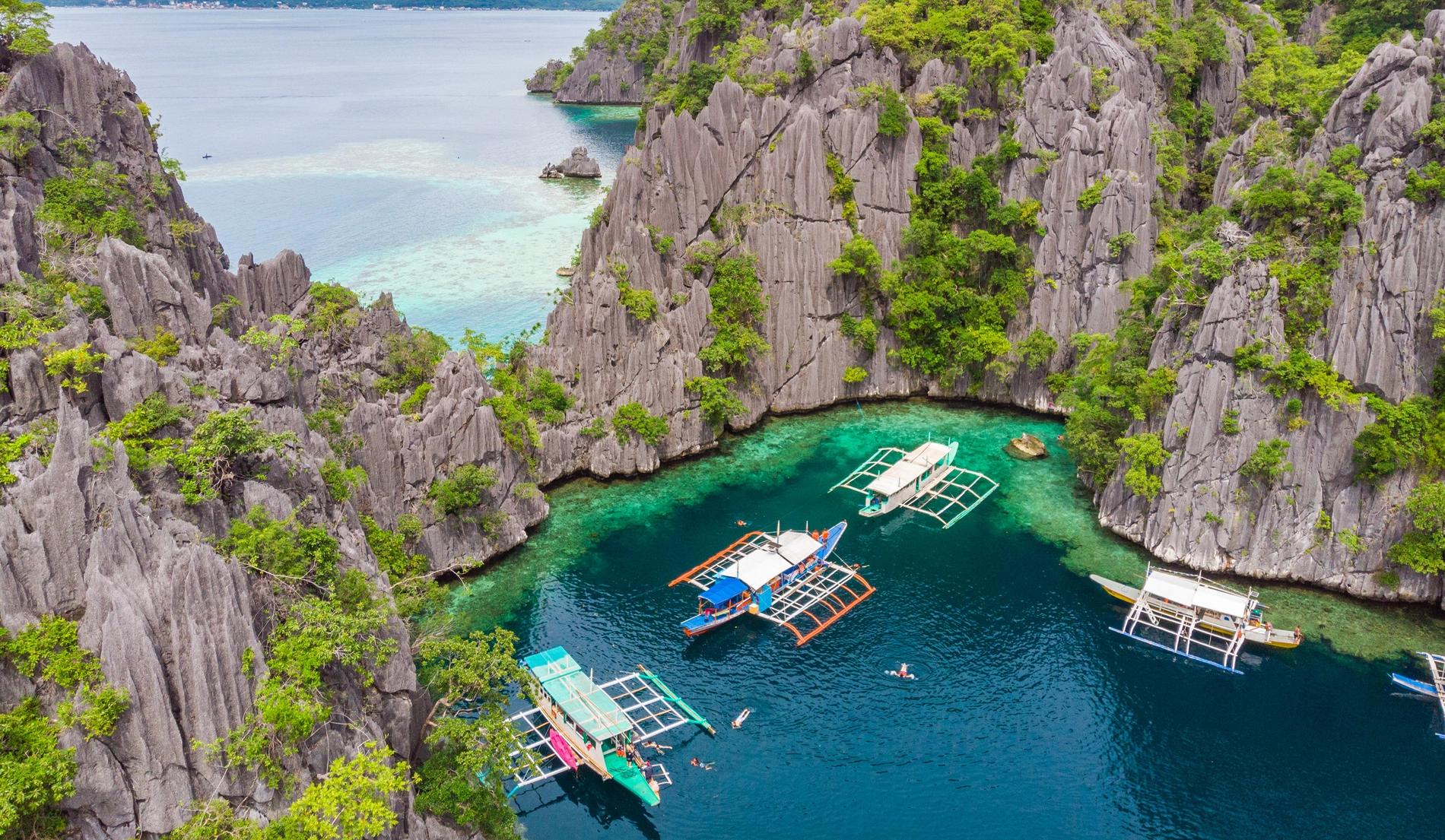
Coron’s Breathtaking Pristine Lakes
Coron island hopping tours reveal a collection of freshwater and brackish lakes unlike anywhere else in the world. These pristine bodies of water, surrounded by towering limestone cliffs, offer visitors a chance to swim in some of the clearest waters on the planet. Each lake has its own unique characteristics and charm, making them must-visit destinations during your Coron adventure.
1. Kayangan Lake – The Jewel of Coron
Often hailed as the cleanest lake in the Philippines, Kayangan Lake stands as Coron’s crown jewel. The journey to this pristine lake begins with a short but steep climb up 160 steps, rewarding you with a breathtaking panoramic view that has become the iconic postcard image of Coron. After descending another set of stairs, you’ll reach the wooden platform that leads to the lake’s crystal-clear waters.
What makes Kayangan Lake truly special is its unique composition of 70% freshwater and 30% saltwater, creating a distinct underwater environment. The water clarity is so exceptional that you can see up to 10 meters deep, revealing fascinating limestone formations beneath the surface. Furthermore, the surrounding cliffs create a natural sanctuary that feels worlds away from civilization.
2. Barracuda Lake – Thermal Wonder
Named after a large barracuda once found in its waters, this lake offers one of the most unique swimming experiences in Coron. What makes Barracuda Lake extraordinary is its thermocline – a phenomenon where you can feel dramatic temperature changes as you swim deeper. The surface temperature hovers around 28°C (82°F), but as you descend to about 14 meters, the temperature can rise to a surprising 38°C (100°F)!
The lake’s otherworldly underwater landscape features jagged limestone formations and a halocline (where freshwater meets saltwater), creating a surreal, dreamlike effect for swimmers and divers. Additionally, the absence of strong currents and waves makes it an ideal spot for both beginners and experienced free-divers to practice their skills.
3. Twin Lagoon – Nature’s Double Delight
As the name suggests, Twin Lagoon features two stunning lagoons separated by a limestone wall. During low tide, visitors swim through a small crevice beneath the karst formation to access the second lagoon. At high tide, a wooden ladder allows you to climb over the rock barrier. The experience of transitioning between these two pristine bodies of water creates a sense of discovery that captures the essence of Coron’s natural wonders.
The water in Twin Lagoon displays a mesmerizing mix of fresh and saltwater, creating a visual phenomenon where different densities of water appear to dance together. The surrounding limestone cliffs tower dramatically overhead, creating a cathedral-like atmosphere that inspires awe. Consequently, many visitors consider this tranquil spot a highlight of their Coron island hopping tour.
4. Banul Beach and Hidden Lagoon
While technically not a lake, Banul Beach provides access to a hidden lagoon that deserves mention among Coron’s pristine water attractions. This secluded spot features powdery white sand and crystal-clear waters perfect for swimming and snorkeling. The hidden lagoon, accessible through a small opening in the limestone cliffs, reveals a serene pool surrounded by vertical rock walls.
Banul Beach serves as an ideal lunch stop during island hopping tours, where you can enjoy freshly prepared seafood while taking in the stunning views. The beach area offers shade from coconut trees, making it a comfortable place to relax between swimming adventures. Additionally, the snorkeling around the beach reveals colorful coral gardens teeming with tropical fish.
5. CYC Beach and Coral Garden
Coron Youth Club (CYC) Beach presents a different kind of water experience with its shallow, crystal-clear waters and extensive coral garden just offshore. This public beach area features a beautiful stretch of white sand backed by mangroves, creating a picturesque tropical setting. The beach’s shallow waters make it ideal for families and beginner snorkelers looking to explore marine life in a safe environment.
The coral garden just a short swim from shore showcases a variety of hard and soft corals in relatively shallow water, making it accessible even to those with limited swimming abilities. Schools of colorful fish dart among the coral formations, providing an excellent introduction to Coron’s underwater ecosystem. Moreover, the beach’s facilities make it convenient for day trips and picnics.
Underwater Wonders of Coron
Beyond its pristine lakes, Coron has earned worldwide recognition for its spectacular underwater attractions. The area is home to some of the best-preserved WWII shipwrecks in the world, creating artificial reefs that now teem with marine life. These underwater time capsules, combined with natural coral gardens, make Coron a paradise for snorkelers and divers alike.
1. Skeleton Wreck – Accessible History
The Skeleton Wreck stands as one of Coron’s most accessible shipwrecks, making it perfect for both snorkelers and divers. This Japanese supply vessel from WWII now rests in relatively shallow waters, with its highest points visible just 5 meters below the surface. The skeletal structure of the ship’s frame is clearly visible, giving it its evocative name.
What makes this wreck particularly special is how nature has transformed it into a thriving marine ecosystem. Colorful corals have taken root on the metal framework, attracting a diverse array of fish species. Even from the surface, snorkelers can appreciate the haunting beauty of this historical artifact. Meanwhile, free-divers and scuba enthusiasts can venture deeper to explore the more intact portions of the wreck.
2. Lusong Gunboat – Shallow Wreck Wonder
The Lusong Gunboat offers one of the most unique wreck experiences in Coron, as it sits in extremely shallow water with parts of the vessel breaking the surface during low tide. This Japanese patrol boat was sunk during WWII and now rests at an angle that makes it particularly photogenic and accessible to all levels of swimmers.
What’s remarkable about this wreck is how you can observe the entire structure without advanced diving skills. The bow sits in deeper water (about 10-12 meters), while the stern is so shallow that snorkelers can easily explore it. Marine life has thoroughly colonized the wreck, with colorful corals, sponges, and schools of tropical fish making it their home. Additionally, the clear waters and ideal positioning make this site a favorite among underwater photographers.
3. Lusong Coral Garden – Vibrant Marine Ecosystem
Adjacent to the Lusong Gunboat lies the spectacular Lusong Coral Garden, one of Coron’s most vibrant natural reefs. This underwater paradise features an extensive shallow reef system that gradually slopes into deeper waters, making it ideal for snorkelers and divers of all experience levels.
The coral garden showcases an impressive diversity of hard and soft corals in a rainbow of colors. Massive brain corals, delicate sea fans, and vibrant table corals create a complex habitat for marine life. Schools of damselfish, parrotfish, and butterflyfish dart among the coral formations, while eagle-eyed observers might spot moray eels, octopuses, and even the occasional sea turtle. Furthermore, the excellent visibility and relatively calm waters make this site a photographer’s dream.
4. Twin Peaks Coral Garden – Underwater Mountains
Named for its two distinctive underwater limestone formations, Twin Peaks Coral Garden offers another spectacular natural reef experience. These submerged peaks rise from the ocean floor and are completely covered with colorful corals and sponges, creating a unique underwater landscape that attracts a wealth of marine life.
The site features varying depths, with the peaks reaching to within a few meters of the surface while the surrounding areas drop to about 15-20 meters. This topography creates diverse habitats that support an impressive variety of sea creatures. Snorkelers can enjoy the shallow sections where sunlight illuminates the vibrant corals, while divers can explore the deeper regions where larger fish species tend to congregate. Additionally, the currents that flow between the peaks bring in nutrients that support this thriving ecosystem.
5. Black Island Caves and Reefs
Black Island (locally known as Malajon Island) offers a combination of underwater and cave exploration that sets it apart from other Coron destinations. Named for its dark limestone cliffs rather than its beaches (which are actually pristine white), this island features spectacular reef systems along with fascinating cave formations.
The underwater landscape around Black Island includes healthy coral gardens with exceptional visibility, making it a premium snorkeling location. What truly makes this destination special, however, are the caves that can be explored both above and below water. Some caves feature crystal-clear freshwater pools inside, while others contain interesting stalactite and stalagmite formations. Moreover, the relative remoteness of Black Island means it receives fewer visitors than more accessible locations, providing a more exclusive experience.
Pristine Beaches and Sandbars
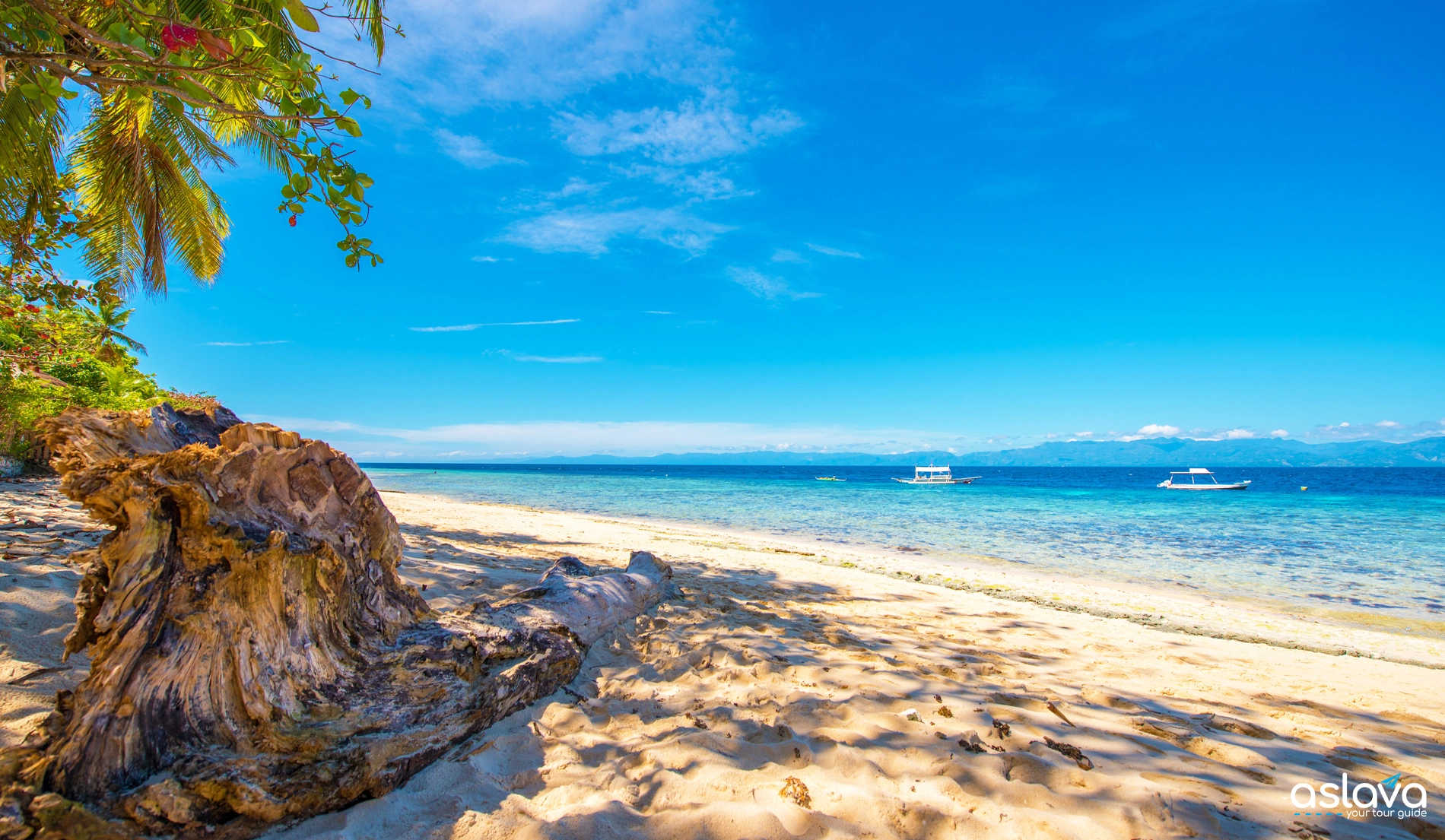
Complementing Coron’s lakes and underwater attractions are its stunning beaches and sandbars. These pristine stretches of white sand offer perfect relaxation spots between snorkeling adventures and provide some of the most photogenic landscapes in the Philippines.
1. Malcapuya Island – Powdery Paradise
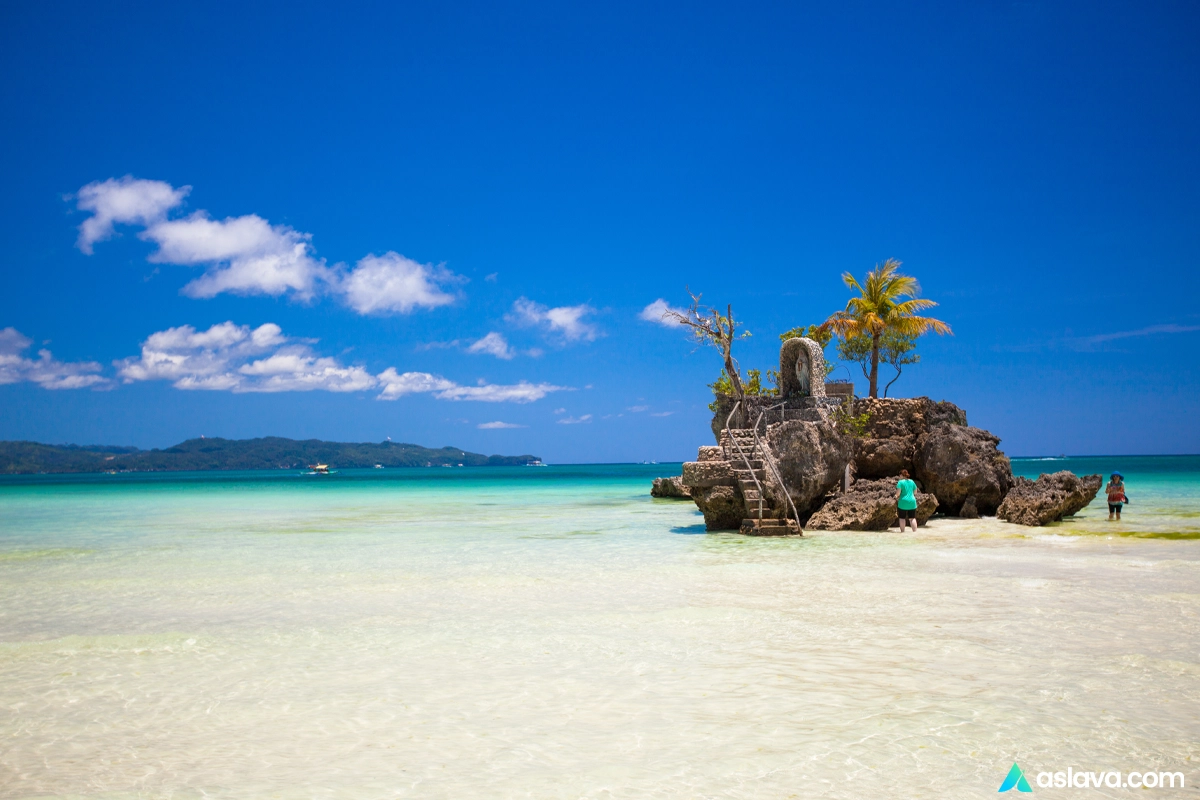
Often compared to Boracay for its powdery white sand, Malcapuya Island stands as one of Coron’s premier beach destinations. This island paradise features a long stretch of blindingly white beach with crystal-clear waters in varying shades of blue. The gradual slope of the seafloor makes it perfect for swimming, while coconut trees provide natural shade for relaxation.
Beyond the main beach, Malcapuya offers excellent snorkeling opportunities along its coral-fringed shores. A short hike to the island’s highest point rewards visitors with panoramic views of the surrounding Calamian Islands. The island also features basic facilities for day-trippers, including cottages for lunch and freshwater showers. Additionally, local vendors offer fresh coconuts and other refreshments, enhancing the tropical island experience.
2. Banana Island – Hammock Heaven
Aptly named for its curved shape resembling a banana, this island offers another spectacular beach experience in Coron. What sets Banana Island apart is its laid-back atmosphere, with numerous hammocks strung between palm trees creating the perfect tropical relaxation setting. The beach features fine white sand and calm, clear waters ideal for swimming and snorkeling.
Banana Island is a popular lunch stop during island hopping tours, with covered pavilions where visitors can enjoy freshly prepared seafood meals. The island’s reef system lies just offshore, offering excellent snorkeling with minimal effort. Colorful fish, sea stars, and various coral species can be observed in the shallow waters. Moreover, the island’s east-facing position makes it an ideal spot to catch the morning sun while avoiding afternoon heat.
3. Bulog Dos Island and Sandbar
Bulog Dos Island features one of Coron’s most photogenic sandbars, which connects to nearby Two Seasons Resort during low tide. This pristine strip of white sand creates a natural bridge between islands, surrounded by waters in stunning shades of turquoise and blue. The main island portion offers a small hill that visitors can climb for spectacular panoramic views of the surrounding seascape.
The waters around Bulog Dos provide excellent snorkeling opportunities, with healthy coral formations and abundant marine life. The sandbar area is particularly magical during low tide when the expanse of white sand is fully revealed. For photography enthusiasts, the contrast between the pure white sand and the gradient of blue waters creates stunning images, especially from elevated viewpoints. Furthermore, the changing tides continuously reshape the sandbar, making each visit a unique experience.
4. Pass Island – Remote Beauty
Located in the more remote northern part of the Calamian Islands, Pass Island offers a pristine beach experience away from the more frequented tourist spots. This small island features a stunning white sand beach that wraps around its perimeter, with crystal-clear waters perfect for swimming and snorkeling. The relative isolation of Pass Island means visitors often have large sections of beach to themselves.
The island’s location makes it ideal for overnight camping trips, allowing visitors to experience spectacular sunsets and stargazing opportunities. Basic facilities are available for overnight guests, including simple cottages and freshwater sources. The surrounding waters feature healthy coral reefs with diverse marine life, including occasional sightings of blacktip reef sharks in deeper areas. Additionally, the island’s position provides beautiful views of distant Culion Island and other parts of the Calamian archipelago.
5. Ditaytayan Island and Sandbar
Ditaytayan Island features one of the most impressive sandbars in the Coron area, stretching out like a white ribbon into the turquoise sea. This long, narrow strip of sand creates a striking natural formation that changes shape with the tides. During low tide, the exposed sandbar extends dramatically from the main island, creating a walkable path surrounded by shallow waters.
Beyond the sandbar, Ditaytayan offers beautiful beaches with soft white sand and clear waters ideal for swimming. The island’s interior features some vegetation that provides natural shade, while the surrounding waters offer good snorkeling opportunities with healthy coral patches and tropical fish. The island’s relatively undeveloped state preserves its natural beauty, though visitors should practice responsible tourism by taking all trash back to Coron Town. Moreover, the island’s position provides spectacular views of the surrounding Calamian archipelago.
Planning Your Coron Adventure
To make the most of Coron’s pristine lakes and underwater wonders, proper planning is essential. The following information will help you organize your 2026 Coron adventure, from choosing the best time to visit to selecting the right tours and accommodations.
1. Best Time to Visit Coron
The optimal time to visit Coron falls between November and May, during the dry season when weather conditions are most favorable for island hopping and water activities. December through March offers the coolest temperatures and minimal rainfall, making these months particularly popular. Water visibility reaches its peak during this period, creating ideal conditions for snorkeling and diving.
If you prefer to avoid crowds, consider visiting during the shoulder seasons of November or May. While there might be occasional rain showers, you’ll benefit from fewer tourists and lower prices. The rainy season (June to October) brings higher precipitation and potential typhoons, though many days still offer good weather for exploration. Additionally, 2026 climate patterns suggest slightly extended dry periods, potentially making October and early November more viable for visits than in previous years.
Dry Season (November-May)
- Minimal rainfall and excellent visibility
- Calm seas ideal for island hopping
- Peak tourist season (December-March)
- Higher prices and advance booking necessary
- Average temperatures: 25-33°C (77-91°F)
Wet Season (June-October)
- Intermittent rainfall and occasional storms
- Fewer tourists and lower prices
- Some tours may be canceled due to weather
- Lush, green landscapes from the rain
- Average temperatures: 24-31°C (75-88°F)
2. How to Get to Coron
In 2026, reaching Coron has become more convenient with increased flight options and improved sea transportation. The primary gateway is Francisco B. Reyes Airport (formerly Busuanga Airport), which receives multiple daily flights from Manila, Cebu, and Clark. The flight from Manila takes approximately 1 hour and 20 minutes, offering spectacular aerial views of the Philippine archipelago.
For those combining Coron with other Palawan destinations, fast ferry services connect Coron Town with El Nido (3-4 hours) and Puerto Princesa (6-7 hours). These modern vessels offer comfortable seating and have improved reliability since previous years. Furthermore, for a truly unique arrival experience, multi-day expedition boats travel between El Nido and Coron, stopping at remote islands along the way that are inaccessible by other means.
| Route | Transportation | Duration | Frequency (2026) | Approximate Cost |
| Manila to Coron | Flight | 1h 20m | 8-10 daily | ₱3,500-7,000 |
| Cebu to Coron | Flight | 1h 30m | 2-3 daily | ₱4,000-8,000 |
| El Nido to Coron | Fast Ferry | 3-4h | 2 daily | ₱2,200-3,000 |
| El Nido to Coron | Expedition Boat | 3-4 days | 3-4 weekly | ₱25,000-35,000 |
| Puerto Princesa to Coron | Ferry | 6-7h | 3 weekly | ₱2,800-3,500 |
3. Choosing the Right Island Hopping Tours
Island hopping tours remain the best way to experience Coron’s pristine lakes and underwater wonders. In 2026, tour options have become more diverse, with specialized experiences catering to different interests. Standard group tours (Tours A, B, and C) continue to offer excellent value, while private tours provide flexibility and the ability to avoid crowds by visiting popular spots during off-peak hours.
For the ultimate experience, consider multi-day island hopping expeditions that allow you to camp on remote beaches and explore locations beyond the reach of day-trippers. These tours have gained popularity in recent years, with improved camping facilities and culinary offerings enhancing the experience. Additionally, specialized photography tours cater to those looking to capture Coron’s stunning landscapes, with guides who know the best lighting conditions and vantage points.
Lakes and Lagoons
- Kayangan Lake (cleanest lake)
- Twin Lagoon (dual connected lagoons)
- Siete Pecados Marine Park
- CYC Beach
- Coral Garden snorkeling
- Duration: 7-8 hours
- Price: ₱1,500-1,800 per person
Wrecks and Reefs
- Barracuda Lake (thermal lake)
- Skeleton Wreck snorkeling
- Twin Lagoon
- Banol Beach
- Reef snorkeling spots
- Duration: 7-8 hours
- Price: ₱1,500-1,800 per person
Island Beaches
- Malcapuya Island
- Banana Island
- Bulog Dos Island and sandbar
- Snorkeling spots
- Beach picnic lunch
- Duration: 8-9 hours
- Price: ₱1,700-2,000 per person
4. Where to Stay in Coron
Accommodation options in Coron have expanded significantly for 2026, ranging from budget hostels to luxury resorts. Most visitors base themselves in Coron Town, which offers convenient access to tour departures, restaurants, and essential services. For a more immersive experience, consider staying at one of the eco-resorts on outlying islands, where you’ll wake up to pristine beaches and have direct access to snorkeling sites.
New sustainable accommodations have emerged in recent years, featuring solar power, rainwater collection, and minimal environmental impact. These eco-friendly options often provide a more authentic connection with Coron’s natural beauty. Additionally, floating accommodations have become increasingly popular, allowing guests to sleep directly over the crystal-clear waters while minimizing land-based development impact.
Coron Town Options
- Convenient location near tour departures
- Wide range of dining options
- Budget hostels to luxury hotels
- Easy access to Mt. Tapyas viewpoint
- Walking distance to markets and shops
- Price range: ₱800-10,000 per night
Island Resorts
- Direct beach and reef access
- More secluded and peaceful setting
- Often include meal packages
- Private island hopping options
- Stunning sunset views
- Price range: ₱5,000-30,000 per night
Eco-Friendly Stays
- Sustainable design and operations
- Minimal environmental impact
- Often in more remote locations
- Farm-to-table dining experiences
- Educational components about conservation
- Price range: ₱2,500-15,000 per night
5. Responsible Tourism in Coron
As Coron’s popularity continues to grow, responsible tourism practices have become increasingly important for preserving its pristine lakes and underwater wonders. Local authorities have implemented stricter regulations in 2026, including visitor caps at sensitive sites like Kayangan Lake and mandatory environmental briefings before tours. Visitors are encouraged to choose tour operators that adhere to sustainable practices and contribute to local conservation efforts.
Simple actions make a significant difference: using reef-safe sunscreen, avoiding single-use plastics, and never touching or standing on coral. Some tour operators now organize beach and underwater cleanup activities that visitors can join, combining adventure with positive environmental impact. Furthermore, supporting locally-owned businesses ensures that tourism benefits flow directly to the Coron community, helping preserve both natural and cultural heritage.
Coron Preservation Tips
- Use only reef-safe sunscreen (oxybenzone and octinoxate-free)
- Bring a reusable water bottle and refuse single-use plastics
- Never touch or stand on coral, even when taking photos
- Maintain proper buoyancy when snorkeling or diving
- Respect visitor limits and follow guide instructions at all sites
- Support eco-certified tour operators and accommodations
- Consider joining organized cleanup activities
- Respect local communities and cultural practices
Experience Coron’s Natural Wonders
Coron’s pristine lakes and underwater wonders offer some of the most spectacular natural experiences in the Philippines. From swimming in the crystal-clear waters of Kayangan Lake to exploring WWII shipwrecks teeming with marine life, each day brings new adventures and unforgettable memories. The limestone landscapes, white sand beaches, and vibrant coral reefs create a paradise that continues to captivate travelers in 2026.
As you plan your journey to this remarkable destination, remember that the true magic of Coron lies not just in its breathtaking beauty, but in the sense of discovery and connection with nature that it inspires. By approaching your visit with respect for the environment and local communities, you help ensure that these pristine lakes and underwater wonders remain for future generations to enjoy. Your Coron adventure awaits – prepare to be amazed by one of the world’s most extraordinary natural treasures.