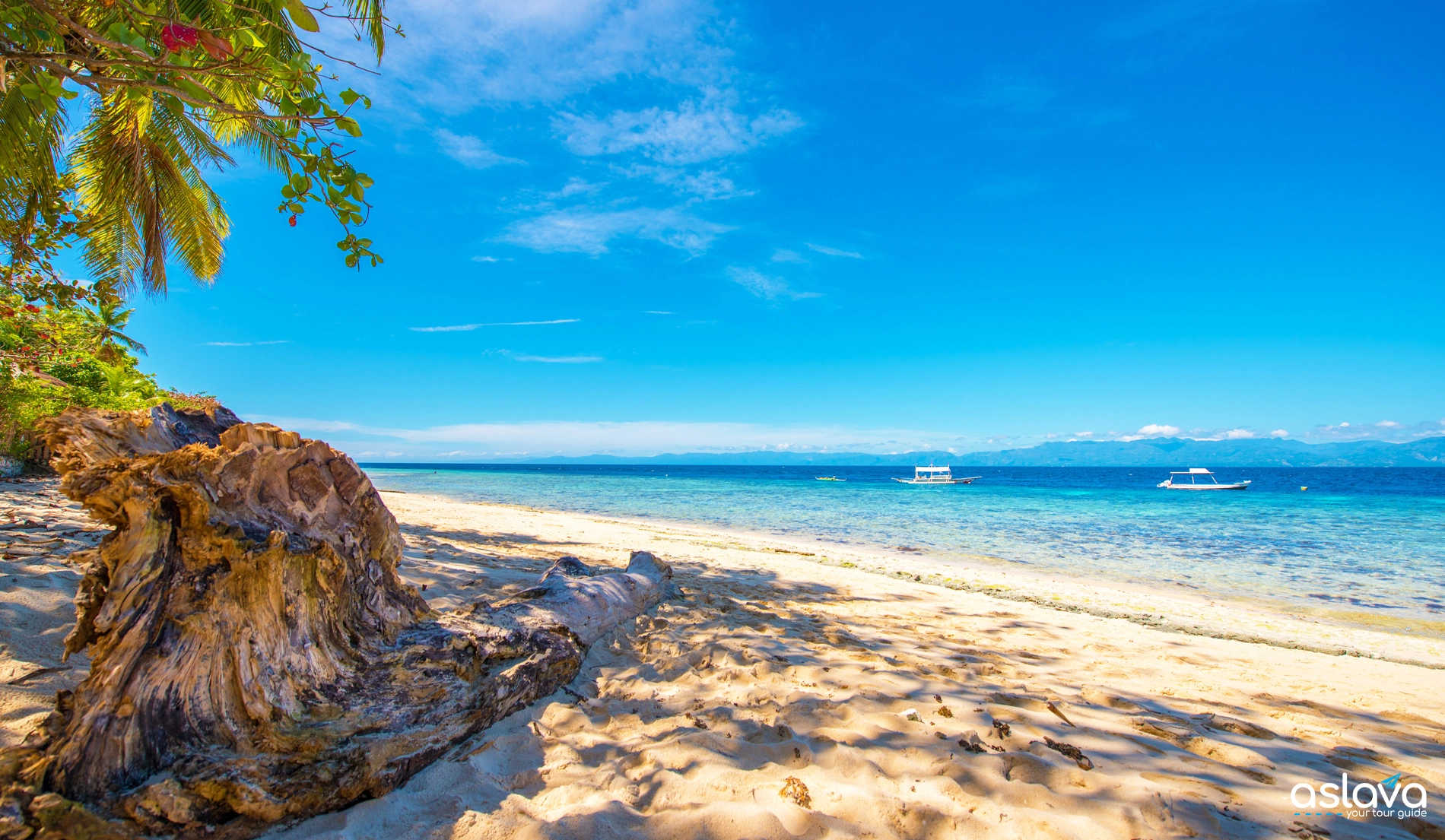
Best Time to Visit Cebu
Planning your trip to Cebu requires careful consideration of the island’s tropical climate. The ideal time to visit largely depends on your preferred activities and tolerance for crowds. Moreover, understanding Cebu’s seasonal patterns will help you pack appropriately and make the most of your adventure.
1. Dry Season (December to May)
The dry season from December to May offers the most reliable weather for exploring Cebu’s attractions. With minimal rainfall and comfortable temperatures averaging 24-32°C (75-90°F), this period is perfect for island-hopping, diving, and beach activities. However, this is also peak tourist season, especially during Christmas, Holy Week (usually in March or April), and summer break (March to May). Therefore, expect higher prices and larger crowds at popular destinations.
January stands out as a particularly exciting month to visit because of the Sinulog Festival. Held every third Sunday of January, this vibrant celebration honors the Santo Niño (Child Jesus) with colorful street parades, energetic dance performances, and lively music. If you’re planning to experience this cultural spectacle, book your accommodations at least three months in advance since hotels fill up quickly.
2. Rainy Season (June to November)
The rainy season brings occasional showers and higher humidity to Cebu. Although typhoons are less frequent here compared to other parts of the Philippines, it’s still wise to monitor weather forecasts during your trip. Despite the rain, many mornings remain clear and perfect for sightseeing. Furthermore, this period offers significant advantages for budget travelers, including discounted rates on accommodations and fewer tourists at major attractions.
July to October is considered the low season, making it ideal for those seeking a more peaceful experience. Additionally, the rain transforms Cebu’s landscapes into lush, vibrant greenery, creating spectacular backdrops for photography, especially at waterfalls and mountain viewpoints. If you’re visiting during this time, pack a light rain jacket and plan flexible itineraries that can accommodate sudden weather changes.
3. What to Wear
Cebu’s tropical climate calls for lightweight, breathable clothing year-round. During the dry season, light cotton shirts, shorts, sundresses, and comfortable walking shoes are essential. Don’t forget to pack swimwear, as you’ll likely spend considerable time at beaches and waterfalls. For the rainy season, add a light waterproof jacket or poncho and quick-drying clothes to your packing list.
When visiting religious sites like churches and temples, modest attire is expected. Consequently, bring at least one outfit with covered shoulders and knees. For mountain hikes or canyoneering adventures, sturdy water shoes or sandals with good grip are necessary. Lastly, regardless of when you visit, always pack sun protection including hats, sunglasses, and reef-safe sunscreen to shield yourself from Cebu’s intense tropical sun.
How to Get to Cebu
Reaching Cebu has become increasingly convenient in 2026, with expanded flight routes and improved sea transportation options. As one of the Philippines’ major transportation hubs, Cebu offers multiple entry points for international and domestic travelers alike.
1. By Air
The most efficient way to reach Cebu is through Mactan-Cebu International Airport (MCIA), which has been recognized as one of the best airports in the Asia-Pacific region. Following the 2025 inauguration of its parallel runway, the airport now handles increased flight movements with fewer delays. Direct international flights connect Cebu to 21 destinations across Asia, Australia, and the Middle East, while domestic flights operate from all major Philippine cities.
From Manila, flights to Cebu take approximately 1 hour and 30 minutes, with multiple departures throughout the day. Meanwhile, travelers from other Philippine destinations like Davao, Clark, or Iloilo can reach Cebu in 45 minutes to 1 hour. Major airlines serving Cebu include Philippine Airlines, Cebu Pacific, AirAsia, Singapore Airlines, Cathay Pacific, and Korean Air. For the best deals, consider booking your flights 2-3 months in advance through comparison sites like Skyscanner or directly through airline websites.
2. By Sea
Ferry services connect Cebu to numerous islands throughout the Philippines, making sea travel a viable option for those already in the country. The main ports in Cebu City and Mactan handle regular ferry services from nearby destinations like Bohol (2 hours), Dumaguete (4 hours), and Leyte (2.5-3 hours). For longer journeys, overnight ferries operate from Manila (22-24 hours) and Davao (29 hours).
Several ferry companies serve these routes, including 2Go Travel, OceanJet, and Weesam Express. Fast crafts offer quicker journeys but at higher prices, while larger vessels provide more affordable options with basic accommodations for overnight trips. To ensure availability, especially during peak seasons, it’s advisable to book your ferry tickets online in advance through the companies’ official websites or reliable booking platforms.
Getting Around Cebu
Navigating Cebu efficiently enhances your travel experience, allowing you to maximize your time exploring this diverse island. From public transportation to private options, Cebu offers various ways to get around that cater to different preferences and budgets.
1. Public Transportation
Cebu’s colorful jeepneys remain the most iconic and affordable way to get around urban areas. These modified jeeps follow fixed routes throughout Cebu City and other towns, with fares starting at ₱12 for short distances. To use them like a local, simply flag one down, tell the driver your destination, and pass your fare forward. Although they can be crowded during peak hours, jeepneys offer an authentic Filipino transportation experience.
For longer journeys between towns and cities, Ceres buses are your best option. The air-conditioned Ceres liners run regularly from Cebu South Bus Terminal to popular destinations like Moalboal (₱220, 3-4 hours), Oslob (₱180-220, 4 hours), and Badian (₱180, 3 hours). In 2026, the new South Road Properties (SRP) bus terminal has improved the departure experience, though traffic can still affect travel times. For shorter distances within towns, motorized tricycles provide convenient transport for ₱20-50 per ride, depending on the distance.
2. Rental Vehicles
Renting a motorbike gives you the freedom to explore Cebu at your own pace, especially when visiting multiple attractions in one day. Scooters (125cc) can be rented for ₱400-500 per day in tourist areas like Moalboal, Oslob, and Cebu City. For longer rentals of a week or more, rates drop to around ₱350 per day. A valid driver’s license from your home country is typically sufficient, though some rental shops may require a deposit of ₱1,000-3,000.
Car rentals provide comfort and convenience, particularly for families or groups. Compact cars start at ₱1,500 per day, while SUVs and vans range from ₱2,500-4,000 daily. Major rental companies like Avis and Budget operate at the airport, but local agencies often offer more competitive rates. Additionally, ride-hailing apps like Grab and Angkas (for motorcycles) provide reliable transportation in urban areas, with the advantage of fixed pricing and no negotiation required.
3. Island Transfers
Exploring Cebu’s surrounding islands requires boat transfers. Regular ferry services connect Cebu to nearby islands like Malapascua, Bantayan, and Camotes. For Malapascua, boats depart from Maya Port (₱100-150, 30 minutes), while ferries to Bantayan Island leave from Hagnaya Port (₱180, 1 hour). These services typically operate from early morning until mid-afternoon, so plan your journey accordingly.
For day trips to smaller islands and sandbanks, boat rentals are available from coastal towns. Prices vary depending on the distance and boat size, ranging from ₱1,500 for small bangkas (outrigger boats) to ₱3,500 for larger vessels that can accommodate groups. When island-hopping, it’s often more economical to join organized tours that include multiple stops, lunch, and snorkeling equipment, especially if you’re traveling solo or as a couple.
Where to Stay in Cebu
Choosing the right accommodation is crucial for an enjoyable Cebu experience. The island offers diverse lodging options across various areas, each with its own character and proximity to different attractions. From luxury resorts to budget-friendly hostels, Cebu caters to all types of travelers and preferences.
1. Cebu City
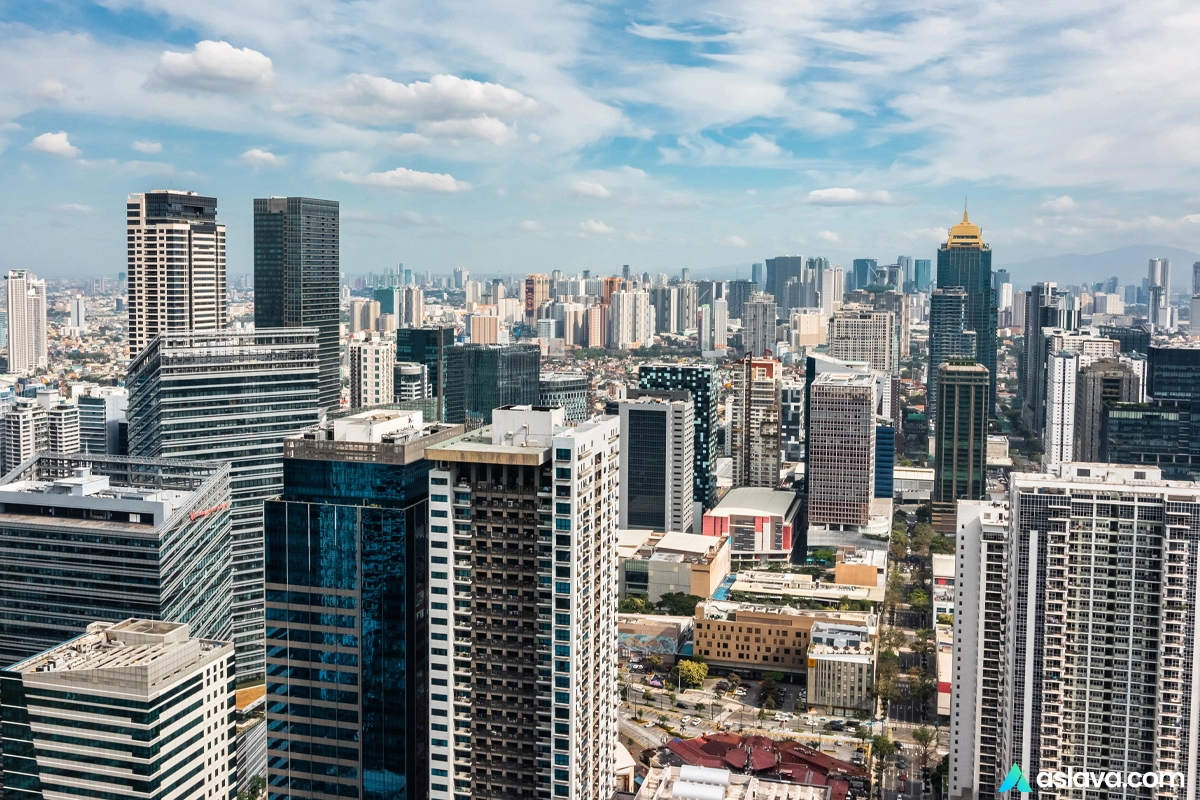
As the urban center of the province, Cebu City provides convenient access to historical sites, shopping malls, and nightlife. The Ayala and IT Park areas offer upscale accommodations surrounded by restaurants and shops. Business travelers often prefer hotels near these commercial districts for their modern amenities and proximity to corporate offices. Meanwhile, budget travelers can find affordable options around Mango Avenue and downtown, where guesthouses and hostels provide basic comforts at lower rates.
Staying in Cebu City makes sense if you’re planning short trips to various parts of the island or if you value urban conveniences. Notable accommodations include the luxurious Bai Hotel (₱5,000-7,000/night), mid-range Quest Hotel (₱3,000-4,000/night), and budget-friendly Cebu R Hotel (₱1,500-2,000/night). For longer stays, serviced apartments and Airbnb rentals offer home-like comforts and better value, especially for families or groups.
2. Mactan Island
Connected to Cebu City by bridges, Mactan Island hosts the international airport and numerous beachfront resorts. This area is ideal for travelers seeking a beach vacation with easy access to urban amenities. The eastern coast features luxury resorts with private beaches, while the western side offers more affordable accommodations closer to the airport and commercial areas. Additionally, Mactan serves as an excellent base for island-hopping and water activities.
Luxury seekers can indulge at Shangri-La’s Mactan Resort (₱12,000-20,000/night) or Crimson Resort (₱9,000-15,000/night), both offering world-class facilities and beachfront locations. Mid-range options include Solea Mactan Resort (₱4,500-6,000/night) and Goldberry Suites (₱3,000-4,000/night). Budget travelers will find value in Eloisa Royal Suites (₱1,800-2,500/night) or various guesthouses in the Maribago and Basak areas.
3. Moalboal
Located on the southwest coast, Moalboal has become a favorite among divers and nature enthusiasts. This laid-back town offers easy access to the famous sardine run, turtle watching, and Kawasan Falls. Panagsama Beach area concentrates most tourist facilities, including dive shops, restaurants, and accommodations of various categories. Meanwhile, White Beach provides a quieter alternative with its pristine shoreline and more secluded resorts.
Accommodation options in Moalboal range from dive resorts like Turtle Bay Dive Resort (₱4,000-6,000/night) and Ocean Vida (₱3,500-5,000/night) to mid-range options such as The Blue Orchid Resort (₱2,500-3,500/night). Budget travelers can find good value at Moalboal Backpacker Lodge (₱800-1,200/night) or Chief Mau Hostel (₱600-900/night for dorms). For longer stays, several guesthouses offer weekly and monthly rates with kitchen facilities, ideal for slow travelers.
4. Oslob and Southern Cebu
The southern coast of Cebu, particularly Oslob, attracts visitors eager to swim with whale sharks and explore waterfalls. This area offers a more rural experience with smaller resorts and guesthouses scattered along the coastline. Staying in Oslob allows early access to whale shark encounters before day-trippers arrive from Cebu City. Furthermore, it positions you perfectly for exploring other southern attractions like Tumalog Falls and Sumilon Island.
Accommodation options include the mid-range Oslob Whale Shark Resort (₱3,000-4,000/night) and Granada Beach House (₱2,500-3,500/night). Budget travelers can find basic but comfortable rooms at Sharky Hostel (₱800-1,500/night) or Aaron Beach Resort (₱1,200-2,000/night). For a luxury experience, consider a stay at Sumilon Bluewater Island Resort (₱12,000-18,000/night), located on a private island just off the coast with its own marine sanctuary and sandbar.
Must-Visit Attractions in Cebu
Cebu’s diverse landscape offers an impressive array of attractions that cater to various interests. From historical sites to natural wonders, the island province provides countless opportunities for exploration and adventure. Here are the top attractions you shouldn’t miss during your visit to Cebu.
1. Historical Sites in Cebu City
Begin your Cebu journey by exploring its rich historical heritage in the capital city. Magellan’s Cross, housed in a small chapel near the Basilica del Santo Niño, marks the spot where Christianity was first introduced to the Philippines in 1521. The cross you see today actually encases the original to protect it from souvenir hunters who once chipped away pieces as relics. Just steps away stands the Basilica del Santo Niño, the oldest Roman Catholic church in the country, home to the revered Santo Niño statue—a gift from Ferdinand Magellan to Queen Juana of Cebu.
Fort San Pedro, a triangular bastion fort built by the Spanish in 1738, offers insight into Cebu’s colonial past. Now functioning as a historical park and museum, it houses artifacts, documents, and paintings that illustrate the city’s evolution. For a deeper dive into local heritage, visit the Yap-Sandiego Ancestral House, one of the oldest Chinese-Filipino houses in the Philippines, dating back to the late 17th century. Its well-preserved architecture and antique furnishings provide a glimpse into colonial-era living.
2. Kawasan Falls
Located in Badian, approximately three hours from Cebu City, Kawasan Falls has become one of the island’s most iconic natural attractions. This multi-tiered waterfall system features stunning turquoise waters cascading into natural swimming pools surrounded by lush jungle. The main falls drop from a height of about 40 meters into a deep, refreshing basin perfect for swimming. Bamboo rafts are available for rent, allowing you to venture directly under the falls for a natural massage from the cascading water.
For adventure seekers, canyoneering has become the premier activity at Kawasan. Starting upstream in Alegria, this guided adventure takes you through a scenic canyon where you’ll swim through turquoise waters, slide down natural rock formations, and jump from cliffs ranging from 3 to 15 meters high. The 3-4 hour journey concludes at the main falls of Kawasan. In 2026, improved safety measures and visitor management systems have enhanced the experience while preserving the natural beauty of this destination. Entrance fees are ₱200 per person, with canyoneering packages ranging from ₱1,500 to ₱2,500, including guides and safety equipment.
3. Moalboal Sardine Run
Moalboal, a coastal town on Cebu’s southwest, offers one of the most unique marine experiences in the world—the sardine run. Just meters from Panagsama Beach, millions of sardines form a massive, swirling ball that creates a mesmerizing underwater spectacle. Unlike seasonal sardine runs elsewhere, Moalboal’s sardine shoal remains year-round, making it accessible whenever you visit. The phenomenon occurs in relatively shallow water, so even snorkelers can enjoy this incredible sight without needing scuba certification.
While observing the sardines, keep an eye out for sea turtles that frequently feed in the same area. The reef drop-off near Panagsama Beach is home to numerous green and hawksbill turtles that have become accustomed to swimmers. For a more comprehensive marine experience, take a boat trip to nearby Pescador Island, renowned for its vibrant coral gardens and diverse marine life. Snorkeling gear can be rented from beachfront shops for around ₱150-200, while guided snorkeling tours cost approximately ₱800-1,200 per person, including equipment and boat transportation.
4. Whale Shark Encounter in Oslob
Oslob, a town on Cebu’s southeastern coast, has gained international fame for its whale shark encounters. These gentle giants, locally known as “butanding,” gather near the shore where visitors can swim or snorkel alongside them. The experience begins early in the morning, with briefings starting at 6:00 AM. Boats take small groups to designated areas where whale sharks congregate, allowing for a 30-minute encounter with these magnificent creatures that can grow up to 12 meters long.
In 2026, improved regulations ensure more sustainable practices, including maintaining proper distance from the sharks and prohibiting touching or using flash photography. The environmental levy introduced in 2025 (₱500 for locals, ₱1,000 for foreigners) funds conservation efforts and community development. While the practice of feeding whale sharks to attract them remains controversial among marine conservationists, local authorities have implemented stricter guidelines to minimize potential negative impacts. The complete experience costs around ₱1,500-2,000, including boat ride, guide, and environmental fees. For the best experience with fewer crowds, arrive early and visit on weekdays rather than weekends.
5. Osmeña Peak
Standing at 1,013 meters above sea level, Osmeña Peak is the highest point on Cebu Island and offers breathtaking panoramic views of the surrounding landscape. Located in Dalaguete, often called the “Vegetable Basket of Cebu,” the peak is part of the Mantalongon mountain range, characterized by its jagged hills reminiscent of Bohol’s Chocolate Hills. The relatively easy 20-30 minute hike from the jump-off point makes it accessible to most fitness levels, while the cool mountain climate provides a refreshing contrast to Cebu’s coastal heat.
In 2026, the management of Osmeña Peak has been formalized with a ₱150 entrance fee that includes a mandatory local guide. This system helps preserve the area while supporting the local community. The best times to visit are early morning for sunrise or late afternoon for sunset when the lighting creates dramatic shadows across the landscape. Many visitors combine this trek with other nearby attractions, such as Casino Peak or a trip to Kawasan Falls. Transportation to the jump-off point can be arranged from Dalaguete town proper, with habal-habal (motorcycle taxis) charging around ₱300-400 for a round trip.
6. Malapascua Island
Situated off the northernmost tip of Cebu, Malapascua Island has earned international recognition as the only place in the world where thresher sharks can be reliably spotted daily. These elegant creatures, distinguished by their long, scythe-like tails, visit cleaning stations at Monad Shoal before sunrise, creating a bucket-list diving experience for underwater enthusiasts. Beyond shark diving, Malapascua offers pristine white sand beaches, vibrant coral gardens, and a relaxed island atmosphere that captivates visitors.
Bounty Beach, the island’s main stretch of sand, hosts most resorts, restaurants, and dive shops. The island’s small size—only about 2.5 kilometers long—means everything is within walking distance, contributing to its intimate charm. To reach Malapascua, take a bus from Cebu City to Maya Port (4 hours), followed by a 30-minute boat ride (₱100-150). Accommodations range from budget-friendly options like Malapascua Budget Inn (₱800-1,200/night) to mid-range resorts such as Ocean Vida (₱3,500-5,000/night). For the thresher shark dive, expect to pay around ₱3,500-4,500, including equipment rental and boat transportation.
7. Sumilon Island
Just off the southeastern tip of Cebu near Oslob, Sumilon Island beckons with its shifting white sandbar, crystal-clear waters, and rich marine biodiversity. As the Philippines’ first marine protected area established in 1974, the island’s surrounding waters teem with vibrant coral and diverse fish species, making it a paradise for snorkelers and divers. The island’s most distinctive feature is its sandbar, which changes shape and position depending on tide and wind patterns, creating a constantly evolving natural attraction.
While part of the island is occupied by Bluewater Sumilon Island Resort, day visitors can access the public areas through organized tours or by arranging boat transfers from Oslob. Day passes to the resort (₱1,475 on weekdays, ₱2,000 on weekends) include boat transfers, buffet lunch, and use of facilities like the infinity pool. For a more budget-friendly option, boat rentals from Oslob to the public beach area cost around ₱1,500-2,000 for a round trip that accommodates up to 6 people. The island also features hiking trails, a historic lighthouse, and a natural lagoon perfect for kayaking.
Adventure Activities in Cebu
Cebu has firmly established itself as the adventure capital of the Philippines, offering a diverse range of thrilling activities for adrenaline seekers. From underwater explorations to mountain adventures, the island provides unique experiences that will satisfy your craving for excitement while showcasing Cebu’s natural beauty.
1. Scuba Diving and Snorkeling
Cebu’s crystal-clear waters and rich marine biodiversity make it a premier destination for underwater adventures. Moalboal stands out as a diving hotspot, featuring dramatic wall dives along its reef drop-off where you’ll encounter schools of jackfish, barracudas, and the famous sardine run. Pescador Island, just a 20-minute boat ride from Moalboal, offers exceptional visibility and diverse coral formations teeming with marine life, including occasional sightings of whale sharks and sea turtles.
For a truly unique diving experience, head to Malapascua Island for early morning dives with thresher sharks at Monad Shoal. These elegant creatures, known for their distinctive long tails, visit cleaning stations daily at depths of 20-30 meters. Advanced certification is required for these dives due to the depth. Meanwhile, beginners can enjoy shallow reef dives around the island or take discover scuba courses starting at ₱3,500. Snorkeling opportunities abound throughout Cebu, with equipment rentals available at most beaches for ₱150-200 per day, making it an accessible activity for all ages and experience levels.
2. Canyoneering
The canyoneering adventure from Alegria to Kawasan Falls has become Cebu’s signature adventure activity. This 3-4 hour journey takes you through a stunning canyon system with natural waterslides, cliff jumps ranging from 3 to 15 meters high, and swim-throughs beneath massive rock formations. Professional guides lead small groups through the canyon, ensuring safety while encouraging participants to push their boundaries with increasingly challenging jumps and slides.
In 2026, improved safety standards include mandatory life vests, helmets, and proper footwear. The activity begins with a safety briefing and basic training before the main adventure. While the full route includes some challenging sections, alternative paths exist for those uncomfortable with higher jumps. Tours typically cost ₱1,500-2,500 per person, including transportation from Moalboal or Badian, guide services, safety equipment, and entrance fees. For the best experience, book with reputable operators like Kawasan Canyoneering Adventure or Planet Action Adventure, who maintain smaller group sizes and emphasize environmental conservation.
3. Island Hopping
Exploring the smaller islands and sandbars surrounding Cebu provides a perfect balance of adventure and relaxation. From Mactan, island-hopping tours visit marine sanctuaries like Hilutungan, Nalusuan, and Caohagan, where vibrant coral gardens and diverse fish species create exceptional snorkeling opportunities. These tours typically include lunch on one of the islands, allowing you to enjoy fresh seafood prepared in traditional Filipino style while relaxing on pristine beaches.
In northern Cebu, boat trips from San Remigio or Daanbantayan take you to hidden gems like Hilantagaan (Virgin Island) with its unspoiled beaches and traditional fishing communities. The new marine activity fee of ₱100 introduced in Lapu-Lapu helps fund conservation efforts to preserve these fragile ecosystems. Island-hopping tours generally cost ₱1,500-2,500 per person for group tours, while private boat charters range from ₱3,000-5,000 depending on the distance and boat size. For a more exclusive experience, consider overnight stays on smaller islands like Capitancillo or Carnaza, where basic accommodations allow you to enjoy starlit skies and sunrise views before the day-trippers arrive.
4. Mountain Biking and Hiking
Cebu’s diverse terrain offers excellent opportunities for land-based adventures. The Transcentral Highway, cutting across the island’s mountainous spine, has become a popular route for mountain bikers with its challenging climbs, thrilling descents, and spectacular views. Rental shops in Cebu City provide quality mountain bikes for ₱500-800 per day, while guided tours starting at ₱2,500 include transportation to trailheads, support vehicles, and local knowledge of the best routes.
Beyond Osmeña Peak, Cebu offers numerous hiking trails catering to different experience levels. Casino Peak provides similar jagged hill views with a shorter climb, while Mt. Naupa offers camping opportunities with sunrise vistas over the eastern coast. For a cultural hiking experience, the Kandungaw Peak trail passes through vegetable farms and local communities before reaching panoramic viewpoints. Most trails have minimal entrance fees (₱50-150) and often require local guides (₱300-500), which helps support rural economies while ensuring hikers follow sustainable practices and respect private property.
5. Waterfall Hopping
While Kawasan Falls gets most of the attention, Cebu boasts dozens of equally stunning waterfalls waiting to be explored. In southern Cebu, Tumalog Falls near Oslob features a unique curtain-like cascade where water gently flows over a wide rock face, creating a magical atmosphere. Nearby, Aguinid Falls in Samboan offers a multi-tiered climbing adventure where visitors ascend five levels of increasingly beautiful falls with the help of guides and fixed ropes.
In central Cebu, Montpellier Falls provides a more secluded experience with fewer tourists, while Cambais Falls features natural pools perfect for cliff jumping. Most waterfalls have entrance fees ranging from ₱50-200, with additional fees for guides where required. Renting a motorbike (₱400-500/day) offers the flexibility to visit multiple falls in one day, especially in the south where several are located within short distances of each other. For a hassle-free experience, waterfall tours combining 3-4 locations cost around ₱2,000-3,000 per person, including transportation, guides, and entrance fees.
Cultural Experiences in Cebu
Beyond its natural attractions, Cebu offers rich cultural experiences that provide insight into Filipino traditions, history, and daily life. Immersing yourself in these cultural aspects adds depth to your travel experience and creates meaningful connections with the local community.
1. Sinulog Festival
If you’re visiting Cebu in January, you might witness the island’s most spectacular cultural event—the Sinulog Festival. Held every third Sunday of January, this vibrant celebration honors the Santo Niño (Child Jesus) with colorful street parades, energetic dance performances, and religious processions. The festival’s highlight is the Grand Parade, where dance contingents from across the Philippines perform the traditional Sinulog dance—a two-steps-forward, one-step-back movement symbolizing the flow of the river (sinulog).
The festivities extend beyond the main parade with a week-long calendar of events including cultural shows, religious ceremonies, fireworks displays, and street parties. If you plan to experience Sinulog, book accommodations at least 3-4 months in advance as hotels fill quickly and rates increase significantly. For the best parade viewing, purchase grandstand tickets (₱800-1,500) or find spots along the route early in the morning. While enjoying the festivities, respect religious aspects of the celebration and follow safety guidelines in crowded areas.
2. Food Exploration
Cebu’s culinary scene offers a delicious introduction to Filipino cuisine with some distinct local specialties. Lechon (roasted pig) is Cebu’s most famous dish, distinguished by its crispy skin and flavorful meat seasoned with lemongrass, garlic, and other local herbs. The best lechon can be found in Carcar City or at CNT Lechon and Rico’s Lechon in Cebu City, where a kilo costs around ₱500-600. For a complete lechon experience, pair it with puso (hanging rice wrapped in coconut leaves) and a cold beer.
Seafood lovers should visit Mactan’s Sutukil restaurants, where you can select fresh seafood and have it prepared three ways: Sugba (grilled), Tuwa (soup), and Kilaw (ceviche). In Cebu City, the Carbon Market offers an authentic food adventure with local delicacies like ginabot (crispy intestines), lansiao (a soup made with various innards), and pungko-pungko (assorted fried street food). For dessert, try local sweets like otap (oval-shaped puff pastry), masareal (peanut bars), and dried mangoes—perfect souvenirs to take home. Food tours starting at ₱1,500 per person provide guided tastings of these local specialties with historical and cultural context.
3. Traditional Crafts
Cebu has a long tradition of craftsmanship, particularly in furniture making, guitar production, and fashion accessories. In Mactan, the Alegre Guitar Factory offers free tours where you can observe skilled artisans handcrafting guitars using traditional methods passed down through generations. The finished instruments, ranging from ₱3,000 for basic models to ₱15,000 for professional-grade guitars, make unique souvenirs with practical value.
In Cebu City, the Fashion Accessories Manufacturers and Exporters Foundation of Cebu (FAME) showroom displays locally made jewelry, bags, and home décor crafted from indigenous materials like shells, coconut, and abaca fiber. For high-quality souvenirs, visit the Cebu Homecraft Center or Islands Pasalubong Center, where you’ll find a wide selection of locally made products including woven mats, carved wooden items, and shell crafts. Supporting these traditional industries not only provides authentic mementos of your trip but also helps preserve cultural heritage and sustain local livelihoods.
4. Heritage Tours
Cebu’s rich history comes alive through heritage tours that explore centuries-old churches, ancestral houses, and historical landmarks. In Cebu City, the Heritage of Cebu Monument in the Parian district depicts significant events in the island’s history through large-scale sculptures. Nearby, the Jesuit House of 1730 preserves one of the oldest residential structures in the Philippines, offering guided tours that highlight architectural features and historical artifacts.
Venturing outside the city, the southern town of Carcar showcases well-preserved Spanish colonial architecture, including the rotunda, church, and heritage houses surrounding the plaza. Further south, Boljoon Church, built in 1783, features stunning ceiling frescoes and a small museum housing religious artifacts. Walking tours of these historical areas cost around ₱800-1,200 per person with knowledgeable guides who provide context and stories that bring the past to life. For a more immersive experience, heritage homestays in restored colonial houses allow you to experience traditional living while supporting preservation efforts.
Practical Tips for Visiting Cebu
To ensure a smooth and enjoyable trip to Cebu, it’s helpful to be prepared with practical information. From managing your budget to staying connected, these tips will help you navigate potential challenges and make the most of your visit.
1. Budget Planning
Cebu offers experiences for every budget, from backpacker-friendly options to luxury indulgences. For budget travelers, daily expenses can be managed at ₱2,000-3,000 ($35-55) including hostel accommodation (₱500-800), local meals (₱80-150 per meal), and public transportation. Mid-range travelers should budget ₱5,000-7,000 ($90-125) daily for comfortable hotels, restaurant dining, and occasional guided tours. Luxury experiences with high-end resorts, private tours, and fine dining can exceed ₱10,000 ($180) per day.
To save money, consider traveling during the shoulder seasons (March-May or November), when accommodations offer lower rates while weather remains favorable. Eating at local eateries called “carinderia” or “turo-turo” provides authentic Filipino food at a fraction of restaurant prices. For activities, group tours are significantly cheaper than private arrangements, and many natural attractions have minimal entrance fees if you’re willing to use public transportation to reach them. ATMs are widely available in urban areas, but it’s advisable to carry cash when exploring rural regions where card acceptance is limited.
| Expense Category | Budget (₱) | Mid-Range (₱) | Luxury (₱) |
| Accommodation (per night) | 500-800 | 2,000-4,000 | 6,000-15,000+ |
| Meals (per person) | 80-150 | 200-400 | 500-1,500 |
| Local Transportation (daily) | 100-200 | 400-600 | 1,500-2,500 |
| Activities/Tours (per person) | 500-1,000 | 1,500-2,500 | 3,000-5,000 |
2. Health and Safety
Cebu is generally a safe destination for travelers, but standard precautions should be taken, especially in urban areas. Keep valuables secure, use hotel safes for important documents, and remain aware of your surroundings in crowded places. In Cebu City, it’s advisable to use ride-hailing apps like Grab after dark rather than hailing street taxis. When exploring natural attractions, hiring local guides not only supports the community but also ensures you navigate unfamiliar terrain safely.
For health considerations, tap water is not potable throughout Cebu, so stick to bottled or purified water. Pharmacies are readily available in urban areas, but bring essential medications as specific brands may not be available. Travel insurance covering medical emergencies and adventure activities is strongly recommended, especially if you plan to participate in diving, canyoneering, or motorbiking. Major hospitals with international standards include Chong Hua Hospital and Cebu Doctors’ University Hospital in Cebu City, though medical facilities in rural areas may be limited.
3. Connectivity and Communication
Staying connected in Cebu has become easier in 2026, with improved mobile coverage and internet access. Major telecommunications providers like Globe and Smart offer affordable prepaid SIM cards (₱40-100) that can be purchased at the airport or convenience stores with valid identification. Data packages range from ₱50 for 1GB to ₱299 for 10GB, providing sufficient connectivity for navigation, communication, and social media sharing.
Wi-Fi is widely available in accommodations, cafes, and restaurants throughout urban areas and tourist destinations, though connection speeds vary. For remote areas like smaller islands or mountain regions, connectivity may be limited, so download offline maps and essential information before venturing to these locations. eSIM options like Airalo provide convenient alternatives for travelers with compatible devices, eliminating the need for physical SIM cards. The country code for the Philippines is +63, and Cebu’s area code is 32, which should be included when making local calls from international numbers.
4. Cultural Etiquette
Respecting local customs enhances your travel experience and fosters positive interactions with Cebuanos. Filipinos are known for their hospitality and friendliness, often going out of their way to assist visitors. When entering homes or some establishments, removing shoes is customary. Religious sites require modest attire—shoulders and knees should be covered regardless of gender. Taking photos of people, especially in rural communities, should be preceded by asking permission.
Cebuanos primarily speak Cebuano (also called Bisaya), though many in tourist areas also speak English and Tagalog. Learning a few basic Cebuano phrases like “Maayong buntag” (Good morning), “Salamat” (Thank you), and “Pila ni?” (How much is this?) is appreciated by locals. When dining, it’s polite to say “Maayong kaon” (Enjoy your meal) before eating. Tipping is not mandatory in the Philippines but is appreciated for good service—10% is standard in restaurants if service charge isn’t included, while tour guides and drivers typically receive ₱100-300 per day depending on group size and service quality.
5. Sustainable Tourism
As Cebu’s popularity grows, practicing sustainable tourism becomes increasingly important to preserve its natural beauty and cultural heritage. Choose accommodations with environmental initiatives such as water conservation, waste reduction, and energy efficiency. Many eco-friendly resorts now operate in Cebu, particularly in areas like Moalboal and Malapascua, where coral reef protection is a priority.
When exploring marine environments, avoid touching coral or disturbing wildlife, and use reef-safe sunscreen to prevent chemical damage to aquatic ecosystems. Support businesses that employ local staff and source products locally, creating economic benefits for communities. Consider participating in beach cleanups or conservation activities organized by resorts and dive shops. Organizations like the Marine Conservation Philippines and Project Seahorse offer opportunities for visitors to contribute to environmental protection efforts during their stay. By making conscious choices, you help ensure that Cebu’s natural and cultural treasures remain intact for future generations to enjoy.
Sample Itineraries for Cebu
Planning your time in Cebu can be challenging given the island’s diverse attractions. These sample itineraries provide structured options for different trip durations, helping you maximize your experience based on your interests and available time.
1. 3-Day Cebu Highlights
This compact itinerary is perfect for travelers with limited time who want to experience Cebu’s most iconic attractions. Begin your journey in Cebu City with a historical tour covering Magellan’s Cross, Basilica del Santo Niño, Fort San Pedro, and the Yap-Sandiego Ancestral House. In the afternoon, visit the Taoist Temple for panoramic city views before enjoying dinner at a restaurant specializing in authentic Cebuano lechon. Spend your second day on a south Cebu adventure, departing early for Oslob to swim with whale sharks (arrive by 6:00 AM for the best experience), followed by a visit to Tumalog Falls and Sumilon Island’s sandbar.
On your final day, head to Moalboal for the famous sardine run and turtle watching at Panagsama Beach. If time permits, take a half-day canyoneering experience at Kawasan Falls or opt for a more relaxed visit to the main falls. This itinerary requires efficient transportation arrangements—consider hiring a driver (₱3,000-4,000 per day) or joining organized day tours to maximize your limited time. While somewhat fast-paced, this route covers Cebu’s most renowned attractions and provides a taste of both its cultural heritage and natural wonders.
2. 5-Day Adventure Seeker
Designed for active travelers, this itinerary focuses on Cebu’s thrilling outdoor experiences. Spend your first day acclimating in Cebu City with a half-day historical tour followed by preparations for upcoming adventures. On day two, travel to Moalboal and spend the afternoon snorkeling with the sardine run and sea turtles at Panagsama Beach. Your third day features the highlight adventure—canyoneering from Alegria to Kawasan Falls, navigating through canyons, jumping from cliffs, and swimming in turquoise waters before ending at the majestic main falls.
Day four takes you to Dalaguete for a sunrise hike up Osmeña Peak, followed by a visit to nearby Casino Peak for additional panoramic views. In the afternoon, travel to Oslob for an overnight stay. Begin your final day with an early morning whale shark encounter, followed by a visit to Tumalog Falls and Sumilon Island for snorkeling in the marine sanctuary. This itinerary requires good physical fitness for the canyoneering and hiking portions but rewards adventurous travelers with Cebu’s most exhilarating experiences and spectacular natural settings.
3. 7-Day Complete Cebu Experience
This comprehensive itinerary allows you to explore Cebu at a more relaxed pace while including both popular highlights and off-the-beaten-path destinations. Begin with a day in Cebu City exploring historical sites and enjoying local cuisine. On day two, head to Moalboal for snorkeling with sardines and turtles, staying overnight to enjoy the laid-back beach atmosphere. Your third day features the canyoneering adventure to Kawasan Falls, with time afterward to relax and recover.
Day four takes you south to Oslob for the whale shark experience and Sumilon Island, while day five includes a morning hike to Osmeña Peak followed by a journey north to Bantayan Island via Hagnaya Port. Spend day six exploring Bantayan’s pristine beaches, visiting Virgin Island on a day trip, and enjoying the island’s relaxed atmosphere. On your final day, return to Cebu City, perhaps stopping at the Cebu Safari and Adventure Park in Carmen if time permits. This well-rounded itinerary balances adventure activities with relaxation time and includes Cebu’s northern attractions, which many shorter trips miss.
4. 10-Day Island Explorer
For travelers with more time, this extended itinerary allows for deeper exploration of Cebu and its surrounding islands. After spending a day in Cebu City, head to Moalboal for two nights, enjoying the sardine run, Pescador Island diving or snorkeling, and canyoneering at Kawasan Falls. Continue south to explore multiple waterfalls including Aguinid, Tumalog, and Dao Falls, with an overnight stay in Oslob for the whale shark experience and a visit to Sumilon Island.
The second half of your journey takes you north, starting with Dalaguete for the Osmeña Peak hike, followed by three nights on Malapascua Island for diving with thresher sharks, relaxing on Bounty Beach, and a day trip to Kalanggaman Island’s famous sandbar. Conclude your trip with two nights on Bantayan Island, exploring its white sand beaches, visiting Virgin Island, and experiencing local island life before returning to Cebu City. This comprehensive itinerary provides a complete island experience, balancing popular attractions with quieter destinations and allowing time to appreciate each location’s unique character.
Conclusion
Cebu stands as a microcosm of the Philippines’ most alluring qualities—historical depth, natural splendor, adventure opportunities, and warm hospitality. From the moment you arrive, you’re embraced by an island that seamlessly blends urban excitement with tropical paradise. The historical landmarks of Cebu City provide context for understanding Filipino culture, while the surrounding waters and mountains offer endless opportunities for exploration and adventure.
Whether you’re diving with thresher sharks in Malapascua, canyoneering through the turquoise waters of Kawasan, or simply relaxing on the white sand beaches of Bantayan, Cebu delivers experiences that create lasting memories. The island’s accessibility, diverse attractions, and well-developed tourism infrastructure make it an ideal destination for first-time visitors to the Philippines and returning travelers alike. As you plan your 2026 journey to this remarkable island, remember that Cebu’s greatest treasure is the balance it offers—between adventure and relaxation, tradition and modernity, popular highlights and hidden gems. Whatever your travel style or interests, Cebu welcomes you with open arms and the promise of extraordinary experiences.