Cambodia stands at a fascinating crossroads in 2026, where ancient temples whisper stories of the past while a vibrant future unfolds. This captivating Southeast Asian nation has emerged from its turbulent history to become one of the region’s most rewarding travel destinations. With improved infrastructure, new international airports, and thoughtfully developed tourism initiatives, 2026 marks the perfect time to explore Cambodia’s diverse treasures.
Siem Reap has been recognized as one of the Top 25 Must-Visit Destinations for 2026 by leading travel experts, calling it “Best for spiritual days and spirited nights”. From the awe-inspiring temples of Angkor to pristine island getaways and bustling urban centers, Cambodia offers experiences that appeal to history buffs, adventure seekers, and relaxation enthusiasts alike. This comprehensive guide unveils the top 10 Cambodia travel destinations for 2026, showcasing both iconic landmarks and hidden gems that deserve a spot on your itinerary.
1. Angkor Archaeological Park — The Crown Jewel
No list of Cambodia travel destinations for 2026 would be complete without the magnificent Angkor Archaeological Park. This UNESCO World Heritage site houses the remains of several capitals of the Khmer Empire, dating from the 9th to the 15th century. Angkor Wat recently topped TripAdvisor’s Travelers’ Choice Awards Best of the Best 2025 for Asia’s most-loved attractions.
Key Attractions
-
Angkor Wat — the world’s largest religious monument, best viewed at sunrise
-
Bayon Temple — famous for its 216 serene stone faces
-
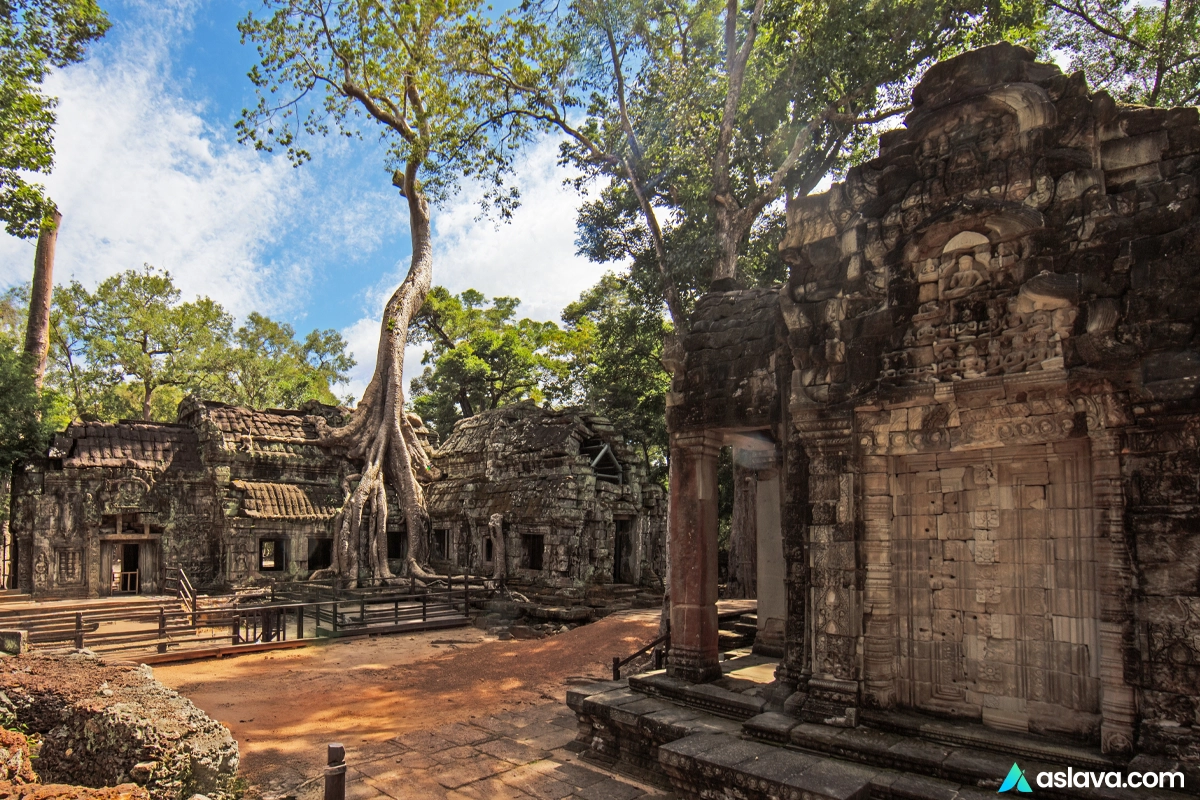
Ta Prohm — where massive trees embrace ancient structures, creating mystical scenery
-
Angkor Thom — the last great capital of the Khmer Empire
-
Banteay Srei — exquisite pink sandstone temple with intricate carvings
-
Phnom Bok Temple and Leak Neang Temple — newly accessible remote gems
2026 Visitor Experience
The APSARA National Authority is launching innovative new tourism initiatives to improve visitor engagement and extend stays in the Angkor Archaeological Park. One primary development is the introduction of new cycling routes designed to expand how tourists explore the ancient temples and surrounding areas. These routes lead visitors to remote gems like Phnom Bok Temple and the Trapeang Chambok temple areas.
Additionally, infrastructure improvements include enhanced directional signage and informative displays. These make it easier for visitors to explore temples independently while understanding the significance of each site. For the best experiences, visit during the cool dry season from November to February, when temperatures range from 68-86°F with minimal rainfall.
Moreover, the park benefits from improved visitor pathways that allow for more intimate exploration while protecting these precious structures. Early morning guided tours now include exclusive access to lesser-known temples, providing a more immersive experience away from the crowds that gather at the main complexes.
2. Phnom Penh — The Resilient Capital with New Gateway
Cambodia’s capital has transformed into a vibrant metropolis where French colonial architecture stands alongside gleaming skyscrapers. In 2026, Phnom Penh welcomes visitors through its stunning new gateway — the Techo International Airport, which opened September 9, 2025. This marks a significant milestone in Cambodia’s tourism infrastructure development.
Key Attractions
-
Royal Palace and Silver Pagoda — opulent royal residence with emerald Buddha
-
National Museum — home to the world’s finest collection of Khmer sculptures
-
Tuol Sleng Genocide Museum — sobering reminder of Cambodia’s tragic past
-
Central Market (Phsar Thmei) — distinctive art deco building with countless vendors
-
Sisowath Quay — bustling riverfront promenade with cafes and night markets
-
Independence Monument and King Father Norodom Sihanouk Statue
-
Bassac Lane — chic restored neighborhood with indie cafes and galleries
Cultural Experiences
The 2026 visitor to Phnom Penh can enjoy several cultural initiatives. The National Museum has expanded its collection with recently discovered artifacts. The city’s burgeoning art scene now includes emerging galleries showcasing works by contemporary Cambodian artists. Culinary tours introduce visitors to Cambodia’s distinctive flavors, from street food favorites to royal Khmer cuisine experiencing a renaissance.
Techo International Airport — Cambodia’s New Gateway
The $2.3 billion Techo International Airport (KTI) officially opened on September 9, 2025, replacing the 70-year-old Phnom Penh International Airport. Designed by Foster + Partners, this 4F-class greenfield airport features architectural excellence and modern amenities:
-
A stunning terminal with a modular roof supported by structural “trees” spanning 36 meters each
-
Direct flights from Etihad Airways (started October 2025) and Turkish Airlines (December 2025)
-
Capacity for 13 million passengers in Phase 1, expanding to 50 million in Phase 3
-
Located 25 km from central Phnom Penh with approximately 55-minute travel time
This new airport significantly improves Cambodia’s connectivity with the world, making it easier for international visitors to reach the country.
3. Siem Reap — Gateway to Angkor and Top Destination 2026
While most travelers know Siem Reap as the base for exploring Angkor, this charming city has evolved into a destination worthy of extended stays. Siem Reap has been recognized by travel experts as one of the Top 25 Must-Visit Destinations for 2026, highlighting it as an ideal destination for “spiritual days and spirited nights”.
Key Attractions
-
Pub Street and Old Market Area — vibrant center for dining, shopping, and nightlife
-
Angkor National Museum — excellent introduction to Khmer civilization
-
Phare, The Cambodian Circus — spectacular performances blending theater, music, and acrobatics
-
Artisans Angkor — where traditional crafts are preserved and taught
-
Kulen Elephant Forest — where majestic elephants roam in retirement
-
Angkor Zipline — high-wire adventure through the jungle
Beyond the Temples
In 2026, Siem Reap offers numerous experiences beyond temple-hopping. The cycling track connecting Siem Reap to the Angkor area follows jungle paths long used by locals to move between village and temple. Ride past the ancient walls of Angkor Thom, passing the 13.2km moat.
The floating villages of Tonle Sap Lake can now be visited through community-based tourism initiatives that benefit local residents directly. The city has completed an ambitious urban development plan that has widened roads, created new public spaces, and enhanced the overall visitor experience while maintaining its unique character. Visitor numbers are expected to return to pre-COVID levels in 2026 and peak before 2028.
For food enthusiasts, cooking classes at renowned establishments offer insights into Cambodia’s complex culinary heritage. These classes showcase traditional preparation methods and introduce visitors to regional ingredients.
4. Koh Rong and Koh Rong Samloem — Island Paradise
Cambodia’s coastline has emerged as one of Southeast Asia’s most enticing beach destinations. Koh Rong, the second-largest island in Cambodia, covers 78 km² with 43 kilometers of stunning coastline and over 23 picturesque beaches. These pristine islands offer a perfect balance of development and natural beauty in 2026, with improved infrastructure that maintains their laid-back charm while providing necessary comforts.
Key Attractions
-
Long Beach (Sok San) — 7km stretch of pristine white sand on Koh Rong
-
Saracen Bay — crescent-shaped beach with powdery sand on Koh Rong Samloem
-
Bioluminescent plankton — creating magical night swimming experiences
-
Diving and snorkeling sites — exploring vibrant coral reefs and marine life
-
M’Pai Bay — charming fishing village with authentic local experiences
-
Koh Touch — main tourist area vibrant with beach bars and nightlife
Island Life in 2026
The ideal time to visit Koh Rong is during the dry season from November to May, when the weather is sunny with temperatures ranging from 25°C to 40°C. The calm sea and clear water make this season ideal for outdoor activities such as swimming, kayaking, and diving to see coral.
Fast ferry connections from Sihanoukville make access easier than ever (approximately 45-60 minutes). For those seeking quieter experiences, visit at the tail end of the dry season in April when accommodation prices tend to be lower. Night kayaking tours to witness the phosphorescent plankton have become a signature experience, with guides who explain the science behind this natural phenomenon.
New eco-friendly resorts offer sustainable luxury, while improved solar power systems have reduced generator use, creating a more peaceful atmosphere. Marine conservation initiatives have helped preserve the underwater ecosystems.
5. Battambang — Colonial Charm and Artistic Renaissance
Cambodia’s second-largest city offers a refreshing contrast to more touristy destinations. Battambang charms visitors with well-preserved French colonial architecture, a burgeoning arts scene, and surrounding countryside dotted with ancient temples and traditional villages. Improved road connections have made this cultural gem more accessible while preserving its authentic character.
Key Attractions
-
Phare Ponleu Selpak — arts school and circus performance center
-
Bamboo Train (Norry) — unique railway experience through countryside
-
Phnom Sampeau — temple complex with tragic Khmer Rouge history
-
Bat Caves — spectacular exodus of millions of bats at sunset
-
Wat Ek Phnom — ancient Angkorian-era temple ruins
-
Wat Banan — hilltop temple offering panoramic views
-
Colonial Architecture — well-preserved buildings along the riverfront
Artistic Renaissance
Battambang’s reputation as Cambodia’s arts capital continues to flourish in 2026. The city now hosts an annual arts festival that attracts creators from across Southeast Asia. Several colonial buildings have been thoughtfully converted into galleries, studios, and boutique accommodations.
Cooking classes offer hands-on experience with regional specialties, while countryside tours by bicycle provide intimate encounters with rural Cambodian life. The famous bamboo train has been preserved as a heritage attraction, offering rides on a restored section of track. These experiences allow visitors to connect authentically with local culture and traditions.
6. Kampot and Kep — Riverside Charm and Culinary Delights
The neighboring towns of Kampot and Kep offer a delightful glimpse into Cambodia’s quieter side. Kampot, set along a picturesque river, enchants visitors with its relaxed atmosphere and crumbling French colonial architecture. Just a short drive away, Kep entices with its famous crab market and revitalized beach area. By 2026, these complementary destinations have become favorites for travelers seeking authentic experiences away from mass tourism.
Key Attractions
-
Kampot Riverside — perfect for sunset cruises and kayaking adventures
-
Kep Crab Market — world-famous seafood prepared fresh on the spot
-
Bokor National Park — abandoned hill station with spectacular views
-
Kampot Pepper Plantations — producing some of the world’s finest pepper
-
Rabbit Island (Koh Tonsay) — tranquil getaway with rustic beach bungalows
Culinary Delights
By 2026, Kampot and Kep have solidified their reputation as Cambodia’s culinary heartland. The region’s famous Kampot pepper holds protected geographical indication status. Pepper farm tours offer tastings and farm-to-table dining experiences.
Kep’s revitalized Crab Market features improved facilities while maintaining its authentic character. Cooking classes teach the secrets of preparing pepper crab — a must-try local delicacy. The surrounding countryside produces abundant tropical fruits, and durian farms offer tastings during harvest season (April to June).
7. Cardamom Mountains — Ecotourism Frontier
The Cardamom Mountains represent Cambodia’s last great wilderness, home to rare wildlife and pristine ecosystems. With over 1.3 million hectares of protected forest, this region is one of Southeast Asia’s last remaining intact rainforests. Thoughtfully developed ecotourism initiatives have made this remote region more accessible while supporting conservation efforts and local communities.
Key Attractions
-
Chi Phat Community — award-winning ecotourism project
-
Tatai Waterfall — magnificent multi-tiered cascades perfect for swimming
-
Wildlife sanctuaries — home to elephants, clouded leopards, and sun bears
-
Areng Valley — pristine wilderness with indigenous communities
-
4 Rivers Floating Lodge — eco-luxury in the heart of the jungle
-
Tatai River — perfect for kayaking and leisurely boat cruises
Conservation Through Tourism
Thanks to long-term conservation efforts, more than 95% of the forest cover remains intact, playing a vital role in carbon storage and biodiversity conservation. The Wildlife Alliance continues to work closely with local communities and authorities to protect this ecosystem from illegal logging and wildlife trafficking.
The best time to visit is during the dry season from November to May, when trails are easier to navigate and wildlife spotting is more likely. December and January are particularly ideal months. Community-led tours from Chi Phat provide income for former poachers who now work as guides, sharing their unparalleled knowledge of the forest while protecting it for future generations.
8. Preah Vihear — Temple in the Sky
Perched dramatically atop a cliff in the Dangrek Mountains, Preah Vihear Temple offers one of Cambodia’s most spectacular settings. This UNESCO World Heritage site, dedicated to the Hindu god Shiva, stretches for nearly 800 meters along a north-south axis at an altitude of 700 meters. By 2026, improved access and facilities have made this architectural masterpiece more accessible to visitors seeking experiences beyond the Angkor complex.
Key Attractions
-
Monumental stairway — dramatic entrance ascending the cliff face
-
Gopuras (entrance pavilions) — series of increasingly sacred spaces
-
Central sanctuary — ultimate sacred space with spectacular views
-
Carved stone reliefs — depicting mythological scenes and deities
-
Panoramic vistas — sweeping views across the Cambodian plains
-
Koh Ker — nearby remote archaeological site with pyramid structures
Spiritual Journey
The visitor experience at Preah Vihear benefits from thoughtful infrastructure improvements that maintain the site’s spiritual atmosphere. A new visitor center provides historical context through multimedia exhibits before visitors begin their ascent. For enriching cultural experiences, visitors can interact with the indigenous ethnic minority communities living in Preah Vihear province.
The nearby Koh Ker, a remote archaeological site set in the jungle, showcases ancient temple ruins with intricate pyramid structures. Exploring these ruins offers a glimpse into the Khmer Empire’s architectural prowess. Organized tours through community-based tourism initiatives ensure that benefits flow directly to local people.
9. Mondulkiri — Ethical Elephant Country
Cambodia’s easternmost province offers a completely different landscape from the rest of the country. Mondulkiri’s rolling hills, waterfalls, and cooler climate provide a refreshing contrast to the tropical lowlands. The region has developed ethical elephant tourism that supports conservation while providing meaningful visitor experiences.
Award-Winning Sanctuaries
Cambodia’s Elephant Valley Project (EVP) won the 2025 AEN International Ecotourism Award for Innovative Ecotourism, recognizing its ethical approach to elephant care and community-led conservation. Founded in 2006, the Mondulkiri-based initiative has become a model for ethical elephant care.
The EVP protects around 1,500 hectares of community forest, where rescued elephants live naturally among Bunong Indigenous-managed woodlands. With seven resident elephants, the project employs 54 staff, including 47 Bunong community members (nearly 90% of staff).
Key Attractions
-
Elephant Valley Project — ethical sanctuary for retired working elephants
-
Mondulkiri Project — 100% Cambodian-owned elephant sanctuary
-
Bou Sraa Waterfall — spectacular three-tiered cascade
-
Sen Monorom — provincial capital with cool climate and coffee plantations
-
Bunong villages — opportunities for cultural exchange with indigenous communities
-
Keo Seima Wildlife Sanctuary — home to yellow-cheeked crested gibbons
Responsible Tourism
Mondulkiri has become a model for responsible tourism development in Cambodia. Ethical elephant sanctuaries offer observation-only experiences where visitors can watch elephants behaving naturally in forested habitats. The sanctuaries reject riding or performance-based tourism.
Community-based tourism initiatives provide homestays in Bunong villages, where visitors can learn about traditional customs and agricultural practices. New hiking trails have been developed with minimal environmental impact, allowing access to scenic viewpoints and hidden waterfalls. The Jahoo Gibbon Camp offers opportunities to spot the world’s largest known populations of yellow-cheeked crested gibbons.
10. Banteay Chhmar — Temple of the Cat
For travelers seeking a truly off-the-beaten-path experience, Banteay Chhmar offers a glimpse of what Angkor might have been like before it became world-famous. This massive temple complex, built in the late 12th century, features magnificent bas-reliefs and face towers similar to those at the Bayon. By 2026, improved roads have made this remote archaeological treasure more accessible while maintaining its untouched atmosphere.
Key Attractions
-
Main temple complex — massive site with extensive carvings
-
Bas-reliefs — depicting military processions and mythological scenes
-
Face towers — enigmatic smiling faces similar to those at Bayon
-
Satellite temples — scattered throughout the surrounding countryside
-
Community-based tourism — homestays and local experiences
Authentic Encounters
The visitor experience at Banteay Chhmar benefits from community-based tourism initiatives developed thoughtfully over the years. The temple complex features elevated wooden walkways that protect the ruins while providing better viewing angles for the magnificent carvings.
Local guides, trained in archaeology and history, offer insightful tours that bring the ancient stories to life. Overnight stays in the nearby village provide authentic cultural exchanges, with home-cooked meals featuring regional specialties and traditional music performances arranged upon request. These experiences create meaningful connections with local communities while supporting sustainable livelihoods.
Essential Travel Tips for Cambodia 2026
Best Time to Visit
Cambodia experiences three distinct seasons that influence the travel experience:
| Season | Months | Best For |
|---|---|---|
| Cool Dry Season | November – February | Temple exploration, city visits (most comfortable temperatures) |
| Hot Dry Season | March – May | Beach destinations like Koh Rong (temperatures can exceed 35°C) |
| Wet Season | June – October | Lush greenery, dramatic photography, fewer tourists |
For special experiences, January is peak season with manageable crowds, excellent weather, and comfortable temple exploration.
Visa Requirements for 2026
| Visa Type | Cost | Duration | Processing |
|---|---|---|---|
| e-Visa (Tourist) | USD $30 | 30 days (single entry) | 3 business days |
| Visa on Arrival | USD $30-36 | 30 days | At airport/border |
| Business (E-class) | USD $35 | 30 days | Available VoA |
Important Requirements:
-
Passport valid for at least 6 months beyond arrival date with at least one blank page
-
Cambodia e-Arrival (CeA) Card — mandatory for all air travelers, must be completed within 7 days before arrival at arrival.gov.kh
-
Bring small USD bills for visa on arrival
-
Extensions are possible for longer stays
Transportation Updates for 2026
Cambodia has significantly improved its transportation infrastructure:
-
Techo International Airport (KTI) — new gateway to Phnom Penh with international connections to Middle East, Europe, and Africa
-
New domestic flights connect Siem Reap, Phnom Penh, Sihanoukville, and other destinations
-
Improved highways reduce road travel times between major destinations
-
Ride-hailing apps (Grab, PassApp) operate in all major cities and tourist areas
-
Electric tuk-tuks becoming standard in tourist centers
Is Cambodia safe for travelers in 2026?
Cambodia is generally very safe for travelers in 2026, with low rates of violent crime against tourists. The most common issues remain petty theft in crowded areas and scams targeting visitors. Improved tourist police presence in major destinations has further enhanced security.
Road safety has significantly improved with better infrastructure and stricter enforcement of traffic laws. Health safety has also advanced with more international-standard medical facilities in Phnom Penh and Siem Reap, though comprehensive travel insurance remains essential.
What currency should I use in Cambodia?
Cambodia operates on a dual-currency system:
-
Cambodian Riel (KHR) — official currency
-
US Dollars — widely accepted and often preferred for larger purchases
By 2026, digital payment options have become widespread in urban areas and major tourist destinations, with services like AliPay, WeChat Pay, and various mobile banking apps readily accepted. ATMs dispensing both USD and KHR are available in all tourist areas. Carry small-denomination riel notes for minor purchases, especially in rural areas.
How’s the internet connectivity in Cambodia?
Internet connectivity in Cambodia has improved dramatically by 2026:
-
5G coverage now standard in major cities and tourist areas
-
Reliable 4G extending to most provincial towns and popular rural destinations
-
Most accommodations, restaurants, and cafes offer free Wi-Fi
-
Affordable tourist SIM cards with generous data packages available at airports and convenience stores
-
Even remote areas like the Cardamom Mountains and Mondulkiri have improved connectivity, though occasional outages may occur during heavy storms
Cultural Etiquette for Visitors
Temple Etiquette:
-
Dress modestly covering shoulders and knees (enforcement has become stricter by 2026)
-
Remove shoes and hats when entering temple buildings
-
Speak quietly and be respectful around monks and worshippers
-
Ask permission before photographing monks or people praying
-
Never touch or sit on Buddha images or climb on temple structures
Social Customs:
-
Greet people with a sampeah (prayer-like gesture) rather than handshakes
-
Remove shoes when entering homes and some businesses
-
Avoid touching anyone’s head, the most sacred part of the body
-
Use both hands when giving or receiving items
-
Ask permission before taking photos of local people
Responsible Tourism:
By 2026, Cambodia has made significant strides in developing responsible tourism practices. Visitors are encouraged to support businesses with verified sustainability credentials. Plastic reduction initiatives have gained momentum, with many accommodations and tour operators eliminating single-use plastics. When visiting vulnerable communities, particularly indigenous groups in remote areas, organized tours through community-based tourism initiatives ensure that benefits flow directly to local people.
Essential Khmer Phrases
| English | Khmer | Pronunciation |
|---|---|---|
| Hello | សួស្តី | Sua s’dei (soo-a s-day) |
| Thank you | អរគុណ | Orkun (or-koon) |
| Excuse me/Sorry | សុំទោស | Som toh (som toh) |
| Goodbye | ជំរាបលា | Chum reap leah |
| How much? | ថ្លៃប៉ុន្មាន? | Tlay pon maan? |
Why Cambodia Should Top Your 2026 Travel List
Cambodia in 2026 represents the perfect balance of established attractions and emerging destinations, authentic cultural experiences, and modern comforts. The country’s “Sacred Tourism 2025-2035” policy aims to transform select areas into high-end tourism destinations while focusing on sustainable development. By 2035, Cambodia aims to attract more than 2 million special tourists out of a projected 15 million international visitors.
New Infrastructure Enhancing Global Connectivity
Several new tourism projects are enhancing Cambodia’s appeal to global visitors. The Techo International Airport is already boosting international arrivals with direct flights from major international hubs. This state-of-the-art facility represents a significant leap forward in Cambodia’s tourism infrastructure.
Eco-tourism initiatives and sustainable tourism projects, including eco-resorts and nature conservation areas, contribute to the growing demand for responsible travel. In addition, Cambodia has strengthened its international tourism partnerships to showcase its rich cultural heritage and diverse attractions to global audiences. These developments ensure that visitors enjoy world-class facilities alongside authentic cultural experiences.
The Spirit of Discovery
What sets Cambodia apart from its more visited neighbors is the sense of discovery that still permeates many experiences. Even at popular sites like Angkor Wat, it’s possible to find moments of tranquility and connection. In emerging destinations like the Cardamom Mountains and Mondulkiri, visitors can participate in pioneering conservation and community development initiatives that are shaping the future of sustainable tourism in Southeast Asia.
This unique combination of accessibility and authenticity creates opportunities for travelers seeking genuine engagement with both natural and cultural heritage.
The Warmth of Cambodian Hospitality
Perhaps most compelling is the resilient spirit of the Cambodian people, who have transformed their nation from its troubled past into one of the region’s most welcoming destinations. Their genuine hospitality, preserved traditions, and optimistic outlook create meaningful connections that often become the most treasured memories for visitors.
As you explore the temples, beaches, wilderness areas, and vibrant cities of this remarkable country in 2026, you’ll discover not just extraordinary places but extraordinary people who make Cambodia truly unforgettable. From the awe-inspiring grandeur of Angkor to the gentle whisper of tropical breezes on pristine islands, Cambodia offers a tapestry of experiences that will leave an indelible mark on your soul.