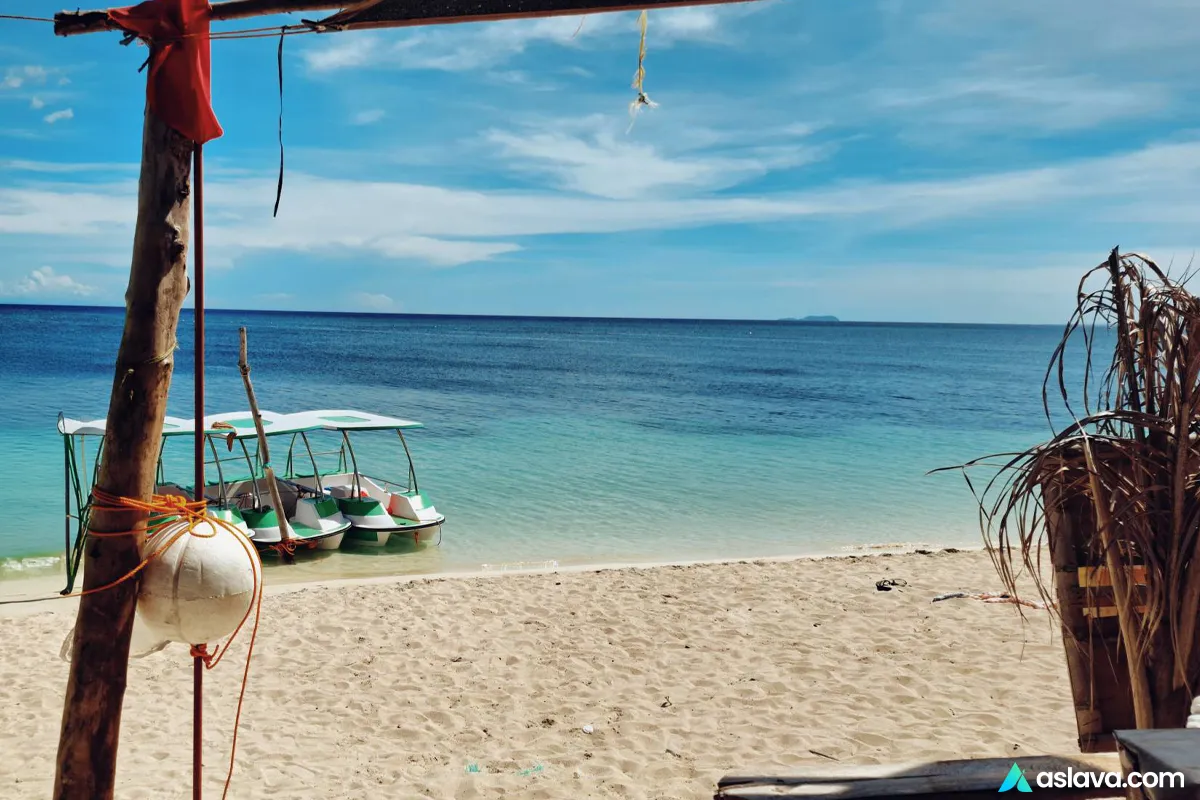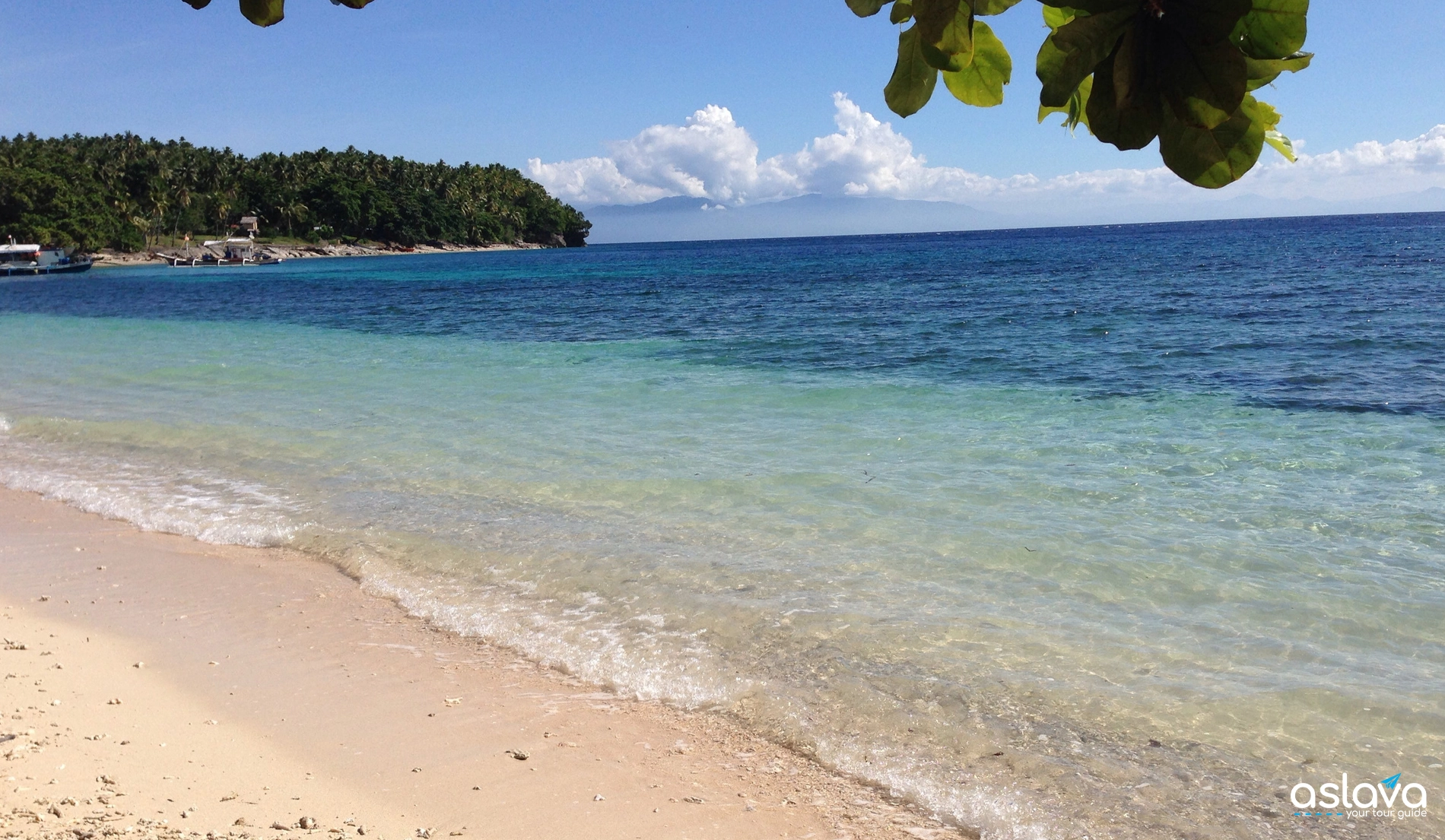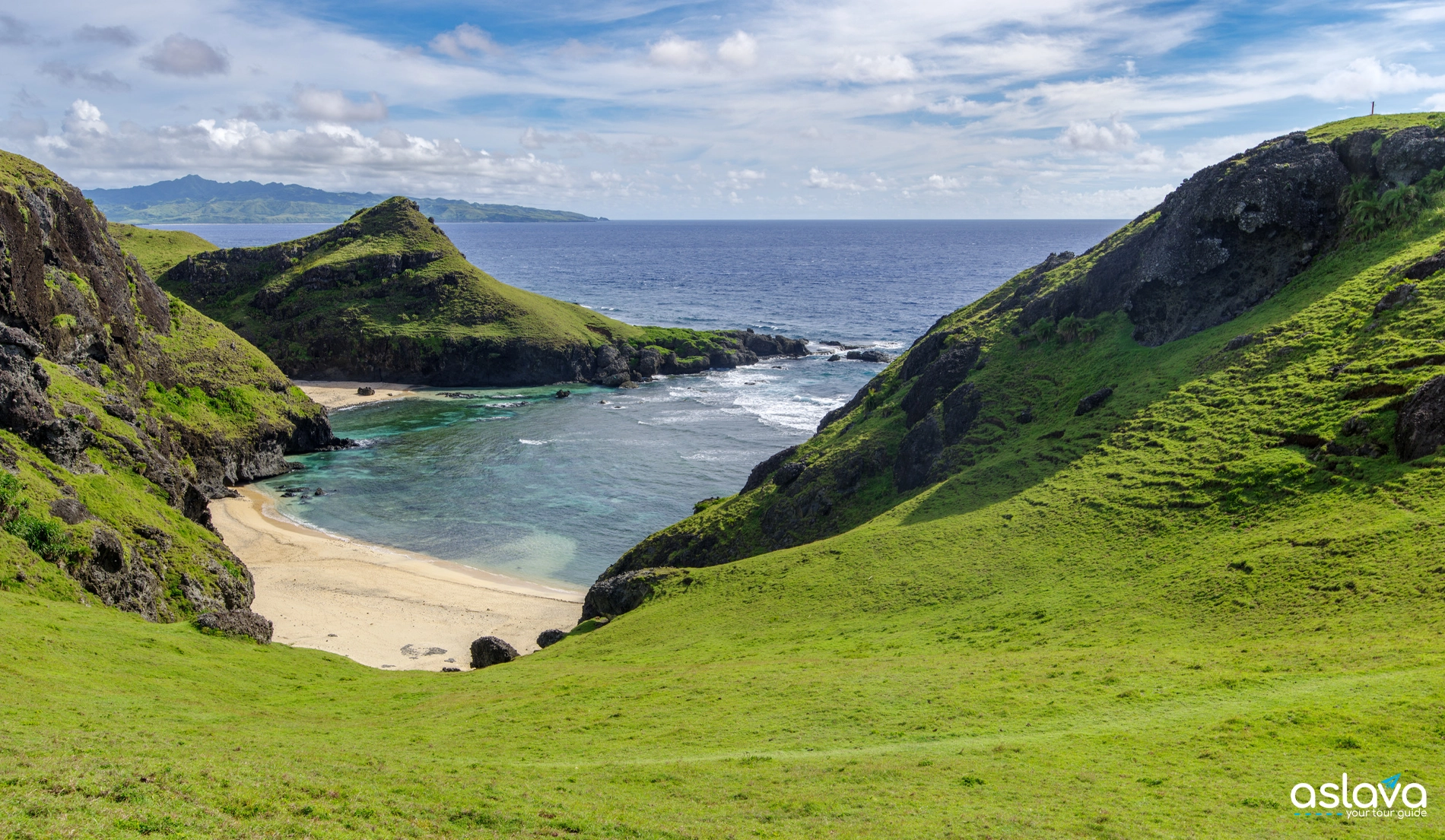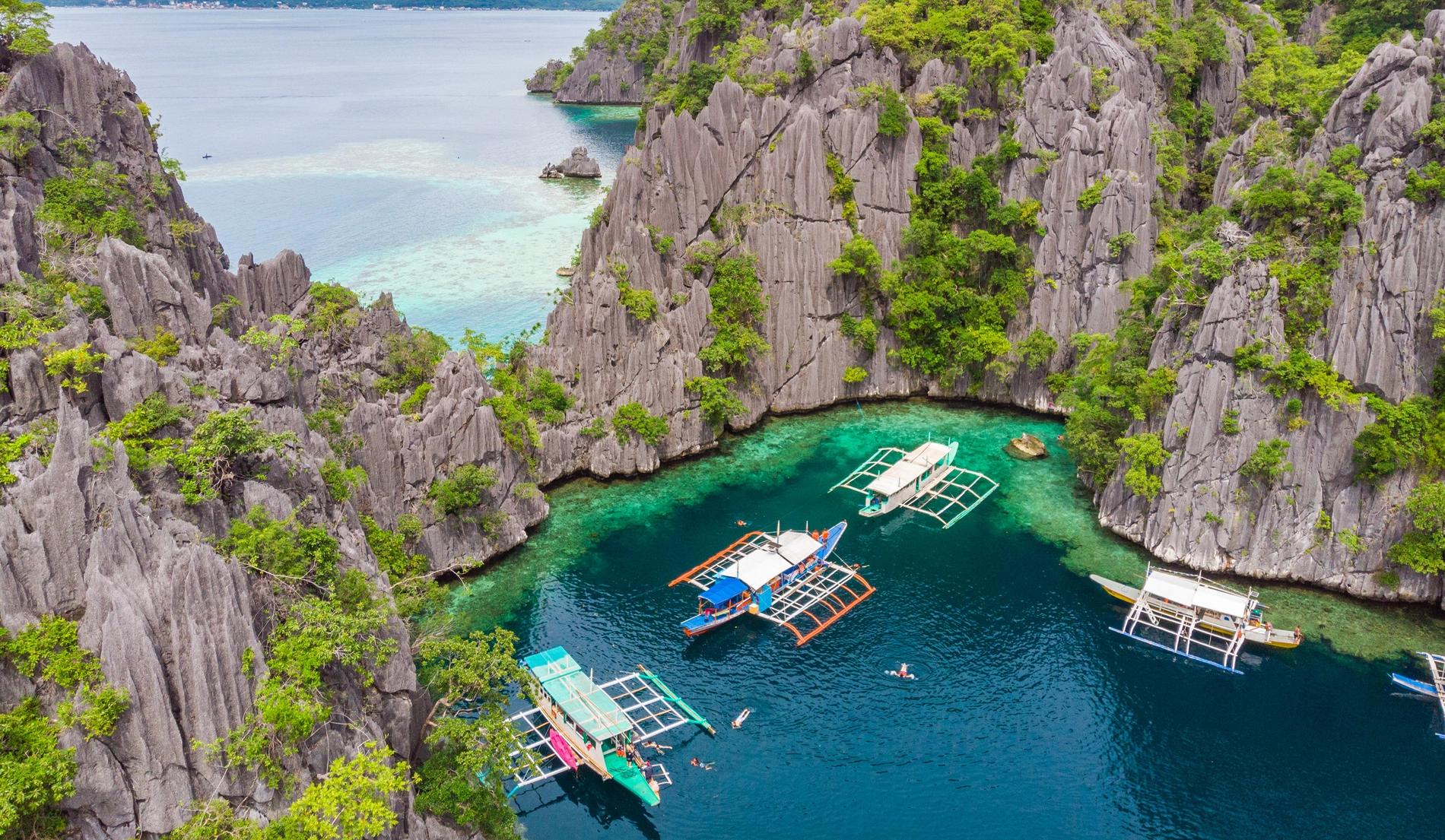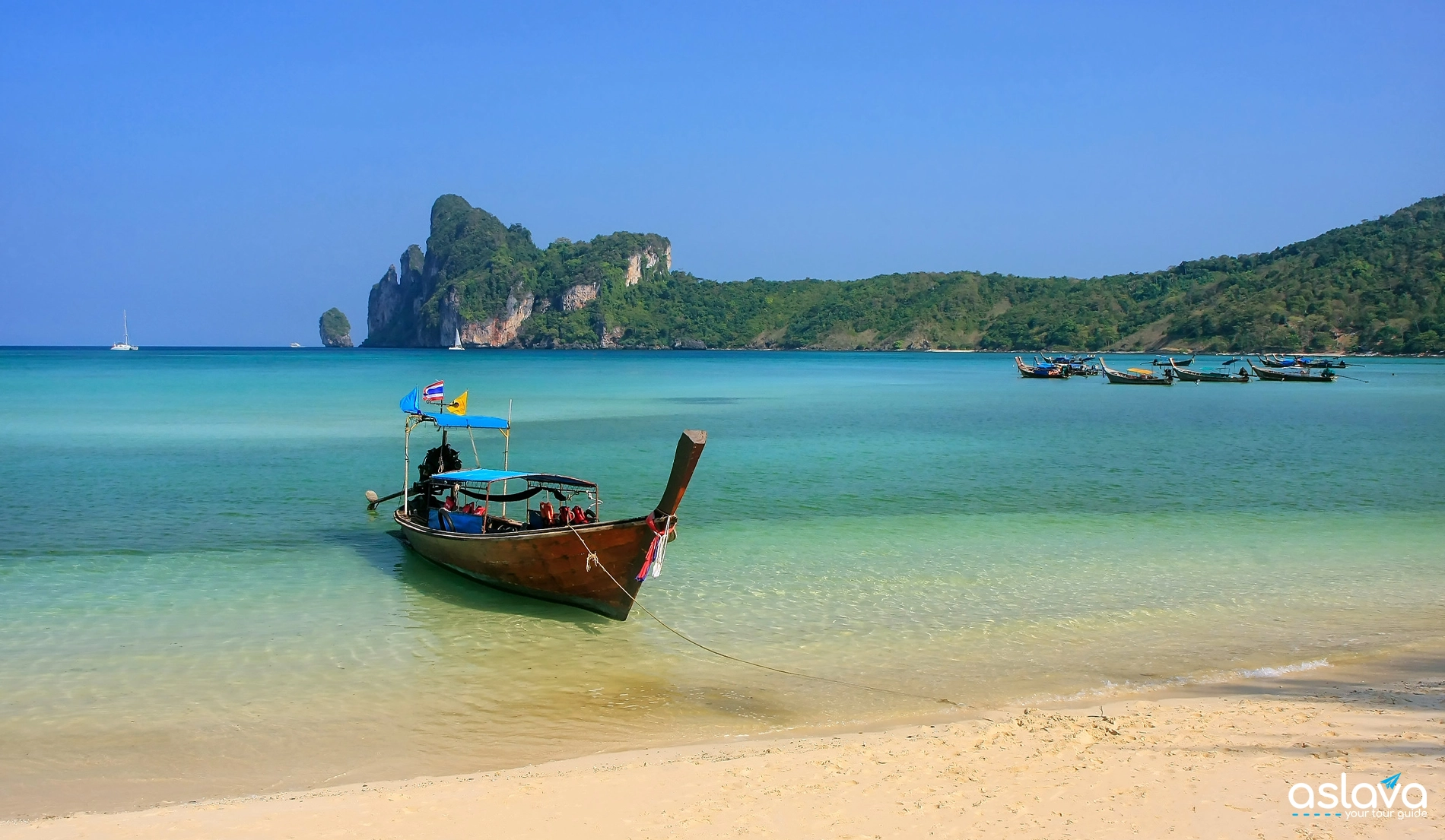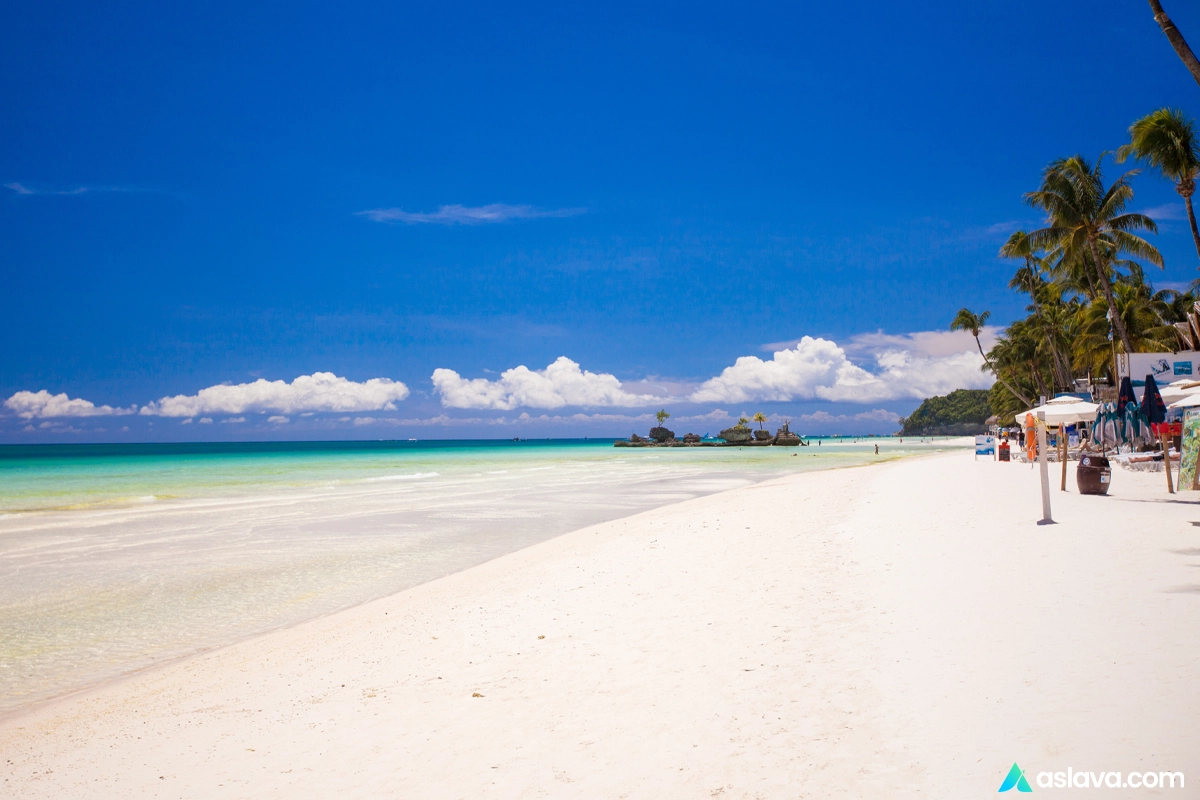
Imagine sinking your toes into powdery white sand while crystal-clear turquoise water laps gently at the shore. As the day winds down, the sky transforms into a canvas of orange and pink hues at sunset. This is Boracay Island — a tropical gem in the Philippines that continues to captivate travelers from around the world.
Travel + Leisure named Boracay the world’s best island in 2012, and it still ranks among the top beach destinations globally. Following a six-month rehabilitation closure in 2018 to address environmental concerns, the island has reopened with renewed focus on sustainability and managed tourism. Whether you crave adrenaline-fueled water sports or slow beachside relaxation, this comprehensive guide covers everything you need for an unforgettable 2026 island escape.
Understanding Boracay Island
Located in the Western Visayas region, Boracay is a small island in Aklan province. At roughly 7 kilometers long and less than 1 kilometer at its narrowest point, this compact paradise packs a remarkable variety of beaches, activities, and resorts into a small area.
Although the island hosts more than a dozen beaches, White Beach remains the most celebrated attraction. This long, west-facing stretch spans approximately 4 kilometers of powdery white sand made largely of tiny crushed coral. Because the sand stays relatively cool underfoot and the calm, clear water is ideal for swimming, White Beach has become synonymous with the Boracay experience.
Since the 2018 rehabilitation, local authorities have implemented stricter environmental rules alongside visitor-management measures. Consequently, these regulations continue to shape a more sustainable island experience while keeping Boracay welcoming to tourists in 2026.
Geography and Beaches
Boracay’s beaches are typically described by their location around the island:
-
White Beach — The main western shore (divided into Stations 1–3), famous for sunsets and soft sand
-
Bulabog Beach — Located on the eastern side; the island’s kiteboarding and windsurfing hub
-
Puka Beach — Situated at the northern tip; quieter, with natural shell fragments mixed into the sand
-
Diniwid Beach — A small, secluded cove just north of Station 1, connected by a scenic coastal path
-
Ilig-Iligan Beach — A peaceful spot on the northeast side, often visited during island-hopping tours
-
Tambisaan Beach — Known for good snorkeling and access to nearby dive spots
Climate and Best Time to Visit
Boracay enjoys a tropical climate with two distinct seasons:
| Season | Months | Weather | Crowds | Prices |
|---|---|---|---|---|
| Dry (Peak) | November–May | Sunny, minimal rain | High | Higher |
| Shoulder | May–early Jun, Late Oct–Nov | Good weather | Moderate | Moderate |
| Rainy | June–October | Frequent rain | Low | Lower |
Peak months include December, January, and April (Holy Week). Therefore, if traveling during these periods, book accommodations and activities well in advance. Additionally, consider avoiding February to April if you want to minimize encounters with seasonal green algae that sometimes appears along White Beach.
For an ideal balance of good weather and manageable crowds, aim for May to early June or late October to early November. During these shoulder periods, you’ll typically find favorable conditions without peak-season prices.
Boracay Travel Requirements for 2026
Essential Requirements
Great news for travelers: as of 2025, entry requirements for Boracay have been significantly simplified:
What You Actually Need:
-
Valid ID or Passport — Government-issued ID for Filipino nationals; passport for international visitors
-
Confirmed DOT-Accredited Hotel Booking — Keep your reservation confirmation ready; checkpoints may request proof upon arrival
-
No COVID vaccination certificates required — Unlike previous years, vaccination status is no longer mandatory
Notably, no forms are strictly required upon entry — officials simply ask where you’re staying.
Fees You’ll Encounter
| Fee Type | Amount | Purpose |
|---|---|---|
| Environmental Fee | ₱300 (~$5.40) for foreigners; ₱150 (~$2.70) for locals | Island preservation and cleanup |
| Terminal Fee | ₱150 (~$2.70) per person | Jetty port operations |
| Boat Fare | ₱50 per person | Caticlan to Boracay crossing |
Moreover, the Boracay iPass system allows for online registration and fee payment, transforming the entrance process into a more streamlined experience.
Environmental Regulations
To preserve the island’s natural beauty, strict rules are actively enforced throughout Boracay:
Do:
-
✓ Respect marked beach lines and use seating behind designated areas
-
✓ Dispose of trash in designated bins following separation guidelines
-
✓ Use reef-safe sunscreen to protect marine ecosystems
-
✓ Carry valid ID when traveling to and from the island
Don’t:
-
✗ Smoke or drink alcohol on public beaches (fines apply)
-
✗ Bring single-use plastics; vendors promote reusable alternatives
-
✗ Place beach furniture directly on the sand
-
✗ Fly drones or build sand structures without permits
How to Get to Boracay Island
All journeys to Boracay involve traveling to either Caticlan or Kalibo, followed by a short boat ride to the island.
Via Caticlan Airport (MPH)
The most convenient gateway is Caticlan Airport (Godofredo P. Ramos Airport), now marketed as Boracay Airport. From there, reaching the island takes minimal effort.
Transfer breakdown from Caticlan Airport:
-
Airport to Port — ₱100 by van or ₱75 by tricycle (~10 minutes)
-
Environmental Fee — ₱150 for locals; ₱300 for foreigners
-
Terminal Fee — ₱150 per person
-
Boat Crossing — ₱50 (~15 minutes to Cagban Port)
-
Port to Hotel — ₱35 by hop-on-hop-off bus or ₱100+ by tricycle
Total DIY cost from Caticlan: Approximately ₱485–585 per person
Estimated travel time: Roughly 2–3 hours door-to-door from Manila, depending on connections.
Via Kalibo Airport (KLO)
Alternatively, Kalibo International Airport often offers cheaper flight options. However, the transfer to Caticlan Jetty Port takes approximately 2 hours by bus or van.
Transfer packages from Kalibo typically include:
-
Air-conditioned bus to Caticlan Jetty Port
-
Boat crossing to Boracay
-
Hop-on-hop-off bus to your hotel
-
All environmental and terminal fees
Package prices: Starting from approximately ₱1,125 (~$20) per person
Although this route is budget-friendly, plan for a longer journey and confirm shuttle schedules in advance.
Via Manila and Ferry
For those preferring sea travel, overnight ferries operate from Batangas Port to Caticlan via operators like 2GO Travel. These sailings typically take 9–10 hours, suiting travelers who want a scenic approach or are carrying extra luggage.
White Beach: The Heart of Boracay
White Beach serves as the heart and soul of Boracay — a west-facing shoreline of impossibly fine sand stretching for kilometers. Every evening, visitors gather to witness spectacular sunsets painting the sky in vibrant colors. Because the water here is calm and shallow, it’s perfect for swimming, casual snorkeling, and simply soaking up the island atmosphere.
The Three Stations of White Beach
White Beach is commonly divided into three stations, each offering a distinct character:
Station 1 — Upscale & Serene
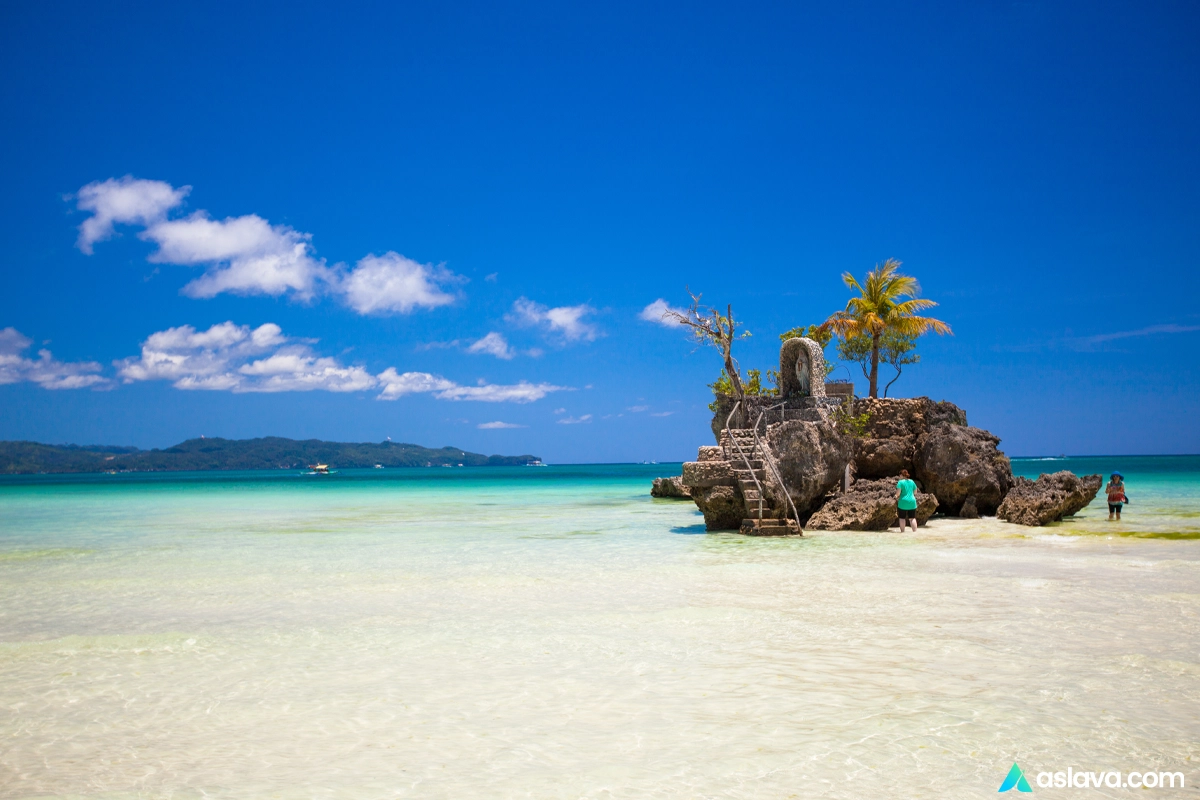
Located at the northern end, Station 1 features the widest stretch of sand and the cleanest beachfront. High-end resorts dominate this area, creating a quieter, more relaxed atmosphere. Willy’s Rock, one of Boracay’s most iconic photo spots, is found here. This section is ideal for honeymooners, couples, and luxury seekers.
Top Station 1 Hotels:
-
Discovery Boracay (luxury)
-
The Lind Boracay (luxury)
-
Fridays Boracay Resort (luxury)
-
Two Seasons Boracay Resort (mid-range)
-
Jony’s Beach Resort (mid-range)
Station 2 — Social Hub & Central
In contrast, Station 2 buzzes with energy as the island’s commercial center. D’Mall anchors this area with shopping, dining, and activity centers concentrated along the beachfront. Mid-range hotels line the shore, and crowds gather both day and night. Consequently, this station suits foodies, nightlife seekers, and social travelers perfectly.
Top Station 2 Hotels:
-
COAST Boracay (luxury)
-
Henann Regency Resort and Spa (luxury)
-
Le Soleil De Boracay (mid-range)
-
Red Coconut Beach Hotel (mid-range)
Station 3 — Budget-Friendly & Authentic
Meanwhile, Station 3 at the southern end offers a more laid-back experience. Smaller inns and hostels provide wallet-friendly rates, while the beaches feel quieter with fewer crowds. Although the sand narrows here, the authentic local vibe appeals to backpackers and long-stay travelers.
Top Station 3 Hotels:
-
Asya Premier Suites (luxury)
-
Villa Caemilla Beach Boutique Hotel (luxury)
-
Astoria Current (mid-range)
-
Kommons by Kamino (budget)
-
Ocean Breeze Inn (budget)
Top Things to Do in Boracay 2026
Boracay packs an impressive variety of activities into its compact size. From high-adrenaline water sports to mellow beachside experiences, there’s something for every traveler.
Water Activities
Island Hopping
Explore nearby islets, snorkel at coral gardens, and relax on quiet coves during full-day boat tours. Popular stops include Puka Beach, Crystal Cove, Crocodile Island, and Magic Island.
-
Price: ₱1,200–1,800 per person (shared tour)
-
Duration: 5–6 hours
-
Includes: Snorkel gear, lunch, guide
Parasailing
Soar above the island for breathtaking aerial views of the coastline and White Beach. The experience typically lasts 15–20 minutes and is most spectacular at mid-morning when winds are steady.
-
Price: ₱2,000–2,500 per person
Sunset Paraw Sailing
Board a traditional paraw sailboat at dusk to enjoy one of Boracay’s most iconic experiences. The warm golden light across the water creates unforgettable memories.
-
Price: ₱900–1,500 per person
-
Duration: 1–2 hours
Party Yacht Cruise
Experience Boracay’s biggest party yacht with live DJ, snacks, drinks, and water activities. Both daytime and sunset cruises are available.
-
Price: ₱898–3,988 per person depending on package
-
Includes: Welcome drinks, snacks, water activities, DJ entertainment
Helmet Diving
Walk on the sea floor wearing a helmet that supplies air — no prior diving experience required. This unique activity appeals to those wanting underwater encounters without certification.
-
Price: ₱800–1,200 per person
Scuba Diving
Discover vibrant coral gardens and diverse marine life at dive sites surrounding Boracay. Options range from introductory dives for beginners to deeper explorations for certified divers.
-
Price: ₱1,798–3,500 for intro dives; freediving courses from ₱3,148
Crystal Kayaking
Paddle a transparent kayak to view marine life beneath you — a peaceful, family-friendly option. Morning sessions offer clearer water and better lighting for photos.
-
Price: From ₱500 per person (~15 minutes)
Land Activities
Mount Luho Viewpoint
Climb or take an ATV to Boracay’s highest point for sweeping panoramic views. A small entrance fee applies, and the vistas are particularly stunning at sunset.
-
Price: ₱120 entrance; ATV tours from ₱748–1,498
Mainland Adventure Tour
Speed through jungle trails on an ATV, soar across river valleys on a zipline, and cool off with river kayaking. These combination tours offer the best of Boracay’s interior.
-
Price: ₱1,800 per person (ATV + zipline + kayak)
Tricycle Land Tour
Explore Boracay beyond White Beach by visiting hidden gems including Puka Beach, Ilig-Iligan Village, and local viewpoints.
-
Price: ₱888 per person for private tour
Where to Eat in Boracay
Boracay’s culinary scene has evolved into a diverse food hub featuring cuisines from around the world. From beachfront fine dining to casual local eateries, the island satisfies every craving.
Must-Try Restaurants
Nalka Seafood Restaurant (Station 1)
Widely considered one of Boracay’s best restaurants, Nalka specializes in fresh seafood with stunning beachfront views. The kinilaw] oysters and garlic buttered crabs earn consistent praise.
-
Price: ₱800–2,000 per person
-
Best for: Seafood lovers, sunset dining
Sunny Side Café (Station 1)
This multi-level restaurant offers elevated 180-degree views overlooking White Beach. Known for inventive breakfast and brunch options, it’s particularly popular for its pancakes and eggs benedict.
-
Price: ₱350–700 per person
-
Best for: Breakfast enthusiasts, Instagram-worthy views
Maya Filipino and Mexican Cuisine
Combining Filipino classics with Mexican favorites, Maya delivers beautiful sunset views alongside delicious food. The kare-kare], burritos, and ceviche are standouts.
-
Price: ₱400–800 per person
-
Best for: Sunset dining, fusion cuisine lovers
Jammers Beach Shack (D’Mall)
An OG beach establishment since 2002, Jammers serves hearty burgers and milkshakes in a laid-back beachfront setting.
-
Price: ₱300–600 per person
-
Best for: Casual dining, burger cravings
D’Talipapa Seafood Market
For an interactive dining experience, purchase fresh-caught seafood at the market and have nearby restaurants cook it to your preference. Haggling is expected and part of the fun.
-
Price: ₱200–500 plus seafood cost
-
Best for: Adventurous eaters, groups
Nonie’s (Station 3)
Offering healthy, organic options with Filipino flavors, Nonie’s caters to vegetarians and health-conscious travelers.
-
Price: ₱350–650 per person
-
Best for: Healthy eating, vegetarian options
Local Delicacies
-
Calamansi Muffins — Citrusy pastries from Real Coffee & Tea Café
-
Fresh Fruit Shakes — Jonah’s is legendary for mango shakes
-
Coco Mama Ice Cream — Dairy-free coconut scoops in tropical flavors
-
Grilled Seafood — Fresh fish, squid, and shellfish prepared simply
Boracay Nightlife 2026
After the island’s rehabilitation, Boracay’s nightlife shifted toward curated, higher-quality entertainment. Rather than all-night raves, many venues now focus on themed nights, live music, and beachfront shows. Local authorities enforce noise regulations after midnight, creating a more balanced atmosphere.
Popular Nightlife Spots
Epic Boracay (Station 2)
As the flagship nightclub, Epic draws the largest crowds with international DJs, fire-dancer performances, and beachfront dancing. Cover charges may apply on peak nights.
-
Hours: 7:00 PM – 4:00 AM
-
Best for: Clubbing, dancing, tourist crowds
Exit Bar (Station 2)
Offering a more relaxed vibe, Exit Bar features live bands and affordable drinks in a local-friendly atmosphere. It’s perfect for those preferring conversation over clubbing.
-
Hours: 5:00 PM – late
-
Best for: Live music, casual drinks
OM Boracay (Station 2)
This popular bar attracts a mix of local and foreign crowds with good music and a welcoming atmosphere. Some nights may have entrance fees depending on events.
-
Hours: 10:00 AM – 4:00 AM
The Manic Monkey Crew
Known for selecting like-minded crowds for memorable parties, this venue offers unique nightlife experiences.
-
Best for: Curated party experiences
Aplaya the Beach Bar (Station 1)
A stylish beachfront lounge focusing on craft cocktails, comfortable seating, and mellow live sets. The Italian food pairs perfectly with sunset drinks.
-
Best for: Conversation, sunset cocktails
D’Mall After Dark
After dinner, many D’Mall restaurants transform into bars and lounges. Acoustic sets, open-mic nights, and DJ shows provide varied entertainment, while late-night food stalls offer convenient snacks.
Getting Around Boracay
Thanks to Boracay’s compact size, navigating the island is remarkably straightforward. Several transportation options suit different preferences and budgets.
| Option | Cost | Travel Time | Best For |
|---|---|---|---|
| E-Tricycles | ₱20–50 shared; ₱150–300 private | 5–20 min | Short hops between stations |
| Hop-on Hop-off Bus | ~₱35 per ride | Variable | Multiple stops, budget travel |
| Walking | Free | 45–60 min (full beach) | Scenic strolls, exercise |
| Mountain Bike Rental | ₱300–500/day | Flexible | Island exploration |
E-tricycles serve as the island’s primary public transport. While some drivers accept digital payments, carrying small change ensures smooth transactions. For real-time pickup information, check with local shuttle providers or your hotel concierge.
Practical Tips for Boracay 2026
Money and Payments
The Philippine Peso (₱) is the official currency throughout the island. Major credit cards see wide acceptance at established hotels and restaurants; however, smaller vendors typically prefer cash.
ATMs are available around D’Mall and along the main road, though machines can run low during peak season. Consequently, withdraw extra funds before busy travel dates.
Digital payment apps like GCash and Maya have become increasingly popular for local transactions. Nevertheless, keeping some cash on hand remains advisable for market stalls and tricycle fares.
Regarding gratuities, tipping is appreciated but not mandatory — 10% represents a helpful guideline for good service.
Connectivity
Most hotels, cafés, and restaurants provide complimentary Wi-Fi, although speeds vary by location. Mid-range and luxury resorts generally offer faster, more reliable connections.
5G coverage reaches many parts of the island as of 2025. Globe and Smart remain the primary providers, and purchasing a local SIM at the airport or D’Mall delivers better rates than international roaming.
Health and Safety
Sun Protection: Use reef-safe sunscreen to protect both your skin and marine ecosystems. This simple choice supports the island’s sustainability efforts.
Hydration: Stay well-hydrated in the tropical heat, especially when enjoying water activities or alcohol. Carrying a reusable water bottle also reduces plastic waste.
Medical Facilities: Boracay has a medical center for basic care. For serious cases, patients are typically transferred to Kalibo or Manila — consequently, travel insurance covering evacuation is strongly recommended.
Sample 4-Day Boracay Itinerary
Day 1: Arrival and Beach Exploration
Morning: Arrive at Caticlan Airport and transfer to your hotel via van, boat, and e-tricycle.
Afternoon: Check in and enjoy lunch at D’Mall. Afterward, walk along White Beach to orient yourself with the three stations.
Late Afternoon: Visit Willy’s Rock for photos and scout prime sunset-viewing spots.
Evening: Watch the sunset from the sand, then enjoy dinner at a beachfront restaurant.
Day 2: Water Adventures
Morning: Start with breakfast at Sunny Side Café, then head out for water activities.
Mid-Morning to Afternoon: Join an island hopping tour visiting Puka Beach, Crystal Cove, and snorkeling spots. Lunch is typically included.
Late Afternoon: Return to White Beach for parasailing or crystal kayaking.
Evening: Dinner at Nalka Seafood Restaurant followed by exploring D’Mall nightlife.
Day 3: Island Exploration
Morning: After breakfast, take an ATV tour to Mount Luho viewpoint for panoramic island vistas.
Mid-Morning: Head north to Puka Beach for a quieter stretch of natural shell-fragment sand.
Afternoon: Return for lunch, then try sunset paraw sailing as the day winds down.
Evening: Experience Boracay’s nightlife at Epic, Exit Bar, or the organized pub crawl.
Day 4: Relaxation and Departure
Morning: Enjoy an early beach walk along White Beach followed by a leisurely breakfast.
Mid-Morning: Book a spa treatment or beachfront massage to unwind before traveling.
Afternoon: Complete last-minute shopping at D’Mall and confirm transfer arrangements.
Late Afternoon: Depart for Caticlan Airport and your flight home.
Boracay in 2026: Paradise Preserved
Through ongoing rehabilitation and conservation measures, Boracay has successfully balanced tourism with environmental protection. These efforts ensure that the powdery white sand, crystal-clear waters, and dramatic sunsets remain pristine for future generations.
Whether you seek adventure, relaxation, culinary discoveries, or vibrant nightlife, this compact island delivers an impressive variety of experiences. From sunrise walks along White Beach to evening paraw sails at golden hour, each moment contributes to an unforgettable island escape.
Before booking your trip, verify current requirements through official DOT or Malay tourism sources. Furthermore, embrace sustainable choices — use reef-safe sunscreen, follow local regulations, and support DOT-accredited establishments to help preserve this Philippine paradise for years to come.