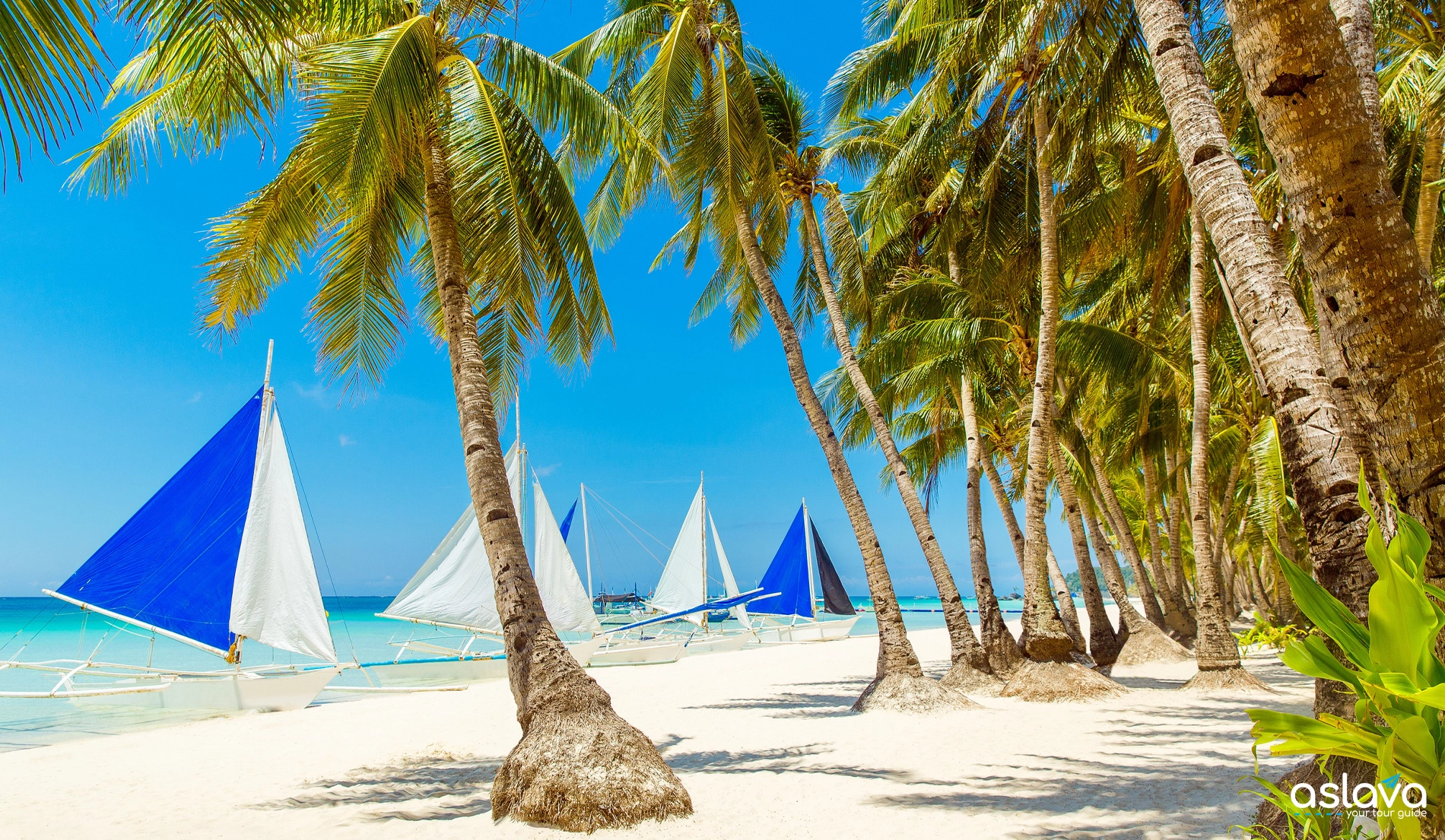
Best Time to Visit Boracay Philippines
Picking the right time to visit makes a big difference. Weather, crowd levels, and prices all change with the seasons, so plan based on what you want to do—sunbathing, water sports, or a quieter island escape.
1. Dry Season (November to May)
Best for sunseekers and beach days. From November through May the skies are mostly clear and waters calm, which means excellent visibility for snorkeling and diving. Gentle northeast winds (Amihan) keep White Beach pleasant and breezy. Expect the busiest crowds—and highest rates—around Christmas, New Year, Holy Week, and the hot March–May stretch when domestic travel peaks.
- Pros: reliable sunshine, calm waters, full menu of beach activities.
- Cons: larger crowds, higher accommodation prices, book early.
2. Wet Season (June to October)
Better for bargain hunting and wind sports. Rain usually comes as short afternoon showers rather than all-day downpours. The southwest monsoon (Habagat) brings stronger winds and choppier seas on the west side, which can limit some water activities at White Beach. That same wind makes Bulabog Beach ideal for kiteboarding and windsurfing. If you travel in this period you’ll find quieter beaches and lower rates—but monitor forecasts: typhoon risk is highest between August and October.
- Pros: fewer tourists, cheaper rooms, great conditions for kiteboarding.
- Cons: occasional cancellations, rougher seas for swimming on the west coast.
3. Shoulder Months (June and November)
Shoulder months balance weather and value. In June you might still catch dry conditions before the monsoon fully settles in. November usually sees improving weather as the wet season winds down. These windows often mean fewer people, better prices, and still-good conditions for many beach activities.
- Pros: good value, lighter crowds, flexible availability for tours and hotels.
- Cons: weather can be changeable—pack for sun and a few showers.
Quick picks
Best for sun: Nov–May. Best for wind sports and deals: Jun–Oct. Want a balance? Aim for November or early June.
How to Get to Boracay Philippines
Getting to Boracay requires a mix of air, land, and sea travel. The island has no commercial runway, so most visitors fly into Caticlan or Kalibo, then take a short boat ride to reach the beaches.
1. Via Caticlan Airport (Godofredo P. Ramos Airport)
Caticlan Airport is the closest option to the island and the fastest route to White Beach. After arrival you’ll typically take a 10-minute tricycle or van transfer to Caticlan Jetty Port, then a 15-minute boat crossing to Boracay. Flights to Caticlan are frequent from Manila and Cebu; some regional links operate from Clark and select Asian cities—check schedules for 2026. Note: smaller aircraft often serve this route, so confirm baggage limits before you travel.
- Best for: travelers prioritizing speed and fewer transfers.
- Tip: allow extra time at the airport for jetty transfers during peak hours.
2. Via Kalibo International Airport
Kalibo is a budget-friendly gateway with more international connections and often lower fares. From Kalibo you should expect a 1.5–2 hour land transfer (bus, van, or private car) to Caticlan Jetty Port, then the ferry to Boracay. The longer journey can save money, and the road transfer offers a glimpse of Aklan’s countryside.
- Best for: budget travelers and many international arrivals.
- Tip: if you choose Kalibo, book a transfer that coordinates with your flight arrival to avoid long waits.
3. Via Ferry from Batangas
Ferries from Batangas (south of Manila) provide an overland-sea alternative for travelers who prefer not to fly. The full trip—bus to Batangas plus the ferry to Caticlan—takes roughly 9–10 hours. Some services run overnight with cabins. This route appeals to adventurous or cash-conscious travelers but is weather-dependent, so build flexibility into your schedule.
- Best for: travelers who enjoy sea voyages or want a lower-cost option.
- Tip: check sailing schedules and typhoon-season advisories—cancellations are possible.
4. Arrival Procedures and Environmental Fee
At Caticlan Jetty Port you’ll complete a short registration before boarding the ferry to Boracay. Expect to pay an Environmental Fee (₱300 in 2026) and a Terminal Fee (₱150). Keep your accommodation booking confirmation handy—port staff may ask to see it. The boat ride to Cagban Jetty Port on Boracay takes about 15 minutes; once ashore you can take electric tricycles or shuttle vans to your hotel.
- Timing: boats run from early morning until early evening; wait times vary by season.
- Luggage advice: travel light if possible—small boats and tricycles have limited space.
| Route | Travel Time | Approximate Cost (2026) | Best For |
| Via Caticlan Airport | 30-45 minutes total | ₱500-800 (excluding airfare) | Convenience, time-saving |
| Via Kalibo Airport | 2-3 hours total | ₱800-1,200 (excluding airfare) | Budget travelers, international arrivals |
| Via Batangas Ferry | 12-14 hours total | ₱1,500-2,500 | Adventure travelers, scenic route preference |
Quick route choice
Choose Caticlan for speed, Kalibo for savings, or the Batangas ferry for a scenic alternative. Book transfers in advance during peak season and confirm baggage rules for smaller planes.
Beaches and Areas in Boracay Philippines
Boracay is a small island with distinct beach zones, each offering a different vibe. Picking the right area helps you match your stay to what you want—nightlife, wind sports, quiet sunsets, or family-friendly sand and shallows.
1. White Beach and Its Stations
White Beach is the island’s headline attraction: a roughly 4-kilometer stretch of powdery sand split into stations. In the north, Station 1 has the widest shore and high-end resorts—think quieter, more luxurious beachfront stays. At the heart of the action, Station 2 is the island’s center, home to D’Mall, restaurants, bars, and the liveliest nightlife. Further south, Station 3 feels more relaxed and budget-friendly, with fewer crowds and simpler hotels. Some locals and travelers also call the area north of Station 1 “Station 0,” where exclusive resorts offer more seclusion.
- Best for: mixed—luxury at Station 1, nightlife at Station 2, budget/quiet at Station 3.
- Quick tip: choose your station based on whether you want to be near restaurants and clubs or closer to a peaceful stretch of sand.
2. Bulabog Beach
Bulabog sits on the island’s east coast, about a 10-minute walk from White Beach. It’s the wind-sports hub—kiteboarding and windsurfing thrive here, especially during the Amihan months. The waters are choppier than White Beach, which is perfect for riders but less ideal for casual swimmers. Accommodations around Bulabog often offer better value than prime White Beach hotels.
- Best for: kiteboarders, windsurfers, and budget-conscious travelers who don’t mind a short walk to White Beach.
- Quick tip: book lessons in advance if you want instruction during peak wind season.
3. Puka Beach
Puka Beach (Yapak) at the northern tip offers a quieter, more natural spot. The sand here mixes crushed puka shells with finer grains, giving it a coarser texture. Facilities are limited—expect a few rustic eateries and souvenir stalls rather than big resorts. The backdrop of green hills makes Puka one of the island’s most photogenic beaches.
- Best for: morning solitude, photographers, and travelers seeking a less developed beach experience.
- Quick tip: currents can be stronger here—swim with caution.
4. Diniwid Beach
Just north of Station 1, Diniwid is a small cove linked by a coastal path and steps. It’s intimate, with boutique hotels and cliffside cafés. The protected cove has calm swimming and excellent sunset views without the larger crowds found on White Beach.
- Best for: couples and travelers who want quick access to White Beach but prefer quieter evenings.
- Quick tip: walk the coastal path for scenic views between Diniwid and Station 1.
5. Ilig-Iligan and Other Beaches
Beyond the headline shores, several lesser-visited spots reward exploration. Ilig-Iligan on the northeast offers rustic charm and good snorkeling. Tambisaan is a departure point for island-hopping, and Manoc-Manoc shows glimpses of local fishing life. These beaches aren’t as polished as White Beach but provide cultural authenticity and quieter space.
- Best for: snorkelers, day-trippers, and travelers who want to support local communities.
- Quick tip: include a secondary beach stop on an island-hopping tour to see more than just White Beach.
Where to Stay in Boracay Philippines
Boracay offers accommodation for every budget and travel style. The island’s compact size means you can pick a beachfront resort for easy beach access or choose a quieter interior hotel and still reach White Beach in minutes.
1. Luxury Beachfront Resorts
What to expect: private beach access, cliff-top pools, full-service spas, and high-end dining. Top properties often include resort-style facilities and personalized service—ideal for special occasions or a pampered stay.
- Price range (2026): ₱15,000–₱40,000 per night (verify rates before booking).
- Best for: couples, honeymooners, and travelers who want top-tier comfort.
- Pro tip: ask about complimentary transfers and eco-friendly practices when booking.
2. Mid-Range Hotels and Resorts
What to expect: comfortable rooms, pools, and on-site dining within walking distance of White Beach. These hotels balance convenience with value and suit most travelers who want quality without a luxury price tag.
- Price range (2026): ₱5,000–₱12,000 per night.
- Best for: families and couples seeking comfort near dining and activities.
- Pro tip: check whether breakfast and shuttle services are included.
3. Budget-Friendly Guesthouses and Hostels
What to expect: simple, clean rooms or dorms, friendly family-run guesthouses, and social hostels. Budget options often sit in Station 3 or inland and deliver big savings for travelers who spend most of their time on the beach.
- Price range (2026): from ~₱1,500 per night for guesthouses.
- Best for: solo travelers, backpackers, and those prioritizing activities over room amenities.
- Pro tip: verify bathroom type and whether air conditioning is included.
4. Boutique Hotels and Unique Stays
What to expect: characterful properties with fewer rooms and thoughtful design—cliffside bungalows, eco-lodges, and cliff cafés. Boutique stays often blend local materials with modern comforts for memorable nights on the island.
- Price range (2026): roughly ₱4,000–₱15,000 per night depending on location and season.
- Best for: travelers who want a unique atmosphere rather than a chain hotel experience.
- Pro tip: book early for cliffside or limited-room boutique properties.
Top Things to Do in Boracay Philippines
Boracay packs a surprising number of activities into a small island. Whether you want high-energy water sports, quieter wellness days, or cultural experiences, you can do several things even on a short trip.
1. Water Sports and Adventures
What: parasailing, jet-skiing, banana boats, flyboarding, paddleboarding, helmet diving, and scuba diving at nearby reefs and wreck sites.
- Who it’s best for: adrenaline seekers, families wanting variety, and certified divers.
- Typical duration and cost: most activities run 30–90 minutes; expect pay-per-ride prices or bundled packages—book ahead in peak season.
- Safety tip: choose operators with visible certifications; if diving, bring certification cards and dive log; use reef-safe sunscreen.
- Spot highlight: Crocodile Island and Yapak offer popular diving and snorkeling sites (conditions vary by season).
2. Island Hopping and Beach Exploration
What: half-day or full-day boat tours that stop at small islands, snorkeling spots, and scenic coves.
- Who it’s best for: snorkelers, photographers, and families who want variety in one day.
- Typical duration and cost: tours usually last 4–8 hours and include lunch and equipment; private charters cost more but allow flexible schedules.
- Spot highlight: Crystal Cove Island (sea caves and views), Puka Shell Beach for a quieter shoreline, and Crocodile Island for snorkeling.
- Tip: check tour inclusions (snorkel gear, lunch) and avoid operators that crowd sensitive reefs.
3. Sunset Sailing and Evening Activities
What: traditional paraw sunset sails, beachfront dining, night markets, and music at beach clubs.
- Who it’s best for: couples, photographers, and anyone who loves evening atmosphere.
- Typical duration and cost: sunset sails run about 1–2 hours; prices vary—book in advance for popular sunset slots.
- Safety tip: avoid overloaded boats and verify life jackets before departure.
- Spot highlight: sailing from White Beach at dusk gives iconic paraw silhouettes against the sunset.
4. Wellness and Relaxation
What: spa treatments, beachfront massages, yoga classes, and wellness packages combining spa, food, and activities.
- Who it’s best for: travelers seeking rest and rejuvenation between active days.
- Typical duration and cost: massages are commonly 60–90 minutes; spa packages vary—look for resort or certified spa options.
- Tip: book sunrise yoga sessions for cooler temperatures and calmer waters.
- Spot highlight: quieter beaches like Ilig-Iligan are perfect for meditation and solitude.
5. Cultural Experiences and Local Life
What: cooking classes, visits to Ati Village, local markets, community-based tours, and short hikes to viewpoints like Mount Luho.
- Who it’s best for: travelers wanting to connect with local culture and support community initiatives.
- Typical duration and cost: activities range from 1–4 hours; many are affordable and provide meaningful local interaction.
- Tip: join small-group tours or book through community-based organizations to ensure benefits reach locals.
- Spot highlight: D’Talipapa market for fresh seafood and Mount Luho for panoramic island views.
Where to Eat in Boracay Philippines
Boracay’s dining scene covers everything from casual beachfront restaurants to refined international kitchens. Fresh seafood, Filipino specialties, and global flavors are served across the island—at White Beach shacks, D’Mall eateries, and resort dining rooms alike.
1. Beachfront Dining Experiences
What to expect: tables on the sand, sunset views, and menus heavy on fresh seafood and fusion dishes. Popular beachfront venues combine atmosphere with quality—perfect for romantic dinners or celebratory meals.
- Best for: sunset dinners and special occasions.
- Price range (2026): ₱1,000–2,500 per person for fine beachfront dining.
- Must-try: seafood platters and local-international fusion tasting menus.
- Tip: reserve a waterfront table for sunset and expect higher prices than inland spots.
2. Local Filipino Cuisine
What to expect: authentic flavors and hearty Filipino classics at family-run restaurants and market stalls. D’Talipapa market is a go-to spot to buy fresh catch and have nearby restaurants cook it to your taste.
- Best for: budget-conscious travelers and anyone wanting local flavor.
- Price range (2026): ₱300–800 per person at local eateries.
- Must-try: adobo, sinigang, fresh grilled seafood, and street snacks like chicken inasal and halo-halo.
- Tip: try a cooking class for a hands-on taste of Filipino cuisine.
3. International and Fusion Restaurants
What to expect: Mediterranean, Asian, and fusion menus run by independent chefs and resort kitchens. These restaurants often use local ingredients reworked into global styles.
- Best for: travelers craving variety or specialty dining experiences.
- Price range (2026): ₱700–1,500 per person for sit-down international meals.
- Must-try: wood-fired pizzas, tapas, and creative fusion plates featuring Filipino ingredients.
- Tip: check restaurant event calendars—visiting chefs and themed dinners are common.
4. Cafés and Casual Eateries
What to expect: breakfast spots, specialty coffee, and grab-and-go treats. Cafés are also popular with digital nomads thanks to Wi‑Fi and relaxed seating.
- Best for: quick bites, coffee, and casual hangouts.
- Price range (2026): ₱200–600 per person for café meals and snacks.
- Must-try: calamansi muffins at Real Coffee, coconut ice cream in a shell at Coco Mama.
- Tip: many cafés emphasize sustainable packaging—bring a reusable cup to cut waste.
| Dining Category | Recommended Venues | Price Range (2026) | Signature Dishes |
| Beachfront Fine Dining | Sea Wind Café, Cha Cha’s Beach Café | ₱1,000-2,500 per person | Seafood platters, Filipino-international fusion |
| Local Filipino | Smoke Resto, D’Talipapa market | ₱300-800 per person | Adobo, sinigang, fresh seafood |
| International | Aria, Dos Mestizos, Subo | ₱700-1,500 per person | Italian, Spanish tapas, Asian fusion |
| Cafés & Casual | Real Coffee, Sunny Side Café | ₱200-600 per person | Calamansi muffins, all-day breakfast |
Practical Tips for Visiting Boracay Philippines
These quick, practical tips will help you navigate the island, respect local rules, and get the most from your visit. Save this checklist before you travel.
Before you go
- Bring a printed or digital copy of your accommodation confirmation—port staff may ask to see it.
- Carry some Philippine pesos on arrival—ATMs can run out during peak hours.
- Pack reef‑safe sunscreen, a reusable water bottle, and a light rain jacket for shoulder-season showers.
1. Transportation Around the Island
- Getting around: Boracay is compact (about 10 km²). Walking along White Beach connects Stations 1–3 and is pleasant for short trips.
- E-trikes: electric tricycles are the island’s main public transport. Typical fares range from ₱20–150 depending on distance (2026).
- Private hires: groups can book private e-trikes for roughly ₱250–500 per hour—good for island tours or multiple stops.
- Rentals: bicycles and motorbikes are available but the terrain can be hilly—choose according to your fitness level.
- Timing: expect congestion on the main road at peak times; allow extra travel time for evening reservations.
2. Environmental Rules & Responsible Travel
- Beach rules: smoking, drinking, eating, and disposing of waste on the beachfront are restricted—use designated areas.
- Single-use plastics: bring a reusable bag and bottle; many vendors avoid plastic packaging now.
- Conservation: use reef-safe sunscreen and avoid touching coral or feeding fish.
- Fees: the environmental and terminal fees collected at the jetty fund conservation and waste management—keep receipts if requested.
3. Money & Budgeting
- Cash vs card: major hotels and many restaurants accept cards; small vendors and tricycle drivers prefer cash.
- ATMs: available mainly in D’Mall and along the main road—withdraw when you arrive to avoid shortages.
- Typical daily budgets (2026 estimates): budget travelers ₱3,000–5,000; mid-range ₱6,000–12,000; luxury ₱15,000+.
- Bargaining: polite negotiation is common for souvenirs and some services—do so respectfully.
4. Health & Safety
- Sun and hydration: apply high-SPF sunscreen often (10am–4pm is strongest) and drink 2–3 liters of water daily.
- Water: bottled or filtered water is safest for drinking despite treated resort supplies.
- Medical help: pharmacies and basic clinics are in D’Mall; major medical needs may require transfer to mainland facilities.
- Personal safety: Boracay is generally safe—still lock valuables, monitor possessions on the beach, and avoid isolated areas after dark.
- Activity safety: use certified operators for diving and water sports and bring certification cards when required.
Quick room & booking checklist
- Confirm what’s included: transfer, breakfast, shuttle service, Wi‑Fi, and cancellation policy.
- Ask about sustainability practices if that matters to you (water conservation, reduced linen changes).
- Request early check-in or luggage storage if arriving before your room is ready.
Boracay Pros
- World-class white sand beaches and clear waters
- Compact island—easy to explore
- Wide range of accommodation and dining options
- Improved infrastructure and environmental protections since 2018
Things to consider
- Higher prices than some other Philippine destinations
- Can be crowded during peak season
- Limited beachfront facilities in some areas due to regulations
- Weather can disrupt plans during the wet season
Boracay Philippines Seasonal Calendar
Quick guide: Visit November–May for the best beach weather and calm waters; choose June–October for lower prices and excellent wind-sport conditions on the east coast.
| Month | Weather | Crowd Level | Activities | Special Events |
| January | Dry, 25–30°C | High | All beach activities, water sports | Boracay Ati-Atihan Festival |
| February | Dry, 25–31°C | Moderate–High | All beach activities, water sports | Chinese New Year celebrations |
| March | Dry, 26–32°C | High | All beach activities, water sports | Holy Week (varies), beach tournaments |
| April | Dry, 27–33°C | Very High | All beach activities, water sports | Peak domestic travel |
| May | Mostly dry, 27–33°C | High | All beach activities, water sports | Labor Day weekend, Flores de Mayo |
| June | Mixed, 26–32°C, occasional rain | Moderate | Beach activities, kiteboarding begins | Independence Day promotions |
| July | Wet season starts, 25–31°C | Low–Moderate | Kiteboarding, windsurfing, indoor options | Food festivals and local events |
| August | Wet, 25–30°C, frequent rain | Low | Kiteboarding, windsurfing, spa days | Local art exhibitions |
| September | Wet, 25–30°C | Very Low | Kiteboarding, windsurfing, indoor activities | Low-season promos |
| October | Wet, 25–30°C | Very Low | Kiteboarding, windsurfing, indoor options | Halloween beach events |
| November | Transitional, 25–29°C | Low–Moderate | Increasing beach activities | Reopening anniversary events |
| December | Mostly dry, 25–29°C | High | All beach activities, water sports | Christmas and New Year celebrations |
Sample 3-Day Boracay Philippines Itinerary
Three days on this small island gives you a solid taste of Boracay’s highlights: beaches, water activities, and a slice of local life. Use this sample 3-day plan as a base and swap in extra rest or more activities depending on your pace.
Arrival and White Beach exploration (Day 1)
- Morning: Arrive at Caticlan, transfer to your hotel, and check in. If your room isn’t ready, store luggage and head out to get your bearings.
- Midday: Lunch at a beachfront cafe—try local seafood while you soak up the white beach views.
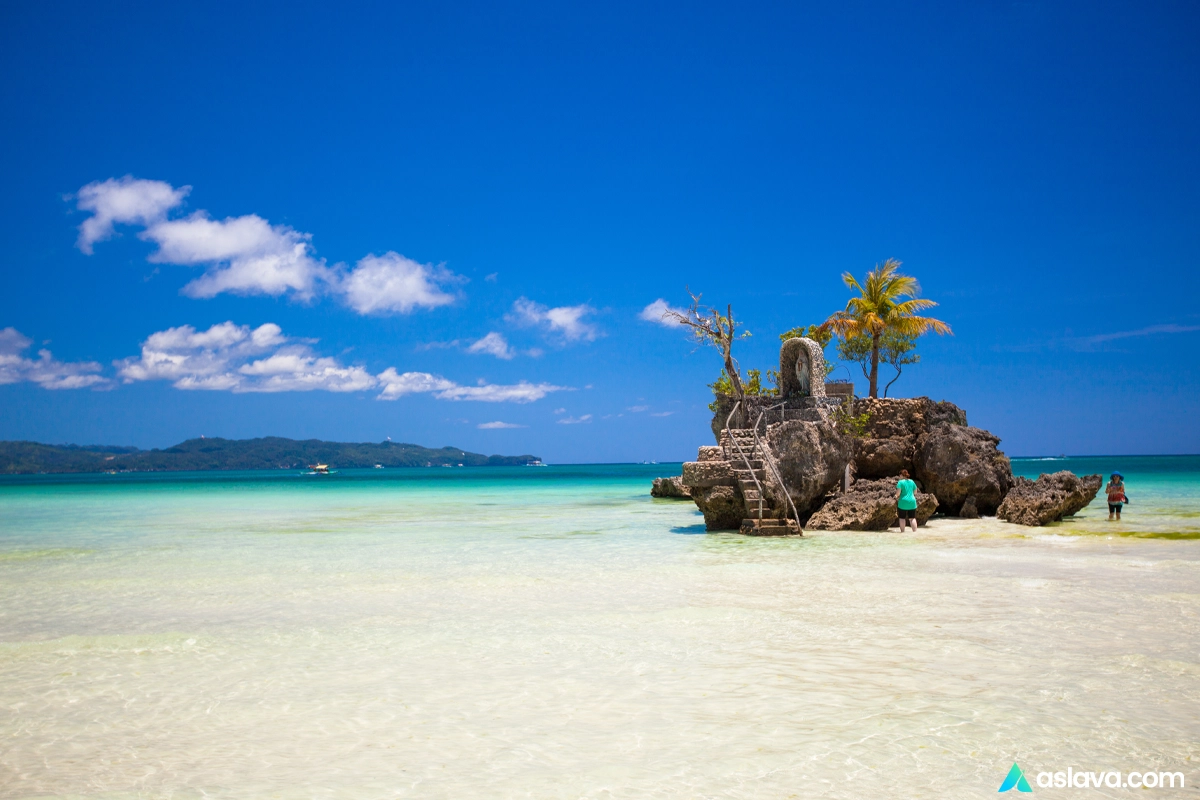
- Afternoon: Walk along White Beach and stop at Willy’s Rock (Station 1) for photos and a first swim.
- Late afternoon: Take a paraw sunset sail (about 1 hour) for classic island sunset views—book a slot before evening if you’re visiting in peak season.
- Evening: Dinner along Station 2 and pick a bar or acoustic venue if you want nightlife.
Water adventures and island hopping (Day 2)
- Morning: Join a half-day island-hopping tour (typically 4–6 hours) to visit snorkeling spots like Crocodile Island, Crystal Cove, and Puka Beach. Tours usually include gear and lunch.
- Afternoon: Back on White Beach, try one or two activities—parasailing for aerial views, helmet diving for a unique shallow-water experience, or paddleboarding for a relaxed session.
- Late afternoon: Refresh with a beachside massage (60–90 minutes) to relax tired muscles.
- Evening: Browse D’Mall for souvenirs and have dinner—end the night with a coconut ice cream dessert from a popular stand.
Culture, viewpoints, and departure (Day 3)
- Morning: Head to Mount Luho for panoramic island views; it’s a short e-trike ride and a quick viewpoint visit.
- Midday: Explore D’Talipapa market—sample fresh seafood or have a vendor cook your catch for lunch.
- Afternoon: Spend final hours lounging on White Beach or visiting a quieter spot if you prefer less crowd—grab a fruit shake before you leave.
- Late afternoon: Check out and transfer back to Caticlan for your onward flight.
“The perfect Boracay itinerary balances active adventures with peaceful moments to simply appreciate the island’s natural beauty. Don’t try to do everything—leave something for your next visit.”
Frequently Asked Questions About Boracay Philippines
Is Boracay Philippines worth visiting in 2026?
Short answer: Yes — for beaches, activities, and improved sustainability. Since the 2018 rehabilitation, the island balances tourism with stronger environmental protections. You’ll find cleaner shores, better infrastructure, and a range of places to stay and things to do that suit many traveler styles.
How many days do I need in Boracay Philippines?
Short answer: Minimum three days. Three days covers White Beach, a water activity or island hop, and a viewpoint or market visit. If you prefer a slower pace, plan five to seven days to relax, explore quieter beaches, and try more activities.
What are the current entry requirements for Boracay Philippines?
Short answer: Bring a confirmed booking and pay arrival fees. Port staff typically require proof of accommodation at a Department of Tourism–accredited place and the Environmental Fee (₱300) plus the Terminal Fee (₱150) at Caticlan Jetty Port. International travelers should also verify passport validity (generally six months) and any visa rules for the Philippines.
Which is better — Boracay or Palawan?
Short answer: They’re different. Boracay is a compact island known for powdery white sand, lively beachfronts, and easy access to restaurants and activities. Palawan (El Nido, Coron) is larger, wilder, and famed for dramatic limestone scenery and remote dive sites. Many travelers visit both if time allows.
Is Boracay Philippines expensive?
Short answer: It can be, but budgets vary. Budget travelers can manage on roughly ₱3,000–5,000 per day; mid-range about ₱6,000–12,000; luxury stays from ₱15,000+ daily. Save by visiting low season, staying off White Beach, eating local, and booking activities directly or in advance online.
What should I pack for Boracay Philippines?
Short answer: Pack light, breathable clothes and beach essentials. Bring reef-safe sunscreen, swimwear, a hat, sunglasses, comfortable sandals, insect repellent, a reusable water bottle, and any medications you need. A light rain jacket is handy in shoulder or wet seasons.
Experience the Magic of Boracay Philippines
Boracay island blends stunning white sand beaches with improved infrastructure and a renewed focus on sustainability. After the 2018 rehabilitation the island doubled down on conservation while keeping the vibrant resorts, restaurants, and activities that draw visitors from around the world.
Whether you’re going Boracay for action or rest, you’ll find snorkeling and diving spots, beachside relaxation, local culture, and quality resort stays all within easy reach. Even short trips of a few days let you experience the island’s highlights without sacrificing comfort.
Plan your visit with flexibility, respect local rules, and leave room for simple moments—sunset paraw sails or an early-morning walk on White Beach often become the memories that last. Ready to go? Use the sample itinerary or book a stay to start planning your Boracay escape.