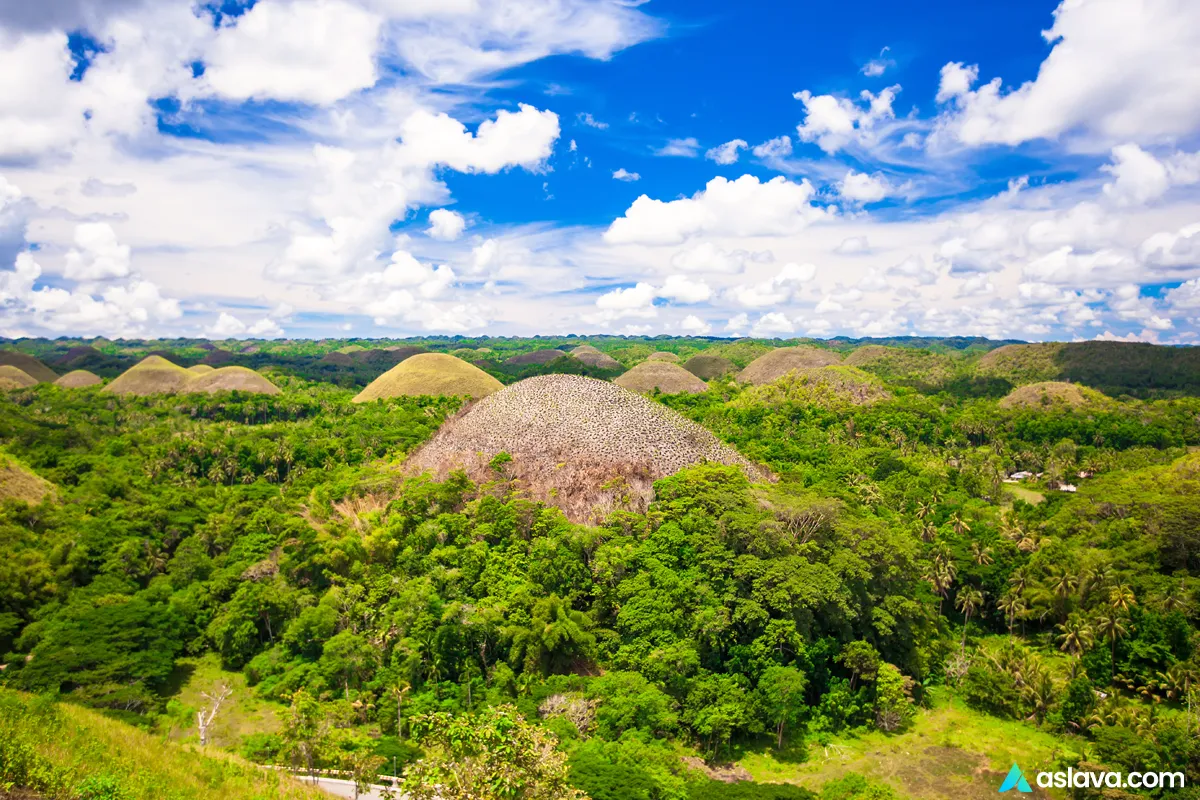
Curious about where to combine dramatic landscapes, rare wildlife, and sun-soaked beaches all in one trip? Then Bohol deserves a prominent spot on your Philippine travel shortlist. This comprehensive 2026 guide walks you through everything — from the iconic Chocolate Hills and the tiny Philippine tarsier to a leisurely Loboc River cruise and Panglao’s pristine beaches — so you can plan a trip that matches your pace and interests.
Inside this guide: seasonal timing, transportation options, top attractions, dining recommendations, and practical tips to make your island experience unforgettable. Read on to start planning your ideal Bohol adventure for 2026.
Why Bohol Deserves Your Next Vacation
Bohol is a compact yet remarkably varied destination where you can pack a lot into a short visit: geological oddities, wildlife encounters, and white-sand beaches all within easy reach. Adventure seekers can explore Hinagdanan Cave or zip across canopy trails, making it perfect for adrenaline enthusiasts. Meanwhile, history lovers will discover Spanish-era churches and heritage museums worth exploring at leisure.
The Accessibility Advantage
Moreover, one of the biggest draws of Bohol is how accessible its main attractions are — in just a few days you can comfortably visit the Chocolate Hills, a tarsier sanctuary, and enjoy island-hopping trips without spending long hours on the road. Tourism infrastructure has undergone targeted improvements for 2026, including upgraded roads around key towns and more organized tour options. Consequently, planning and enjoying your stay has never been easier.
Diverse Experiences in One Compact Island
What sets Bohol apart from other Philippine destinations is its remarkable diversity within a manageable size. Picture yourself witnessing one of the world’s most unique geological formations in the morning, meeting one of the planet’s smallest primates at midday, cruising down a jungle river for lunch, and relaxing on white sand by sunset. Few islands offer such variety without extensive travel between attractions.
Best Time to Visit Bohol in 2026
Timing your trip to Bohol makes a real difference: different months favor different activities. Choose your travel dates based on whether you prioritize beaches, countryside sightseeing, or quieter, budget-friendly experiences. Generally, the island follows a clear dry and wet seasonal pattern that affects visibility, sea conditions, and the visual appeal of key sights.
Dry Season (December to May)
Typically the most reliable period for outdoor activities, the dry season runs from December through May. You’ll enjoy clearer skies, minimal rain, and ideal conditions for island hopping, diving, and countryside exploration. Additionally, the Chocolate Hills take on their famous brown hue between March and May — that classic “chocolate” panorama seen in photos and featured on the ₱200 bill.
Packing essentials: Lightweight daytime clothing, strong sunscreen, and a wide-brimmed hat for extended outdoor time.
Peak Season (March to May)
March to May marks peak travel time in Bohol, bringing warmer temperatures (commonly in the low 30s °C) and busier beaches, especially around Alona Beach. If visiting during these months, book accommodations, popular tours, and diving trips well in advance. The upside? Ferry and flight schedules are plentiful, and most operators run full services throughout the day.
Rainy Season (June to November)
From June through November, the wet season brings more frequent showers and occasional heavy downpours. However, rain typically falls intermittently rather than all day, allowing you to enjoy many attractions. Notably, visitor numbers and accommodation prices fall significantly during this period, and the Chocolate Hills transform into vivid green domes — a completely different, equally beautiful look worth experiencing.
Important note: September and October carry the highest typhoon risk, so check forecasts and book with flexible cancellation policies if traveling then.
Season Comparison at a Glance
| Season | Months | Weather | Best For | Crowds | Price |
|---|---|---|---|---|---|
| Dry | Dec–May | Clear, sunny | Outdoor activities | High | Higher |
| Peak | Mar–May | Very warm | Brown Chocolate Hills | Busiest | Highest |
| Wet | Jun–Nov | Rainy, humid | Budget travelers | Low | Lower |
How to Get to Bohol in 2026
Flying to the Island
The quickest way to reach Bohol is flying into Bohol–Panglao International Airport. Multiple domestic flights depart daily from Manila, Cebu, Davao, and Clark, with typical flight times of 1–1.5 hours. Additionally, seasonal international connections from nearby Asian hubs have improved access for overseas visitors in 2026.
Travel tip: Arrive at least 90 minutes before domestic departures, allowing extra time for SIM purchases or transport arrangements to Panglao.
Sea Routes from Neighboring Islands
Alternatively, ferries offer a scenic and cost-effective option from neighboring islands. Fast ferries (OceanJet, FastCat, others) run multiple daily trips from Cebu to Tagbilaran in approximately 2 hours, featuring air conditioning and different seating classes with costs ranging from ₱500–1,500 per person. Regular ferry connections to Tagbilaran from Dumaguete also take roughly 2 hours but vary seasonally. Services from Siquijor exist but may require routing through Dumaguete or Cebu depending on current schedules.
2026 Transportation Updates
Tagbilaran’s modernized port terminal continues improving passenger flow and facility standards. Therefore, pre-booking ferry tickets online is strongly recommended — especially during peak season — to secure preferred departure times and cabin types.
Cost Comparison
Domestic flights vary significantly by season and advance booking: reserve 2–8 weeks ahead for optimal fares. Ferry tickets between Cebu and Tagbilaran typically range from ₱500–1,500 per person depending on service class. If planning a short trip, a flight plus brief transfer offers the fastest routing; conversely, ferry travel provides a more scenic and budget-conscious alternative.
Getting Around Bohol in 2026
Getting around the island is straightforward thanks to improved roads and expanded transport options; however, attractions spread throughout Bohol, so strategic planning maximizes your time and minimizes transit delays. For example, basing yourself on Panglao for beach days and booking a single full-day countryside tour efficiently covers inland highlights.
Vehicle Rentals for Flexibility
For maximum independence, consider renting a vehicle. Motorbikes and scooters cost ₱500–800 daily and represent the most popular choice for solo travelers and couples, though you should always check helmet condition and confirm insurance coverage while avoiding rural night riding. Self-drive cars rent for ₱2,500–3,500 per day and suit families or groups, while chauffeur services at ₱3,000–4,500 daily include local navigation expertise and parking knowledge, making them perfect for comfort-seeking travelers.
Organized Tours (No Driving Needed)
Joining structured tours eliminates navigation stress and maximizes efficiency. Full-day countryside circuits typically include Chocolate Hills, tarsier sanctuary, Bilar Man-Made Forest, and Loboc River Cruise with hotel pickup/drop-off and historical context from guides. Meanwhile, island hopping expeditions offer half-day and full-day boat trips departing from Panglao with snorkeling, diving, and beach stops, including small-boat options for quieter experiences.
Budget-Friendly Public Transport
For travelers prioritizing affordability over speed, tricycles cost ₱20–100 per ride for short local trips, jeepneys offer cheap and authentic but slow fixed-route travel useful for inter-town hops, and V-hire vans provide ₱100–200 per person faster budget transfers between tourist hubs.
Marvel at the Iconic Chocolate Hills
The Chocolate Hills represent Bohol’s most famous natural wonder and the primary reason many travelers visit the island. This geological marvel comprises at least 1,268 cone-shaped mounds spread across roughly 50 square kilometers. Notably, the formation was designated a National Geological Monument and even appears on the Philippine ₱200 bill — testament to its cultural significance and scenic importance.
The Story Behind the “Chocolate” Name
During dry months, grass covering the limestone cones shifts from green to a rich brown, creating the chocolate-like appearance that inspired the iconic name. The rainy season transforms these same hills into vivid green domes — offering two completely distinct landscapes depending on your travel timing.
Primary Viewpoints in 2026
The Chocolate Hills Complex in Carmen offers the main viewpoint with a classic postcard panorama accessible via 214 steps, featuring souvenir stalls, restaurant, and restrooms — allow 1–2 hours here. Alternatively, Sagbayan Peak sits approximately 18 km from Carmen, generally less crowded, providing different geological perspectives with nearby butterfly gardens and resort accommodations.
Photography Recommendations
Visit early morning (before 9:00 AM) or late afternoon (after 4:00 PM) when softer light creates stronger shadows and enhanced depth for optimal photography. Bring a wide-angle lens to capture the sweeping expanse of cones and wear a hat for sun protection during extended visits.
2026 Infrastructure Improvements
A new eco-friendly viewing platform near Sagbayan now features walking trails and guided-hike access options that limit crowding and protect the landscape. Verify current opening hours, entrance fees, and hiking requirements through local tour operators or visitor centers before departure.
Meet the Adorable Philippine Tarsiers
The Philippine tarsier (Carlito syrichta) stands out as one of Bohol’s most treasured wildlife encounters — a tiny, nocturnal primate with disproportionately huge eyes and fragile conservation status. Observing these creatures in a protected, natural setting ranks as a highlight for many visitors and serves as a poignant reminder of Bohol’s conservation commitment.
Understanding These Remarkable Primates
Measuring roughly 4–5 inches tall and weighing approximately 80–150 grams (about the size of a human fist), tarsiers possess extraordinarily large eyes. Each eye is nearly as large as their brain, enabling exceptional nocturnal vision. Furthermore, their powerful hind limbs facilitate impressive leaps reaching approximately 3 meters — remarkable for such tiny animals.
Philippine Tarsier Sanctuary (Corella)
The Philippine Tarsier Sanctuary in Corella, managed by the Philippine Tarsier Foundation, is the recommended and most ethical location for tarsier observation. The sanctuary prioritizes animal welfare and natural forest habitat rather than confining animals to small cages.
Visitor Protocols for 2026
Small guided groups (usually 5–6 people) minimize disturbance while allowing photography without flash if done quietly. Never touch, feed, or handle tarsiers — contact causes serious harm. Maintain low voice levels and slow movements; tarsiers are extremely noise-sensitive to disturbance.
Critical safety note: Improper handling and loud disturbances critically endanger tarsier health. Always visit official conservation sites prioritizing animal welfare and strictly follow staff instructions.
Planning Your Visit
The sanctuary typically operates from 9:00 AM to 4:00 PM, with visits lasting 30–45 minutes including orientation. Entrance fees and operating hours vary, so verify current details through the Philippine Tarsier Foundation’s official website or local visitor centers before arrival. Moreover, support conservation by donating or selecting tours contributing to local protection efforts.
Experience the Serene Loboc River Cruise
The Loboc River cruise ranks among the most beloved island experiences — a relaxing method combining scenery, culture, and cuisine as you glide along emerald waters flanked by lush vegetation. For countless visitors, the floating-restaurant format offers a uniquely local dining experience complete with live music and cultural performances.
The Cruise Experience
Standard Loboc River cruises operate on converted native boats featuring bamboo and nipa roofing that function as floating dining platforms. As you drift downstream, anticipate Filipino buffet lunch or dinner showcasing Boholano specialties, live acoustic music and traditional cultural performances at designated stops, brief opportunities to disembark for cultural presentations and photo sessions, scenic views of riverbank tropical vegetation and diverse birdlife, and family-friendly activities and memorable photo opportunities throughout the route.
2026 Cruise Options
Contemporary operators now offer smaller, more intimate boat alternatives for couples and families preferring quieter experiences. Premium cruises typically feature upgraded gourmet menus (examples: grilled lapu-lapu, local vegetable dishes, fresh fruit desserts), dedicated private guides providing detailed commentary, and extensive information about river ecology and nearby communities.
Booking and Pricing Information
Lunch cruises run approximately 10:30 AM to 2:00 PM while dinner cruises depart in early evening, with standard cruise duration of roughly one hour. Regular buffet cruises cost ₱600–700 per person while premium/private options range from ₱1,200–2,500 per person.
Reservations are highly recommended during peak season (December–May) and can be arranged through your accommodation or directly with operators. Note that the primary boarding location near Loboc Church sits approximately 24 kilometers from Tagbilaran City, so allow transfer time in your schedule.
Sustainability commitment: Select operators practicing responsible waste management and supporting local communities; many tours now donate proceeds to river conservation and community development programs.
Explore Bohol’s Historic Churches
Baclayon Church: A Colonial Legacy
The Church of Our Lady of the Immaculate Conception (Baclayon Church) ranks among the Philippines’ oldest stone churches and represents a key historical monument. Founded in the late 16th century by Jesuit missionaries, its original coral stone construction showcases traditional Spanish colonial craftsmanship methods.
Though Baclayon suffered significant damage during the 2013 Bohol earthquake, ongoing conservation and restoration efforts preserve its architectural and cultural heritage. Visitors can explore the adjacent museum collection featuring religious artifacts, liturgical objects, and historical records illuminating the island’s colonial past.
Additional Historic Churches Worth Visiting
Beyond Baclayon, several other historic churches merit inclusion on a cultural itinerary. Loboc Church (St. Peter the Apostle) is positioned beside the scenic Loboc River and notable for its historic pipe organ, combining natural beauty with spiritual significance. Dauis Church on Panglao Island features a striking white facade and connects to local legend regarding a freshwater spring within the grounds. Loon Church was originally destroyed during the 2013 earthquake but has been meticulously reconstructed to symbolize community resilience and heritage recovery.
Church Visiting Guidelines
Plan 1–1.5 hours for Baclayon including museum exploration, and 30–45 minutes for smaller churches like Loboc or Dauis. Remember these function as active worship sites: dress modestly, speak softly, and avoid visiting during Mass unless attending services. Moreover, supporting local guides or museum fees contributes directly to ongoing restoration and conservation initiatives.
Drive Through the Bilar Man-Made Forest
The Bilar Man-Made Forest ranks among Bohol’s most photographed locations — a roughly 2-kilometer corridor where densely planted mahogany trees form a dramatic canopy tunnel spanning the highway between Loboc and Bilar. Beyond stunning visuals, this shaded drive provides welcome relief from tropical heat and pleasant scenery changes during countryside exploration.
Conservation History and Purpose
Planted during the 1970s as a reforestation initiative addressing kaingin (slash-and-burn farming), the project established thousands of mahogany trees that have since matured substantially. Notably, the forest now reduces soil erosion while providing habitat for returning bird species. Though human-created, it functions as an important conservation example and popular roadside destination.
2026 Visitor Amenities
Contemporary visitor infrastructure has improved considerably: designated photo stops with safe pull-over areas, a small visitor center explaining the forest’s history, and short walking trails enabling forest immersion. Local vendors sell refreshments and souvenirs near pull-over points — please respect vendor spaces and environmental guidelines.
Photography best practices: Arrive early morning for light rays filtering through the canopy. Never stand in active traffic for shots — use designated photo spots or request a companion monitor passing vehicles.
Most travelers view the Bilar Man-Made Forest as a brief stop during full-day countryside circuits. Allocate approximately 15–20 minutes to stretch, photograph, and read informational panels before continuing to the Chocolate Hills or Loboc River.
Relax at Alona Beach and Panglao Island
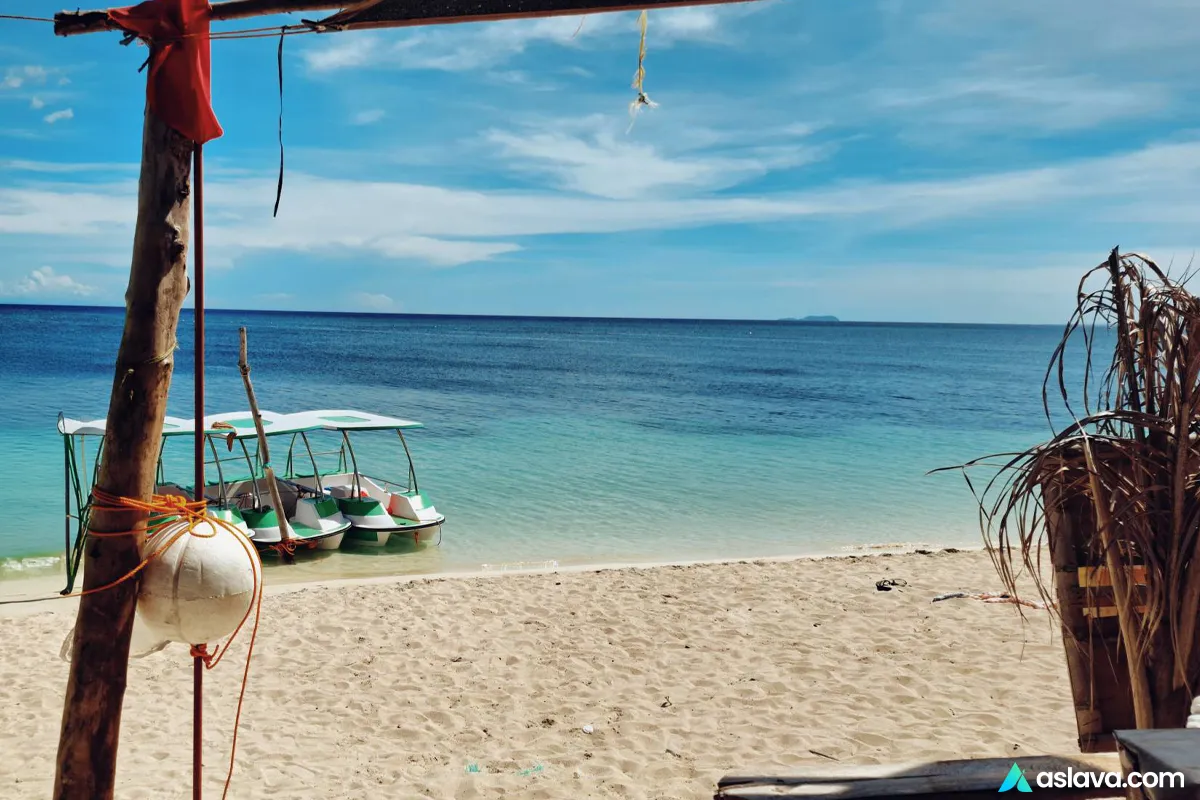
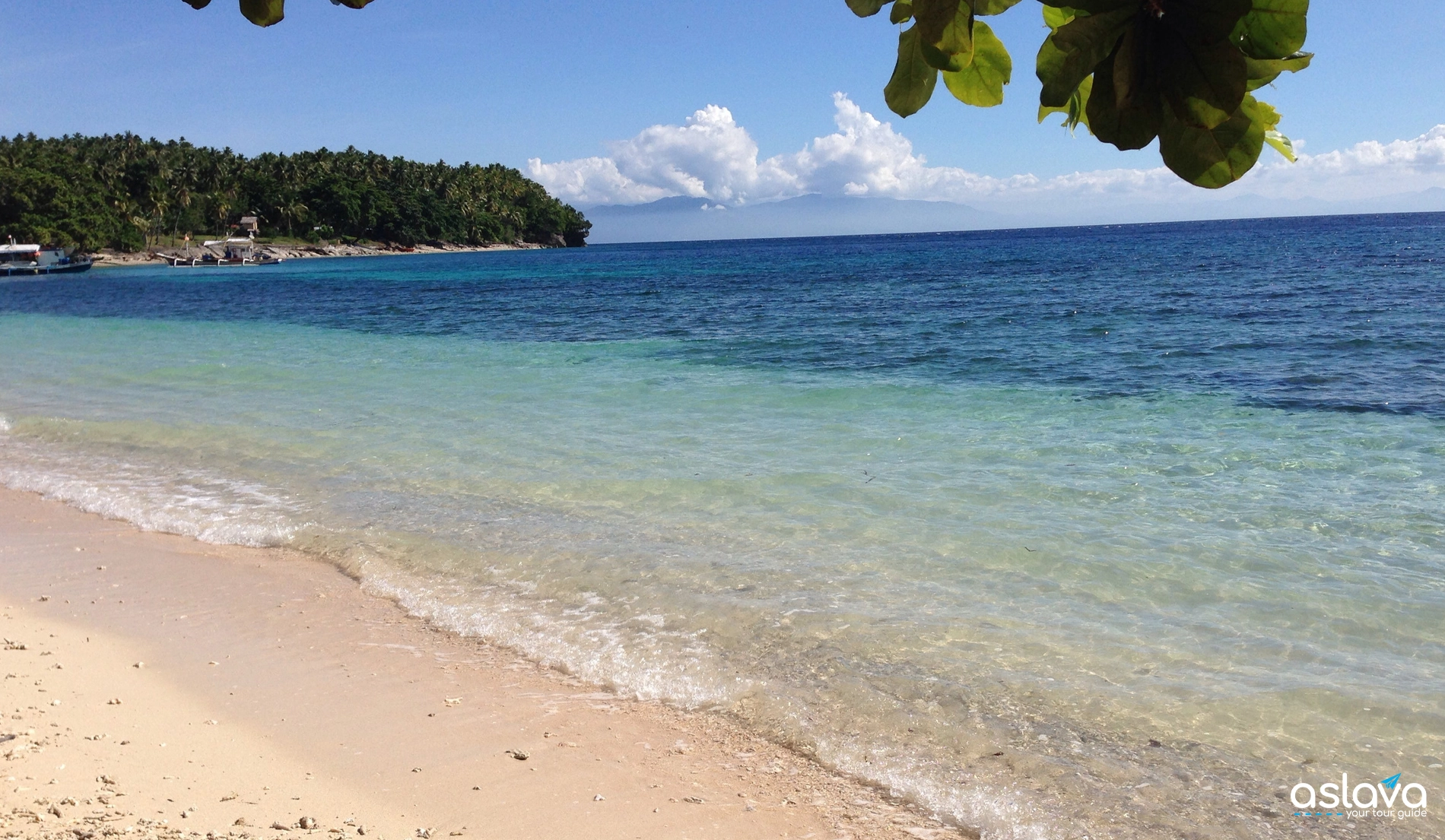
After inland sightseeing, most travelers head to Panglao Island — connected to Bohol via two bridges — for premium beach experiences. Alona Beach, spanning roughly 1.5 kilometers of white sand and clear water, serves as the island’s primary tourist hub and ideal base for snorkeling, diving, and island-hopping expeditions.
Alona Beach: The Primary Beach Hub
Epitomizing tropical beach atmosphere, Alona Beach features powdery sand, turquoise shallows, and an energetic strip of resorts, bars, and dive shops. In 2026, ongoing beach rehabilitation efforts protect the shoreline, while improved waste controls and vendor zoning maintain the area’s appeal for both visitors and residents.
What makes Alona special is the wide variety of activities available to suit different interests and energy levels. You’ll find designated swimming areas, excellent snorkeling off the sand (particularly at quieter ends), convenient dive shop access for reef expeditions, and beachfront bars ideal for sunset refreshments. Whether you’re an active adventurer or prefer leisurely relaxation, Alona delivers diverse options.
Alternative Panglao Beaches
Dumaluan Beach offers family-friendly stretches with gentler waves and fewer crowds, ideal for children and novice swimmers. Doljo Beach features more local character and calmer conditions than Alona with simple beachfront dining establishments. Meanwhile, Momo Beach provides a secluded and peaceful setting perfect for solitude-seeking travelers with minimal tourist infrastructure.
Island Hopping and Marine Sanctuaries
Panglao functions as the primary departure point for popular island trips and marine conservation areas. Balicasag Island represents a designated marine sanctuary with excellent snorkeling and diving opportunities for watching sea turtles and vibrant coral gardens, though you should select certified dive operators only and avoid coral contact. Virgin Island (Pungtud) is famous for its shifting tidal sandbar, offering excellent photo stop opportunities and perfect shallow wading and exploration. Pamilacan Island offers dolphin-watching tours, features quieter island atmosphere, and maintains strong marine conservation focus.
Island trip recommendations: Choose small-group tours if preferring less crowded stops. Furthermore, schedule early-morning departures for optimal sea conditions and snorkeling visibility.
Thrilling Adventure Activities in Bohol
Seeking a break from sightseeing? Bohol delivers considerable adrenaline through ATV rides near the Chocolate Hills, high-flying ziplines, and underground cave exploration. In 2026, operators have upgraded safety standards and expanded options enabling travelers to select activities matching their comfort and fitness levels.
ATV Adventures at the Chocolate Hills
ATV tours provide an adventurous approach to exploring the Chocolate Hills and rougher off-road terrain. Tours range from brief 30-minute rides to extended half-day excursions, typically including comprehensive safety briefing and basic driving instructions, protective gear (helmet and impact pads), guided routes through designated trails with scenic photo stops, and refreshments and occasional local snack offerings.
Important considerations: Ask about age and weight restrictions (many operators establish minimums), confirm insurance coverage, and request a slower-paced route if preferring relaxation over extreme speed.
Ziplines and Eco-Adventure Parks
Bohol features several zipline parks showcasing island scenery from elevated perspectives. Loboc Ecotourism Adventure Park features an extended zipline across the scenic Loboc River with a cable-car alternative for gentler crossing and complementary nature trails. Chocolate Hills Adventure Park (CHAP) offers “The Rush” signature attraction with various aerial activities including bike ziplines and rope courses plus stunning Chocolate Hills views. Danao Adventure Park on the island’s eastern side provides extreme options like the “Plunge” canyon swing with multiple-line ziplines, kayaking, and canyoning activities.
Practical considerations: Ziplines enforce weight and health restrictions; wear closed-toe shoes and follow staff instructions meticulously. Furthermore, book through established tour operators or accommodations for enhanced safety assurance.
Caving and Underground Exploration
Bohol’s karst topography hosts numerous caves accommodating different experience levels. Hinagdanan Cave is easily accessible with a natural pool for refreshing swimming. Cabagnow Cave Pool provides a scenic sinkhole setting suitable for swimming and cliff-jumping (where permitted). Inambacan Cave represents a more extensive underground system recommended for experienced cavers only with professional guides and proper equipment.
Professional guided spelunking tours supply helmets, lights, and experienced guides for 2026 adventures. Safety protocol: Book adventure tours exclusively through reputable providers; confirm insurance and equipment standards; discuss fitness and health restrictions beforehand.
Where to Stay in Bohol
Bohol accommodates every budget and travel preference — from luxury resorts to cozy guesthouses. Your lodging choice shapes daily plans, so select an area aligning with your priorities: beach relaxation, nightlife, nature immersion, or convenient access.
Panglao Island (Beach-Focused Base)
Most visitors choose Panglao Island for convenient beach access and dive departure points. The Alona Beach area serves as the busiest tourist hub with highest resort concentration, dive shops, restaurants, and bars all within walking distance, perfect for first-time visitors wanting beach-adjacent amenities, priced mid-range to upscale with booking recommendations 4–8 weeks ahead during peak season. Dumaluan/Libaong Beach offers quieter stretches ideal for families with family-oriented resort properties and spacious shorelines featuring fewer crowds, priced budget to mid-range with better availability than Alona. Doljo and Dauis provide less developed zones with privacy focus, boutique resort properties, secluded village atmospheres, and varying prices from affordable guesthouses to luxury villas.
Tagbilaran City (Urban Convenience)
Prioritizing convenience? Tagbilaran offers practical advantages including proximity to seaport and main transport connections, generally lower accommodation rates than beach areas, greater local dining and shopping variety, and suitability for short stays and early/late departures.
Loboc and Inland Locations (Nature Immersion)
Preferring jungle sounds and river views? Loboc River Resorts offer eco-friendly riverside lodgings with peaceful, nature-focused atmosphere ideal for couples and conservation-minded travelers. Carmen/Chocolate Hills Area features limited but growing accommodation options perfect for extended Chocolate Hills exploration. Anda Peninsula on the eastern coast’s quieter beaches represents an emerging resort area ideal for off-the-beaten-path experiences.
Best Areas by Traveler Type
| Traveler Profile | Recommended Area | Why |
|---|---|---|
| Families with children | Dumaluan | Calm beaches, amenities |
| Nightlife enthusiasts | Alona | Bars, restaurants, activity |
| Nature-focused travelers | Loboc or Anda | Peaceful, scenic |
| Budget-conscious | Tagbilaran | Lower rates, local experience |
| Diving enthusiasts | Alona or Panglao | Dive shop proximity |
Taste Bohol’s Local Cuisine
No Bohol visit is complete without experiencing the island’s distinctive food culture — fresh seafood, tropical fruit, and unique local treats reflect Boholano heritage and regional abundance. Moreover, eating locally represents one of the most authentic ways to connect with place and support small producers.
Must-Try Boholano Specialties
Calamay is a sticky sweet made from glutinous rice, coconut milk, and brown sugar, traditionally served in small coconut-shell containers as an affordable souvenir and perfect snack. Peanut Kisses are bite-sized cookies shaped like Chocolate Hills made from ground peanuts and egg whites, serving as popular gift options readily available in markets. Sikwate and Binagol pair traditional hot chocolate with sweet taro dessert in coconut shells, perfect for cooler evenings post-exploration. Ubi (Purple Yam) dishes feature prominently in island desserts and snacks — try ube ice cream and pastries celebrated during local festivals. Fresh seafood including grilled fish, squid, and shellfish appears at beachfront establishments where you can request the catch-of-the-day for freshest options, particularly abundant around Panglao.
Notable Dining Establishments
Bohol Bee Farm provides farm-to-table dining showcasing distinctive homemade ice cream (try malunggay, ube, ginger) with organic ingredient focus — verify opening hours before visiting. Gerarda’s in Tagbilaran serves hearty Filipino home cooking with Boholano specialties highlighted in relaxed, authentic atmosphere. Loboc River Restaurants complement cruise experiences with riverside dining in peaceful lunch and dinner settings featuring scenic river views. Alona Beach Restaurants offer wide menu range from casual seafood grills to international fare perfect for sunset dinners post-snorkeling with excellent atmosphere and service. Local Markets in Tagbilaran and other towns provide morning shopping opportunities with freshest produce available and most authentic, budget-friendly dining experiences.
Practical Tips for Visiting Bohol in 2026
Staying Connected
Island connectivity has improved substantially, facilitating communication and digital planning:
5G coverage now available in Tagbilaran, Panglao, and major tourist hubs though rural areas may still experience spotty signal. Furthermore, most hotels and guesthouses provide complimentary Wi-Fi with quality and speeds varying by specific location. Local SIM cards (Globe, Smart) sold at airport and convenience stores offer data packages ranging from ₱40–300 depending on allowance. Additionally, eSIM support increasingly available for compatible devices, with purchase upon arrival providing optimal rates and coverage.
Money and Financial Planning
Plan for a cash-and-card approach since some vendors remain cash-exclusive. ATMs widely available in Tagbilaran and Panglao main areas, though limited ATM access exists in remote locations — carry sufficient cash for day trips to rural areas and notify your bank of travel dates to prevent card blocking. Major credit cards are accepted at larger hotels and restaurants, though smaller establishments typically require cash payment. Moreover, use licensed money changers for better exchange rates than airport options, and avoid exchanging large sums at once.
Health and Safety Precautions
Bohol is generally safe for visitors; nevertheless, standard tropical-destination precautions remain advisable. Drink bottled or reliably purified water exclusively, avoiding tap water consumption for beverages and brushing teeth, and purchase water from trusted vendors. Apply high-SPF sunscreen frequently — intense sun persists even on cloudy days — and reapply after swimming or perspiring heavily. Wear protective clothing during peak sun hours (10 AM–3 PM). Use effective insect repellent regularly throughout your stay and wear long sleeves during dawn and dusk hours when mosquitoes peak. Additionally, sleep under mosquito nets in basic accommodations and consider antimalarial medication if visiting remote areas.
Adequate medical services are available in Tagbilaran and Panglao while remote excursions warrant first-aid kits and travel insurance covering medical evacuation. Note local hospital numbers before arrival, identify nearest police station locations, and record your country’s embassy or consulate details. Save contact numbers for your accommodation.
Sustainable and Responsible Tourism
Preserve Bohol’s natural beauty through conscientious travel practices. Choose tour providers implementing sustainable practices and support businesses contributing to local communities by prioritizing conservation-focused outfitters and reading recent reviews. Bring reusable water bottles and shopping bags while avoiding single-use plastics throughout your stay, and refuse plastic straws and bags at restaurants.
Maintain distance from all animals and never touch marine life or tarsiers, furthermore following guide instructions without exception. Report animal cruelty to local authorities. Purchase from local artisans and food producers — small purchases directly benefit communities. Prioritize locally-owned businesses over large chains and employ local guides and transportation services.
Tourist eco-fee of approximately ₱100 per visitor is collected in select areas to fund conservation and sustainable tourism projects — confirm collection points with your accommodation. Participation supports ongoing island protection.
Sample Itineraries for Bohol
3-Day Essential Bohol Experience
Perfect for extended weekends or as part of larger Philippines trips.
Day 1: Arrival and Panglao Beach Introduction
-
Morning: Arrive at Bohol–Panglao International Airport; transfer to Panglao accommodations (20–40 minutes)
-
Afternoon: Check in, relax at Alona Beach, snorkel at quieter ends or book short island trip
-
Evening: Enjoy sunset dinner at beachfront restaurant; stroll the beach strip or return to resort
Day 2: Comprehensive Countryside Exploration
-
Morning: Philippine Tarsier Sanctuary visit and Bilar Man-Made Forest exploration
-
Midday: Loboc River Cruise featuring traditional lunch
-
Afternoon: Chocolate Hills viewpoint visit; optional ATV ride (book in advance)
-
Evening: Return to Panglao for dinner and relaxation
Day 3: Island Adventures and Departure
-
Morning: Half-day island-hopping tour to Balicasag Island for snorkeling
-
Afternoon: Return to hotel, complete packing, final souvenir shopping
-
Evening: Transfer to airport for departure
5-Day Comprehensive Bohol Immersion
Extended timeline allows deeper exploration and varied activities.
Days 1–3: Follow the 3-day itinerary above
Day 4: Adventure and Cultural Activities
-
Morning: Zipline experience at Loboc Ecotourism Adventure Park or Chocolate Hills Adventure Park
-
Afternoon: Hinagdanan Cave exploration; Bohol Bee Farm visit for late lunch and organic ice cream
-
Evening: Evening Loboc River firefly-watching tour (book in advance; bring light jacket)
Day 5: Beach Relaxation and Cultural Immersion
-
Morning: Relaxing beach day at Dumaluan Beach or dive trip (confirm operator certifications)
-
Afternoon: Baclayon Church and museum cultural exploration
-
Evening: Cultural dinner show attendance (if available); extend stay or depart
Itinerary optimization tips:
-
Add extra buffer days if possible — enables activity swapping, travel recovery, or spontaneous exploration
-
Pack essential day-trip items: sunscreen, insect repellent, swimwear, quick-dry towel, portable charger, first-aid kit
-
Confirm tour pickup times and allow transfer time buffers
Frequently Asked Questions About Bohol
How many days should I spend exploring Bohol?
Minimum three-day visits cover primary highlights: Chocolate Hills, Philippine Tarsier Sanctuary, and Panglao beaches. For relaxed pacing including island hopping, diving, or adventure activities, plan five to seven days. Extended timeframes eliminate rushing and permit travel flexibility between attractions.
What transportation method is best for Bohol?
Comfortable drivers should consider vehicle rental for maximum flexibility. Alternatively, hire drivers to eliminate navigation stress while gaining local expertise. Budget travelers benefit from jeepneys, tricycles, and van services for inter-town travel. Additionally, many visitors prefer organized tours including transportation and guides — often the most efficient approach for comprehensive sightseeing.
When do the Chocolate Hills display their famous brown color?
Brown coloring appears during the dry season, especially from late February through May when grass covering the limestone cones dries completely. Conversely, rainy season months (June–November) transform hills into vivid green — equally beautiful but visually different. Choose travel dates based on your preferred landscape aesthetic.
Is Bohol family-friendly for young children?
Absolutely. Gentle activities appeal to all ages: beach play, supervised ethical tarsier sanctuary visits, entertaining Loboc River lunch cruises, and cave exploration. Moreover, many resorts around Dumaluan and Alona feature family rooms, shallow pools, and kid-friendly amenities. Prioritize sun protection and consistent hydration for young travelers.
Can I visit Bohol as a day trip from Cebu?
Technically possible but rushed. Fast ferries require roughly two hours each way plus transfer time, limiting realistic sightseeing to single areas. Day-trippers should focus exclusively on either Chocolate Hills/countryside circuits or Panglao beaches — attempting comprehensive coverage is impractical.
Is snorkeling and diving safe in Bohol waters?
Yes, when selecting reputable operators. Always verify certifications, inspect equipment condition, and request comprehensive safety briefings. Notably, protect coral by avoiding contact — maintain distance and follow guide instructions precisely. Furthermore, small-group tours enhance experiences while supporting sustainable practices.
Is travel insurance necessary for Bohol?
Strongly recommended. Ensure coverage includes medical treatment, evacuation services, and adventure activities (ziplines, ATVs, diving). Comprehensive policies provide essential peace of mind and are often required by high-risk activity operators.
Plan Your Perfect Bohol Adventure for 2026
Bohol is a remarkably compact island delivering rich natural scenery, cultural heritage, and outdoor activities — from geological wonder of the Chocolate Hills and rare Philippine tarsiers to pristine beaches and centuries-old churches. Consequently, the island remains equally appealing to first-time visitors and returning travelers.
Furthermore, 2026 tourism improvements — upgraded facilities, enhanced transportation links, and structured tour options — enable seamless trip planning without sacrificing authentic island charm. Simultaneously, ongoing conservation initiatives balance accessibility with environmental protection.
Whether seeking adventure, relaxation, wildlife encounters, or cultural immersion, Bohol offers matching experiences. Therefore, identify your travel priorities, select an appropriate base location, and dedicate adequate time for unhurried exploration — the island truly rewards a measured pace.
Ready to begin planning? Check your calendar, select tentative dates, compare accommodation options, and customize your ideal Bohol itinerary for an unforgettable 2026 experience.