Breathtaking Natural Wonders of Bohol
Bohol Island boasts some of the most unique natural formations in the Philippines, drawing nature enthusiasts from around the world. From the mysterious Chocolate Hills to the lush river systems, each natural wonder offers its own distinct experience. Let’s explore these remarkable treasures that make Bohol a must-visit destination.
1. The Iconic Chocolate Hills
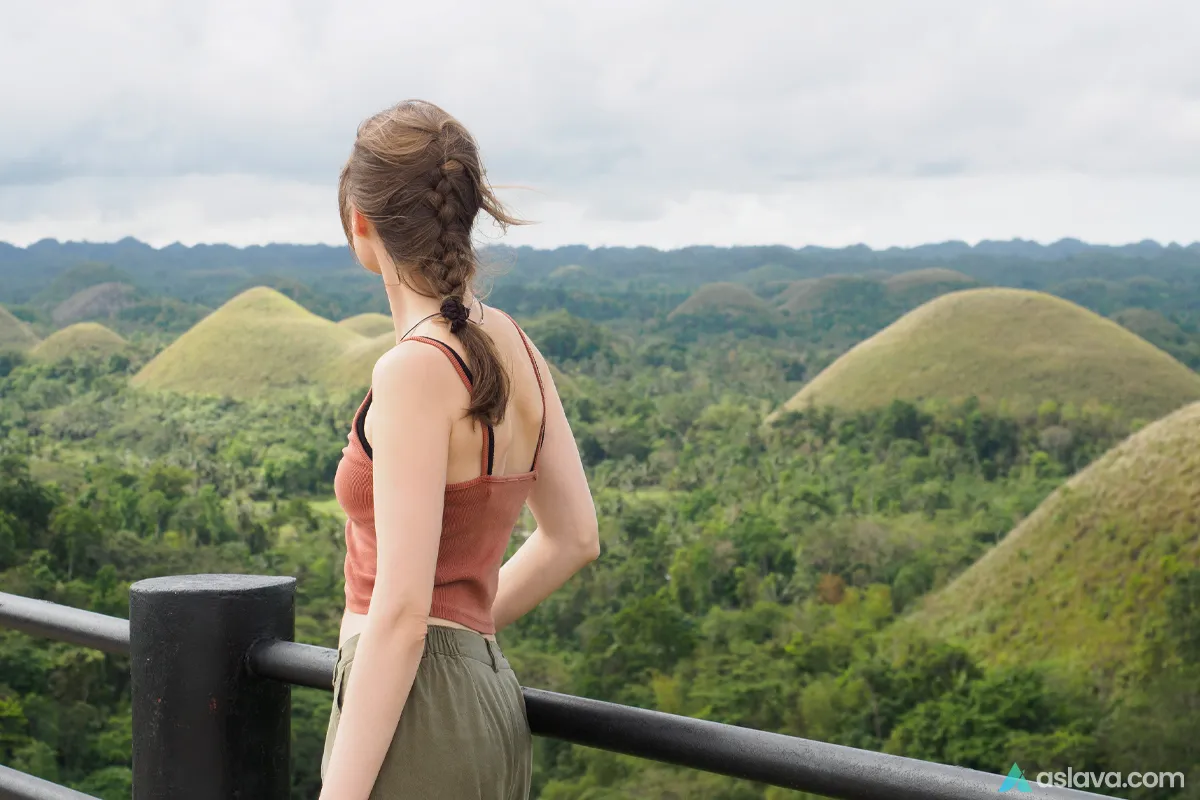
The Chocolate Hills stand as Bohol’s most recognizable natural wonder and one of the Philippines’ most famous landmarks. This geological marvel consists of over 1,200 perfectly cone-shaped hills spread across the municipalities of Carmen, Batuan, and Sagbayan. During the dry season from November to May, these grass-covered mounds turn a rich chocolate brown, giving them their delicious-sounding name.
Geologists believe these unusual formations were created millions of years ago through a combination of limestone weathering, erosion, and the uplift of coral deposits. The hills range from 30 to 50 meters in height and create a landscape so unique it’s often described as otherworldly. In fact, the Chocolate Hills have been recognized as the Philippines’ 3rd National Geological Monument and are featured on the rare PHP200 bill.
The best way to experience this natural wonder is by visiting one of two primary viewpoints. The Chocolate Hills Complex in Carmen features a viewing deck reached by climbing over 200 steps, rewarding you with breathtaking 360-degree views. For those seeking a less crowded alternative, Sagbayan Peak offers equally stunning vistas along with family-friendly amenities.
2. Enchanting Loboc River
The emerald-green Loboc River winds through Bohol’s lush interior, creating one of the island’s most serene natural attractions. This pristine waterway is best experienced through the famous Loboc River Cruise, where floating restaurants take you on a journey past verdant jungle scenery and traditional riverside communities.
As you glide along the tranquil waters, you’ll be treated to cultural performances at various stops and a delicious Filipino buffet lunch or dinner. The journey typically lasts about an hour, providing ample time to soak in the natural beauty and spot wildlife along the riverbanks. For the adventurous traveler, kayaking and paddleboarding options offer more intimate ways to explore this natural wonder.
3. The Mysterious Hinagdanan Cave
Hidden beneath Bohol’s surface lies Hinagdanan Cave, a fascinating underground wonder featuring impressive stalactite and stalagmite formations. The cave was accidentally discovered when a landowner found a hole while clearing his property and built a ladder to explore it—hence the name “Hinagdanan,” which means “laddered” in the local language.
Inside, visitors discover a large chamber about 100 meters long with a freshwater lagoon that glows with a mesmerizing greenish hue due to the limestone at its bottom. The cave maintains a warm, humid atmosphere and is illuminated to highlight its remarkable rock formations. Swimming is permitted in designated areas of the lagoon, offering a unique underground swimming experience.
4. The Enchanting Bilar Man-Made Forest
As you travel between attractions in Bohol, you’ll pass through the captivating Bilar Man-Made Forest, a 2-kilometer stretch of densely planted mahogany trees creating a tunnel-like canopy over the road. This forest was established as part of a reforestation project to protect the Loboc watershed from erosion.
Walking or driving through this verdant corridor provides a refreshing break from the tropical heat, as temperatures noticeably drop beneath the dense canopy. The forest has become a popular spot for photographers seeking to capture the dramatic light filtering through the trees. While primarily a transit point between the Chocolate Hills and other attractions, this man-made wonder deserves appreciation in its own right.
Bohol’s Precious Wildlife
Beyond its stunning landscapes, Bohol is home to some of the Philippines’ most unique and endangered wildlife. The island’s commitment to conservation has created sanctuaries where visitors can observe these rare creatures while supporting preservation efforts.
1. The Philippine Tarsier Sanctuary
Perhaps Bohol’s most famous resident is the Philippine tarsier, one of the world’s smallest primates. These nocturnal creatures, with their enormous eyes and tiny bodies, have become symbols of Bohol’s rich biodiversity. Due to habitat loss and human disturbance, tarsiers have become endangered, making conservation efforts crucial.
The Tarsier Sanctuary in Corella town provides a protected natural habitat where these shy creatures can live undisturbed. Unlike other facilities, this sanctuary prioritizes the tarsiers’ well-being by maintaining a large territory and enforcing strict visitor guidelines. When visiting, you’ll need to remain quiet and avoid using flash photography, as tarsiers are extremely sensitive to noise and stress.
Responsible Wildlife Viewing: Tarsiers are easily stressed and may even harm themselves when disturbed. Always follow sanctuary guidelines, maintain silence, keep your distance, and never use flash photography. Choose ethical sanctuaries like the one in Corella that prioritize animal welfare over tourism.
2. Firefly Watching on Abatan River
One of Bohol’s most magical wildlife experiences happens after dark along the Abatan River. Here, thousands of fireflies create a natural light show, illuminating mangrove trees like twinkling Christmas decorations. These bioluminescent insects gather around flowering mangroves, creating a spectacle that seems straight out of a fairy tale.
Evening cruises along the river provide the perfect opportunity to witness this phenomenon. Local guides explain the ecological importance of both the fireflies and the mangrove ecosystem they inhabit. The tours, which typically depart around 6:30 PM, support community-based tourism initiatives that help preserve this fragile environment while providing sustainable livelihoods for local residents.
3. Butterfly Sanctuaries
Bohol is home to approximately 300 butterfly species, many of which can be observed at dedicated sanctuaries in Bilar and Sagbayan. These conservation centers work to protect and increase butterfly populations while educating visitors about their life cycles and ecological importance.
Visiting these sanctuaries offers a delightful experience as you walk among colorful butterflies fluttering freely in garden environments. Knowledgeable guides explain the different species and their behaviors, making this an educational stop that’s especially popular with families and nature photographers.
Rich Cultural Heritage of Bohol
Bohol’s cultural landscape is as diverse and fascinating as its natural wonders. The island’s rich history has produced remarkable architectural treasures, vibrant traditions, and a distinctive local culture that continues to thrive today.
1. Historic Churches and Spanish Colonial Architecture
Bohol’s religious heritage is embodied in its historic churches, many dating back to the Spanish colonial period. Though some were damaged in the 2013 earthquake, restoration efforts have preserved these important cultural landmarks for future generations.
The Baclayon Church, founded in 1596, stands as one of the oldest stone churches in the Philippines. Built using coral stones and egg whites as binding material, this remarkable structure houses a museum of religious artifacts, including centuries-old vestments, librettos, and religious artwork. Similarly, the churches of Loboc, Dauis, and Loon showcase the distinctive Philippine Baroque style that blends European architectural elements with local influences.
2. Traditional Houses and Architecture
Beyond religious structures, Bohol preserves examples of traditional Filipino architecture through ancestral houses that dot the countryside. These homes, typically built of hardwood with distinctive steep roofs and ventanillas (small windows), reflect adaptation to the tropical climate and Spanish influences.
In Loay town, the Clarin Ancestral House serves as a museum where visitors can glimpse the lifestyle of affluent Filipino families during the American colonial period. The house contains original furniture, household items, and photographs that tell the story of Bohol’s past. These preserved structures provide valuable insights into the island’s architectural evolution and cultural history.
3. Local Crafts and Artisanship
Boholanos are known for their skilled craftsmanship, particularly in weaving, woodcarving, and basket making. Traditional crafts remain an important part of local culture and economy, with many communities specializing in particular artforms passed down through generations.
The town of Antequera is renowned for its basket weaving tradition, producing distinctive designs using locally sourced materials. In other communities, you’ll find artisans crafting furniture, musical instruments, and decorative items that reflect Bohol’s cultural identity. Visiting local markets and craft centers offers opportunities to purchase authentic handmade souvenirs while supporting these traditional livelihoods.
4. Festivals and Cultural Celebrations
Bohol’s cultural calendar is filled with vibrant festivals that celebrate local history, traditions, and religious observances. These events provide visitors with immersive experiences of Boholano culture through music, dance, food, and community participation.
The Sandugo Festival, held annually in July, commemorates the historic blood compact (sandugo) between Spanish explorer Miguel López de Legazpi and Datu Sikatuna, a local chieftain. This celebration features street parades, historical reenactments, cultural competitions, and trade fairs. Similarly, town fiestas throughout the year showcase local customs, traditional dances like the Kuradang, and culinary specialties that reflect Bohol’s cultural diversity.
Adventure Activities in Bohol
For thrill-seekers, Bohol offers numerous adventure activities that allow you to experience its natural wonders from exciting perspectives. From exploring the Chocolate Hills on ATVs to ziplining through forest canopies, adventure awaits around every corner.
1. ATV Adventures at the Chocolate Hills
One of the most exhilarating ways to experience the Chocolate Hills is on an all-terrain vehicle (ATV). Several operators offer guided tours that take you off the beaten path, allowing you to get closer to these natural wonders than standard viewpoints permit.
After a brief safety orientation, you’ll navigate rugged trails that wind between hills and through rural landscapes. These tours typically last 30-60 minutes depending on the route chosen, with stops at scenic viewpoints for photos. The experience combines adventure with unique perspectives of Bohol’s most famous natural wonder.
2. Chocolate Hills Adventure Park
For a different kind of thrill, visit the Chocolate Hills Adventure Park (CHAP) in Carmen town. This eco-adventure park offers unique activities against the backdrop of the famous hills, including the popular “Bike Zip” where you pedal across a cable suspended high above the ground.
Other attractions include the “Wave Runner” surf zipline, rope courses, horseback riding, and butterfly gardens. The park combines adrenaline-pumping activities with opportunities to appreciate Bohol’s natural beauty from different perspectives. A viewing deck also provides panoramic vistas of the Chocolate Hills for those who prefer observation to adventure.
3. Paddling the Rivers
Beyond the popular Loboc River Cruise, more adventurous travelers can explore Bohol’s waterways by kayak or stand-up paddleboard. These self-powered options allow for a more intimate connection with the river environment and the flexibility to explore at your own pace.
Local outfitters provide equipment rentals and guides who can point out wildlife and explain the ecosystem’s importance. The Abatan River, famous for its firefly watching tours, also offers daytime paddling experiences through mangrove forests and rural villages, providing insights into riverside communities and their traditional ways of life.
Planning Your Visit to Bohol
To make the most of your Bohol experience, careful planning ensures you’ll see the island’s highlights while having time to discover its hidden gems. Here’s what you need to know about visiting this remarkable destination.
1. Best Time to Visit
Bohol enjoys a tropical climate with distinct dry and wet seasons. The best time to visit is during the dry season from November to May, when rainfall is minimal and outdoor activities can be enjoyed without interruption. This period also coincides with when the Chocolate Hills display their famous brown hue.
April is typically the driest month but also one of the hottest, with temperatures reaching 34°C (93°F). For slightly cooler conditions with still excellent weather, consider visiting in January or February. The wet season (June to October) brings more frequent rainfall, but showers are often brief and followed by sunshine. During this period, the Chocolate Hills display a vibrant green color, offering a different but equally beautiful perspective.
2. Getting to Bohol
Bohol is accessible by both air and sea, with options to suit different preferences and budgets. The most convenient entry point is the Bohol-Panglao International Airport, which serves direct flights from major Philippine cities including Manila, Cebu, and Davao.
For those preferring sea travel, regular ferry services connect Tagbilaran City (Bohol’s capital) with Cebu, Dumaguete, Siquijor, and other nearby destinations. Fast craft vessels make the journey from Cebu City to Tagbilaran in approximately 2 hours, while larger ferries take 3-4 hours but offer more comfortable seating and amenities.
3. Getting Around Bohol
Once on the island, several transportation options are available for exploring Bohol’s attractions. For maximum flexibility, consider renting a motorcycle or car, which allows you to visit sites at your own pace and discover off-the-beaten-path locations.
Public transportation includes jeepneys and buses that connect major towns, though schedules can be irregular and reaching some attractions may require transfers. For convenience, many visitors opt for guided tours that include transportation between sites, knowledgeable guides, and often lunch at scenic locations like the Loboc River.
Within towns, tricycles (motorized three-wheelers) serve as local taxis and can be hired for short distances. In Panglao Island, where many resorts are located, motorbike taxis called “habal-habal” offer quick transportation between beaches and dining areas.
4. Where to Stay
Bohol offers accommodations to suit every budget and preference, from luxury beachfront resorts to charming guesthouses and eco-lodges. Most visitors choose to stay in one of three main areas, each offering different advantages.
Panglao Island, connected to Bohol by bridge, features the island’s best beaches and most developed tourism infrastructure. Here you’ll find everything from international resort chains to boutique hotels and budget-friendly guesthouses. Alona Beach offers the highest concentration of accommodations along with restaurants, dive shops, and nightlife.
Tagbilaran City provides urban conveniences with easy access to transportation hubs. Hotels here tend to be more business-oriented but offer good value and a central location for exploring the island. For a more authentic experience, consider staying in smaller towns like Loboc, Baclayon, or Anda, where eco-lodges and homestays provide closer connections to local communities and natural surroundings.
Responsible Tourism in Bohol
As Bohol’s popularity grows, responsible tourism practices become increasingly important to preserve the island’s natural wonders and cultural heritage for future generations. By making mindful choices, you can enjoy all Bohol has to offer while minimizing negative impacts.
1. Wildlife Viewing Ethics
When visiting wildlife attractions like the Tarsier Sanctuary, follow guidelines designed to protect these sensitive creatures. Maintain silence, keep a respectful distance, never use flash photography, and only visit ethical facilities that prioritize animal welfare over tourism.
Be wary of wildlife attractions that allow handling of animals or keep them in unnatural conditions. The best wildlife experiences are those that observe animals in their natural habitats with minimal disturbance. By choosing ethical operators, you support conservation efforts that help protect Bohol’s unique biodiversity.
2. Supporting Local Communities
One of the most effective ways to practice responsible tourism is by ensuring your visit benefits local communities. Choose locally-owned accommodations, restaurants, and tour operators whenever possible, which helps keep tourism revenue within the community.
Purchase souvenirs directly from artisans or community cooperatives, which supports traditional crafts and provides fair compensation to creators. Many communities in Bohol have developed sustainable tourism initiatives, such as the firefly watching tours on Abatan River, which generate income while preserving natural resources.
3. Environmental Conservation
Bohol’s natural environments are fragile ecosystems that require protection. When visiting beaches, forests, and rivers, follow the principle of “leave no trace” by taking all trash with you and avoiding damage to vegetation or wildlife habitats.
Choose tour operators with strong environmental policies who limit group sizes and educate visitors about ecological issues. Many resorts and tour companies in Bohol have adopted sustainable practices such as water conservation, plastic reduction, and energy efficiency. By patronizing these businesses, you encourage others to follow their example.
Eco-Friendly Travel Tips: Bring a reusable water bottle and shopping bag to reduce plastic waste. Choose reef-safe sunscreen when swimming or snorkeling to protect marine ecosystems. Consider carbon offsetting for your flights to and from Bohol. Support conservation initiatives through donations or volunteer opportunities during your stay.
Experience the Magic of Bohol in 2026
Bohol stands as a testament to the Philippines’ incredible diversity, offering visitors a perfect blend of natural wonders and cultural riches. From the otherworldly Chocolate Hills to the tiny, wide-eyed tarsiers, from centuries-old churches to vibrant local traditions, this island provides experiences that appeal to every type of traveler.
As you plan your 2026 journey to this remarkable destination, remember that the most rewarding travel experiences come from balancing popular attractions with authentic local encounters. Take time to chat with Boholanos, sample local cuisine, and venture beyond the standard tourist routes. By traveling responsibly and respectfully, you’ll not only create lasting memories but also contribute to preserving Bohol’s treasures for future generations.
Whether you’re seeking adventure, relaxation, cultural immersion, or wildlife encounters, Bohol welcomes you with open arms and the promise of discoveries that will touch your heart and expand your horizons. The island’s natural wonders and cultural heritage await your exploration – all you need to do is take the first step toward this Philippine paradise.