Understanding Vietnam’s Climate Regions
Vietnam‘s climate varies dramatically from north to south, with three distinct regions each offering unique weather patterns:
Northern Vietnam
Hanoi, Sapa, Halong Bay
Four distinct seasons with cool winters (Dec-Feb) and hot, humid summers (May-Aug)
Central Vietnam
Hue, Da Nang, Hoi An
Warm year-round with a rainy season (Sep-Jan) and dry season (Feb-Aug)
Southern Vietnam
Ho Chi Minh City, Mekong Delta, Phu Quoc
Tropical climate with wet (May-Oct) and dry (Nov-Apr) seasons
This regional diversity means that while one part of Vietnam experiences perfect weather, another might be dealing with monsoon rains or extreme heat. The good news? With careful planning, you can visit Vietnam any time of year by focusing on the regions with the most favorable conditions.
Best Overall Time to Visit Vietnam
If you’re planning to travel throughout Vietnam, the best time to visit is during the spring (March to April) and fall (September to November). During these months, you’ll experience:
- Moderate temperatures across most of the country
- Lower humidity levels than summer months
- Minimal rainfall in most regions
- Fewer tourists than during peak season (December-February)
- Vibrant landscapes with spring blooms or autumn harvests
For travelers with flexibility, May, June, and early September offer excellent value as these shoulder months provide good weather in many regions with lower prices and fewer crowds.
Best Time to Visit Northern Vietnam
Hanoi, Sapa, Halong Bay, and Ha Giang
Northern Vietnam experiences four distinct seasons, making the timing of your visit particularly important:
| Season | Months | Temperature | Rainfall | Best For |
| Spring | March-April | 68-77°F (20-25°C) | Light | City exploration, photography |
| Summer | May-August | 82-95°F (28-35°C) | Heavy | Mountain retreats, highland areas |
| Autumn | September-November | 70-82°F (21-28°C) | Moderate to light | Rice harvests, Halong Bay cruises |
| Winter | December-February | 57-68°F (14-20°C) | Light, occasional drizzle | Cultural experiences, fewer tourists |
Optimal Times for Northern Vietnam Highlights:
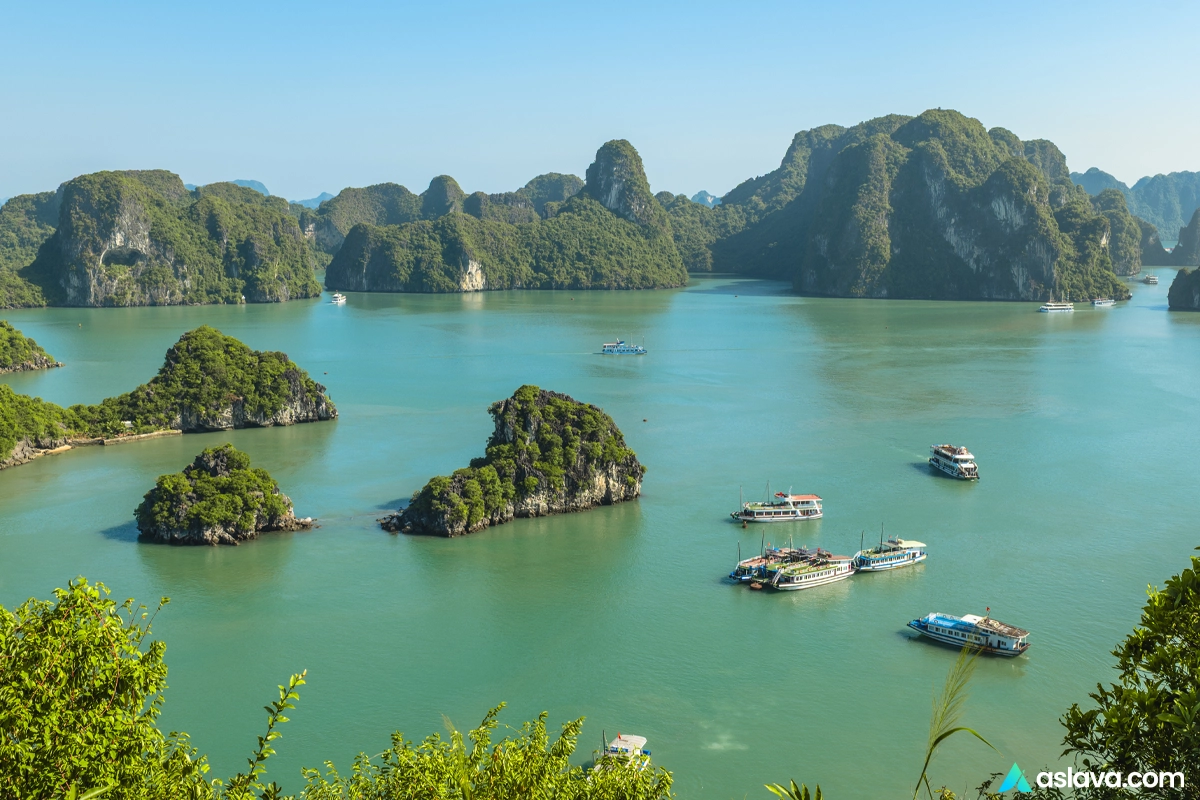
- Halong Bay: October to November and March to April offer clear skies and comfortable temperatures for cruising
- Sapa: September to November for golden rice terraces; March to May for lush green landscapes
- Hanoi: October to November for pleasant temperatures and beautiful autumn foliage
- Ha Giang: October to November for the stunning buckwheat flower season
“Autumn in the north, the light enhances all the scenery, reflects the colors… it’s dry with clear skies, everything looks more beautiful.”
Best Time to Visit Central Vietnam
Hue, Da Nang, Hoi An, and Nha Trang
Central Vietnam’s weather patterns differ significantly from the north and south, with its own distinct rainy and dry seasons:
| Season | Months | Temperature | Rainfall | Best For |
| Dry Season (Early) | February-May | 75-90°F (24-32°C) | Minimal | Beach activities, city exploration |
| Dry Season (Late) | June-August | 85-95°F (29-35°C) | Occasional showers | Beach vacations, water sports |
| Rainy Season (Early) | September-November | 75-85°F (24-29°C) | Heavy, potential flooding | Indoor activities, discounted accommodations |
| Rainy Season (Late) | December-January | 70-80°F (21-27°C) | Moderate to heavy | Cultural experiences, fewer tourists |
Important: Central Vietnam’s typhoon season runs from September to November. During this time, coastal areas may experience severe storms and flooding, particularly in Hoi An. Always check weather forecasts and consider travel insurance if visiting during this period.
Optimal Times for Central Vietnam Highlights:
- Hoi An: February to April for pleasant temperatures and minimal rain
- Da Nang beaches: May to August for perfect beach weather
- Hue: February to April for comfortable sightseeing weather
- Nha Trang: February to August for ideal beach and diving conditions
Best Time to Visit Southern Vietnam
Ho Chi Minh City, Mekong Delta, and Phu Quoc
Southern Vietnam enjoys a tropical climate with two distinct seasons: wet and dry. The temperature remains consistently warm throughout the year:
| Season | Months | Temperature | Rainfall | Best For |
| Dry Season (Early) | November-February | 77-90°F (25-32°C) | Minimal | City exploration, Mekong Delta tours |
| Dry Season (Late) | March-April | 85-95°F (29-35°C) | Very low | Beach vacations, early morning activities |
| Wet Season (Early) | May-August | 80-90°F (27-32°C) | Afternoon showers | Budget travel, lush landscapes |
| Wet Season (Late) | September-October | 80-90°F (27-32°C) | Heavy, potential flooding | Indoor activities, fewer tourists |
The wet season in Southern Vietnam typically brings short, intense afternoon downpours rather than all-day rain. These showers usually last 1-2 hours and can provide a welcome break from the heat.
Optimal Times for Southern Vietnam Highlights:
- Ho Chi Minh City: December to April for comfortable sightseeing weather
- Mekong Delta: December to February for pleasant temperatures and vibrant floating markets
- Phu Quoc: November to March for perfect beach weather and clear waters for snorkeling
- Con Dao: February to July for ideal diving conditions
Vietnam Weather: Month-by-Month Breakdown
January & February
Peak Season
- North: Cool and dry (57-68°F), occasional drizzle
- Central: Mild temperatures, decreasing rainfall
- South: Perfect weather, warm and dry
- Events: Tet (Lunar New Year) celebrations
March & April
Ideal Season
- North: Warming up, spring flowers blooming
- Central: Excellent beach weather, clear skies
- South: Hot but still dry, ideal for water activities
- Events: Hung Kings Festival (April)
May & June
Shoulder Season
- North: Hot and humid, increasing rainfall
- Central: Perfect beach weather continues
- South: Wet season begins, short afternoon showers
- Events: Buddha’s Birthday (May)
July & August
High Season
- North: Hot and rainy, potential typhoons
- Central: Hot but ideal for beaches
- South: Regular afternoon downpours
- Events: Ghost Festival (August)
September & October
Mixed Season
- North: Cooling down, harvest season begins
- Central: Typhoon season, heavy rainfall
- South: Wet season continues, gradual improvement
- Events: Mid-Autumn Festival (September/October)
November & December
Ideal Season
- North: Cool and dry, clear skies
- Central: Rainy season continues, improving late December
- South: Dry season returns, perfect weather
- Events: Christmas celebrations in major cities
Seasonal Travel Considerations
Dry Season Benefits
- Clear blue skies for photography
- Reliable transportation schedules
- Full access to hiking trails and outdoor activities
- Comfortable sightseeing conditions
- Ideal beach weather
Rainy Season Advantages
- Lower prices for accommodations
- Fewer tourists at major attractions
- Lush, vibrant landscapes
- Dramatic skies for photography
- Cooler temperatures in some regions
Shoulder Season Benefits
- Balance of good weather and smaller crowds
- Better deals on flights and accommodations
- More authentic local experiences
- Greater availability for top restaurants and tours
- Pleasant temperatures in most regions
Key Festivals and Events
Vietnam’s cultural calendar is filled with colorful festivals that can enhance your travel experience. Here are some key events to consider when planning your visit:
| Festival | When | Where | Description |
| Tet (Lunar New Year) | Late January or early February | Nationwide | Vietnam’s biggest holiday with family gatherings, flower markets, and traditional foods. Many businesses close for 3-7 days. |
| Hoi An Lantern Festival | 14th day of each lunar month | Hoi An | The Ancient Town turns off electric lights and is illuminated by colorful lanterns, creating a magical atmosphere. |
| Mid-Autumn Festival | September or October (15th day of 8th lunar month) | Nationwide | Children’s festival with mooncakes, lantern processions, and lion dances. |
| Hue Festival | April or June (biennial, even years) | Hue | Cultural performances, traditional crafts, and royal court music in the ancient imperial capital. |
| Perfume Pagoda Festival | February to April (peaks on 15th day of 1st lunar month) | Near Hanoi | Religious pilgrimage to cave temples via boat rides through stunning landscapes. |
Travel Tip: While festivals offer unique cultural experiences, they can also mean higher prices and larger crowds. If visiting during Tet, book accommodations and transportation well in advance, as many Vietnamese people travel during this period.
Practical Travel Tips by Season
Dry Season Packing
- Lightweight, breathable clothing
- Sun hat and sunglasses
- High SPF sunscreen
- Insect repellent
- Comfortable walking shoes
- Light sweater for air-conditioned spaces
- Modest clothing for temple visits
Rainy Season Packing
- Quick-dry clothing
- Lightweight rain jacket or poncho
- Waterproof phone case
- Waterproof footwear
- Umbrella
- Plastic bags for electronics
- Anti-humidity hair products
Budget Considerations
- Peak season (Dec-Feb): Prices increase 20-50%
- Shoulder seasons: Best value for money
- Rainy season: Significant discounts available
- Tet period: Highest prices nationwide
- Book 3-6 months ahead for best rates
- Consider travel insurance for rainy season
What should I do if I encounter a typhoon during my trip?
If a typhoon is forecast during your stay in Vietnam:
- Follow all local authority instructions
- Stay updated through your hotel and official weather channels
- Consider changing your itinerary to move inland or to a different region
- Contact your travel insurance provider if you need to make emergency arrangements
- Keep extra food, water, and a power bank for your devices
Is it worth visiting Vietnam during Tet (Lunar New Year)?
Visiting during Tet offers a unique cultural experience with festive decorations and celebrations. However, be aware that:
- Many restaurants, shops, and attractions close for 3-7 days
- Prices for accommodations and transportation increase significantly
- Domestic travel becomes crowded as Vietnamese return to their hometowns
- Major cities like Ho Chi Minh City and Hanoi can feel unusually quiet
If you decide to visit during Tet, book everything well in advance and plan for limited services during the first few days of the festival.
Regional Weather Comparison
| Month | North (Hanoi) | Central (Hoi An) | South (Ho Chi Minh City) | Best Region to Visit |
| January | Cool, dry (64°F/18°C) | Mild, some rain (75°F/24°C) | Warm, dry (88°F/31°C) | South |
| February | Cool, dry (66°F/19°C) | Warm, dry (77°F/25°C) | Warm, dry (90°F/32°C) | All regions |
| March | Mild, occasional drizzle (70°F/21°C) | Warm, dry (82°F/28°C) | Hot, dry (93°F/34°C) | All regions |
| April | Warm, some rain (77°F/25°C) | Hot, dry (86°F/30°C) | Very hot, dry (95°F/35°C) | North & Central |
| May | Hot, increasing rain (82°F/28°C) | Hot, dry (90°F/32°C) | Hot, rain begins (93°F/34°C) | Central |
| June | Hot, humid, rainy (84°F/29°C) | Very hot, dry (93°F/34°C) | Hot, rainy (90°F/32°C) | Central |
| July | Hot, very rainy (84°F/29°C) | Hot, mostly dry (93°F/34°C) | Hot, rainy (88°F/31°C) | Central |
| August | Hot, very rainy (84°F/29°C) | Hot, rain increases (91°F/33°C) | Hot, rainy (88°F/31°C) | Central |
| September | Warm, rainy (82°F/28°C) | Hot, heavy rain (88°F/31°C) | Hot, very rainy (88°F/31°C) | North |
| October | Warm, drying (77°F/25°C) | Warm, very rainy (84°F/29°C) | Hot, rainy (88°F/31°C) | North |
| November | Mild, dry (72°F/22°C) | Mild, very rainy (77°F/25°C) | Warm, drying (86°F/30°C) | North & South |
| December | Cool, dry (64°F/18°C) | Mild, rainy (73°F/23°C) | Warm, dry (86°F/30°C) | North & South |
Best Time to Visit Based on Travel Preferences
Beach Lovers
Best Time: February to August
Ideal Destinations:
- Phu Quoc (Nov-Mar)
- Da Nang (May-Aug)
- Nha Trang (Feb-Aug)
- Con Dao (Feb-Jul)
For the perfect beach vacation, target Central Vietnam’s beaches during summer and Southern beaches during winter.
Cultural Explorers
Best Time: October to March
Ideal Destinations:
- Hanoi (Oct-Nov, Mar-Apr)
- Hue (Feb-Apr)
- Hoi An (Feb-Apr)
- Ho Chi Minh City (Dec-Feb)
Comfortable temperatures make exploring ancient temples, museums, and historic sites more enjoyable during these months.
Adventure Seekers
Best Time: September to November, March to May
Ideal Destinations:
- Sapa (Sep-Nov, Mar-May)
- Ha Giang (Oct-Nov, Mar-Apr)
- Phong Nha Caves (Feb-Aug)
- Cat Ba Island (Oct-Apr)
These periods offer ideal conditions for trekking, motorbiking, and outdoor adventures with moderate temperatures and minimal rainfall.
Conclusion: When Should You Visit Vietnam?
The best time to visit Vietnam ultimately depends on your travel priorities and which regions you plan to explore. Here’s a quick summary to help you decide:
- For a complete north-to-south journey: March-April and October-November offer the most balanced weather nationwide.
- For beach vacations: Target February-August for Central beaches and November-March for Southern beaches.
- For cultural exploration: The cooler months of October-March provide comfortable sightseeing conditions.
- For budget travelers: May-June and September-early October offer good weather in many regions with lower prices.
- For photography: September-November in the North for golden rice terraces; February-April for clear skies nationwide.
Remember that Vietnam’s diverse climate means you can find good weather somewhere in the country year-round. With careful planning and a flexible itinerary, you can experience the best of Vietnam no matter when you visit.