Malaysia offers a fascinating blend of pristine beaches, lush rainforests, vibrant cities, and rich cultural experiences. With the Visit Malaysia 2026 campaign officially launched in January 2025 with a target of attracting over 35 million visitors, now is the perfect time to plan your Malaysian adventure. This comprehensive guide breaks down Malaysia’s complex seasonal variations to help you craft the perfect trip.
Understanding Malaysia’s Climate Patterns
Malaysia spans two distinct landmasses separated by the South China Sea: Peninsular Malaysia (West Malaysia) and Malaysian Borneo (East Malaysia). This geographical diversity creates complex weather patterns influenced by two main monsoon seasons.
Key Weather Factors
| Factor | Details |
|---|---|
| Temperature | Consistently warm (21-32°C / 70-90°F) year-round |
| Humidity | High (70-90%) throughout the year |
| Monsoon Seasons | Two main seasons affecting different regions |
| Regional Variation | Significant differences between east and west coasts |
| Elevation | Cooler highlands (Cameron Highlands ~20°C) vs. warmer coastal areas |
Malaysia’s Two Monsoon Seasons
Understanding Malaysia’s monsoon patterns is crucial for planning your trip. The 2025/2026 Northeast Monsoon officially began on November 13, 2025 and will continue until March 2026, with 5-7 episodes of continuous heavy rain predicted.
Northeast Monsoon (November to March)
The Northeast Monsoon brings heavy rainfall to the east coast of Peninsular Malaysia and parts of Malaysian Borneo.
During this period:
-
East coast beaches experience rough seas and reduced visibility
-
Many east coast resorts close, especially December-February
-
Rainfall is heaviest in December and January
-
Strong northeasterly winds cause rough sea conditions in the South China Sea
-
West coast enjoys relatively dry, sunny conditions – ideal for Langkawi, Penang, and Melaka
Southwest Monsoon (May to September)
The Southwest Monsoon affects primarily the west coast of Peninsular Malaysia. In 2025, this season began on May 10 and transitioned in late September.
During this period:
-
West coast experiences increased rainfall, particularly in afternoons
-
Showers are typically brief but intense
-
East coast enjoys its driest, sunniest period – perfect for Perhentian Islands, Tioman, Redang
-
Borneo experiences relatively drier conditions
Pro Tip: The inter-monsoon periods (April and October) often provide the most balanced weather nationwide, though brief afternoon thunderstorms are common.
Month-by-Month Weather Guide
| Month | West Coast | East Coast | Malaysian Borneo | Best For |
|---|---|---|---|---|
| January | Dry, sunny (26-32°C) | Heavy rain, rough seas | Wet, especially Sarawak | West coast beaches, Chinese New Year prep |
| February | Dry, sunny (26-32°C) | Rain begins to ease | Wet, improving late month | West coast beaches, Thaipusam festival |
| March | Mostly dry (27-33°C) | Improving conditions | Transitioning to drier | Good conditions nationwide |
| April | Hot, occasional showers | Good conditions, resorts reopening | Good for wildlife | Mt. Kinabalu climbing, wildlife spotting |
| May | Increasing rainfall | Excellent beach conditions | Good, less crowded | East coast beaches, diving, Kaamatan Festival |
| June | Brief afternoon showers | Excellent beach conditions | Dry, good for wildlife | Sea turtles, Gawai Festival (Sarawak) |
| July | Brief afternoon showers | Peak season, excellent | Dry, ideal for outdoors | East coast beaches, diving, hiking |
| August | Occasional haze from Sumatra | Excellent, busy | Dry, ideal for wildlife | Wildlife spotting, Rainforest World Music Festival |
| September | Rainfall decreasing | Good, less crowded | Last month of optimal | Less crowded beaches, Mid-Autumn Festival |
| October | Transitional, variable | Deteriorating late month | Increasing rainfall | Last chance for east coast |
| November | Improving conditions | Monsoon begins, resorts closing | Wet season begins | West coast, Cameron Highlands |
| December | Dry, sunny (26-31°C) | Heavy rain, rough seas | Wet, many activities limited | West coast beaches, Christmas celebrations |
Regional Weather Guide: Where to Go When
Peninsular Malaysia: West Coast
Best Time: November to March
Key Destinations: Kuala Lumpur, Penang, Langkawi, Melaka
The west coast enjoys its driest period during the Northeast Monsoon. December to February offers ideal beach conditions in Langkawi (voted #2 Best Island in Asia in Condé Nast Traveler Readers’ Choice Awards 2025) and perfect weather for exploring George Town’s heritage sites in Penang.
Langkawi Tourism Update (November 2025): The island recorded 2.9 million tourist arrivals in 2024 compared to 3.9 million pre-pandemic, with recovery reaching 81% by August 2025. New direct international connections include flights from Dubai, Bengaluru, Singapore, and chartered winter flights from Warsaw, Poland (November 2025-March 2026).
Peninsular Malaysia: East Coast
Best Time: March to September
Key Destinations: Perhentian Islands, Tioman Island, Redang, Kuantan
The east coast shines during the Southwest Monsoon. June to August offers perfect conditions for diving and snorkeling with excellent visibility and calm seas.
Perhentian Islands Guide 2025-2026:
| Season | Months | Experience |
|---|---|---|
| Peak Season | July-August | Highest visitors, highest prices – book early |
| Low Season | April-June, September-October | Budget-friendly, fewer crowds |
| Closed Season | November-February | Most resorts close due to monsoon |
Getting to Perhentian:
-
Fly to Kuala Terengganu or Kota Bharu
-
Travel to Kuala Besut Jetty
-
Boat to island (1.5 hours)
-
Environmental fee: RM30 foreigners, RM5 Malaysians + RM5 local council fee
Malaysian Borneo (Sabah & Sarawak)
Best Time: March to October
Key Destinations: Kota Kinabalu, Kuching, Sepilok, Danum Valley, Kinabatangan River
Borneo’s dry season offers optimal conditions for wildlife viewing, jungle trekking, and Mt. Kinabalu climbs.
Kinabatangan River Wildlife Highlights:
The Kinabatangan River is the only place in the world where you can find proboscis monkeys, orangutans, and pygmy elephants together. The “Big Five” of Malaysian wildlife along the riverbank include:
-
Bornean Pygmy Elephant (approximately 150 in the area)
-
Proboscis Monkey
-
Orangutan
-
Estuarine Crocodile
-
Asian Hornbills (all 8 species)
Best Wildlife Viewing: April to October when drier conditions make animals more visible at the riverbanks.
Best Times for Specific Activities
Beach Holidays
| Destination | Best Time | Notes |
|---|---|---|
| West Coast (Langkawi, Penang, Pangkor) | November-April | Dry season, calm seas |
| East Coast (Perhentian, Tioman, Redang) | March-September | Resorts open, excellent visibility |
| Best Overall Beach Months | March-April | Both coasts offer good conditions |
Wildlife Viewing
| Wildlife | Best Time | Location |
|---|---|---|
| Orangutan | March-October | Sepilok, Kinabatangan River, Deramakot |
| Turtle Watching | June-September | Lankayan Island, Perhentian |
| Proboscis Monkeys | April-October | Kinabatangan River, Bako National Park |
| Pygmy Elephants | April-October | Kinabatangan River, Danum Valley |
| Clouded Leopard | Year-round (best March-Sept) | Deramakot Reserve |
Diving & Snorkeling
| Location | Best Time | Highlights |
|---|---|---|
| Perhentian & Redang | April-October (peak June-August) | Excellent visibility |
| Sipadan & Mabul (Borneo) | April-December (peak July-August) | World-class diving |
| Langkawi | November-April | West coast diving |
Hiking & Nature
| Destination | Best Time | Notes |
|---|---|---|
| Mt. Kinabalu | March-August | Less rain, better visibility |
| Cameron Highlands | January-February, June-July | Coolest, driest months |
| Taman Negara | February-September | Drier trails |
| Mulu Caves (Borneo) | March-October | Lower water levels |
Major Festivals and Cultural Events 2026
Malaysia’s cultural diversity is reflected in its vibrant festival calendar:
| Festival | 2026 Date | Location | Highlights |
|---|---|---|---|
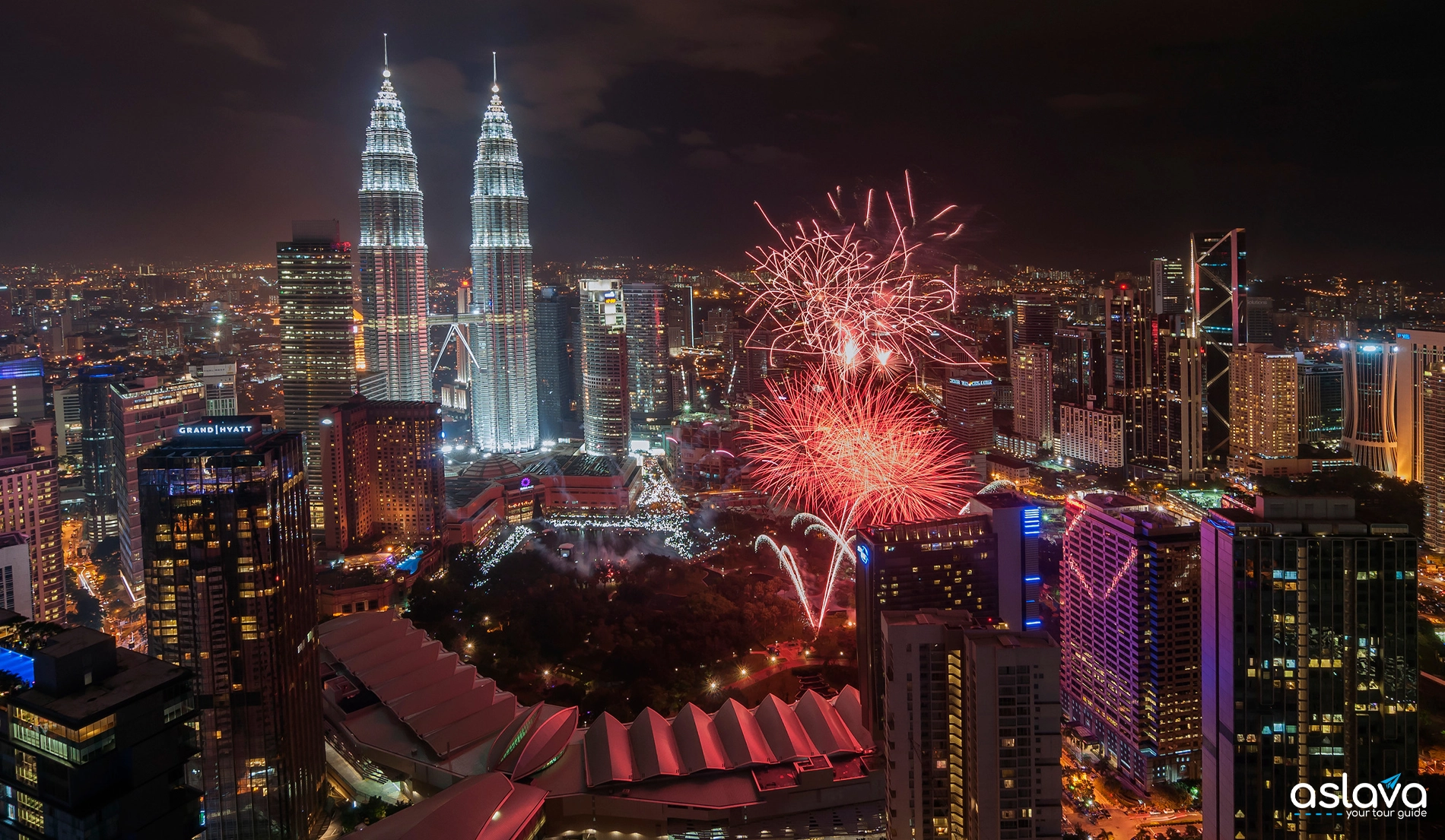
| Chinese New Year | February 17-18 | Nationwide (Kuala Lumpur, Penang) | Lion dances, fireworks, night markets |
| Thaipusam | February 1-2 | Batu Caves (KL), Penang | Spectacular Hindu procession |
| Hari Raya Aidilfitri | March 21-23 | Nationwide | End of Ramadan celebrations |
| Malaysia Water Festival | April 13-15 | Nationwide | Water activities, street celebrations |
| Kaamatan Festival | May 30-31 | Sabah | Harvest festival, traditional dance |
| Gawai Dayak | June 1-2 | Sarawak | Dayak harvest celebration |
| Rainforest World Music Festival | June 26-28 | Sarawak | International music in jungle setting |
| Hari Raya Haji | May 26-28 | Nationwide | Festival of Sacrifice |
| Hungry Ghost Festival | August 27 | Nationwide (best in Penang) | Getai performances, offerings |
| Merdeka Day | August 31 | Nationwide | Independence Day parades |
| Deepavali | October 20 | Nationwide | Festival of Lights |
Festival Planning Tip: Accommodation prices rise significantly during major festivals, especially Chinese New Year and Hari Raya. Book at least 3-4 months in advance if your trip coincides with these celebrations.
Visa Requirements for Malaysia 2026
Visa-Free Entry (Selected Countries)
| Country | Duration | Notes |
|---|---|---|
| ASEAN countries (except Myanmar) | 30 days | No visa required |
| UK, USA, Australia, EU countries | 90 days | No visa required |
| India | 30 days | Visa-exempt until 31 December 2026 |
| China | 30 days | Visa-exempt until 31 December 2026 (mutual agreement effective July 17, 2025) |
| Singapore, Brunei | 30 days (extendable) | Special arrangements |
Malaysia Digital Arrival Card (MDAC)
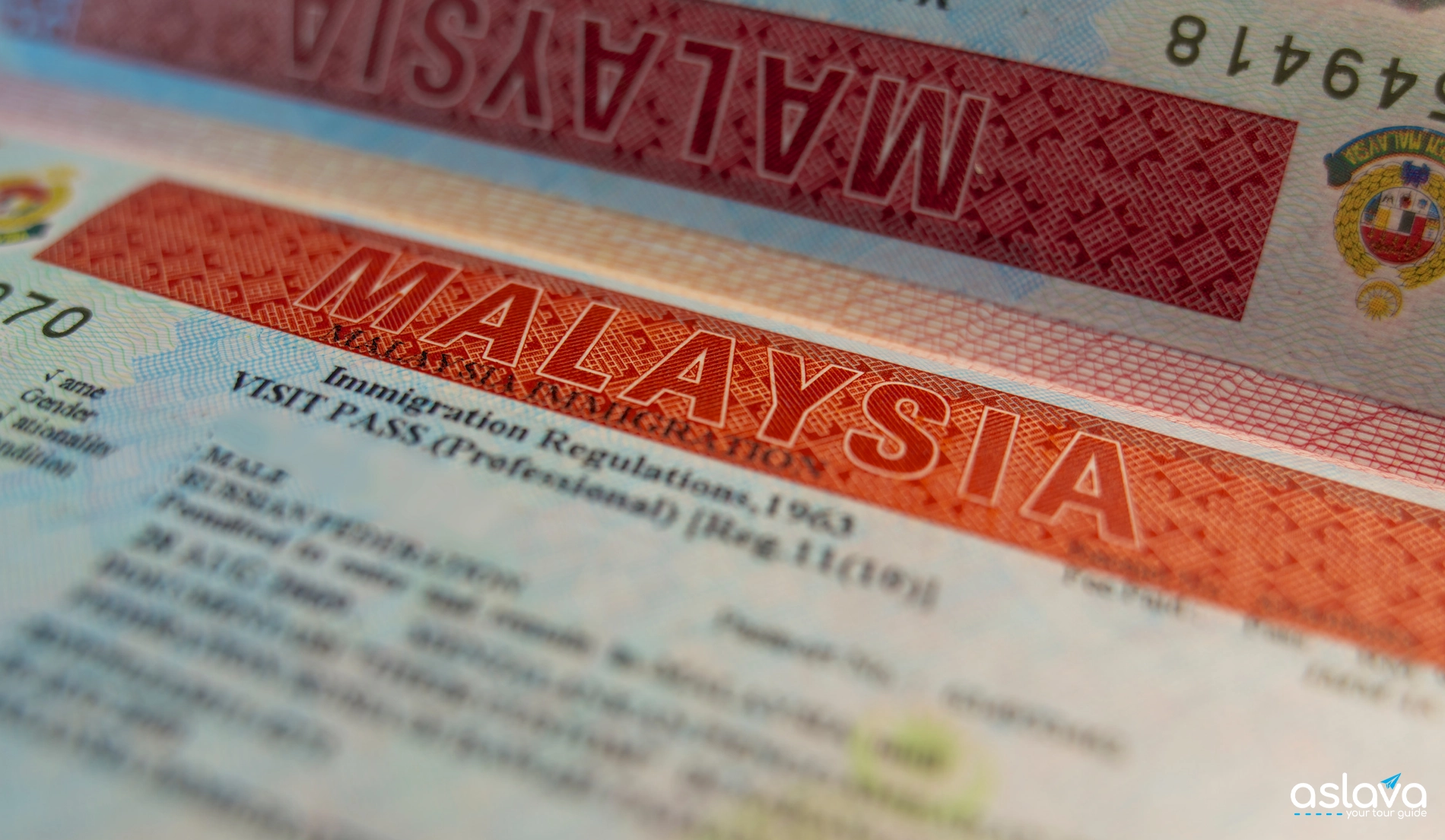
All travelers (except Singaporeans, diplomats, and Malaysian residents) must submit the Malaysia Digital Arrival Card (MDAC) online within 3 days before arrival.
Important: The official MDAC registration is completely free. Beware of fraudulent websites charging fees.
Entry Requirements
-
Passport valid for 6+ months beyond arrival date
-
Return ticket
-
Sufficient funds for duration of stay
-
Yellow fever vaccination certificate (if applicable)
Advantages of Shoulder Season Travel
The periods between peak and off-peak seasons offer unique advantages:
Shoulder Season Benefits
-
15-30% lower accommodation rates than peak season
-
Fewer crowds at popular attractions
-
More authentic local interactions
-
Greater availability for premium accommodations
-
Pleasant weather in many regions
Best Shoulder Season Periods
March-April (Early Shoulder):
As the Northeast Monsoon ends, this period offers good conditions across most of Malaysia. The east coast begins to open while the west coast still enjoys favorable weather.
September-October (Late Shoulder):
As the Southwest Monsoon winds down, this period offers a good balance before the Northeast Monsoon arrives. Tourist numbers drop after the European summer holidays.
Packing Tips for Malaysia’s Climate
Year-Round Essentials
-
Lightweight, breathable clothing (cotton, linen)
-
Rain jacket or compact umbrella
-
Sunscreen (SPF 30+ minimum)
-
Insect repellent (30% DEET recommended)
-
Comfortable walking shoes
-
Modest clothing for temple/mosque visits
-
Reusable water bottle
-
Quick-dry towel
Monsoon Season Additions
-
Waterproof phone case/bag
-
Quick-dry clothing
-
Waterproof footwear
-
Extra set of clothes in day bag
-
Waterproof backpack cover
Special Destinations
| Destination | Special Items |
|---|---|
| Cameron Highlands | Light jacket/sweater for cool evenings |
| Mt. Kinabalu | Warm layers, hiking boots, gloves |
| Rainforest Treks | Leech socks, hiking boots |
| Beach Resorts | Reef-safe sunscreen, snorkel gear |
| Cultural Sites | Sarong or scarf for covering shoulders |
Recommended Seasonal Itineraries
December-February Itinerary (West Coast Focus)
| Days | Destination | Highlights |
|---|---|---|
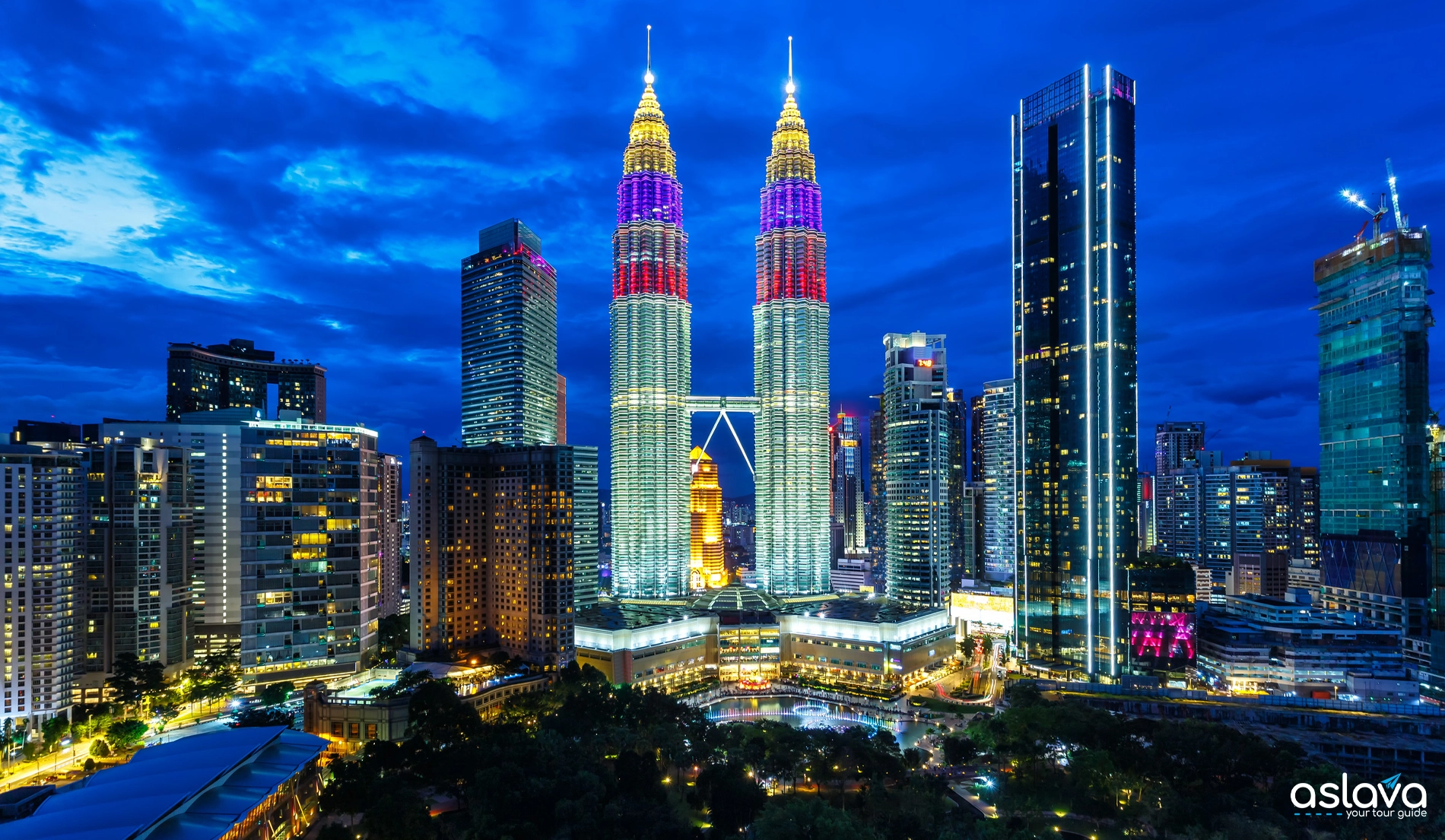
| 1-3 | Kuala Lumpur | Petronas Towers, Batu Caves, Chinatown |
| 4-7 | Langkawi | Beaches, Kilim Geopark, Sky Bridge |
| 8-10 | Penang (George Town) | Heritage sites, street food |
| 11-14 | Cameron Highlands | Tea plantations, cool weather |
March-May Itinerary (Best Nationwide Weather)
| Days | Destination | Highlights |
|---|---|---|
| 1-3 | Kuala Lumpur | City exploration, Batu Caves |
| 4-6 | Taman Negara National Park | Jungle trekking, canopy walk |
| 7-10 | Perhentian Islands | Beaches, snorkeling, diving |
| 11-14 | Kota Kinabalu (Borneo) | Mt. Kinabalu, islands |
June-September Itinerary (East Coast & Borneo Focus)
| Days | Destination | Highlights |
|---|---|---|
| 1-2 | Kuala Lumpur | Introduction to Malaysia |
| 3-6 | Tioman Island | Diving, beaches |
| 7-9 | Kuching (Sarawak) | Cultural exploration, Bako National Park |
| 10-14 | Kinabatangan River & Sepilok | Wildlife viewing, orangutans |
Visit Malaysia 2026 Campaign
Malaysia has allocated RM685 million under the 2026 Budget for the Visit Malaysia 2026 campaign, including:
-
RM500 million for promotion, marketing, and high-impact programs
-
RM50 million for signature arts, culture, and heritage events
-
Target: 35+ million visitors
The campaign showcases Malaysia’s rich cultural heritage, breathtaking natural landscapes, and world-renowned hospitality.
When Should You Visit Malaysia?
“Malaysia isn’t a country where you need to avoid visiting at certain times of year. With its regional diversity, there’s always somewhere with good weather, regardless of when you travel.”
The best time to visit Malaysia ultimately depends on your priorities, preferred activities, and the regions you wish to explore:
| Priority | Best Time |
|---|---|
| Most balanced nationwide weather | March-April and September-October |
| West coast beaches (Langkawi, Penang) | November to April |
| East coast beaches (Perhentian, Tioman) | May to September |
| Borneo wildlife and adventures | March to October |
| Cultural festivals | January-February (CNY), variable for Hari Raya |
| Budget travelers | Shoulder seasons (March-April, September-October) |
Whatever time you choose to visit, Malaysia’s warm hospitality, cultural diversity, and natural beauty ensure a memorable experience. With proper planning around the monsoon seasons, you can enjoy this fascinating country at its best.