Phuket’s Climate: An Overview
Phuket experiences a tropical monsoon climate with year-round warm temperatures averaging between 24°C (75°F) and 32°C (90°F). The island’s weather follows two distinct seasons: the dry season (November to April) and the monsoon or rainy season (May to October).
The sea temperature remains consistently warm throughout the year, hovering around 28-29°C (82-84°F), making swimming pleasant regardless of when you visit. However, sea conditions vary dramatically between seasons, with calm, clear waters during the dry months and rougher seas during the monsoon.
Understanding these seasonal patterns is crucial for planning activities, as weather impacts everything from water visibility for diving to the accessibility of certain beaches and islands.
| Season | Months | Temperature | Rainfall | Sea Conditions |
| Dry Season (High Season) | November to April | 24-32°C (75-90°F) | Minimal | Calm, clear |
| Hot Season | March to May | 26-34°C (79-93°F) | Increasing | Mostly calm |
| Rainy Season (Low Season) | May to October | 25-31°C (77-88°F) | Heavy, frequent | Rough, strong currents |
Peak Season (November to February): Perfect Weather & Busy Beaches
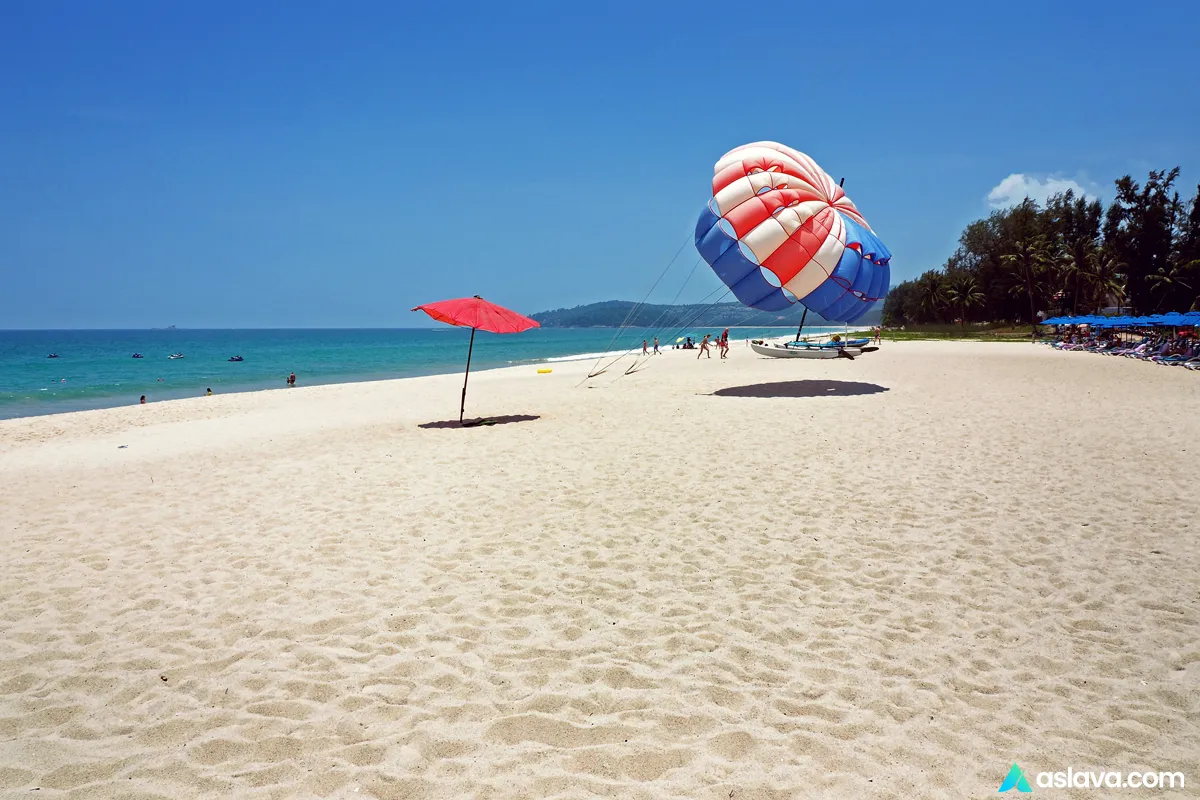
The period from November to February marks Phuket’s peak tourist season, characterized by clear blue skies, low humidity, and minimal rainfall. This is widely considered the best time to visit Phuket if perfect beach weather is your priority. Temperatures remain comfortable, typically ranging from 24-30°C (75-86°F), with refreshing breezes making even the warmest days pleasant.
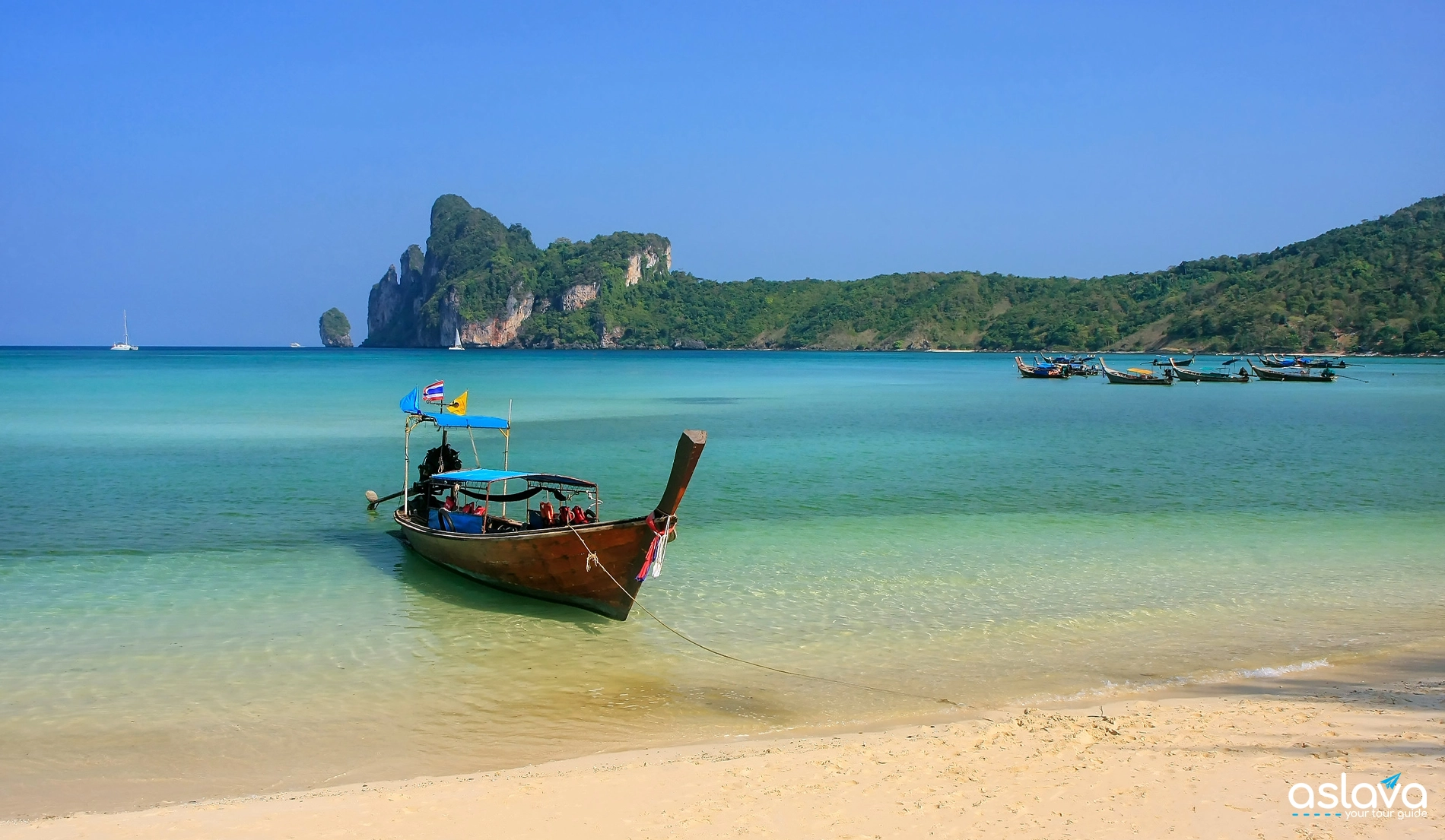
December and January represent the absolute peak, with the island experiencing its highest tourist numbers and accommodation prices. The sea during these months is exceptionally calm and clear, creating ideal conditions for swimming, snorkeling, and boat trips to nearby islands like Phi Phi and James Bond Island.
Peak Season Highlights
- Perfect beach weather with minimal rain and comfortable temperatures
- Excellent visibility for snorkeling and diving (up to 30 meters in some spots)
- Ideal conditions for island-hopping tours and water activities
- Vibrant nightlife and restaurant scene operating at full capacity
- Special events including Christmas, New Year celebrations, and Chinese New Year
Peak Season Considerations
Advantages
- Consistently sunny days with minimal rain interruptions
- Calm seas perfect for swimming and water sports
- All attractions, restaurants, and tours operating at full capacity
- Vibrant atmosphere with plenty of fellow travelers
Disadvantages
- Significantly higher hotel and flight prices (30-50% premium)
- Crowded beaches, especially Patong, Kata, and Karon
- Need to book accommodations and popular tours well in advance
- Traffic congestion in popular areas
Shoulder Season (March to May & October): Balancing Weather & Value
The shoulder seasons in Phuket offer an excellent compromise between good weather and value for money. March to early May represents the transition from dry to wet season, while October marks the shift from monsoon back to the dry period.
March and April are among the hottest months in Phuket, with temperatures often reaching 34°C (93°F) or higher. Humidity begins to increase, but rainfall remains relatively low until late April. This period offers warm seas, mostly sunny days, and significantly fewer tourists than the peak months.
October typically sees decreasing rainfall as the monsoon season winds down. While you might still experience occasional showers, they’re usually shorter and less frequent than in September. The landscape is lush and green following the rainy months, and the island feels refreshed.
March to May Highlights
- Songkran (Thai New Year) water festival in mid-April
- Hot but mostly dry weather perfect for beach activities
- Lower accommodation prices compared to peak season
- Less crowded beaches and attractions
- Good conditions for diving, especially in March
October Highlights
- Vegetarian Festival (Nine Emperor Gods Festival) – a unique cultural experience
- Gradually improving weather with decreasing rainfall
- Lush, green landscapes following the rainy season
- Good value accommodations before high season prices kick in
- Fewer tourists and more authentic local experiences
Low Season (June to September): Rainy Days & Great Deals
Phuket’s low season coincides with the southwest monsoon, bringing increased rainfall, higher humidity, and occasionally rough seas. However, contrary to popular belief, it doesn’t rain constantly. Typical monsoon weather patterns involve sunny mornings followed by afternoon or evening showers, with some completely dry days interspersed throughout.
September is generally the wettest month, while June and July often see a good balance of sun and rain. During this period, the Andaman Sea can become rough, with strong currents at many beaches. Red warning flags are common, and swimming may be restricted at certain beaches.
The significant upside to visiting during this time is the substantial drop in prices. Hotels often reduce rates by 30-50%, and you’ll find excellent deals on tours, activities, and dining. The island is much quieter, giving you a more authentic experience of local life in Phuket.
Low Season Activities
Outdoor Options
- Surfing at Kata Beach (best waves of the year)
- Exploring lush hiking trails and waterfalls
- Photography tours capturing dramatic skies
- Morning beach walks before afternoon showers
Rainy Day Activities
- Thai cooking classes in Phuket Town
- Spa treatments and wellness experiences
- Shopping at Central Festival or Jungceylon
- Cultural visits to museums and temples
Rainy Season Travel Tips
Pack a lightweight rain jacket and quick-drying clothes. Book accommodations with indoor facilities like a spa, fitness center, or swimming pool. Consider travel insurance that covers weather-related cancellations, especially for boat tours.
Month-by-Month Guide to Visiting Phuket
| Month | Weather | Crowds | Prices | Best For |
| January | Perfect: 27°C, minimal rain | Very high | Peak rates | Beach activities, island hopping |
| February | Excellent: 28°C, dry | High | High | Diving, snorkeling, Chinese New Year |
| March | Hot: 29°C, mostly dry | Moderate | Moderate-high | Beach activities, water sports |
| April | Very hot: 30°C, increasing rain | Moderate | Moderate | Songkran Festival, nightlife |
| May | Hot: 29°C, rain begins | Low-moderate | Decreasing | Budget travel, fewer crowds |
| June | Warm: 29°C, intermittent rain | Low | Low | Surfing, budget travel |
| July | Warm: 28°C, regular showers | Low | Low | Surfing, spa retreats |
| August | Warm: 28°C, frequent rain | Low-moderate | Low | Cultural experiences, indoor activities |
| September | Warm: 28°C, heaviest rain | Lowest | Lowest | Maximum discounts, local experiences |
| October | Warm: 28°C, decreasing rain | Low-moderate | Low-moderate | Vegetarian Festival, value travel |
| November | Pleasant: 27°C, occasional showers | Increasing | Increasing | Loy Krathong, good weather-value balance |
| December | Perfect: 27°C, minimal rain | Very high | Peak rates | Christmas, New Year, perfect beach days |
Festivals & Cultural Events Throughout the Year
Phuket’s cultural calendar is filled with vibrant festivals and events throughout the year. Planning your visit around these celebrations can add a fascinating cultural dimension to your trip.
January – March
- Chinese New Year (Jan/Feb): Colorful parades, lion dances, and fireworks in Phuket Town
- Magha Puja (Feb/Mar): Important Buddhist holiday with temple ceremonies
- Phuket Bike Week (March): Asia’s largest motorcycle event
April – August
- Songkran (April 13-15): Thai New Year water festival
- Phuket Marathon (June): International running event
- Asanha Bucha & Khao Phansa (July): Buddhist holidays marking the beginning of Buddhist Lent
September – December
- Vegetarian Festival (Sep/Oct): Nine days of spiritual cleansing and spectacular processions
- Loy Krathong (November): Festival of lights with floating offerings
- Patong Carnival (December): Week-long beach festival marking the start of high season
Choosing Your Perfect Time: Recommendations by Traveler Type
For Beach Lovers
Best Time: December to February
If perfect beach days are your priority, the peak season offers the most reliable sunshine, calm seas, and optimal conditions for swimming and water sports. The crystal-clear waters during this period provide excellent visibility for snorkeling.
For Budget Travelers
Best Time: June to September
The rainy season offers exceptional value with hotel rates at their lowest and significant discounts on activities and dining. With flexible planning around weather, you can enjoy a premium Phuket experience at a fraction of high-season prices.
For Adventure Seekers
Best Time: Varies by activity
Divers should visit November to April for best visibility. Surfers will find the best waves from May to October, especially at Kata Beach. Hikers might prefer the lush green landscapes of the rainy season for exploring waterfalls and jungle trails.
For Families
Best Time: December to January, April
School holiday periods offer the most reliable weather. December-January provides perfect beach conditions, while April offers the fun of Songkran water festival. The shoulder seasons can also work well, offering a good balance of weather and value.
For Culture Enthusiasts
Best Time: September/October, April
Plan around major festivals like the Vegetarian Festival (September/October) or Songkran (April). These periods offer the most authentic cultural experiences and opportunities to witness traditional ceremonies and celebrations.
For Luxury Travelers
Best Time: November to February
The high season offers the most reliable weather for enjoying Phuket’s luxury resorts, yacht charters, and fine dining experiences. For the ultimate luxury experience with fewer crowds, consider early November or late February.
What to Pack for Different Seasons in Phuket
Dry Season Essentials
- Lightweight, breathable clothing (cotton, linen)
- Multiple swimsuits for beach days
- High SPF sunscreen (reef-safe recommended)
- Wide-brimmed hat and quality sunglasses
- Light cover-up for temple visits (shoulders and knees must be covered)
- Comfortable walking sandals
- Light sweater or jacket for evening sea breezes
Rainy Season Essentials
- Lightweight, quick-drying clothing
- Compact, packable rain jacket
- Waterproof phone case
- Water-resistant footwear
- Small travel umbrella
- Insect repellent (mosquitoes are more prevalent)
- Waterproof bag for electronics and valuables
Dress Code Tip
When visiting temples in Phuket, both men and women should cover shoulders and knees. Many temples provide sarongs for visitors, but bringing your own light scarf or wrap is recommended, especially during the hot season.
Frequently Asked Questions About Visiting Phuket
What is the absolute best month to visit Phuket?
January is generally considered the optimal month to visit Phuket. The weather is perfect with clear skies, low humidity, and minimal rainfall. The sea is calm and clear, ideal for swimming and water activities. While it’s during the peak tourist season with higher prices, the weather conditions are at their very best.
Is Phuket worth visiting during the rainy season?
Yes, Phuket is definitely worth visiting during the rainy season if you’re looking for value and don’t mind occasional showers. The rain typically doesn’t last all day, often coming in short bursts in the late afternoon or evening. You’ll enjoy significantly lower prices, fewer crowds, and a more authentic local experience. The landscape is also at its most lush and green during this period.
How bad are the crowds during high season in Phuket?
Popular areas like Patong, Kata, and Karon beaches can get very crowded during the high season, especially in December and January. However, Phuket is a large island with many less-visited beaches and attractions. Even during peak season, you can find relatively quiet spots by heading to beaches like Mai Khao, Nai Yang, or Bang Tao in the north, or exploring the east coast.
Is it safe to swim during the monsoon season in Phuket?
Swimming safety varies by beach and specific conditions during the monsoon season. Always respect the flag warning system: red flags indicate dangerous conditions where swimming is prohibited. Some beaches, particularly on the west coast, can have strong currents and rough seas during this time. However, hotel pools remain safe, and some sheltered beaches may still be suitable for swimming. Always check current conditions and follow lifeguard advice.
How much cheaper is it to visit Phuket during low season?
You can expect significant savings during the low season. Hotel rates are typically 30-50% lower than high season prices, with many luxury properties offering their lowest rates. Tours, activities, and even some restaurants may offer special promotions. Even flight prices tend to be lower during this period. The biggest discounts are usually found in September, which is traditionally the quietest month for tourism.
Final Thoughts: When Should You Visit Phuket?
The best time to visit Phuket ultimately depends on your priorities, budget, and the type of experience you’re seeking. There’s no single “perfect” time that works for everyone.
If perfect weather and beach conditions are your top priority and you don’t mind paying premium prices, the high season from December to February is your best bet. For those seeking a balance between good weather and value, the shoulder months of November, March, and April offer an excellent compromise.
Budget-conscious travelers and those who prefer a quieter, more authentic experience will find the low season from May to October appealing, despite the increased chance of rain. Remember that even during the monsoon season, Phuket rarely experiences all-day downpours, and the rain often brings a refreshing break from the heat.
Whichever season you choose, Phuket’s natural beauty, rich culture, and warm hospitality ensure a memorable experience. With proper planning around your preferences and priorities, you can enjoy this tropical paradise at any time of year.