Iconic Landmarks in Malaysia
1. Marvel at the Petronas Towers in Kuala Lumpur
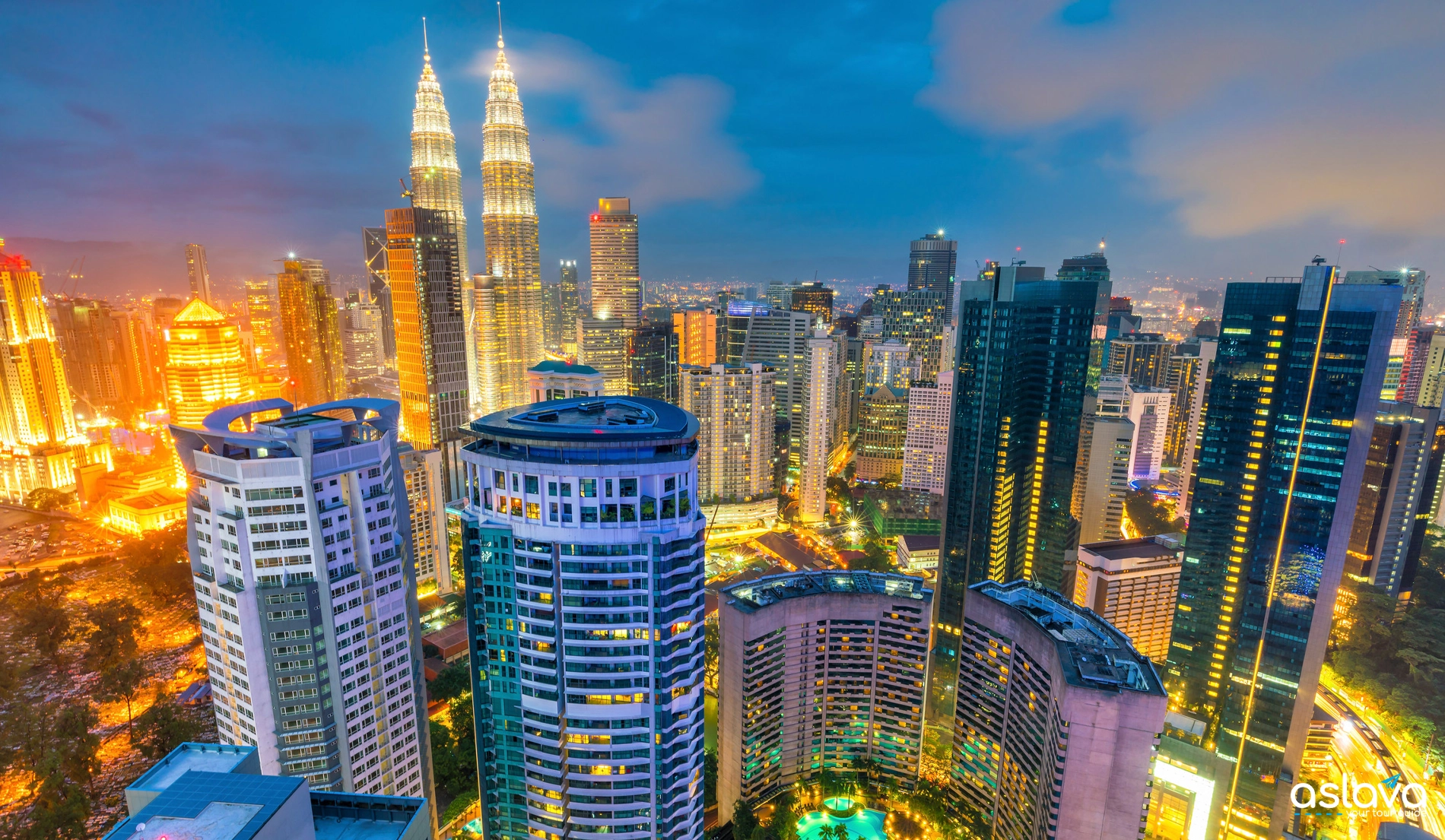
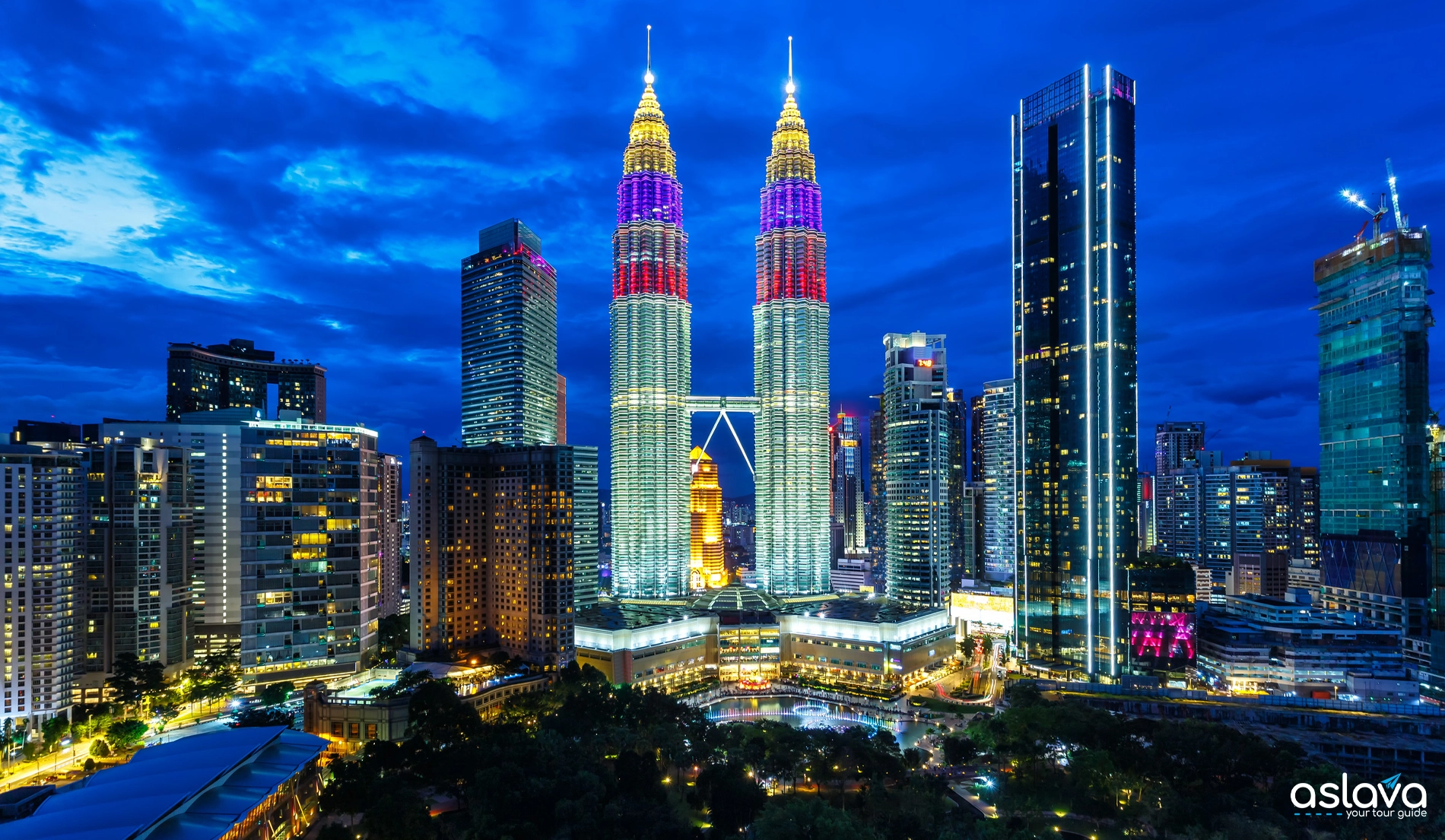
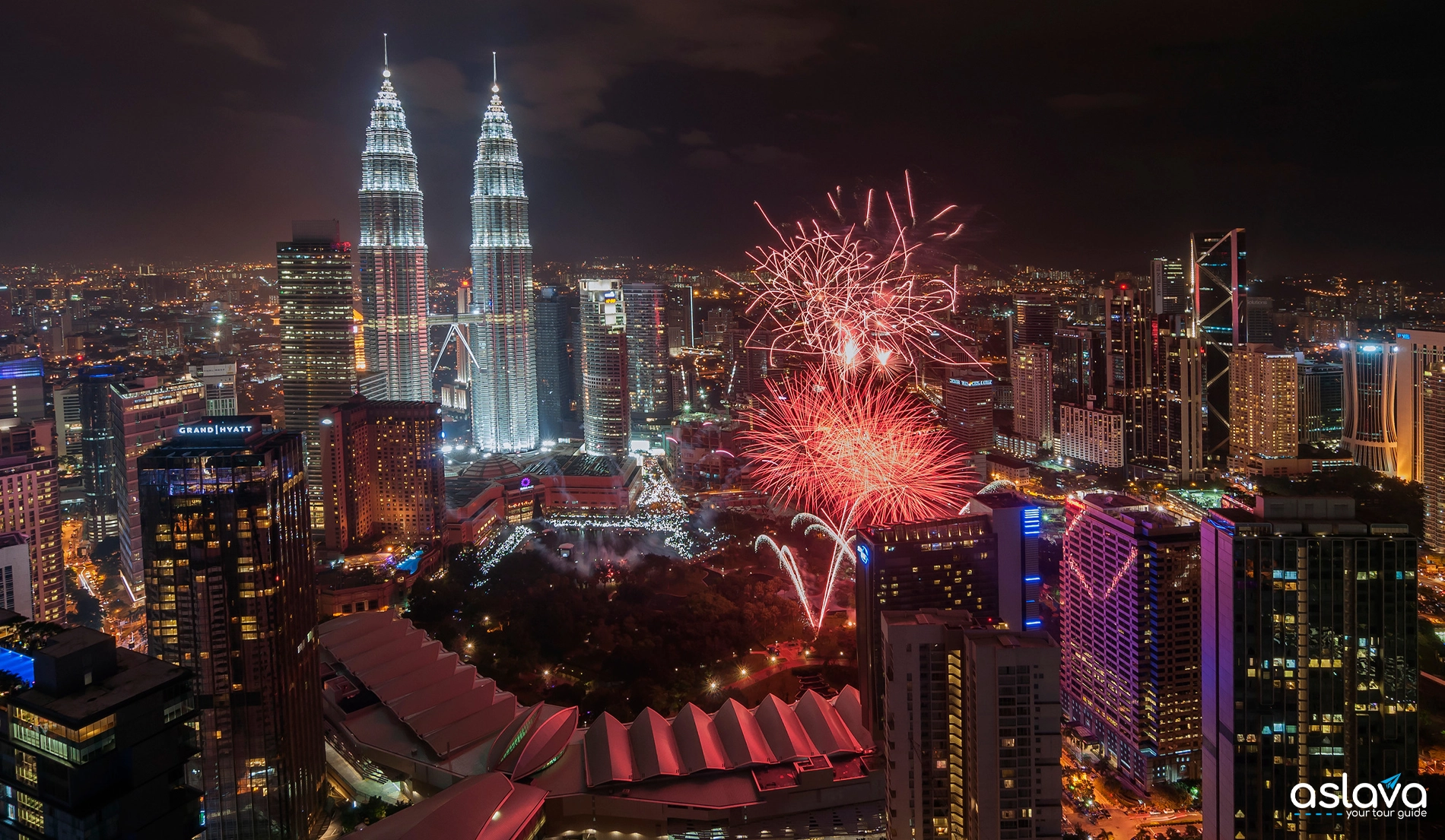
The Petronas Towers stand as Malaysia’s most recognizable landmark, dominating Kuala Lumpur’s skyline with their gleaming steel and glass façade. At 452 meters (1,483 feet), these twin skyscrapers were once the tallest buildings in the world and remain the tallest twin towers globally. Their design brilliantly blends modern architecture with Islamic geometric patterns, creating a structure that’s both futuristic and culturally significant.
For the ultimate experience, book tickets to the observation deck on the 86th floor, where breathtaking panoramic views of the city await. The Skybridge on the 41st floor connecting the towers is another highlight, offering unique perspectives of the urban landscape. In the evening, watch the towers transform with a spectacular light show, best viewed from KLCC Park with its dancing fountains providing a magical foreground.
2. Explore the Sacred Batu Caves
Just 13km north of Kuala Lumpur, the Batu Caves are a spectacular Hindu shrine that has become one of Malaysia’s most visited attractions. The site features a series of caves and cave temples set within a massive 400-million-year-old limestone hill. What makes this place truly unforgettable are the 272 rainbow-colored steps leading up to the main Temple Cave, guarded by a towering 42.7-meter gold statue of Lord Murugan—the tallest statue of this Hindu deity in the world.
Inside the main cave, you’ll discover a cavernous space filled with Hindu shrines and statues. The Cathedral Cave features a vaulted ceiling that soars 100 meters high. As you explore, watch out for the resident macaque monkeys who, while entertaining, can be mischievous. For adventure seekers, the Dark Cave offers guided educational tours showcasing unique cave formations and rare wildlife, including the trapdoor spider.
Visit early in the morning (around 7-8 AM) to avoid both crowds and the midday heat, as climbing those stairs can be quite the workout. During the annual Thaipusam festival in January/February, the caves transform into a vibrant celebration with thousands of devotees carrying ceremonial offerings.
3. Wander Through Historic Malacca
The UNESCO World Heritage city of Malacca (Melaka) offers a fascinating glimpse into Malaysia’s rich trading history. Once a powerful sultanate and later colonized by Portuguese, Dutch, and British powers, this riverside city is a living museum where diverse cultural influences blend seamlessly. The compact historic center makes it perfect for exploration on foot.
Begin your journey at the iconic red buildings of Dutch Square, where the crimson-hued Stadthuys and Christ Church stand as testaments to colonial rule. Climb St. Paul’s Hill to explore the ruins of St. Paul’s Church and enjoy panoramic views of the strait. Don’t miss Jonker Street, especially during the weekend night market when it transforms into a lively food and shopping haven.
For a unique perspective, take a relaxing river cruise along the Melaka River, passing colorful street art and historic buildings. History buffs should visit the Maritime Museum, housed in a replica of the Portuguese ship Flor de la Mar, to learn about the city’s seafaring past. Complete your cultural immersion by sampling authentic Nyonya cuisine, a delicious fusion of Chinese and Malay flavors unique to this region.
Natural Wonders and Outdoor Adventures
4. Relax on the Pristine Perhentian Islands
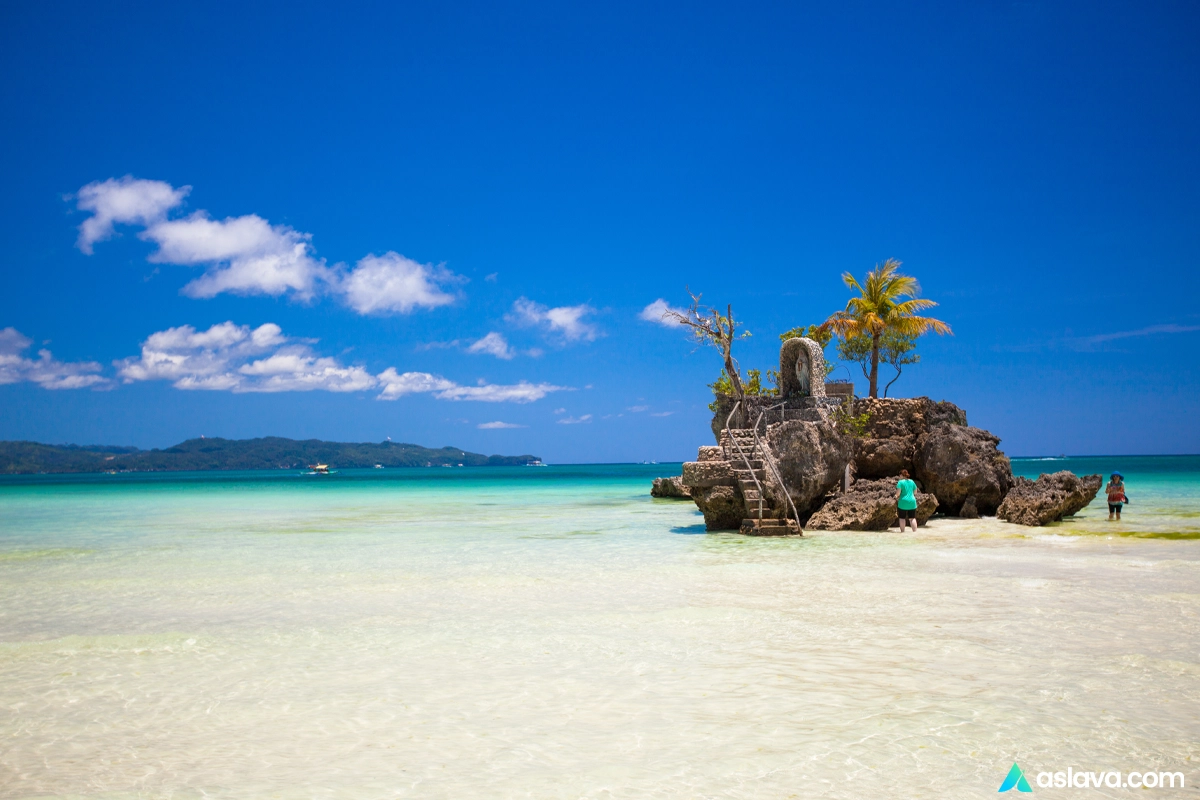
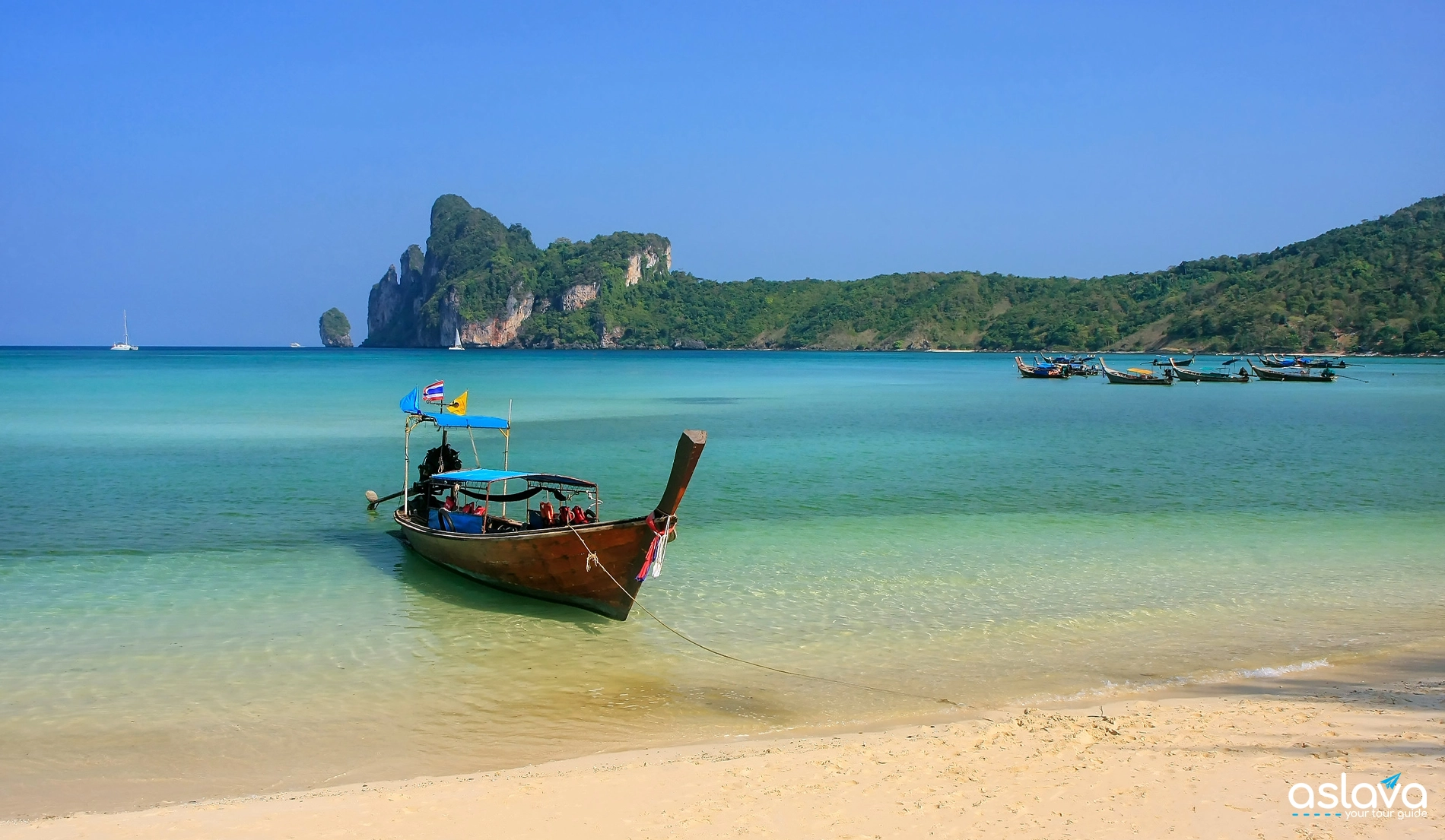
The Perhentian Islands offer a slice of paradise with their powder-white beaches, crystal-clear turquoise waters, and vibrant coral reefs. This archipelago off Malaysia’s northeast coast consists of two main islands: Perhentian Besar (Big Island) and Perhentian Kecil (Small Island). Kecil tends to attract backpackers with its lively atmosphere and budget accommodations, while Besar caters to those seeking a more relaxed, family-friendly environment.
Snorkeling and diving are the main attractions here, with abundant marine life including sea turtles, reef sharks, and colorful fish just meters from the shore. Popular snorkeling spots include Shark Point, Turtle Bay, and the Coral Garden. For certified divers, the Sugar Wreck and T3 sites offer unforgettable underwater experiences.
When you’re not exploring the underwater world, hike through the jungle interior on trails connecting different beaches, kayak around the islands’ perimeter, or simply unwind on beaches like Long Beach and Coral Bay. As the islands have limited development (no roads or cars), they offer a genuine escape from modern life. Electricity runs on generators and may be limited to certain hours, adding to the authentic island experience.
5. Discover the Lush Cameron Highlands
The Cameron Highlands provide a refreshing escape from Malaysia’s tropical heat with their cool climate, rolling tea plantations, and misty mountains. Located about 1,500 meters above sea level in Peninsular Malaysia, this hill station was developed during British colonial times as a retreat from the lowland heat.
The emerald-green BOH Tea Plantation is a must-visit, where you can tour the factory to learn about tea production before enjoying a cup of freshly brewed tea with scones at their café overlooking the plantations. Strawberry farms offer pick-your-own experiences, while butterfly gardens and bee farms provide additional agricultural attractions.
Nature lovers will appreciate the network of hiking trails through mossy forests and to scenic viewpoints like Gunung Brinchang. The mysterious Mossy Forest boardwalk takes you through an ancient cloud forest ecosystem with gnarled trees covered in moss and unique flora. Don’t miss the colorful Hindu temple at Sungai Palas or the Time Tunnel Museum, which offers a glimpse into the region’s history.
The highlands’ cool climate makes it ideal for growing vegetables and flowers, so local markets like Kea Farm Market are great places to sample fresh produce and pick up souvenirs. With temperatures averaging 20°C (68°F) year-round, it’s a welcome respite from Malaysia’s typically hot and humid weather.
6. Explore Taman Negara National Park
Taman Negara National Park is one of the world’s oldest rainforests, estimated to be over 130 million years old. This vast protected area spans 4,343 square kilometers across three Malaysian states and offers an unparalleled jungle experience. The dense primary rainforest is home to thousands of plant and animal species, many of which are rare or endangered.
The park’s most famous attraction is the Canopy Walkway, the world’s longest suspended walkway at 530 meters, offering a unique perspective from 40 meters above the forest floor. Guided night safaris reveal nocturnal creatures like flying squirrels, slow lorises, and various insects. For the adventurous, multi-day jungle treks with overnight stays in hides provide opportunities to spot elusive wildlife like elephants, tigers (though extremely rare), and tapirs.
Other popular activities include boat trips up the Tembeling River, visiting indigenous Orang Asli settlements to learn about traditional jungle survival skills, and fishing for species like the giant Toman (snakehead). Rapid shooting—riding boats through mild rapids—offers an exhilarating way to experience the river.
The park’s main entry point is Kuala Tahan, a small village with various accommodation options ranging from basic hostels to floating riverside resorts. The best time to visit is during the dry season (February to September) when trails are less muddy and leeches less abundant.
7. Island Hop in Langkawi
Langkawi, officially known as the Jewel of Kedah, is an archipelago of 99 islands in the Andaman Sea. The main island offers a perfect mix of developed tourist facilities and unspoiled natural beauty, making it one of Malaysia’s premier beach destinations. With duty-free status, it’s also a shopping haven for visitors.
The Langkawi SkyCab (cable car) and SkyBridge offer spectacular views from 708 meters above sea level. The curved pedestrian bridge provides a thrilling vantage point to admire the forested mountains and surrounding islands. For beach lovers, Pantai Cenang and Tanjung Rhu are must-visits with their soft white sand and clear waters.
Nature enthusiasts should explore the Kilim Karst Geoforest Park by boat, winding through mangrove forests to spot eagles, monkeys, and unique limestone formations. The park is part of Langkawi’s UNESCO Global Geopark status, recognizing its geological and ecological significance. Seven Wells Waterfall (Telaga Tujuh) offers refreshing natural pools after a moderate hike.
Other attractions include Underwater World Langkawi, one of the largest aquariums in Malaysia; the dramatic Eagle Square (Dataran Lang) with its 12-meter eagle statue; and Laman Padi Rice Garden, where you can learn about traditional rice cultivation. Island-hopping tours take you to surrounding uninhabited islands for snorkeling and relaxation on secluded beaches.
Borneo: Wildlife and Adventure
8. See Orangutans in Their Natural Habitat
One of Malaysia’s most profound wildlife experiences is encountering orangutans in their natural habitat in Malaysian Borneo. These intelligent great apes, whose name means “person of the forest” in Malay, are critically endangered, making any encounter all the more special. Borneo is one of only two places in the world (along with Sumatra) where orangutans still live in the wild.
The Sepilok Orangutan Rehabilitation Centre in Sabah provides an accessible way to observe these magnificent creatures. Here, orphaned and rescued orangutans are rehabilitated before being released back into the wild. Visitors can watch feeding sessions from viewing platforms, where orangutans swing in from the surrounding forest. The nearby Bornean Sun Bear Conservation Centre offers the chance to see the world’s smallest bear species.
For a more immersive experience, the Kinabatangan River area offers wildlife cruises where orangutans can be spotted in the wild, along with proboscis monkeys, pygmy elephants, and hornbills. Serious wildlife enthusiasts should consider the Danum Valley Conservation Area, one of Borneo’s best primary rainforest reserves, where orangutans live completely wild alongside countless other species.
When visiting these areas, remember that orangutans share 97% of their DNA with humans, making them susceptible to our diseases. Maintain a respectful distance and follow all guidelines from conservation staff to ensure these incredible animals continue to thrive in their natural habitat.
9. Climb Mount Kinabalu
Standing at 4,095 meters (13,435 feet), Mount Kinabalu is the highest peak in Malaysia and one of Southeast Asia’s most conquerable mountains, requiring no technical climbing skills—just good fitness and determination. This UNESCO World Heritage Site in Sabah, Borneo, offers one of the most rewarding trekking experiences in the region.
The standard climb takes two days, with an overnight stay at Panalaban Base Camp (formerly Laban Rata) at 3,272 meters. From there, climbers begin their summit attempt in the early hours of the morning (around 2:30 AM) to reach the peak for sunrise. The reward is a spectacular panorama above the clouds as dawn breaks over Borneo.
What makes Kinabalu particularly special is its remarkable biodiversity. The mountain hosts more than 5,000 plant species, including many found nowhere else on Earth, such as the famous Rafflesia, the world’s largest flower. As you ascend, you’ll pass through distinct ecological zones, from lowland rainforest to cloud forest, and finally to the unique alpine meadow near the summit.
All climbers must be accompanied by licensed guides and obtain permits well in advance, as daily numbers are limited. The best time to climb is during the dry season (March to August), though weather on the mountain can be unpredictable year-round. While challenging, the sense of achievement upon reaching the summit makes this one of Malaysia’s ultimate adventures.
10. Dive at Sipadan Island
Sipadan Island is consistently ranked among the world’s top diving destinations, offering underwater experiences that leave even seasoned divers awestruck. This small oceanic island off the east coast of Malaysian Borneo rises 600 meters from the seabed and is renowned for its rich marine biodiversity and spectacular underwater topography.
What makes Sipadan truly special is the concentration and variety of marine life. Divers regularly encounter large schools of barracuda and jackfish in tornado-like formations, numerous sea turtles, reef sharks patrolling the drop-offs, and a kaleidoscope of coral reef fish. The famous Barracuda Point dive site often features a vortex of swirling barracuda so dense it can block out the sunlight.
Other notable dive sites include Turtle Cave, an underwater limestone cave containing the remains of turtles that became disoriented and drowned; South Point, known for its strong currents and pelagic species; and Hanging Gardens, where soft corals cling to the steep wall descending into the deep blue.
To preserve this underwater paradise, Malaysian authorities strictly limit the number of daily diving permits. No accommodations exist on Sipadan itself; divers stay on neighboring islands like Mabul or Kapalai and take day trips to Sipadan. Advance booking (at least 3-6 months) is essential to secure diving permits, especially during peak season (July-October).
11. Explore Kinabatangan River Wildlife
The Kinabatangan River in Sabah, Borneo, offers one of Malaysia’s most accessible wildlife experiences. This 560-kilometer waterway, Malaysia’s second-longest river, flows through a wildlife-rich floodplain where forest corridors provide habitat for an incredible diversity of species, many of which are endangered.
River cruises at dawn and dusk provide the best wildlife viewing opportunities. Proboscis monkeys, with their distinctive long noses and pot bellies, are commonly seen in the trees along the riverbanks. You might also spot wild orangutans, pygmy elephants, crocodiles, and various hornbill species. The area is a birdwatcher’s paradise with over 200 bird species recorded.
Most visitors stay in eco-lodges along the river, which range from basic to luxury. These typically offer package deals including accommodation, meals, and guided wildlife cruises. Some lodges also organize night walks to spot nocturnal creatures like slow lorises, western tarsiers, and various insects.
While wildlife sightings are never guaranteed, the concentrated nature of the remaining forest corridors along the Kinabatangan means your chances of seeing iconic Bornean wildlife are excellent. The best time to visit is during the dry season (March to October), though wildlife can be spotted year-round. For the best experience, stay at least two nights to maximize your wildlife viewing opportunities.
Cultural Experiences in Malaysia
12. Discover Georgetown’s Street Art and Heritage
Georgetown, the capital of Penang Island, is a UNESCO World Heritage Site that captivates visitors with its unique blend of colonial architecture, vibrant street art, and multicultural heritage. This historic port city reflects centuries of cultural exchange between East and West, creating a fascinating urban landscape unlike anywhere else in Southeast Asia.
The city gained international attention for its innovative street art scene, which began with Lithuanian artist Ernest Zacharevic’s murals in 2012. Today, a walk through Georgetown’s narrow streets reveals dozens of creative artworks, from painted murals to interactive 3D installations and wrought-iron caricatures telling the story of Penang’s history. Grab a street art map from your hotel or the tourist information center and embark on a self-guided tour.
Beyond the art, Georgetown’s well-preserved colonial architecture offers a glimpse into its trading port past. The Blue Mansion (Cheong Fatt Tze Mansion) stands as a testament to Chinese craftsmanship and wealth, while the Khoo Kongsi clan house showcases ornate Chinese architecture and heritage. The Pinang Peranakan Mansion provides insight into the unique Peranakan (Straits Chinese) culture that developed in the region.
Georgetown’s diverse religious buildings reflect its multicultural fabric—visit the ornate Kek Lok Si Temple (Southeast Asia’s largest Buddhist temple), the historic St. George’s Church, the colorful Sri Mahamariamman Hindu Temple, and the Kapitan Keling Mosque, all within walking distance of each other.
13. Experience Malaysia’s Food Culture
Malaysian cuisine is a delicious reflection of the country’s multicultural heritage, blending Malay, Chinese, Indian, and indigenous influences into a unique culinary landscape. Food is central to Malaysian culture, and exploring the local dishes is an essential part of any visit to the country.
Penang is widely considered Malaysia’s food capital, where hawker centers and street stalls serve up iconic dishes like Char Kway Teow (stir-fried flat noodles), Assam Laksa (sour fish soup), and Nasi Kandar (rice with various curry toppings). The island’s unique Nyonya cuisine, a fusion of Chinese ingredients with Malay spices and cooking techniques, is represented in dishes like Otak-Otak (spiced fish cake) and Ayam Buah Keluak (chicken with black nuts).
In Kuala Lumpur, Jalan Alor transforms into a food lover’s paradise each evening, with dozens of stalls serving everything from satay to seafood. Chinatown (Petaling Street) and Little India (Brickfields) offer authentic regional specialties from their respective cultures. Don’t miss trying Nasi Lemak, Malaysia’s unofficial national dish—coconut rice served with sambal, anchovies, peanuts, cucumber, and a protein of choice.
Food tours are an excellent way to navigate Malaysia’s culinary landscape with expert guidance. Many cities offer walking tours that combine food sampling with cultural and historical insights. Cooking classes provide a deeper understanding of Malaysian cuisine, teaching you to recreate favorite dishes at home.
14. Visit Traditional Longhouses in Sarawak
In Sarawak, Malaysian Borneo, traditional longhouses offer a fascinating glimpse into indigenous cultures that have thrived in the rainforest for centuries. These remarkable communal dwellings, some housing entire villages under one roof, represent a way of life that balances community living with the challenges of the jungle environment.
The Iban people, Sarawak’s largest indigenous group and formerly known as headhunters, maintain some of the most accessible longhouses. A typical longhouse consists of a covered veranda (ruai) running the length of the building, where community activities take place, and private family apartments (bilik) opening onto this communal space. Some modern longhouses now incorporate concrete and metal roofing while maintaining traditional layouts.
Visitors can arrange day trips or overnight stays in longhouses along the Skrang, Lemanak, or Batang Ai rivers. Overnight experiences are particularly rewarding, offering the chance to participate in daily activities, share meals with families, and possibly witness traditional dances and ceremonies. Some communities demonstrate traditional crafts like weaving and blowpipe making.
When visiting, it’s customary to bring gifts for the longhouse chief and community—items like rice, sugar, or tobacco are traditionally appreciated. Always ask permission before taking photographs, dress modestly, and follow your guide’s instructions on proper etiquette. These visits not only provide cultural insights but also support communities economically as they balance tradition with modernization.
15. Shop at Central Market and Petaling Street
Kuala Lumpur’s Central Market and nearby Petaling Street offer vibrant shopping experiences that showcase Malaysia’s diverse cultural heritage and craftsmanship. These historic markets have evolved from simple trading posts to cultural landmarks where visitors can find everything from authentic handicrafts to street food and souvenirs.
Central Market, housed in a distinctive Art Deco building dating from 1936, was originally a wet market but now functions as a cultural marketplace. Inside, you’ll find a well-organized collection of stalls selling traditional crafts like batik textiles, wood carvings, songket fabrics, and Malaysian souvenirs. The market is divided into different zones representing Malaysia’s main cultural groups—Malay, Chinese, and Indian—making it an excellent place to understand the country’s multicultural character.
Just a short walk away, Petaling Street is the heart of Kuala Lumpur’s Chinatown. This bustling street market comes alive in the evening when vendors set up stalls selling everything from counterfeit goods and electronics to clothing and accessories. While bargaining is expected, the real draw is the food—follow your nose to discover delicious Chinese-Malaysian specialties like Hokkien mee (fried noodles), curry laksa, and air mata kucing (a refreshing longan drink).
Between shopping sessions, take time to appreciate the area’s cultural landmarks, including the ornate Sri Mahamariamman Temple, the Guan Di Temple, and the Chan See Shu Yuen Clan House. The recently revitalized Kwai Chai Hong (Little Ghost Lane) features beautifully restored shophouses and street art depicting scenes from 1960s Chinatown.
Adventure Activities in Malaysia
16. Go Jungle Trekking in Taman Negara
Beyond the canopy walkway mentioned earlier, Taman Negara offers extensive jungle trekking opportunities ranging from easy day walks to challenging multi-day expeditions. These treks provide intimate encounters with one of the world’s oldest rainforests, estimated to be 130 million years old—older than the Amazon or Congo basins.
For beginners, the Interpretive Trail near park headquarters offers a gentle introduction to the rainforest ecosystem with informative signage about flora and fauna. The Bukit Teresek Trail (about 1.7 km) rewards hikers with panoramic views of the forest canopy and distant mountains from its twin viewpoints.
More adventurous trekkers can attempt the challenging 53 km trek to Gunung Tahan, Peninsular Malaysia’s highest peak at 2,187 meters. This expedition typically takes 5-7 days round trip and requires good fitness, proper equipment, and an experienced guide. Along the way, you’ll cross rivers, navigate dense jungle, and camp in designated sites or basic shelters.
For a unique experience, overnight stays in hides (elevated shelters near salt licks) offer opportunities to observe wildlife like deer, wild boar, and occasionally elephants or tapirs. The Kumbang Hide and Tabing Hide are among the most popular for wildlife spotting.
17. Snorkel at Tunku Abdul Rahman Marine Park
Just a 15-minute boat ride from Kota Kinabalu in Sabah, Borneo, the Tunku Abdul Rahman Marine Park offers accessible tropical island experiences without requiring a long journey. This protected area encompasses five islands—Gaya, Manukan, Sapi, Mamutik, and Sulug—each with its own character and attractions.
Snorkeling is the park’s main draw, with clear waters revealing colorful coral gardens and diverse marine life just meters from the shore. Manukan Island offers the best-developed facilities, including restaurants and accommodation, along with good snorkeling spots off its eastern and western tips. Sapi Island, though smaller, features a beautiful beach and excellent snorkeling along its coral-fringed coast.
Gaya, the largest island, hosts the luxury Gaya Island Resort and the fascinating Marine Ecology Research Centre, where visitors can learn about coral conservation. For those seeking more solitude, Mamutik and Sulug islands tend to be less crowded and offer peaceful beaches and snorkeling opportunities.
Beyond snorkeling, the marine park offers activities like island-hopping tours, sea kayaking, and parasailing. Hiking trails on Gaya and Manukan islands lead through tropical forest to viewpoints overlooking the South China Sea. The Coral Flyer zipline, connecting Gaya and Sapi islands, provides an exhilarating way to travel between islands while enjoying aerial views.
Day trips to the marine park are easily arranged from Kota Kinabalu, with boats departing regularly from Jesselton Point Ferry Terminal. For a more immersive experience, consider staying overnight at one of the resorts on Gaya or Manukan islands.
18. Whitewater Rafting on Padas River
For adrenaline seekers, whitewater rafting on the Padas River in Sabah offers an exhilarating adventure through a scenic jungle gorge. Located about 2 hours from Kota Kinabalu, this challenging river features Class III-IV rapids that provide plenty of excitement even for experienced rafters.
What makes the Padas River experience unique is the journey to reach it. After driving from Kota Kinabalu to Beaufort, adventurers board a vintage diesel train that winds through spectacular scenery to Pangi station, the starting point for rafting. This railway journey adds a distinctive charm to the adventure, taking you through areas inaccessible by road.
The rafting route covers approximately 9 kilometers with rapids bearing intimidating names like “Headhunter,” “Scooby Doo,” and “Cobra.” Between the adrenaline-pumping rapids, there are calmer stretches where you can catch your breath and appreciate the pristine rainforest environment and limestone cliffs rising from the riverbanks.
Tour operators provide all necessary equipment, safety briefings, and experienced guides. Most packages include lunch on the riverbank after completing the course. The best time for rafting is during the dry season (February to October) when water levels are optimal—high enough for exciting rapids but not dangerously high.
No previous rafting experience is required, but participants should be reasonably fit, able to swim, and prepared for a physically demanding activity. Age restrictions typically apply (minimum 12-16 years depending on the operator and water conditions).
Practical Information for Visiting Malaysia
Best Time to Visit Malaysia
Malaysia’s climate is tropical, but weather patterns differ between Peninsular Malaysia and Malaysian Borneo, as well as between east and west coasts. Understanding these seasonal variations will help you plan the optimal time for your visit based on your intended destinations.
Peninsular Malaysia (West Coast)
Including Kuala Lumpur, Penang, Langkawi, and Malacca
- Best time: December to February (dry season)
- Shoulder season: March-April and October-November
- Wettest months: September to November
- Temperature range: 22-33°C (72-91°F) year-round
Peninsular Malaysia (East Coast)
Including Perhentian Islands, Tioman Island, and Redang
- Best time: June to September (dry season)
- Monsoon season: November to February (many resorts close)
- Shoulder season: March-May and October
- Temperature range: 21-32°C (70-90°F) year-round
Malaysian Borneo
Including Sabah and Sarawak
- Best time: March to October (drier months)
- Wettest months: November to February
- Best for wildlife: April to October
- Best for diving: April to December (Sipadan visibility best July-August)
- Temperature range: 22-32°C (72-90°F) year-round
Festivals Worth Planning Around
- Chinese New Year (January/February): Vibrant celebrations, especially in Penang and Kuala Lumpur
- Hari Raya Aidilfitri (end of Ramadan): Major Muslim celebration with open houses and festive foods
- Deepavali/Diwali (October/November): Hindu Festival of Lights
- Gawai Dayak (June 1-2): Harvest festival in Sarawak with longhouse celebrations
- Rainforest World Music Festival (July): International music festival in Sarawak
Getting Around Malaysia
Malaysia has well-developed transportation infrastructure, making it relatively easy to navigate between and within major destinations. Here’s a breakdown of the main transportation options:
Air
- Domestic flights: Essential for traveling between Peninsular Malaysia and Borneo
- Major carriers: Malaysia Airlines, AirAsia, Firefly, and MASwings
- Main hubs: Kuala Lumpur (KLIA and KLIA2), Penang, Kota Kinabalu, Kuching
- Booking tip: Book AirAsia flights well in advance for the best rates
Train
- ETS (Electric Train Service): Modern, fast trains connecting major cities in Peninsular Malaysia
- Jungle Railway: Scenic route through the interior of the Peninsula
- Commuter trains: Serving Kuala Lumpur and surrounding areas
- North Borneo Railway: Heritage steam train in Sabah (tourist attraction)
Bus
- Long-distance: Extensive network connecting all major cities and towns
- Operators: Aeroline, KKKL, and Transnasional offer premium services
- City buses: Available in major cities but often confusing for tourists
- Booking tip: Use 12Go Asia or Easybook websites to book tickets online
Car
- Rental: International and local agencies available in major cities
- Roads: Generally well-maintained, especially in Peninsular Malaysia
- Driving side: Left side of the road (like UK)
- Requirements: International Driving Permit recommended
Boat
- Ferry services: Connect mainland to islands (Penang, Langkawi, Perhentian)
- Speedboats: Access to smaller islands and diving spots
- River boats: Essential for reaching remote areas in Borneo
- Safety tip: Check weather conditions before boat journeys
Urban Transport
- Grab: Popular ride-hailing app available in most cities
- LRT/MRT/Monorail: Efficient rail systems in Kuala Lumpur
- Taxis: Use metered taxis or negotiate fare in advance
- Trishaws: Traditional rickshaws in Penang and Malacca (tourist experience)
Suggested Itineraries
7-Day Highlights Tour
Perfect for: First-time visitors with limited time
- Days 1-2: Kuala Lumpur (Petronas Towers, Batu Caves, Central Market)
- Days 3-4: Penang (Georgetown heritage, street art, food exploration)
- Day 5: Cameron Highlands (tea plantations, strawberry farms)
- Days 6-7: Langkawi (beaches, SkyCab, island hopping)
14-Day Peninsula Explorer
Perfect for: Comprehensive mainland experience
- Days 1-3: Kuala Lumpur & surroundings
- Days 4-5: Malacca heritage exploration
- Days 6-8: Penang culture and cuisine
- Days 9-10: Cameron Highlands nature
- Day 11: Taman Negara jungle experience
- Days 12-14: Perhentian Islands beach relaxation
10-Day Borneo Adventure
Perfect for: Wildlife and nature enthusiasts
- Days 1-2: Kota Kinabalu & Tunku Abdul Rahman Marine Park
- Days 3-4: Kinabalu Park (mountain base exploration)
- Days 5-6: Sepilok (Orangutan & Sun Bear Centres)
- Days 7-8: Kinabatangan River wildlife cruises
- Days 9-10: Danum Valley or Tabin Wildlife Reserve
Cultural Etiquette Tips
General Etiquette
- Remove shoes before entering homes, mosques, and some temples
- Use your right hand for eating, giving, and receiving items
- Dress modestly, especially when visiting religious sites
- Ask permission before photographing people, especially in rural areas
- Respect the elderly by addressing them as “uncle” or “auntie”
- Avoid public displays of affection
Religious Sensitivity
- During Ramadan, avoid eating, drinking, or smoking in public during daylight hours
- Dress appropriately when visiting mosques (head coverings for women, long pants for men)
- Remove shoes and cover shoulders/knees when entering temples
- Don’t touch people on the head, especially Buddhist monks
- Be respectful of prayer times and religious practices
Quick Tip: Malaysia is a multicultural society where Malay, Chinese, and Indian communities live harmoniously. Each community has its own customs and sensitivities. When in doubt about appropriate behavior, observe locals or politely ask. Malaysians are generally understanding of cultural differences and appreciate visitors who make an effort to respect local customs.
Ready to Experience the Best of Malaysia?
From the moment you set foot in Malaysia, you’ll be captivated by its extraordinary diversity. Few countries offer such a perfect blend of modern cities and pristine nature, cultural richness and culinary excellence, all wrapped in genuine hospitality. Whether you’re watching orangutans swing through ancient rainforests, diving among vibrant coral reefs, exploring UNESCO heritage cities, or savoring world-class street food, Malaysia delivers unforgettable experiences at every turn.
The country’s excellent infrastructure makes it accessible for all types of travelers, from luxury seekers to budget backpackers. With its year-round tropical climate, there’s never really a bad time to visit—just different experiences waiting in different seasons. The hardest part of planning your Malaysian adventure might be deciding which of these incredible experiences to prioritize!
So pack your sense of adventure, bring your appetite for new flavors, and prepare to be amazed by the cultural kaleidoscope that is Malaysia. From the gleaming Petronas Towers to the pristine beaches of the Perhentian Islands, from the misty tea plantations of Cameron Highlands to the wildlife-rich jungles of Borneo—Malaysia’s treasures await your discovery.