Essential Vietnam Travel Information
Before diving into the best places to visit in Vietnam, let’s cover some essential information to help you plan your trip smoothly.
Visa Requirements
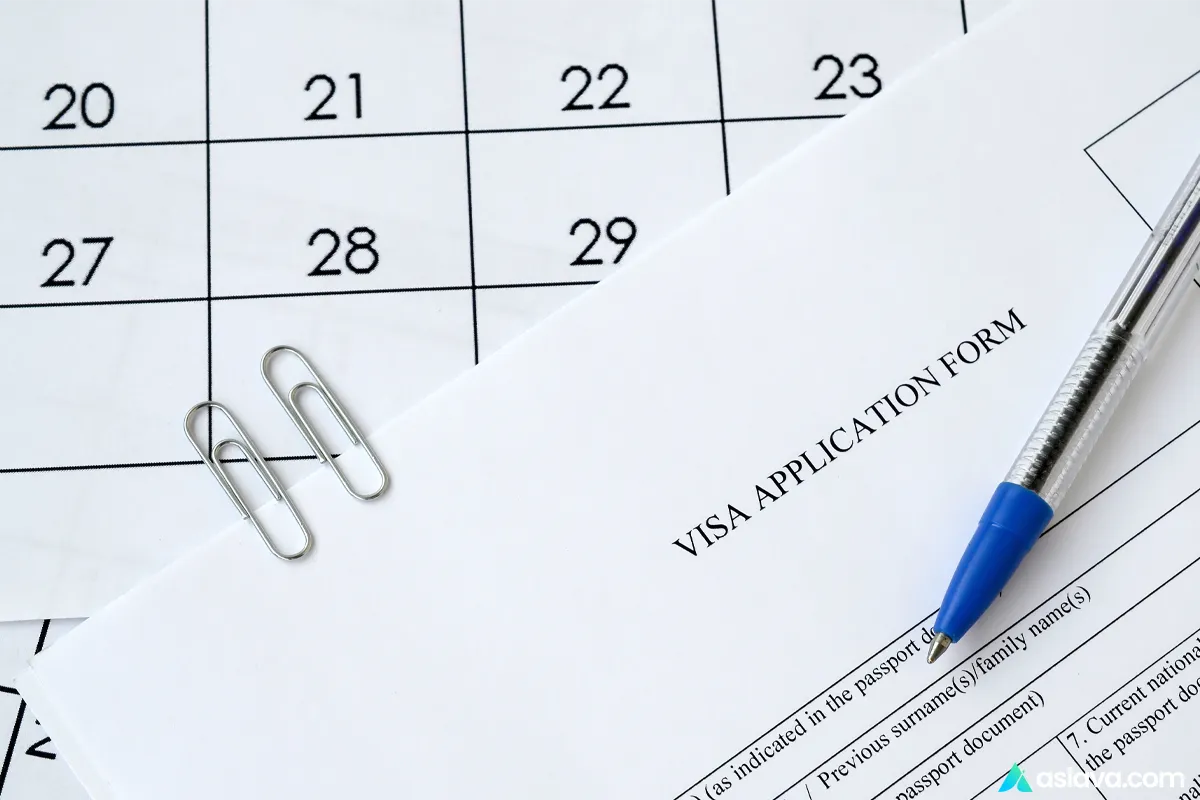
Most travelers need a visa to enter Vietnam. You cannot get it on arrival without pre-approval, so apply at least ten days before your trip. The e-visa system allows for stays up to 90 days with single or multiple entries, costing $25-50 depending on your needs.
Best Time to Visit Vietnam
Vietnam’s climate varies significantly by region:
- Northern Vietnam (Hanoi, Sapa, Ha Long Bay): Best from March to May and September to November for pleasant temperatures and clear skies.
- Central Vietnam (Hoi An, Da Nang, Hue): Most enjoyable from February to July when rainfall is lower and temperatures are moderate.
- Southern Vietnam (Ho Chi Minh City, Mekong Delta): Ideal from December to April during the dry season with less humidity.
Currency and Budget
The Vietnamese Dong (VND) is the local currency. Vietnam is incredibly affordable, with street food meals costing $1-3, comfortable accommodations from $20-50 per night, and domestic flights between major cities for $30-60. A daily budget of $30-50 will go a long way for budget travelers.
Travel Insurance
Never travel to Vietnam without insurance. From unexpected medical emergencies to motorbike accidents or trip interruptions, having comprehensive coverage provides essential peace of mind during your journey.
Best Places to Visit in Northern Vietnam
Northern Vietnam captivates with its dramatic landscapes, rich cultural heritage, and vibrant city life. From the chaotic charm of Hanoi to the serene beauty of Ha Long Bay, this region offers some of Vietnam’s most iconic experiences.
1. Hanoi
Vietnam’s capital is a fascinating blend of French colonial architecture, ancient temples, and vibrant street life. The Old Quarter’s narrow streets buzz with activity as vendors sell everything from fresh produce to handcrafted souvenirs. Don’t miss the iconic Hanoi Train Street, where cafes line a narrow railway that sees trains passing just inches from buildings several times daily.
Key attractions: Hoan Kiem Lake, Temple of Literature, Ho Chi Minh Mausoleum, Hanoi Train Street, and the Women’s Museum. The food scene is exceptional – try pho bo (beef noodle soup) for breakfast and egg coffee at a local cafe.
Best time to visit: October to December and March to April offer pleasant temperatures and less rainfall.
Recommended stay: 3-4 days, including day trips to nearby attractions.
2. Ha Long Bay
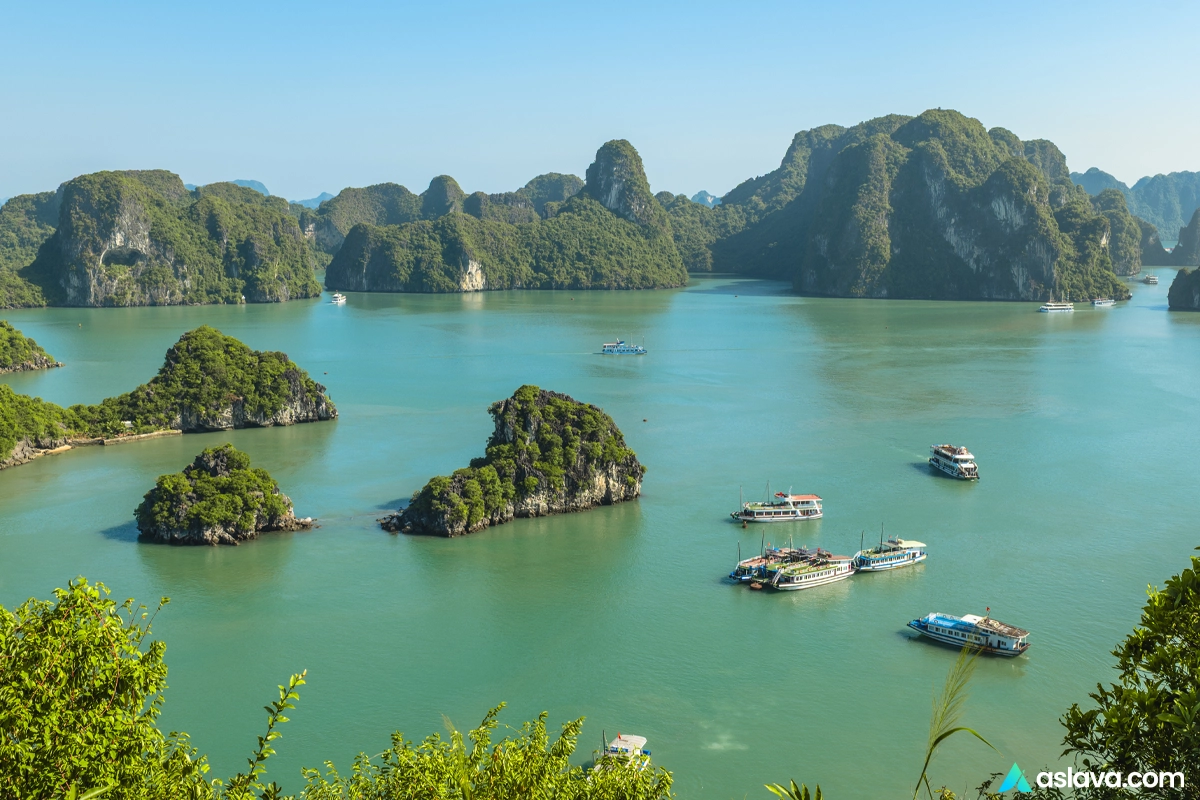
This UNESCO World Heritage Site is one of Vietnam’s most spectacular natural wonders. Over 1,600 limestone islands and islets rise dramatically from emerald waters, creating a seascape of breathtaking beauty. The best way to experience Ha Long Bay is on an overnight cruise, which allows you to explore hidden caves, kayak through floating villages, and witness stunning sunsets over the karsts.
Insider Tip: For a less crowded experience, consider visiting Lan Ha Bay instead. It features similar limestone formations but with fewer tourists and cleaner waters.
Key attractions: Sung Sot Cave, Ti Top Island viewpoint, Luon Cave, and kayaking through hidden lagoons.
Best time to visit: April to June and September to November for clear skies and pleasant temperatures.
Recommended stay: 2-3 days on a cruise.
3. Sapa
Nestled in the Hoang Lien Son Mountains, Sapa enchants visitors with its terraced rice fields, mist-covered valleys, and colorful ethnic minority villages. This former French hill station offers some of Vietnam’s best trekking opportunities, allowing you to connect with local Hmong and Red Dao communities while enjoying spectacular mountain scenery.
Key attractions: Fansipan Mountain (Indochina’s highest peak), Cat Cat Village, Ta Phin Village, Love Waterfall, and Silver Waterfall.
Best time to visit: September to November for golden rice terraces or March to May for pleasant hiking weather.
Recommended stay: 3-4 days to allow for trekking and village visits.
4. Ninh Binh
Often called “Ha Long Bay on land,” Ninh Binh offers a magical landscape of limestone karsts rising from rice paddies rather than water. This hidden gem is just a few hours from Hanoi but feels worlds away from the city’s chaos. Take a boat ride through Tam Coc or Trang An, where local rowers use their feet to navigate through caves and past ancient temples.
Key attractions: Trang An Grottoes, Tam Coc boat ride, Mua Cave viewpoint (with 500 steps leading to a panoramic view), Bich Dong Pagoda, and Hoa Lu Ancient Capital.
Best time to visit: May to June when the rice fields are lush green or September to October during harvest season.
Recommended stay: 2 days, ideally with an overnight stay to experience the countryside atmosphere.
Best Places to Visit in Central Vietnam
Central Vietnam blends stunning beaches, historic towns, and cultural treasures. This region is home to some of the country’s most beloved destinations, from the lantern-lit streets of Hoi An to the imperial grandeur of Hue.
5. Hoi An
This UNESCO-protected ancient trading port is perhaps Vietnam’s most charming destination. Walking through Hoi An’s car-free old town feels like stepping back in time, with its well-preserved merchant houses, assembly halls, and iconic Japanese Covered Bridge. As night falls, hundreds of colorful lanterns illuminate the streets, creating a magical atmosphere that captivates all visitors.
Key attractions: Japanese Covered Bridge, Ancient Town, lantern-making workshops, Tan Ky Ancient House, and nearby An Bang Beach.
Don’t Miss: Have custom clothing made by Hoi An’s skilled tailors. From suits to dresses, you can get high-quality, personalized garments at a fraction of Western prices.
Best time to visit: February to April when rainfall is low and temperatures are moderate.
Recommended stay: 3-4 days to explore the town, beaches, and nearby attractions.
6. Hue
Vietnam’s former imperial capital is steeped in history and royal grandeur. The massive Imperial Citadel, once home to the Nguyen Dynasty emperors, stands as a testament to Vietnam’s royal past. Beyond the citadel, Hue offers ornate royal tombs scattered throughout the countryside, delicious royal cuisine, and a peaceful atmosphere along the Perfume River.
Key attractions: Imperial Citadel, Thien Mu Pagoda, Royal Tombs (especially Tu Duc and Khai Dinh), Dong Ba Market, and boat trips on the Perfume River.
Best time to visit: January to April for dry weather and comfortable temperatures.
Recommended stay: 2 days to explore the main historical sites.
7. Da Nang
This rapidly developing coastal city offers the perfect blend of beach relaxation and cultural exploration. With its clean, palm-fringed beaches, world-class resorts, and proximity to both Hoi An and Hue, Da Nang serves as an ideal base for exploring central Vietnam. The city itself has become famous for its Dragon Bridge, which breathes fire and water on weekend evenings.
Key attractions: My Khe Beach, Marble Mountains, Ba Na Hills with the Golden Bridge, Dragon Bridge, and Lady Buddha statue.
Best time to visit: February to May for beach weather before the summer heat intensifies.
Recommended stay: 2-3 days, more if using it as a base to explore the region.
8. Phong Nha-Ke Bang National Park
Home to some of the world’s largest and most spectacular caves, this UNESCO-listed national park is a paradise for adventure seekers. The park contains over 300 caves formed by limestone karsts, including Son Doong, the world’s largest cave. While Son Doong requires advance booking and a significant budget, other caves like Paradise Cave and Phong Nha Cave are more accessible and equally impressive.
Key attractions: Paradise Cave, Phong Nha Cave, Dark Cave (with mud baths and zip-lining), and the Botanical Gardens.
Best time to visit: February to August, avoiding the rainy season when caves can flood.
Recommended stay: 2-3 days to explore multiple caves and enjoy the park’s biodiversity.
Best Places to Visit in Southern Vietnam
Southern Vietnam offers a different experience with its bustling metropolis, lush delta, and tropical islands. The region’s warmer climate, distinctive cuisine, and relaxed atmosphere provide a perfect contrast to the north.
9. Ho Chi Minh City (Saigon)
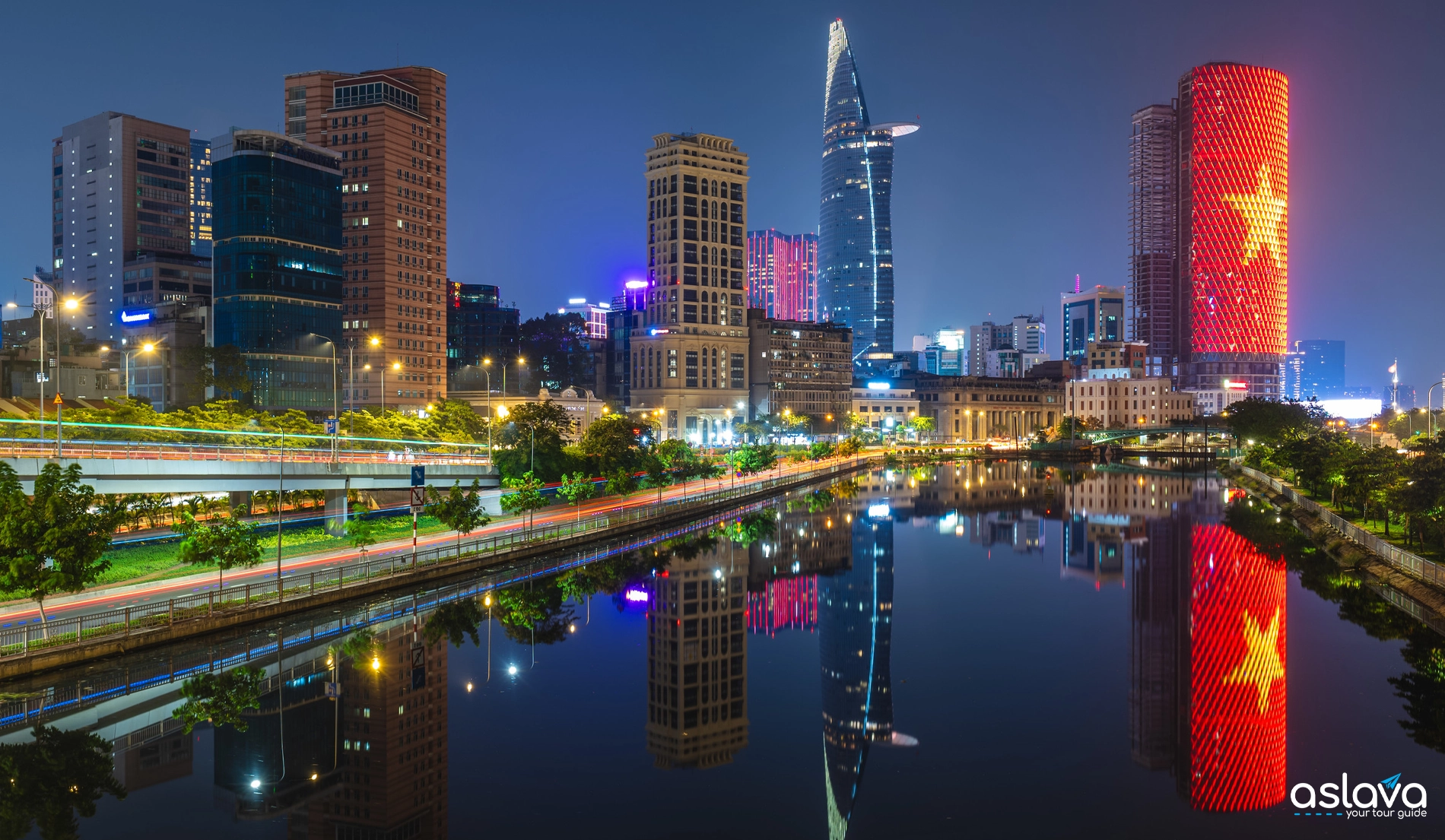
Vietnam’s largest city pulses with energy and entrepreneurial spirit. Formerly known as Saigon, Ho Chi Minh City blends French colonial architecture with sleek skyscrapers, creating a dynamic urban landscape. The city offers excellent museums that provide insights into Vietnam’s complex history, bustling markets, and a thriving food scene that ranges from street food to high-end restaurants.
Key attractions: War Remnants Museum, Reunification Palace, Notre Dame Cathedral, Central Post Office, Ben Thanh Market, and Bitexco Financial Tower for city views.
Best time to visit: December to April during the dry season.
Recommended stay: 2-3 days, with potential day trips to the Cu Chi Tunnels.
10. Mekong Delta
Known as Vietnam’s “rice bowl,” the Mekong Delta is a vast maze of rivers, swamps, and islands where life revolves around the water. This fertile region produces abundant rice, fruits, and vegetables that feed the nation. A boat tour through the delta reveals floating markets, orchards, and the traditional rural lifestyle of southern Vietnam.
Key attractions: Cai Rang Floating Market (Can Tho), Vinh Trang Pagoda, fruit orchards, and homestays in rural villages.
Insider Tip: Stay overnight in Can Tho to visit the Cai Rang Floating Market early in the morning when it’s most active and before tour groups arrive.
Best time to visit: November to February when the weather is cooler and drier.
Recommended stay: 2-3 days to explore different parts of the delta.
11. Phu Quoc Island
Vietnam’s largest island offers idyllic beaches, clear waters, and a laid-back atmosphere that’s perfect for relaxation after exploring the mainland. Once a sleepy backwater, Phu Quoc has developed rapidly in recent years, with luxury resorts alongside traditional fishing villages. Despite the development, much of the island remains covered in dense tropical forest protected as a national park.
Key attractions: Sao Beach, Ong Lang Beach, Phu Quoc National Park, pepper farms, fish sauce factories, and the world’s longest over-sea cable car.
Best time to visit: November to March for dry weather and calm seas.
Recommended stay: 3-5 days for beach relaxation and island exploration.
12. Mui Ne
This coastal resort town is famous for its stunning sand dunes that create an almost desert-like landscape along Vietnam’s coast. Once a sleepy fishing village, Mui Ne has become a popular destination for kitesurfing and windsurfing due to its consistent winds. The combination of water sports, unique natural attractions, and a laid-back vibe makes Mui Ne a favorite among travelers seeking something different.
Key attractions: White Sand Dunes, Red Sand Dunes, Fairy Stream, Fishing Village, and kitesurfing beaches.
Best time to visit: November to April during the dry season, with the best winds for kitesurfing between November and March.
Recommended stay: 2-3 days to explore the dunes and try water sports.
Unique Experiences You Shouldn’t Miss in Vietnam
Beyond the destinations themselves, Vietnam offers several distinctive experiences that will make your trip truly memorable. Here are some activities you shouldn’t miss:
Culinary Adventures
Vietnamese cuisine is one of the world’s most delicious and diverse. Take a cooking class to learn how to prepare dishes like pho, banh mi, and fresh spring rolls. Join a street food tour in Hanoi or Ho Chi Minh City to discover hidden culinary gems with a knowledgeable guide who can explain the cultural significance of each dish.
Motorbike Adventures
For the adventurous, exploring Vietnam by motorbike offers unparalleled freedom and access to off-the-beaten-path locations. The Ha Giang Loop in the far north is considered one of the world’s most spectacular motorcycle routes, taking you through ethnic minority villages and breathtaking mountain passes. If you’re not comfortable driving yourself, you can hire a driver with an “Easy Rider” tour.
Coffee Culture
Vietnam has a unique and vibrant coffee culture. Try the famous egg coffee (cà phê trứng) in Hanoi, a creamy concoction of coffee topped with whipped egg yolk and condensed milk. In Ho Chi Minh City, experience the trendy cafe scene with innovative brews and stylish settings. For something different, sample weasel coffee (cà phê chồn), one of the world’s most expensive coffee varieties.
Traditional Performances
Water puppetry is a uniquely Vietnamese art form dating back to the 11th century. Originally performed in flooded rice fields, these shows depict rural life and Vietnamese folklore. The Thang Long Water Puppet Theatre in Hanoi offers excellent performances. In Hue, you can experience royal court music, a UNESCO-recognized intangible cultural heritage.
Practical Tips for Traveling in Vietnam
Transportation
Getting around Vietnam is relatively easy and affordable:
- Domestic flights: The quickest way to cover long distances, with frequent connections between major cities starting around $30-60.
- Trains: The north-south railway offers a scenic way to travel, with overnight sleeper options available.
- Buses: Extensive networks connect most destinations, with comfortable sleeper buses for longer journeys.
- Grab: This ride-hailing app works in major cities and is more reliable than traditional taxis.
- Motorbike taxis: Called “xe om,” these are convenient for short distances in cities.
Safety Tips
Vietnam is generally a safe country for travelers, but it’s wise to take some precautions:
- Watch for motorbikes when crossing streets – walk slowly and steadily so drivers can predict your movement.
- Keep valuables secure, especially in crowded areas where pickpocketing can occur.
- Use reputable companies for tours and transportation to avoid scams.
- Drink bottled water and be cautious with street food – follow locals to find the best and safest options.
- Learn basic Vietnamese phrases – locals appreciate the effort and it can help in situations where English isn’t spoken.
Cultural Etiquette
Respecting local customs will enhance your experience and interactions:
- Dress modestly when visiting temples and religious sites (cover shoulders and knees).
- Remove shoes when entering someone’s home or certain temples.
- Ask permission before taking photos of people, especially in rural areas.
- Use both hands when giving or receiving something from an elder.
- Avoid public displays of affection, which are generally not common in Vietnamese culture.
Packing Tip: Vietnam’s climate varies dramatically from north to south and by season. Pack layers that can be added or removed, especially if you’re traveling between regions. Don’t forget rain gear during the wet season and sun protection year-round.
Sample Vietnam Itineraries
Depending on how much time you have, here are some suggested itineraries to help you make the most of your Vietnam adventure:
1-Week Highlights
- Days 1-2: Hanoi & day trip to Ninh Binh
- Days 3-4: Ha Long Bay overnight cruise
- Days 5-7: Hoi An & Da Nang
Perfect for first-time visitors with limited time who want to experience Vietnam’s most iconic destinations.
2-Week Classic Route
- Days 1-3: Hanoi
- Days 4-5: Ha Long Bay cruise
- Days 6-7: Hue
- Days 8-10: Hoi An & Da Nang
- Days 11-14: Ho Chi Minh City & Mekong Delta
A comprehensive journey covering Vietnam’s essential destinations from north to south.
3-Week In-Depth Exploration
- Days 1-3: Hanoi
- Days 4-6: Sapa trekking
- Days 7-8: Ha Long Bay cruise
- Days 9-10: Ninh Binh
- Days 11-12: Phong Nha caves
- Days 13-14: Hue
- Days 15-17: Hoi An & Da Nang
- Days 18-21: Ho Chi Minh City, Cu Chi Tunnels & Mekong Delta
The ultimate Vietnam experience, allowing time to explore beyond the main tourist trail.
Final Thoughts on Visiting Vietnam
Vietnam offers an incredible diversity of experiences that will captivate every type of traveler. From the misty mountains of the north to the tropical beaches of the south, from bustling cities to serene countryside, this country rewards visitors with unforgettable memories and warm hospitality.
The best places to visit in Vietnam aren’t just about stunning landscapes or historic sites – they’re about the connections you’ll make with local people, the flavors you’ll discover, and the moments of wonder as you experience a culture so rich and vibrant. Whether you’re sipping coffee in a Hanoi cafe, cruising through limestone karsts in Ha Long Bay, or wandering through lantern-lit streets in Hoi An, Vietnam has a way of capturing your heart and leaving you eager to return.
With careful planning and an open mind, your journey through Vietnam will be one of your most rewarding travel experiences. Embrace the adventure, savor every moment, and allow yourself to be transformed by this remarkable country.