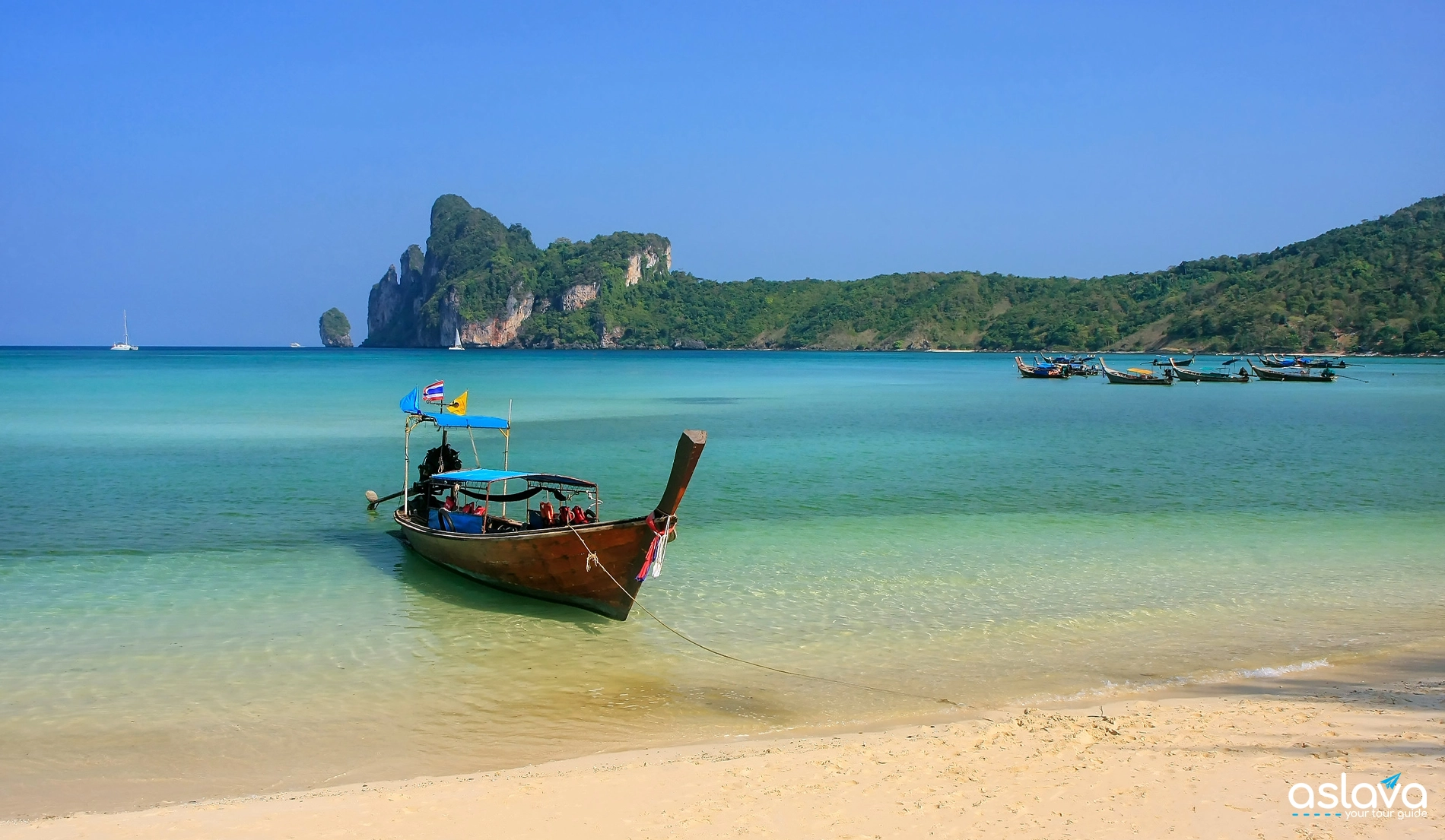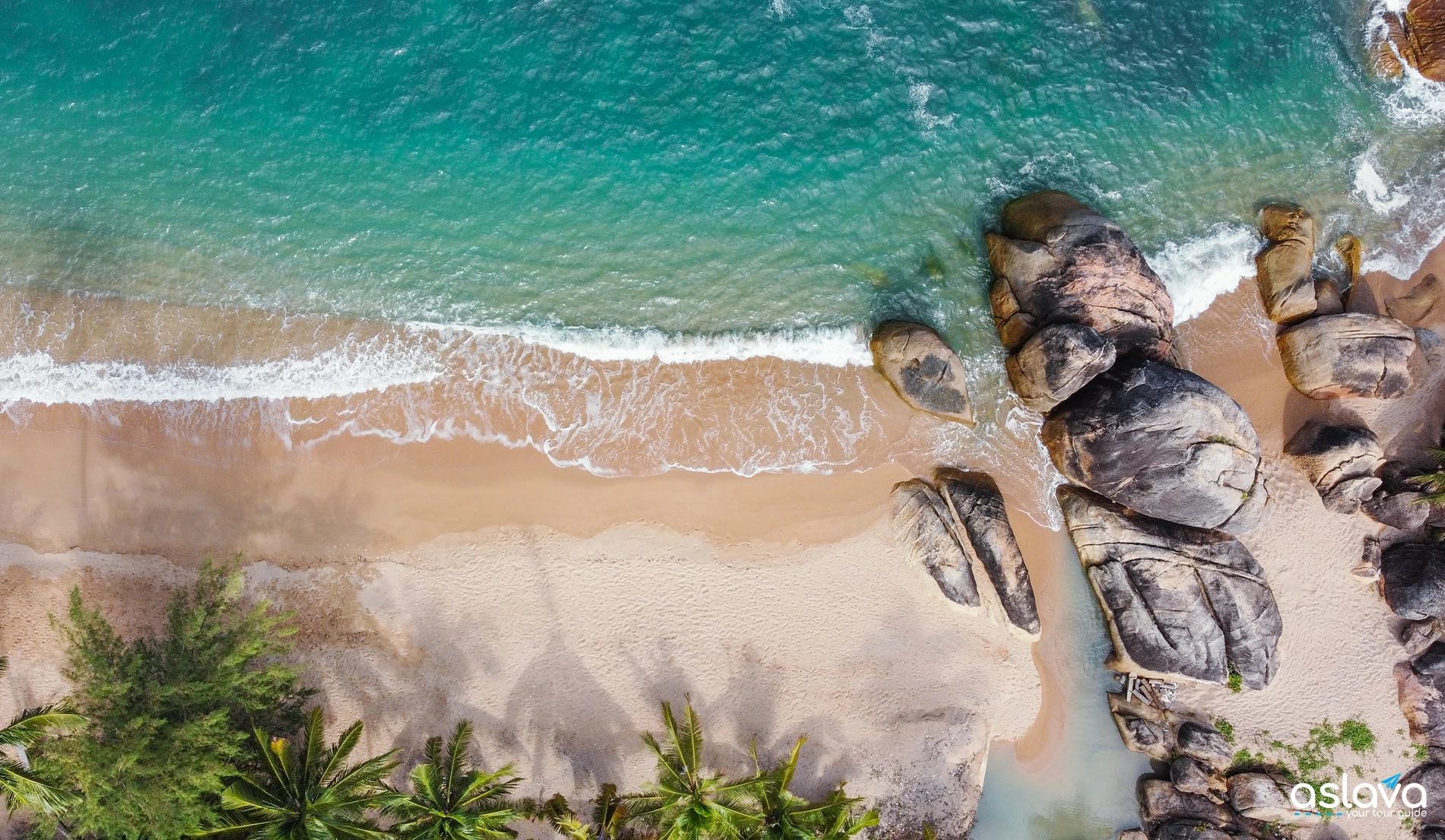
Koh Samui, Thailand‘s second-largest island, combines natural beauty, cultural depth, and modern comforts that attract travelers from around the world. From white-sand beaches and turquoise bays to sacred temples and jungle waterfalls, the island offers experiences for every type of visitor—whether they want relaxation, adventure, or cultural immersion.
Having been explored repeatedly by experienced travelers, this updated travel guide compiles key insights to help visitors plan a memorable trip. Inside, readers will find concise recommendations on the best places to visit in Koh Samui, practical transportation advice, and suggested day-trip itineraries.
Readers can start by choosing highlights that match their priorities, then use the practical guidance and timing recommendations to book the right tours and accommodations. When ready to plan, suggested itineraries and recommended tours further simplify decisions, especially during high season when booking ahead is essential.
Map of the Best Places to Visit in Koh Samui
Travelers can rely on interactive maps to plan routes around Koh Samui—clicking pins to view details, saving favorite spots, and exporting waypoints to navigation apps. Creating layers for beaches, temples, viewpoints, and departure points helps visualize logistics clearly.
Tip: Before traveling, it is wise to check each pin for opening hours and seasonal access, as some locations occasionally experience limited hours or temporary closures.
Stunning Beaches in Koh Samui
Koh Samui is renowned for its diverse beaches—some lively and energetic, others calm and secluded. Each offers a distinct personality, from nightlife-lined shores to peaceful coves ideal for families.
1. Chaweng Beach
Best for: Nightlife, dining, water sports
Facilities: Lifeguards in places, restaurants, shops, massage stands
Transport: Songthaews and taxis along the ring road
Quick tip: For quieter ambience, mornings and the northern/southern ends are best
Chaweng stretches several kilometers and remains the island’s hub of tourism. Powdery white sands and turquoise waters appeal to swimmers and watersports lovers, while evenings transform into bustling nightlife scenes with beach bars, restaurants, and fire shows. Crowds are common in peak season, so early visits provide calmer experiences.
Those wanting to stay close to entertainment often base themselves here, while travelers seeking more peace may prefer quieter ends of the beach.
2. Lamai Beach
Best for: Balanced atmosphere
Facilities: Restaurants, bars, small shopping zones
Transport: Songthaews and taxis
Quick tip: The granite boulder area at the southern end is especially scenic at sunset
Lamai offers a laid-back feel while still supplying conveniences, slightly quieter than Chaweng yet active enough for enjoyable evenings. Calm waters and easy access to amenities make it a great base, especially for families.
3. Silver Beach (Crystal Bay)
Best for: Snorkeling, couples
Facilities: Small resorts, beach restaurants
Quick tip: Arriving early helps avoid mid-morning crowds
Silver Beach is a small, intimate cove framed by boulders and calm, clear water. Its compact size means it fills quickly, but early arrivals enjoy serenity and excellent snorkeling conditions.
4. Maenam Beach
Best for: Families, peaceful sunsets
Facilities: Local restaurants, hotels, shallow waters
Located along the northern coast, Maenam is calm and affordable, with relaxing sunset views toward Koh Phangan. It suits families, budget travelers, and anyone preferring tranquility.
5. Lipa Noi Beach
Best for: Seclusion, children, sunsets
On the west coast, Lipa Noi features gently sloping shallow water and peaceful surroundings, making it excellent for families and sunset watchers. Dining is limited, so planning ahead helps.
General beach tips: sheltered coves like Silver Beach are ideal for snorkeling, while Chaweng and Lamai provide nightlife and street food. Travelers should monitor local advisories regarding currents and jellyfish and consider the presence of lifeguards when swimming.
Cultural and Religious Sites
Koh Samui’s temples reveal its spiritual identity, showcasing Buddhist traditions and Chinese influences shaping local heritage.
6. Big Buddha Temple (Wat Phra Yai)
Recommended visit: 30–60 minutes
Best timing: Morning or late afternoon
The 12-meter golden Buddha is one of Koh Samui’s most iconic sights. Steps lead to scenic coastal views, and respectful dress is required. Entrance is free, with donations appreciated.
7. Wat Plai Laem
Located nearby, Wat Plai Laem blends Thai and Chinese design, featuring an 18-armed Guanyin and a laughing Buddha. Visitors often enjoy strolling around the lakeside paths.
8. Guan Yu Shrine
This shrine highlights Koh Samui’s Chinese heritage, honoring the legendary general Guan Yu. A small museum explains the Chinese community’s historical influence on the island.
9. Wat Khunaram (Mummified Monk)
Wat Khunaram is known for housing the preserved body of monk Luang Pho Daeng. Visitors treat the site with reverence and cultural respect.
Final temple etiquette: shoulders and knees should be covered, shoes removed when required, voices kept low, and photography should always respect worshippers.
Natural Wonders and Viewpoints
Koh Samui’s jungle interior provides waterfalls, viewpoints, and rugged adventures.
10. Na Muang Waterfalls
Na Muang 1 offers easy access and a refreshing pool, while Na Muang 2 rewards hikers with scenic cascades. Trails can be slippery, making sturdy footwear important.
Ethical note: Animal tourism nearby is best avoided unless verified ethical sanctuaries are involved.
11. Overlap Stone Viewpoint
Famous for panoramic photos, Overlap Stone sits above dramatic jungle and sea views. Roads can be steep, and 4WD vehicles are recommended in wet weather.
12. Secret Buddha Garden
This hillside sculpture garden contains mystical stone figures surrounded by nature. Access roads are steep, so guided trips are often preferred.
13. Lad Koh Viewpoint
A simple, free viewpoint offering sweeping coastline views—perfect for quick stops.
Unforgettable Day Trips
Some of the finest experiences around Koh Samui lie offshore.
14. Ang Thong National Marine Park
A full-day excursion reveals emerald lagoons, limestone islands, snorkeling sites, and iconic viewpoints. Visitors are encouraged to respect marine protection rules.
15. Koh Tao & Koh Nang Yuan
Known for world-class snorkeling and beginner diving, Koh Tao and nearby Koh Nang Yuan offer crystal-clear water, coral reefs, and postcard scenery.
Getting Around Koh Samui
The ring road connects most key attractions.
Scooter rental is affordable and flexible but requires caution.
Car rental is comfortable and safer for families.
Songthaews provide cheap shared transport.
Taxis are convenient but relatively expensive.
Best Time to Visit
December–April: Best weather, busiest season
March–August: Hot with fewer crowds
September–November: Rainy but lush, quieter, and budget-friendly
Where to Stay
Chaweng – nightlife and convenience
Lamai – balanced atmosphere
Bophut/Fisherman’s Village – boutique charm
Maenam – family friendly and affordable
Choeng Mon – quiet luxury
Lipa Noi / Taling Ngam – secluded sunsets
Final Thoughts
Koh Samui offers lively beaches, cultural depth, jungle adventures, and spectacular nearby islands. Travelers who mix beach time, temple visits, and at least one island excursion experience the best of the island. Responsible travel—reef-safe sunscreen, ethical wildlife choices, and respect for cultural norms—helps preserve its beauty.
Frequently Asked Questions
How many days are needed?
At least 3–4 days for highlights; 5–7 for a relaxed visit with day trips.
Best way to get there?
Flying into Samui Airport is fastest. Surat Thani + ferry is cheaper.
Is Koh Samui expensive?
Generally pricier than some Thai islands, though bargains exist.
Koh Samui vs Koh Phangan vs Koh Tao?
Samui = convenience and development
Phangan = relaxed with occasional festivals
Tao = diving paradise
What to pack?
Light clothes, reef-safe sunscreen, insect repellent, temple-appropriate attire, medications.