Sacred Wonders: Bangkok’s Temples and Palaces
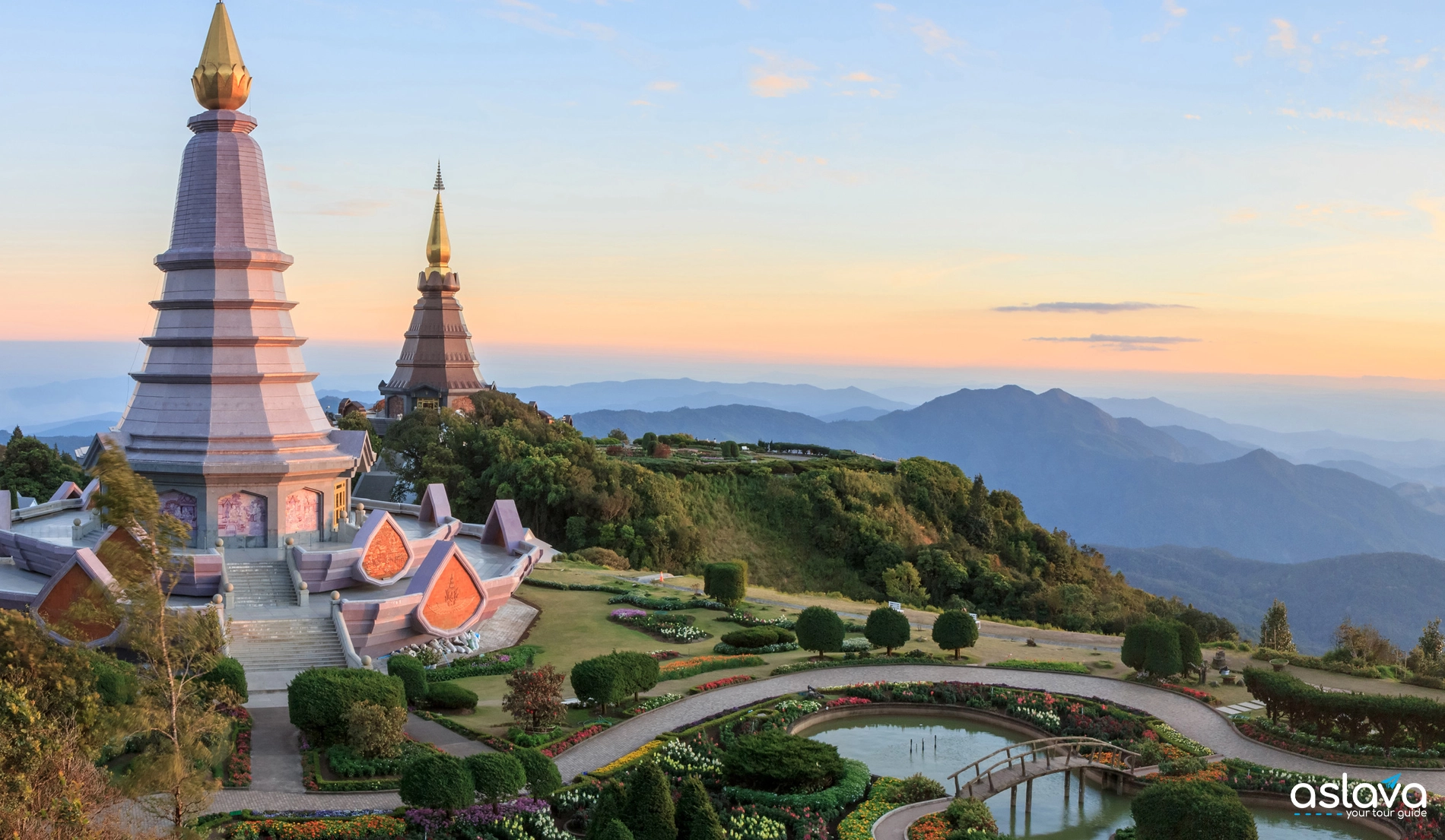
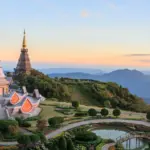
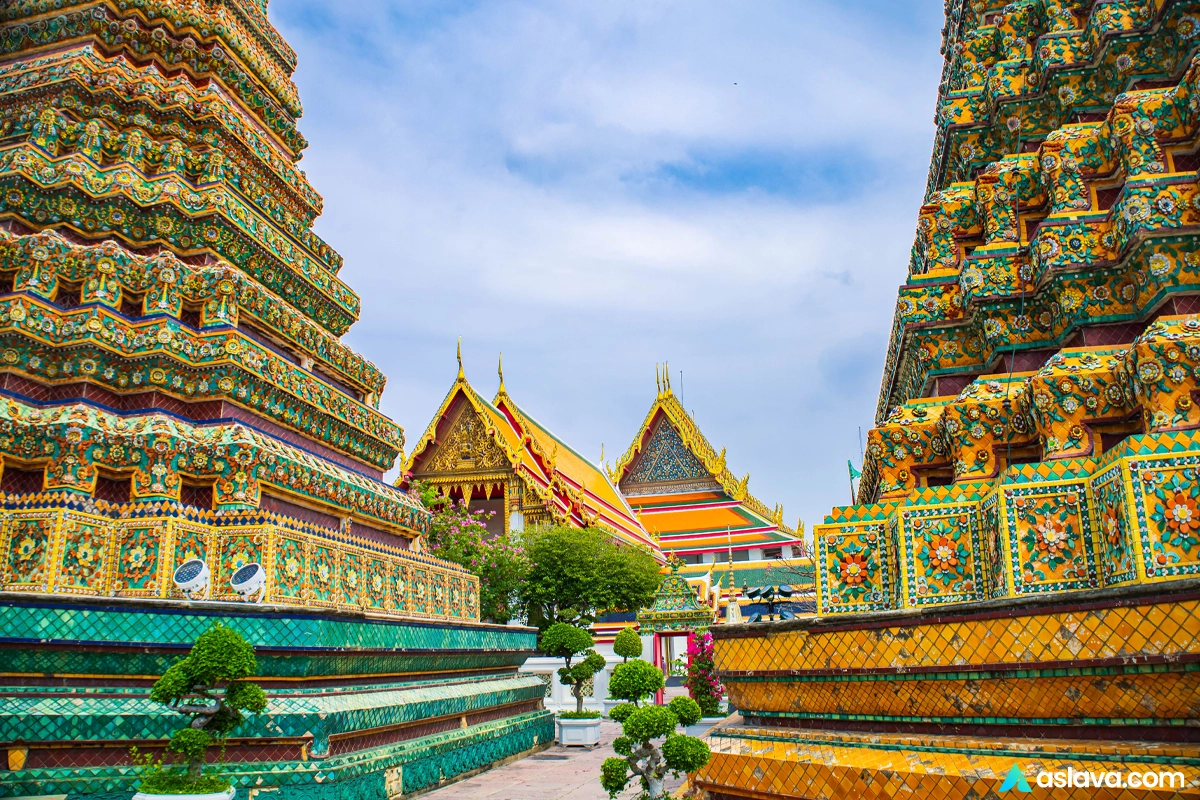
Bangkok’s spiritual landscape is defined by magnificent temples (wats) and royal palaces that showcase exquisite craftsmanship and deep cultural meaning. Moreover, these sacred sites offer visitors a direct window into Thailand’s Buddhist traditions and royal history, with intricate gold leaf, porcelain mosaics, and soaring spires that punctuate the city skyline.
The Grand Palace & Wat Phra Kaew: Bangkok’s Crown Jewel
The Grand Palace is Bangkok’s most iconic landmark and, historically, the spiritual heart of the kingdom. Built in the late 18th century, this sprawling complex served as the royal residence and center of court life for generations. Inside, Wat Phra Kaew (the Temple of the Emerald Buddha) houses Thailand’s most venerated Buddha image—an intricately carved jade statue whose seasonal royal vesting remains a deeply symbolic ritual.
Quick tips
- Dress code is strictly enforced—cover shoulders and knees.
- Arrive early (8:30–10:00 AM) to avoid heat and crowds.
- Allow at least 1.5–2 hours to tour the complex thoroughly.
Highlights of the Grand Palace
- Emerald Buddha – The sacred 66cm jade image (historic provenance often cited back centuries)
- Chakri Maha Prasat Hall – A striking blend of Thai and European styles
- Phra Mondop – The ornate royal library
- Golden Chedi – A gleaming reliquary chedi containing sacred relics
- Demon Guardians – Colorful yaksha statues guarding the precincts
- Murals – Painted galleries illustrating the Ramakian (Thai Ramayana)
Visitor Information
- Location: Na Phra Lan Road, Old City (Rattanakosin) district
- Hours: Typically open in the morning to mid-afternoon—check current hours before visiting
- Entrance fee: Listed historically at 500 baht—confirm current price in advance
- Getting there: Chao Phraya Express Boat to Tha Chang pier or taxi/tuk-tuk
- Best photo tip: Visit early for soft light on the gilded surfaces
Wat Pho: Home of the Reclining Buddha
Located just south of the Grand Palace, Wat Pho (Wat Phra Chetuphon) is one of the city’s oldest and largest temple complexes. Most visitors come to see the colossal Reclining Buddha—a gold-plated statue measuring roughly 46 meters long and 15 meters high that depicts the Buddha entering nirvana. In addition, Wat Pho is celebrated as the birthplace of traditional Thai massage and operates a respected massage school on-site.
What to see at Wat Pho
- Reclining Buddha – Impressive gilt statue with mother-of-pearl inlaid feet
- 108 Bronze Bowls – Make a small offering for good fortune
- Four Chapels – Hundreds of gilded Buddha images in different postures
- Stone Giants – Chinese statues originally brought as ship ballast
- Massage Pavilion – Authentic Thai massage taught and practised here
- Bodhi Trees – Sacred trees grown from original cuttings
Practical tips
- Location: 2 Sanamchai Road, Grand Palace precinct
- Hours: Commonly open early morning until early evening—confirm current schedule
- Entrance fee: Historically around 200 baht—verify before you go
- Thai massage: Expect local rates (e.g., 30–60 minute sessions) and book early on busy days
- Respect: Speak quietly and be mindful of worshippers during photography
Wat Arun: The Temple of Dawn
Standing on the western bank of the Chao Phraya River, Wat Arun (Temple of Dawn) presents one of Bangkok’s most recognizable silhouettes. Named for Aruna, the Indian god of dawn, the temple’s centerpiece is a tall Khmer-style central prang decorated with colorful porcelain and seashells that catch the light. Consequently, visitors often time their visit for late afternoon or sunset to see the prang glow against the river.
Key features
- Central Prang – Steep steps lead to rewarding river views
- Four Corner Prangs – Symbolic guardian prangs at the cardinal points
- Porcelain Mosaics – Decorative patterns made from broken Chinese ceramics
- Ordination Hall – Houses a significant golden Buddha image
- Guardian Statues – Mythical figures and Chinese stone warriors
Visitor information
- Location: 158 Thanon Wang Doem, west bank of the Chao Phraya River
- Hours: Often open from morning until early evening—check current times
- Entrance fee: Historically modest—confirm current rate
- Getting there: Short cross-river ferry from Tha Tien pier (small fee)
- Best views: From the east bank at sunset when the temple is illuminated
- Climbing tip: Steps are steep—wear sturdy shoes and take care
Wat Saket (Golden Mount): Panoramic City Views
Rising from an artificial hill in the old city, Wat Saket—known as the Golden Mount—rewards those who climb its 344 steps with sweeping 360-degree views of Bangkok. Originally built during the Ayutthaya period and later enhanced in the Rattanakosin era, the summit houses a gold-covered chedi containing a Buddha relic. For a tranquil city panorama, plan your visit for early morning or at sunset.
What to experience
- Panoramic Views – Great vantage for skyline photography
- Prayer Bells – Ring the bells circling the chedi for a traditional ritual
- Buddha Relic – Enshrined within the golden chedi
- Lush Gardens – A peaceful approach with planted terraces
- Annual Festival – Visit during Loy Krathong (November) for special events
Visitor tips
- Location: Between Boriphat Road and Lan Luang Road, near Khao San Road
- Hours: Typically open early morning until evening—confirm current schedule
- Entrance fee: Usually nominal—check the latest fee before arrival
- Best time: Early morning for cool air or sunset for dramatic light
- Climbing: Steps are gradual with rest spots—suitable for most visitors
- Photography: A wide-angle lens helps capture the full panorama
Markets and Shopping: Bangkok’s Retail Therapy
Bangkok’s shopping scene stretches from ultra-modern malls to lively street markets, and these places are as much cultural experiences as retail destinations. Moreover, you’ll find that haggling is expected at many stalls, while elsewhere fixed prices and luxury brands coexist. In short, the city’s markets are a great way to observe local life, sample famous street food, and discover unique crafts that reflect Thailand’s creative energy.
Chatuchak Weekend Market: The Ultimate Shopping Experience
With thousands of stalls spread across a vast area, Chatuchak Weekend Market (or “JJ Market”) stands as one of the world’s most extensive weekend markets. Consequently, it draws huge weekend crowds and offers everything from vintage clothing and handcrafted furniture to plants and contemporary art. To make the most of your visit, plan ahead and focus on a few sections rather than trying to see everything in a single trip.
How to navigate Chatuchak
What to shop for
- Thai Handicrafts – Handwoven textiles, ceramics, and wood carvings
- Fashion – Vintage finds, local designers, and budget-friendly trends
- Home Décor – Traditional Thai furniture and modern pieces
- Art – Galleries and emerging artists in selected sections
- Plants & Gardening – Exotic species and beautiful planters
- Collectibles – Antiques, vinyl records, and nostalgia items
Survival tips
- Location: Kamphaeng Phet 2 Road, adjacent to Chatuchak Park
- Hours: Peak activity Saturday–Sunday; Friday night market opens later—confirm current times
- Getting there: BTS to Mo Chit or MRT to Chatuchak Park station
- Navigation: Use the Chatuchak map app or grab a paper map at the entrances
- Haggling: Polite bargaining is normal—start lower and meet halfway
- Beat the heat: Arrive early, stay hydrated, and take breaks in air-conditioned areas
Chinatown (Yaowarat): A Feast for the Senses
By day, Yaowarat’s alleys are filled with gold shops, herbal stores, and wholesale traders; by night, the main thoroughfare transforms into a celebrated street food corridor. Meanwhile, neon-lit stalls serve Chinese-Thai specialties that have earned Bangkok a global reputation for food. For adventurous eaters, Chinatown is a must-visit place to sample bold flavors and unique treats.
Must-see spots
- Yaowarat Road – The bustling main street known for its food and gold shops
- Sampeng Lane – Packed wholesale alley selling fabrics and small goods
- Wat Traimit – Home to the large solid-gold Buddha image
- Trok Issaranuphap – Local food alley with seasonal specialties
- Soi Nana – Trendy bars and creative venues in renovated shophouses
- Talat Kao – Historic market lively during festivals
Food highlights
- Seafood – Grilled and wok-fried seafood stalls along Yaowarat
- Kuay Jab – Rice noodle rolls in peppery pork broth
- Dim Sum – Traditional dumplings and small plates
- Kway Teow – Stir-fried noodles with seafood or pork
- Durian – Try the king of fruits at select stalls
- Chinese Desserts – Tofu puddings, sesame dumplings, and herbal drinks
Khao San Road: Backpacker Central
Khao San Road has become synonymous with backpacker life, and for good reason: this compact street packs budget hostels, lively bars, travel agencies, and countless stalls. However, while it offers a fun, international vibe, it’s not the best place for bargain haggling compared to local markets—prices here tend to be higher, so treat it as an experience more than a shopping bargain hunt.
Khao San experiences
- Street Food – Pad Thai, mango sticky rice, and late-night snacks
- Shopping – Souvenirs, T-shirts, and travel gear (expect higher prices)
- Nightlife – Open-air bars and live music for budget-friendly nights out
- People-Watching – A global mix of travelers and backpackers
- Thai Massage – Affordable foot or traditional massages nearby
- Rambuttri Alley – Quieter alternative with a more local feel
Visitor tips
- Location: Banglamphu area, within walking distance of the Grand Palace
- Best time: Evenings for full atmosphere; late nights for nightlife
- Getting there: Taxi, tuk-tuk, or boat to Phra Arthit pier then a short walk
- Prices: Haggle politely but expect higher tourist rates
- Safety: Be aware of common tourist scams and keep valuables secure
- Local experience: Walk to nearby streets for more authentic food and lower prices
Asiatique The Riverfront: Riverside Shopping and Entertainment
Asiatique transforms former docks into a polished open-air mall that blends shopping, dining, and live entertainment. With boutique stores, international restaurants, a large Ferris wheel, and cultural shows, it offers a more upscale evening option and a pleasant contrast to the city’s noisier street markets.
Highlights
- Asiatique Sky – Large Ferris wheel with panoramic river views
- Calypso Cabaret – A well-known cabaret show with elaborate costume performances
- Warehouse Zone – Themed areas with curated boutiques and souvenirs
- Riverfront Boardwalk – Scenic promenade for sunset strolls
- Joe Louis Puppet Theatre – Traditional Thai puppetry shows
- International Dining – Waterfront restaurants serving Thai and global cuisine
Practical information
- Location: Charoen Krung Soi 74-76
- Hours: Evenings are best—check current opening hours
- Getting there: Free shuttle boat from Sathorn (Central) Pier near BTS Saphan Taksin
- Shopping: Tends toward higher-quality and higher-priced items
- Shows: Reserve tickets ahead, especially in high season
- Photography: The Ferris wheel makes a great night shot—arrive before sunset
Cultural Attractions: Bangkok’s Heritage and Arts
If you prefer air-conditioned exploration or want deeper context after visiting temples and markets, Bangkok’s museums and cultural centers provide rich insights into Thai history, art, and daily life. These quieter places showcase everything from royal artifacts to contemporary masterpieces, and they make excellent complements to the city’s outdoor attractions.
Jim Thompson House: Thai Architecture and Art
The Jim Thompson House preserves the legacy of an American entrepreneur who revitalized Thailand’s silk industry before his mysterious disappearance in 1967. Thompson collected Southeast Asian art and assembled traditional teak houses to form a graceful compound in central Bangkok. Today, the museum displays his art collection, demonstrates silk-weaving techniques, and offers a calm garden setting—ideal for art lovers and anyone curious about Thai architecture and craft.
What to see
- Traditional Thai Houses – Six teak houses reassembled on site
- Asian Art Collection – Buddha images, ceramics, and antique works
- Silk Production – Live demonstrations of weaving and dyeing
- Tropical Gardens – Lush landscaping around the house complex
- Thompson’s Personal Effects – Curios and décor reflecting mid-20th-century expatriate life
- Museum Shop – High-quality Thai silk products and souvenirs
Visitor information
- Location: 6 Soi Kasemsan 2, Rama 1 Road
- Hours: Typically 9:00 AM – 6:00 PM—confirm current schedule
- Entrance fee: Historically around 200 baht—check latest pricing
- Tours: Guided tours are usually included and depart regularly
- Getting there: Short walk from BTS National Stadium station
- Photography: Often restricted inside the houses; gardens usually allowed
Museum of Contemporary Art (MOCA): Thailand’s Modern Masterpieces
Opened in 2012, MOCA houses one of Southeast Asia’s most extensive contemporary art collections. Founded by collector Boonchai Bencharongkul, the museum displays hundreds of works tracing Thai art from religiously inspired pieces to experimental contemporary forms. Art lovers should allocate time here to explore both the permanent collection and rotating exhibitions.
Exhibition highlights
- Surrealist Works – Thailand’s inventive take on surrealism
- Buddhist-Inspired Art – Contemporary reinterpretations of religious themes
- Social Commentary – Pieces reflecting modern Thai society and politics
- Sculpture Garden – Large-scale outdoor installations
- Rotating Exhibitions – Spotlight on emerging Thai artists
- Notable Masterpieces – Works by nationally recognized artists
Practical tips
- Location: 499 Kamphaengphet 6 Road, Ladyao, Chatuchak
- Hours: Typically Tuesday–Sunday 10:00 AM – 6:00 PM (closed Mondays)—verify before visiting
- Entrance fee: Historically around 250 baht (discounts for students)
- Getting there: Taxi from Mo Chit BTS or museum shuttle; allow 20–30 minutes from central areas
- Time needed: 2–3 hours to appreciate key galleries
- Facilities: Café on-site for a relaxed break between galleries
Ancient City (Muang Boran): Thailand in Miniature
Located on Bangkok’s outskirts, the Ancient City (Muang Boran) is an ambitious open-air park laid out in the shape of Thailand. With more than 100 scaled replicas of the country’s most important monuments, the site lets visitors sample Thailand’s architectural heritage without traveling across the country. Therefore, it’s an efficient one-best stop for history buffs short on time.
Top attractions
- Sanctuary of Truth – A wooden masterpiece recreated at scale
- Floating Market – Working reproduction showing waterborne commerce
- Prasat Phra Wihan – Replica of a Khmer-style temple
- Northern Thai Village – Traditional houses and craftspeople
- Royal Barges – Detailed ceremonial boat replicas
- Dusit Maha Prasat – Scaled copy of a royal throne hall
Visitor information
- Location: Km 33 on Sukhumvit Road, Samut Prakan province
- Hours: Commonly open 9:00 AM – 7:00 PM—confirm current times
- Entrance fee: Historically around 700 baht for foreign visitors
- Getting around: Rent bicycles or golf carts to cover the large grounds
- Getting there: Taxi (40–60 minutes from central Bangkok) or shuttle from bearing area
- Time needed: Plan a full day to explore thoroughly
Bangkok National Museum: Thailand’s Historical Treasures
Housed in the former Wang Na Palace, the Bangkok National Museum is the country’s principal repository for art and artifacts. Established in the 19th century, the museum traces Thailand’s cultural development from prehistoric times through the Bangkok era. Consequently, history buffs will find extensive collections of royal regalia, temple art, and archaeological finds here.
Collection highlights
- Buddhaisawan Chapel – Home to revered images including the Phra Buddha Sihing
- Royal Funeral Chariots – Ornate vehicles from royal ceremonies
- Thai Throne Halls – Displaying royal regalia and ceremonial objects
- Prehistoric Gallery – Stone and bronze artifacts from early Thailand
- Sukhothai Gallery – Buddha images from Thailand’s golden age of art
- Chinese Weapons Room – Rare collection of Asian weaponry
Visitor tips
- Location: Na Phra That Road, opposite the Grand Palace
- Hours: Often open mid-week to weekend—verify current opening days and times
- Entrance fee: Historically about 200 baht—check latest rates
- Free tours: English-language tours may run on select days (confirm schedule)
- Getting there: Taxi or Chao Phraya Express Boat to Tha Chang pier
- Photography: Usually allowed without flash—respect display rules
Local Experiences: Bangkok Beyond the Tourist Trail
To truly understand Bangkok, venture beyond major sights into neighborhoods where everyday Thai life unfolds. For a quieter day, stroll leafy parks; conversely, after dark, explore lively night markets and local eateries that reveal how residents enjoy their city. These local experiences offer authentic glimpses into Bangkok culture—from peaceful green spaces and canal communities to hip weekend markets and skyline bars.
Lumpini Park: Bangkok’s Green Oasis
Lumpini Park provides a refreshing escape from Bangkok’s concrete jungle. In addition, this 142-acre green space—often called the city’s “Central Park”—is where locals exercise, practice tai chi at dawn, and picnic near the artificial lake. Families and couples gather at sunset, while monitor lizards and birds add surprising wildlife sightings to the experience.
Park activities
- Morning Exercise – Join free aerobics or watch tai chi groups at first light
- Paddle Boats – Rent a small boat on the central lake for a relaxed hour
- Jogging Track – 2.5 km loop popular with local runners
- Wildlife Watching – Spot monitor lizards, waterbirds, and turtles
- Weekend Market – Small food and plant stalls near the Rama IV gate
- Open-Air Concerts – Seasonal performances at the central pavilion
Visitor information
- Location: Bounded by Rama IV, Ratchadamri, Sarasin, and Wireless roads
- Hours: Early morning to evening—confirm current times
- Entrance: Free
- Getting there: MRT to Lumpini or Silom stations
- Best time: Early morning (6–8 AM) for exercise culture; sunset for a relaxed vibe
- Tip: Try mango sticky rice from a park vendor for a quick local snack
Thonburi Canals: Bangkok’s Venice of the East
Before roads dominated, Bangkok’s canals (klongs) were the city’s main arteries; today, Thonburi preserves this watery way of life. A long-tail boat trip through the klongs reveals wooden stilt houses, floating vendors, and riverside temples—offering an intimate view of local life that contrasts with the big-city skyline across the river.
Canal highlights
- Khlong Bangkok Noi – Quiet waterway passing traditional communities and temples
- Khlong Bangkok Yai – Lined with older riverside houses and local markets
- Baan Silapin (Artist’s House) – Puppet shows and a historic wooden gallery
- Floating Markets – Small, community-focused markets (less touristy than the big floating markets)
- Riverside Temples – Intimate temple visits away from major tourist circuits
- Local life – Observe daily routines of riverside residents
Boat tour tips
- Starting points: Tha Chang pier near the Grand Palace or Saphan Taksin pier
- Boat options: Private long-tail boats (typical range quoted historically 1,000–2,000 baht for 1–2 hours) or join small-group tours
- Best time: Early morning when activity is highest and light is soft
- Photography: Bring a zoom lens and waterproof protection for your gear
- Etiquette: Always ask before photographing people or their homes
- Preparation: Take sun protection, water, and small bills for purchases
Talad Rot Fai (Train Market): Vintage Shopping and Nightlife
Talad Rot Fai (Train Market) is a hub for vintage collectors, retro fashion, and inventive street food. Unlike more touristy markets, it often attracts a younger Thai crowd, complete with live music and atmospheric lighting—making it a fun evening out for locals and visitors alike.
Market highlights
- Vintage Zone – Antiques, classic cars, and retro collectibles
- Fashion – Indie designers and second-hand clothes
- Rod’s Antiques – A warehouse of Americana and curiosities
- Food Stalls – Creative Thai fusion dishes and colorful desserts
- Bar Zone – Open-air bars with live bands and craft beers
- VW Zone – Converted vans serving as quirky food or drink stalls
Visitor information
- Locations: Srinakarin (original), Ratchada (most accessible), and Cultural Center branch
- Hours: Usually late afternoon into midnight on selected days—confirm current schedules
- Getting there: Ratchada branch via MRT Thailand Cultural Center; Srinakarin easiest by taxi
- Best time: After 7:00 PM when the atmosphere peaks
- Photography: Excellent for night shots with colorful lighting
- Local tip: Some vendors bargain; many have fixed prices
Bangkok Rooftop Bars: Skyline Views and Cocktails
For a different perspective on the city, head to one of Bangkok’s rooftop bars at sunset. These elevated venues pair creative cocktails with panoramic views, and they range from glamorous luxury spots to more casual open-air lounges—so there’s an option whether you’re celebrating or simply catching the skyline at dusk.
Top rooftop experiences
- Sky Bar at Lebua – Iconic setting made famous by film (dress code enforced)
- Vertigo and Moon Bar – Alfresco dining with expansive city views
- Octave Rooftop Bar – Multi-level bar with 360-degree panoramas
- Mahanakhon SkyBar – High-altitude views with glass-floor sections
- Above Eleven – Laid-back bar with creative Peruvian-Japanese menu
- Budget option – Look for bars with no minimum spend or early happy-hour deals
Visitor tips
- Dress code: Smart casual at most venues—avoid shorts and sandals for men
- Timing: Arrive before sunset to see daylight, golden hour, and nighttime views
- Reservations: Recommended for sunset tables and weekend evenings
- Prices: Cocktails commonly range in the mid-price bracket—check menus online
- Photography: Most bars allow photos but confirm rules for professional gear
- Local tip: Ask for quieter seating away from the main viewing areas if you prefer conversation
Day Trips from Bangkok: Beyond the City
When Bangkok’s energy becomes overwhelming, escape to nearby destinations that reveal different sides of Thailand—history, waterways, and green retreats. Alternatively, choose a day trip for ancient ruins and culture, or opt for peaceful nature and markets; each option is reachable within a few hours of the capital.
Ayutthaya Historical Park: Ancient Kingdom
About 80 kilometers north of Bangkok, Ayutthaya was the Siamese capital from the 14th to 18th centuries. Today, this UNESCO World Heritage site offers evocative temple ruins, towering prangs, and Buddha heads entwined in tree roots—perfect for history lovers. If you’re pressed for time, a full-day organized tour or an early self-guided visit works well.
Must-see ruins
- Wat Mahathat – Famous Buddha head wrapped in tree roots
- Wat Phra Si Sanphet – Royal chedis on palace grounds
- Wat Chaiwatthanaram – Riverside complex with Khmer-style prangs
- Wat Yai Chai Mongkhon – Large reclining Buddha and rows of seated images
- Wat Phra Ram – Tranquil temple framed by a pond
- Ayutthaya Historical Study Centre – Background on the kingdom’s history
Planning your visit
- Getting there: Train from Hua Lamphong (~2 hours), minivan from Victory Monument, or organized tour
- Hours: Most sites typically open 8:00 AM–6:00 PM
- Entrance fees: Often small per-site fees (~50 baht) or combined tickets (e.g., ~220 baht) — verify current prices
- Getting around: Rent bicycles (50–100 baht/day) or hire a tuk-tuk for flexible exploring
- Best time: Early morning to avoid heat and crowds
- Duration: Full-day trip recommended; depart Bangkok by 8:00 AM
Damnoen Saduak Floating Market: Colorful Water Commerce
Roughly 100 kilometers southwest of Bangkok, Damnoen Saduak is Thailand’s most famous floating market—vibrant, photogenic, and heavily geared toward visitors. While the experience can feel commercial, it’s nevertheless a vivid way to see traditional boat-based trade. For a more local alternative, consider Amphawa or Bang Nam Pheung instead.
Market experiences
- Boat Tours – Explore narrow canals on private or shared long-tail boats
- Food Tasting – Try boat-cooked specialties like boat noodles and grilled snacks
- Souvenir Shopping – Handicrafts, tropical fruits, and local sweet treats
- Photography – Early morning provides the best light and fewer crowds
- Coconut Farm Visits – Learn how coconut sugar and products are made
- Combine with Amphawa – For a more authentic evening market experience
Visitor tips
- Getting there: Join an organized tour (easiest) or take a public van from the Southern Bus Terminal
- Hours: Best early (7:00–11:00 AM); vendors often pack up by late morning
- Boat hire: Typical historical range ~200–300 baht for short trips—negotiate and confirm price
- Authenticity: Expect tourist-focused stalls; Amphawa is the go-to for a more local scene
- Photography: Wear neutral clothing to blend in and use a zoom for candid village shots
- Safety: Keep belongings secure on boats and pay attention when boarding
Bang Krachao: Bangkok’s Green Lung
Also known as Bangkok’s green lung, Bang Krachao is a car-free, low-rise island of mangroves, parks, and small farms across the river from the city. If you want nature without leaving the Bangkok area, rent a bike and explore shaded paths, local markets, and quiet observation towers. This is the go-to place for people craving green space and birdwatching.
Top activities
- Bicycle Exploration – Rent bikes to traverse elevated walkways and trails
- Bang Nam Pheung Floating Market – A local weekend market with food and crafts
- Sri Nakhon Khuean Khan Park – Botanical gardens and observation towers
- Birdwatching – Spot kingfishers, herons, and other wetland species
- Siamese Fighting Fish Gallery – Learn about Thailand’s iconic fish
- Eco-Stays – Consider an overnight at an eco-lodge for a laid-back escape
Planning your visit
- Getting there: Short boat ride from Wat Bangna Nok or Bang Na pier
- Bicycle rental: Readily available on the island (typical historical rates ~80–100 baht/day)
- Best time: Weekdays for solitude; weekend mornings for the floating market
- Duration: Half-day to full-day depending on activities
- Preparation: Bring insect repellent, water, and sunscreen
- Maps: Download offline maps; signage can be limited
Kanchanaburi: Bridge Over the River Kwai
About 130 kilometers west of Bangkok, Kanchanaburi combines poignant World War II history with natural attractions. History buffs will appreciate the Death Railway, the Bridge over the River Kwai, and related museums; meanwhile, nature lovers can visit Erawan National Park for waterfalls and hiking. Consider an overnight stay if you want to explore comfortably.
Historical sites
- Bridge Over the River Kwai – The famous railway bridge and photo spot
- JEATH War Museum – Exhibits on POW life during the railway’s construction
- Hellfire Pass Memorial – A moving museum and walking trail
- Kanchanaburi War Cemetery – Memorial for Allied POWs
- Death Railway Train Ride – Scenic rail journey along historic tracks
- Thailand-Burma Railway Centre – In-depth interpretation of the railway’s history
Practical information
- Getting there: Minivan from Victory Monument (~3 hours) or train from Thonburi station
- Tour options: Day trips available; overnight stays recommended to explore more
- Train schedules: Times can change—confirm current departures with providers
- Accommodations: Consider riverside guesthouses or raft houses for a unique stay
- Ethical wildlife: Research elephant sanctuaries carefully; avoid venues that allow riding
- Extended stay: Add Erawan National Park for multi-day nature time
Practical Tips for Visiting Bangkok
Make the most of your Bangkok experience with these essential tips covering transportation, cultural etiquette, weather, and safety. In addition, a little planning goes a long way: use public transport where possible to save time and avoid traffic, and carry a basic plan for each day to enjoy this big city without stress.
Getting Around
- BTS Skytrain and MRT subway – Fast, air-conditioned, and often the best public transport option to avoid Bangkok traffic; single-ride fares vary by distance.
- Chao Phraya Express Boats – Scenic river transport linking many major attractions; ideal for temple and riverfront sightseeing.
- Grab app – Southeast Asia’s popular ride-hailing app; generally safer and more convenient than negotiating street taxis.
- Tuk-tuks – Fun for short trips, but always agree a price upfront or use them for the experience rather than as regular transport.
- Canal boats – Khlong Saen Saep and other klong services cut through central Bangkok and save travel time in some corridors.
- Walking – Practical in compact neighborhoods, but be mindful of heat, uneven sidewalks, and busy intersections.
Weather & What to Pack
- Hot season (March–May): Intense heat (high 30s°C); pack breathable, lightweight clothing and sunscreen.
- Rainy season (June–October): Short but heavy downpours; bring a compact umbrella and quick-dry gear.
- Cool season (November–February): Most comfortable weather—light layers for evenings.
- Temple visits: Bring modest clothing covering shoulders and knees (or carry a scarf/sarong) to respect dress codes.
- Footwear: Slip-on shoes are handy for temple entry and hot-weather comfort.
- Electronics: Thailand uses 220V—carry a universal adapter and a power bank for long days out.
Money & Costs
- Currency: Thai Baht (฿). ATMs are widespread but confirm your bank’s foreign transaction fees (historically many charge a fixed ATM fee plus your bank’s conversion fee).
- Budget ranges: Backpacker (~฿800–1,500/day), mid-range (~฿1,500–4,000/day), luxury (฿4,000+/day); adjust for airfare and accommodation choices.
- Tipping: Not mandatory but 5–10% is appreciated for good service at restaurants and for guides.
- Bargaining: Normal at markets and with some tuk-tuk drivers; avoid haggling in department stores and fixed-price shops.
- Credit cards: Widely accepted in hotels, malls, and many restaurants; bring cash for street food and small purchases.
- Tax refund: Tourists may claim VAT refunds on qualifying purchases—keep receipts and check participating stores.
Cultural Etiquette
- Royal respect: Always show respect when discussing the Thai royal family; this is culturally sensitive.
- Wai greeting: The traditional palms-together gesture—return it if offered; foreigners are not expected to initiate it.
- Head and feet: The head is sacred—don’t touch people’s heads; feet are considered low—avoid pointing with feet.
- Temple behavior: Remove shoes before entering shrine buildings, speak quietly, and don’t point at Buddha images or sit with your feet facing them.
- Public behavior: Thais value calm and saving face—avoid loud confrontation or public displays of anger.
- Respectful gestures: Use polite language and avoid public criticism to help people maintain dignity.
Health & Safety
- Drinking water: Stick to bottled water; ice in reputable restaurants is generally safe but use your judgement.
- Street food: Look for busy stalls with high turnover—freshly cooked food reduces risk of stomach issues.
- Sun protection: Bangkok’s UV index can be extreme—use SPF 30+ (preferably SPF 50) and seek shade midday.
- Scams: Watch for tuk-tuk or stranger schemes (e.g., claims attractions are closed)—use reputable tour operators and check online reviews.
- Tourist assistance: For English-speaking tourist police, call 1155; keep emergency contacts handy.
- Travel insurance: Strongly recommended to cover medical emergencies, theft, or trip disruptions.
Communication
- WiFi: Widely available in cafés, hotels, and malls—use a VPN for secure access if needed.
- SIM cards: Affordable tourist SIMs are sold at airports and convenience stores—consider a data package for maps and ride apps.
- Language: English is commonly spoken in tourist areas; learning a few Thai phrases goes a long way with locals.
- Translation apps: Google Translate and similar apps work well for basic communication and menu reading.
- Addresses: Save key addresses in Thai script (or show them on your phone) to help taxi drivers find exact locations.
- Emergency numbers: Tourist Police (1155), Ambulance (1669), General Emergency (191) — verify before travel.
Frequently Asked Questions About Bangkok
How many days do I need to explore Bangkok?
A minimum of 3 full days covers major highlights; 5–7 days lets you add day trips (Ayutthaya, markets, or Bang Krachao). In short: 3 days for core city, 5+ for a fuller experience. Also, leave flexible time because traffic can lengthen transit times.
What’s the best area to stay in Bangkok?
Sukhumvit suits first-time visitors for BTS access and dining options; Silom/Sathorn offers river access and a business-district vibe; Khao San Road caters to backpackers on a budget. Riverside hotels provide scenic views but usually cost more. Choose based on your priorities: transport convenience, nightlife, or riverside tranquility.
Is Bangkok safe for tourists?
Bangkok is generally safe for visitors; violent crime is rare. The main issues are non-violent scams, pickpocketing in crowded areas, and transport overcharging. Therefore, keep valuables secure, use reputable transport apps, and be skeptical of offers that sound too good to be true.
What should I wear when visiting temples in Bangkok?
Temples require modest dress—shoulders and knees covered for both men and women. Wear long pants or skirts below the knee and shirts with sleeves. Many major temples offer rental shawls or cover-ups, but it’s best to bring your own lightweight layer.
When is the best time to visit Bangkok?
The cool season (November–February) is the most comfortable weather-wise but is peak tourist time. The hot season (March–May) is very warm, while the rainy season (June–October) brings short, heavy showers but fewer crowds and lower prices. Plan around festivals like Songkran (April) or Loy Krathong (November) if you want a cultural experience.
Navigate Bangkok with Confidence
Download our comprehensive Bangkok Transportation Guide with BTS/MRT maps, river-boat routes, sample fares, recommended routes by neighborhood, and a bonus Scam Avoidance Checklist—everything you need to travel the city smartly.
Bangkok: A City of Endless Discoveries
Why Bangkok Captivates
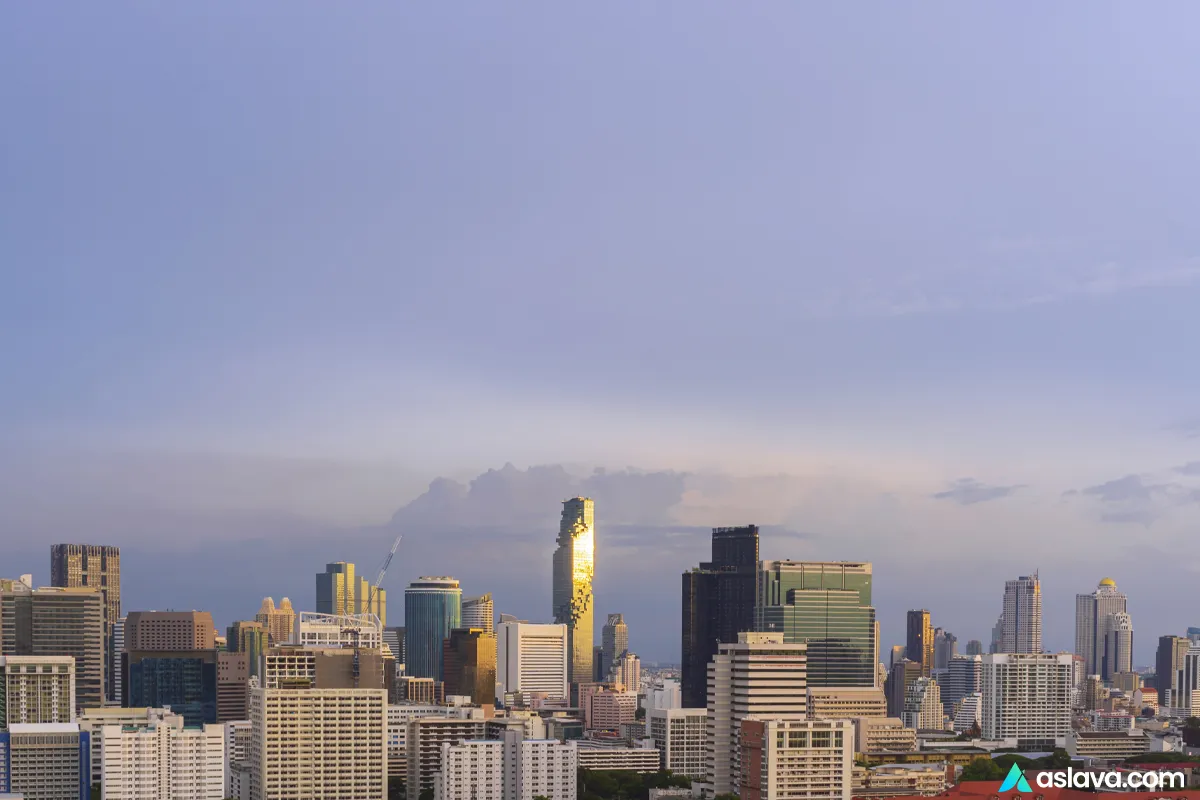
Bangkok defies simple categorization—it’s a place where centuries-old temples stand in the shadow of ultramodern skyscrapers, where royal barges share waterways with long-tail boats and water taxis, and where street-food carts operate alongside Michelin-starred restaurants. Consequently, this dynamic city rewards curious travelers with layer upon layer of experiences, from the awe-inspiring grandeur of the Grand Palace to the simple pleasure of a perfect pad thai enjoyed at a plastic table on a bustling sidewalk.
How to Experience It
What makes Bangkok truly special is its capacity to surprise even seasoned visitors. For example, turn down an unmarked alley and you may discover a hidden shrine draped in marigolds and incense smoke. Similarly, step through a modern shopping mall to find a serene park where elderly Thais practice tai chi at dawn. In addition, board a public ferry and suddenly gain a new perspective on the city from its central river artery. These unexpected moments often become the most treasured memories of a Bangkok journey.
As you plan your exploration of the best places to visit in Bangkok, remember that the city rewards those who balance must-see attractions with unstructured wandering. Allow time to get lost, to sit in a local café watching the world go by, or to follow the enticing aroma of grilling satay down a side street. Ultimately, Bangkok’s magic lies as much in these spontaneous discoveries as in its grand temples and palaces.
Top Takeaways & Itinerary Tips
- Begin with the historic heart: The Grand Palace, Wat Pho, and Wat Arun form the essential introduction to Bangkok’s cultural heritage.
- Embrace local transportation: Experience the city like a local by using the BTS Skytrain, river boats, and canal taxis to avoid traffic and gain new perspectives.
- Balance your itinerary: Mix major attractions with quieter experiences like Lumpini Park or canal explorations to avoid temple fatigue.
- Venture beyond the center: Consider day trips to Ayutthaya, floating markets, or Bang Krachao to understand Thailand beyond its capital.
Quick planning tips: if you have 3 days, focus on temples, a market, and a rooftop bar; with 5 days add a day trip to Ayutthaya or a market excursion; with a week, include Bang Krachao and Kanchanaburi for nature and history. Also, pack a mix of light clothing and a modest cover-up for temple visits, and keep some cash handy for street food and markets.