Thailand’s Beach Regions: Where to Find Paradise
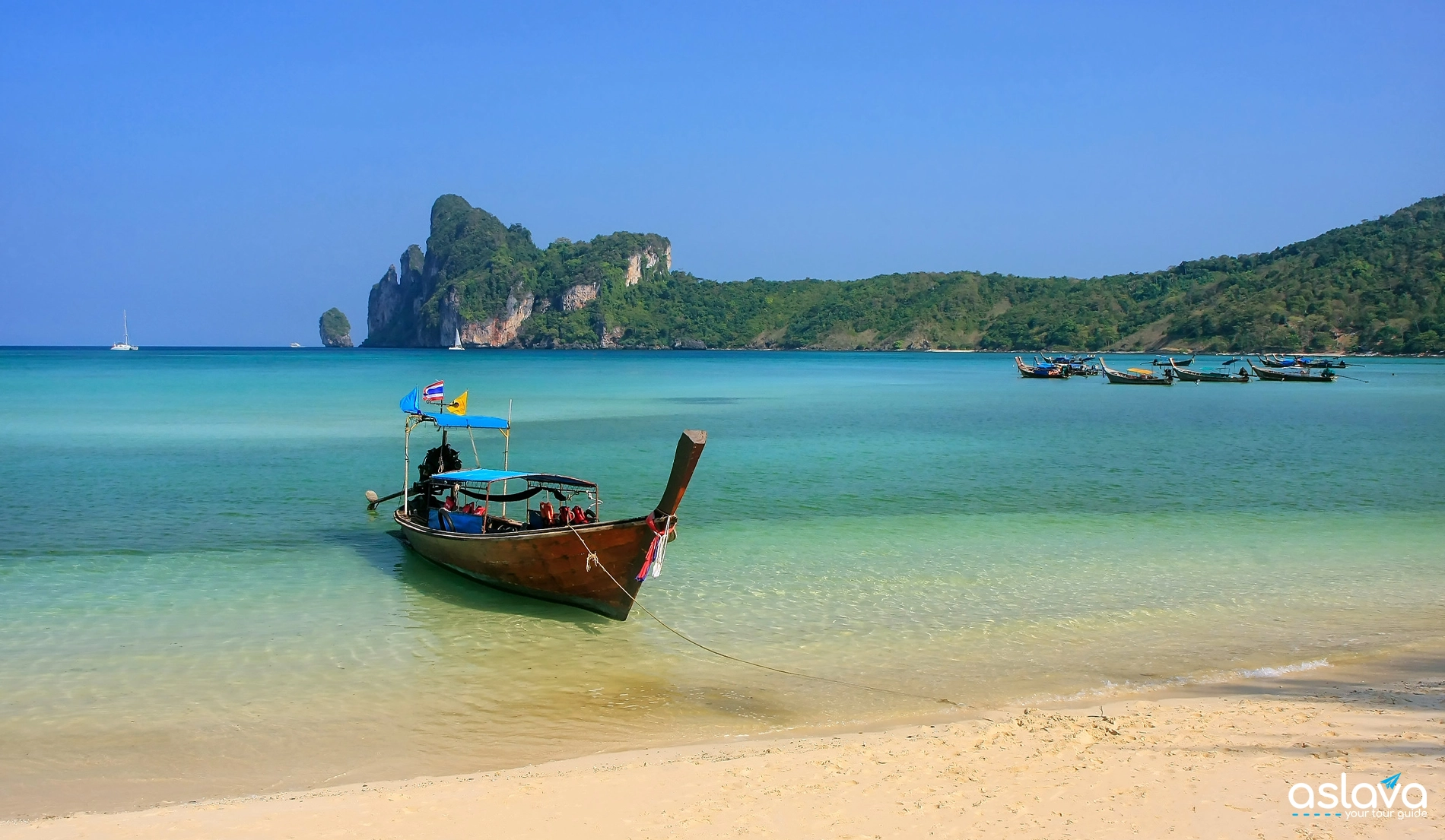
Thailand’s best beaches fall into a few distinct regions, and each one has its own character and ideal travel times. On the Andaman Sea (the west coast) you’ll find dramatic limestone karsts and famous shores such as Phuket, Krabi, Koh Phi Phi, and the Similan Islands. For calmer waters and family-friendly spots, the Gulf of Thailand (east) is home to islands like Koh Samui, Koh Phangan, Koh Tao, and Koh Kood. Knowing which coast matches your goals makes planning an island-hopping trip much easier.
- Best months — Andaman (west coast): November–April (dry season)
- Best months — Gulf of Thailand: January–August (drier period for the Gulf islands)
Text map summary: Andaman coast (west) — dramatic karsts and islands like Koh Phi Phi and the Similans; Gulf coast (east) — calmer waters with islands like Koh Samui, Koh Tao and Koh Kood. Pick the Andaman for dramatic scenery and diving; pick the Gulf for calmer seas and family time. Use the links above to jump to Railay, Maya Bay, Koh Lipe, and the Similan Islands to plan your days.
1. Railay Beach, Krabi
The Beach with Dramatic Limestone Backdrops
Best for: climbers, photographers, and swimmers who love dramatic scenery.
Railay is a peninsula framed by towering limestone cliffs and reachable only by boat, so it feels wonderfully island-like. Within a compact area you’ll find distinct stretches: Railay West for powdery sand and sunsets, Railay East with a mangrove edge, the picture-postcard Phra Nang with its cave shrine, and the bohemian Tonsai tucked around the headland. Clear waters close to shore make Railay excellent for swimming, snorkeling, and photography.
Why Visit Railay:
- Iconic limestone karsts and dramatic coastal scenery — a photographer’s dream
- World-class rock climbing on natural cliff faces with routes for all levels
- Calm, clear waters for swimming and snorkeling close to shore
- Short hikes and viewpoints, including the Railay viewpoint and the hidden lagoon
- Car-free, relaxed atmosphere that still feels accessible from Ao Nang
Essential Information:
- Location: Krabi Province — reachable by longtail boat from Ao Nang or Krabi town (Ao Nang pier to Railay typically takes about 10–20 minutes, depending on sea conditions)
- Best for: Photography, rock climbing, swimming, kayaking
- Accommodation: Options range from budget bungalows to higher-end resorts on Railay West and Phra Nang
- Best time to visit: November–April (Andaman dry season)
- Tips: Boats get busy mid-morning — arrive early or late afternoon; wear sturdy shoes for viewpoint hikes
Local tip: hire a certified climbing guide from a reputable company — they prioritize safety and follow current bolting standards. Because the hidden lagoon attracts crowds later in the day, visit early morning when the light is best and trails are quieter. Railay also pairs well with a short day trip from Ao Nang or a longer west coast stay if your island-hopping trip includes Krabi. Add Railay to a 2–3 day Krabi itinerary for a balanced mix of climbing, beach time, and photography.
2. Maya Bay, Koh Phi Phi Leh
The Rehabilitated Icon
Maya Bay became world-famous after the film “The Beach,” but severe overtourism forced a 2018 closure and a period of ecological rehabilitation. Authorities have since reopened the bay under strict controls designed to protect the reef and shoreline while still allowing visitors to see its dramatic cliffs and clear waters.
Visitor Restrictions: Maya Bay now limits daily visitor numbers (verify current caps before you travel), restricts swimming in sensitive zones, bans boats from entering the inner bay directly, and enforces short visit windows to reduce impact. These measures help preserve the soft white sand and the turquoise water that made the spot iconic.
Controlled access means Maya Bay is quieter and more sustainable today. Visit during shoulder seasons and aim for early-morning slots to avoid crowds and get softer light for photos.
Best time to visit:
Book first-morning slots when tours arrive, or travel in shoulder months for fewer people and gentler light for photography.
Getting There:
Maya Bay sits on uninhabited Koh Phi Phi Leh. It’s a short boat ride from Koh Phi Phi Don (about 25–40 minutes) and a longer transfer from Krabi or Phuket (typical ranges: Krabi ~1.5–2.5 hours; Phuket ~2–3 hours, depending on boat type and sea conditions). Always book licensed, environmentally responsible operators who follow park rules — avoid operators that try to enter restricted zones.
Quick notes on activities & bookings:
- Permitted activities usually include short shore visits and photography; swimming is restricted in sensitive areas.
- Book licensed tours or transfers in advance, especially during high season.
- Check the Department of National Parks site or local park office for the latest rules, visitor caps, and drone restrictions before you go.
Responsible visitor checklist: arrive early, use reef-safe sunscreen, and book licensed operators. Park rules and visitor limits can change to protect the site — confirm the latest regulations before you book your day trip.
3. Koh Lipe Beaches
Thailand’s Maldives Experience
Best for: snorkeling, clear waters, and relaxed beach evenings.
Nicknamed the “Maldives of Thailand,” Koh Lipe is a small Andaman island near the Malaysian border that delivers exceptional beach quality. Despite growing popularity, the island retains a relaxed vibe and three distinct beaches that suit different moods — from sunrise swims to chilled sunset cocktails.
Sunrise Beach (Hat Chao Ley)
The longest and most photogenic stretch on Koh Lipe. Powdery white sand and wide views toward nearby islets make it ideal for early-morning snorkeling and long, peaceful walks as the sun comes up.
Sunset Beach (Hat Pramong)
A smaller, quieter cove on the west side. It lives up to its name: perfect for evening swims and low-key sunset drinks away from the main crowds.
Pattaya Beach
The arrival beach and liveliest strip, where most boats land. It’s busier but convenient, with a good mix of restaurants, bars, and budget-to-midrange accommodation close to the sand.
Koh Lipe stands out for the clarity of its waters and healthy reefs close to shore. Snorkel visibility is regularly excellent and can reach exceptional levels on calm days. The island sits within Tarutao National Marine Park, which helps protect nearby coral and marine life and makes Koh Lipe one of Thailand’s most amazing beach destinations.
Travel tip: Plan 2–3 days on Koh Lipe to explore all three beaches and a few snorkeling spots. The island is generally accessible from mid‑October to mid‑May; during the monsoon boat services are limited. Typical departure points include Pak Bara (Satun) for the fastest transfers. In high season some operators run crossings to/from Langkawi (Malaysia) — if you cross internationally, carry your passport and check visa rules. Book crossings in advance during peak months and confirm national park rules and any permit/park fees before you go. Above all, use reef-safe sunscreen and follow park guidance to help protect the reefs.
4. Koh Kradan Beach, Trang
The Untouched Paradise
Best for: families, quiet beach days, and easy snorkeling.
Off the usual tourist trail, Koh Kradan in Trang Province is prized for wide stretches of white sand and shallow, crystal-clear waters. The main beach runs along the island’s east coast; at low tide broad sandbanks appear and feel like private swimming pools — perfect for children and long, lazy swims.
Because much of the island lies inside Hat Chao Mai National Park, development is limited. As a result, you’ll find few shops, no roads cutting through resorts, and just a handful of beachfront bungalows shaded by palm trees. On the west side there are dramatic cliffs and small coves you can reach by kayak or longtail boat.
Activities on Koh Kradan:
- Snorkeling — healthy coral and colorful reef fish close to shore
- Kayaking — paddle to quiet coves and photo-ready viewpoints
- Swimming — calm, shallow water that’s child-friendly
- Short jungle trek — reach secluded Paradise Beach for a picnic
- Sunrise watching — enjoy spectacular light over the karsts
Practical note: many lodgings run on generator power and mobile signal can be patchy, so plan accordingly. For most visitors, an overnight stay (1–2 nights) gives time for both sunset and sunrise without rushing; day trips from Trang are possible but require an early start. Support local businesses by choosing eco-conscious resorts, using reef-safe sunscreen, and avoiding single-use plastics to help preserve this protected coast.
Packing tip: bring cash, a power bank, reef-safe sunscreen, and a small first-aid kit.
5. Sai Nuan Beach, Koh Tao
The Diver’s Secret Retreat
Best for: snorkelers, divers, and travelers seeking a quiet cove.
Koh Tao is famous for diving, and Sai Nuan — two small connected coves on the island’s western shore — feels like a peaceful hideaway that many repeat visitors prize. You can reach it by a short longtail from Mae Haad or via a shaded jungle path; compared with lively Sairee Beach, Sai Nuan is intimate and low-key. Expect soft sand, granite boulders, a few rustic bungalows and small beach bars, plus calm waters that are ideal for relaxed snorkeling.
Because the reef sits close to shore, snorkelers often see abundant reef fish; on calm days visibility can be excellent (commonly cited around 10–20 meters, though conditions vary by season). Late afternoons deliver dramatic sunsets over the bay, while early mornings are the quietest time to enjoy the cove.
“Sai Nuan feels like the Koh Tao of twenty years ago – before the diving boom brought development to much of the island. It’s a reminder of why Thailand’s beaches became legendary in the first place.”
Practical tips: arrive by longtail from Mae Haad pier or follow the marked trail from the main road — wear sturdy shoes for the descent. Accommodation ranges from simple fan bungalows to modest guest rooms, and meals are basic but fresh. Plan 1–2 nights to relax and snorkel without rushing. Also, check local marine-protection rules, confirm dive operator credentials, and consider dive insurance before booking any underwater activities.
6. Bottle Beach (Haad Khuat), Koh Phangan
The Full Moon Party Escape
Best for: quiet escapes, swimming, and nature lovers who want to avoid the main party crowds.
Although Koh Phangan is famous for its Full Moon Parties, the island’s northern coast offers a very different vibe — serene, palm-fringed, and remarkably quiet. Bottle Beach (Haad Khuat) is a pretty stretch of white sand tucked into a sheltered bay. You can reach it only by longtail boat or a steep jungle trek; that limited access has helped preserve a laid-back atmosphere and calm waters ideal for swimming most of the year.
The name comes from bottles that once marked the jungle trail. Today the beach serves as a refuge for travelers who prefer tranquillity over nightlife. The surrounding jungle and palm trees create a postcard backdrop, and evenings here are blissfully peaceful — a clear contrast to the island’s party scene.
How to get there
Getting there: most visitors arrive by longtail from Thong Sala or nearby beaches; the boat trip usually takes about 20–40 minutes depending on sea conditions. Alternatively, a marked but challenging jungle trail descends to the beach — wear good shoes and avoid the path after heavy rain. Boats run more reliably in the drier months, so plan transfers for early morning or late afternoon to avoid midday heat and peak boat traffic.
Where to stay & practical tips
Accommodation is scarce and rustic — expect simple fan bungalows or modest beachfront cottages. Book several days in advance during busy periods and check Full Moon Party dates if you want to avoid crowds: although Bottle Beach is quieter than the hotspots, island-wide demand can still fill nearby rooms. The Gulf’s drier period (roughly January–August) offers the most dependable boat service.
Planning Note: Check the Full Moon Party calendar before you book nearby nights. Bring cash, reef-safe sunscreen, and good shoes. Support small local businesses — the few bars and restaurants here serve fresh food — and pack out what you pack in to help keep this one of Thailand’s amazing, unspoiled beaches.
Packing checklist: cash, reef-safe sunscreen, sturdy shoes, and a small dry bag for boat transfers.
7. Bang Bao Bay, Koh Kood
Thailand’s Last Unspoiled Island
Best for: families, calm swimming, and low-key seafood by the water.
Koh Kood (also spelled Koh Kut) is one of Thailand’s least developed larger islands, and Bang Bao Bay shows why. This horseshoe-shaped bay on the island’s west coast has powder-soft white sand, calm turquoise waters, and a fringe of coconut palms — ideal for anyone wanting to unwind away from crowds.
The bay remains relatively uncrowded even in high season because development is limited. Only a handful of small resorts blend into the landscape, and a traditional fishing village on stilts offers a glimpse of daily island life plus very fresh seafood at simple waterfront eateries.
Activities:
- Swimming — shallow, clear waters that are forgiving for kids
- Kayaking — paddle along the calm coast to discover quiet coves
- Snorkeling — expect colorful reef fish near the bay edges in calm conditions
- Short hikes — visit nearby waterfalls for a break from the beach
- Village strolls — enjoy locally caught seafood at small bars and restaurants
Getting There:
To reach Koh Kood, take a bus or private transfer from Bangkok to Trat (roughly 4–6 hours depending on service), then a speedboat of about 45–90 minutes to the island; schedules vary by season. Check operators and timetables before you travel since seasonal changes can affect the route and crossings.
Suggested itinerary: 3–4 days on Koh Kood lets you relax on Bang Bao Bay, explore nearby beaches, and take a waterfall hike without rushing. Practical tip: bring cash for small village restaurants, choose eco-friendly accommodations, and respect local fishing life — avoid disturbing nets and ask about seafood preparation if you have dietary concerns. For families, note the nearest clinic or emergency contact on arrival in case you need medical help while island hopping.
Travel tip: Book Trat transfers and the speedboat in advance during high season, and pack reef-safe sunscreen to protect coral while snorkeling.
8. Donald Duck Bay, Similan Islands
The Diver’s Paradise
Best for: scuba divers and snorkelers chasing exceptional visibility and healthy reefs.
The Similan Islands (Koh Similan group) are a protected national park in the Andaman Sea and regularly rank among the world’s top dive destinations. Donald Duck Bay on Koh Similan — named for a quirky rock formation — features powdery white sand, enormous smooth granite boulders, and dramatically clear waters that reveal thriving coral gardens just offshore.
Because development is restricted to official park facilities, the beaches feel pristine and the underwater life remains healthier than at more crowded spots. On calm days water clarity can be outstanding; visibility often exceeds 30 meters, which is why the Similans are ideal for snorkeling and scuba diving.
National Park status & season: The Similan Islands are managed as a national park and open seasonally (commonly mid‑October to mid‑May). The park closes during the monsoon to protect fragile ecosystems. Visitor numbers and activities are limited, so book day trips, liveaboards, or campsite/bungalow permits well in advance through the Department of National Parks or reputable operators.
Most travelers visit the Similans on a day trip from Khao Lak or Phuket, or via multi‑day liveaboard diving trips that access the best sites. If you plan to stay overnight, arrange permits and basic park accommodation (tents or simple bungalows on Koh Similan and Koh Miang) ahead of time through official channels.
Quick dive guide
Beginner-friendly sites with gentle slopes and abundant reef life lie close to the main islands. Advanced divers will find deeper walls and stronger currents at outer sites typically visited by liveaboards. When booking, choose operators that emphasize conservation, use proper mooring, and follow low-impact dive practices.
Practical checklist: confirm park open dates and permit procedures, book day trips or liveaboards early, pack reef-safe sunscreen, and buy dive insurance that covers liveaboard activities. Regulations and schedules change to protect this one of Thailand’s most amazing beaches and marine environments.
9. Freedom Beach, Phuket
Phuket’s Hidden Gem
Best for: a short escape, calm swimming, and photography away from the busiest stretches of beach.
Just a few kilometers from Patong, Freedom Beach is a sheltered cove of soft sand and clear water that feels a world away from Phuket’s busy coast. The small bay — roughly 300 meters long — is ringed by jungle and palm trees and has minimal development, making it perfect for a peaceful stretch of sand without leaving the island.
Granite boulders at the bay’s edges create calm pockets for swimming and offer decent snorkeling when the sea is calm. Facilities are limited — expect a single seasonal restaurant and basic amenities — which helps keep the beach’s natural feel intact.
Getting there
If you go by boat, the easiest route is a longtail from Patong; the ride takes about 10–20 minutes depending on sea conditions. Negotiate and confirm a round-trip price before departure, since fares vary by season and group size. Alternatively, a steep jungle trail leads down from the road above; the descent is scenic but can be slippery, so wear sturdy shoes and avoid the path after heavy rain.
Practical tips: arrive early or late to avoid midday boat crowds and to get the best light for photos. There is often a small entrance or conservation fee to help maintain the beach — check current rates locally. Note that in low season (May–October) rough seas can limit boat access and the beach restaurant may close, so plan accordingly. If you have extra time, consider a short boat hop to nearby islands such as Yao Noi for more calm waters and a quieter vibe.
Quick reminder: confirm boat times and round-trip arrangements before you leave, bring cash for the entry fee and any food, and pack reef-safe sunscreen for snorkeling.
10. Klong Dao Beach, Koh Lanta
The Family-Friendly Paradise
Best for: families, safe swimming, and relaxed beach days with easy logistics.
For a slower-paced alternative to Thailand’s busier islands, Koh Lanta and its Klong Dao Beach are ideal. This long stretch of soft sand on the northwest coast slopes gently into the Andaman Sea, creating safe, shallow waters where children can splash while parents relax.
What makes Klong Dao appealing is the balance between convenience and natural beauty. A line of family-friendly resorts and restaurants sits back from the sand, and low-key beach bars often include play areas. Additionally, you’ll find clinics, gear rental, and basic services nearby without sacrificing a peaceful beach vibe.
“Klong Dao Beach offers that rare combination – it’s beautiful enough to satisfy parents seeking that perfect Thai beach experience, yet practical enough to make traveling with children actually feel like a vacation.”
Family tips & practical info
- Recommended stay: 3–5 days to relax, explore nearby beaches, and take a day trip to Mu Koh Lanta National Park.
- Accommodation: family bungalows and mid-range resorts dominate — book family rooms early in high season.
- Facilities: basic clinics and pharmacies on the island; many restaurants offer kid-friendly menus and play areas.
- Best time: November–April for calm seas and sun; low season (May–October) is quieter but some services may close.
- Packing tip: bring a small first-aid kit, reef-safe sunscreen, water shoes, and a lightweight beach tent or umbrella for toddlers.
The beach faces west, so evenings bring lovely sunsets. Klong Dao makes an excellent base for families on a Thailand beach trip — long days of sand and safe swimming plus easy logistics for day trips and island hopping if you want to explore further.
11. White Sand Beach, Koh Chang
The Accessible Island Escape
Best for: travelers seeking easy access to island beaches, families, and a wide range of places to stay.
Koh Chang offers a convenient alternative to the southern islands while still delivering long stretches of inviting sand. White Sand Beach (Hat Sai Khao) on the northwest coast is the island’s most developed shoreline — a broad arc of soft sand lined with coconut palms and generally calm waters suitable for swimmers.
Although it’s the busiest beach on the island, the northern end is quieter with fewer buildings and a nicer natural feel. Because the slope into the sea is gentle, parts of the beach work well for families; expect stronger surf during the rainy season (May–October).
Accommodation and dining
White Sand Beach has the widest range of places to stay on the island: budget guesthouses, mid-range family resorts, and a few higher-end options. The beach road is dotted with restaurants serving fresh seafood and international dishes, and several beachfront venues are perfect for sunset dining.
Getting there: Reach Koh Chang from Bangkok by bus or private transfer to Trat (~4–6 hours depending on traffic), then a short ferry crossing to the island. Alternatively, fly to Trat and take a shuttle. Budget travelers typically choose the bus + ferry route; those short on time can fly. Check schedules in advance, especially during monsoon months.
Quick tip: If you prefer quieter stretches, walk toward the northern end of White Sand Beach; otherwise book accommodation early in high season to secure family rooms and beachfront views.
12. Tonsai Beach, Krabi
The Climber’s Beach
Best for: climbers and adventurous travelers who want a bohemian, active beach vibe.
Tonsai Beach sits tucked between Railay and Ao Nang and has earned a reputation as the bohemian, climber-friendly stretch of Krabi’s west coast. The compact, rugged beach feels characterful thanks to towering limestone cliffs, dramatic karsts, and a laid-back village atmosphere.
What draws people here is rock climbing: hundreds of bolted routes of varying difficulty attract climbers from around the world. Non-climbers still find plenty to enjoy — watch climbers, lounge on cushioned platforms at beach bars, or take short walks to nearby coves and viewpoints. Accommodation remains simple — bungalows and hostels set back in the jungle — which helps preserve the authentic feel.
Practical info & tips
- Climbing safety: New to sport climbing? Hire a certified local guide or join a reputable climbing school; they provide gear, instruction, and up-to-date route info.
- Best months: November–April offers the most reliable climbing and calmer seas; monsoon season (May–October) brings large tides and fewer visitors.
- Access & tides: At low tide you can walk around the headland to Railay West; at high tide you’ll need a boat or to use jungle paths. Check tidal times before planning hikes.
- Stay length: 2–3 days is ideal to climb, explore neighboring Railay, and relax on the sand.
Seasonal changes: During the monsoon, Tonsai can experience strong tidal swings that reduce beach width at high tide. The upside is quieter beaches and lower prices, but always check boat schedules and local conditions before you travel.
Packing checklist for climbers
- Helmet and harness (if you own them), or confirm rentals with your guide
- Climbing shoes, quick-dry clothing, and a small first-aid kit
- Sun protection and reef-safe sunscreen for beach breaks
- Cash for small shops and local services
Quick CTA: verify guide credentials and recent route conditions before you climb — book certified instructors in advance for safety and the best local insight.
Practical Tips for Visiting Thailand’s Beaches
Best Time to Visit
Timing depends on which coast you plan to visit. The Andaman coast (Phuket, Krabi, Koh Lipe) is usually best November–April for dry weather and calm seas. The Gulf islands (Koh Samui, Koh Phangan, Koh Tao) tend to be drier January–August. The eastern seaboard (Koh Chang, Koh Kood) is generally pleasant November–May. In short, shoulder seasons just before or after peak months often deliver good weather with fewer crowds — ideal for a beach trip.
Transportation Tips
First, fly into regional hubs: Phuket, Krabi, Surat Thani, or Trat depending on your destination. Next, connect by ferry or speedboat to island destinations and look for combo tickets that include bus/van + boat transfers to simplify logistics. For remote islands and national-park beaches, build buffer days into your itinerary: boat services can be canceled or delayed in poor weather, and some routes run only in high season.
Responsible Tourism
Thailand’s beaches face pressure from overtourism and marine damage. Use reef-safe sunscreen, avoid single-use plastics, respect wildlife and coral, and choose operators committed to sustainable practices. Also, visit during shoulder seasons to spread visitor load — a small change that helps protect these amazing beaches for years to come.
Packing & safety essentials
- Reef-safe sunscreen, a lightweight dry bag, quick-dry towel, and UV swimwear
- Basic first-aid kit, prescription meds, and travel insurance that covers water activities
- Cash for small islands (many beach bars and local restaurants don’t take cards)
- Water shoes for rocky entry points and sturdy sandals for jungle paths
Sample micro-itineraries & budgets
- 5-day Andaman starter: Phuket base + day trips to Phi Phi and Railay (mid-range budget)
- 7-day Gulf slow trip: Koh Samui → Koh Phangan → Koh Tao (mix of beaches, diving, and nightlife)
- Budget tip: combine overnight buses and public ferries; mid-range travelers can use regional flights + private transfers; luxury trips often include private speedboats and boutique island resorts.
Safety: seas and medical
Respect local warnings about currents and jellyfish; swim between flags where provided. For islands with limited medical facilities, note the nearest clinic or hospital and consider travel insurance with medevac coverage for remote activities like liveaboard diving. When in doubt, ask hotel staff or local guides before swimming or snorkeling in unfamiliar spots.
Quick planning checklist
- Decide which coast fits your goals (Andaman for dramatic karsts and diving; Gulf for calmer waters and family time).
- Plan trip length: allow extra days for weather delays (recommended days: 3–5 per island; longer for diving-focused trips).
- Book transport and park permits in advance for national-park beaches and liveaboards.
- Pack reef-safe sunscreen and travel insurance that covers water activities and diving.
Final reminders: Check updated weather and park opening dates before you go — schedules and access can change seasonally. For tours and ferries, use reputable aggregators or operator websites and read recent reviews to confirm schedules and safety practices. If you want to avoid big events, check the Full Moon Party calendar and book accommodations accordingly.
Frequently Asked Questions About Thailand’s Beaches
Which part of Thailand has the best beaches?
Short answer: the Andaman coast for dramatic scenery and the Gulf for calmer family-friendly bays.
- Andaman Sea (west): dramatic limestone karsts, clean white sand, and clear waters around Koh Phi Phi and the Similan Islands — great for photography and diving.
- Gulf of Thailand (east): calmer seas and family-friendly beaches on islands such as Koh Samui, Koh Phangan, and Koh Tao.
- If you want fewer crowds, try the eastern seaboard near Cambodia (Koh Chang, Koh Kood).
Quick recommendation: spend 3–5 days on the Andaman coast to explore islands and national-park beaches; allow 5–7 days for a relaxed island-hopping trip in the Gulf.
When is the best time to visit Thailand’s beaches?
Generally, timing depends on the coast you plan to visit.
- Andaman coast (Phuket, Krabi, Phi Phi, Similan): best November–April for dry weather and calm seas.
- Gulf islands (Koh Samui, Koh Phangan, Koh Tao): typically drier January–August.
- Eastern seaboard (Koh Chang, Koh Kood): usually pleasant November–May.
Tip: travel during shoulder seasons just before or after peak months for better weather, fewer crowds, and lower prices.
Which beaches in Thailand are best for families with children?
Lead answer: choose beaches with gentle slopes and facilities — they make family trips easier and safer.
- Klong Dao, Koh Lanta — gentle slope, calm waters, and nearby clinics and family-friendly resorts.
- White Sand Beach, Koh Chang — easy access and lots of amenities.
- Choeng Mon, Koh Samui — a shallow, calm bay on the Gulf side that suits kids.
- Kamala Beach, Phuket — quieter than Patong and offers useful facilities for families.
Suggested length: plan 3–5 days at a family beach to relax, take short day trips, and have a buffer for weather or ferry delays.
How many days should I spend on each island?
Short answer: match days to your goals — highlights vs relaxed exploration.
- Quick highlights: 1–2 days (good for fast stops like Maya Bay or Railay on an island-hop).
- Relaxed visits: 3–4 days for most islands (Koh Lipe, Koh Lanta, Koh Chang) to enjoy beaches and short excursions.
- Diving-focused or liveaboard trips: 4–7 days to reach prime dive sites and allow weather buffers.
Can I avoid the Full Moon Party and still enjoy Koh Phangan?
Yes — Koh Phangan has quiet northern beaches where you can escape the party scene.
- Choose Bottle Beach (Haad Khuat) or other northern coves for tranquillity.
- Check the Full Moon Party calendar and book nights away from the event if you prefer quieter stays.
Are the Similan Islands and Koh Lipe open year-round?
No — many protected islands have seasonal access to protect ecosystems.
- Similan Islands: commonly open mid‑October to mid‑May and close during the monsoon; confirm exact dates with the Department of National Parks.
- Koh Lipe: services slow or stop in the monsoon; check boat schedules and park rules before booking.
Always verify park openings, visitor rules, and boat schedules before you book to avoid surprises.
Finding Your Perfect Thai Beach Paradise
Thailand’s shoreline has something for every traveler — climbers, scuba divers, families, honeymooners, and solo backpackers all find beaches that fit their style. The country’s long coast and thousands of islands deliver a wide variety of sand, water, and scenery: dramatic limestone karsts, powdery white sand, calm family-friendly bays, and remote palm-fringed coves.
This updated 2026 guide highlights many of the best beaches in Thailand, but part of the fun is finding your own favorite — whether that’s the iconic Maya Bay on Koh Phi Phi or a quiet cove reached by longtail boat. Small choices make a big difference: travel in shoulder seasons, pick sustainable operators, and use reef-safe sunscreen to help keep these amazing beaches healthy for years to come.
Quick picks — best for:
- Best for diving: Similan Islands (exceptional visibility and world-class sites)
- Best for families: Klong Dao, Koh Lanta (gentle slopes and calm waters)
- Best for parties: Koh Phangan (Full Moon atmosphere with quieter escapes like Bottle Beach)
- Best for seclusion: Koh Kradan and Koh Kood (undeveloped white sand and shaded palm trees)
- Most iconic: Maya Bay, Phi Phi — now managed with sustainability in mind
Whether you’re chasing clear waters for snorkeling, white sand for long walks, palm trees for hammocks, or local bars and restaurants for sunset dining, Thailand’s beaches deliver unforgettable moments. Plan for a few buffer days to allow for weather, favor responsible tours, and you’ll leave with memories — and a desire to return.
Ready for your Thai beach adventure in 2026? Start planning with two simple steps: check national-park opening dates and book any required permits or transfers early. Then pack reef-safe sunscreen and confirm travel insurance that covers water activities. If you want help, see the Practical Tips section for itineraries, transport advice, and recommended day lengths.