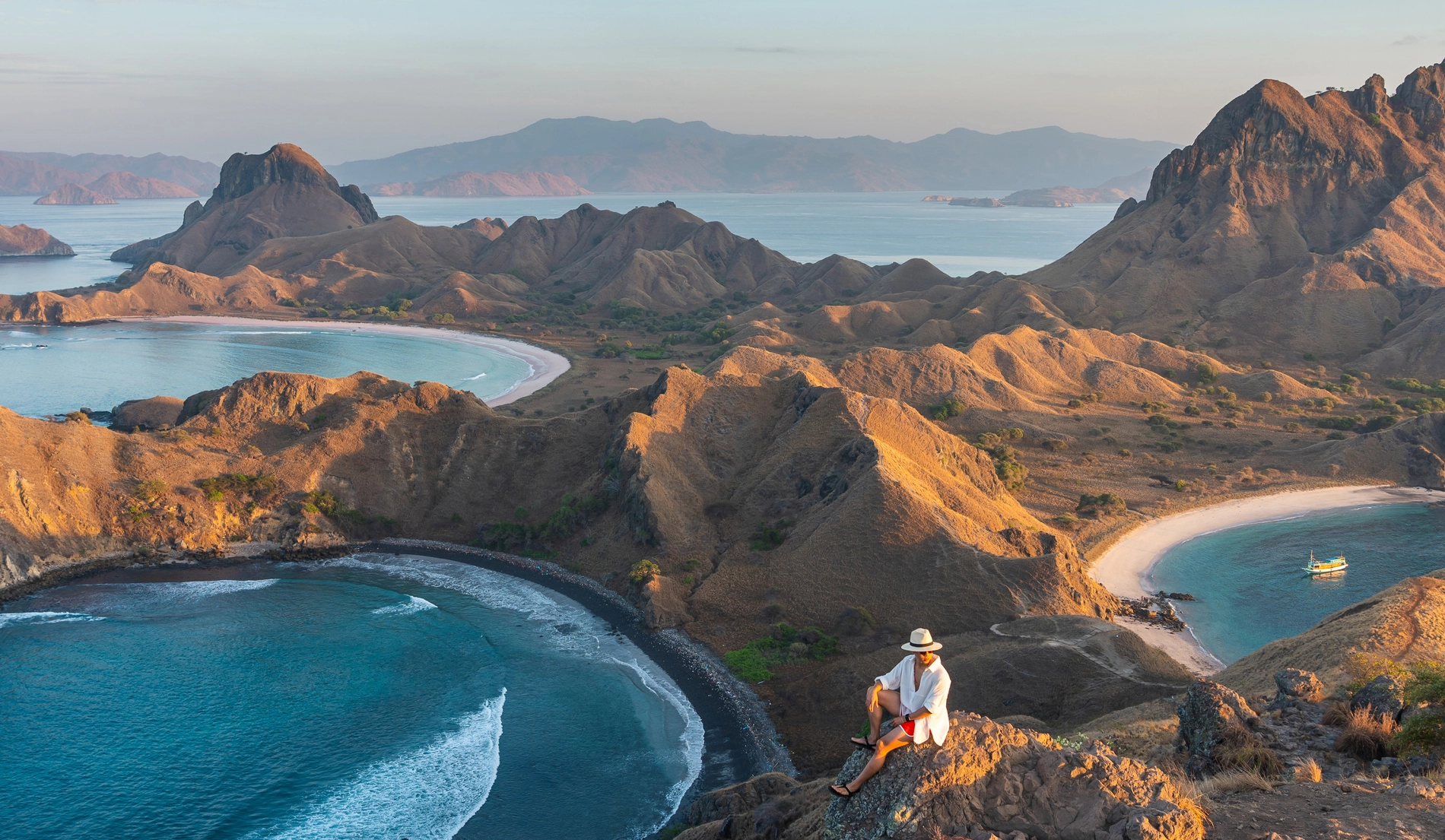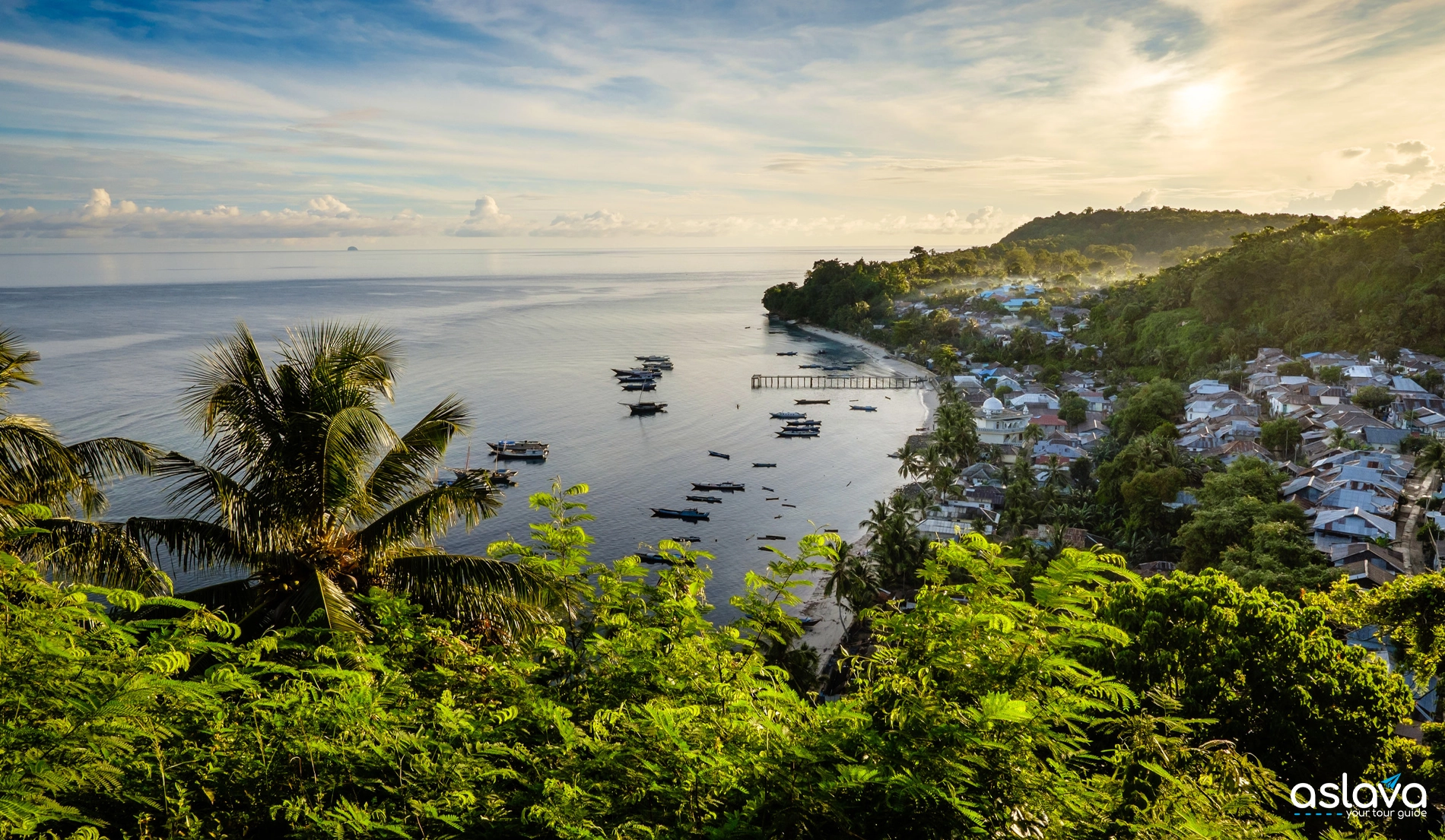
Bali’s coastline offers an incredible diversity of beaches that cater to every type of traveler. From the dramatic cliff-backed white sands of Uluwatu to the volcanic black shores of the north, the island’s beaches range from world-famous hotspots to secluded coves that remain largely undiscovered. This definitive guide to the best beaches in Bali for 2026 features both iconic destinations and hidden gems that deserve a spot on your itinerary.
Major News for 2026: Bali’s Governor I Wayan Koster has introduced a draft regulation to ban beach privatization, ensuring all beaches remain accessible to both locals and tourists. If passed, this law will protect public access to Bali’s shores and prevent hotels and resorts from blocking beach entry. Whether you’re seeking the perfect sunset spot, a family-friendly swimming beach, or a secluded paradise away from the crowds, this comprehensive Bali beach guide has you covered.
Bali Beaches: What You Need to Know
Before diving into specific beaches, it’s helpful to understand Bali’s beach geography. The island’s beaches vary dramatically depending on their location:
South Bali (Bukit Peninsula): Home to the island’s most picturesque white sand beaches with dramatic limestone cliffs and turquoise waters. Popular areas include Uluwatu and Nusa Dua.
West Coast: Features golden to gray sand beaches with spectacular sunsets. This is where you’ll find Seminyak and Canggu with their beach clubs and surf spots.
East Coast: Offers calmer waters ideal for swimming and snorkeling, with beaches like Sanur providing great family-friendly options.
North Coast: Known for distinctive black volcanic sand beaches that are less crowded and offer a more authentic experience.
Offshore Islands: The Nusa Islands (Penida, Lembongan, Ceningan) and Gili Islands feature some of the most stunning beaches with pristine white sand and crystal-clear waters.
5 Most Popular Beaches in Bali You Can’t Miss
Let’s start with Bali’s most famous beaches — the ones that have put the island on the map as a world-class beach destination. While these spots can get crowded, they’re popular for good reason and offer excellent facilities and activities.
1. Kelingking Beach (Nusa Penida)
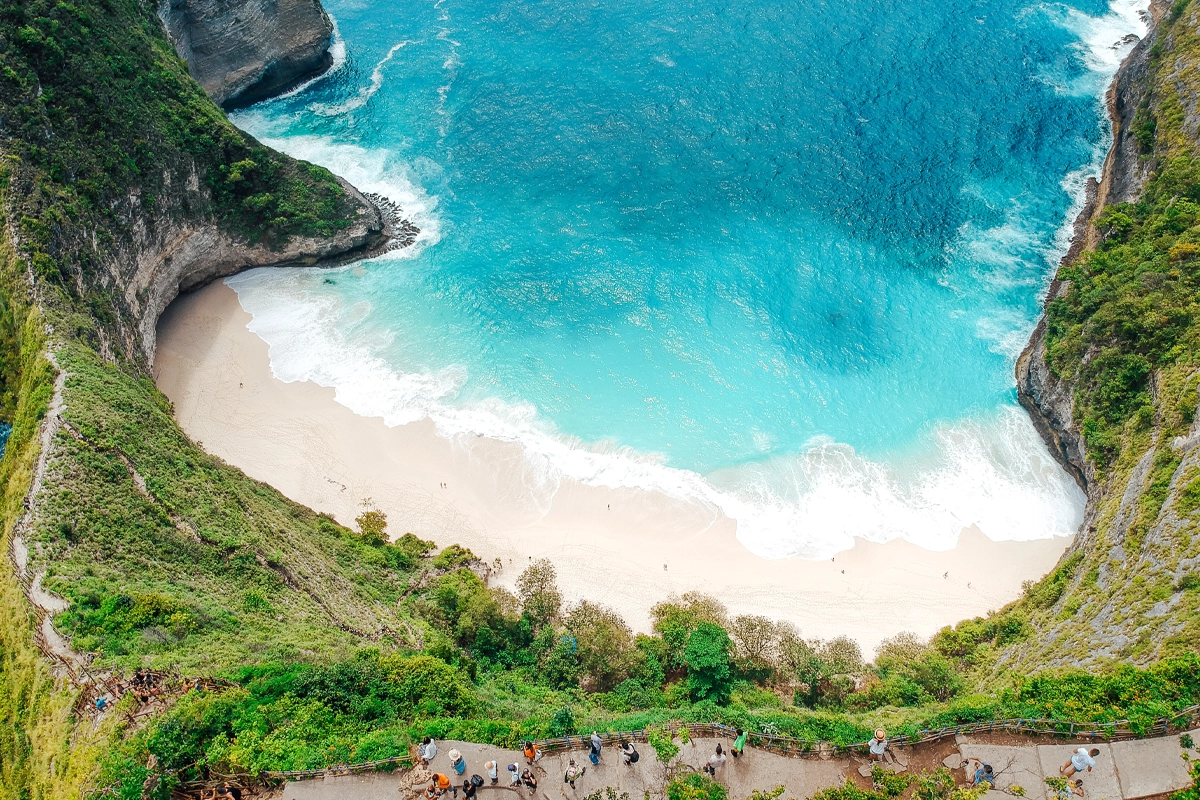
Perhaps the most Instagram-famous beach in Bali, Kelingking Beach on Nusa Penida island features a dramatic T-Rex shaped cliff formation that has become an iconic symbol of Bali’s natural beauty. The pristine white sand beach sits at the bottom of towering limestone cliffs, creating one of the most breathtaking coastal views you’ll ever see.
Location & Access
Located on the southwestern coast of Nusa Penida, an island 30-45 minutes by fast boat from Sanur Harbor on mainland Bali. The route from Nusa Penida harbor to Kelingking Beach takes approximately 45 minutes to 1 hour by scooter or car.
To reach the actual beach requires a challenging 20-30 minute hike down steep, uneven steps carved into the cliff face. Many visitors opt to enjoy the view from the top viewing platform instead.
2026 Updates
A lift/elevator project was under construction to provide easier beach access. However, on October 31, 2025, local authorities suspended the project, and in November 2025, the Bali governor requested its dismantling due to environmental concerns. The concrete cliff walkway improvements continue, aiming to replace the old dirt path for better safety.
Best For
Photography, adventure hiking, and experiencing untouched natural beauty. The beach itself is pristine with soft white sand and crystal-clear turquoise water.
Best Time to Visit
Early morning (before 9-10 AM) to avoid crowds and midday heat. The beach gets direct sunlight in the morning, making the water appear vividly blue.
Safety Tip
Swimming is dangerous due to strong currents and high waves. The hike down is very steep and requires proper footwear and good physical condition. Bring plenty of water if attempting the descent.
2. Seminyak Beach
Seminyak Beach represents the sophisticated side of Bali’s beach scene, with its golden-gray sand stretching for kilometers along Bali’s fashionable west coast. This is where you’ll find the island’s most stylish beach clubs, upscale restaurants, and boutique hotels.
Location & Access
Located in the upscale resort area of Seminyak, about 30 minutes north of Bali’s airport. The beach is easily accessible with multiple entry points along the main beach road. Parking fee is approximately IDR 2,000.
Best For
Sunset watching, beach clubs (like Ku De Ta and Potato Head), dining, surfing for beginners to intermediates, and enjoying Bali’s upscale beach lifestyle. La Plancha with its colorful bean bags is a favorite sunset spot.
Best Time to Visit
Late afternoon until sunset (around 6 PM) for the most magical atmosphere. Morning is good for a quieter experience and better swimming conditions.
Safety Tip
The waves can be strong, so pay attention to flag warnings. The beach has a steep drop-off in some areas. Keep valuables secure as the beach can get crowded.
3. Nusa Dua Beach
Nusa Dua represents the most manicured and well-maintained beach area in Bali, home to numerous international luxury resorts. The beaches here feature soft white sand and exceptionally calm, clear waters protected by an offshore reef.
Location & Access
Located on the eastern side of Bali’s southern peninsula, about 20 minutes from the airport. While many beaches are associated with private resorts, there are public access points with parking available, particularly at Mengiat Beach. Parking fee is approximately IDR 5,000.
Best For
Swimming in calm waters, family beach days, water sports like jet skiing and parasailing, and enjoying high-end beach facilities. The beaches are meticulously cleaned daily.
Best Time to Visit
Morning to early afternoon for the best swimming conditions and water clarity. Nusa Dua faces east, so you’ll get early sunshine rather than sunset views.
Safety Tip
Very safe for swimming with gentle waves and gradual depth increase. Still, always supervise children and be aware of water sports operating in designated areas.
4. Uluwatu Beach (Suluban Beach)
Uluwatu Beach (also known as Suluban Beach) is one of Bali’s most dramatic coastal settings, where world-class waves break beneath towering limestone cliffs. This beach is primarily known as Bali’s surf capital, hosting international competitions and attracting wave riders from around the world.
Location & Access
Located on the southwestern tip of Bali’s Bukit Peninsula, about 45 minutes from the airport. Access requires descending numerous steps through a limestone cave. At high tide, reaching the beach can be challenging.
Best For
Surfing (intermediate to advanced), photography, watching pro surfers, and enjoying clifftop bars with panoramic ocean views. Single Fin bar above the beach is a popular sunset spot.
Best Time to Visit
Early morning for surfers seeking less crowded waves. Late afternoon for spectacular sunset views from the clifftop bars and restaurants. Low tide makes beach access easier.
Safety Tip
The surf here is powerful and suitable only for experienced surfers. The beach access involves many steps and can be slippery. Be cautious of monkeys near the steps who may grab loose items.
5. Sanur Beach
Sanur Beach offers a completely different vibe from Bali’s western beaches. This east-coast gem features a long stretch of golden sand protected by a reef, creating calm, shallow waters perfect for swimming. A 5km paved beachfront promenade makes it ideal for walking, jogging, or cycling while enjoying ocean views.
Location & Access
Located on Bali’s southeastern coast, about 30 minutes from the airport. The beach is easily accessible with multiple entry points along the main road, with plenty of parking available.
Best For
Family-friendly swimming, sunrise watching (the most popular sunrise beach in Bali), walking or cycling along the beachfront path, and traditional outrigger boat rides. The calm waters are ideal for paddleboarding and kayaking.
Best Time to Visit
Early morning for spectacular sunrises (around 5:30-6:30 AM). The beach is pleasant throughout the day with consistent gentle breezes. High tide offers better swimming conditions.
Safety Tip
Very safe for swimming, especially at high tide. At extreme low tide, the water recedes significantly, exposing reef and making swimming less enjoyable. Watch for boats in designated areas.
5 Hidden Gem Beaches in Bali for 2026
Beyond the famous beaches that appear on every postcard, Bali hides some truly spectacular coastal treasures that remain relatively undiscovered. These hidden beaches offer a more authentic experience away from the crowds.
1. Green Bowl Beach
Green Bowl Beach is a small, pristine cove hidden at the bottom of a steep cliff on Bali’s Bukit Peninsula. Named after the emerald-green algae that covers the rocks at low tide, this secluded paradise offers crystal-clear waters, natural limestone caves, and a sense of discovery that’s increasingly rare on the island.
Location & Access
Located on the southern coast of the Bukit Peninsula, about 30 minutes from popular Uluwatu area. Access requires descending approximately 300 steep steps carved into the cliff face, which takes about 15-20 minutes.
Best For
Solitude, snorkeling in crystal-clear waters, exploring sea caves, and enjoying a pristine beach experience away from crowds. The beach is home to a healthy reef system with colorful fish.
Best Time to Visit
Morning to early afternoon when the tide is not too high (check tide tables). The beach can disappear at high tide. Weekdays are significantly less crowded than weekends.
Safety Tip
The steep staircase can be challenging, especially on the return climb. Bring plenty of water and wear proper footwear. Limited facilities mean you should bring your own supplies.
2. Pasut Beach
Pasut Beach offers a completely different experience from Bali’s southern white sand beaches. This expansive black sand beach on the west coast features a beautiful palm tree forest and natural reflection pools at low tide that create mirror-like photo opportunities.
Location & Access
Located in Tabanan regency on Bali’s west coast, about 1 hour from Canggu or 1.5 hours from Kuta. The beach is easily accessible by car or scooter with parking available right by the beach entrance.
Best For
Photography (especially reflections at sunset), experiencing black sand beaches, and enjoying a peaceful atmosphere away from tourist crowds. The dense palm forest behind the beach creates a unique backdrop.
Best Time to Visit
Late afternoon until sunset, especially during low tide when reflection pools form on the black sand. Check tide schedules for the best reflection opportunities.
Safety Tip
The currents can be strong, making swimming unsafe. The black sand gets extremely hot during midday sun — wear footwear. Limited facilities mean bringing your own supplies is recommended.
3. Gunung Payung Beach
Gunung Payung (Umbrella Mountain) Beach is a hidden paradise tucked away on Bali’s Bukit Peninsula. This pristine white sand cove is sheltered by towering limestone cliffs and features several natural caves that can be explored at low tide.
Location & Access
Located on the eastern side of the Bukit Peninsula, about 30 minutes from Nusa Dua. Access requires descending 300+ steps through a cliffside amphitheater, taking about 15 minutes. A shuttle service is sometimes available for 25,000 IDR return.
Best For
Peaceful beach experience, swimming in clear waters, exploring sea caves, and enjoying pristine natural surroundings. The beach has soft white sand and generally calm waters protected by the cove.
Best Time to Visit
Morning to early afternoon for the best swimming conditions and to ensure enough time to enjoy the beach before making the climb back up. Weekdays are much quieter than weekends.
Safety Tip
The steep staircase can be challenging, especially on the return climb. Limited facilities mean bringing your own water and supplies is essential. Check tide times as the caves are only accessible at low tide.
4. Bias Tugel Beach (Virgin Beach)
Bias Tugel, also known as Virgin Beach or Pasir Putih (White Sand Beach), is a 100-meter stretch of white sand tucked away near Candidasa in East Bali. This hidden gem offers crystal-clear waters perfect for swimming and snorkeling, with a healthy coral reef just offshore.
Location & Access
Located near Candidasa in East Bali, about 1.5 hours from Ubud or 2 hours from Kuta. Access has improved recently with a new parking area closer to the beach, though there’s still a short walk down a hillside path. Entrance fee is 20,000 IDR.
Best For
Swimming in calm, clear waters, snorkeling directly from the shore, enjoying fresh seafood at beachside warungs, and experiencing a less-visited part of Bali. The beach has a relaxed, local atmosphere.
Best Time to Visit
Morning to early afternoon for the clearest water and best snorkeling conditions. The beach faces east, so mornings also offer beautiful lighting for photos.
Safety Tip
The water gets deep fairly quickly, so be cautious with children. Bring reef-safe sunscreen for snorkeling to protect the coral. Some areas have sea urchins, so water shoes can be helpful.
5. Nyang Nyang Beach
Nyang Nyang Beach is one of Bali’s longest and most spectacular hidden beaches, stretching for nearly 1.5 kilometers along the base of Uluwatu’s limestone cliffs. The beach remains relatively untouched due to the challenging access, rewarding visitors with pristine white sand, turquoise waters, and an old shipwreck that has become a popular photo spot.
Location & Access
Located on the southwestern coast of the Bukit Peninsula, about 30 minutes from popular Uluwatu Temple. Access requires a 15-20 minute hike down a steep, winding path from the cliff top. Experienced motorbike riders can navigate a small road part way down.
Best For
Experiencing a vast, uncrowded beach, photography (especially the shipwreck), and enjoying pristine natural surroundings. At the far end, you’ll find the unique Bubble Hotel offering glamping in transparent domes.
Best Time to Visit
Morning to midday when the sun illuminates the water to its most vibrant blue. Low tide allows for exploring more of the beach and the shipwreck. Avoid rainy season when the path can become treacherous.
Safety Tip
The steep path can be slippery, especially after rain. Strong currents make swimming dangerous at high tide. Very limited facilities mean bringing ample water, food, and sun protection is essential.
More Beaches Worth Exploring
Family-Friendly Beaches
| Beach | Best For | Why Families Love It |
|---|---|---|
| Sanur Beach | Toddlers, early swims | Shallow water, reef protection, stroller-friendly path |
| Nusa Dua Beach | Young kids, nervous swimmers | Flat, calm, spotless conditions |
| Jimbaran Bay | Sunset seafood dinners | Soft waves, wide sand, restaurants on the beach |
| Pandawa Beach | All ages | Calm water, scenic cliffs, good facilities |
Best Surf Beaches
| Beach | Level | Features |
|---|---|---|
| Uluwatu Beach | Intermediate-Advanced | Multiple reef breaks, consistent waves |
| Keramas Beach | Advanced | Black sand, strong waves, surf competitions |
| Balian Beach | All levels | Black sand, mellow waves, laid-back vibe |
| Canggu | Beginner-Intermediate | Beach clubs, surf schools |
Best Beaches for Clear Water & Snorkeling
-
Blue Lagoon (near Padang Bai) — crystal-clear water, great for snorkeling
-
Nusa Dua — calm, clear water thanks to protective reef
-
Bias Tugel/Virgin Beach — healthy coral reef just offshore
-
Amed — East Bali snorkeling paradise
Most Instagrammable Beaches
-
Kelingking Beach (Nusa Penida) — T-Rex cliff formation
-
Diamond Beach (Nusa Penida) — dramatic cliff staircase
-
Melasti Beach — limestone cliffs and sweeping views
-
Nunggalan Beach — golden sand, towering cliffs, uncrowded
Practical Tips for Visiting Bali’s Beaches
Best Time to Visit Bali for Beaches
Bali’s beaches can be enjoyed year-round, but certain seasons offer better conditions:
| Season | Months | Conditions |
|---|---|---|
| Dry Season | April – October | Best overall weather, sunny days, minimal rainfall |
| Peak Season | July – August, December – January | Most crowded, highest prices |
| Shoulder Season | April – June, September | Great weather, fewer crowds, lower prices |
| Wet Season | November – March | Brief heavy downpours, lush landscapes, some sunny days |
2026 Entry Requirements
| Requirement | Details | Cost |
|---|---|---|
| Bali Tourist Tax | Mandatory for all international visitors | IDR 150,000 (~$10 USD) |
| Visa on Arrival (VOA) | 97 eligible countries, 30 days, extendable once | IDR 500,000 + fee |
| All Indonesia App | NEW from September 2025 — mandatory digital arrival form | Free |
| Passport | Must be valid for 6+ months with 2+ blank pages | — |
Pay the tourist tax online at the official lovebali.baliprov.go.id website before arrival to save time. Beware of scam websites.
Transportation Options
-
Scooter Rental: Most flexible option for beach hopping, costing around 50,000-70,000 IDR per day. International driver’s license required.
-
Private Driver: Comfortable option for families or groups, typically 500,000-800,000 IDR for a full day.
-
Ride-Hailing Apps: Gojek and Grab work well in tourist areas but may have limited availability in remote beach locations.
-
Boat Services: Required for beaches on Nusa Penida, Lembongan, or the Gili Islands. Fast boats depart from Sanur, Padang Bai, or Serangan harbors. Fares start from approximately IDR 150,000 one-way.
Beach Safety Considerations
-
Respect Flag Warnings: Red flags indicate dangerous swimming conditions. Only swim in designated areas with lifeguards when possible.
-
Watch for Rip Currents: Particularly common at beaches on the west coast. If caught in one, swim parallel to the shore until free of the current.
-
Sun Protection: Bali’s equatorial sun is intense. Use reef-safe sunscreen, wear a hat, and seek shade during peak hours (10 AM – 2 PM).
-
Tide Awareness: Some beaches disappear at high tide or become inaccessible. Check tide schedules before visiting beaches like Green Bowl or sea caves.
-
Cliff Access: Many of Bali’s most beautiful beaches require steep descents. Wear proper footwear and assess your physical capabilities realistically.
What to Bring to Bali Beaches
Essentials:
-
Reef-safe sunscreen (coral-damaging sunscreens are increasingly banned)
-
Hat and sunglasses
-
Water bottle (refillable to reduce plastic waste)
-
Cash for entrance fees and small purchases (many beach vendors don’t accept cards)
-
Light sarong or cover-up (useful for sun protection and required when visiting nearby temples)
For Remote Beaches:
-
Packed lunch or snacks
-
Toilet paper or tissues
-
Hand sanitizer
-
Basic first aid supplies
-
Sturdy footwear for cliff access
-
Power bank for phone charging
Responsible Tourism Tip: Bali faces significant challenges with plastic pollution. Bring reusable items when possible, and always take your trash with you, especially from remote beaches with no waste facilities.
Final Thoughts: Creating Your Perfect Bali Beach Itinerary
Bali’s incredible diversity of beaches means there’s truly something for every type of traveler. From the Instagram-famous cliffs of Kelingking to the hidden coves of Green Bowl, each beach has its own unique character and charm. The best approach to experiencing Bali’s beaches is to mix popular spots with hidden gems, allowing you to see both the iconic postcard views and discover your own slice of paradise away from the crowds.
When planning your beach itinerary, consider basing yourself in 2-3 different areas of the island to minimize travel time. The Bukit Peninsula (Uluwatu/Nusa Dua) makes an excellent base for exploring southern beaches, while Seminyak or Canggu provides easy access to west coast beaches and day trips to the north.
For those seeking to explore Nusa Penida’s spectacular coastline, consider spending at least one night on the island rather than attempting a rushed day trip. The improved fast boat services make the crossing more convenient than ever.
Remember that some of Bali’s most rewarding beach experiences come from venturing beyond the well-trodden path. The extra effort to reach beaches like Gunung Payung or Nyang Nyang is repaid many times over with moments of tranquility and natural beauty that are increasingly rare in our connected world.
The proposed beach privatization ban in 2026 signals Bali’s commitment to keeping its shores accessible to everyone. Whether you’re seeking adventure, relaxation, perfect photographs, or simply the joy of discovering somewhere new, Bali’s beaches offer endless possibilities. The island’s coastal treasures continue to captivate travelers from around the world, and with this guide in hand, you’re well-equipped to experience the very best of what Bali’s shores have to offer in 2026 and beyond.