Understanding Batanes Travel
Before embarking on your Batanes adventure, it’s essential to understand what makes this province truly special. As the Philippines’ smallest province, Batanes consists of ten islands, with only three being inhabited: Batan, Sabtang, and Itbayat. Despite its compact size, the province offers diverse landscapes and rich cultural experiences that deserve thoughtful exploration.
1. Geography and Location
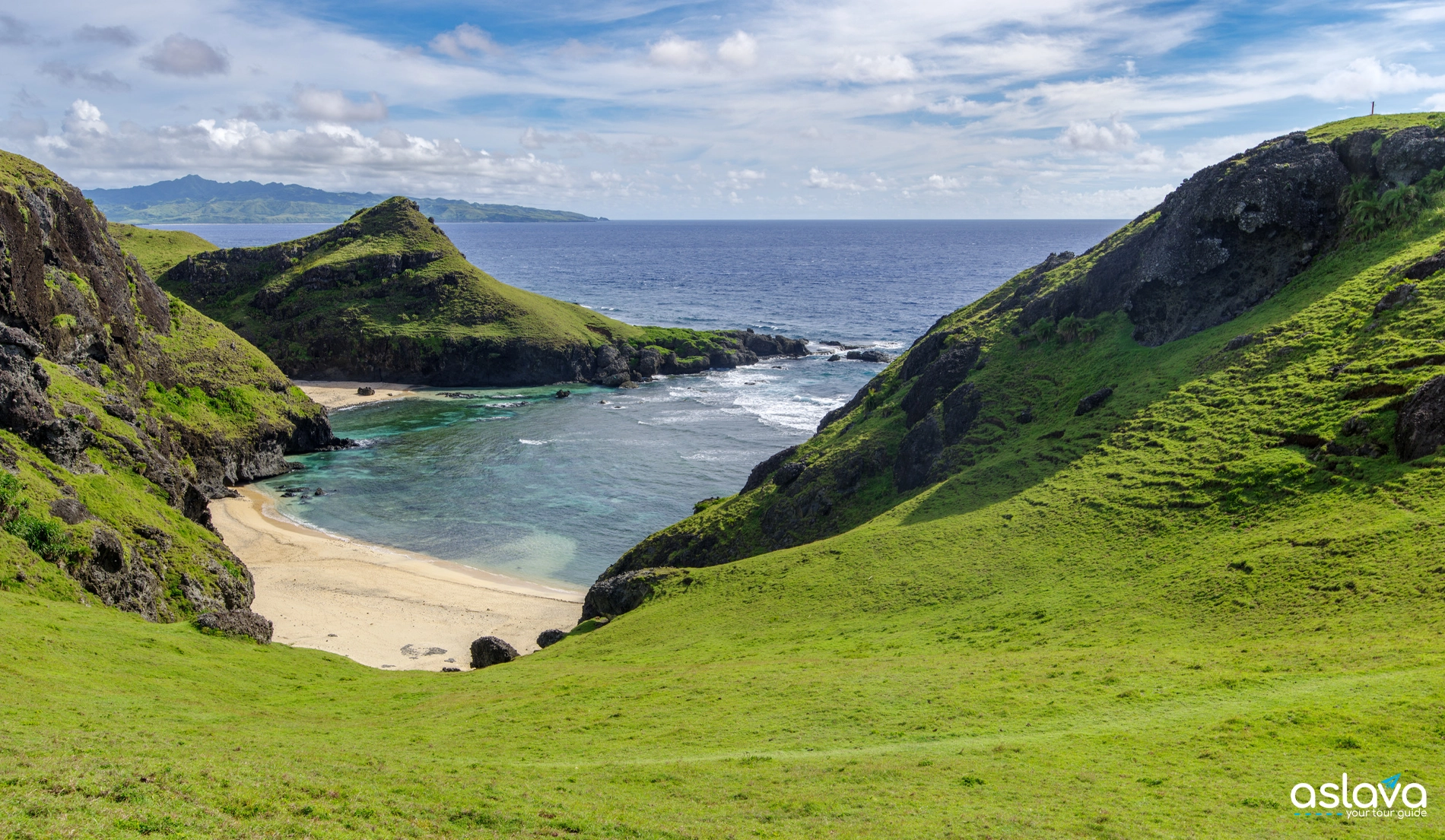
Located closer to Taiwan than to mainland Luzon, Batanes sits at the convergence of the West Philippine Sea and the Pacific Ocean. This strategic position has shaped both its dramatic landscapes and the resilient character of its people. The province is characterized by rolling hills, rugged coastlines, and a network of small islands that create a truly unique geographical setting. Furthermore, its remote location has helped preserve its natural beauty and cultural heritage, making it distinctly different from other Philippine destinations.
2. The Ivatan People and Culture
The indigenous inhabitants of Batanes, known as Ivatans, have developed a distinct culture shaped by their isolation and the harsh weather conditions of the region. They are known for their honesty, resilience, and strong community bonds. Additionally, their traditional stone houses, built to withstand powerful typhoons, are architectural marvels that have become iconic symbols of Batanes. In 2026, many Ivatans still wear their traditional attire – the vakul (headgear) for women and kanayi (vest) for men – especially during cultural celebrations and when working in the fields.
3. Climate and Weather Patterns
Batanes is known as the “Home of the Winds” for good reason. The weather can be unpredictable, with conditions changing rapidly throughout the day. The province experiences four seasons, with the northeast monsoon (Amihan) bringing cooler temperatures from November to February, and the southwest monsoon (Habagat) bringing more rainfall from June to October. Spring (March to May) offers pleasant temperatures and is generally considered the best time to visit. However, even during the rainy season, Batanes often experiences sunny periods, making year-round travel possible with proper planning.
4. Tourism Development
While tourism has grown in Batanes over the years, the local government has implemented strict regulations to preserve its natural beauty and cultural heritage. In 2026, visitor numbers remain controlled, and sustainable tourism practices are enforced. As a result, Batanes has maintained its unspoiled charm while providing improved infrastructure for travelers. The province now offers better accommodations, more reliable transportation options, and organized tours that balance visitor experience with environmental conservation.
Best Time to Visit Batanes
Timing your visit to Batanes is crucial for maximizing your experience in this remote paradise. While the province can be visited year-round, certain seasons offer distinct advantages depending on your preferences and planned activities.
1. Summer Season (March to May)
Summer is widely considered the best time to visit Batanes. During these months, you’ll enjoy clear blue skies, minimal rainfall, and moderate temperatures ranging from 20°C to 30°C (68°F to 86°F). The hills display a golden-brown hue during this period, creating a stunning contrast against the blue ocean and sky. Moreover, this season offers the most reliable flight schedules with fewer cancellations due to weather conditions. However, as the peak tourist season, accommodations tend to be more expensive and should be booked well in advance.
2. Rainy Season (June to October)
The rainy season transforms Batanes into a lush green paradise, with the hills and valleys covered in vibrant vegetation. While there’s a higher chance of precipitation, rain showers are often brief, followed by periods of sunshine. Additionally, this season offers fewer tourists and lower accommodation rates. The dramatic cloud formations and misty landscapes provide unique photography opportunities not available during other seasons. Nevertheless, be prepared for potential flight cancellations and limited inter-island boat trips due to rough seas, especially during typhoon months (August-September).
3. Cool Season (November to February)
Winter brings cooler temperatures to Batanes, ranging from 16°C to 24°C (61°F to 75°F). The northeast monsoon creates stronger winds but also brings clearer visibility on most days. This season is ideal for travelers who prefer cooler weather for hiking and exploring. The landscape transitions from lush green to a more subdued palette, offering a different perspective of Batanes’ beauty. Tourist numbers are moderate during this period, providing a good balance between solitude and social interaction.
| Season | Months | Weather | Landscape | Tourist Volume | Flight Reliability |
| Summer | March-May | Sunny, 20-30°C | Golden-brown hills | High | Excellent |
| Rainy | June-October | Intermittent rain, 23-32°C | Lush green | Low | Moderate to Poor |
| Cool | November-February | Windy, 16-24°C | Mixed green/brown | Moderate | Good |
4. What to Pack
Regardless of when you visit, packing for Batanes requires careful consideration of the changeable weather. Light, breathable clothing is essential, but always include a light jacket or windbreaker for sudden temperature drops. Additionally, sturdy walking shoes are necessary for exploring the rugged terrain. Sun protection (sunscreen, hat, sunglasses) is crucial year-round, as the sun can be intense even on cloudy days. During rainy season, pack quick-dry clothing and a reliable raincoat or umbrella. Finally, don’t forget to bring a reusable water bottle to stay hydrated while reducing plastic waste on the islands.
How to Get to Batanes
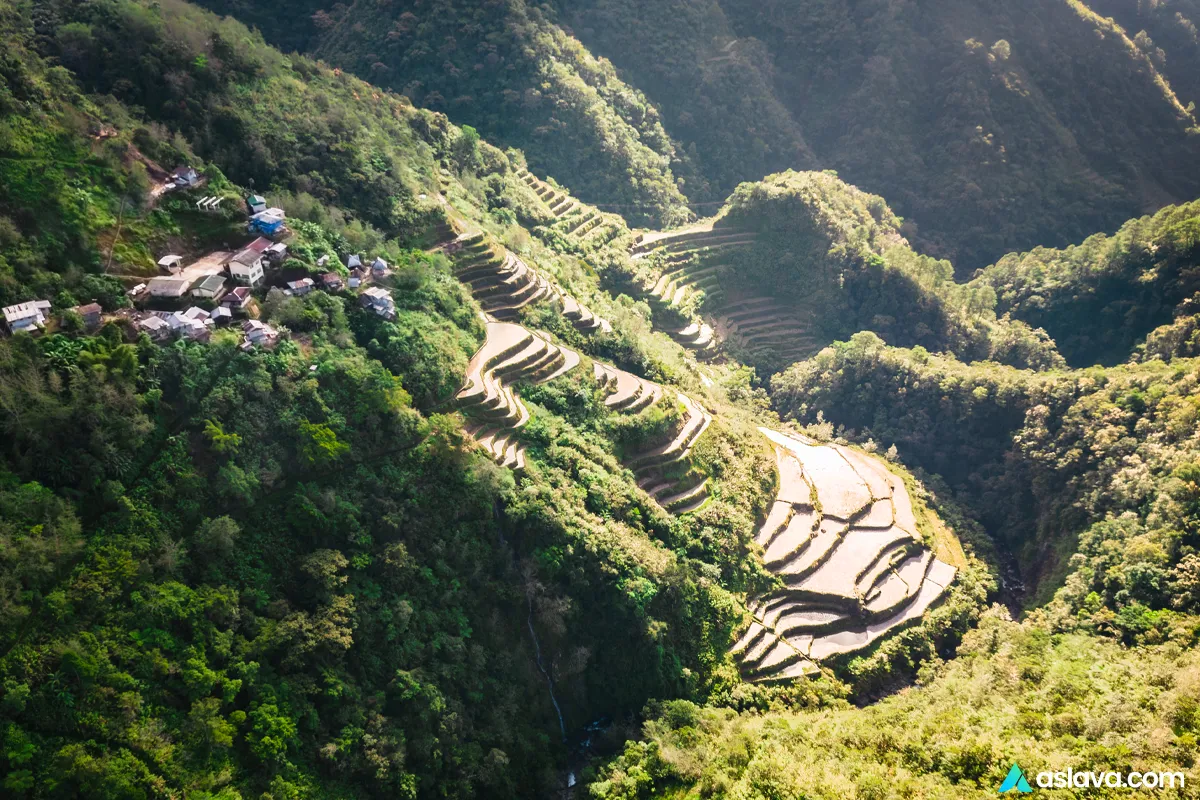
Reaching Batanes requires some planning due to its remote location, but the journey has become more accessible in 2026 with improved transportation options. The breathtaking aerial views during your approach to the islands offer a spectacular preview of the beauty that awaits.
1. Flights to Batanes
The primary way to reach Batanes is by air, with flights landing at Basco Airport on Batan Island. In 2026, Philippine Airlines (PAL) operates daily flights from Manila and Clark to Basco, with flight duration ranging from 70 to 110 minutes depending on the departure point. Additionally, SkyJet Airlines now offers three weekly flights from Manila, providing travelers with more options. Flight schedules remain weather-dependent, so it’s advisable to allow buffer days in your itinerary for potential delays or cancellations, especially during the rainy season.
2. Finding Affordable Flights
Batanes flights have historically been expensive, but several strategies can help you secure better rates. First, booking 3-6 months in advance typically yields lower fares. Furthermore, mid-week flights (Tuesday and Wednesday) often cost significantly less than weekend departures. Setting up price alerts through airline websites or travel apps is another effective way to catch promotional fares. In 2026, PAL continues to offer occasional seat sales that can reduce fares by up to 50%. Finally, flights from Clark International Airport are generally more affordable than those from Manila, making it worth considering even if it requires additional travel to reach the departure point.
3. Alternative Routes
For more adventurous travelers, alternative routes to Batanes have emerged in 2026. Sky Pasada now operates flights from Tuguegarao City in Cagayan Province to Basco three times weekly. This option can be combined with land travel from Manila to Tuguegarao, potentially reducing overall costs. Additionally, during calm sea conditions (typically March to May), chartered boats occasionally operate from Cagayan’s coastal towns to Batanes, though this option requires significant time (18-24 hours) and should only be considered by those with strong sea legs and flexible schedules.
Getting Around Batanes
Navigating Batanes offers its own unique charm, with transportation options that allow you to experience the islands at your preferred pace. From traditional boats to modern rental vehicles, each mode of transport provides a different perspective on this beautiful province.
1. Exploring Batan Island
As the main island where Basco is located, Batan offers several transportation options. Renting a bicycle is popular for exploring the town proper and nearby attractions, with rental rates ranging from ₱300-₱500 per day in 2026. For those comfortable with two wheels, motorcycles can be rented for ₱800-₱1,200 per day (valid driver’s license required). Tricycles serve as the local taxis, with fares within Basco costing ₱30-₱50 per ride. For full-day tours, hiring a tricycle costs approximately ₱1,500 for North Batan and ₱2,000 for South Batan. Additionally, van rentals are available for larger groups at ₱3,500-₱4,500 per day, offering the most comfortable option for exploring the island’s more distant attractions.
2. Inter-Island Travel
Traveling between Batanes’ inhabited islands requires planning around boat schedules and weather conditions. The traditional Ivatan boats called faluwa operate daily between Ivana Port (Batan) and Sabtang Island, with departures typically at 6:00-7:00 AM and returns at 1:00-2:00 PM. The journey takes approximately 30-45 minutes and costs ₱100 one-way. Travel to Itbayat Island is more challenging, with faluwa boats departing from Basco Port at 6:00 AM (weather permitting) and taking 2.5-3.5 hours. The fare is ₱450 one-way. In 2026, a faster alternative is available through small aircraft operated by Aero Speed Air Transport Services, offering 15-minute flights to Itbayat for ₱2,500 one-way, though these require minimum passenger numbers to operate.
3. Organized Tours
For hassle-free exploration, organized tours have become increasingly sophisticated in 2026. Licensed tour operators offer comprehensive packages covering North Batan, South Batan, and Sabtang Island. These typically include transportation, guide services, entrance fees, and often lunch. Standard rates per person range from ₱1,200 for North Batan, ₱2,200 for South Batan, and ₱2,500 for Sabtang Island tours. Group tours use vans or jeepneys depending on party size, while private tours can be arranged for more flexibility. The advantage of organized tours extends beyond convenience – local guides provide cultural context and historical information that significantly enhances your understanding and appreciation of Batanes.
Advantages of Organized Tours
- Local knowledge and cultural insights from certified guides
- All logistics and permits handled for you
- Efficient routing to maximize sightseeing time
- Includes meals and entrance fees in package price
- Meet other travelers and share experiences
Advantages of Independent Travel
- Complete flexibility with timing and itinerary
- More opportunities for spontaneous exploration
- Potential cost savings for larger groups
- Extended time at preferred locations
- More intimate experience of local culture
Where to Stay in Batanes
Accommodation options in Batanes have evolved significantly by 2026, offering everything from basic homestays to boutique luxury experiences. While still limited compared to major tourist destinations, the quality and variety of lodging have improved to meet growing demand while maintaining the province’s authentic character.
1. Basco Accommodations
As the provincial capital and main gateway, Basco offers the widest range of accommodations. Budget travelers can choose from numerous homestays like Marfel’s Lodge (₱800-₱1,200/night) and Troy’s Lodge (₱1,000-₱1,500/night), which provide basic but clean rooms and authentic Ivatan hospitality. Mid-range options include Bernardo’s Hotel (₱3,500-₱4,500/night) and Batanes Seaside Lodge (₱3,000-₱4,000/night), offering air-conditioned rooms with private bathrooms and restaurant facilities. For luxury seekers, Fundacion Pacita (₱8,000-₱12,000/night) remains the premier choice, featuring artistically designed rooms in a stunning hilltop location with panoramic views. In 2026, several new boutique accommodations have opened, including Baleting Hometel and Boulder Bay Residence, blending modern comforts with traditional Ivatan architectural elements.
2. Accommodations in Other Areas
Beyond Basco, accommodation options are more limited but offer unique experiences. In Sabtang Island, Sabtang Guesthouse and Chavayan Homestay provide simple rooms for travelers wishing to experience the island beyond day trips, with rates ranging from ₱800-₱1,500 per night. Staying overnight in Sabtang allows you to experience the island’s tranquility after day-trippers depart and witness spectacular sunrises. In Itbayat, accommodations are basic but adequate, with Itbayat Lodge and several family homestays charging ₱700-₱1,200 per night. These remote stays offer an authentic glimpse into traditional Ivatan life, though amenities are limited and electricity typically runs only from 6:00 PM to midnight.
3. Booking Considerations
Advance booking is essential for Batanes accommodations, especially during peak season (March-May) when properties can be fully booked months ahead. Most homestays and smaller establishments don’t have online booking systems in 2026, requiring direct contact via phone or email. However, larger hotels can now be booked through major online travel agencies. When booking, consider location carefully – staying in Basco town proper provides easy access to restaurants and services, while properties on the outskirts offer more tranquility and scenic views. Additionally, confirm amenities before booking, as internet connectivity, hot water, and 24-hour electricity aren’t universal across all accommodations, particularly in more remote areas.
Budget: Marfel’s Lodge
Popular homestay in Basco with clean, basic rooms and friendly hosts. Walking distance to town center and airport.
- Price: ₱800-₱1,200/night
- Fan rooms with shared bathrooms
- Simple breakfast available
- Local travel advice from hosts
Mid-range: Bernardo’s Hotel
Comfortable hotel with restaurant, air-conditioned rooms, and reliable WiFi. Five minutes from Basco Airport.
- Price: ₱3,500-₱4,500/night
- Private rooms with en-suite bathrooms
- In-house restaurant (Casa Napoli)
- Airport transfers included
Luxury: Fundacion Pacita
Former home of artist Pacita Abad, now a boutique lodging with stunning views, art-filled rooms, and gourmet dining.
- Price: ₱8,000-₱12,000/night
- Spacious rooms with artistic touches
- Panoramic views of mountains and sea
- Fine dining at Café du Tukon
Must-Visit Places in Batanes
Batanes offers a treasure trove of natural wonders and cultural sites across its three inhabited islands. Each location tells a unique story about the province’s geography, history, and way of life. While organized tours cover most major attractions, understanding what makes each site special will enhance your appreciation of this remarkable destination.
1. North Batan Highlights
North Batan encompasses Basco and its surrounding areas, offering a perfect introduction to Batanes. The iconic Vayang Rolling Hills presents a breathtaking panorama of undulating grasslands meeting the sea, particularly magical during sunset when golden light bathes the landscape. Nearby, Basco Lighthouse at Naidi Hills provides 360-degree views of the town and coastline from its six-story tower. For history enthusiasts, the Dipnaysupuan Japanese Tunnel offers a glimpse into WWII history with its network of underground passages. Nature lovers shouldn’t miss Valugan Boulder Beach, where volcanic eruptions have created a striking shoreline of massive andesite rocks polished by ocean waves. Additionally, the Mt. Carmel Chapel (Tukon Church) impresses with its stone architecture that blends traditional Ivatan design with modern elements, set against a backdrop of mountains and sea.
2. South Batan Treasures
South Batan reveals some of the province’s most spectacular landscapes and cultural sites. Racuh-a-Payaman, popularly known as Marlboro Country, presents an awe-inspiring vista of vast pastureland perched on cliffs overlooking the Pacific Ocean and Diura Beach. The dramatic Alapad Rock Formation and Hills showcase nature’s sculptural prowess, with a narrow road cutting through towering rock faces beside crashing waves. Cultural highlights include the House of Dakay, the oldest standing stone house in Batanes (built in 1887), and San Carlos Borromeo Church in Mahatao, a well-preserved Spanish colonial church dating back to 1873. For a unique experience, visit the Honesty Coffee Shop, an unmanned store where customers serve themselves and leave payment in a collection box, embodying the Ivatan values of trust and integrity. Nature lovers should also explore Homoron Blue Lagoon and Maydangeb White Beach, offering refreshing swimming spots with crystal-clear waters.
3. Sabtang Island Experiences
A day trip or overnight stay on Sabtang Island reveals some of Batanes’ most authentic cultural experiences and dramatic coastal scenery. The traditional stone villages of Savidug and Chavayan showcase the best-preserved examples of Ivatan architecture, with narrow stone streets lined with traditional houses featuring thick walls and cogon grass roofs. At Chamantad-Tinyan Viewpoint, breathtaking vistas of rolling hills dropping dramatically to the sea await photographers and nature lovers. Morong Beach, with its distinctive Ahaw Natural Rock Formation (a stone arch), offers both scenic beauty and swimming opportunities in its protected cove. Cultural immersion continues at the Sabtang Weavers Association, where you can observe the creation of traditional vakul (headgear) and other items woven from voyavoy palm fibers. For history buffs, the Spanish-era San Vicente Ferrer Church and the Old Beaterio (former women’s convent) provide glimpses into the island’s colonial past.
4. Itbayat Adventures
For adventurous travelers, Itbayat Island offers remote experiences and some of Batanes’ most dramatic landscapes. The island’s rugged terrain features the towering Mt. Karoboban, offering spectacular views of surrounding uninhabited islands. Archaeological enthusiasts will appreciate Torongan Cave, believed to be where Austronesian ancestors first arrived in the Philippines, and the ancient stone boat-shaped burial markers found throughout the island. The challenging hike to Rapang Cliffs rewards with breathtaking views of sheer rock faces dropping into the sea, adorned with unique bonsai arius trees clinging to the cliffside. Natural wonders include the Small Lagoon, a refreshing natural swimming hole, and Kavaywan Lake, a serene freshwater lake surrounded by hills. While facilities are basic and travel can be challenging, Itbayat offers an authentic frontier experience for those seeking to venture beyond the more visited islands.
Local Cuisine and Dining
Batanes cuisine reflects the province’s unique geography and cultural heritage, offering flavors that are distinct from mainstream Filipino food. The harsh maritime environment has shaped a culinary tradition that relies heavily on seafood, root crops, and preservation techniques, resulting in dishes that are simple yet flavorful.
1. Must-Try Ivatan Dishes
Several distinctive dishes define Ivatan cuisine and should be on every visitor’s culinary bucket list. Uvud, made from grated banana corm mixed with minced fish or meat and shaped into balls, offers a unique texture and subtle flavor that pairs perfectly with turmeric rice. Vunes (or venes) combines dried taro stalks with fish or meat in a hearty stew that showcases preservation techniques developed for harsh weather periods. Luñis, Batanes’ version of adobo, features pork cooked in its own fat with minimal seasoning, resulting in golden-brown, crispy meat typically served with sweet potato. Seafood enthusiasts should try dibang (flying fish), prepared either dried, grilled, or in a vinegar-based kinilaw (similar to ceviche). For a true luxury, indulge in payi (lobster), which is remarkably affordable in Batanes compared to Manila prices, typically served steamed or grilled with minimal seasoning to highlight its natural sweetness.
2. Where to Eat in Basco
Basco offers the widest variety of dining options in Batanes, ranging from traditional Ivatan cuisine to international fare. For authentic local dishes, Pension Ivatan remains a favorite, serving a comprehensive menu of traditional foods in a charming setting. Café du Tukon at Fundacion Pacita offers elevated Ivatan cuisine with panoramic views, though at premium prices. Budget travelers frequent SDC Canteen for affordable Filipino staples and some local dishes. For those craving international flavors, Casa Napoli serves authentic Italian pizzas and pasta, while Noods Ramen House offers Japanese options. New additions to Basco’s dining scene in 2026 include Harbor Café, offering seafood with stunning ocean views, and Korner Hauz Café, serving excellent coffee and pastries. Most restaurants in Basco operate from around 7:00 AM to 8:00 PM, with few late-night options available.
3. Dining Beyond Basco
Outside Basco, dining options become more limited but often offer more authentic experiences. In Sabtang Island, Paypanapanayan Canteen serves as the primary lunch stop for day tours, offering set meals featuring fresh seafood and vegetables for around ₱350 per person. Several small eateries near Sabtang port provide simpler meals at lower prices. In South Batan, small family-run eateries in Mahatao and Ivana offer home-cooked Ivatan specialties, though hours can be irregular. The famous Honesty Coffee Shop in Ivana, while primarily a convenience store, offers simple snacks, coffee, and cold drinks in its unique self-service format. In Itbayat, dining is largely limited to homestay meals and a few basic eateries near the port and town center, serving simple but hearty local fare.
4. Culinary Experiences and Food Souvenirs
Beyond restaurant dining, Batanes offers unique culinary experiences worth seeking out. Several homestays and local families offer cooking classes where you can learn to prepare traditional dishes like uvud and vunes using local techniques. The Batanes Wakay Travel and Tours now offers food tours that combine visits to local producers with cooking demonstrations and meals in family homes. For food souvenirs, vacuum-sealed packages of dried dibang (flying fish) make excellent gifts, available at the Batanes Multi-Purpose Cooperative. Turmeric tea, locally grown and packaged, offers both flavor and health benefits. Sweet treats like bukayo (coconut candy) and different varieties of rootcrop chips provide tasty mementos of your visit. For those interested in local beverages, palek (sugarcane wine) offers a taste of traditional Ivatan fermentation skills.
Practical Tips for Batanes Travel
Traveling to a remote destination like Batanes requires extra preparation to ensure a smooth and enjoyable experience. These practical considerations will help you navigate potential challenges and make the most of your visit to this unique province.
1. Money Matters
Cash remains king in Batanes, with most establishments operating on a cash-only basis. In 2026, only two ATMs exist in Basco (PNB and Landbank), and neither reliably accepts international cards. Therefore, bring sufficient Philippine Pesos for your entire stay, plus a contingency amount. While some larger hotels and tour operators now accept major credit cards and mobile payment platforms like GCash, technical issues and connectivity problems can make these unreliable. For budgeting purposes, expect to spend ₱3,000-₱5,000 per day for mid-range travel (excluding accommodations), covering meals, transportation, and entrance fees. A complete 5-day trip typically costs ₱25,000-₱45,000 per person including accommodations, depending on your comfort level and activities.
2. Communication and Connectivity
Mobile network coverage in Batanes has improved by 2026 but remains inconsistent outside population centers. Both Globe and Smart provide reliable service in Basco town proper, but signal becomes sporadic in remote areas of Batan Island and on Sabtang and Itbayat Islands. Internet connectivity follows a similar pattern, with 4G available in Basco but often dropping to slower speeds or no connection elsewhere. For those needing reliable internet, accommodations like Bernardo’s Hotel and Fundacion Pacita offer the best WiFi connections. To stay connected, consider purchasing a local SIM card upon arrival if your phone is unlocked, or arrange international roaming before your trip. However, embrace the opportunity to disconnect – many travelers find that limited connectivity enhances their appreciation of Batanes’ natural beauty and tranquil atmosphere.s
3. Weather Preparedness
Batanes’ weather can change rapidly, requiring flexible planning and appropriate gear. Even during the dry season, sudden rain showers are common, so always carry a lightweight raincoat or umbrella. Conversely, the sun can be intensely strong even on cloudy days, making sun protection (sunscreen, hat, sunglasses) essential year-round. Wind is a constant presence in Batanes, so secure loose items and consider wind-resistant clothing, particularly when visiting coastal viewpoints. For photography enthusiasts, weather-sealed equipment is recommended, along with lens cleaning supplies to manage sea spray and dust. Most importantly, build flexibility into your itinerary – if weather prevents certain activities, local guides can usually suggest alternatives. Weather apps are generally less reliable in predicting Batanes’ microclimate, so local advice remains your best resource for planning daily activities.
4. Cultural Sensitivity
The Ivatan people are known for their warmth and hospitality, but visitors should respect local customs and traditions. When visiting churches or homes, modest dress is appreciated – avoid revealing clothing and remove hats when entering sacred spaces. Photography etiquette is important – always ask permission before photographing local people, especially the elderly, and respect private property. The Ivatan value of honesty extends beyond the famous coffee shop – locals often leave possessions unattended, and visitors should honor this trust-based system. Environmental consciousness is also crucial – avoid leaving trash, stay on designated paths, and refrain from collecting plants, rocks, or marine life as souvenirs. Finally, speak softly and behave respectfully at viewpoints and natural attractions, as Ivatans value tranquility and consider their landscapes sacred.
Essential Items for Your Batanes Trip
- Sufficient cash in Philippine Pesos
- Lightweight raincoat or umbrella
- Sun protection (hat, sunglasses, sunscreen)
- Comfortable walking/hiking shoes with good grip
- Light jacket or windbreaker for cool evenings
- Reusable water bottle to reduce plastic waste
- Power bank for charging devices during long tours
- Basic first aid supplies and personal medications
- Swimwear for beach visits and swimming spots
- Camera with extra batteries and memory cards
Sample Batanes Itinerary for 2026
Planning your days in Batanes helps maximize your experience in this remote paradise. This flexible 5-day itinerary balances organized tours with free time for personal exploration, covering the major highlights while allowing for weather contingencies.
1. Day 1: Arrival and North Batan Tour
Begin your Batanes adventure with an early morning flight to Basco, arriving around 8:00 AM. After checking into your accommodation and enjoying breakfast, use the morning to settle in and explore Basco town proper on foot, visiting the cathedral and local market. After lunch at a local restaurant, join an organized North Batan Tour (approximately 4 hours) covering key attractions including Valugan Boulder Beach, Dipnaysupuan Japanese Tunnel, PAGASA Weather Station, and Tukon Chapel. Conclude your tour at Vayang Rolling Hills to witness the spectacular sunset over the West Philippine Sea. For dinner, try authentic Ivatan cuisine at Pension Ivatan before returning to your accommodation for a well-deserved rest. This first day provides a perfect introduction to Batanes’ landscapes and culture while allowing you to recover from your journey.
2. Day 2: South Batan Tour
Dedicate your second day to exploring the southern portion of Batan Island, which offers some of the province’s most dramatic landscapes. Begin your South Batan Tour early (around 7:00 AM) to maximize daylight hours for this full-day excursion. The tour typically includes Chawa Viewdeck, Mahatao Boat Shelter Port, San Carlos Borromeo Church, Tayid Lighthouse, and the breathtaking Racuh-a-Payaman (Marlboro Country). After lunch at a local eatery, continue to Alapad Rock Formation, House of Dakay, and the famous Honesty Coffee Shop. If time and weather permit, enjoy a refreshing swim at Maydangeb White Beach or Homoron Blue Lagoon before returning to Basco in the late afternoon. For dinner, try Casa Napoli for a change of pace with Italian cuisine, or explore other dining options in town. This comprehensive day showcases the diverse beauty of South Batan while providing cultural and historical context through guided interpretation.
3. Day 3: Sabtang Island Day Trip
Rise early for a day trip to Sabtang Island, departing from Ivana Port around 6:30 AM for the 30-45 minute boat journey. Upon arrival, register at the tourism office and begin your island tour, visiting the traditional stone villages of Savidug and Chavayan with their well-preserved Ivatan houses. Continue to Chamantad-Tinyan Viewpoint for breathtaking coastal vistas before heading to Morong Beach to see the iconic Ahaw Natural Rock Formation. Enjoy a traditional Ivatan lunch at Paypanapanayan Canteen or another local eatery, sampling fresh seafood and local specialties. In the early afternoon, visit the Sabtang Weavers Association to observe traditional crafts and perhaps purchase authentic souvenirs. Return to Batan Island on the 2:00 PM boat, arriving back in Basco by late afternoon. Spend the evening relaxing or exploring more of Basco town, perhaps catching the sunset at Naidi Hills if you didn’t do so on Day 1. This day provides insight into traditional Ivatan village life and some of the archipelago’s most picturesque landscapes.
4. Day 4: Free Day or Optional Activities
Reserve your fourth day for flexibility, allowing for weather contingencies or personal interests. If weather prevented any activities on previous days, this is your opportunity to reschedule. For active travelers, consider hiking Mt. Iraya (guided, 4-5 hours round trip) for panoramic views of the archipelago. Alternatively, rent a bicycle to explore Basco and nearby attractions at your own pace, or arrange a motorcycle tour with a local driver to revisit favorite spots. Water enthusiasts can book diving or snorkeling excursions to explore Batanes’ underwater beauty, with sites suitable for both beginners and experienced divers. Those seeking cultural immersion might arrange cooking classes to learn traditional Ivatan recipes or visit the National Museum Batanes Branch to deepen their understanding of local history. For a more relaxed day, simply enjoy Basco’s peaceful atmosphere, visit local craft shops, or spend time at one of the beaches near town.
5. Day 5: Departure Day with Morning Activities
Make the most of your final day with early morning activities before your departure flight. Rise at dawn to catch the sunrise at Valugan Boulder Beach or another eastern viewpoint, experiencing the magical morning light that photographers cherish. After breakfast, visit any spots you may have missed or wish to revisit, perhaps focusing on souvenir shopping at local craft stores or the Batanes Multi-Purpose Cooperative. For last-minute food souvenirs, stop by the public market to purchase local products like turmeric tea or dried fish. Depending on your flight schedule, enjoy a final meal at your favorite restaurant before checking out of your accommodation. Most flights depart Basco in the late morning or early afternoon, so plan to arrive at the small airport at least one hour before departure. As your plane takes off, enjoy the aerial views of this remarkable archipelago one last time, carrying memories of Batanes’ unique beauty and culture.
Itinerary Flexibility Tips
Weather in Batanes can change rapidly, so be prepared to adjust your plans. Consider these alternatives:
- If boat trips to Sabtang are canceled, swap with your free day activities
- During brief rain showers, visit indoor attractions like museums or the Honesty Coffee Shop
- For persistent bad weather, ask your accommodation about indoor cultural activities like weaving demonstrations
- Book tours that offer rain date alternatives or partial refunds for weather cancellations
- Consider adding an extra buffer day to your itinerary if visiting during shoulder seasons
Sustainable Tourism in Batanes
As Batanes gains popularity, responsible tourism practices become increasingly important to preserve its natural beauty and cultural heritage. By 2026, the province has implemented various sustainability initiatives, and visitors play a crucial role in supporting these efforts.
1. Environmental Conservation
Batanes’ pristine environment faces challenges from increased tourism, but visitors can minimize their impact in several ways. First, adhere to the “leave no trace” principle by properly disposing of waste and using designated trash bins. Many accommodations now provide refillable water stations, so bring a reusable water bottle to reduce plastic waste. When exploring natural areas, stay on established paths to prevent erosion and damage to vegetation. Additionally, avoid collecting natural souvenirs like shells, rocks, or plants, as these practices can disrupt fragile ecosystems. The local government has implemented strict regulations against single-use plastics, with many establishments using biodegradable alternatives. Support these initiatives by declining unnecessary packaging and bringing reusable bags for shopping and souvenirs.
2. Cultural Preservation
The unique Ivatan culture deserves respect and protection from the potentially homogenizing effects of tourism. Support cultural preservation by patronizing authentic local businesses rather than chains or foreign-owned establishments. When purchasing souvenirs, choose genuine handicrafts made by local artisans, which directly supports traditional skills and provides fair compensation to creators. Participate in cultural activities with respect and genuine interest, asking permission before photographing cultural practices or individuals. Learn a few basic Ivatan phrases as a gesture of respect, even if most locals speak Filipino and English. Finally, be mindful that some traditions and ceremonies may not be appropriate for tourist participation or photography – always follow local guidance on cultural sensitivities.
3. Economic Support
Tourism can provide significant economic benefits to local communities when visitors make conscious choices about where they spend. Choose locally-owned accommodations, restaurants, and tour operators to ensure your tourism dollars benefit Batanes residents directly. The Batanes Sustainable Tourism Development Office now certifies businesses that meet specific sustainability criteria, making it easier to identify responsible operators. When booking tours, select companies that employ local guides and pay fair wages, as these practices support families and preserve local knowledge. Consider visiting during shoulder seasons (early March or late May) to help distribute tourism income more evenly throughout the year. Finally, be willing to pay fair prices for goods and services rather than aggressively bargaining, recognizing that living costs in remote Batanes are higher due to transportation challenges.
4. Responsible Photography
As one of the Philippines’ most photogenic destinations, Batanes attracts many photography enthusiasts. Practice responsible photography by respecting “no photo” signs at sensitive cultural or natural sites. When photographing people, always ask permission first and offer to share images via email if possible. Avoid dangerous behaviors for social media photos, such as climbing unstable structures or approaching cliff edges. Drone operators must obtain permits from the local government and follow strict regulations about where and when they can fly. These rules protect wildlife, prevent noise pollution, and respect privacy. Remember that the most meaningful photographs often come from genuine connections and experiences rather than staged or risky shots.
“We do not inherit the earth from our ancestors; we borrow it from our children. In Batanes, this philosophy guides our approach to tourism development, balancing economic opportunities with environmental and cultural preservation.”
Embracing the Batanes Experience
As your journey to Batanes in 2026 approaches, prepare to discover a destination that offers far more than just spectacular landscapes. This remote archipelago provides a rare opportunity to step back from the frenetic pace of modern life and connect with nature, culture, and community in meaningful ways.
Batanes rewards those who approach it with patience and openness. Beyond the must-see attractions and perfect photo opportunities lies the true essence of this special place – found in conversations with local fishermen, quiet moments watching waves crash against ancient volcanic boulders, or the simple pleasure of a home-cooked Ivatan meal shared with new friends.
The province’s remoteness, once a barrier to tourism, now stands as its greatest asset. Here, disconnecting from technology often leads to deeper connections with fellow travelers and locals. The unpredictable weather teaches flexibility and appreciation for the moment. The rugged landscapes inspire humility and wonder at nature’s power.
As you plan your 2026 Batanes adventure, remember that the most memorable experiences often come from embracing the unexpected – a sudden rainbow after a brief shower, an invitation to join a local celebration, or a detour that leads to an undiscovered viewpoint. Allow yourself the luxury of slow travel in this fast-paced world, and Batanes will reveal its treasures at its own perfect pace.
Frequently Asked Questions About Batanes Travel
Is Batanes safe for tourists?
Batanes is considered one of the safest destinations in the Philippines, with virtually zero crime rate. The Ivatan people are known for their honesty and hospitality. The main safety concerns are related to natural elements – rough seas during boat crossings, slippery paths during rain, and strong winds at cliff edges. Follow local advice regarding weather conditions and exercise normal caution when exploring natural areas.
How many days should I spend in Batanes?
A minimum of 4-5 days is recommended to experience Batanes properly. This allows time to explore North and South Batan, visit Sabtang Island, and have a buffer day for weather contingencies or personal exploration. If you wish to include Itbayat Island, add at least 2 more days to your itinerary. Given the effort and cost to reach Batanes, a longer stay provides better value and a more relaxed experience.
What is the best way to book tours in Batanes?
In 2026, the most reliable way to book tours is through DOT-accredited tour operators, either in advance online or upon arrival in Basco. Pre-booking is recommended during peak season (March-May) when guides and transportation can be limited. Most accommodations can arrange tours for guests, often at standard rates. Group tours are more economical, while private tours offer flexibility with your schedule and preferences.
Can I use credit cards or mobile payments in Batanes?
While some larger establishments in Basco now accept credit cards and mobile payments like GCash, cash remains the primary payment method throughout Batanes. Network connectivity issues can make electronic payments unreliable, especially outside Basco. Bring sufficient Philippine Pesos for your entire stay, as ATMs are limited (only two in Basco) and may not always have cash available or accept international cards.
Is it possible to visit Batanes on a budget?
While Batanes is generally more expensive than other Philippine destinations due to its remoteness, budget travel is possible with careful planning. Key strategies include: booking flights during promotions (sometimes available 6-8 months in advance), staying in homestays rather than hotels, joining group tours instead of private ones, and traveling during shoulder seasons when rates are lower. A budget traveler should expect to spend at least ₱15,000-₱20,000 for a 5-day trip excluding flights.
What happens if flights are canceled due to weather?
Flight cancellations due to weather conditions are not uncommon in Batanes. In 2026, airlines typically rebook passengers on the next available flight at no additional cost. However, this may mean extending your stay by several days during bad weather periods. Travel insurance that covers weather-related delays is highly recommended. Most accommodations are understanding about weather situations and will try to accommodate extended stays, though this may require changing rooms depending on availability.