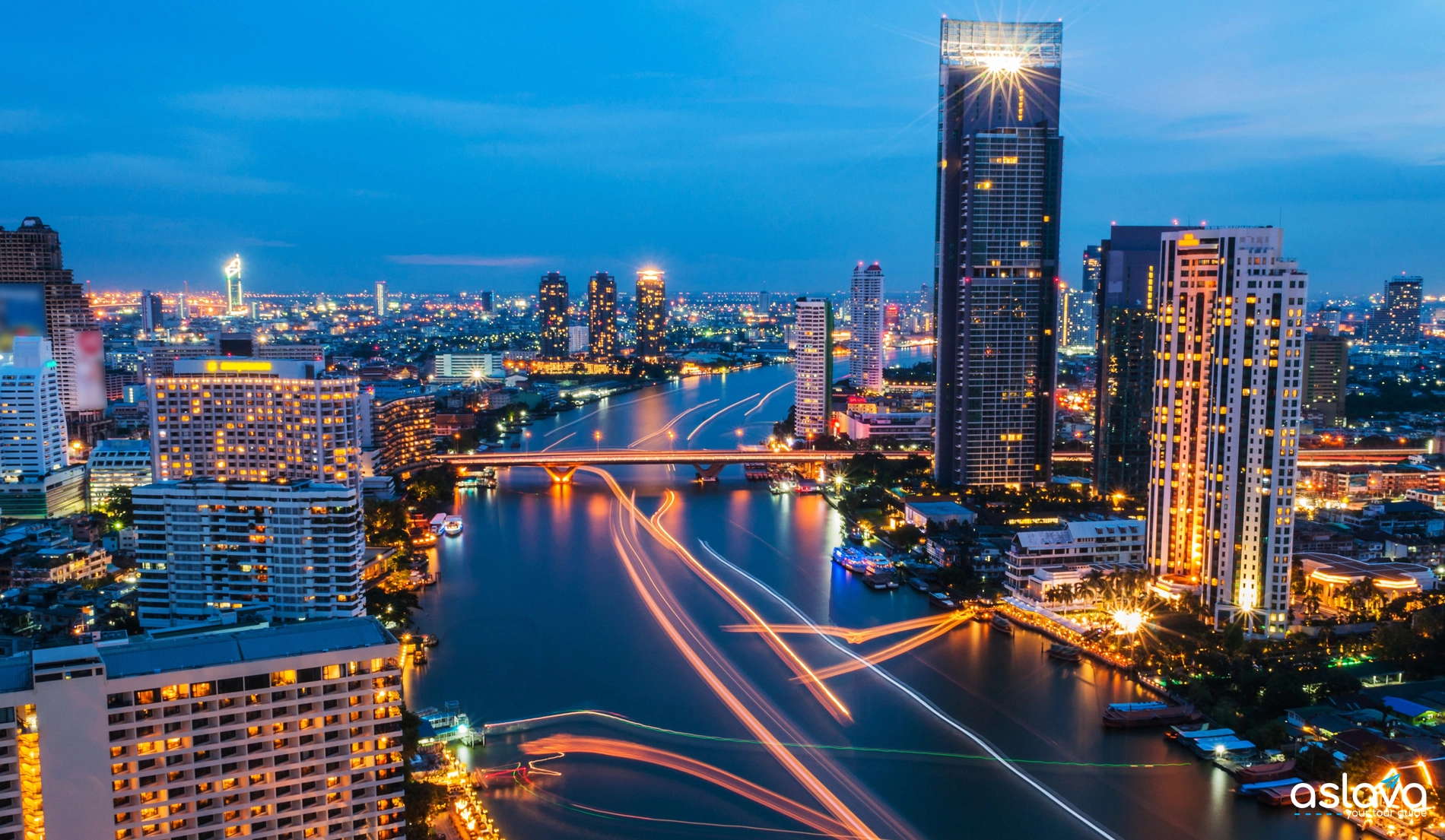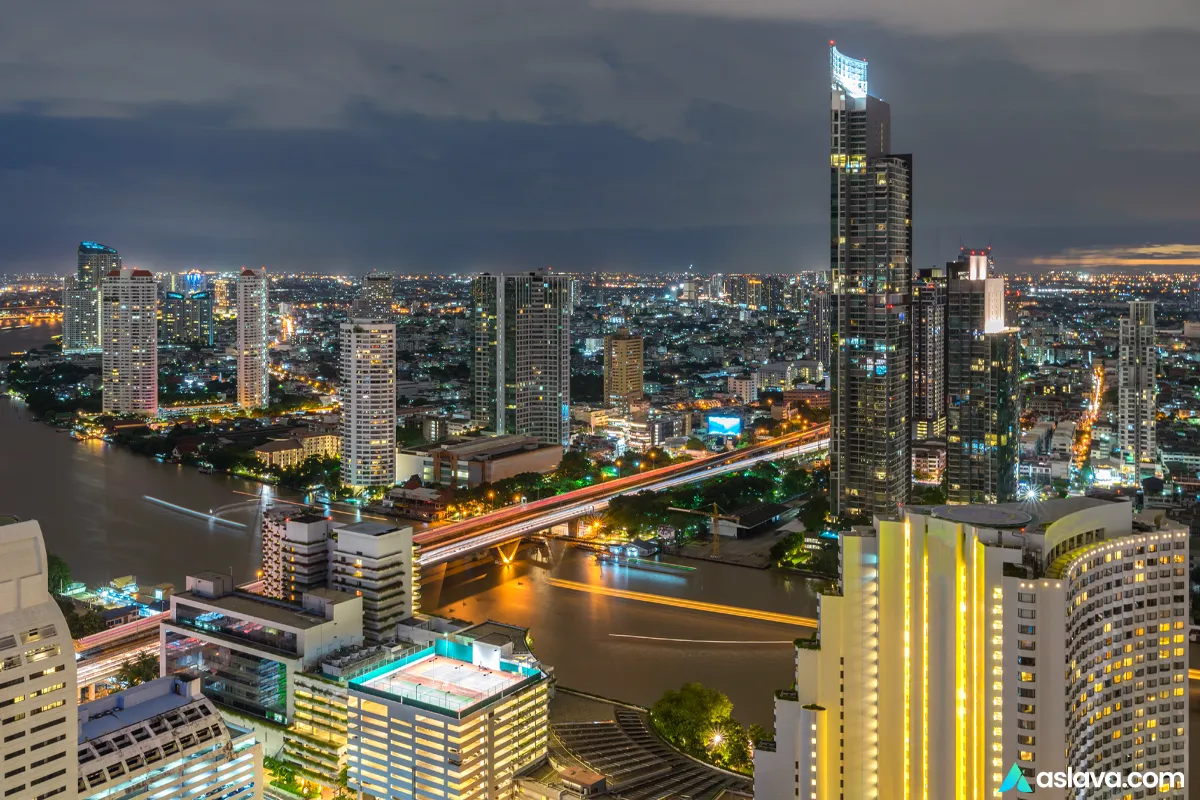
Bangkok continues to captivate travelers in 2026 with its intoxicating blend of ancient temples, bustling markets, vibrant street life, and modern attractions. Thailand’s capital offers an unparalleled urban adventure where centuries-old traditions coexist seamlessly with futuristic skyscrapers. From the magnificent Grand Palace to the atmospheric night markets and legendary street food scene, Bangkok rewards visitors with sensory experiences at every turn. This comprehensive guide covers everything you need to know for an unforgettable Bangkok trip in 2026, whether you’re planning a short city break or using the capital as your gateway to further Thai adventures.
Getting to Bangkok in 2026
Bangkok serves as Thailand’s primary international gateway with two major airports handling millions of visitors annually. Most international travelers arrive at Suvarnabhumi Airport (BKK), while Don Mueang Airport (DMK) handles many domestic and regional flights, particularly from budget carriers.
International Flights to Bangkok
For 2026, Bangkok has significantly expanded its global connectivity with new direct routes from major cities worldwide. Premium carriers like Thai Airways, Emirates, Qatar Airways, and Singapore Airlines offer excellent service to Suvarnabhumi, while budget-conscious travelers can find competitive fares on AirAsia, Scoot, and other low-cost airlines serving both airports. Additionally, several emerging carriers now operate routes that weren’t available in 2025, making Bangkok more accessible than ever.
Airport Transportation to City Center
Getting from Bangkok’s airports to your accommodation has become increasingly convenient in 2026. Multiple transportation options cater to different budgets and preferences, making your arrival experience smoother than ever before.
| Transport Option | Travel Time | Cost (THB) | Convenience Level |
|---|---|---|---|
| Airport Rail Link | 25-30 minutes | 45-55 | High (avoid traffic) |
| Public Taxi | 30-60 minutes | 300-500 | Medium (subject to traffic) |
| Grab/Bolt App | 30-60 minutes | 350-600 | High (cashless, fixed price) |
| Airport Limousine | 30-60 minutes | 700-1,500 | Very High (luxury service) |
Best Time to Visit Bangkok in 2026
Bangkok’s tropical climate creates distinct seasonal patterns that significantly impact your travel experience. Understanding these seasonal variations helps you plan the optimal time for your visit based on your weather preferences, budget constraints, and tolerance for crowds.
Cool Season (November–February)
Bangkok’s most pleasant period features lower humidity and temperatures typically ranging from 22–32°C (72–90°F). This peak tourist season offers ideal sightseeing conditions for temple exploration and outdoor activities. However, expect higher hotel rates and more crowded attractions, particularly during December and January when holiday travelers visit the city.
Hot Season (March–May)
Temperatures soar to 35–40°C (95–104°F) with high humidity making outdoor exploration challenging during midday hours. The [translate:Songkran]] water festival in mid-April provides welcome relief with city-wide water fights and celebrations. This period offers good hotel deals, especially in May as the rainy season approaches, making it attractive for budget-conscious travelers.
Rainy Season (June–October)
This period features brief but intense afternoon downpours rather than all-day rain patterns. Temperatures moderate to 25–33°C (77–91°F) with high humidity throughout. Bangkok’s excellent indoor attractions, shopping malls, and significantly reduced tourist numbers make this a good option for budget travelers who don’t mind occasional weather disruptions. Furthermore, the landscape becomes lush and green during this period.
Insider Tip: November and early December offer an excellent sweet spot with comfortable weather, relatively fewer tourists compared to the December-January peak, and seasonal decorations beginning to appear throughout the city. Late September and October also present good opportunities as the rainy season winds down but before peak season prices escalate.
Where to Stay in Bangkok
Bangkok offers an impressive range of accommodation options across diverse neighborhoods, each with its own distinct character and advantages. Your ideal location depends on your interests, budget, and what you plan to do during your stay in the Thai capital.
Best Bangkok Neighborhoods for Travelers
Riverside — Home to luxury hotels with stunning Chao Phraya River views and easy boat access to historic attractions. Perfect for first-time visitors seeking a scenic, upscale experience with convenient transportation to major sights.
Sukhumvit — Bangkok’s modern heart features excellent shopping, dining, and nightlife options. The BTS Skytrain runs through this area, making it ideal for travelers who prioritize convenience, international restaurants, and urban energy.
Silom/Sathorn — The financial district transforms into a vibrant area after dark with the famous Patpong Night Market. Great for business travelers and those seeking a mix of daytime attractions and evening entertainment venues.
Old City (Rattanakosin) — The historic center features the Grand Palace, Wat Pho, and other major attractions. Budget-friendly accommodation offers authentic local atmosphere, ideal for culture enthusiasts and temple explorers.
Chinatown (Yaowarat) — One of Bangkok’s most atmospheric districts features incredible street food, markets, and historic temples. Perfect for foodies and photographers seeking authentic local experiences.
Accommodation Options for Every Budget
| Category | Hotel | Description | Price |
|---|---|---|---|
| Budget | Once Again Hostel | Stylish hostel in Old City with rooftop views and social atmosphere | From $18/night |
| Mid-Range | Siam Design Hotel | Contemporary hotel near National Stadium BTS with rooftop pool | From $75/night |
| Luxury | Mandarin Oriental Bangkok | Legendary riverside property with 145 years of history and award-winning restaurants | From $450/night |
Top Attractions in Bangkok
Bangkok offers an incredible diversity of attractions that showcase Thailand’s rich cultural heritage alongside its modern developments. From magnificent temples and palaces to vibrant markets and contemporary museums, the city rewards explorers with unforgettable experiences around every corner.
Historic and Cultural Sites
The Grand Palace and Wat Phra Kaew stands as Bangkok’s most spectacular royal complex, housing Thailand’s most sacred Buddha image — the Emerald Buddha. The intricate architecture, golden spires, and detailed craftsmanship make it Bangkok’s most visited attraction. Allow at least half a day to explore this vast complex. (Entrance fee: 500 baht)
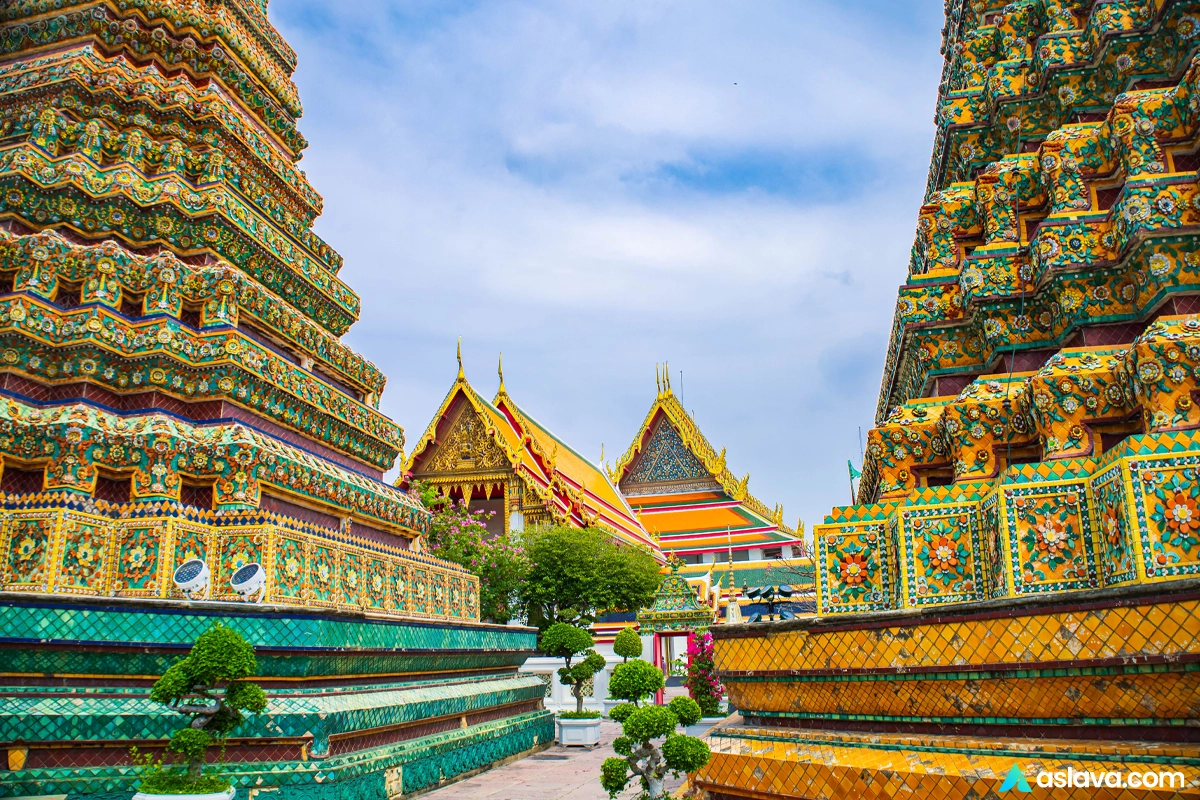
Wat Pho (Temple of the Reclining Buddha) is located near the Grand Palace and houses the massive 46-meter reclining Buddha covered in gold leaf. Known for its traditional Thai massage school, this temple functioned as Thailand’s first public university. (Entrance fee: 200 baht)
Wat Arun (Temple of Dawn) strikes visitors with its distinctive 70-meter Khmer-style prang (spire) decorated with colorful Chinese porcelain. Climb the steep steps for panoramic river views, especially beautiful at sunset. (Entrance fee: 50 baht)
Jim Thompson House showcases the former home of American businessman Jim Thompson, who revitalized Thailand’s silk industry before his mysterious 1967 disappearance. This beautiful teak house complex displays his extensive collection of Asian art and antiques. (Entrance fee: 200 baht)
National Museum houses Thailand’s largest collection of Thai art and artifacts, spanning from prehistoric times to the modern era. Recently renovated galleries offer excellent English descriptions for international visitors. (Entrance fee: 200 baht)
Markets and Shopping Experiences
Chatuchak Weekend Market remains one of the world’s largest markets with over 15,000 stalls selling everything imaginable across 27 acres. Open weekends only, this shopping paradise attracts up to 200,000 visitors daily. Arrive early to beat the crowds and heat.
Floating Markets — While most floating markets are located outside Bangkok, they make popular day trips. Damnoen Saduak offers the most famous experience, while Amphawa provides more authentic settings with fewer tourists. Both showcase Thailand’s traditional water-based commerce.
Talad Rot Fai (Train Night Market) specializes in vintage collectibles, retro items, and creative street food. The Ratchada location offers easier access, while the original Srinakarin market is larger with more unique finds.
IconSiam features Thailand’s first Apple Store, a floating market food court, and high-end international brands. The spectacular multimedia water feature and river views make it worth visiting even if shopping isn’t your priority.
Asiatique The Riverfront combines shopping, dining, and entertainment in a pleasant riverside setting. The converted warehouse complex includes over 1,500 shops, numerous restaurants, and a Ferris wheel with river views.
Modern and Unique Attractions
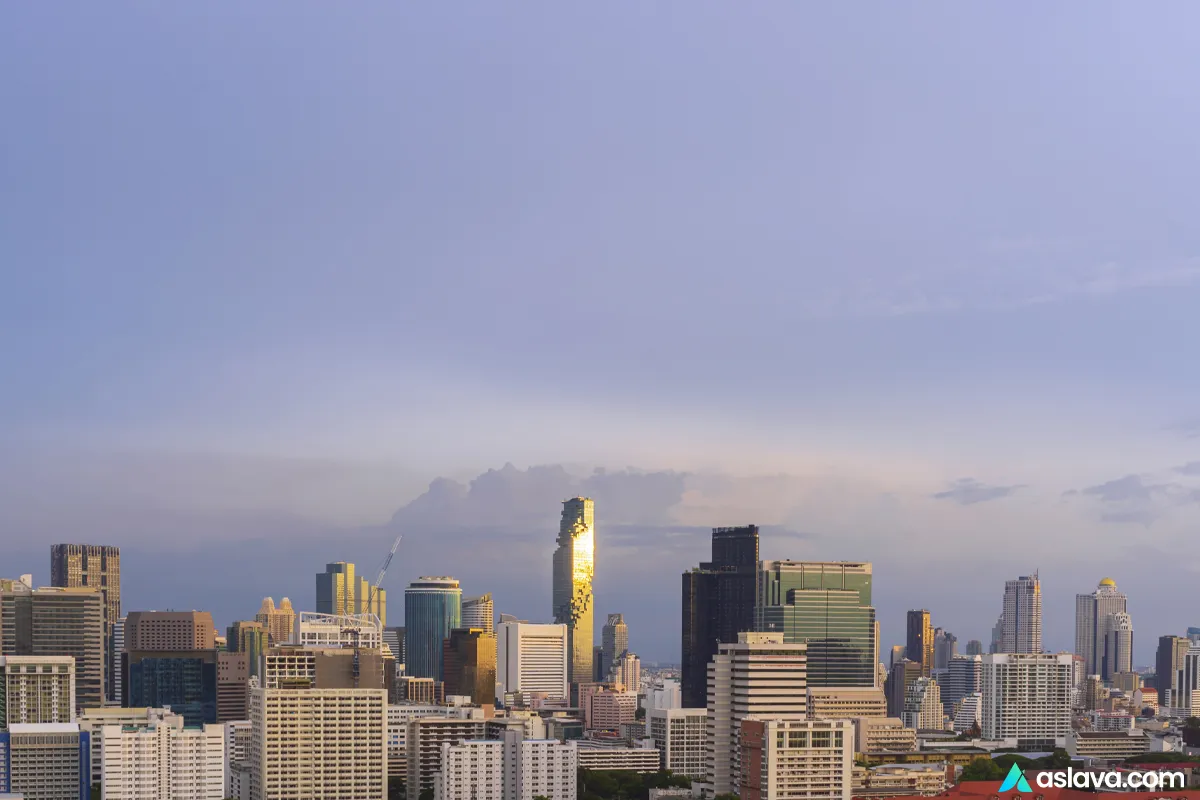
Mahanakhon SkyWalk offers Bangkok’s highest observation deck with breathtaking 360-degree views from 314 meters up. The glass-floored skywalk and rooftop bar provide thrilling photo opportunities. (Entrance fee: 880 baht)
Art in Paradise presents an interactive 3D art museum letting visitors become part of the illusion through clever perspective paintings. Perfect for unique photos and family fun. (Entrance fee: 400 baht)
SEA LIFE Bangkok features a 270-degree underwater tunnel and thousands of marine creatures from Thailand and beyond. Located in the Siam Paragon mall, this aquarium fascinates visitors of all ages. (Entrance fee: 990 baht)
Lumpini Park offers Bangkok’s largest central park — a green oasis amid the urban landscape. Popular for morning tai chi, paddle boats on the lake, and monitor lizards that roam freely throughout the grounds.
Airplane Graveyard presents an unusual attraction featuring abandoned commercial aircraft that have become homes to local families. Visitors can explore the hollowed-out planes for a small fee paid to residents. (Entrance fee: 200–300 baht)
Chao Phraya River Experiences
The Chao Phraya River has been Bangkok’s lifeblood for centuries, earning the city its nickname “Venice of the East.” In 2026, the river remains central to the Bangkok experience, offering unique perspectives on the city’s landmarks and daily life.
River Transportation Options
Chao Phraya Express Boat serves as both practical transportation and a great sightseeing opportunity. The orange flag boats stop at most major piers, while blue flag boats make fewer stops. Fares range from 15–20 baht depending on distance traveled.
Tourist Boat — The blue Chao Phraya Tourist Boat offers unlimited hop-on-hop-off service to major attractions with English commentary. A day pass costs 200 baht and includes a multilingual map.
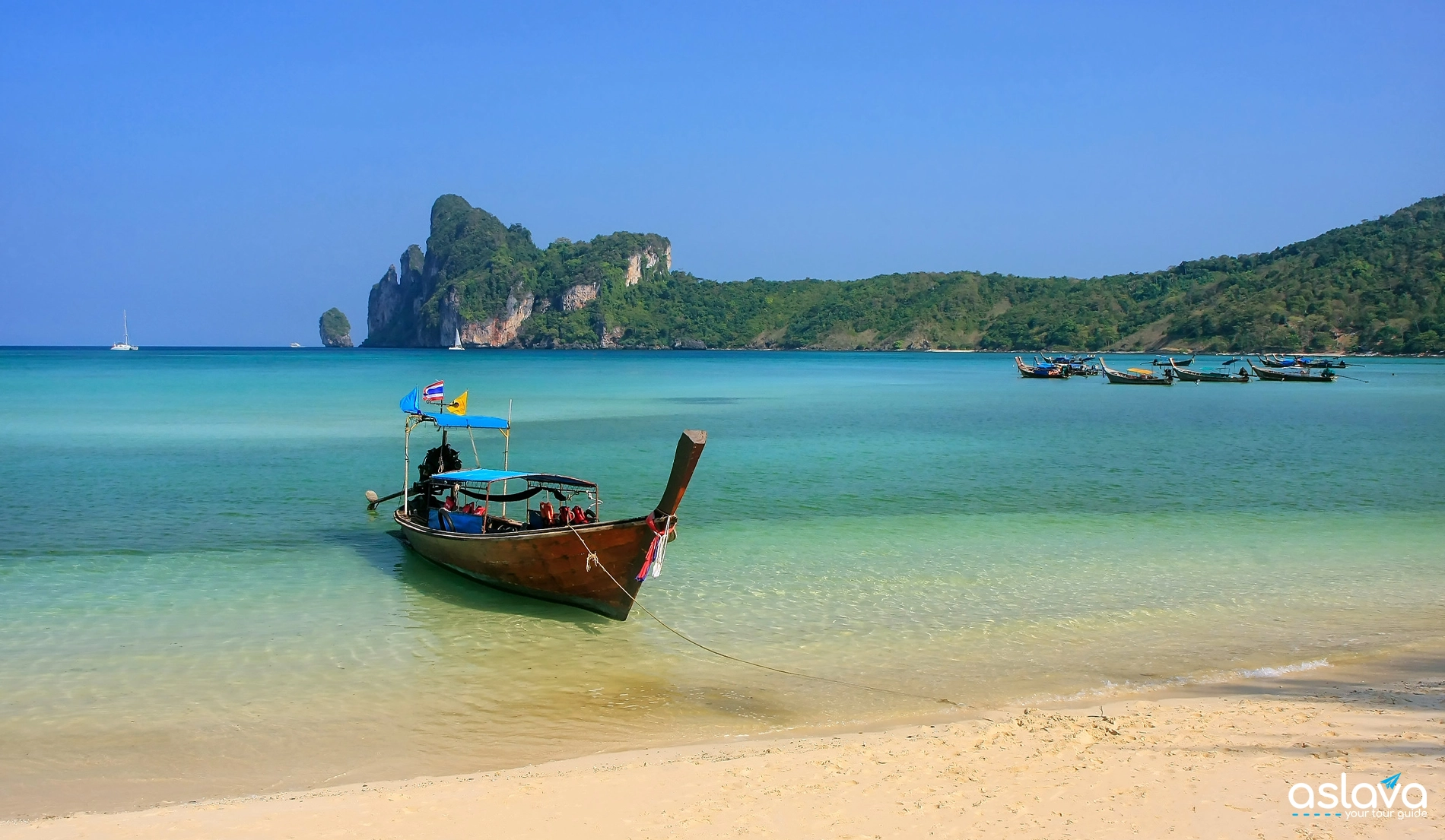
Long-tail Boats provide traditional wooden boats with their distinctive long-shaft motors offering private tours of the main river and smaller canals ([translate:khlongs]]). Expect to pay 1,000–2,000 baht for a 1–2 hour private tour.
Canal Tours explore Bangkok’s historic waterways with traditional wooden houses on stilts, floating vendors, and local life unchanged by time. The Thonburi canals west of the river offer the most authentic experiences.
Dinner Cruises and Evening Entertainment
Evening dinner cruises have become increasingly sophisticated in 2026, with options ranging from traditional performances to fine dining experiences. These cruises offer a magical perspective on Bangkok’s illuminated landmarks.
| Type | Cruise | Description | Price |
|---|---|---|---|
| Budget | Chao Phraya Princess | 2-hour cruise with international buffet and entertainment | From 990 baht |
| Mid-Range | Wonderful Pearl Cruise | Elegant 2-hour cruise on rice barge with Thai and international buffet | From 1,500 baht |
| Luxury | Supanniga Cruise | Boutique experience with 6-course Thai dinner and champagne service | From 3,900 baht |
Bangkok Food Experiences
Bangkok’s reputation as one of the world’s greatest food cities has only strengthened in 2026. From humble street food stalls to Michelin-starred restaurants, the city offers culinary adventures for every palate and budget. Exploring Bangkok’s food scene means experiencing Thai culture through its authentic flavors.
Must-Try Thai Dishes in Bangkok
Pad Thai — Thailand’s famous stir-fried noodle dish delivers the perfect balance of sweet, sour, and savory flavors. Try the award-winning version at Thipsamai in the Old City, where queues form nightly.
Tom Yum Goong — This hot and sour shrimp soup delivers an explosion of flavors with lemongrass, galangal, kaffir lime leaves, chilies, and plump river prawns. P’Aor on Petchaburi Road serves a legendary creamy version.
Som Tam (Papaya Salad) — This northeastern Thai specialty combines shredded green papaya, tomatoes, peanuts, dried shrimp, and chilies. Som Tam Jay So in the Silom area is a local favorite.
Mango Sticky Rice — This beloved dessert pairs sweet glutinous rice with perfectly ripe mango and coconut cream. Mae Varee at Thonglor serves what many consider Bangkok’s best version with premium mangoes.
Boat Noodles — These intensely flavored noodle soups were traditionally sold from boats in Bangkok’s canals. Victory Monument Boat Noodle Alley remains the classic spot to try these rich, aromatic bowls.
Best Food Areas in Bangkok
Yaowarat (Chinatown) — Bangkok’s oldest community transforms into a food paradise each evening. Stroll along the main road and side streets to discover seafood stalls, dumpling shops, and iconic dessert spots.
Bangrak — Known as the “Village of Love,” this historic district along the river houses some of Bangkok’s oldest and most beloved restaurants, many featured in Michelin Guide’s Bib Gourmand listings.
Thonglor/Ekkamai — These trendy neighborhoods showcase Bangkok’s contemporary food scene with innovative Thai fusion restaurants, Japanese izakayas, craft coffee shops, and creative cocktail bars.
Wang Lang Market — This riverside market near Siriraj Hospital serves authentic southern Thai cuisine, [translate:kanom jeen]] (fermented rice noodles with curry), and traditional Thai desserts.
Or Tor Kor Market — Often cited as one of the world’s best fresh markets, Or Tor Kor features premium produce, prepared food stalls, and an excellent food court.
From Street Food to Fine Dining
| Category | Experience | Price Range (THB) | Recommendations |
|---|---|---|---|
| Street Food | Authentic, quick, casual | 40–100 per dish | Yaowarat, Sukhumvit 38, Wang Lang Market |
| Food Courts | Clean, varied, air-conditioned | 60–150 per dish | Terminal 21, MBK Center, IconSiam |
| Casual Restaurants | Comfortable, full service | 200–500 per person | Supanniga Eating Room, Somtum Der |
| Fine Dining | Elevated, innovative | 2,000–5,000+ per person | Gaggan Anand, Le Du, Sorn |
Bangkok Nightlife and Entertainment
When the sun sets, Bangkok transforms into one of Asia’s most exciting nightlife destinations. The city’s after-dark scene offers something for everyone, from rooftop bars with spectacular views to pulsating nightclubs and cultural performances showcasing Thailand’s rich heritage.
Rooftop Bars and Skyline Views
Sky Bar at Lebua — Made famous by “The Hangover Part II,” this 63rd-floor open-air bar offers breathtaking views and premium cocktails. Arrive before sunset to watch the city transform from day to night. Dress code is enforced.
Vertigo and Moon Bar — Perched atop the Banyan Tree hotel, this stunning rooftop offers 360-degree views from its 61st-floor vantage point. The adjacent Moon Bar serves creative cocktails under the stars.
Octave Rooftop Lounge — This multi-level rooftop at the Marriott Hotel Sukhumvit offers panoramic views with a more relaxed atmosphere and reasonable prices. Their daily happy hour makes it a popular sunset spot.
Mahanakhon SkyBar — Bangkok’s highest bar sits on the 76th and 77th floors of the King Power Mahanakhon building. Designed by renowned architect Tristan Auer, it combines stunning views with sophisticated interiors.
Seen Restaurant & Bar — This newcomer at the Avani Riverside hotel offers spectacular river views, creative cocktails, and a buzzing atmosphere with DJs on weekends.
Nightlife Districts and Entertainment
Khao San Road — Bangkok’s famous backpacker hub has evolved while maintaining its energetic atmosphere. The renovated street now features better-quality bars, live music venues, and improved infrastructure.
Sukhumvit Soi 11 — This cosmopolitan nightlife strip attracts a mix of expats, tourists, and trendy locals with diverse bars, clubs, and restaurants offering variety within walking distance.
RCA (Royal City Avenue) — Popular with Thai university students and young professionals, this entertainment zone houses Bangkok’s largest clubs with international DJs and elaborate light shows.
Silom Soi 4 — The center of Bangkok’s LGBTQ+ nightlife features friendly bars, cabaret shows, and clubs catering to diverse crowds with a welcoming atmosphere.
Cultural Shows and Evening Entertainment
Siam Niramit — This spectacular production showcases Thai history and mythology through elaborate costumes, special effects, and hundreds of performers on an enormous stage. (Tickets from 1,500 baht)
Calypso Cabaret — One of Bangkok’s longest-running ladyboy cabaret shows delivers dazzling performance of music, dance, and comedy. (Tickets from 900 baht)
Muay Thai Live — This theatrical show at Asiatique combines traditional Thai boxing with dramatic storytelling. (Tickets from 1,200 baht)
Bangkok Night Bike Tour — Experience the city’s illuminated landmarks on a guided evening bicycle tour, offering a unique perspective on Bangkok after dark. (Tours from 1,000 baht)
Getting Around Bangkok
Navigating Bangkok has become increasingly convenient in 2026, with expanded public transportation networks and improved connectivity between systems. Understanding your options helps you save time and money while exploring this vast metropolis efficiently.
Public Transportation Options
BTS Skytrain — Bangkok’s elevated rail system covers most central areas with two main lines (Sukhumvit and Silom) plus extensions. Clean, air-conditioned, and traffic-free, it’s the fastest way to travel. Fares range from 16–59 baht depending on distance.
MRT Subway — The underground metro system complements the BTS with connections at key stations. The Blue and Purple lines serve areas not covered by the Skytrain. Fares range from 16–70 baht.
Airport Rail Link — This dedicated line connects Suvarnabhumi Airport with central Bangkok. The 30-minute journey costs 45 baht and avoids unpredictable road traffic.
River Boats — The Chao Phraya Express Boat service runs up and down the river with stops near major attractions. Different colored flags indicate different service patterns. Fares range from 10–20 baht.
Canal Boats — The Saen Saep Express Boat traverses the city via canals, offering a unique perspective and often faster transit through congested areas. Fares range from 10–20 baht.
Road Transportation
Grab/Bolt — These ride-hailing apps have revolutionized Bangkok transportation with transparent pricing, GPS tracking, and cashless payment options. Available in English and typically more convenient than traditional taxis.
Metered Taxis — Abundant throughout the city with a starting fare of 35 baht plus distance charges. Always insist on using the meter and have your destination written in Thai if possible.
Tuk-Tuks — These iconic three-wheeled vehicles offer an exciting open-air experience but require negotiation skills. Agree on a price before departing and expect to pay more than a metered taxi.
Motorbike Taxis — Identified by their colorful vests, these drivers navigate through traffic with efficiency. While not for the faint-hearted, they’re often the fastest option during rush hour.
Buses — Bangkok’s extensive bus network is complicated for tourists but extremely affordable. Air-conditioned buses (blue and orange) cost 10–20 baht, while regular buses (red) cost just 6.50–8 baht.
Day Trips from Bangkok
While Bangkok offers endless exploration opportunities, the surrounding regions provide welcome contrast with historical sites, floating markets, and natural attractions. These popular day trips offer a break from urban intensity and showcase different aspects of Thai culture and history.
Historical Day Trips
Ayutthaya — Explore the impressive ruins of Thailand’s former capital (1350–1767) at this UNESCO World Heritage site. The historical park contains numerous temples, Buddha statues, and archaeological sites best explored by bicycle or tuk-tuk. (80km from Bangkok, 1.5 hours by car)
Kanchanaburi — Visit the infamous Bridge over the River Kwai and associated WWII memorials, including the Death Railway Museum and Allied War Cemetery. The area also offers Erawan Waterfall with its seven tiers of emerald pools. (130km from Bangkok, 2.5 hours by car)
Ancient City ([translate:Muang Boran]]) — This vast outdoor museum features replicas of Thailand’s most significant historical buildings and monuments in a park shaped like the country itself. (33km from Bangkok, 45 minutes by car)
Markets and Cultural Experiences
Damnoen Saduak Floating Market — Thailand’s most famous floating market offers a colorful (if touristy) experience with vendors selling fruits, food, and souvenirs from traditional wooden boats. Arrive early to see the market at its most active. (100km from Bangkok, 1.5 hours by car)
Amphawa Floating Market — This evening market operates Friday–Sunday and offers a more authentic experience than Damnoen Saduak. Popular with Thai visitors, it features canalside restaurants, shops in wooden houses, and boat tours to see fireflies. (90km from Bangkok, 1.5 hours by car)
Maeklong Railway Market — Experience the famous “umbrella pull” market where vendors display their goods on active railway tracks, quickly folding their awnings when trains approach. (80km from Bangkok, 1.5 hours by car)
Nature and Wildlife
Khao Yai National Park — Thailand’s oldest national park offers lush forests, scenic waterfalls, and wildlife viewing opportunities including elephants, gibbons, and hundreds of bird species. (175km from Bangkok, 3 hours by car)
Bang Krachao (Bangkok’s Green Lung) — This car-free island formed by a bend in the Chao Phraya River offers a surprising oasis of gardens, elevated bicycle paths through palm forests, and traditional Thai houses. (15km from central Bangkok, 30 minutes by car plus boat)
Samut Prakan Crocodile Farm — One of the world’s largest crocodile farms houses over 100,000 crocodiles and alligators, with daily shows demonstrating traditional catching techniques. (30km from Bangkok, 45 minutes by car)
Bangkok Itineraries for 2026
Planning the perfect Bangkok itinerary depends on your available time and interests. These suggested itineraries help you maximize your days in the Thai capital, whether you’re on a quick stopover or have several days to explore in depth.
1-Day Bangkok Highlights
Perfect for transit passengers or those with limited time, this itinerary focuses on Bangkok’s most iconic attractions.
Morning (8:00–12:00): Start early at the Grand Palace and Wat Phra Kaew complex to beat the crowds and heat. Explore the magnificent buildings, emerald Buddha, and ornate decorations. Continue to adjacent Wat Pho to see the massive Reclining Buddha.
Lunch (12:00–13:30): Take a short walk to Tha Tien Pier and cross the river to Wat Arun. Enjoy lunch at one of the riverside restaurants with views of the Temple of Dawn.
Afternoon (13:30–17:00): Cross back to Bangkok’s side and take a tuk-tuk to Jim Thompson House for a guided tour. Afterward, visit nearby MBK or Siam Paragon for some shopping.
Evening (17:00–21:00): Head to a rooftop bar like Red Sky at Centara Grand for sunset views. Finish with dinner at Ratchada Train Night Market.
3-Day Bangkok Experience
This balanced itinerary covers major attractions while allowing time to explore different neighborhoods and aspects of the city.
1: Historic Bangkok
-
Morning: Grand Palace, Wat Pho, and Wat Arun
-
Afternoon: Canal boat tour through Thonburi’s waterways
-
Evening: Dinner cruise on the Chao Phraya River
2: Cultural Immersion
-
Morning: Chatuchak Weekend Market (weekends only) or Or Tor Kor Market
-
Afternoon: Jim Thompson House and Bangkok Art & Culture Centre
-
Evening: Explore Chinatown (Yaowarat) for street food and atmosphere
3: Modern Bangkok
-
Morning: Lumphini Park for morning exercise and monitor lizard spotting
-
Afternoon: Shopping and lunch at IconSiam or EmQuartier
-
Evening: Sunset at Mahanakhon SkyWalk followed by dinner and drinks in Sukhumvit
5-Day Complete Bangkok
This comprehensive itinerary allows you to explore Bangkok in depth plus take a day trip.
1: Historic Bangkok — Grand Palace, Wat Pho, Wat Arun, and river ferry exploration
2: Local Life — Morning flower market, canal tour, Jim Thompson House, and evening Muay Thai match
3: Day Trip — Full-day excursion to Ayutthaya Historical Park or Damnoen Saduak Floating Market
4: Cultural Immersion — National Museum, Bangkok Art & Culture Centre, traditional Thai massage, and Chinatown food tour
5: Modern Bangkok — Lumphini Park, shopping in Siam area, rooftop bar experience, and farewell dinner at a fine dining Thai restaurant
Itinerary Tip: Bangkok’s heat and humidity can be challenging, especially for temple visits which require modest clothing. Plan your most active sightseeing in the morning, take an afternoon break during the hottest hours (13:00–15:00), and resume activities in the late afternoon when temperatures moderate.
Practical Information for Bangkok Visitors
Understanding these practical aspects of visiting Bangkok will help ensure a smooth and enjoyable experience in Thailand’s dynamic capital. From connectivity to cultural etiquette, these tips prepare you for a successful trip in 2026.
Money and Payments
The Thai Baht (THB) is Thailand’s currency, with approximately 36 baht to 1 USD in 2026. ATMs are widely available but charge foreign transaction fees (220–250 baht per withdrawal). Money changers typically offer better rates than airports or hotels, with SuperRich and Vasu Exchange providing competitive rates. Credit cards are widely accepted at shopping malls, hotels, and restaurants, but smaller vendors and markets remain cash-only. Mobile payment options like PromptPay, TrueMoney, and international services like Alipay have become increasingly common.
Connectivity and Communication
Thailand offers excellent mobile connectivity with affordable tourist SIM packages. Major providers include AIS, DTAC, and True Move, all available at airport arrival halls. For 2026, eSIM options have become more prevalent, allowing you to set up service before arrival. Free WiFi is available in most hotels, cafes, shopping malls, and many public spaces, though quality varies. The Thailand Plus app remains useful for travelers, providing emergency contacts, translation help, and local information.
Health and Safety
Bangkok is generally safe for tourists, but take standard precautions against petty theft in crowded areas. Drink bottled water and be cautious with street food if you have a sensitive stomach. Pharmacies are abundant and can provide basic medications without prescriptions. For serious medical issues, international hospitals like Bumrungrad and Bangkok Hospital offer excellent care with English-speaking staff. Travel insurance covering medical emergencies is strongly recommended.
Cultural Etiquette
Thais deeply respect their monarchy and Buddhist traditions. Dress modestly when visiting temples (covered shoulders and knees). Remove shoes before entering temple buildings, homes, and some shops. The head is considered sacred, while feet are considered low — avoid touching someone’s head or pointing with your feet. The traditional Thai greeting is the “[translate:wai]]” (slight bow with palms pressed together). While foreigners aren’t expected to initiate it, returning a [translate:wai]] is appreciated.
Bangkok Budget Planning for 2026
Bangkok offers exceptional value compared to many global capitals, with options for every budget level. Understanding typical costs helps you plan effectively and avoid overspending while enjoying all the city has to offer.
Daily Cost Estimates
| Expense Category | Budget (USD/day) | Mid-Range (USD/day) | Luxury (USD/day) |
|---|---|---|---|
| Accommodation | $15–30 | $50–120 | $150–500+ |
| Food & Drinks | $10–20 | $25–50 | $60–200+ |
| Transportation | $5–10 | $15–30 | $40–100 |
| Attractions | $10–20 | $25–50 | $60–150 |
| Shopping/Extras | $0–20 | $30–100 | $100–unlimited |
| Total Daily Budget | $40–100 | $145–350 | $410–950+ |
Money-Saving Tips
Eat at local street food stalls and markets for delicious, authentic meals at a fraction of restaurant prices while experiencing genuine Thai cuisine. Travel during shoulder seasons for lower accommodation rates and fewer crowds. Use local transportation options like tuk-tuks instead of taxis for significant savings. Book attractions online through apps like Klook or GetYourGuide for substantial discounts. Visit free attractions like Wat Mahathat and evening flower markets to maximize your experience without additional costs.
Essential Bangkok Travel Tips for 2026
These insider tips will help you navigate Bangkok like a seasoned traveler, avoiding common pitfalls while discovering the best the city has to offer. From timing your visits to staying comfortable in the tropical climate, these suggestions enhance your Bangkok experience.
Before You Go
Download Essential Apps — Prepare your smartphone with Grab (ride-hailing), Bangkok Transit (navigation), Google Translate with Thai language pack, and a good VPN if you need secure connections.
Dress Appropriately — Pack modest clothing for temples alongside lightweight options for Bangkok’s heat. Include a light layer for overly air-conditioned malls and transportation.
Bring Comfortable Shoes — Bangkok involves considerable walking, often on uneven surfaces. Choose breathable footwear that slips on/off easily.
Notify Your Bank — Inform your bank and credit card companies about your travel dates to prevent security blocks.
Consider an eSIM — For 2026, eSIM technology offers the convenience of setting up your phone service before arrival.
Getting Around Efficiently
Use the Skytrain and Subway — Bangkok’s BTS and MRT systems are fast, affordable, and air-conditioned. The new unified payment system makes transfers seamless.
Try River Transportation — The Chao Phraya Express Boats offer scenic and efficient transport between many attractions.
Avoid Rush Hour — Bangkok’s traffic reaches peak congestion between 7:00–9:00 and 16:30–19:30 on weekdays.
Use Grab for Taxis — The Grab app eliminates language barriers and provides upfront pricing.
Consider Location When Booking — Stay near a BTS or MRT station to save time and money on transportation.
Cultural Insights
Respect Royal Family — Thai people deeply revere their monarchy. Never make disrespectful comments about royal family members.
Temple Etiquette — Remove shoes before entering temple buildings, dress modestly, speak quietly, and never point your feet toward Buddha images.
Polite Phrases — Learning a few Thai phrases shows respect: “[translate:Sawadee kha/khrap]]” (hello), “[translate:Khob khun kha/khrap]]” (thank you), and “[translate:Mai pen rai]]” (no worries).
Saving Face — Thai culture emphasizes harmony. Keep your cool, speak softly, smile often, and never cause someone to “lose face” through public criticism.
Bargaining Etiquette — Negotiating prices is expected in markets with a smile and good humor. Start around 30–40% below asking price.
Planning Your Perfect Bangkok Trip for 2026
Bangkok continues to evolve as one of Asia’s most exciting destinations, blending ancient traditions with cutting-edge modernity. From magnificent temples and palaces to world-class shopping, dining, and nightlife, the Thai capital rewards visitors with unforgettable experiences and warm hospitality.
With thoughtful planning using this comprehensive Bangkok travel guide for 2026, you’re well-equipped to navigate the city’s attractions, neighborhoods, and transportation systems with confidence. From the awe-inspiring Grand Palace to the atmospheric markets and legendary street food scene, Bangkok promises sensory delights at every turn.
As you prepare for your journey to the City of Angels, embrace both the iconic highlights and unexpected discoveries that make Bangkok one of the world’s most captivating urban destinations. Start planning your Bangkok adventure today!
Frequently Asked Questions About Bangkok
How many days should I spend in Bangkok?
For first-time visitors, 3–4 days is ideal to explore Bangkok’s major attractions without rushing. This allows time for the essential historic sites, markets, and modern areas while leaving room for spontaneous discoveries. If you plan to include day trips to Ayutthaya or floating markets, add 1–2 additional days. Those interested in deeper cultural immersion might enjoy 5–7 days in the capital.
What is the best area to stay in Bangkok for first-time visitors?
For first-time visitors, the Riverside area offers an ideal combination of convenience and atmosphere. Hotels along the Chao Phraya River provide easy boat access to major historic attractions while offering stunning views. Alternatively, staying near Sukhumvit Road (especially around Asok or Phrom Phong BTS stations) provides excellent access to shopping, dining, and nightlife with convenient BTS connections.
Is Bangkok safe for tourists in 2026?
Bangkok is generally very safe for tourists, with violent crime against visitors rare. The main concerns are petty theft in crowded areas, tourist scams, and traffic safety. Exercise normal precautions like watching your belongings in markets and on public transportation. The city’s increased security measures for 2026, including expanded CCTV coverage and tourist police presence, have further enhanced visitor safety.
What’s the best way to get from Bangkok airport to the city?
The Airport Rail Link is the fastest and most economical option, taking about 30 minutes to reach central Bangkok for just 45 baht. For door-to-door convenience, use the official airport taxi service (cost: 300–500 baht). Ride-hailing apps like Grab offer fixed-price airport transfers with the advantage of not needing to explain your destination.
When is the best time to visit Bangkok in 2026?
The most comfortable weather occurs during the cool season from November to February, with lower humidity and pleasant temperatures. However, this coincides with peak tourist season and higher prices. The shoulder months of October and March offer a good balance of decent weather and smaller crowds. The rainy season (June–September) brings regular but usually brief afternoon showers, lush landscapes, and lower hotel rates.