The History and Cultural Significance
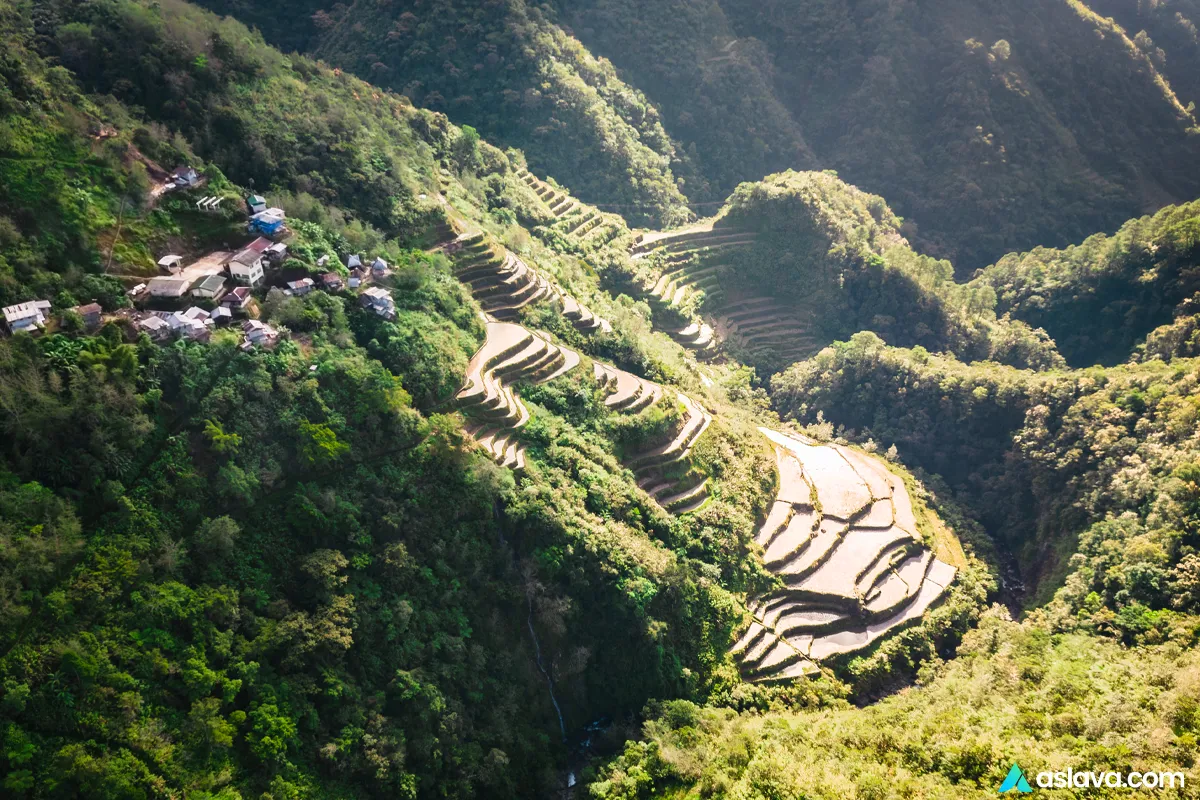
Often dubbed the “Eighth Wonder of the World,” the Banaue and Ifugao Rice Terraces stand as a testament to ancient engineering and the harmonious relationship between humans and nature. The Ifugao people, indigenous mountain dwellers of northern Luzon, began constructing these terraces between 2,000 and 6,000 years ago. Furthermore, this remarkable feat was accomplished entirely by hand, without the aid of modern machinery or even draft animals.
1. Cultural Heritage Preservation
The Ifugao people maintain a rich cultural heritage intimately connected to the rice terraces. Their traditional knowledge of water management, soil conservation, and sustainable farming has been passed down through generations. Additionally, the terraces are integrated into their spiritual beliefs, with rituals marking planting and harvest seasons that continue today despite modern influences.
2. UNESCO Recognition
In 1995, UNESCO recognized the Banaue and Ifugao Rice Terraces as a World Heritage Site, specifically highlighting five terrace clusters: Batad, Bangaan, Mayoyao, Hungduan, and Nagacadan. The designation acknowledges not just their physical beauty but also their cultural significance as living landscapes. Consequently, this recognition has helped raise awareness about the importance of preserving both the physical structures and the cultural practices that maintain them.
3. Challenges to Preservation
Despite their historical importance, the terraces face significant challenges. Young Ifugao people increasingly migrate to urban areas seeking better economic opportunities, leaving fewer hands to maintain the labor-intensive terraces. Moreover, climate change has brought unpredictable weather patterns, including more frequent typhoons and droughts that damage the delicate irrigation systems. Conservation efforts now focus on creating sustainable tourism that provides economic benefits to local communities while preserving their cultural heritage.
Engineering Marvels of the Terraces
The Banaue and Ifugao Rice Terraces represent one of humanity’s greatest achievements in agricultural engineering. These terraces follow the natural contours of the mountains, creating a stunning landscape that serves both practical and aesthetic purposes. What makes them truly remarkable is their longevity—they’ve remained functional for thousands of years with minimal modern intervention.
1. Construction Techniques
The terraces were built using a remarkable dry-stone technique that requires no mortar. Stones are carefully fitted together, creating walls that have withstood centuries of monsoon rains and earthquakes. The walls reach heights of up to 50 feet in some areas, with the entire system extending to a length that, if placed end to end, would circle half the globe. Each stone was carried by hand from river beds or quarried from nearby mountains, making the construction all the more impressive.
2. Irrigation System
Perhaps the most ingenious aspect of the terraces is their irrigation system. Water from mountaintop forests flows down through a series of canals and bamboo pipes, ensuring each terrace receives adequate water. The system is designed to prevent both flooding and drought conditions. In fact, this ancient hydraulic engineering allows farmers to maintain the perfect water level for rice cultivation throughout the growing season, regardless of rainfall variations.
3. Ecological Balance
The terraces create a self-sustaining ecosystem. The stone walls provide habitat for small animals and insects that help control pests. Meanwhile, the irrigation system supports not just rice but also taro and fish that are cultivated in the paddies. This integrated approach to agriculture demonstrates the Ifugao people’s deep understanding of ecological principles long before modern environmental science developed similar concepts.
Visiting the Terraces – A 2026 Guide
Planning your visit to the Banaue and Ifugao Rice Terraces requires some preparation, especially as tourism practices have evolved to become more sustainable by 2026. The journey to this remote region is part of the adventure, taking you through winding mountain roads with breathtaking vistas at every turn.
1. Best Time to Visit
The ideal time to visit the rice terraces is during the dry season from February to July. April and May showcase the terraces at their greenest, while June and July reveal the golden hues of ripening rice. However, even during the traditional rainy season (August to January), there are now more predictable dry periods due to changing climate patterns. The terraces are particularly magical in early morning when mist rises from the paddies, creating an ethereal atmosphere that photographers will love.
2. Getting There
From Manila, you can reach Banaue by bus (9-10 hours) or by flying to Bagabag Airport and taking a 2-hour drive. The improved North Luzon Expressway has reduced travel time since earlier decades. Once in Banaue town, local transportation options include jeepneys, tricycles, and the newly established eco-friendly electric shuttles that service the main viewing points.
3. Where to Stay
Accommodation options have expanded while maintaining the area’s authentic character. In Banaue town, you’ll find a range of guesthouses and small hotels with basic to mid-range amenities. For a more immersive experience, homestays in villages like Batad offer the chance to live with local families. The Batad View Inn provides stunning terrace views, while the Native Village Inn in Banaue offers more comfortable facilities with traditional architectural elements.
Recommended Accommodations
- Batad View Inn – Authentic experience with panoramic views
- Native Village Inn – Comfortable rooms with traditional design
- Banaue Homestay – Live with local families for cultural immersion
- Uyami Green View Lodge – Basic but clean facilities in central location
4. Essential Hiking Tips
Exploring the terraces involves significant hiking on uneven, sometimes slippery terrain. Wear sturdy hiking shoes with good grip, bring a walking stick for stability, and pack light but include rain protection regardless of season. The trails between villages like Banaue and Batad involve steep ascents and descents, so moderate fitness is required. Hiring a local guide is highly recommended—not only for navigation but also for their knowledge of the terraces’ history and cultural significance.
Preservation Efforts and Sustainable Tourism
The delicate balance between tourism and preservation has been a central focus for the Banaue and Ifugao Rice Terraces in recent years. By 2026, several innovative programs have been implemented to ensure these ancient wonders continue to thrive while allowing visitors to experience their majesty.
1. Community-Based Tourism
The most successful preservation efforts have centered around community-based tourism initiatives. Local Ifugao communities now directly manage many aspects of tourism, from guiding services to homestays. This approach ensures that tourism revenue directly benefits those who maintain the terraces. Additionally, cultural demonstrations of traditional weaving, wood carving, and rice cultivation techniques provide supplementary income while preserving cultural practices.
2. Terrace Restoration Projects
Several sections of the terraces that had fallen into disrepair have been restored through collaborative efforts between government agencies, NGOs, and local communities. The “Adopt-a-Terrace” program, launched in 2023, allows organizations and individuals to sponsor the restoration and maintenance of specific terrace sections. Consequently, this has helped reclaim abandoned terraces and provided economic incentives for younger Ifugao to remain in the area.
3. Visitor Guidelines for Sustainable Tourism
To minimize tourism’s impact on the terraces and local communities, visitors are encouraged to follow these guidelines:
- Stay on designated paths to prevent damage to terrace walls
- Respect privacy when photographing local residents
- Purchase locally-made crafts and foods to support the community
- Participate in guided tours that employ local guides
- Conserve water, especially during dry season visits
- Carry out all trash and use refillable water bottles
Immersive Cultural Experiences
Beyond the visual splendor of the terraces themselves, the Ifugao region offers rich cultural experiences that provide deeper insight into the lives of the people who created and maintain these agricultural masterpieces. Immersing yourself in these experiences creates meaningful connections and more memorable travel.
1. Traditional Farming Experiences
Several communities now offer hands-on farming experiences where visitors can participate in planting or harvesting rice using traditional methods. These activities typically last 2-3 hours and provide insight into the labor-intensive nature of terrace farming. You’ll wade into the muddy paddies, learning techniques that have remained largely unchanged for centuries. The experience concludes with a traditional meal featuring locally grown rice and vegetables.
2. Cultural Demonstrations
Throughout the region, cultural centers showcase traditional Ifugao crafts and practices. You can observe master weavers creating intricate textiles on traditional looms, woodcarvers crafting the famous bulul rice guardians, and blacksmiths forging traditional tools. Many centers offer workshops where you can try these crafts yourself under expert guidance. The Banaue Cultural Center hosts daily demonstrations and maintains a small museum explaining the history and significance of Ifugao cultural practices.
3. Local Festivals
Timing your visit to coincide with local festivals offers an extraordinary cultural experience. The Imbayah Festival in April celebrates the elevation of commoners to the noble class in traditional Ifugao society, featuring vibrant parades, traditional music, and dance performances. Meanwhile, various harvest festivals throughout the region showcase thanksgiving rituals that have been performed for generations. These authentic celebrations provide a window into the spiritual connection between the Ifugao people and their agricultural heritage.
Embracing the Living Heritage
The Banaue and Ifugao Rice Terraces stand as a powerful reminder of humanity’s ability to work in harmony with nature rather than against it. These living cultural landscapes have sustained communities for thousands of years through ingenious engineering and deep cultural wisdom. As you plan your 2026 visit, remember that you’re not just witnessing a historical monument but participating in the ongoing story of a resilient culture and its remarkable agricultural achievement.
By approaching your visit with respect and curiosity, you contribute to the preservation of both the physical terraces and the cultural heritage they represent. The journey may be long and occasionally challenging, but the reward is immersion in one of humanity’s most impressive accomplishments—ancient wisdom that remains relevant in our modern world.