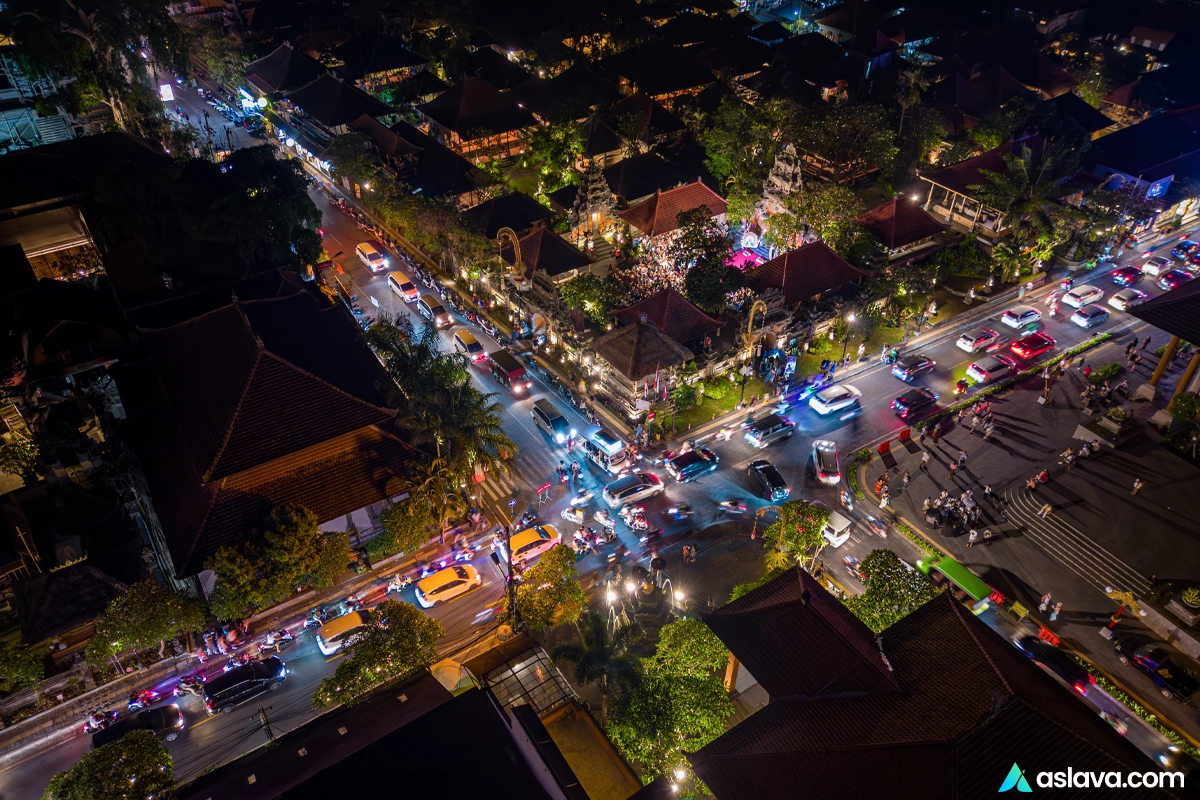
Bali’s stunning beaches, lush rice terraces, and vibrant culture draw millions of visitors each year. However, there’s one aspect of the island that can quickly turn paradise into frustration: the traffic. In 2026, navigating Bali’s roads remains one of the biggest challenges for tourists. Whether you’re planning to explore the spiritual heart of Ubud, surf in Canggu, or shop in Seminyak, understanding your transportation options is essential for a smooth, enjoyable trip.
This comprehensive guide breaks down everything you need to know about Bali transportation in 2026 — from navigating the notorious traffic jams to choosing the best way to get around based on your needs, budget, and comfort level. We’ll cover the latest infrastructure developments, share insider tips for avoiding the worst congestion, and help you make informed decisions that will save you time, money, and stress during your Bali adventure.
Understanding Bali Traffic in 2026: What to Expect
Bali‘s traffic situation continues to be a major challenge as the island receives record tourist numbers. International arrivals rose 11% year-on-year through May 2025, and tourism now contributes 66% of Bali’s economy and 44% of Indonesia’s national tourism foreign exchange earnings. With over one million tourists expected during the Christmas and New Year period alone, traffic in Bali’s busiest resorts is unavoidable.
Traffic in Bali is characterized by a unique flow that might seem chaotic to visitors from countries with strict traffic rules. Scooters weave between cars, create impromptu lanes, and sometimes travel against traffic. Understanding this organized chaos is your first step to navigating the island successfully.
Peak Traffic Times to Avoid
Traffic congestion in Bali follows predictable patterns that savvy travelers can work around:
-
Morning rush hour (7:30 AM – 9:30 AM): Locals commuting to work and school drop-offs create significant delays
-
Evening rush hour (4:30 PM – 7:00 PM): The most severe congestion as workers return home and tourists head to dinner or sunset spots
-
Rainy season downpours (October-April): Even a 30-minute rain shower can double travel times
-
Religious ceremonies and processions: These can appear suddenly and cause temporary road closures
-
High tourist season (July-August and December-January): Expect significantly worse traffic during these periods
Pro Tip: Schedule rides for off-peak windows between 9:30-11:30 AM and 2:00-4:00 PM to avoid surge pricing and secure better availability.
Bali Traffic Hotspots: Areas to Plan Around
Not all areas of Bali experience the same level of congestion. Understanding the traffic patterns in popular tourist areas helps you plan more realistic itineraries and choose appropriate accommodation.
Bali Traffic in Canggu
Once a quiet surf spot, Canggu has transformed into one of Bali’s trendiest areas, and its infrastructure hasn’t kept pace. In 2026, Canggu traffic remains notoriously challenging due to:
-
Narrow roads not designed for high traffic volume
-
The infamous “Canggu shortcut” that becomes impassable during rainy season
-
Limited alternative routes between Canggu and other popular areas
-
High concentration of digital nomads and tourists year-round
-
Police checkpoints actively checking for International Driving Permits
Insider tip: When staying in Canggu, choose accommodation within walking distance of your favorite spots. The Berawa and Batu Bolong areas have the worst traffic, while Pererenan offers a slightly calmer experience.
Bali Traffic in Seminyak
Seminyak’s upscale shopping, dining, and beach club scene makes it a traffic hotspot throughout the day. Key challenges include:
-
Jalan Kayu Aya (Eat Street) becomes nearly gridlocked during dinner hours
-
Limited parking creates additional congestion as drivers circle for spots
-
Narrow one-way systems that confuse first-time visitors
-
High volume of taxis and ride-sharing vehicles during peak hours
-
Police checkpoints targeting unlicensed scooter riders
Other Traffic Hotspots
-
Kuta: The area around Beachwalk Shopping Center and Kuta Beach remains congested, especially in the late afternoon and evening
-
Ubud: The central market area and Monkey Forest Road experience significant delays during midday. Road repairs on Jalan Raya Laplapan Pejeng to Jalan Raya Gunung Sari Peliatan are ongoing
-
Denpasar: The capital city has the most conventional traffic patterns, with typical workday rush hours
-
Airport area: Expect delays of 30+ minutes during peak flight arrival and departure times
Major Infrastructure Developments for 2026
Bali Urban Rail / MRT Project
Bali is on the verge of a transportation revolution. The Bali Urban Subway/MRT project represents the most significant infrastructure investment to address traffic congestion:
| Phase | Route | Length | Status |
|---|---|---|---|
| Line 1 | Ngurah Rai Airport – Cemagi | 16 km | Planning/Initial construction |
| Line 2 | Ngurah Rai Airport – Nusa Dua | 13.5 km | Planning |
| Total System | Four lines connecting Sarbagita area | 60+ km | US$20 billion investment |
In June 2025, Bali signed a collaboration agreement with Jakarta for MRT development assistance. The project continues under PT Sarana Bali Dwipa Jaya (SBDJ) with Rp175 trillion investment committed for the first phase.
Important Note: Ticket prices are estimated at US$1-2 per passenger, with the underground construction designed to comply with Bali’s building height restrictions (no structures taller than coconut trees).
New Road Projects
A new road under construction around Uluwatu and Pecatu will connect GWK Cultural Park to Udayana University, providing an alternative to the heavily congested Jalan Raya Uluwatu. This road is expected to be operational by 2026.
North Bali Airport
The Transportation Ministry has confirmed plans for a new airport in North Bali to relieve pressure on Ngurah Rai Airport, which is expected to reach full capacity (23-32 million passengers) by 2029-2030. Construction is targeted to begin by 2027.
Central Government Infrastructure Boost
Starting in 2026, the central government will prioritize infrastructure development in Bali as part of the 100-Year Long-Term Development Plan (2025-2125). Priority areas include:
-
Land, sea, and air infrastructure with environmentally friendly transportation
-
Bali as a digital island
-
Economic transformation and diversification beyond tourism
Bali Transportation Options in 2026: Comparing Your Choices
| Transport Option | Cost | Convenience | Traffic Impact | Best For |
|---|---|---|---|---|
| Private Car with Driver | IDR 550,000-900,000/day | High | Moderate | Families, day trips, comfort-seekers |
| Scooter Rental | IDR 70,000-150,000/day | Moderate | Low | Solo travelers, couples, short distances |
| Ride-Hailing Apps | IDR 20,000-200,000/ride | High | Moderate | Short to medium trips, night outings |
| Traditional Taxi | IDR 50,000-300,000/ride | Moderate | Moderate | Airport transfers, areas with app restrictions |
| Public Shuttle Bus | IDR 20,000-100,000/ride | Low | High | Budget travelers, fixed routes |
| Walking | Free | Varies | None | Short distances, beach areas, town centers |
Private Car with Driver: The Stress-Free Option
Hiring a private car with driver remains the most comfortable and hassle-free way to get around Bali in 2026. This option has become increasingly popular as traffic challenges have grown and prices have remained reasonable.
2026 Pricing Guide
| Service Type | Duration | Price (IDR) | Price (USD) |
|---|---|---|---|
| Half-Day Hire | 4-6 hours | 400,000-550,000 | $27-37 |
| Full-Day Hire | 8-10 hours | 550,000-900,000 | $37-60 |
| Airport Transfer | Varies | 200,000-350,000 | $13-23 |
| Overtime Rate | Per hour | 50,000-100,000 | $3.50-7 |
What’s Included
Most private driver services include:
-
English-speaking driver
-
Air-conditioned vehicle
-
Fuel costs
-
Parking fees
-
Baby seat (if requested)
-
Flexible itinerary
Advantages
-
Air-conditioned comfort regardless of weather
-
Local drivers know shortcuts and traffic patterns
-
No need to navigate or find parking
-
Flexible scheduling and itinerary changes
-
Door-to-door service for all destinations
-
Fixed daily rate regardless of distance traveled
Considerations
-
Higher cost than public options or scooters
-
Still subject to traffic delays in congested areas
-
Quality of service varies between providers
-
Some remote areas (Kintamani, Amed, Gilimanuk) may incur additional charges of IDR 100,000-250,000
-
Advance booking recommended during high season
Tipping Guide: A tip of 10-15% of the daily rate or IDR 50,000-100,000 for a full day of great service is customary and appreciated.
Scooter Rentals: Freedom with Major Changes Coming
Scooters remain the most popular way to get around Bali in 2026, offering unmatched flexibility to navigate through traffic and reach places cars can’t access. However, significant regulatory changes are coming that every visitor should know about.
New 2026 Scooter Rental Regulations
Bali is introducing stricter motorcycle rental regulations to reduce accidents involving tourists:
| Requirement | Details |
|---|---|
| International Driving Permit (IDP) | Mandatory with motorcycle endorsement — rental operators will turn away travelers without proper documentation |
| Home Country License | Must accompany your IDP |
| Safety Training | New requirements being implemented |
| Protective Gear | Enhanced standards for helmets and equipment |
| Minimum Age | 17 years old |
Why the Changes?
Traffic accidents involving tourists have been a serious concern. Although Bali recorded a 4% decline in accidents in 2025, police data shows a steady rise over previous years: 7,224 cases in 2023 and 8,256 in 2024, with 622 fatalities including 21 foreign nationals.
2026 Pricing
| Rental Period | Basic Models | Premium Models (Nmax) |
|---|---|---|
| Daily | IDR 70,000-150,000 | IDR 150,000-200,000 |
| Weekly | Significant discounts available | — |
| Fuel (daily) | ~IDR 30,000 | — |
Advantages
-
Most efficient way to navigate through traffic
-
Very affordable
-
Easy parking almost everywhere
-
Freedom to explore at your own pace
-
Access to off-the-beaten-path locations
Safety First
If renting a scooter:
-
Always wear a helmet — fines are strictly enforced and accidents without helmets void insurance
-
Drive defensively and expect the unexpected
-
Avoid riding at night or after consuming alcohol
-
Be prepared for police checkpoints in Canggu, Seminyak, and other tourist areas
-
Bali’s hospitals treat numerous tourists for scooter-related injuries every day
Ride-Hailing Apps: Convenient and Affordable
Ride-hailing apps have transformed Bali transportation, offering a convenient middle ground between taxis and private drivers. In 2026, Gojek, Grab, and GoTo dominate the market.
Available Services
| App | Services | Coverage |
|---|---|---|
| Gojek | GoRide (bike), GoCar (car), GoSend (delivery), GoFood | Best overall coverage |
| Grab | GrabBike, GrabCar | Strong in tourist areas |
| GoTo | Rides, deliveries | Integrated ecosystem |
Coverage by Area
All three apps provide solid coverage in:
-
Denpasar
-
Kuta
-
Seminyak
-
Legian
-
Canggu
-
Sanur
-
Ubud
Note: More remote areas have patchy service. For longer trips, cars offer comfort at a higher price; for short hops, motorcycles are fastest.
Advantages
-
Transparent, fixed pricing before you ride
-
No negotiation or language barriers
-
Cashless payment options (card or digital wallet)
-
Driver and vehicle details for security
-
GPS tracking of your journey
-
Generally cheaper than traditional taxis
Important Restrictions
“No-go zones” exist in some tourist areas due to agreements with local taxi cartels. Your driver may ask you to walk a short distance for pickup or drop-off in:
-
Parts of Seminyak
-
Parts of Canggu
-
Near popular beaches
Airport Pickup: Ride-hailing services have a designated meeting point — follow signs for “Online Taxi Pickup” rather than trying to meet at the main arrival area.
Tips for Best Experience
-
Download both Gojek and Grab to compare prices and availability
-
Schedule rides for off-peak windows (9:30-11:30 AM, 2:00-4:00 PM)
-
Set up accounts and payment methods before arrival
-
Switch app language to English for easier navigation
Traditional Taxis: Still Relevant in 2026
Despite the rise of ride-hailing apps, traditional taxis still play an important role, particularly in areas where app-based services face restrictions.
Blue Bird Taxis
Blue Bird remains the gold standard for traditional taxis in Bali:
-
Metered fares
-
Professional drivers
-
Well-maintained vehicles
-
Their own booking app (My Blue Bird)
Advantages
-
Readily available in tourist areas without booking
-
No internet connection required
-
No “no-go zone” restrictions
-
Official airport taxis provide fixed-rate service
Considerations
-
Non-Blue Bird taxis may refuse to use meters
-
Negotiation often required for fair prices
-
Generally more expensive than ride-hailing apps
-
Quality of vehicles varies significantly
Tip: Always agree on a price before entering non-Blue Bird taxis if they won’t use the meter.
Public Transportation: Limited but Improving
Kura-Kura Bus
The Kura-Kura Bus service connects major tourist areas including Kuta, Seminyak, Legian, Sanur, and Ubud:
-
Single journey fares: IDR 20,000-100,000 depending on distance
-
Daily and multi-day passes available
-
Buses equipped with WiFi and GPS tracking
-
Fixed schedules with buses every 1-2 hours on most routes
Trans Sarbagita
The government-operated bus system primarily serves locals, connecting Denpasar, Badung, Gianyar, and Tabanan with limited coverage of tourist areas.
“Sea Toll” Concept
Bali’s Deputy Governor has introduced an innovative “sea toll” concept — not a physical road over water, but a modern boat-based transportation service connecting key points across the island. For example, tourists arriving at Ngurah Rai Airport could potentially travel directly by boat to Canggu or Seminyak, bypassing road traffic entirely.
Day Trips from Popular Areas: Realistic Travel Times
Planning day trips in Bali requires realistic expectations about travel times. Here are approximate journey durations between popular areas in 2026, accounting for typical traffic conditions:
| Route | Distance | Travel Time | Best Transport Option |
|---|---|---|---|
| Seminyak to Ubud | 25 km | 1.5-2 hours | Private driver or scooter |
| Kuta to Uluwatu | 18 km | 1-1.5 hours | Private driver or scooter |
| Canggu to Tanah Lot | 14 km | 45-60 minutes | Scooter or ride-hailing |
| Seminyak to Nusa Dua | 20 km | 1-1.5 hours | Private driver or ride-hailing |
| Ubud to Batur Volcano | 30 km | 1.5-2 hours | Private driver |
| Seminyak to Bedugul | 60 km | 2.5-3 hours | Private driver |
Note: During peak season (Christmas/New Year) or peak hours, add 30-50% more time to these estimates.
Essential Tips for First-Time Visitors
Before You Arrive
-
Download offline Google Maps for Bali before arrival
-
Install Gojek, Grab, and GoTo apps and set up payment methods
-
Obtain an International Driving Permit if planning to rent a scooter — this is now strictly enforced
-
Take screenshots of your accommodation address in both English and Indonesian
-
Purchase a local SIM card with data for navigation and ride-hailing
Safety Considerations
-
Always wear helmets on scooters, regardless of what locals do
-
Avoid riding scooters at night or in unfamiliar areas
-
Use reputable transportation providers, especially for airport transfers
-
Keep valuables secure and out of sight during transit
-
Have your accommodation’s phone number handy if you get lost
Money-Saving Tips
-
Compare prices between Gojek and Grab for the best rates
-
Consider weekly scooter rentals for significant discounts
-
Share private drivers with other travelers to split costs
-
Book accommodation in walkable areas to reduce transportation needs
-
Use the Kura-Kura Bus for longer journeys between major tourist areas
Christmas & New Year 2025-2026: Special Traffic Operations
With over one million tourists expected during the festive season, special traffic operations will be in effect:
-
Operation Candle 2025: December 20, 2025 – January 4, 2026
-
Increased traffic officers and security personnel stationed strategically
-
Enhanced staffing on toll roads, highways, and congested intersections
-
Increased patrols at airports and harbors (including Gilimanuk, Padangbai, Sanur)
-
Peak homecoming traffic predicted for December 20 and December 24
Advice: During this period, allow extra time for all journeys and consider traveling during off-peak hours whenever possible.
Final Thoughts: Navigating Bali Transportation in 2026
Bali’s transportation landscape in 2026 offers both challenges and opportunities for visitors. While traffic remains a significant consideration, understanding your options and planning accordingly can prevent transportation issues from detracting from your experience of this beautiful island.
The best approach combines multiple transportation methods based on your specific needs each day. A private driver for day trips and longer journeys, ride-hailing apps for shorter trips, and walking for local exploration creates a balanced, stress-free transportation strategy.
By allowing extra time for journeys, avoiding peak traffic hours when possible, and choosing accommodation that minimizes daily travel needs, you can focus on enjoying Bali’s incredible culture, nature, and hospitality rather than sitting in traffic.
The upcoming MRT/Urban Rail system, new road projects, and potential sea-based transport options signal that Bali is actively working to address its traffic challenges. While these improvements are still developing, they represent hope for easier island navigation in the years ahead.
Remember that in Bali, the journey itself can be part of the experience — whether it’s watching daily life unfold from the back of a scooter, chatting with a knowledgeable driver about local customs, or simply taking in the stunning landscapes between destinations.